

World Cities Day: the geological story of our cities
Understanding the rocks that underlie our towns and cities, the risks they can present and how they influence urban planning and redevelopment.
31/10/2025 By BGS Press

Every city has a story hidden beneath its surface, shaped not just by people but by ancient landscapes and geological forces too. Under our streets, buildings and parks lies an unseen subsurface that has a major influence on how our cities function, grow and adapt.
On World Cities Day, we are highlighting urban geoscience — the study of the ground beneath our towns and cities — and why understanding this hidden world is essential for building safer and more resilient urban environments.
What is urban geoscience?
Urban geoscience helps us to understand the geology and both the natural (for example, ancient river valleys and glacial deposits) and human-made features (for example, old mine workings) beneath our cities. This knowledge helps planners and decision makers to more safely utilise the subsurface — for example, for water, energy and transport tunnels — while avoiding any challenges caused by the complex and sometimes unpredictable geology beneath our feet. As cities develop, urban geoscience offers the insight needed to mitigate risk and plan with confidence.
Examples of how British cities are influenced by geology
There are countless ways in which geology influences the evolution of our towns and cities. Here are four examples from around Britain.
London: shrink–swell clay and the changing climate
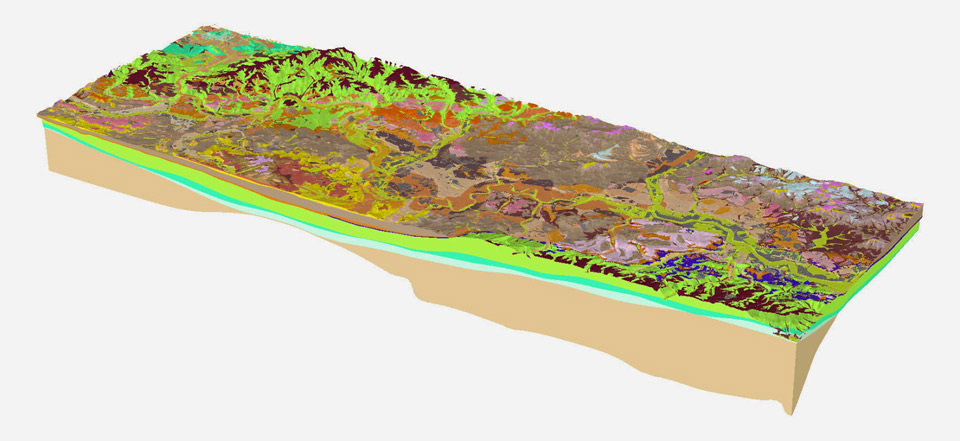
3D geological model of London. BGS © UKRI.
Much of London is built on the London Clay Formation. This unit has clay-rich deposits that expand when wet and shrinks when dry, a phenomenon known as shrink–swell. This movement can cause cracks in buildings, damage roads and disrupt underground utilities.
With climate change, hotter and drier summers followed by intense rainfall are worsening the effects of shrink–swell. The BGS GeoClimate dataset models how these risks may change over time, showing areas most likely to experience future subsidence. Such modelling can allow for preventative or mitigative steps to be put in place to alleviate the effects of the hazard on property and infrastructure.
Glasgow: mining and geothermal energy
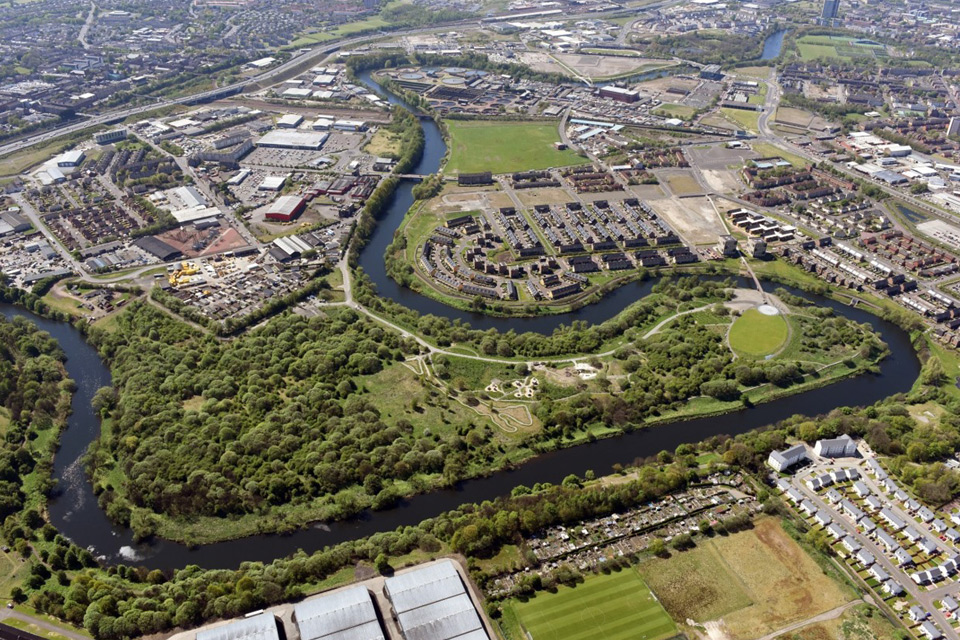
Cuningar Loop in Glasgow is home to one of the UK Geoenergy Observatories, investigating the potential to use heat stored in flooded, abandoned mines as a sustainable energy source. Photo by Clyde Gateway.
Glasgow sits on the Carboniferous-aged Limestone Coal Formation and the coal mined from beneath the city powered its industrial growth. The old mine workings have left voids in the subsurface that can collapse and, if the collapse is close to the surface, cause subsidence. However, if potential issues are known, preventative measures can be put in place to reduce the risk.
The BGS Mining Hazard dataset helps identify areas where past underground mining might pose a risk, supporting safer planning and development. Old mine workings are also providing new opportunities as warm water in flooded mine workings can be used to supply low-carbon heat and hot water to offices and homes, turning a legacy of coal mining into a resource for clean energy.
Truro: radon risk from granite

Aerial view of Truro in Cornwall, England. © Alexey_Fedoren / iStockPhoto.com
Truro in Cornwall is a city built on Carboniferous to Permian-aged granite intrusions, which were formed when molten rock slowly cooled deep underground. Granite contains small amounts of the radioactive element uranium, which naturally breaks down (via a series of intermediate, unstable elements) over millions of years to produce radioactive radon gas.
In enclosed spaces like homes and offices, radon may build up to levels that pose a health risk, with prolonged exposure to elevated levels of radon increasing the risk of lung cancer. For most people, the risk of developing lung cancer from exposure to radon remains low. However, the UK Health Security Agency advises you to test your home if you live or work in a radon affected area and there are several methods of reducing high radon levels in buildings.
Cornwall is just one of several areas around the UK were radon gas needs to be considered. The BGS/UKHSA Radon Potential dataset shows where elevated radon levels are most likely, showing where testing and mitigation are needed around the UK to make homes safer.
Cardiff: complex ground and urban redevelopment
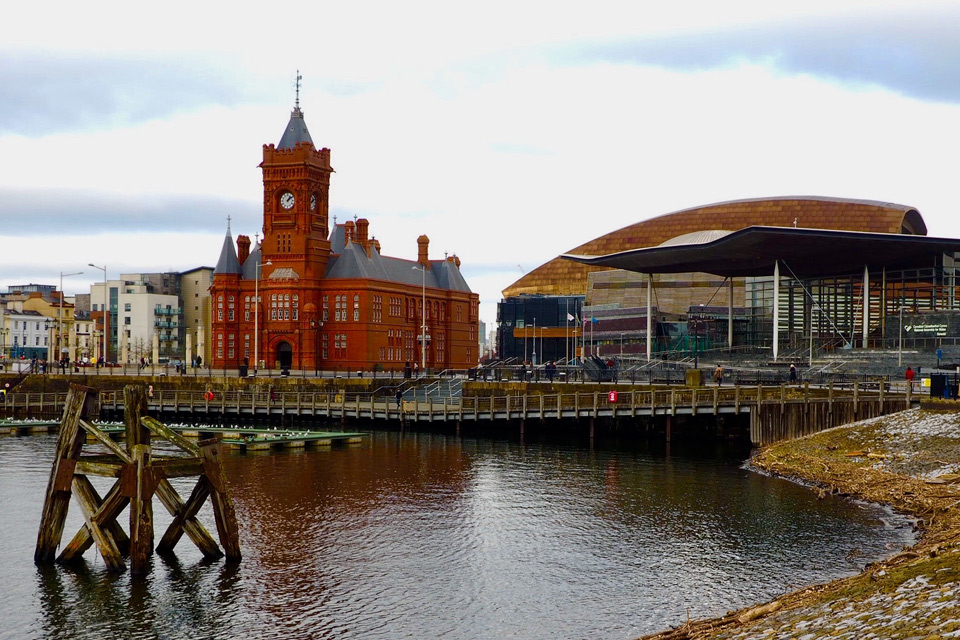
View of Cardiff Bay with the Pierhead Building and the Senedd. BGS © UKRI.
The combination of river sands and gravels, glacial deposits and rocks of the Triassic-aged Mercia Mudstone Group beneath the city of Cardiff affect drainage, groundwater flow and how easily the ground can be built on. As the city continues to grow and redevelop, understanding the subsurface is key for managing groundwater, avoiding subsidence and planning safe infrastructure.
The BGS 3D urban geology model for Cardiff helps to visualise the deposits beneath the city, while the BGS Civils dataset provides practical information on ground stability, excavation difficulty and chemical risks to construction materials.
Every city around the world is shaped or influenced to some degree by the rocks that lie beneath its foundations, a changing coastline along its shore or the risks posed by geohazards such as earthquakes, landslides or radon. As cities continue to grow and face new challenges, from a need to become climate resilient to an increasingly crowded subsurface, understanding the ground beneath them becomes more important than ever.
Urban geoscience connects the past with the present, helping us build cities that are not only functional but also resilient.
Relative topics
Related news
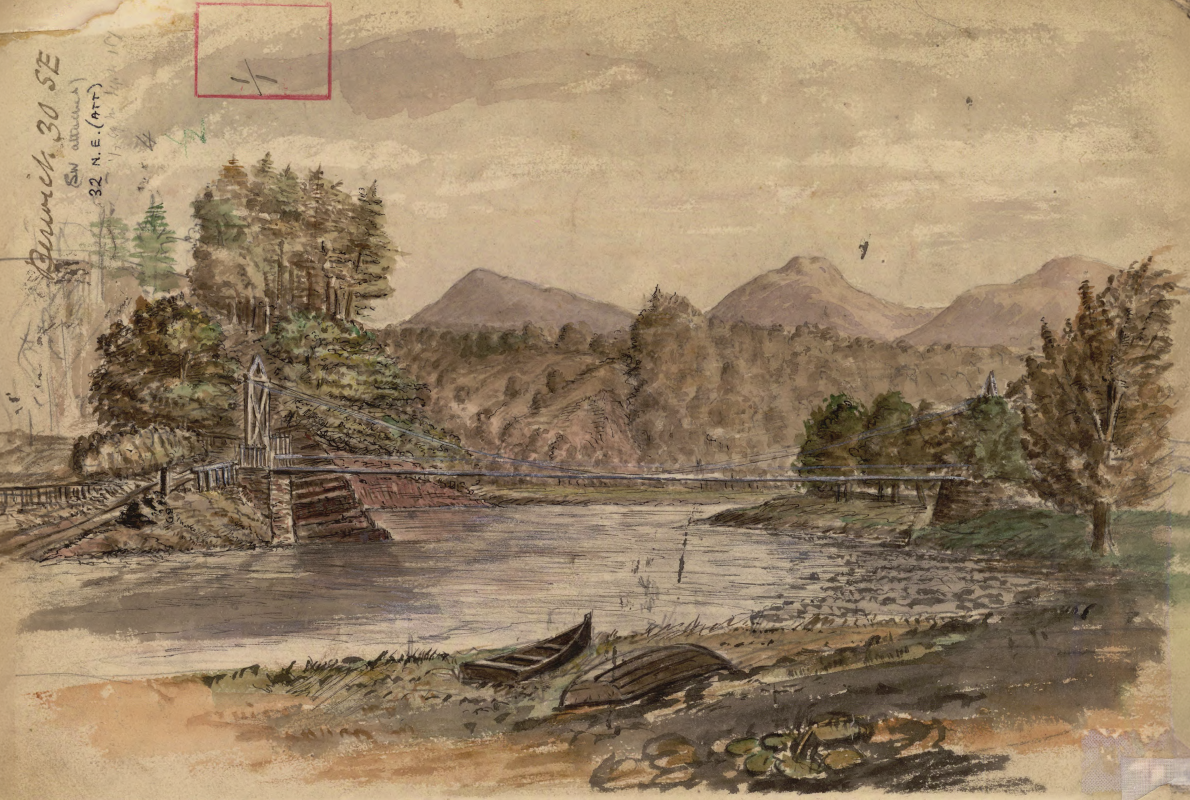
Historic watercolour unearthed on back of Dryburgh geological field map
05/10/2026
A 150-year-old painting of Dryburgh Suspension Bridge and the River Tweed offers an insight into the Scottish Borders landmark shortly after it was built in the 1870s.
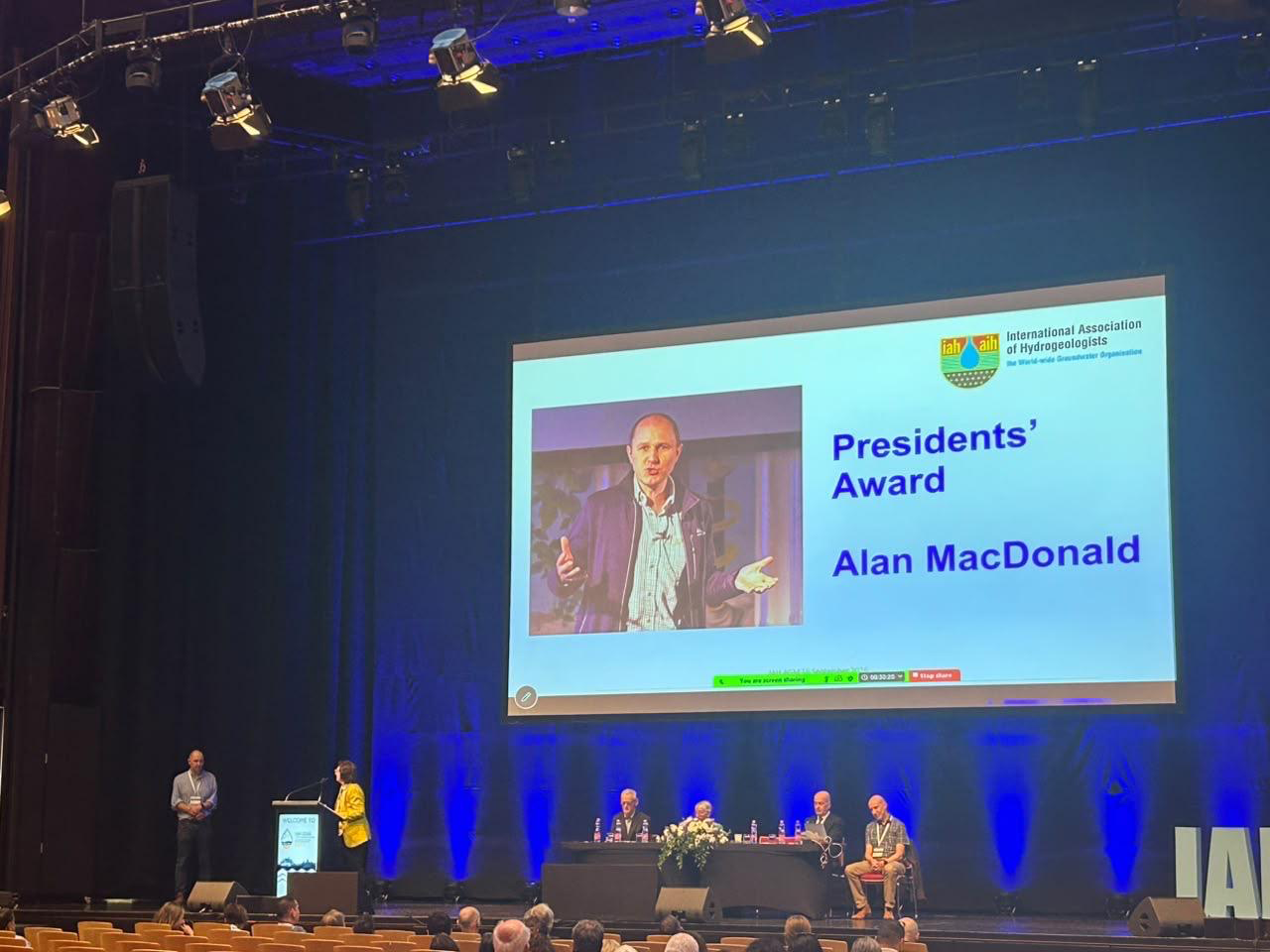
Professor Alan MacDonald presented with Presidents’ Award at 2026 World Groundwater Congress
21/09/2026
The BGS Head of Groundwater has been recognised with this prestigious award by the International Association of Hydrogeologists for his extensive contributions to groundwater science.
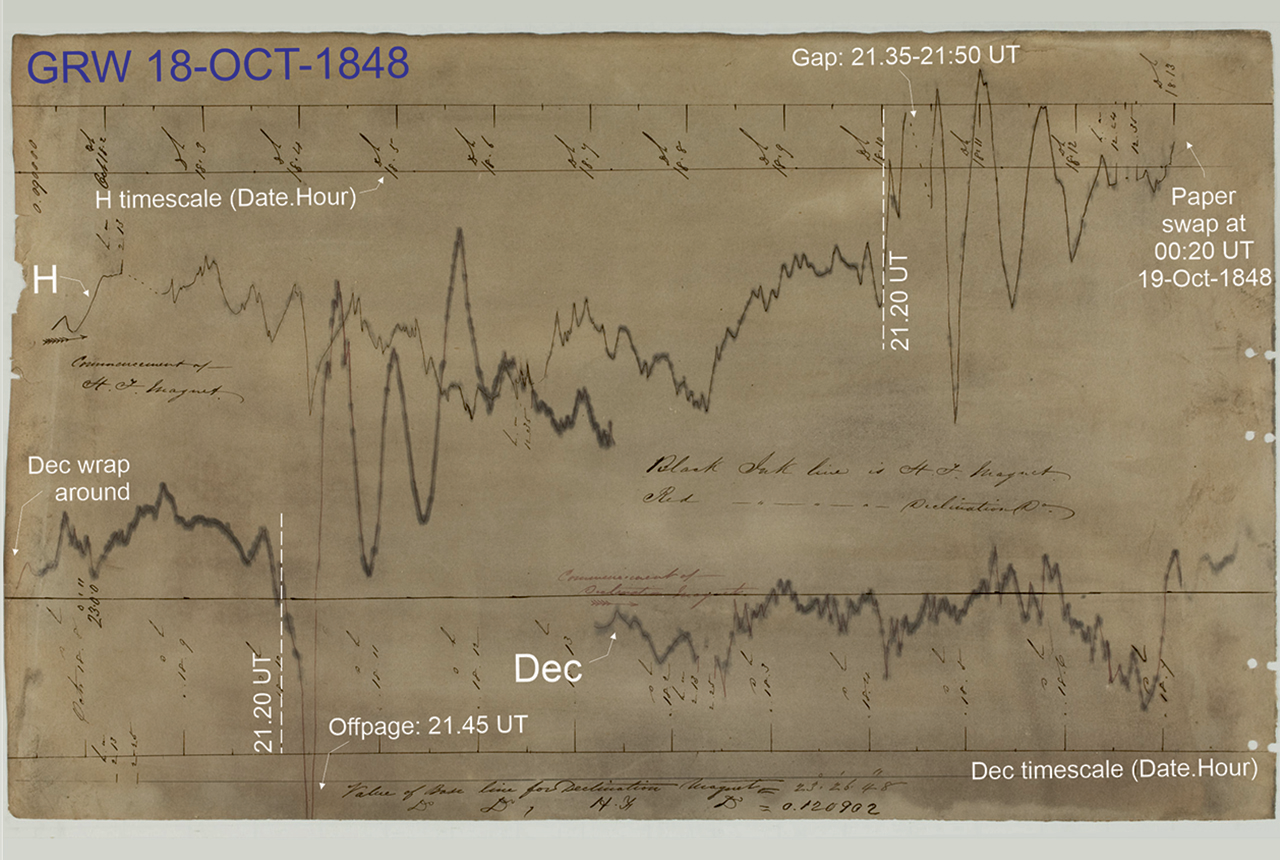
Mystery of one of the earliest recorded space weather impacts solved
17/09/2026
BGS scientists were part of an international team that has solved a 178-year-old mystery surrounding one of the earliest recorded examples of space weather affecting technology.
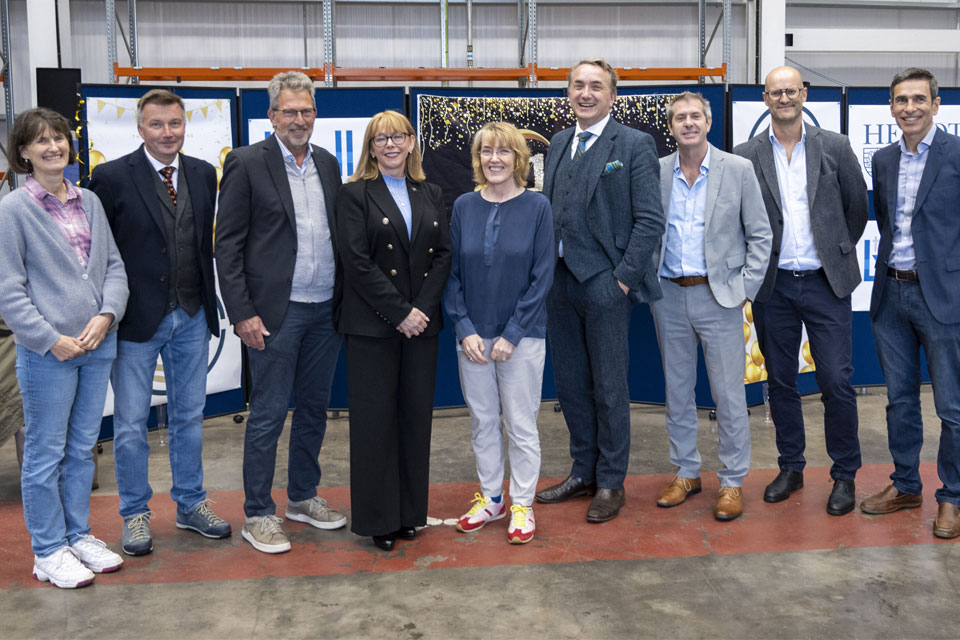
The Lyell Centre celebrates 10 years of world-leading earth and marine science research
07/09/2026
The Lyell Centre for Earth and Marine Sciences, a strategic partnership between Heriot-Watt University and BGS, is celebrating its 10th anniversary, marking a decade of world-leading research, innovation and collaboration in earth and marine sciences.

Demand for data centres presents challenges and opportunities for UK critical mineral supply chains
02/09/2026
Government-backed research finds that vulnerabilities in raw material supply chains must be addressed to secure the critical minerals needed to expand the UK’s digital infrastructure and boost economic growth.

What lies beneath Europe’s sinking ground?
01/09/2026
Land subsidence is becoming increasingly visible across Europe. New research examines how better monitoring, shared data and a deeper understanding of the subsurface can help assess and manage its impacts.
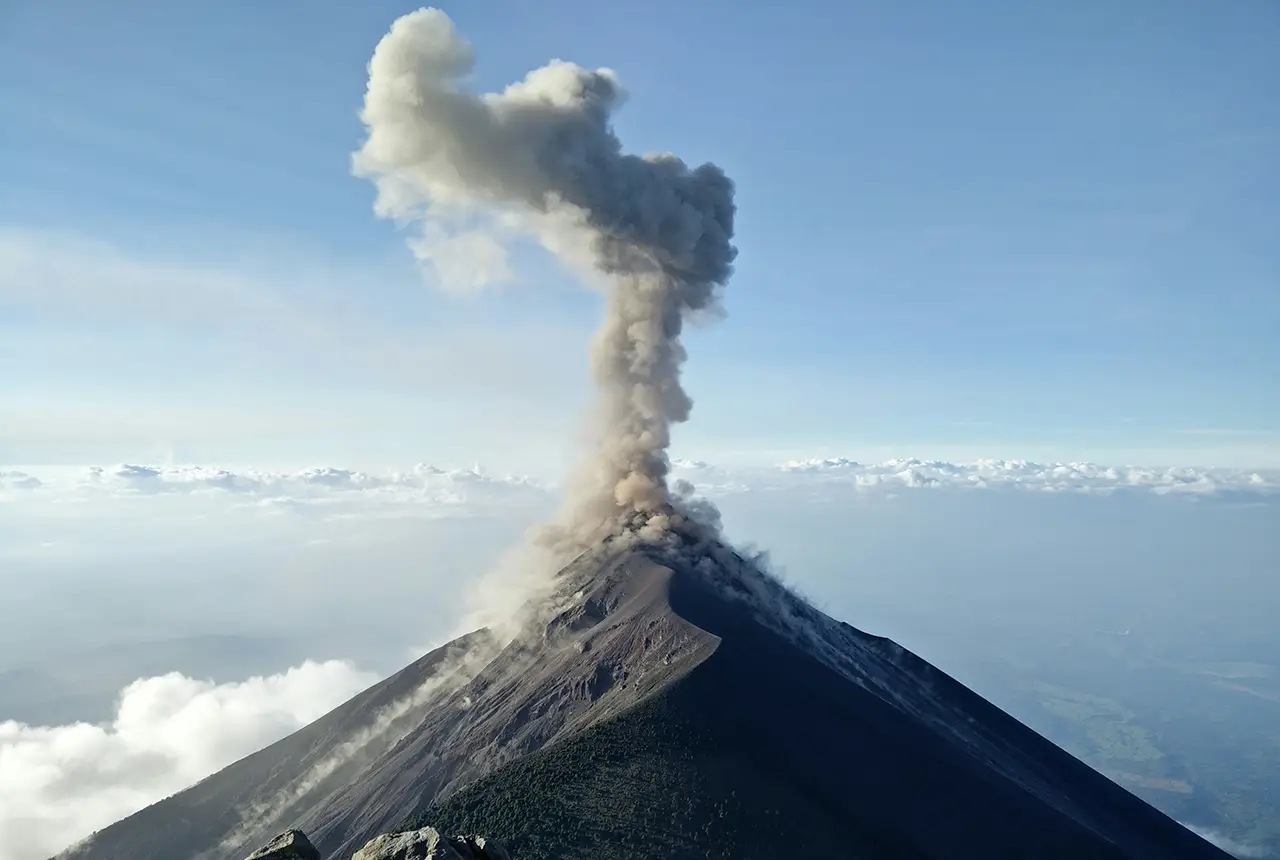
Secrets of an ancient supervolcano uncovered that change our understanding of England’s geological past
28/08/2026
Scientists have found evidence of a long-hidden link between an ancient buried ash layer in Scandinavia and a concealed supervolcano in eastern England.
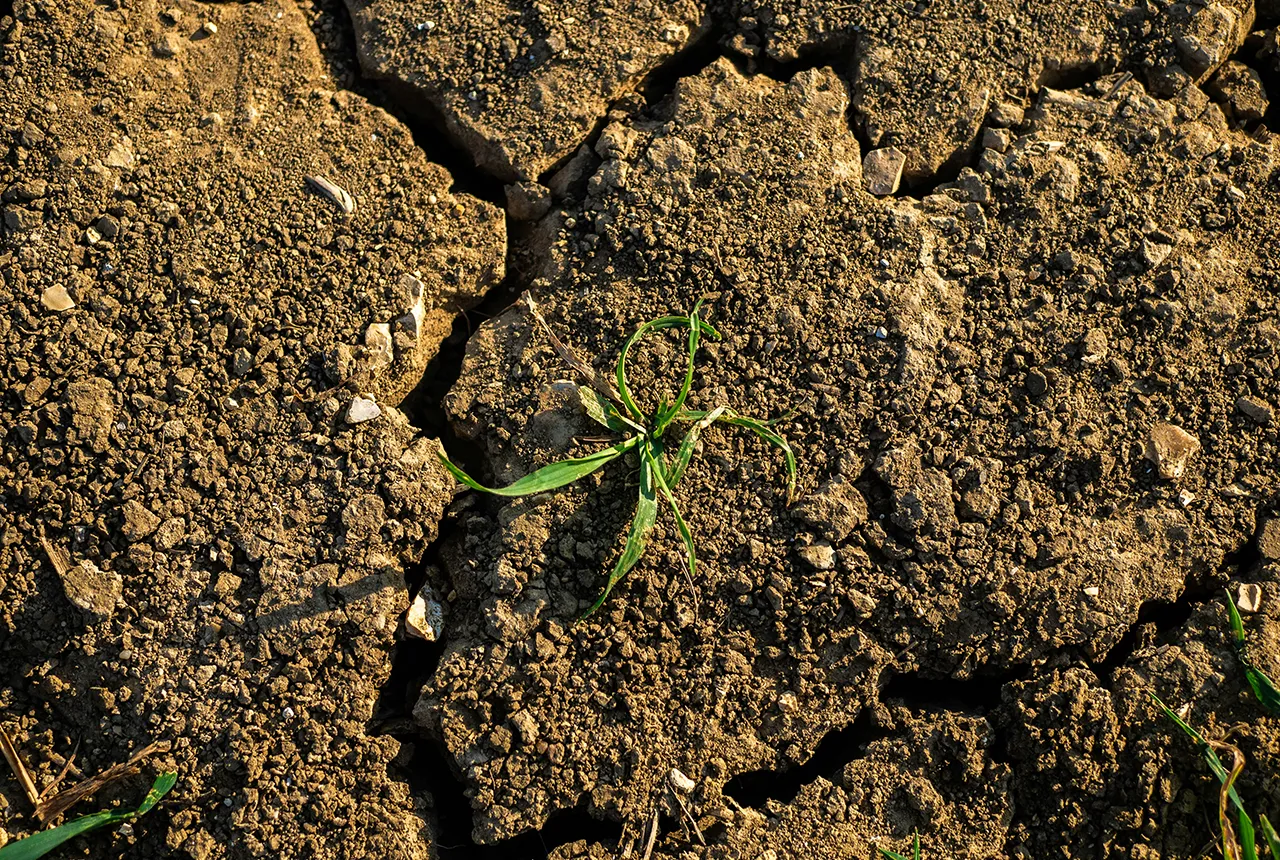
BGS research into drought-exposed soils wins award
26/08/2026
A research paper investigating how temperate soils respond to drought has been announced as the winner of the Land Best Paper Award.
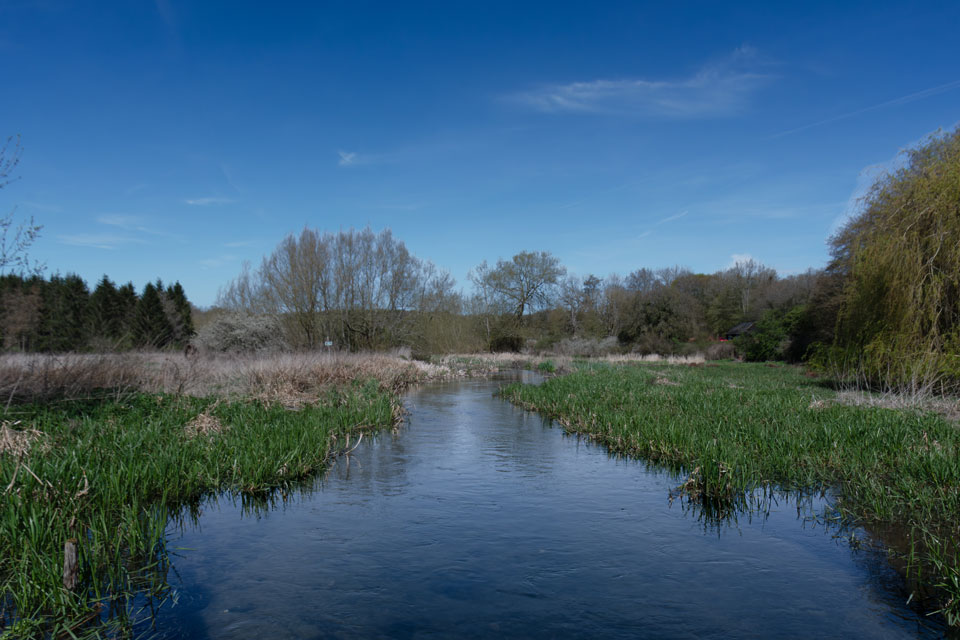
UK aquifers robust despite driest July on record
16/08/2026
In a summer experiencing widespread drought, groundwater levels around the country are showing resilience, demonstrating their value as a crucial resource and indicating they could play a more significant role in mitigating the impacts of extreme weather.
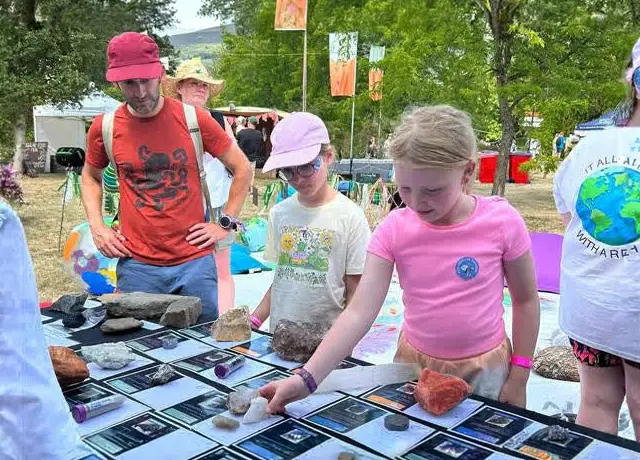
New NERC-funded project empowers young people to engage with environmental science
23/07/2026
BGS is part of a new, collaborative project, funded through NERC’s ‘Opening up the environment’ programme, helping the environmental research community become more accessible.
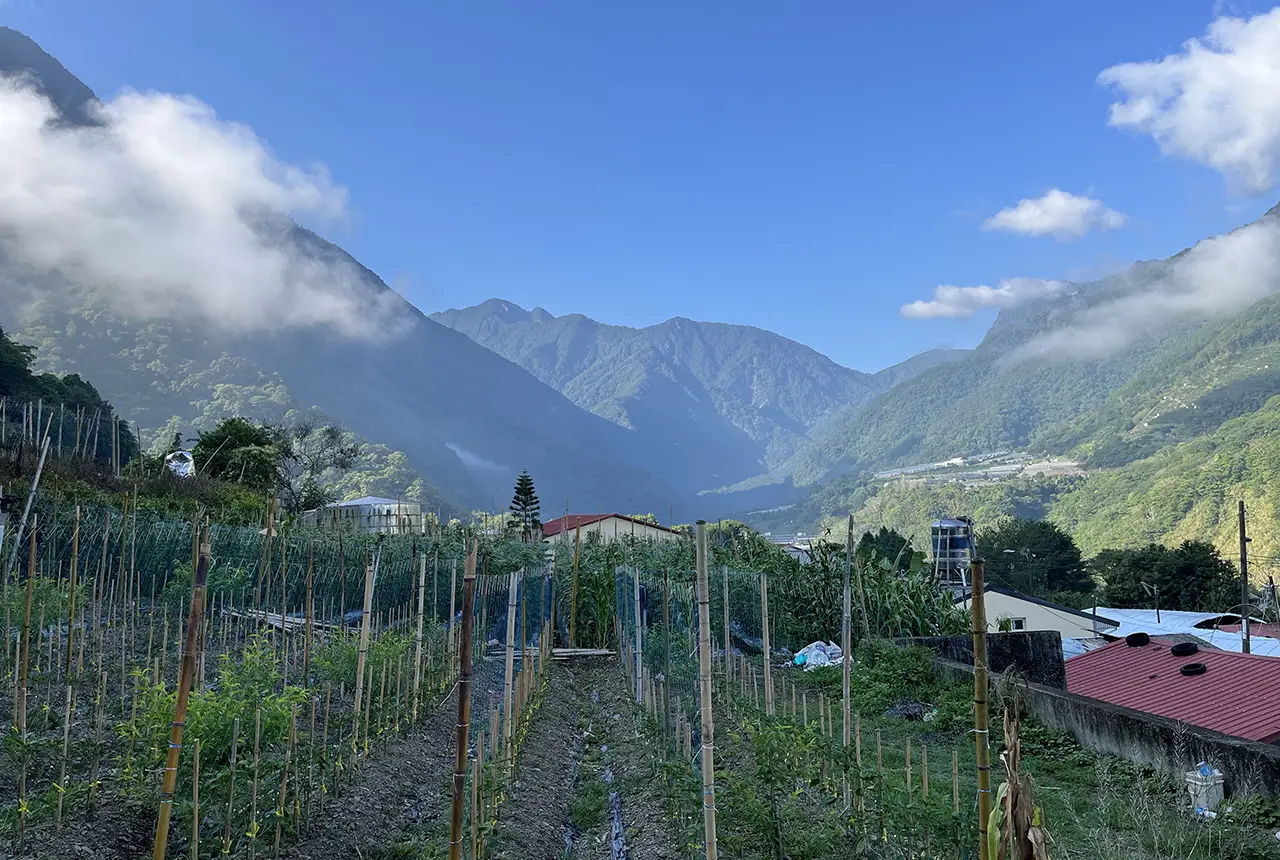
Delving deep into mountains for future water security
16/07/2026
A BGS-led project is using new water-tracing investigation methods, geophysics and modelling to understand how water moves from mountains to the lowlands, helping to improve water security for billions of people.
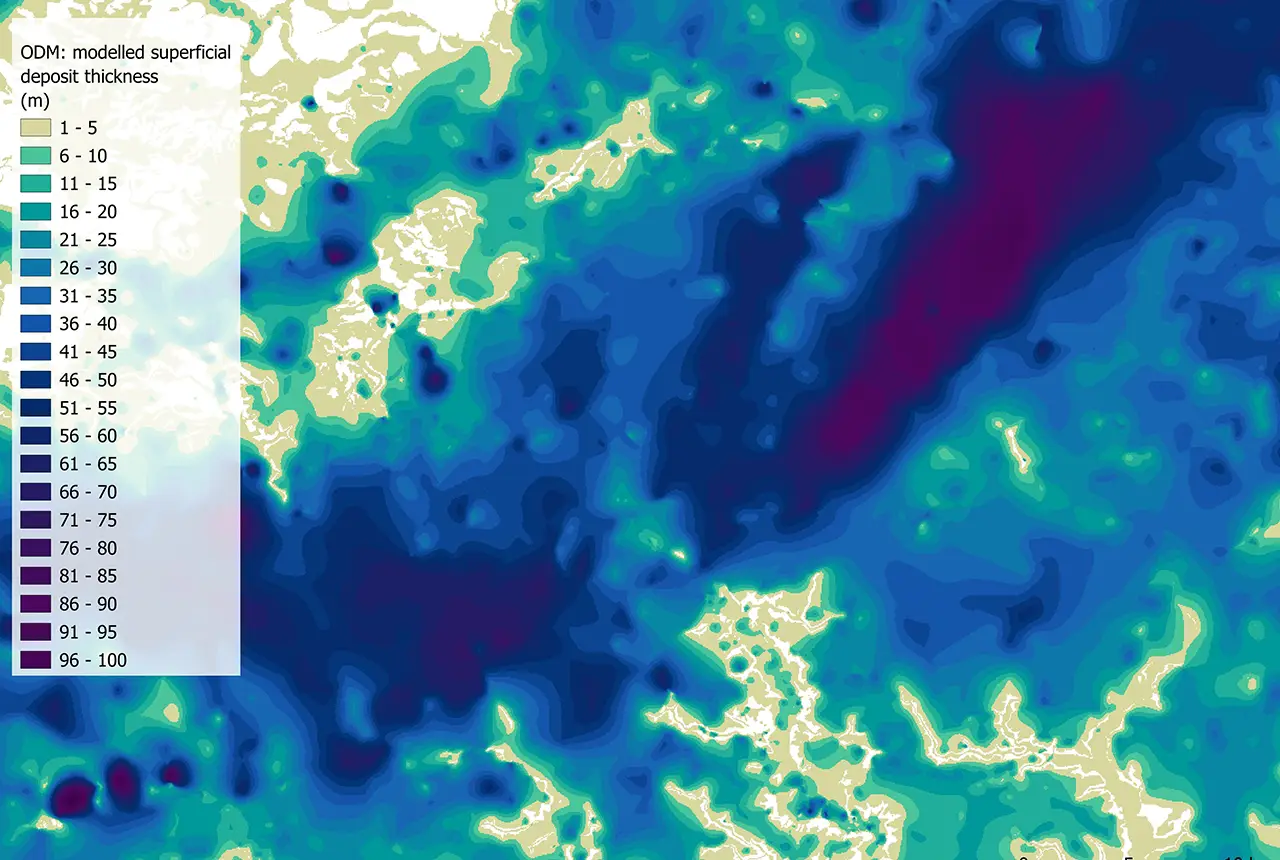
Updated national 3D model will determine the depth to the solid bedrock beneath our feet
13/07/2026
The BGS Superficial Deposit Thickness Model now includes an elevation model of geological rockhead for the first time, providing important data for civil engineers, geoscientists and environmental scientists.