

Cheshire Geoenergy Observatory releases key geological datasets for UK thermal energy storage scheme design
A new report and data packs from BGS will provide a unique resource for scientists working on the geology and hydrogeology of the Sherwood Sandstone Formation, an important aquifer and reservoir rock.
09/07/2026 By BGS Press

The UK Geoenergy Observatories (UKGEOS) team at BGS has released the drilling report and the final 17 borehole data packs from the construction of the UK Geoenergy Observatory in Cheshire.
The UKGEOS project set out to deliver essential new data from the subsurface to build knowledge about clean energy. Opened in 2024, the Cheshire Observatory provides scientists with at-scale test facilities that can be used to optimise and de-risk subsurface energy storage systems and geothermal heat in an aquifer setting.
Together with the three data packs released in 2025, a ground investigation borehole dataset pack released in 2023 and the core scanning dataset released in 2022, the 17 new borehole data packs have been made available on an open-access basis and are key deliverables from the UKGEOS capital project. They provide high-resolution data on the physical properties, geochemistry and interpreted geology of the rocks in which the Cheshire Observatory was built and are a unique resource for scientists working on the geology and hydrogeology of the Sherwood Sandstone Formation, which is an important aquifer and reservoir rock for heat and carbon dioxide (CO2) storage.
The drilling report is also a valuable resource for future subsurface science and engineering, as it documents novel construction methods, lessons learned, drilling decision trees and how the difficulties of installing complex, closely separated boreholes were overcome.

We are pleased to announce the release of the drilling report alongside the borehole data packs for the construction of the UK Geoenergy Observatory in Cheshire. These will provide a unique resource for scientists working on the geology and hydrogeology of the Sherwood Sandstone Formation, which is well suited for geothermal energy in the UK, ensuring this valuable information can be used for future subsurface science and engineering.
Dr Mike Spence, science and operations lead at BGS for the Cheshire Observatory.
The Cheshire Observatory was delivered through close collaboration between BGS, the UKGEOS external science advisory group, AECOM (the principal contractor for the observatory), the drilling company Marriott and the dedication of over 200 project scientists and engineers. The drilling report and data packs are available to download free of charge on the UKGEOS website.
The Cheshire Observatory is available to the whole of the UK science community for research, innovation and training activities. Research studies funded through any source are welcome, including outside UKRI and industry-led research. Find out more about the UK Geoenergy Observatories or contact the UKGEOS team (ukgeosenquiries@bgs.ac.uk).
Relative topics
Related news

Demand for data centres presents challenges and opportunities for UK critical mineral supply chains
02/09/2026
Government-backed research finds that vulnerabilities in raw material supply chains must be addressed to secure the critical minerals needed to expand the UK’s digital infrastructure and boost economic growth.

MaxStoreUK hydrogen geological storage policy roundtable
Event on 08/10/2026
Storage operators, regulators, licensor and Government stakeholders are invited to join our roundtable discussion of hydrogen geological storage policy.
Cheshire Geoenergy Observatory releases key geological datasets for UK thermal energy storage scheme design
09/07/2026
A new report and data packs from BGS will provide a unique resource for scientists working on the geology and hydrogeology of the Sherwood Sandstone Formation, an important aquifer and reservoir rock.

UK and Philippines scientists investigate natural hydrogen generation processes at atomic scale
22/06/2026
BGS researchers were granted access to use the Diamond Light Source facility in order to study hydrogen in light brighter than the sun.

Shortage of end-of-life materials presents challenge to UK critical minerals security
17/06/2026
A new report by the UK Critical Minerals Intelligence Centre reveals insufficient end-of-life material stocks present a supply risk over the coming decade, but offer significant long-term potential to meet critical mineral demand through recycling.
UK geothermal catalogue receives update
16/06/2026
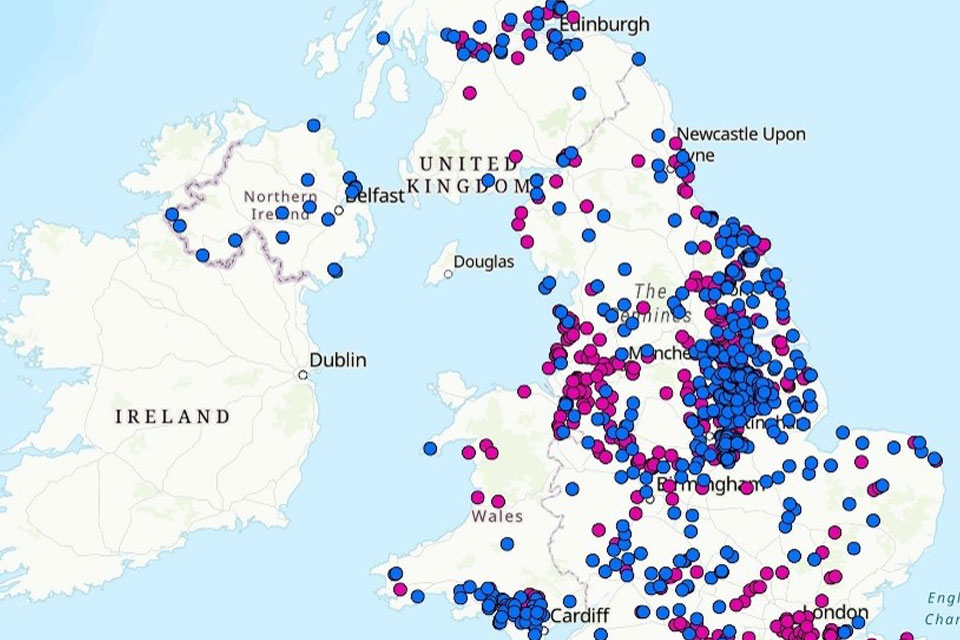
BGS releases the second digital version of the UK geothermal catalogue of subsurface temperature and rock thermal conductivity measurements and heat flow calculations.
Natural hydrogen research
Understanding aspects of the natural hydrogen value chain on a national and international level.
Strengthening capacity through partnership: a critical minerals perspective
28/04/2026
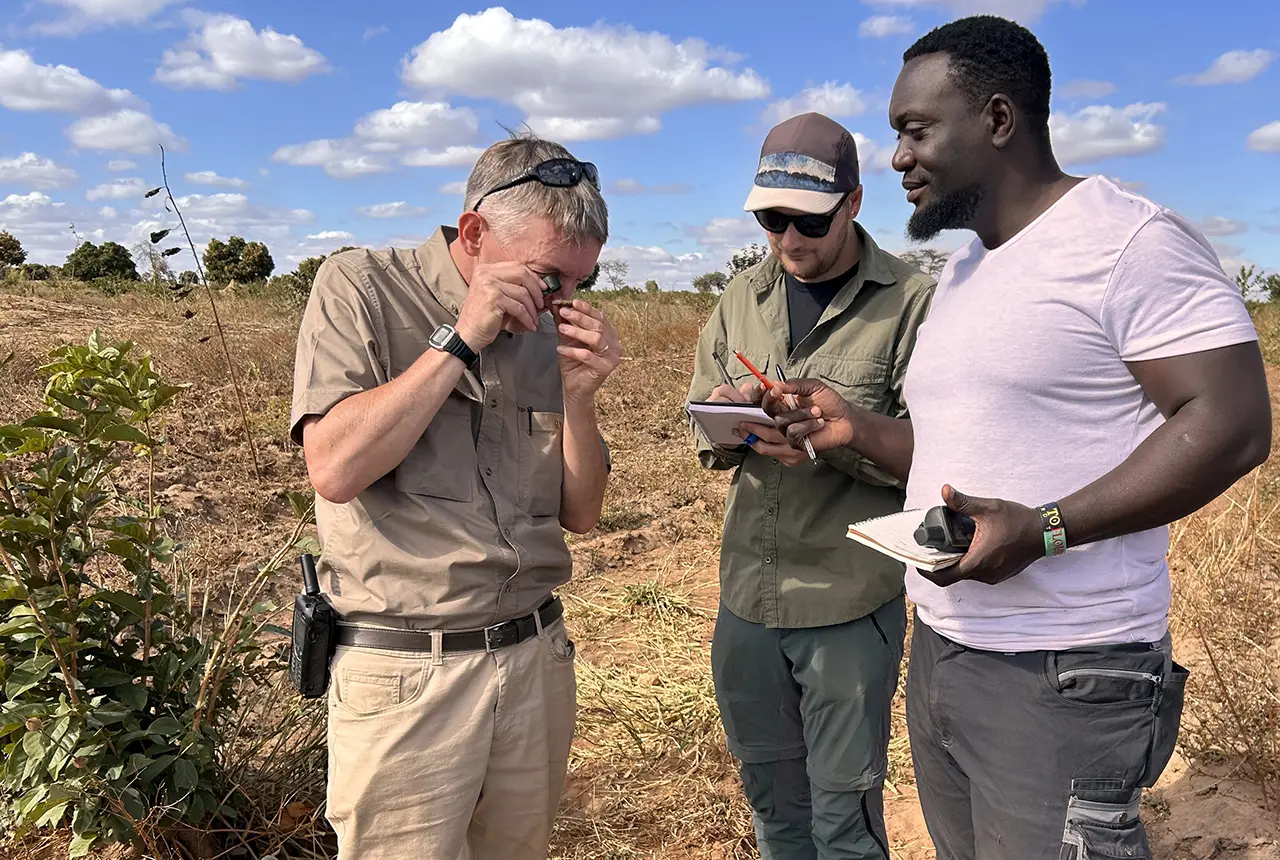
BGS has been working in partnership with the Geological Survey Department of Zambia (GSD) to build national capacity, improve data accessibility and support long-term, sustainable development.

Updated geological assessment of the Southern North Sea set to underpin future offshore infrastructure development
25/03/2026
The first regional assessment for 30 years will support offshore marine and subsurface planning for the UK’s low-carbon energy infrastructure, including the 2030 target of 45 to 50 GW generated through offshore wind.

UK Critical Minerals Intelligence Centre 2026 showcase
Event on 31/03/2026
A special live webinar with the team from the Critical Minerals Intelligence Centre showcasing the latest research from 2026 on copper, the future of digital, and what’s next for the criticality assessment. A recording of the event is now available.
Can sandstones under the North Sea unlock the UK’s carbon storage potential?
02/02/2026
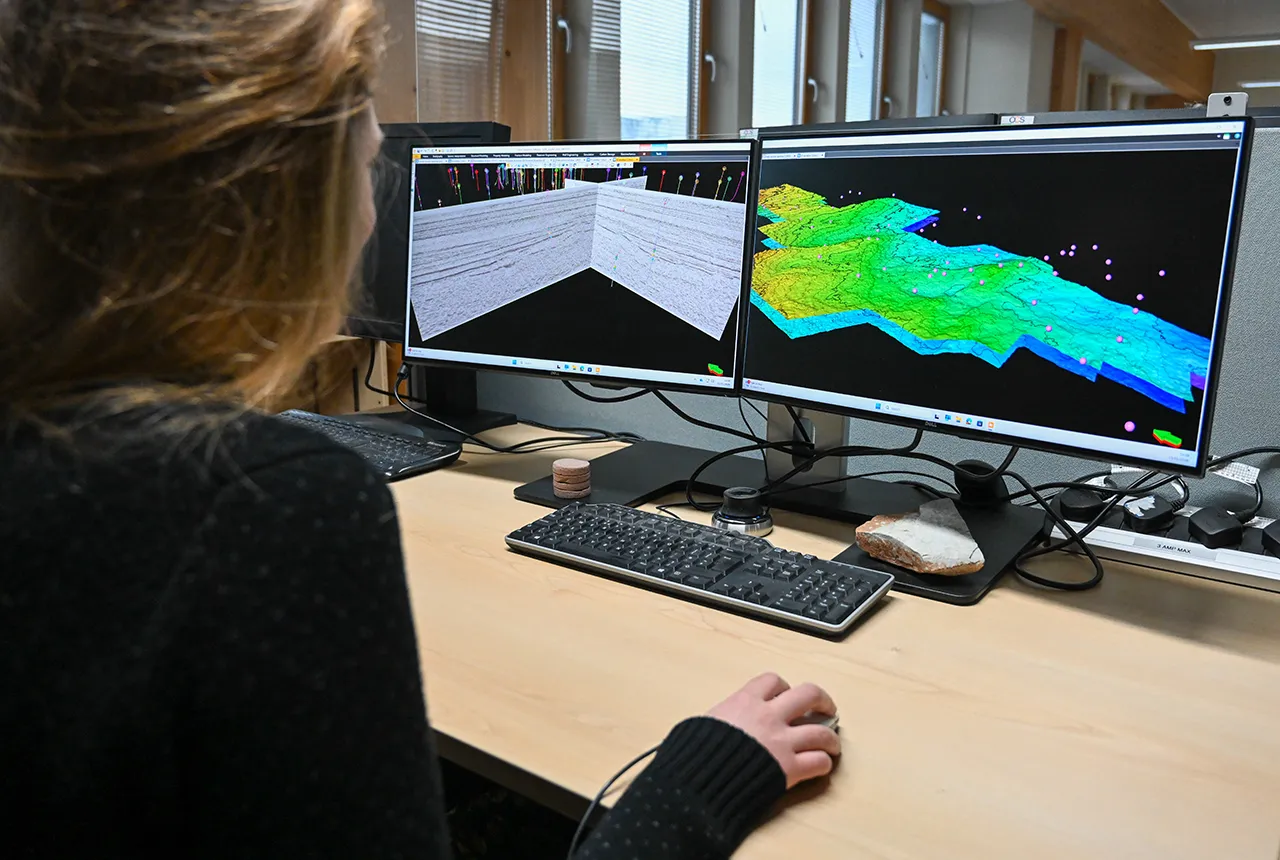
For the UK to reach its ambitious target of storing 170 million tonnes of carbon dioxide per year by 2050, it will need to look beyond the current well-studied geographical areas.

Making research matter: BGS joins leading research organisations in new national initiative
10/12/2025
A new alliance of 35 organisations has been formed that is dedicated to advancing science for the benefit of people, communities, the economy and national priorities.