
Interactive exhibition highlighting multi-hazard research opens in Indonesia
The exhibition, part of a collaborative effort co-led by BGS, invites the public to consider how communities adapt to dynamic landscapes shaped by natural hazards.
01/11/2026 By BGS Press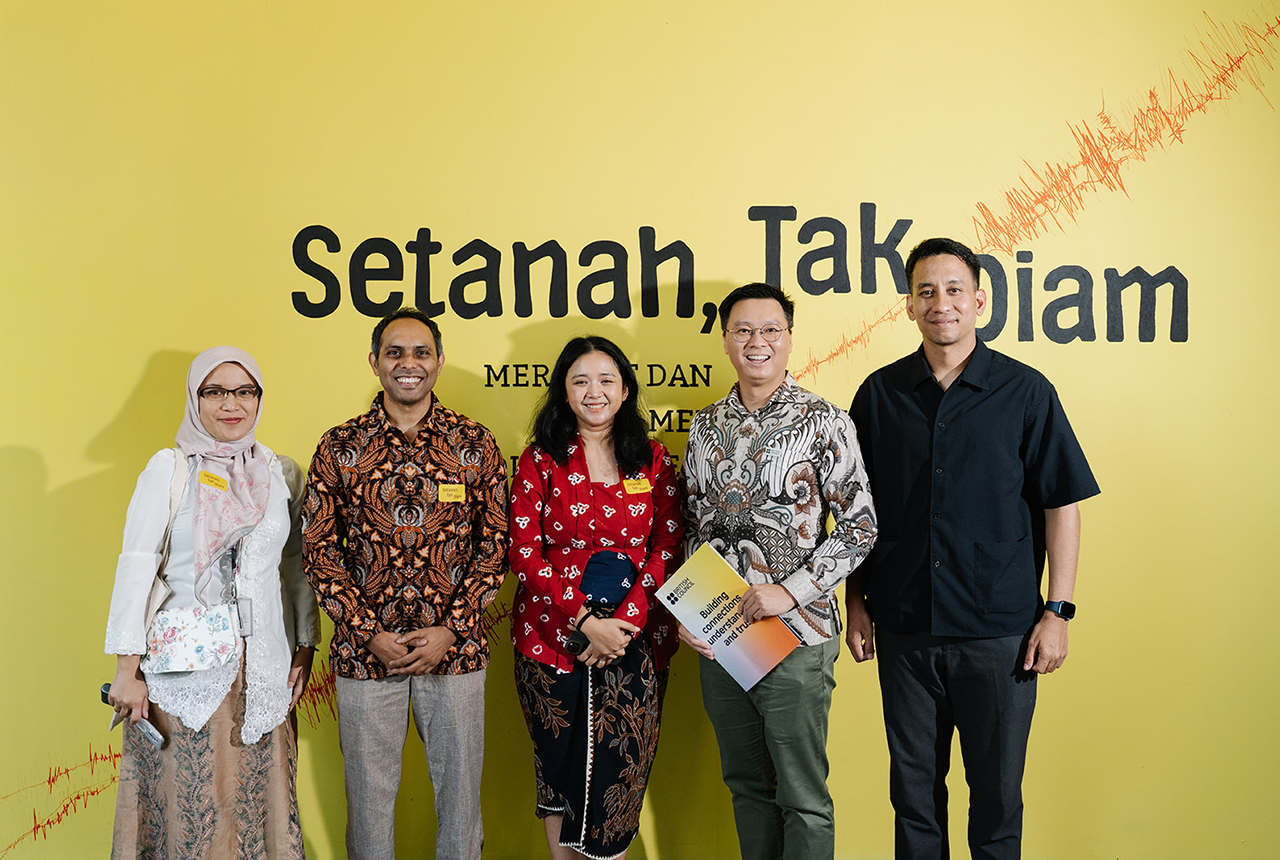

Indonesia is one of the most hazard prone countries in the world, and is regularly impacted by natural hazards including earthquakes, volcanoes, tsunamis and floods. Understanding these hazards and how they shape the landscape across the country — and, importantly, who and what may be affected by them — is essential to effective disaster risk management.
A new art exhibition, Satanah, Tak Diam: Merawat dan Membentuk Masa Depan di Tanah Bergerak (The Earth Does Not Stay Quiet: Nurturing and Shaping the Future on Shifting Ground) in Bandung, Indonesia brings together science, art, culture and lived experience to engage the public with these hazards and the challenge scientists face to understand them. The exhibition invites visitors to explore the natural landscape, environmental change, disaster risk, and the relationship between people and the environment in Indonesia.
Satanah, Tak Diam implores the public to consider how communities understand, respond to, and adapt to environmental change over time. Scientific knowledge derived from research and field experience and local wisdom in the Bandung area has been translated through a range of narratives and visual experiences, making it both accessible and relatable to the public. The exhibition showcases realistic and worst-case scenarios to explore potential impacts. These scenarios can help researchers, communities and decisionmakers understand where risks may be concentrated and what could be done to reduce hazard impacts.
The international collaborative project team, led by BGS and the Institut Teknologi Bandung (ITB), with partners Badan Riset dan Inovasi (Nasional (BRIN), Gamma Metrics, Resilience Development Initiative (RDI), Kyoto University and University of Leeds presented the opening of Setanah, Tak Diam at the Selasar Sunaryo Art Space in the city of Bandung, a densely populated area home to over nine million people.
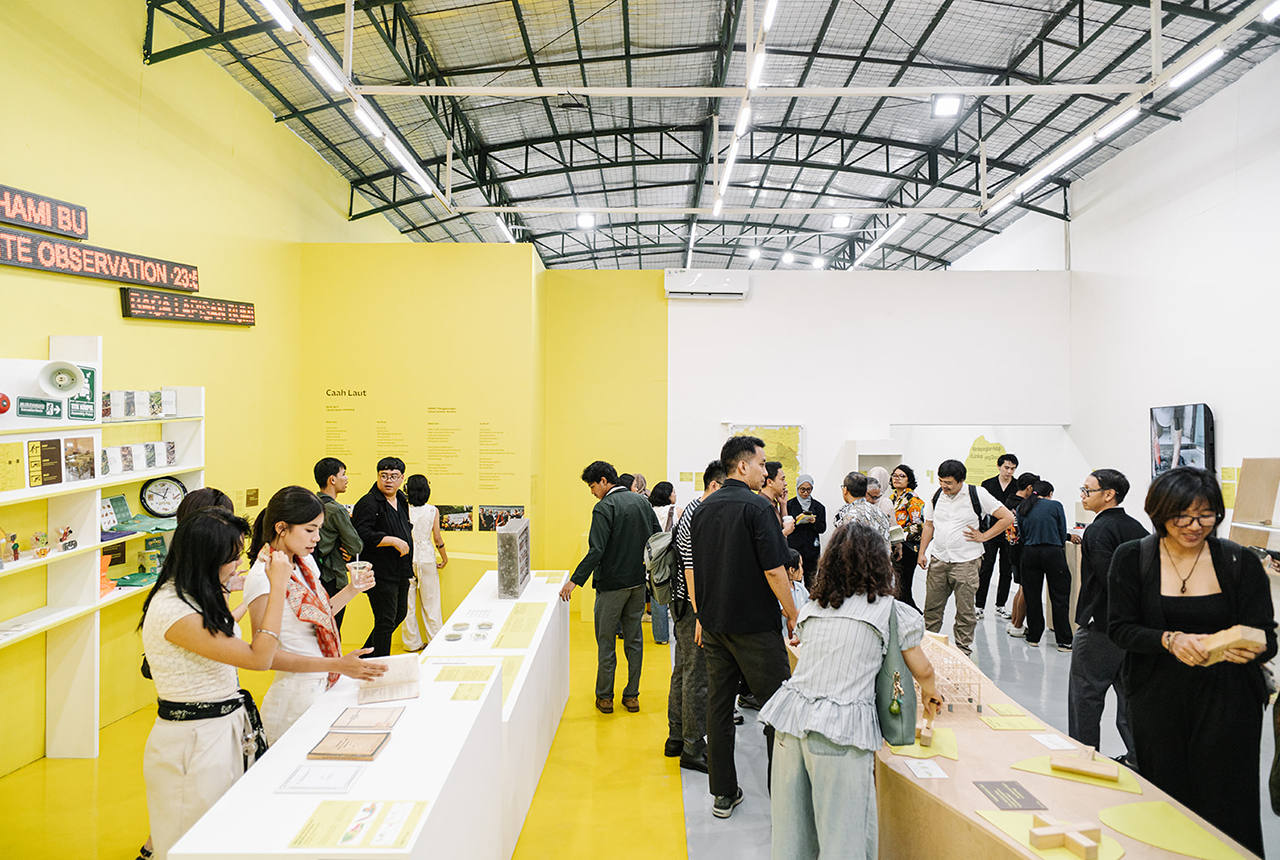
Crowds interact with the exhibition. BGS © UKRI 2026.
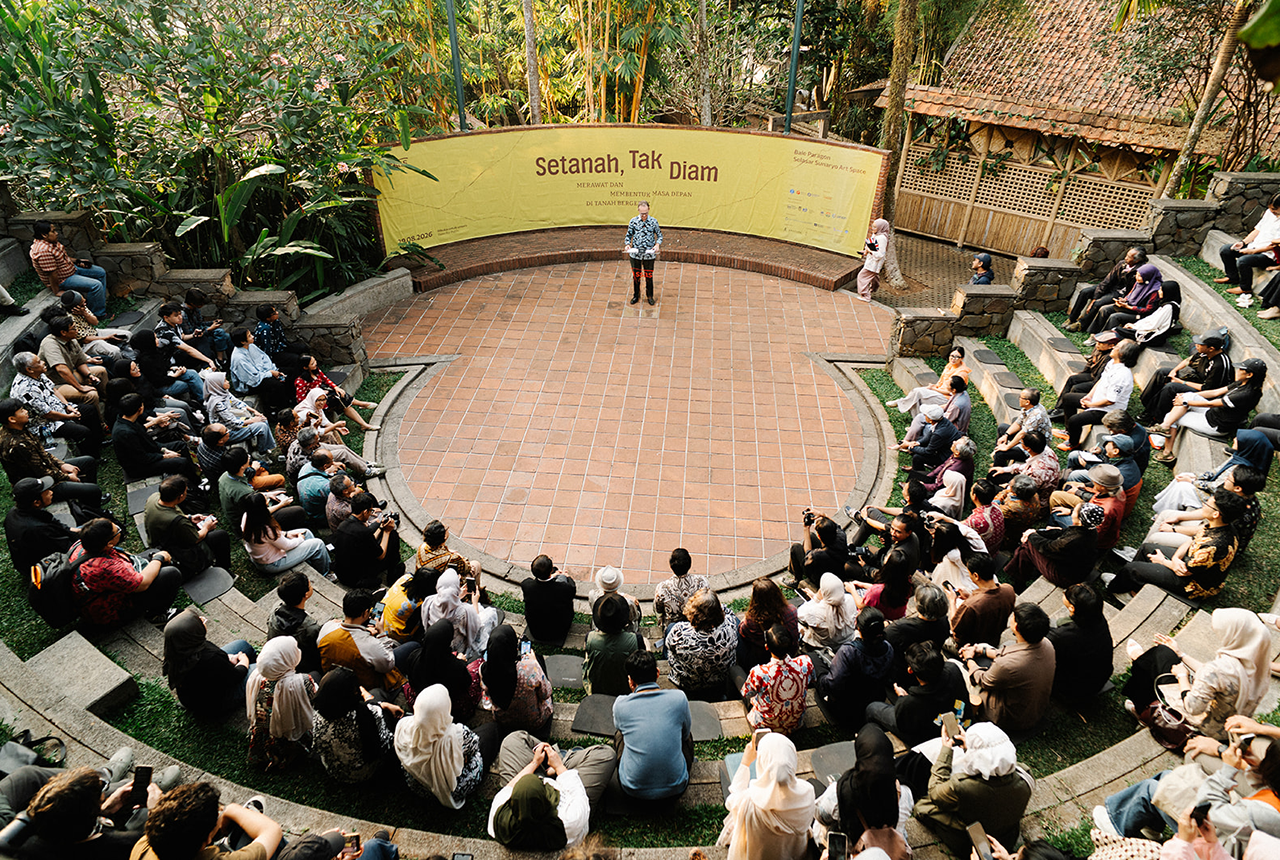
Ambassador to Indonesia, Dominic Jermey at the opening ceremony of the Satanah, Tak Diam exhibition. BGS © UKRI 2026.
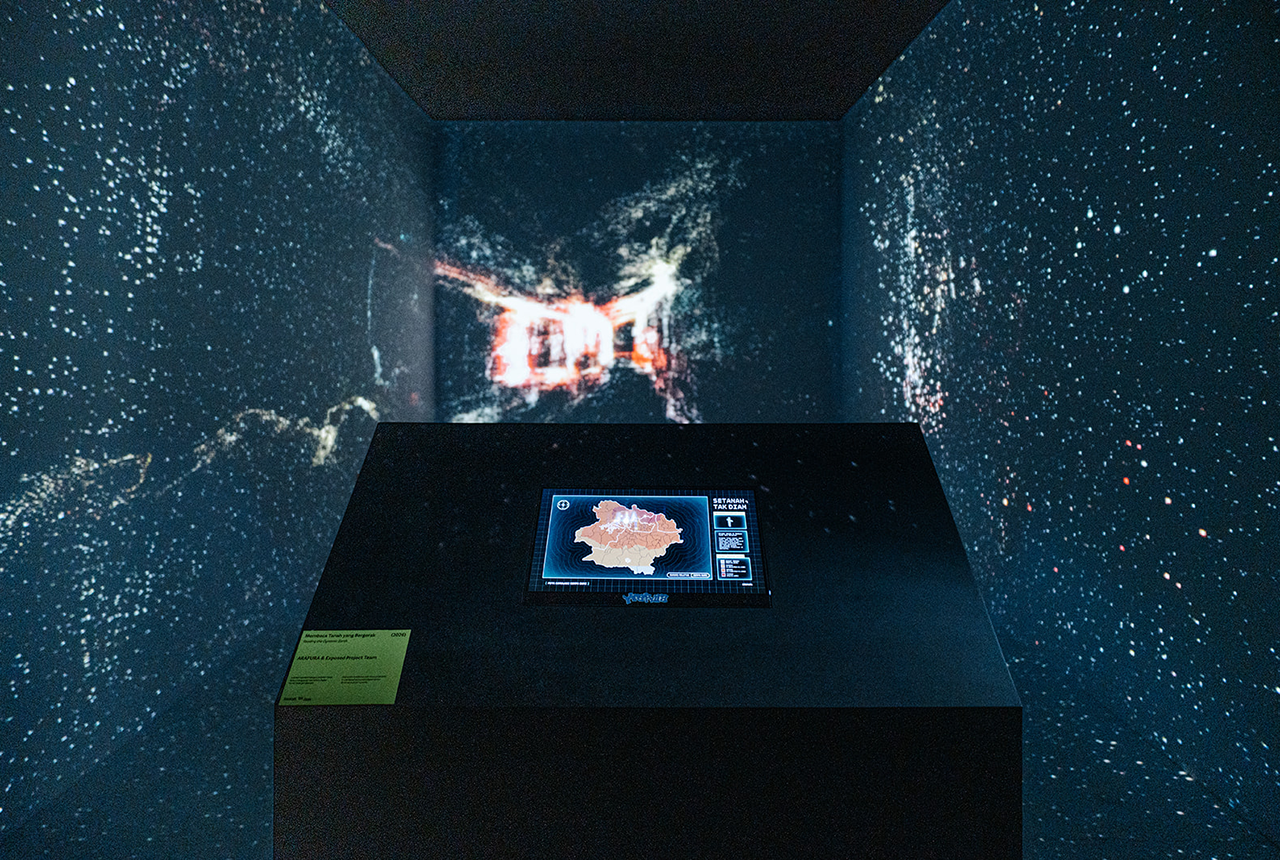
Part of the exhibition’s multimedia display. BGS © UKRI 2026.
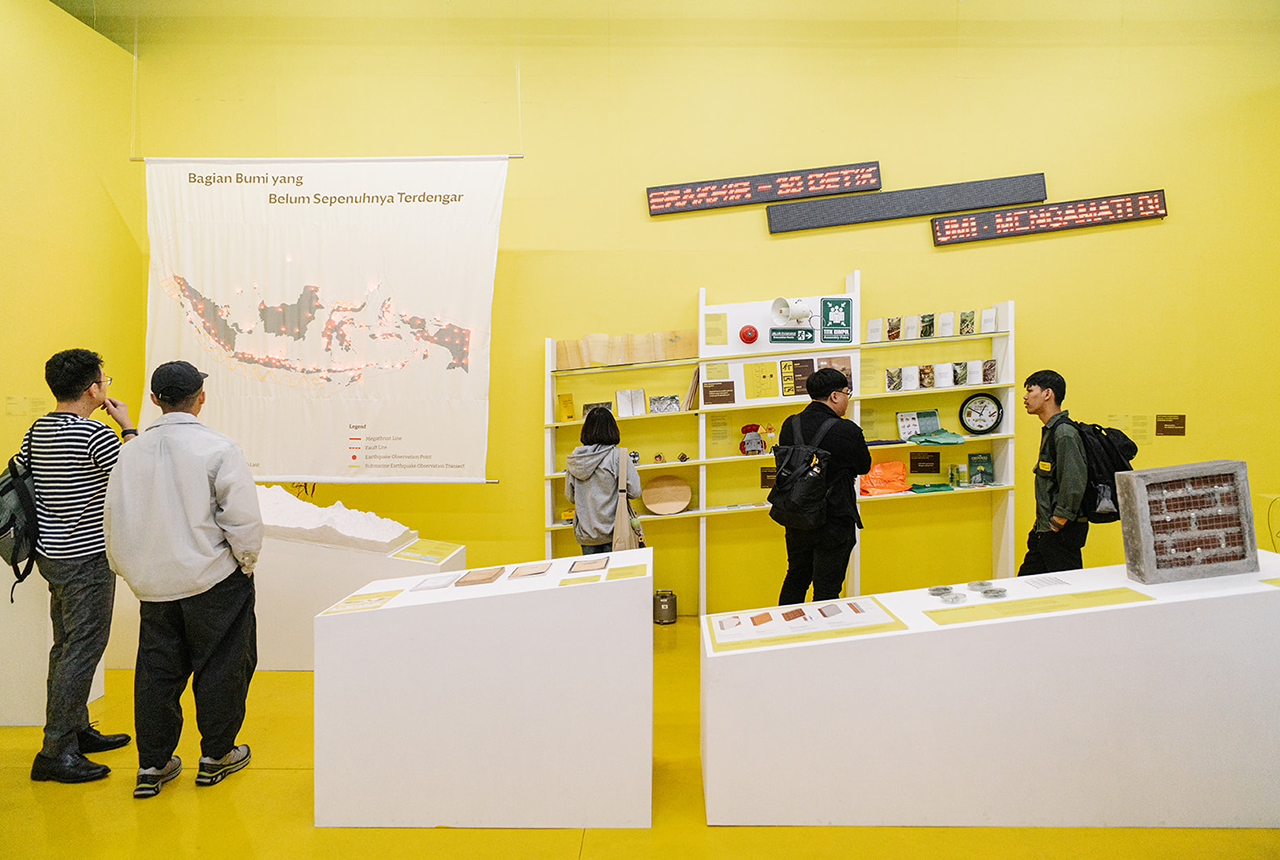
The exhibition brings together scientific research, community knowledge and artistic design to explore what it means to live in a landscape that is in constant motion from geological hazards. BGS © UKRI 2026.
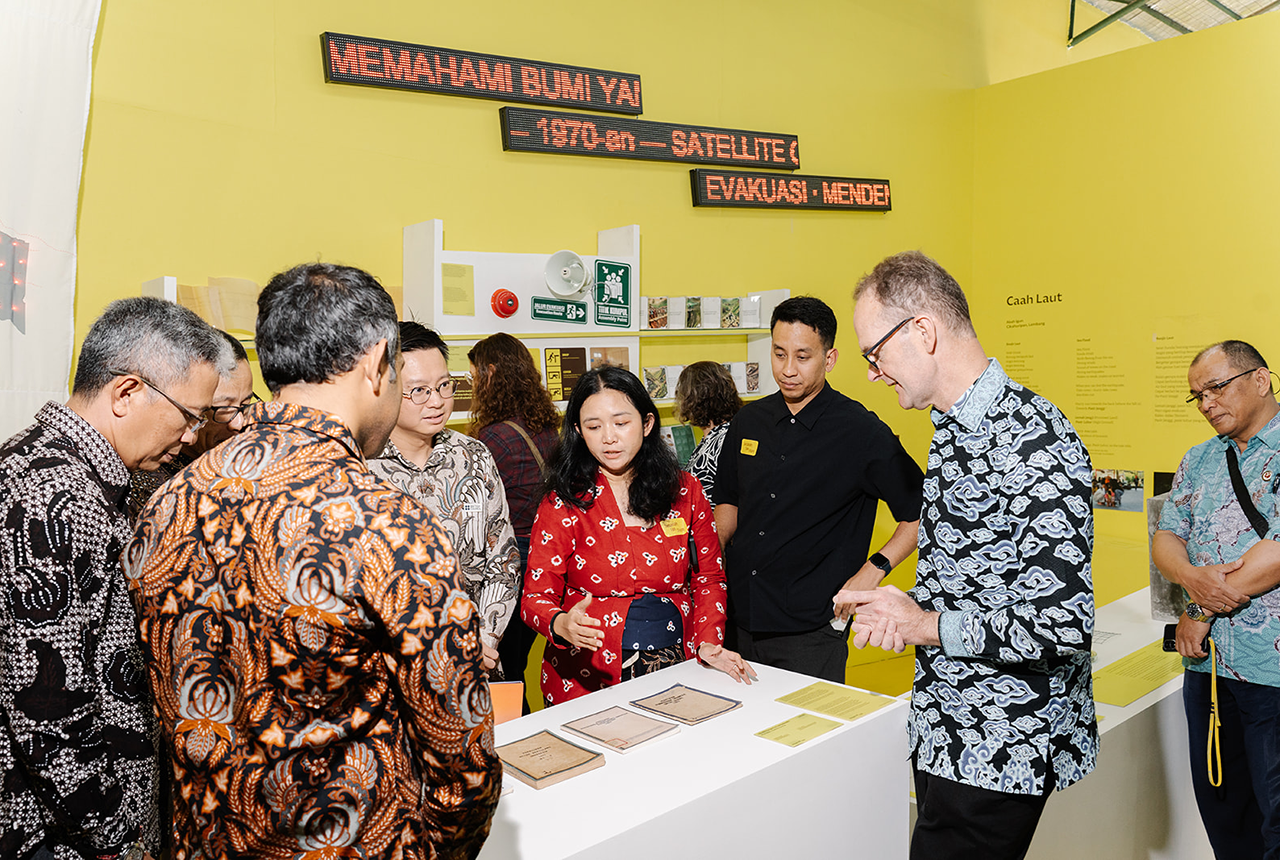
Ambassador to Indonesia, Dominic Jermey at the exhibition, which is on display in Bandung. BGS © UKRI 2026.
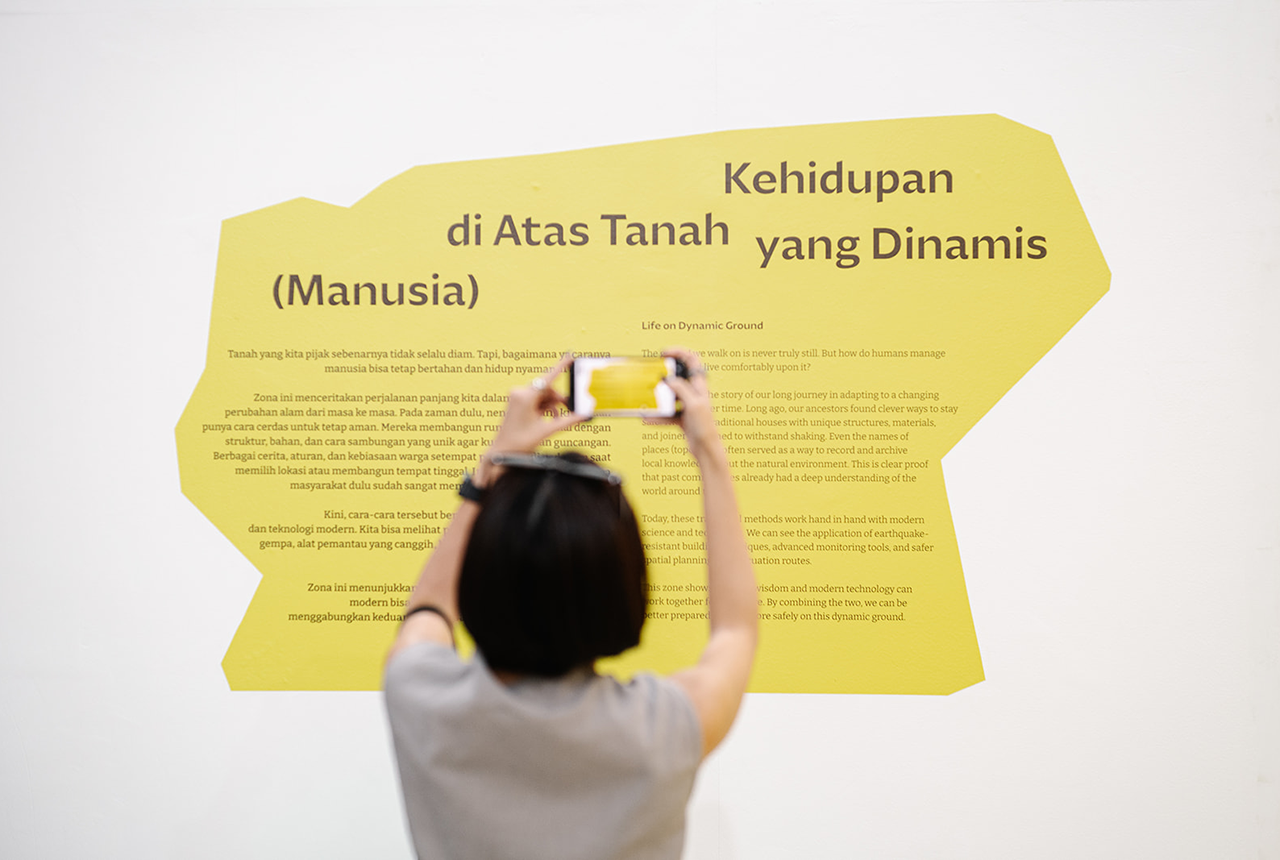
A visitor takes a photo of the exhibition. BGS © UKRI 2026.
The exhibition serves as a reminder of the interplay between communities and the natural environment and creates an opportunity for research findings to be explored through science, art, culture and lived experience, helping the public engage with questions of geological risk, preparedness and resilience.

Our vision for the Setanah, Tak Diam exhibition was to bring together scientific research, community knowledge and artistic design into a multimedia experience that engages on the topic of what it means to live in a landscape that is in constant motion from geological hazards. I hope this exhibition is the starting point for a broader conversation on localising resilience.
Ekbal Hussain, geoscientist
The exhibition is open until 10 January 2027. For more information visit the Setanah, Tak Diam website.
Relative topics
Related news
Interactive exhibition highlighting multi-hazard research opens in Indonesia
01/11/2026
The exhibition, part of a collaborative effort co-led by BGS, invites the public to consider how communities adapt to dynamic landscapes shaped by natural hazards.
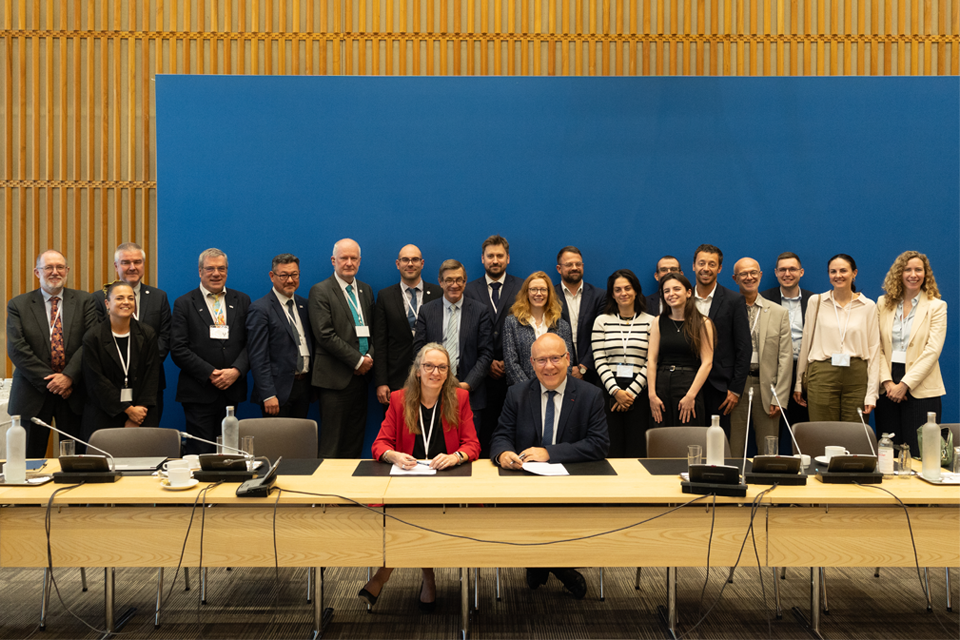
British and French geological surveys strengthen collaboration through new agreement
14/10/2026
Two of Europe’s leading geological surveys have signed a Memorandum of Understanding to strengthen collaboration on key geoscientific challenges.

What lies beneath Europe’s sinking ground?
01/09/2026
Land subsidence is becoming increasingly visible across Europe. New research examines how better monitoring, shared data and a deeper understanding of the subsurface can help assess and manage its impacts.
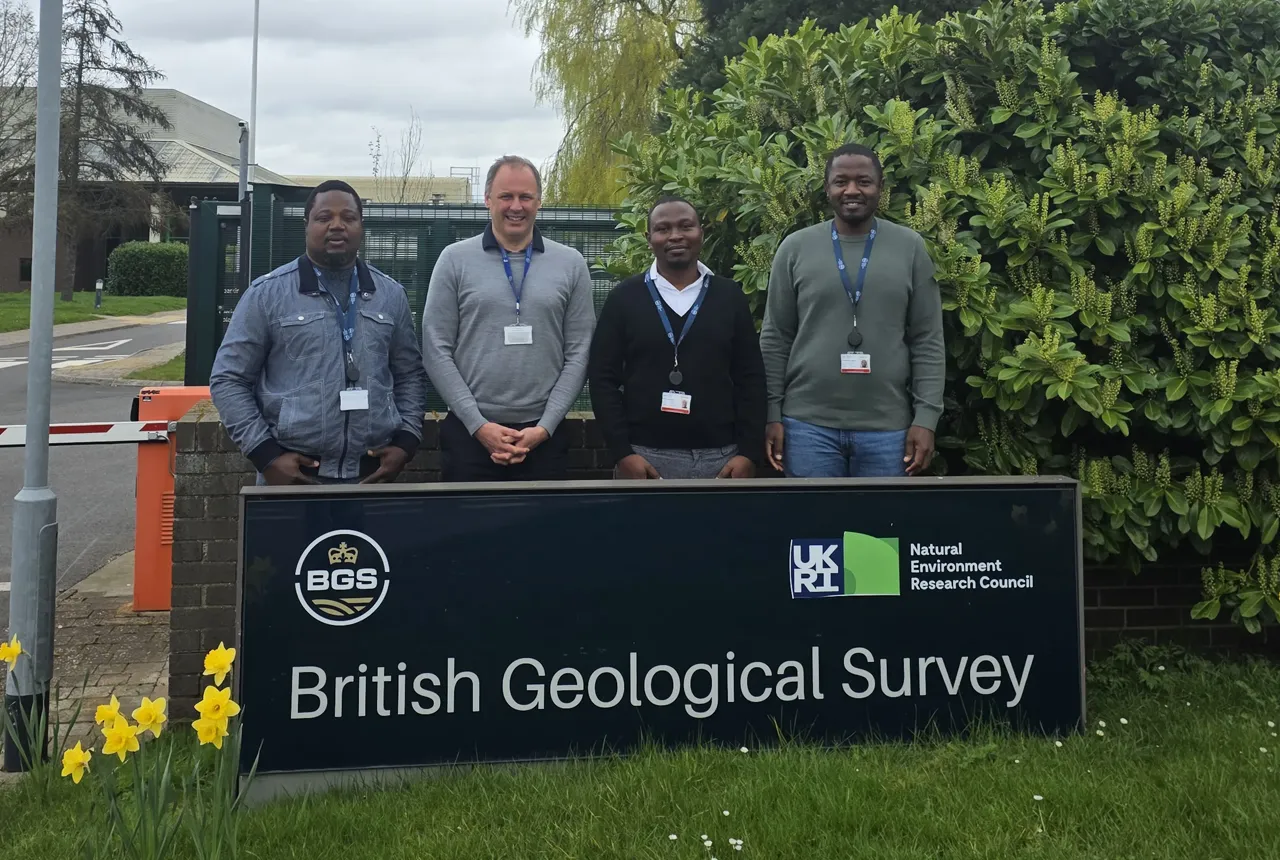
Experiences from our Commonwealth Fellowship at the British Geological Survey
24/08/2026
Scientific fellowships foster professional growth, international collaboration and exposure to world-class research environments. A group of visiting Commonwealth Fellowship researchers share their experience of being hosted at the BGS Inorganic Geochemistry Facility.
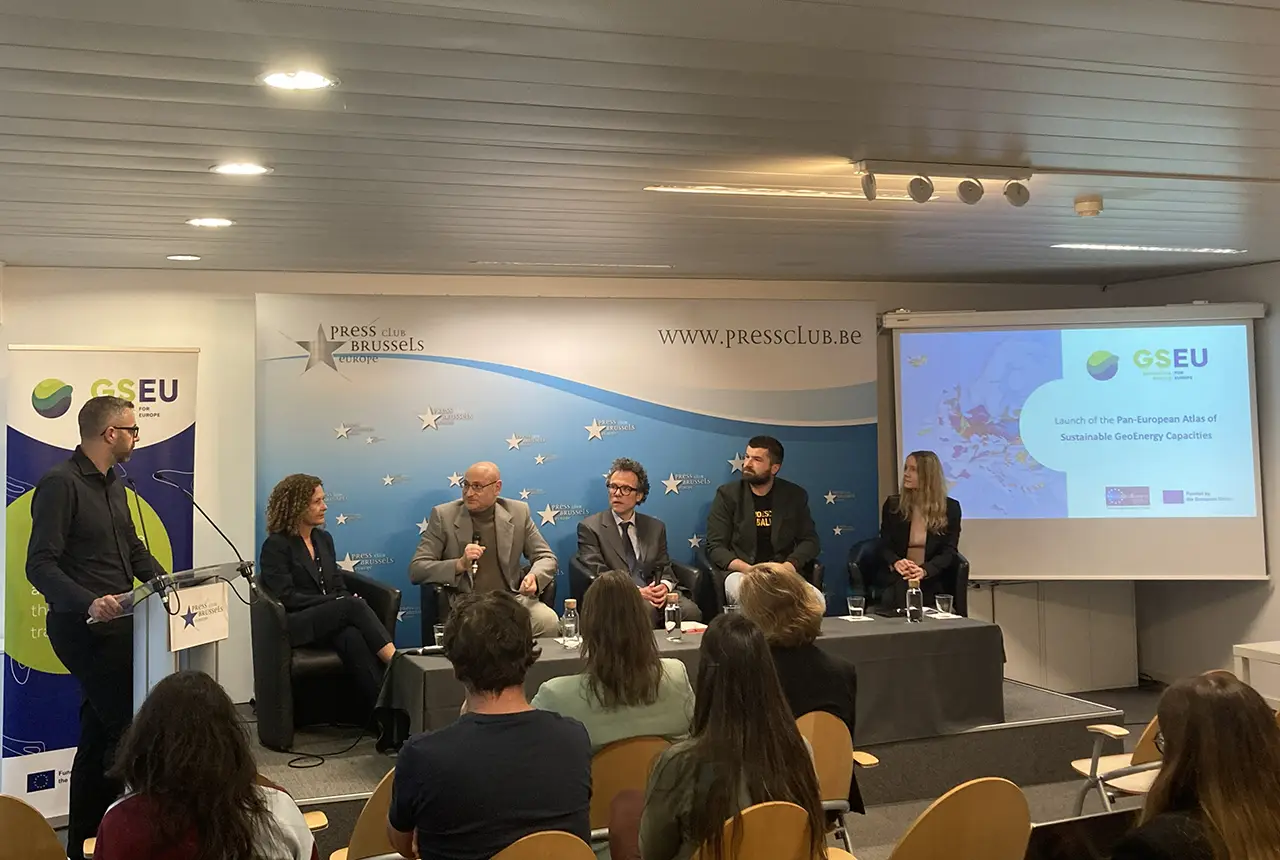
Building Europe’s geological future
20/07/2026
BGS scientists are contributing to a continent-wide initiative that is strengthening collaboration across borders to tackle shared subsurface challenges and unlock new opportunities.
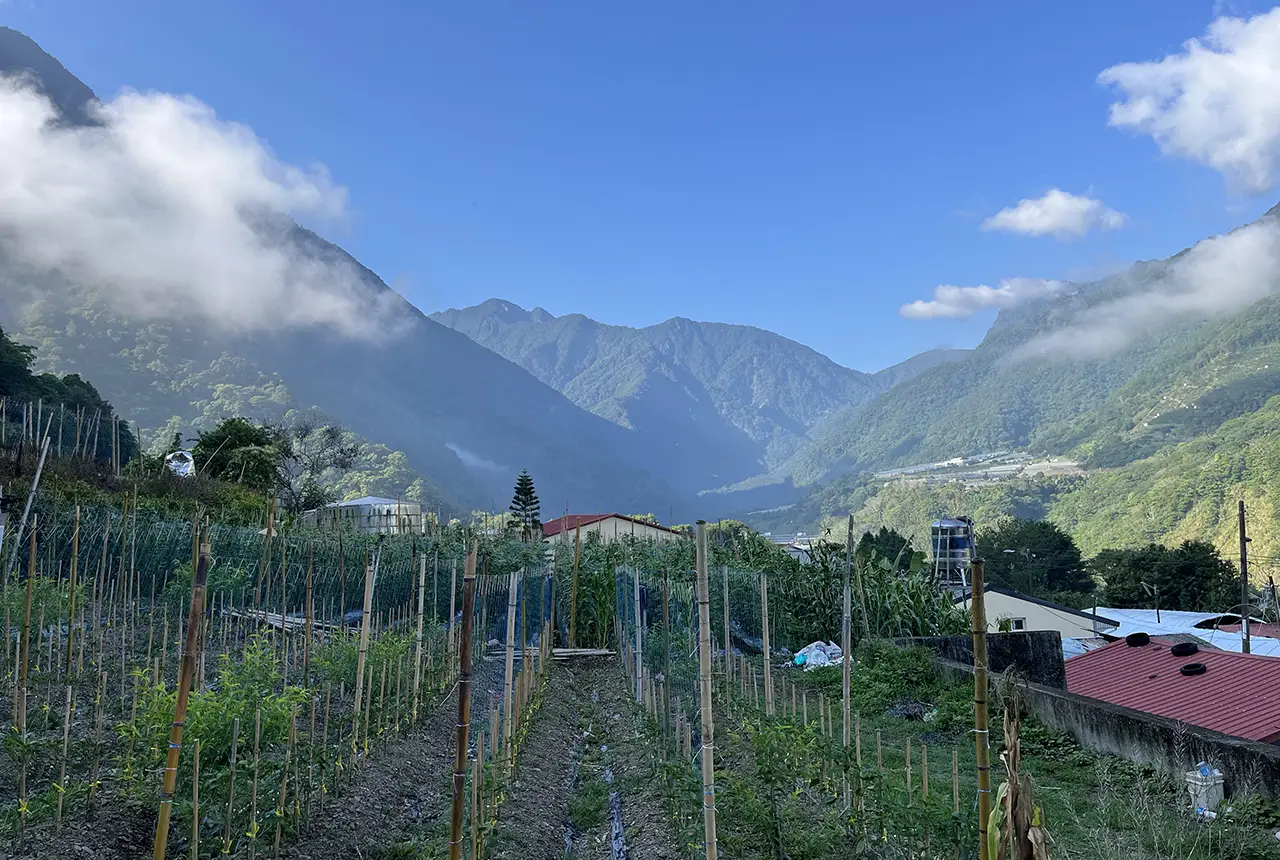
Delving deep into mountains for future water security
16/07/2026
A BGS-led project is using new water-tracing investigation methods, geophysics and modelling to understand how water moves from mountains to the lowlands, helping to improve water security for billions of people.
Ukraine and the UK strengthen their commitment to geological cooperation
10/06/2026
A new Memorandum of Understanding reaffirms the UK’s support of Ukraine’s ambitions to develop its critical mineral resources, paving the way for collaboration through capacity-building programmes.
International science consortium to survey the health, economic value and social importance of Lake Victoria
22/05/2026
The project will replicate the 1927 survey to assess changes in the lake’s health, economic value and social importance.
BGS contributes to UN sand and sustainability report
19/05/2026
The new report highlights the impact of poor governance and unsustainable sand mining practices, calling on policymakers to take action.
BGS engineering geologist elected to CCOP
29/04/2026
Marcus Dobbs has been elected as vice-chair of the advisory group for the Coordinating Committee for Geoscience Programmes in East and Southeast Asia.
Strengthening capacity through partnership: a critical minerals perspective
28/04/2026
BGS has been working in partnership with the Geological Survey Department of Zambia (GSD) to build national capacity, improve data accessibility and support long-term, sustainable development.
New research could help provide a more reliable water supply for millions in rural Africa
24/03/2026
A new BGS-led study has revealed crucial insights into the longstanding challenges affecting the reliability and performance of rural water supply infrastructure in sub-Saharan Africa.