

Strengthening capacity through partnership: a critical minerals perspective
BGS has been working in partnership with the Geological Survey Department of Zambia (GSD) to build national capacity, improve data accessibility and support long-term, sustainable development.
28/04/2026 By BGS Press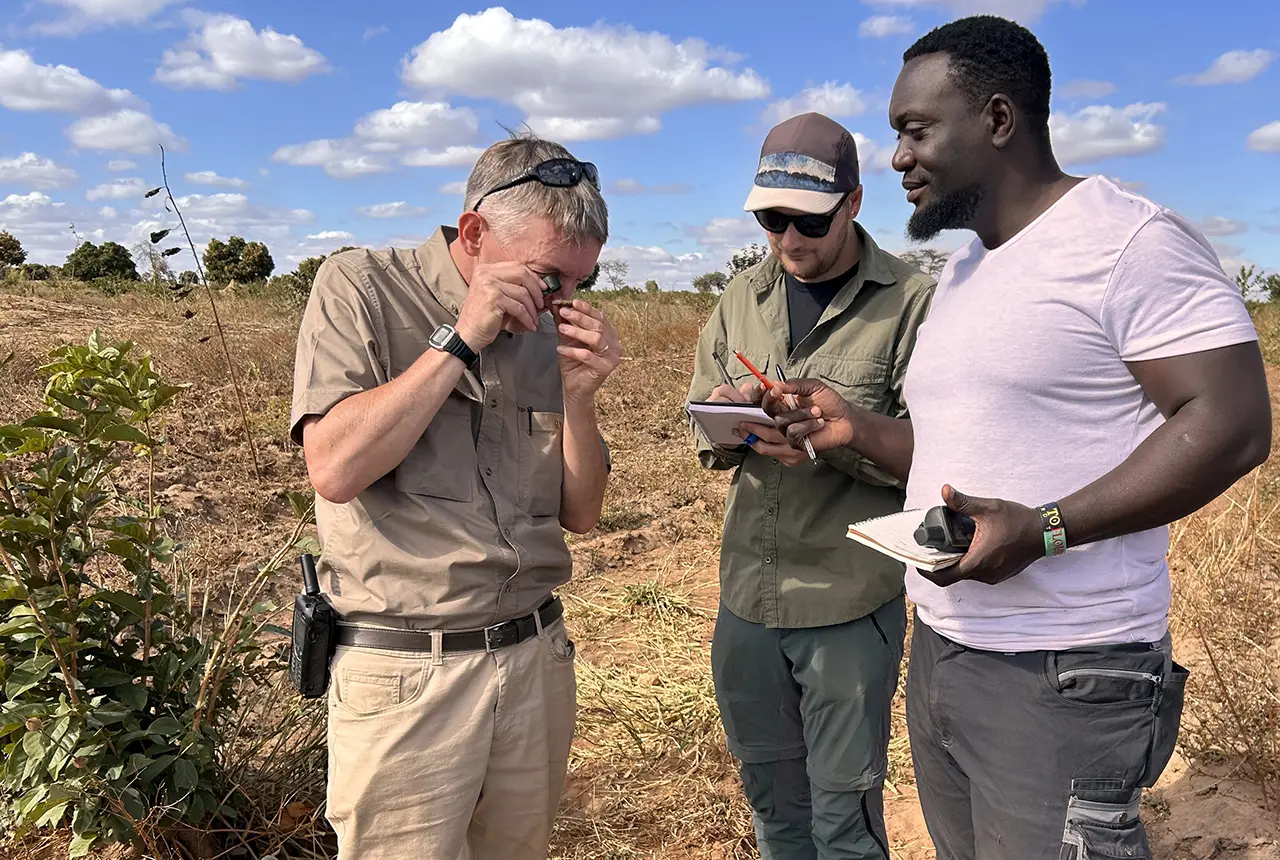

Critical minerals are central to modern society and the global transition to cleaner energy systems. These minerals include the rare earth elements, which are essential for electric motors and wind turbines, as well as those that underpin battery technologies such as lithium, graphite, cobalt and nickel. As demand grows, countries worldwide are seeking to better understand the distribution, quality and economic potential of their geological resources, particularly in under-explored regions.
Across the African continent, geological survey organisations (GSOs) play vital, national roles in gathering, managing and interpreting geological and mineral data. The availability of such data supports good governance, sustainable development and transparent decision making, so strengthening this capability is essential to enabling countries to fully benefit from their natural resources.
For the past three years, BGS has been working in partnership with the Geological Survey Department of Zambia (GSD) to advance their understanding of the country’s natural resources. Together, we are making better use of Zambia’s existing geological data to improve national understanding of key metals and minerals such as copper, graphite, lithium and cobalt. This collaboration is grounded in shared priorities: building national capacity, improving data accessibility and supporting long-term, sustainable development.
How GSD is supporting the Zambian government’s critical minerals ambitions
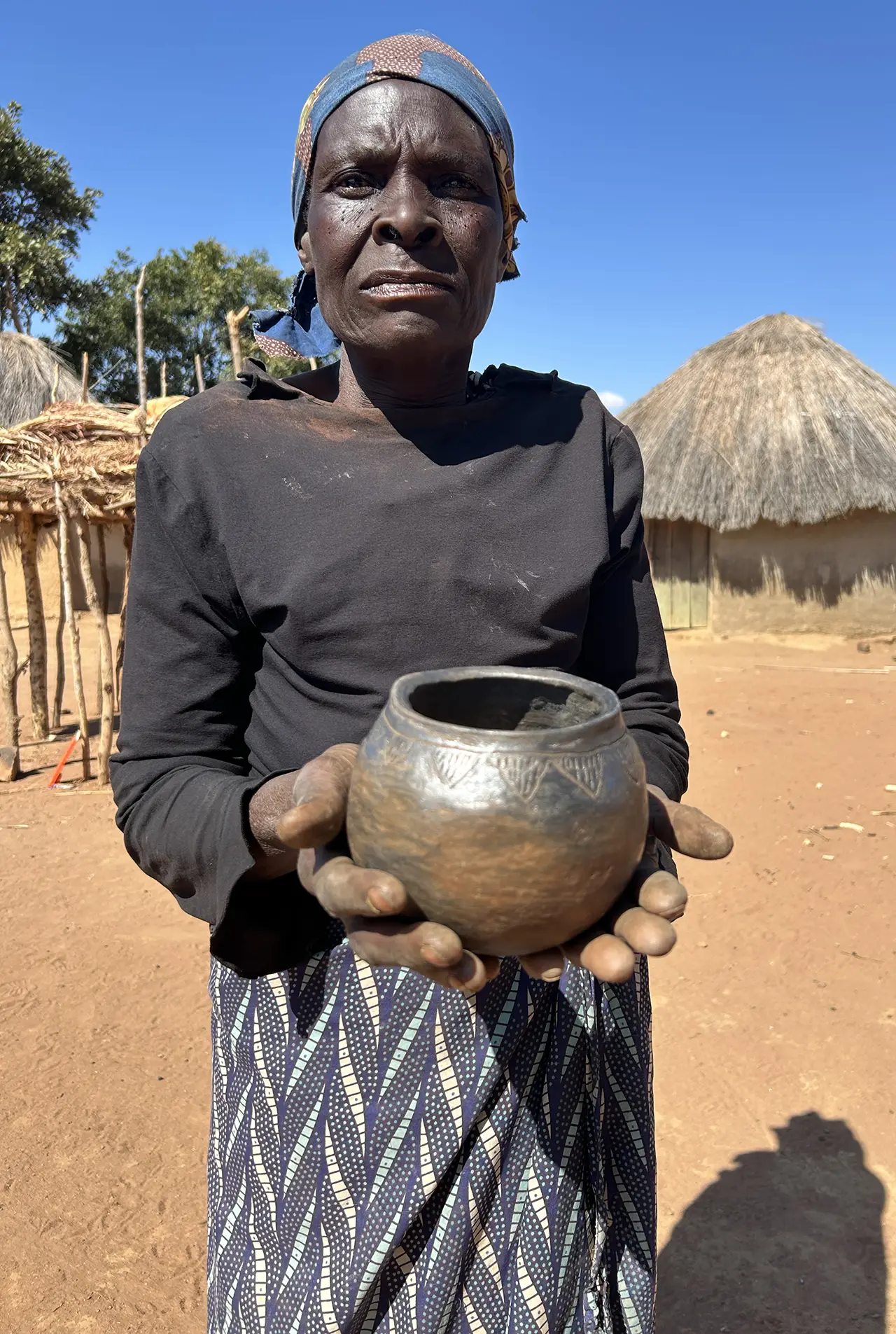
The BGS / GSD team consult with the local population on the location and use of critical minerals, including learning about graphite from local potter, Dorothy Tata. BGS © UKRI.
A dedicated team of GSD geologists has been working with BGS specialists to strengthen Zambia’s national capability in critical minerals. This began with the development and publication of the Critical Minerals Potential of Zambia guide, a national reference designed to support government planning and industry engagement. Building on this guide, GSD and BGS are now working on a new, national-scale critical mineral occurrence map. Focusing on Zambia’s eleven designated critical minerals, the map integrates the country’s most up-to-date geological information, mineral occurrences, verified deposits and operational mining and processing facilities. Built from high-quality, GIS-ready datasets, updated infrastructure data and insights from recent joint field campaigns, the map represents the most detailed digital geological dataset currently available for national planning and investment promotion.
Both the guide and draft map were formally launched on 25 February 2026 and received strong support from Zambia’s mineral exploration sector, government ministries and academia, reflecting widespread recognition of the importance of the map and guide to Zambia’s mineral strategy, helping to build confidence in the sector.
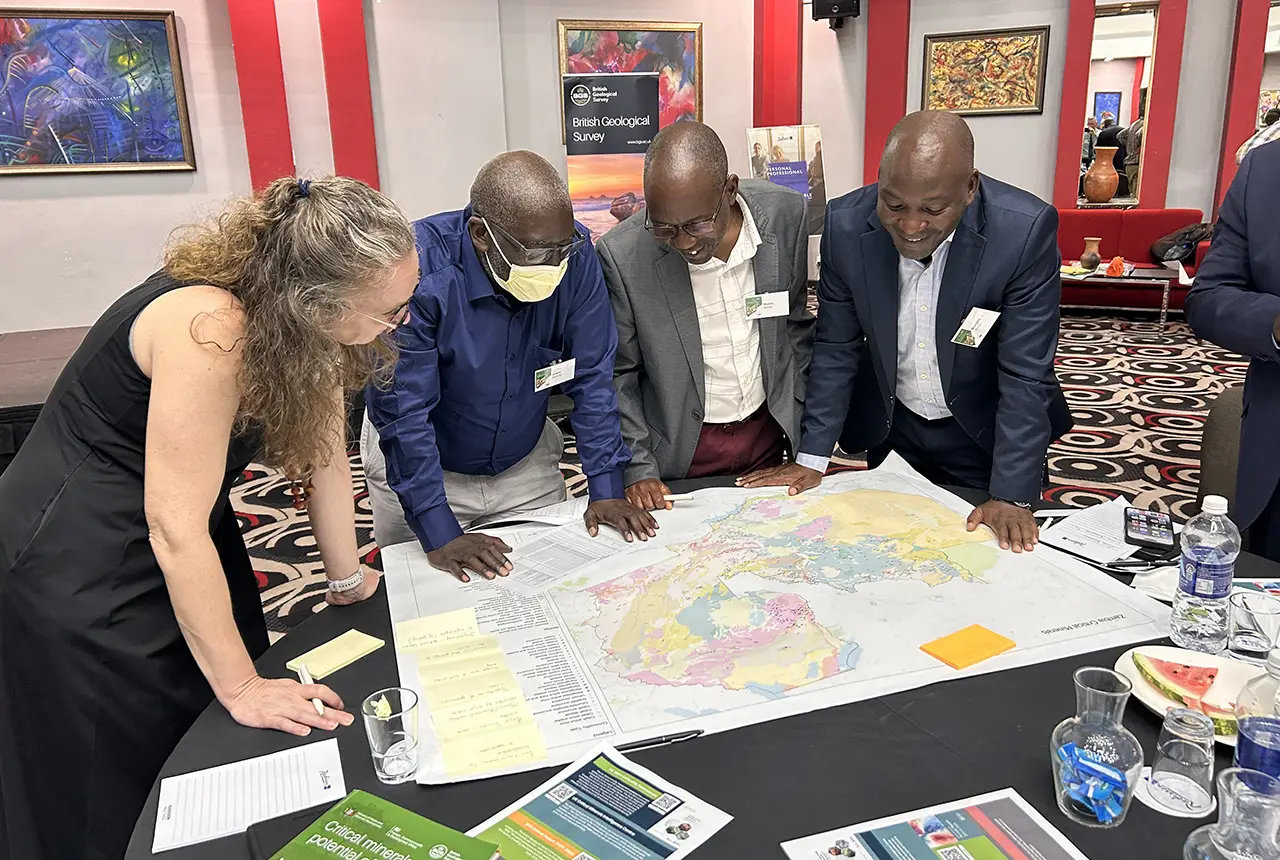
Working together at the launch of the Zambia Critical Minerals guide. BGS © UKRI.
Partnerships for the future
As global demand for critical minerals grows, the role of GSOs and the partnerships between them will only become more important. Such partnerships strengthen national capability by combining technical expertise, modern data practices and long-term capacity building. GSOs and the data they manage provide the authoritative, long-term scientific evidence needed to understand a country’s resources, support safe and sustainable development and guide informed decision making across government, industry and society.
Relative topics
Related news
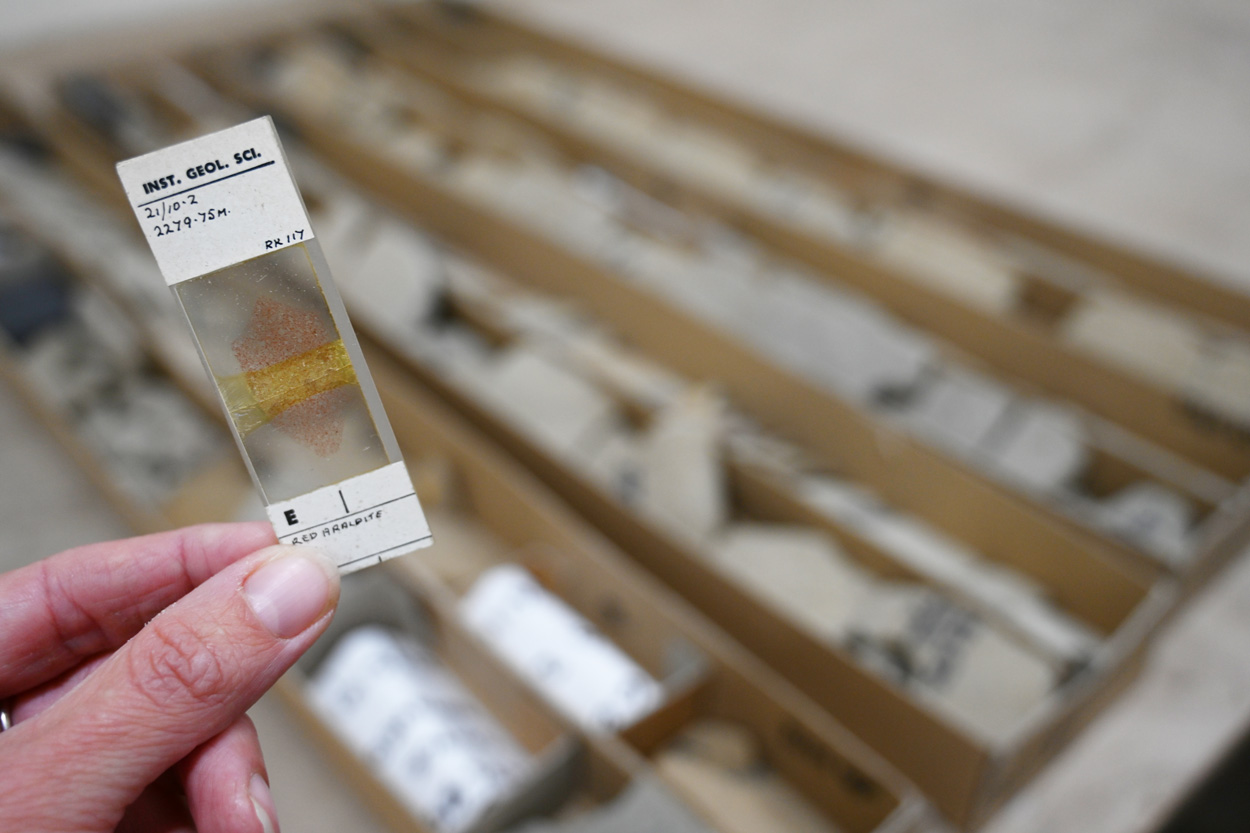
Forties at 56: the North Sea discovery that’s informing the energy transition five decades later
26/10/2026
Geological samples recovered from the UK’s first giant oil field in the 1970s continue to inform industry and researchers aiming to support the UK’s energy security needs.

New project mapping UK Continental Shelf provides boost to offshore infrastructure and development
22/10/2026
BGS is leading a three-year project funded by The Crown Estate to develop a new suite of seabed geology datasets and reports, providing crucial information for offshore developers about the seabed around the UK.
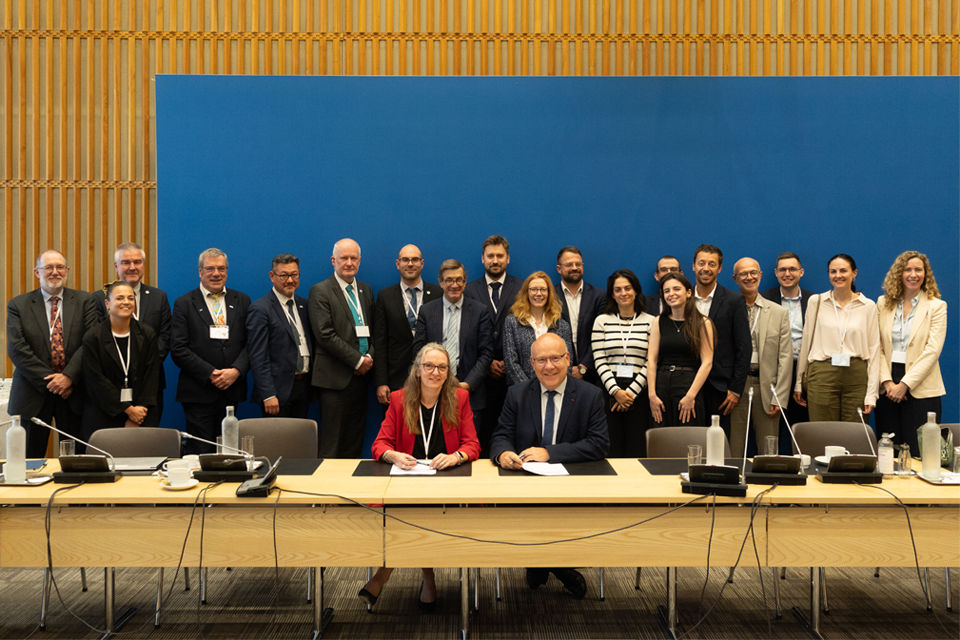
British and French geological surveys strengthen collaboration through new agreement
14/10/2026
Two of Europe’s leading geological surveys have signed a Memorandum of Understanding to strengthen collaboration on key geoscientific challenges.

Demand for data centres presents challenges and opportunities for UK critical mineral supply chains
02/09/2026
Government-backed research finds that vulnerabilities in raw material supply chains must be addressed to secure the critical minerals needed to expand the UK’s digital infrastructure and boost economic growth.

What lies beneath Europe’s sinking ground?
01/09/2026
Land subsidence is becoming increasingly visible across Europe. New research examines how better monitoring, shared data and a deeper understanding of the subsurface can help assess and manage its impacts.

Measuring the environmental impacts of carbon fibre: life cycle assessment
01/09/2026
Undergraduate student Phoebe Brown visited BGS to understand the life cycle of carbon fibre, from primary production to recycling.
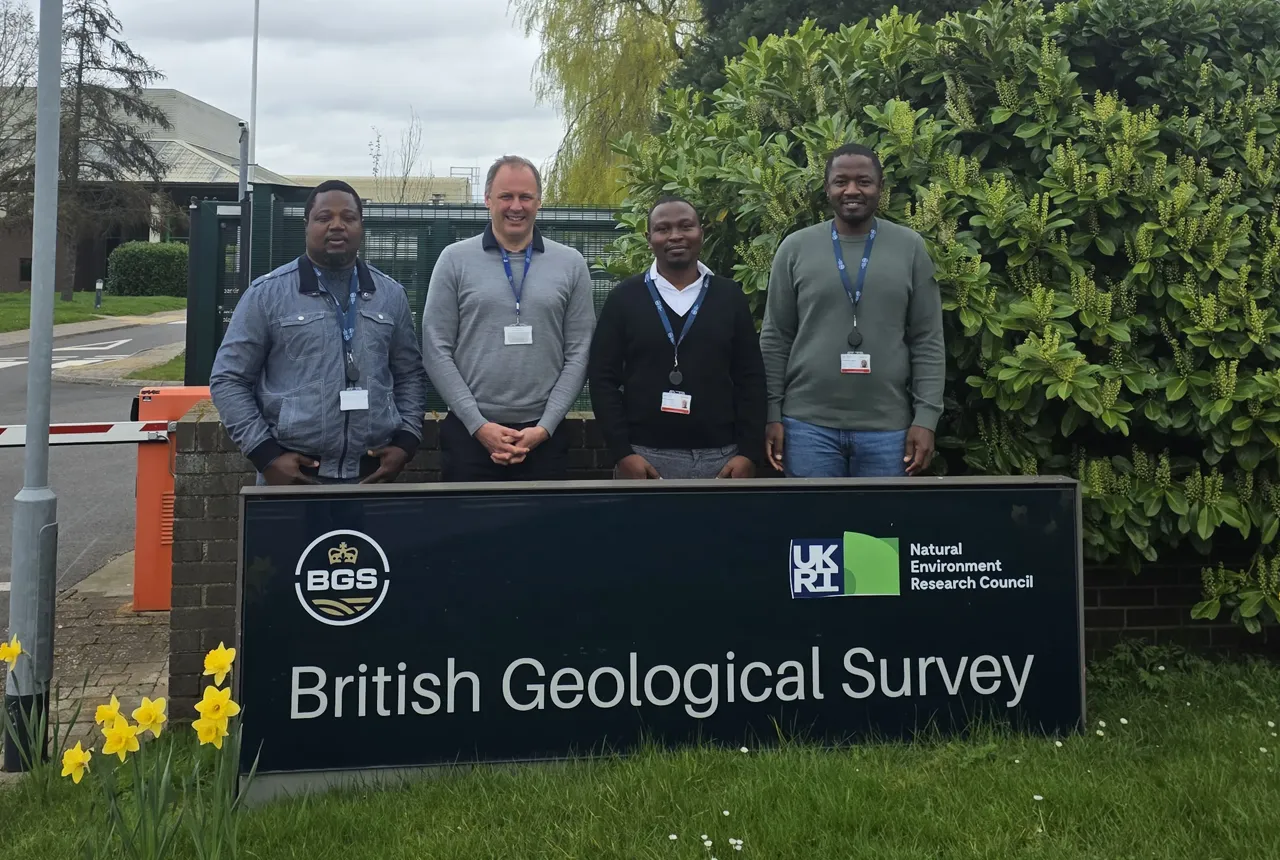
Experiences from our Commonwealth Fellowship at the British Geological Survey
24/08/2026
Scientific fellowships foster professional growth, international collaboration and exposure to world-class research environments. A group of visiting Commonwealth Fellowship researchers share their experience of being hosted at the BGS Inorganic Geochemistry Facility.
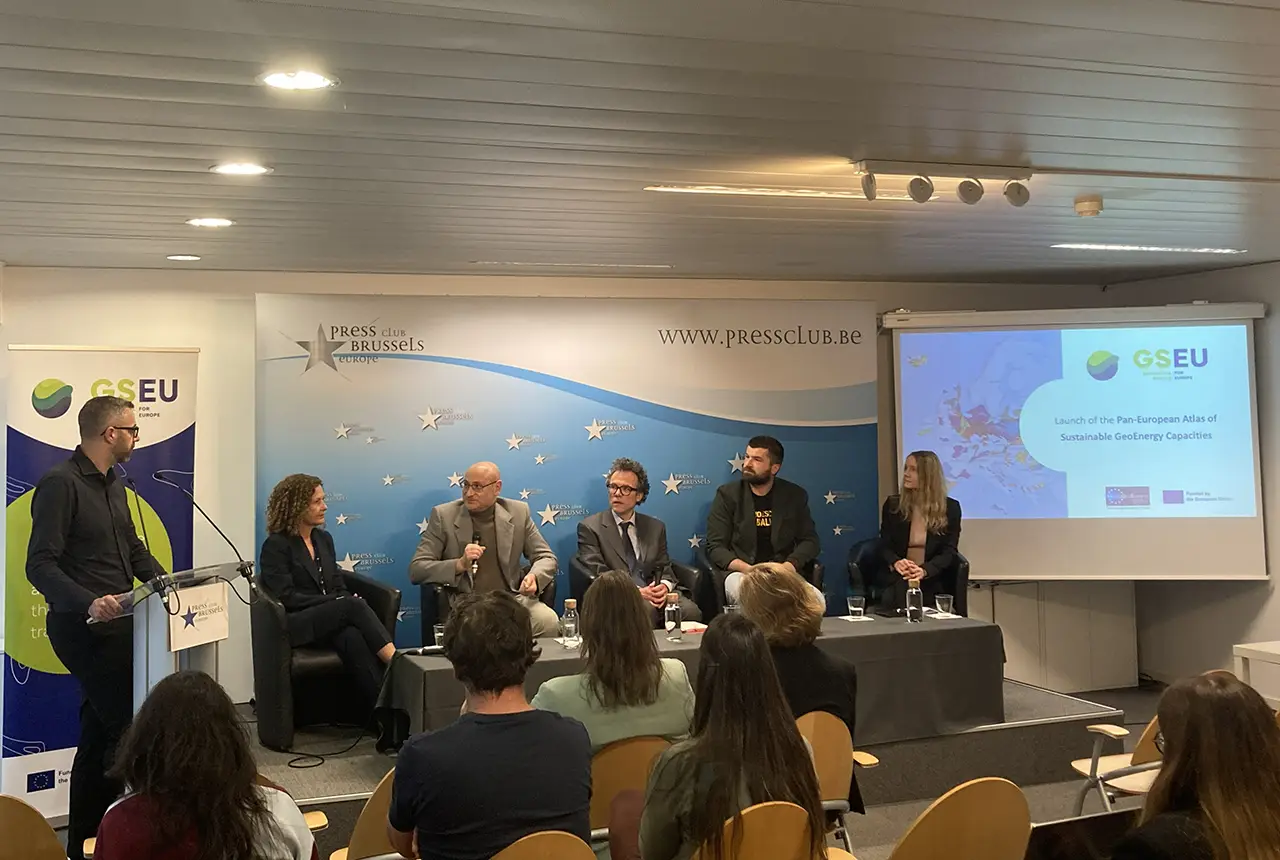
Building Europe’s geological future
20/07/2026
BGS scientists are contributing to a continent-wide initiative that is strengthening collaboration across borders to tackle shared subsurface challenges and unlock new opportunities.
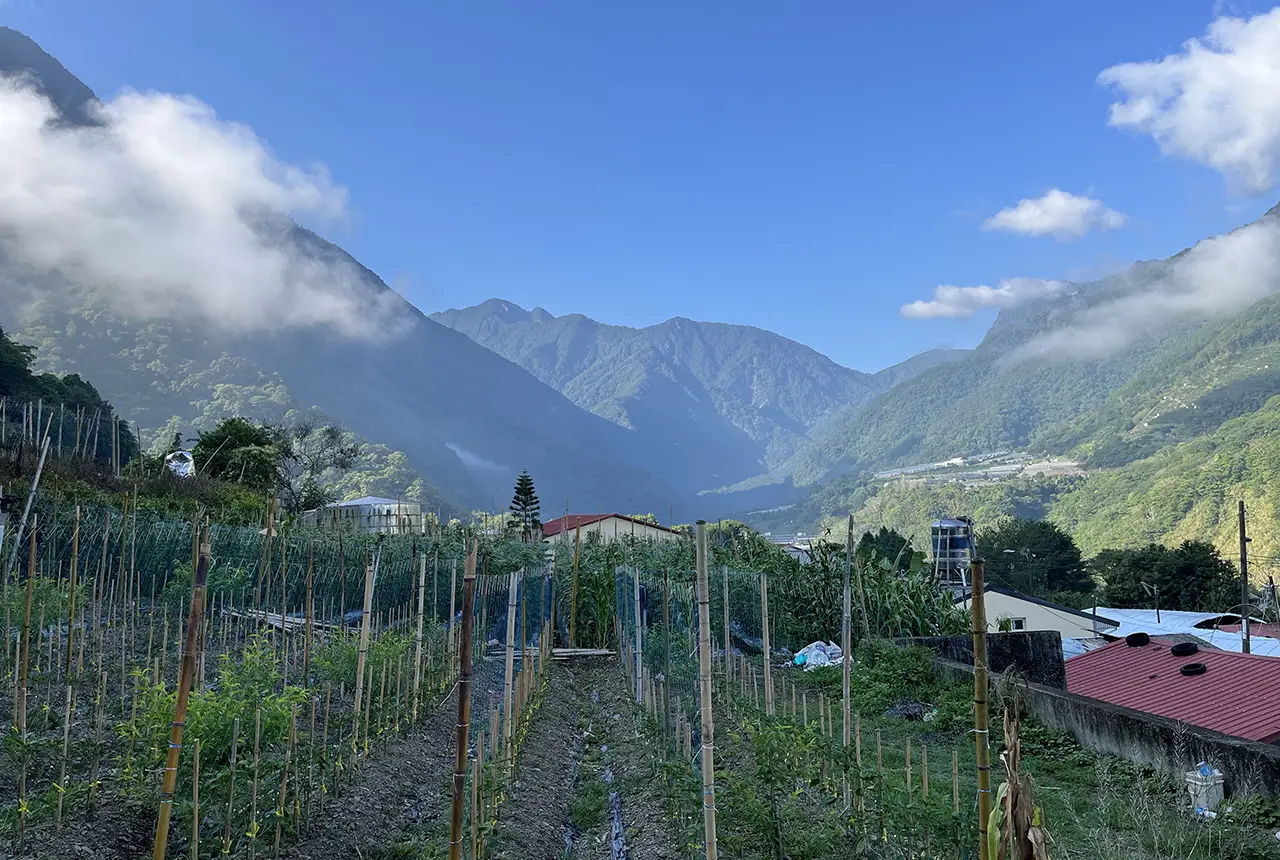
Delving deep into mountains for future water security
16/07/2026
A BGS-led project is using new water-tracing investigation methods, geophysics and modelling to understand how water moves from mountains to the lowlands, helping to improve water security for billions of people.
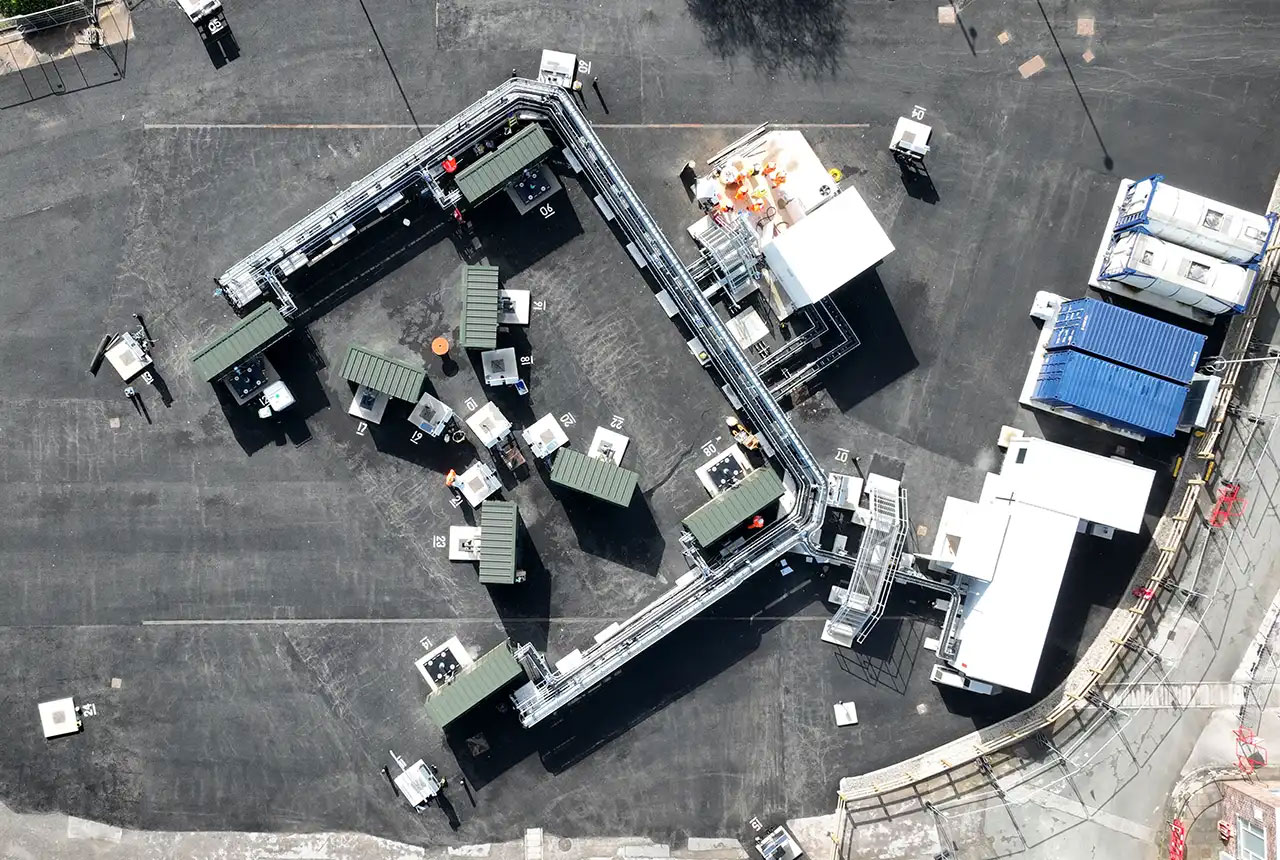
Cheshire Geoenergy Observatory releases key geological datasets for UK thermal energy storage scheme design
09/07/2026
A new report and data packs from BGS will provide a unique resource for scientists working on the geology and hydrogeology of the Sherwood Sandstone Formation, an important aquifer and reservoir rock.
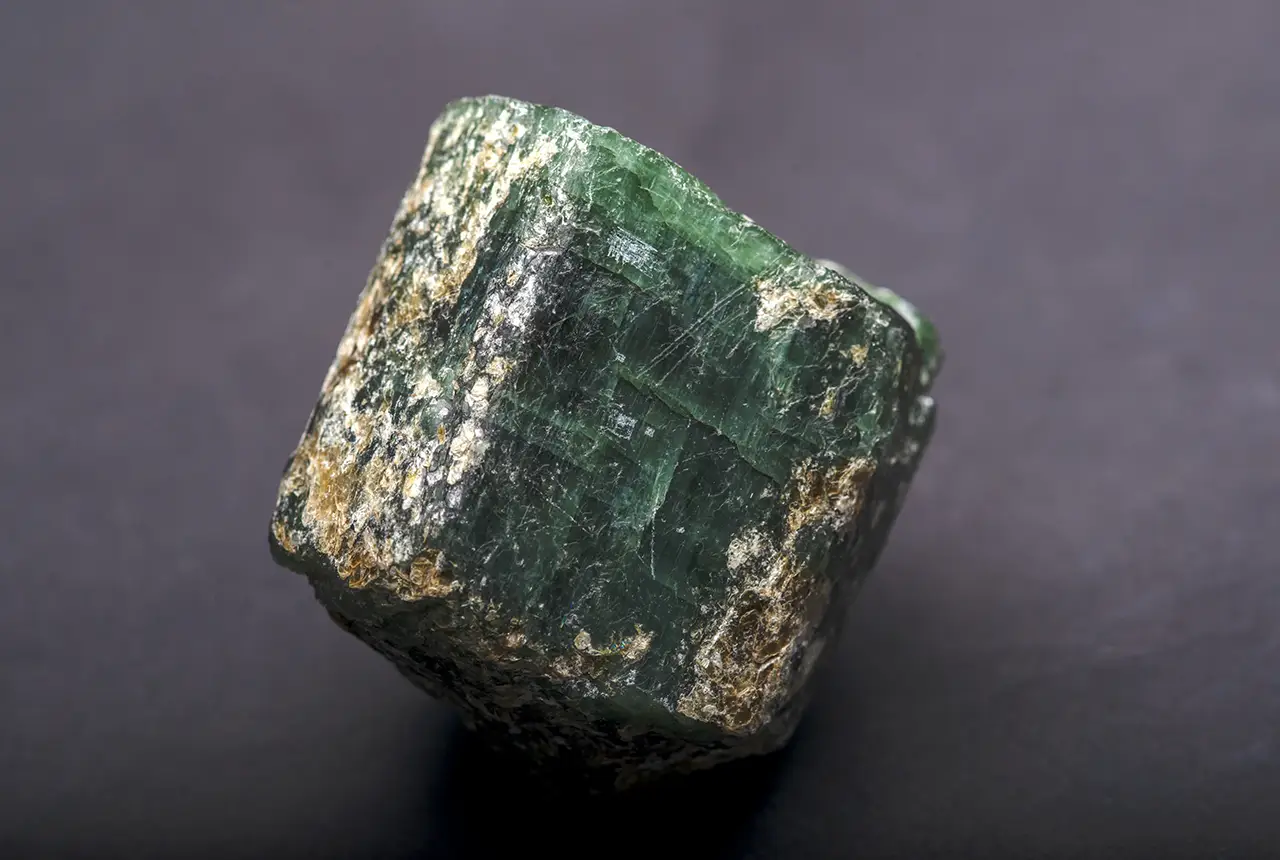
UK Critical Minerals Intelligence Centre makes recommendations for the next UK criticality assessment
01/07/2026
CMIC has outlined the enhancements made to the next assessment update to ensure it is better tailored to the structure of the UK economy.

From archive to discovery: historical mineral reports support gold exploration in Scotland
25/06/2026
Digitised geological records show potential to unlock untapped mineral resources in Ardlochan, Argyllshire.