

UK Critical Minerals Intelligence Centre makes recommendations for the next UK criticality assessment
CMIC has outlined the enhancements made to the next assessment update to ensure it is better tailored to the structure of the UK economy.
01/07/2026 By BGS Press

Critical minerals underpin the UK’s economy, technology, energy transition and industrial resilience. Criticality assessments are widely used to identify the commodities with the highest risk of supply disruption and associated economic impacts. The resulting lists of ‘critical minerals’ increasingly guide national and regional strategies for investment, industrial development and supply-chain resilience.
In 2024, the UK Critical Minerals Intelligence Centre (CMIC), hosted by BGS, published its updated UK Criticality Assessment, supported by an improved and more transparent methodology. This assessment used available data covering the last five to ten years and was complemented by several foresight studies on key decarbonisation technologies and the UK’s demand for critical raw materials up to 2050.
The new report, released by CMIC, evaluates a series of methodological enhancements through improved quantification of economic importance, including trade restrictions and expanded considerations for environmental, social and governance (ESG) criteria. The report has been designed to help tailor future UK criticality assessments to the structure of the UK economy, its trade profile and strategic industrial sectors more closely.
The report makes five recommendations that should be implemented into the next UK criticality assessment to add further value and benefit:
- better tracking of critical raw materials’ market stability and transparency
- three new indicators to improve measurement of the importance of materials to the UK economy and their flow through the whole domestic supply chain
- accounting for geopolitical risk in trade by considering any interventionist history of trading partners
- expansion of the supply-chain monitoring capacity to the midstream sector
- addition of climate vulnerability to the ESG indicator
Together, these enhancements will deliver a more comprehensive and policy-relevant understanding of criticality, particularly by improving the visibility of midstream supply-chain risks. For import-reliant nations like the UK that have limited upstream production, accurate tracking of intermediate and manufactured product flows is essential to understanding true supply dependencies and points of intervention.
The new indicators will be rigorously tested through sensitivity analyses in the next assessment cycle, including retrospective evaluation against 2024’s results.

This report strengthens the UK’s critically assessment by integrating market dynamics, supply-chain interdependencies, geopolitical risks and climate vulnerabilities through multiple complementary indicators. Material flow characterisation strengthens trade-based indicators, while the integration of climate vulnerability into the ESG criteria addresses a critical gap with minimal methodological disruption. Corporate concentration and production forecasting were also evaluated and deemed to offer the best value for targeted, deep-dive analyses and potential stress-testing of industry supply chains, but data limitations prevent systematic application in criticality assessments.
The result is a more granular, evidence-based understanding of how different materials exhibit criticality, whether through market opacity, supply-chain centrality, geopolitical concentration, or climate exposure, enabling tailored intervention strategies matched to specific material risk profiles rather than one-size-fits-all approaches.
Dr Pierre Josso, deputy director of CMIC.
Relative topics
Related news

Demand for data centres presents challenges and opportunities for UK critical mineral supply chains
02/09/2026
Government-backed research finds that vulnerabilities in raw material supply chains must be addressed to secure the critical minerals needed to expand the UK’s digital infrastructure and boost economic growth.

Measuring the environmental impacts of carbon fibre: life cycle assessment
01/09/2026
Undergraduate student Phoebe Brown visited BGS to understand the life cycle of carbon fibre, from primary production to recycling.
UK Critical Minerals Intelligence Centre makes recommendations for the next UK criticality assessment
01/07/2026
CMIC has outlined the enhancements made to the next assessment update to ensure it is better tailored to the structure of the UK economy.
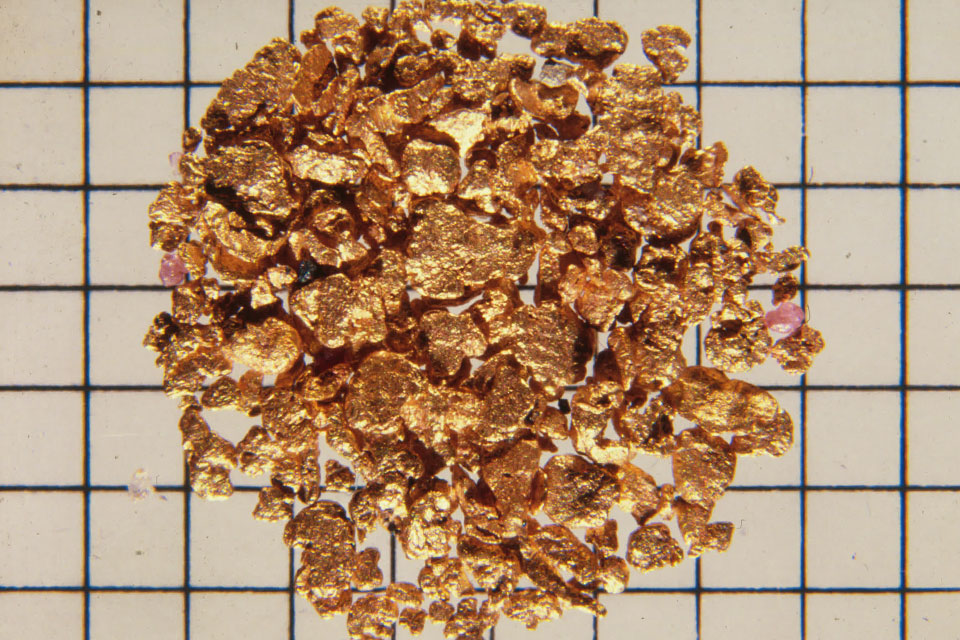
From archive to discovery: historical mineral reports support gold exploration in Scotland
25/06/2026
Digitised geological records show potential to unlock untapped mineral resources in Ardlochan, Argyllshire.

Shortage of end-of-life materials presents challenge to UK critical minerals security
17/06/2026
A new report by the UK Critical Minerals Intelligence Centre reveals insufficient end-of-life material stocks present a supply risk over the coming decade, but offer significant long-term potential to meet critical mineral demand through recycling.

Ukraine and the UK strengthen their commitment to geological cooperation
10/06/2026
A new Memorandum of Understanding reaffirms the UK’s support of Ukraine’s ambitions to develop its critical mineral resources, paving the way for collaboration through capacity-building programmes.
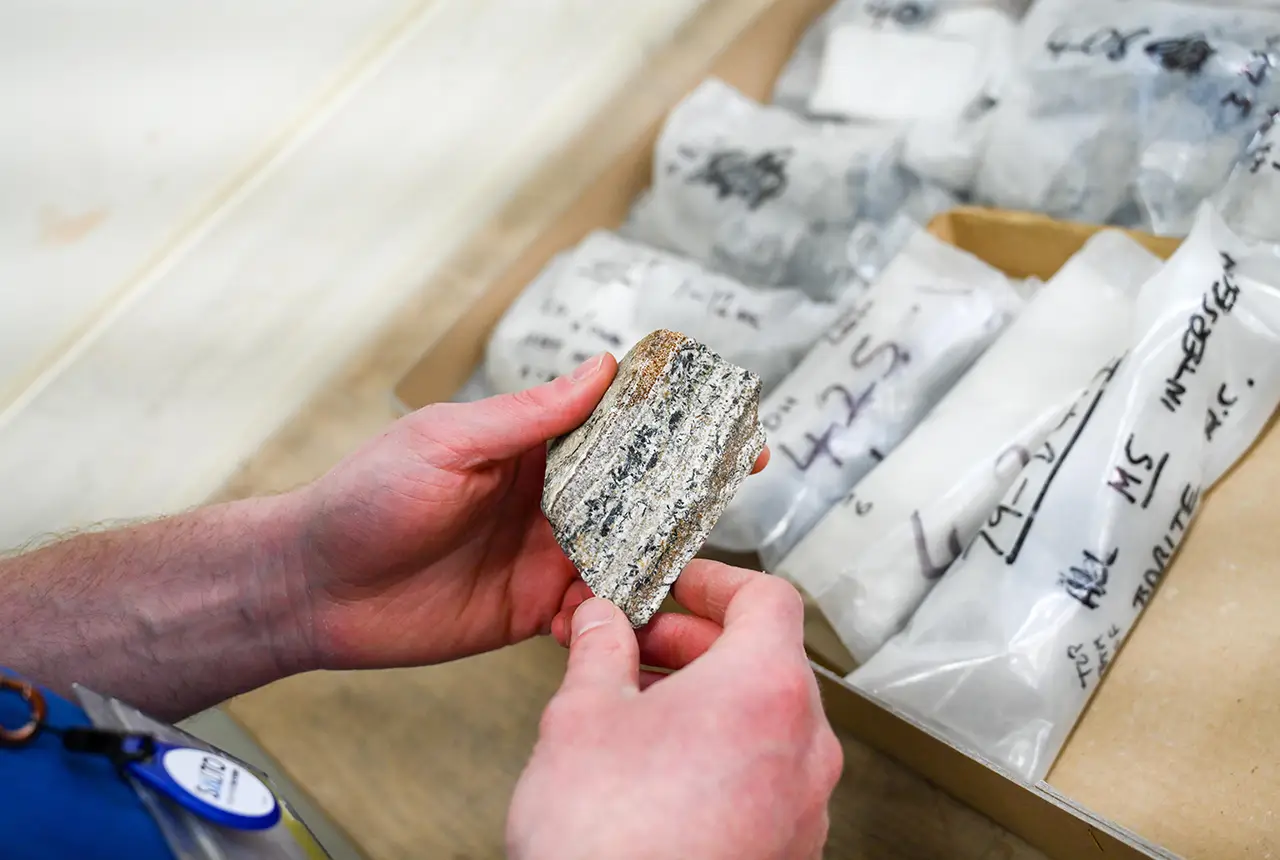
Newly released core could hold clues on potential mineral prospectivity in Perthshire
05/06/2026
A comprehensive collection of geological samples from the vicinity of a former mine in Scotland is now available to scientists for further research.

Extractive Industry Geology (EIG) Conference 2026
Event from 08/09/2026 to 11/09/2026
University of Liverpool
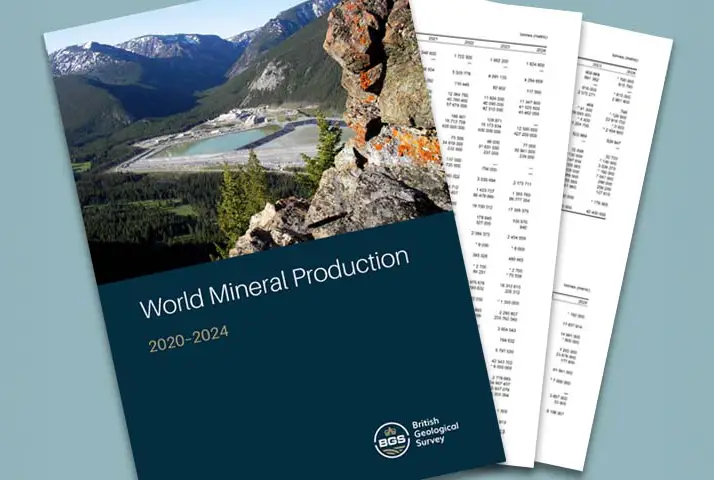
Latest data on world mineral production now available
25/05/2026
BGS has released the updated statistics on the global production of over 70 commodities between 2020 and 2024.

Strengthening capacity through partnership: a critical minerals perspective
28/04/2026
BGS has been working in partnership with the Geological Survey Department of Zambia (GSD) to build national capacity, improve data accessibility and support long-term, sustainable development.
UK Minerals Yearbook 2025 now available
21/04/2026
The annual publication provides essential information about the production, consumption and trade of UK minerals up to 2025.

UK Critical Minerals Intelligence Centre 2026 showcase
Event on 31/03/2026
A special live webinar with the team from the Critical Minerals Intelligence Centre showcasing the latest research from 2026 on copper, the future of digital, and what’s next for the criticality assessment. A recording of the event is now available.