

Joint project aims to support sustainable development in Kenya
BGS is part of a joint UK-Kenyan international project that aims to blend data and information with local stakeholder input to explore the sustainable supply of sand and aggregates in Kenya.
12/10/2020 By BGS Press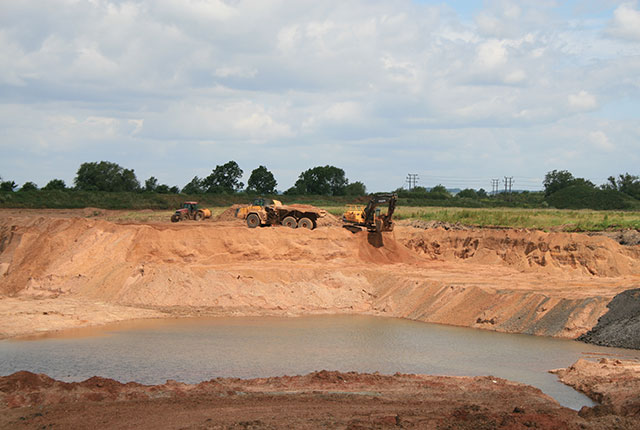

The project, called Earth Observation for Sustainable Aggregate Supply (EO4SAS), is one of ten recently announced projects being grant-funded through the UK Space Agency’s International Partnership Programme (IPP), part of the Department for Business, Energy & Industrial Strategy’s (BEIS) Global Challenges Research Fund (GCRF).
Sand used as aggregate forms an essential but finite resource. Growing demand for construction – buildings and infrastructure, creating land through reclamation, and coastal protection from climate change – has resulted in supply pressures on traditional sources. Unmanaged extraction is an emerging and locally significant problem around the world.
The issue has been highlighted by the United Nations and has the potential to cause wide-ranging social, economic and environmental impacts. These impacts can include pollution, land erosion, changing water flows, reduction of biodiversity, damage to infrastructure, degradation of habits and impacts on vulnerable communities.
Pixalytics Ltd, a UK-based earth-observation company, is leading the project and will be working with the Government of Kenya alongside Kenyan partners Nairobi Design Institute and NIRAS Africa, and UK partners Satellite Applications Catapult, Chatham House and the University of Plymouth to deliver the work. The project is being supported by the minerals team from BGS.
The team will be working with local stakeholders alongside satellite data, machine-learning technology and in-country knowledge to bring together a better understanding of the current extraction sites, scale, transportation routes and environmental impacts for sand, helping the Government of Kenya identify better strategies for the sustainable management of this resource.
This is a short-term discovery project, running until March 2021, to look at how such a system could be implemented. It is hoped the proposed solution will go on to receive further funding and so improve the monitoring and regulation of aggregate mining, supporting sustainability in the aggregate supply chain and progress towards the United Nations’ Sustainable Development Goals.

Sand is a vital raw material for construction, essential for houses and infrastructure in rapidly developing counties like Kenya. However, high demand can lead to shortages, lack of effective environmental controls and even illegal mining. Through this project we are excited to be involved in developing more effective resource management systems using innovative technologies to mitigate some of the harmful effects of sand extraction.
Tom Bide, BGS Minerals Geologist.
With an increasing global demand for sand, we are excited to be working with Government of Kenya, local stakeholders and communities to see how we can all work together to develop a more sustainable system for the management of this vital resource.
Dr Samantha Lavender, Managing Director at Pixalytics.
The compelling results of previous IPP projects cement the case for investment in space for sustainable development. IPP is not only demonstrating the value of satellite solutions and improving the lives of people on the ground in developing countries, but also facilitating effective alliances between the United Kingdom and international organisations. It’s a ‘win-win’ and an exciting moment in the programme.
Liz Cox, IPP Head of International Relations at the UK Space Agency.
For further information please contact our press office:
Call: +44 (0)7790 607 010.
(Please do not text this number. We accept calls or email only.)
Email: bgspress@bgs.ac.uk
About the UK Space Agency’s International Partnership Programme:
The UK Space Agency’s International Partnership Programme (IPP) is a five-year, £30 million per year initiative designed to utilise the UK space sector’s research and innovation strengths to deliver sustainable economic, societal and/or environmental benefits to developing countries. Projects within IPP span a range of themes including: building climate/disaster resilience; improving agriculture; reducing deforestation; preventing and reducing maritime pollution and illegal fishing; optimising renewable energy production; and improving access to appropriate and affordable financial services.
IPP is funded from the Department for Business, Energy and Industrial Strategy’s (BEIS) Global Challenges Research Fund (GCRF). This £1.5 billion Official Development Assistance (ODA) fund supports cutting-edge research and innovation on global issues affecting developing countries. ODA-funded activity focuses on outcomes that promote long-term sustainable development and growth in countries on the OECD Development Assistance Committee (DAC) list. IPP is ODA compliant, being delivered in alignment with UK Aid Strategy and the United Nations’ (UN) Sustainable Development Goals (SDGs).
About the British Geological Survey
The British Geological Survey (BGS) is a world leading applied geoscience research centre that is part of UK Research and Innovation (UKRI) and affiliated to the Natural Environment Research Council (NERC). BGS core science provides objective and authoritative geoscientific data, information and knowledge to inform UK Government on the opportunities and challenges of the subsurface. It undertakes national and public good research to understand earth and environmental processes in the UK and globally. The BGS annual budget of approximately £60 million pa is funded directly by UKRI, as well as research grants, government commissions and private sector contracts. Its 650 staff work across the UK with two main sites, the head office in Nottingham and Lyell Centre, a joint collaboration with Heriot Watt University in Edinburgh. BGS works with more than 150 private sector organisations, has close links to 40 universities and sponsors about 100 PhD students each year. Please see www.bgs.ac.uk.
Related news
Interactive exhibition highlighting multi-hazard research opens in Indonesia
01/11/2026
The exhibition, part of a collaborative effort co-led by BGS, invites the public to consider how communities adapt to dynamic landscapes shaped by natural hazards.
New research demonstrates stability of phosphate oxygen isotope in lake sediments
29/10/2026
The discovery could boost research into past environmental conditions, tracking nutrient pollution and examining the impacts of freshwater management.
BGS celebrates half a century in Keyworth
28/10/2026
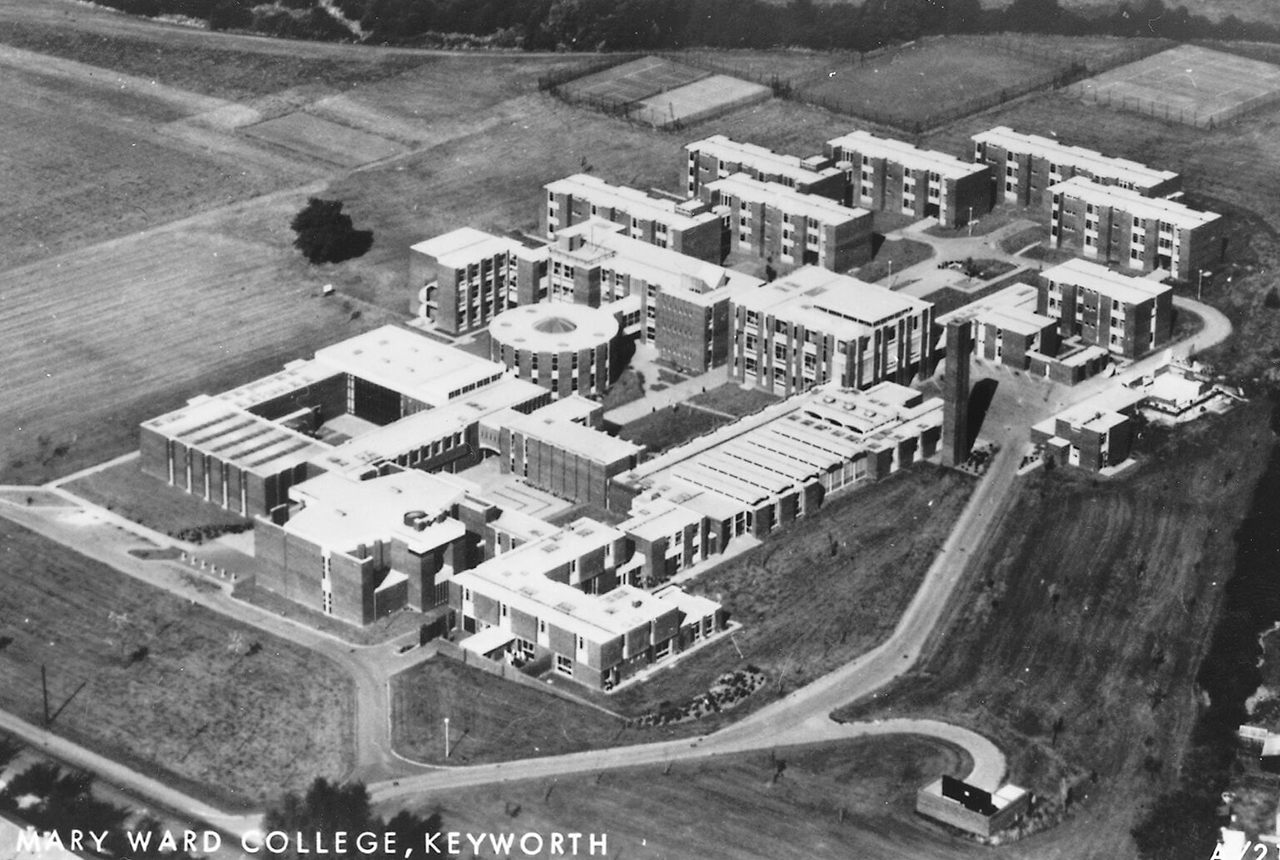
2026 marks 50 years since BGS, the world’s oldest national geological survey, relocated to the site of our current headquarters, just outside Nottingham.
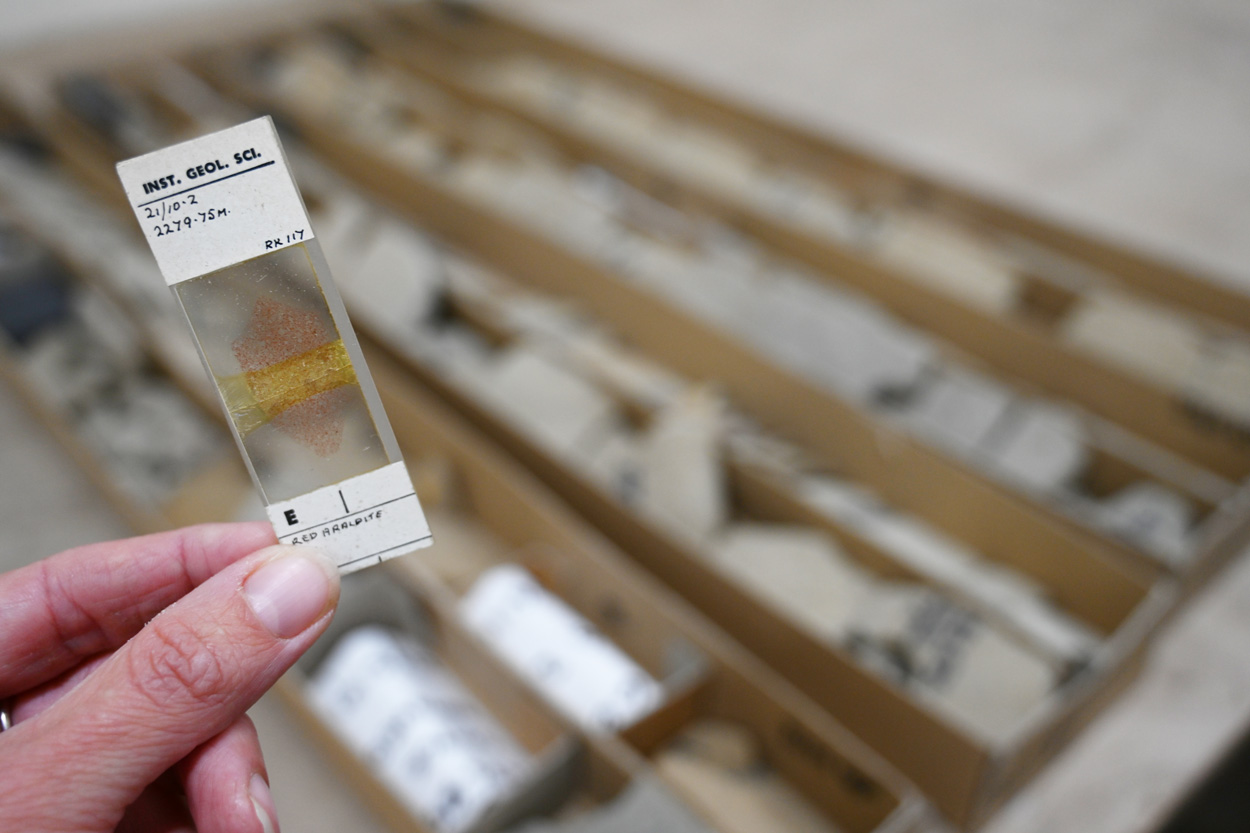
Forties at 56: the North Sea discovery that’s informing the energy transition five decades later
26/10/2026
Geological samples recovered from the UK’s first giant oil field in the 1970s continue to inform industry and researchers aiming to support the UK’s energy security needs.
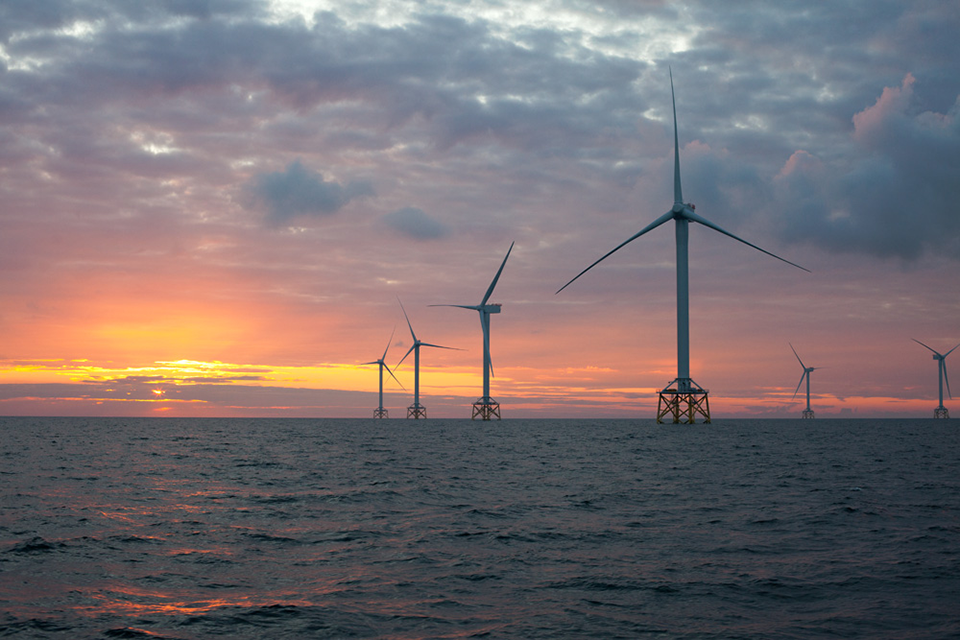
New project mapping UK Continental Shelf provides boost to offshore infrastructure and development
22/10/2026
BGS is leading a three-year project funded by The Crown Estate to develop a new suite of seabed geology datasets and reports, providing crucial information for offshore developers about the seabed around the UK.
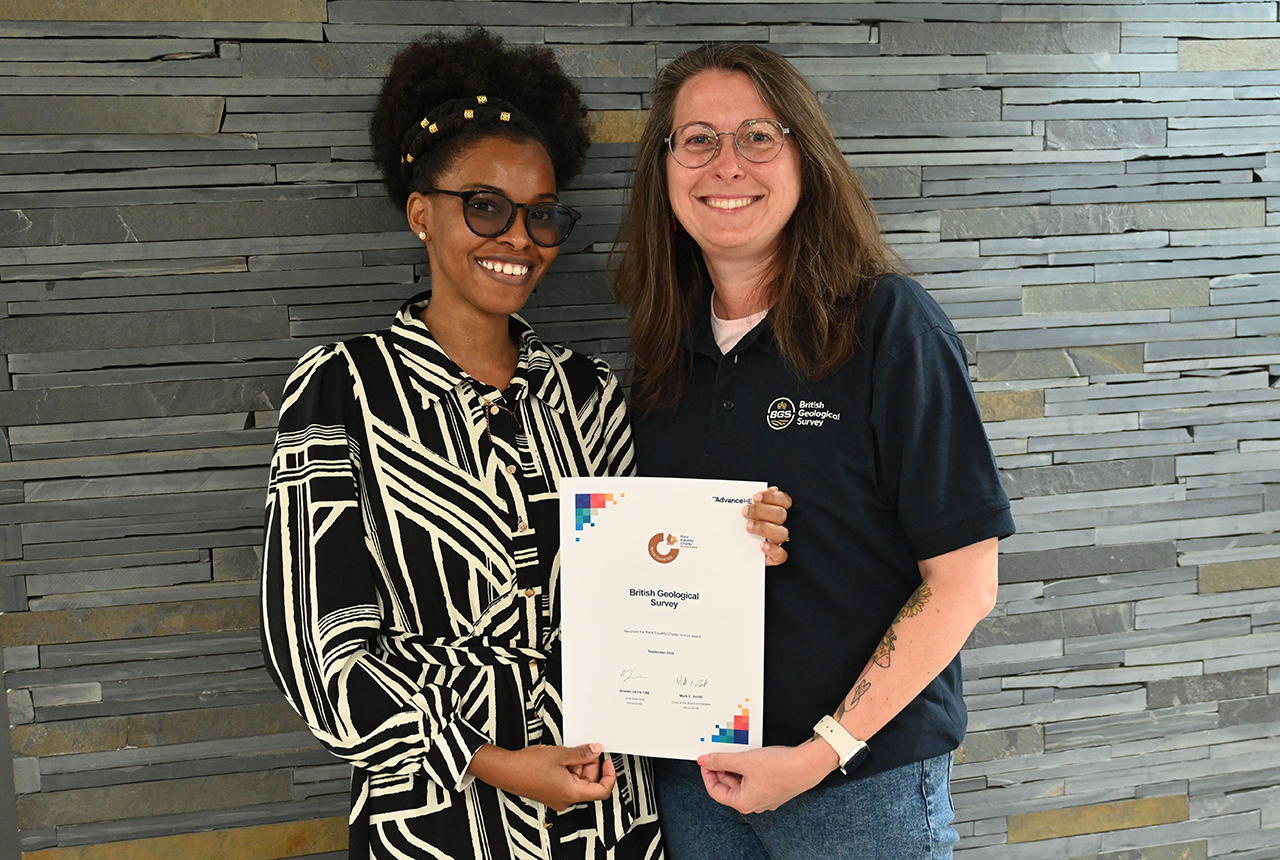
BGS one of the UK’s first specialist research institutes to receive Race Equality award
20/10/2026
BGS has secured Bronze accreditation under the Advance HE Race Equality Charter framework, recognising its commitment to identifying and addressing race equality issues in the geosciences.
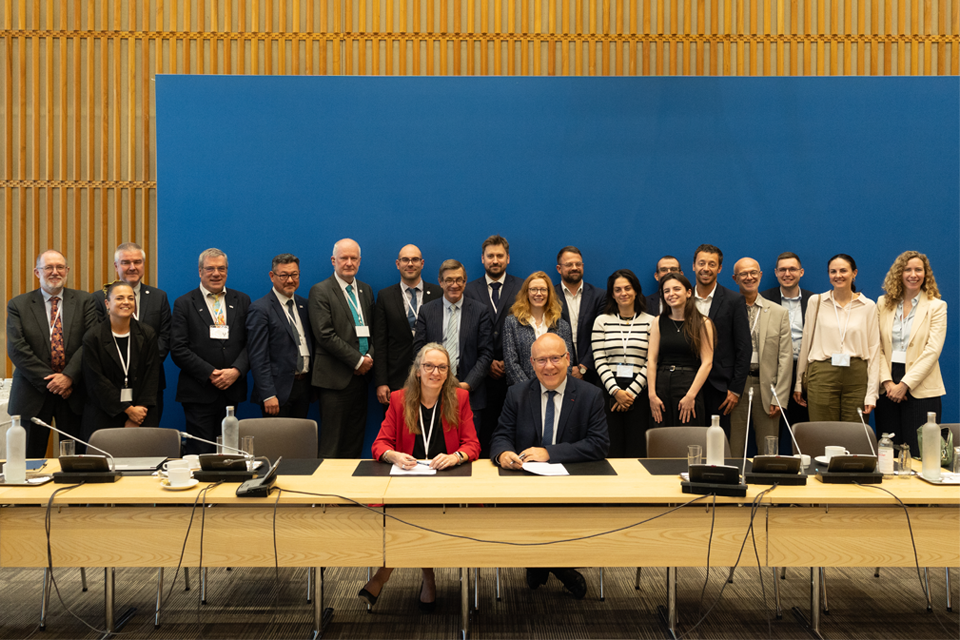
British and French geological surveys strengthen collaboration through new agreement
14/10/2026
Two of Europe’s leading geological surveys have signed a Memorandum of Understanding to strengthen collaboration on key geoscientific challenges.
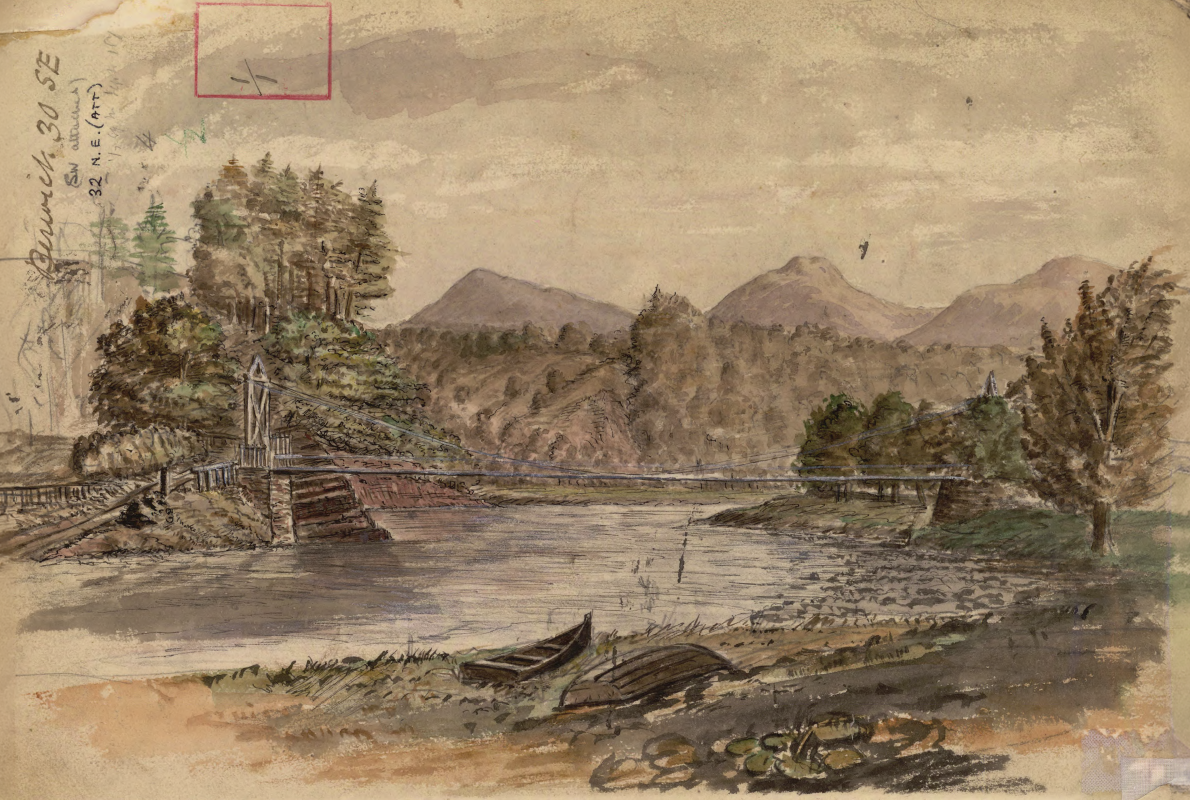
Historic watercolour unearthed on back of Dryburgh geological field map
05/10/2026
A 150-year-old painting of Dryburgh Suspension Bridge and the River Tweed offers an insight into the Scottish Borders landmark shortly after it was built in the 1870s.
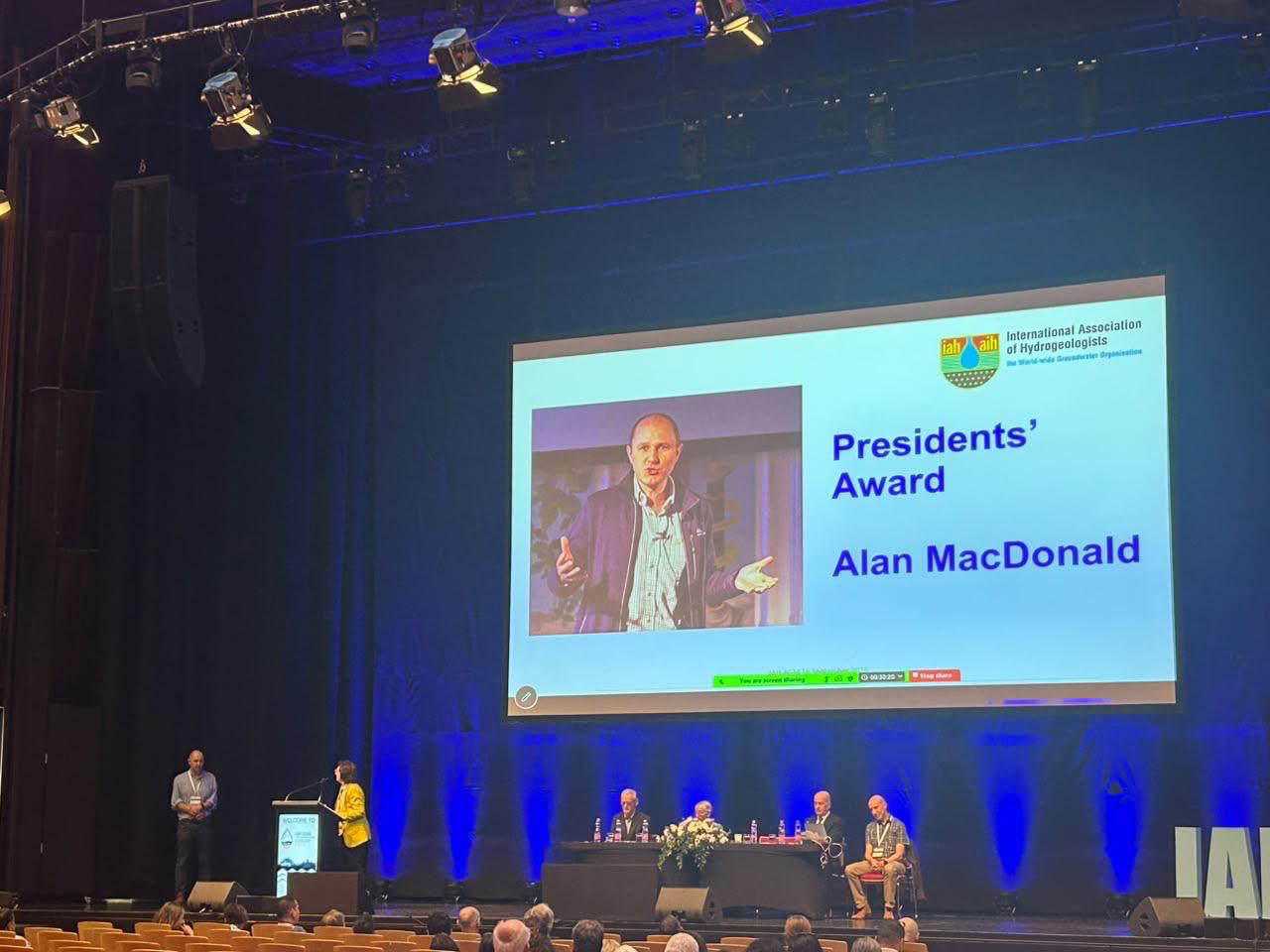
Professor Alan MacDonald presented with Presidents’ Award at 2026 World Groundwater Congress
21/09/2026
The BGS Head of Groundwater has been recognised with this prestigious award by the International Association of Hydrogeologists for his extensive contributions to groundwater science.
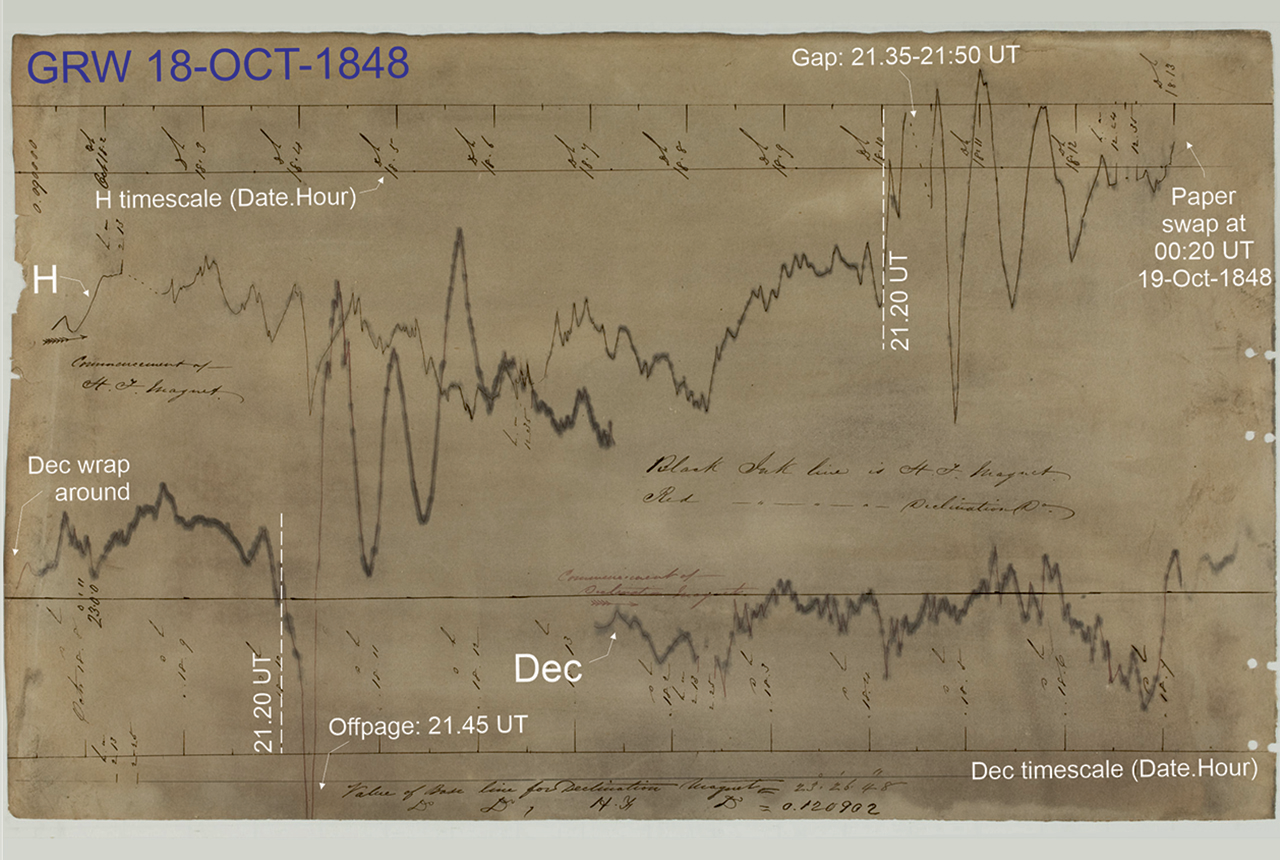
Mystery of one of the earliest recorded space weather impacts solved
17/09/2026
BGS scientists were part of an international team that has solved a 178-year-old mystery surrounding one of the earliest recorded examples of space weather affecting technology.
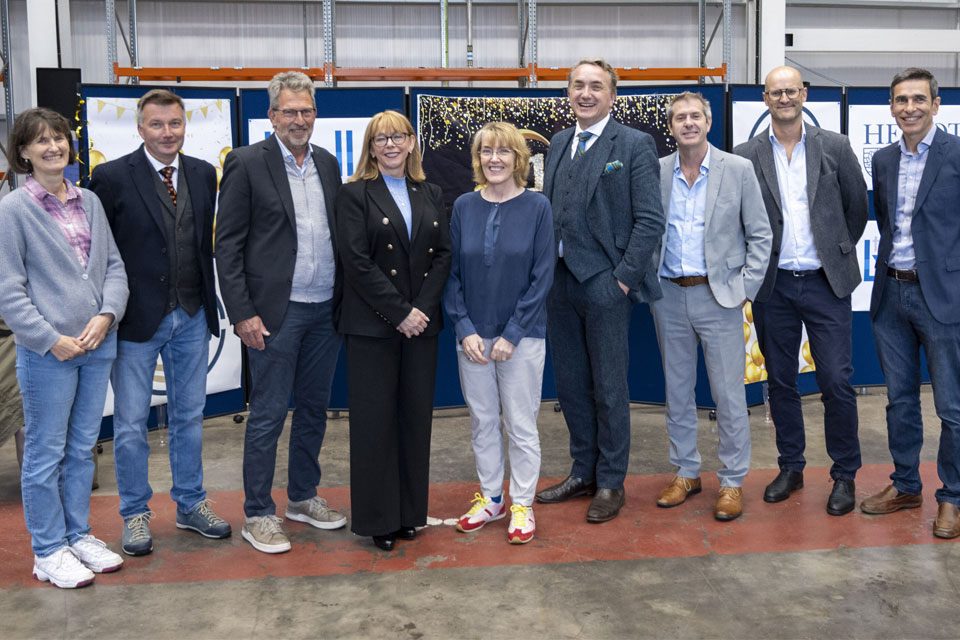
The Lyell Centre celebrates 10 years of world-leading earth and marine science research
07/09/2026
The Lyell Centre for Earth and Marine Sciences, a strategic partnership between Heriot-Watt University and BGS, is celebrating its 10th anniversary, marking a decade of world-leading research, innovation and collaboration in earth and marine sciences.
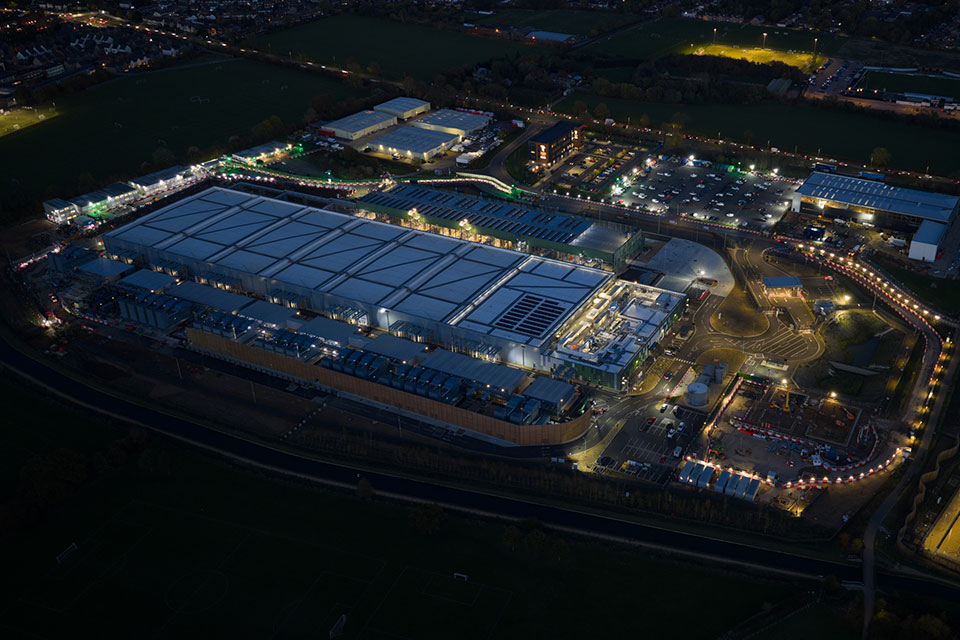
Demand for data centres presents challenges and opportunities for UK critical mineral supply chains
02/09/2026
Government-backed research finds that vulnerabilities in raw material supply chains must be addressed to secure the critical minerals needed to expand the UK’s digital infrastructure and boost economic growth.