

Isotopes and science: my student placement at BGS
Industrial placements at BGS for undergraduate students give real-life experience of working in laboratories and learning different analytical techniques.
08/04/2026 By BGS Press

In chemistry student Dorontina Domi’s first couple of months of her placement at BGS, she has rotated between different laboratories including organics, collagen extraction and modern environmental gas analysis. This has provided her with a broad experience of the different instruments and sample preparation techniques that are required within BGS’s Stable Isotope Facility (SIF). In this blog, Dorontina tells us about some of her experiences so far.
Carbon and nitrogen isotopes in organic materials
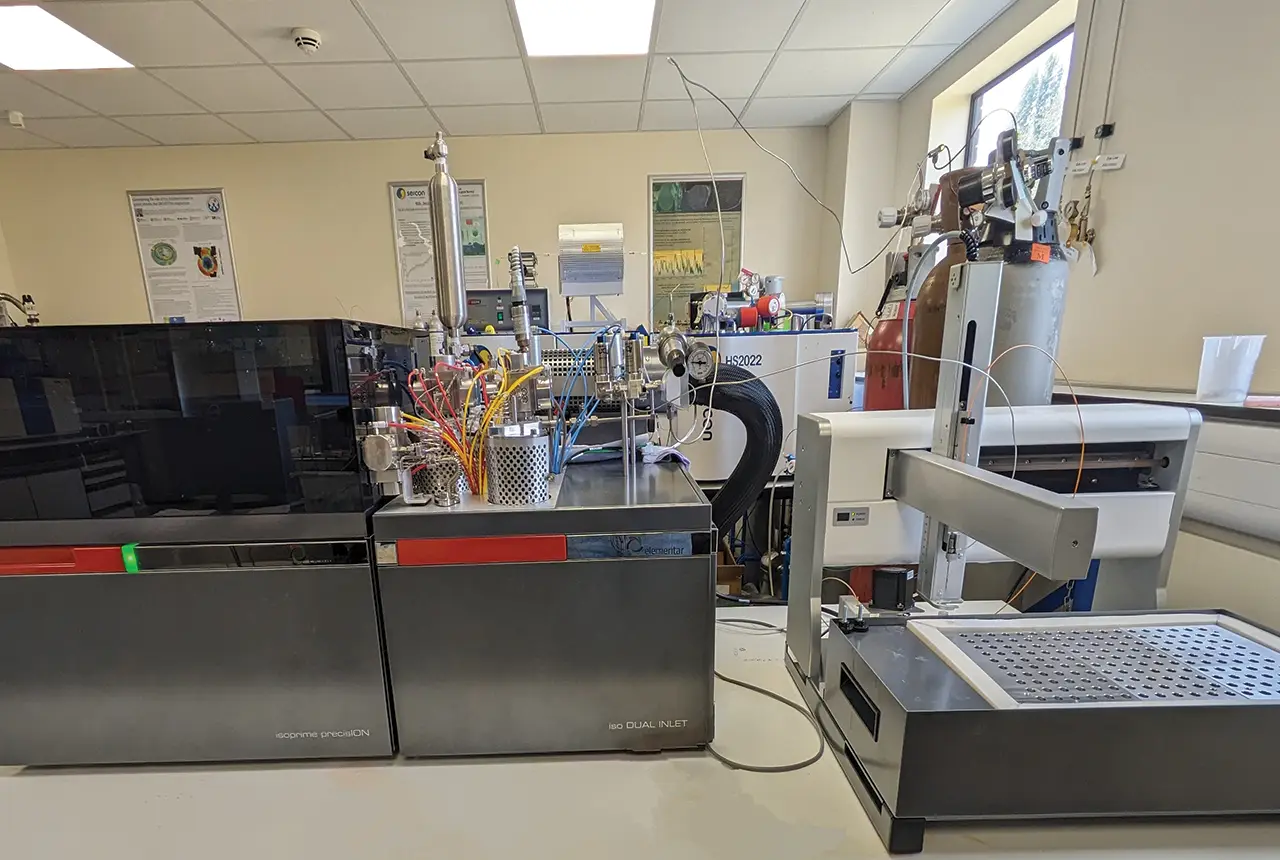
A wide array of instruments in the SIF can be used to analyse the carbon (C) and nitrogen (N) isotope composition of organic materials found in sediments, soils and plant materials. The bulk of the analysis is carried out using an Elementar isoprime precisION isotope ratio mass spectrometer (IRMS) with a vario ISOTOPE cube elemental analyser (EA). The samples are combusted in the EA and are then passed onto the IRMS on a continuous flow of helium carrier gas, selected for its inertness and separation efficiency for measurement.
While learning sample preparation, I gained experience in using microbalances to weigh samples down to 200 micrograms (or 0.0002 grams), which is a miniscule amount that is challenging to see with the naked eye. I compacted the weighed sample material into either crucibles or capsules, depending on the instrument and their auto sampling methods.
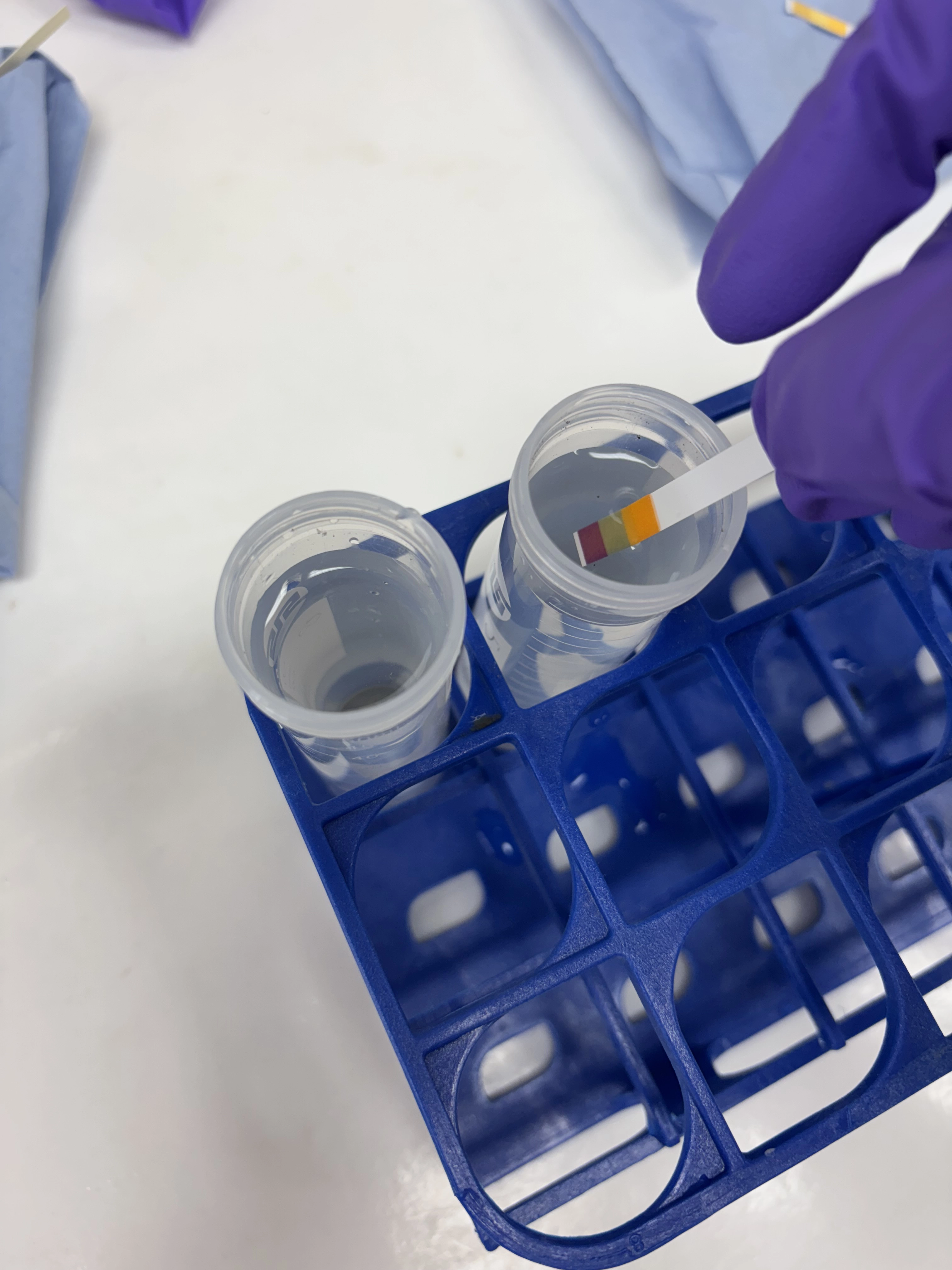
pH testing on samples post-acidification. BGS © UKRI
When analysing these sample materials for C isotopes, it is important to understand whether the results are representing organic or inorganic C fractions contained in the material. Organic carbon consists of compounds sourced from living organisms and their remains, and inorganic carbon, such as from carbonates, is formed from biological and geological processes. The two forms of C have very distinct isotope compositions (inorganic C typically has more carbon-13 compared organic C) and even a small amount of inorganic C contamination in samples can offset target organic C isotope values.
Samples must therefore be treated to remove inorganic C prior to isotope analysis. I acidified samples using hydrochloric acid (HCl) and rinsed them with purified water, using a centrifuge to ensure thorough washing, until the pH tested neutral. This process dissolves the inorganic C fraction and isolates the organic C fraction.
SIF houses 13 mass spectrometers, so I have also gained experience in how staff conduct maintenance, such as on the Elementar IRMS. I assisted in replacing the consumables to ensure that the analyses are performed with a high precision and accuracy.
Carbon, nitrogen and sulfur isotopes in prehistoric bone samples
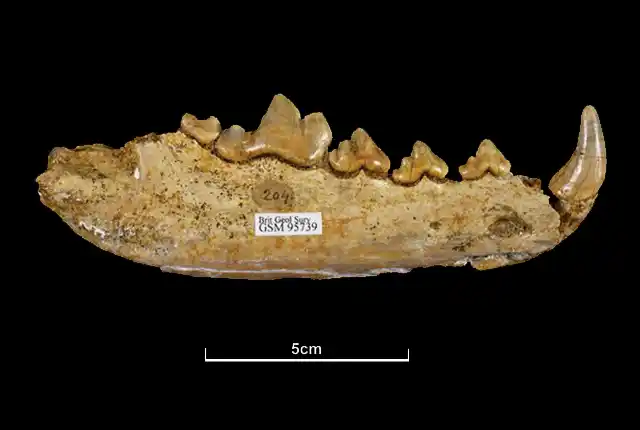
Fossil of a wolf (Canis lupus) mandible from Craven Cave, Yorkshire. BGS © UKRI
Comparing carbon, nitrogen and sulfur isotope ratios from carnivores and their prey allows us to distinguish the palaeo-diet of animals and the trophic level structure of different species. This allows us to interpret their relationships during different ages and draw inferences from the data on changes associated with climate differences. For example, the higher the nitrogen isotope composition (δ15N) the more ‘carnivore-like’ feeding habits took place, therefore the main prey for each species can be identified.
Statistical tools called Bayesian mixing models will be used as a framework to integrate the large proportion of data from throughout modern and Pleistocene times and to infer the relevant data. Through this, the project will assess how changes in climate and environment influenced the feeding behaviour of the wolves and their resilience during reductions in prey availability. This information is crucial to understand the influence climate change will have on the endangered species in the future and help conservation strategies.
As part of the sampling programme, I was given an opportunity to spend a day at the Natural History Museum laboratories in London, where I observed the meticulous drilling process used to cut small pieces of material from a variety of different fossil species for later analysis. The samples were cut from areas that will minimise damage of the structural integrity of the bone for conservation purposes.
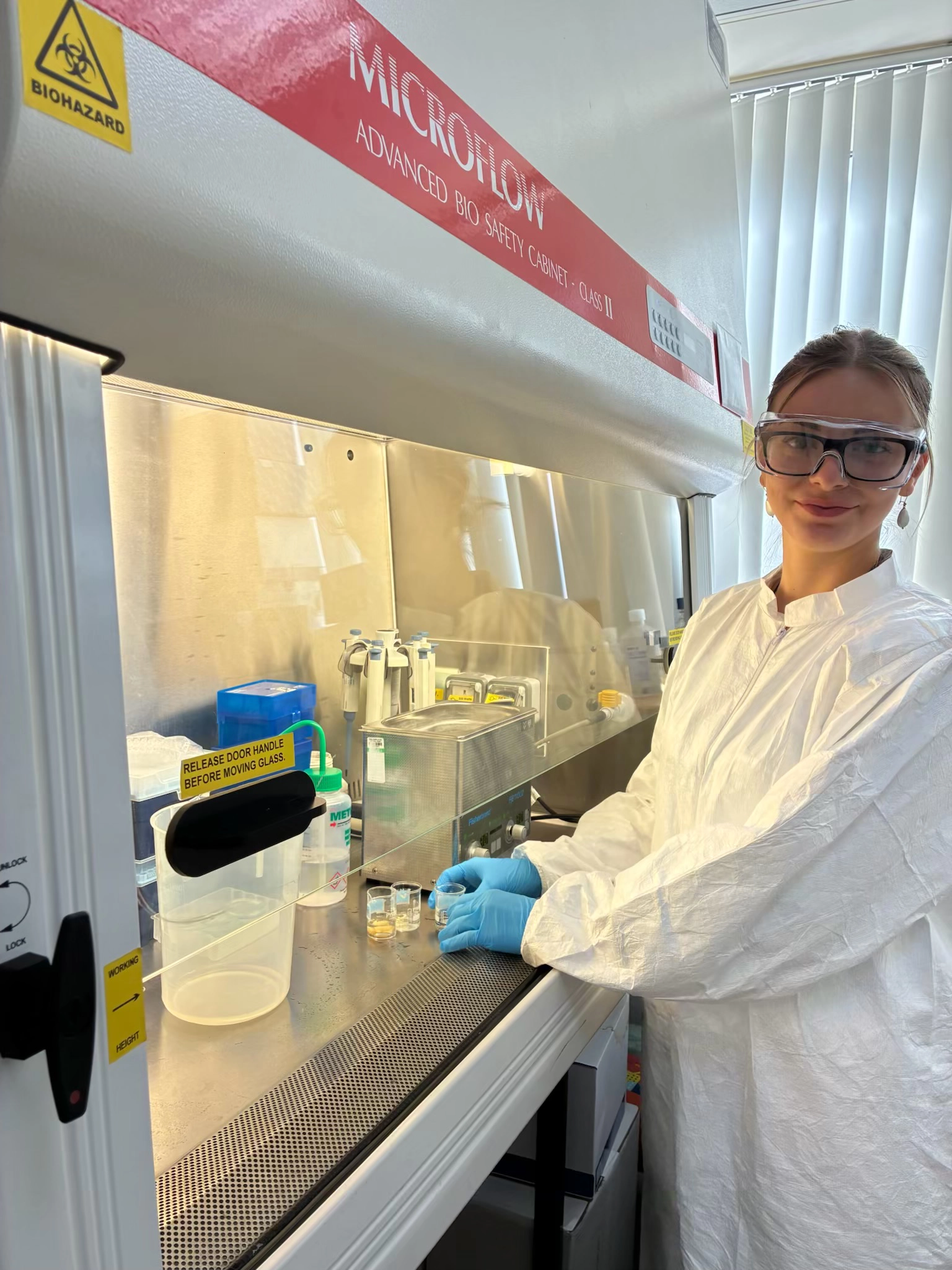
Solvent treatment in the geomicrobiology lab. BGS © UKRI
As well as fossil samples, the project is also analysing contemporary wolves from Croatia and their prey as a comparison. These samples are less than 100 years old and required an initial solvent treatment in the geomicrobiology lab before collagen extraction could begin.
I have also helped to prepare the samples for isotope analysis, where a multi-step process takes place to extract the collagen, before it is purified and analysed via the EA-IRMS.
Carbon isotopes in methane samples
Another aspect of my training covers analysing methane (CH4) gas samples for their carbon isotope composition using a Sercon HS2022 with CyroGas.
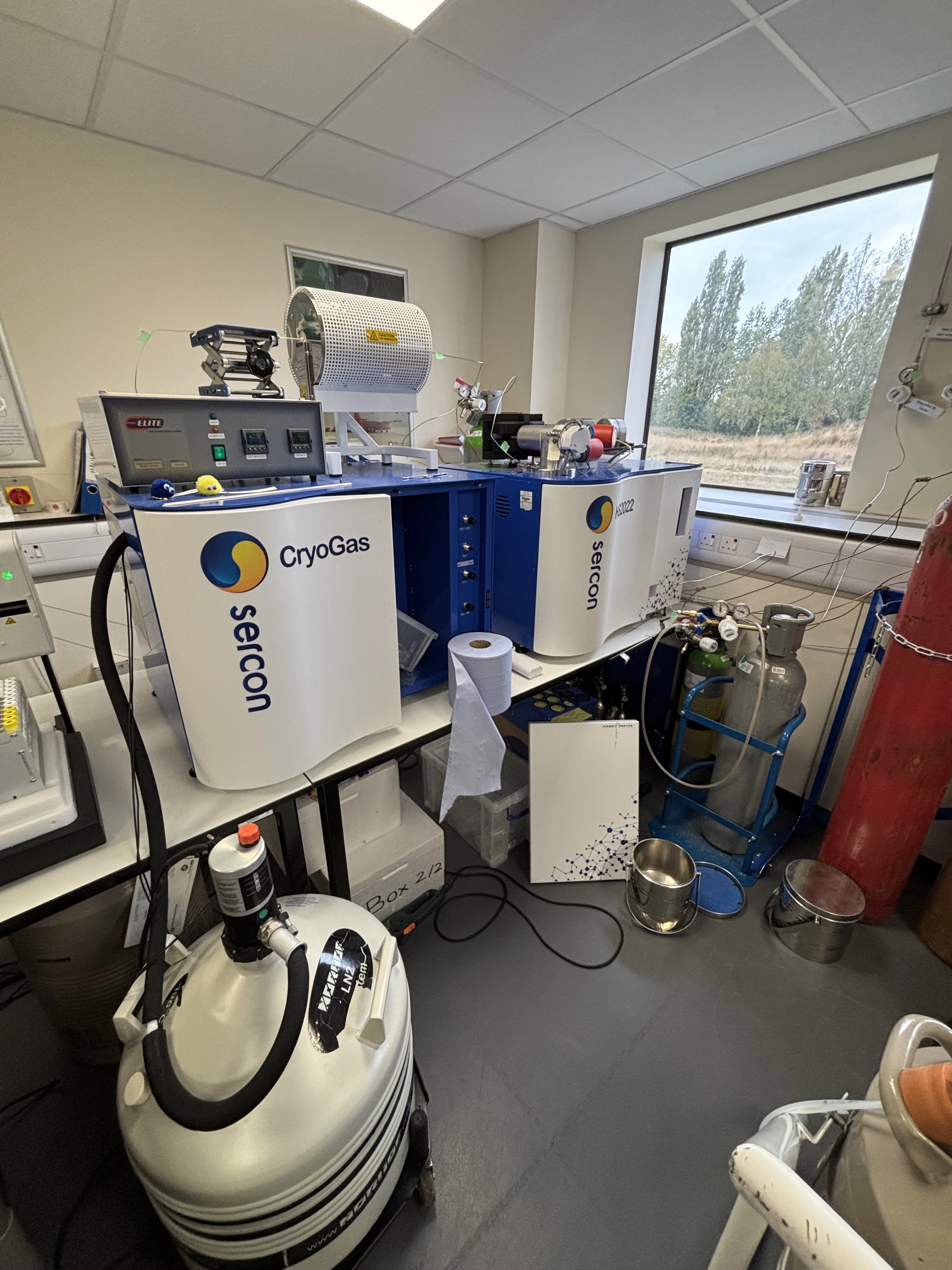
Sercon HS2022 with CyroGas in Combustion Mode. BGS © UKRI
This instrument works by purifying the sample gas via carbon dioxide (CO2) traps and a cryogenic gas trap to remove any other sources of carbon present that are not from CH4, thus reducing potential sources of contamination. The sample gas then flows through a combustion tube, where the CH4 is converted to CO2 and cryogenic trapping takes place, ensuring that the CO2 is concentrated in the final trap and can be released to the mass spectrometer rapidly. This allows for a narrow, sharp peak that can be analysed and replicated with a high precision. I also hope to help with the analysis of hydrogen (H) isotopes via the pyrolysis of CH4 to H2.
Working at BGS as a student
If you are an undergraduate student looking for an opportunity within stable isotopes, I highly recommend BGS. Not only is it the largest UK producer of stable isotope data, but it is also a supportive workplace to be a part of. There are a variety of clubs to involve yourself in such as the BGS Wilding Group. Staff and volunteers maintain the natural areas at BGS to promote wildlife biodiversity, as a commitment to sustainability.
I would like to extend a massive thank you to everyone at the Stable Isotope Facility for welcoming me with such support and excitement. It has been an incredible start to the placement and I am looking forward to the rest of the year!
About the author
Dorontina Domi is an undergraduate chemistry student at the University of Surrey, completing her industrial placement at SIF, which is located at BGS’s headquarters in Keyworth, Nottinghamshire.
Relative topics
Related news
Isotopes and science: my student placement at BGS
08/04/2026
Industrial placements at BGS for undergraduate students give real-life experience of working in laboratories and learning different analytical techniques.
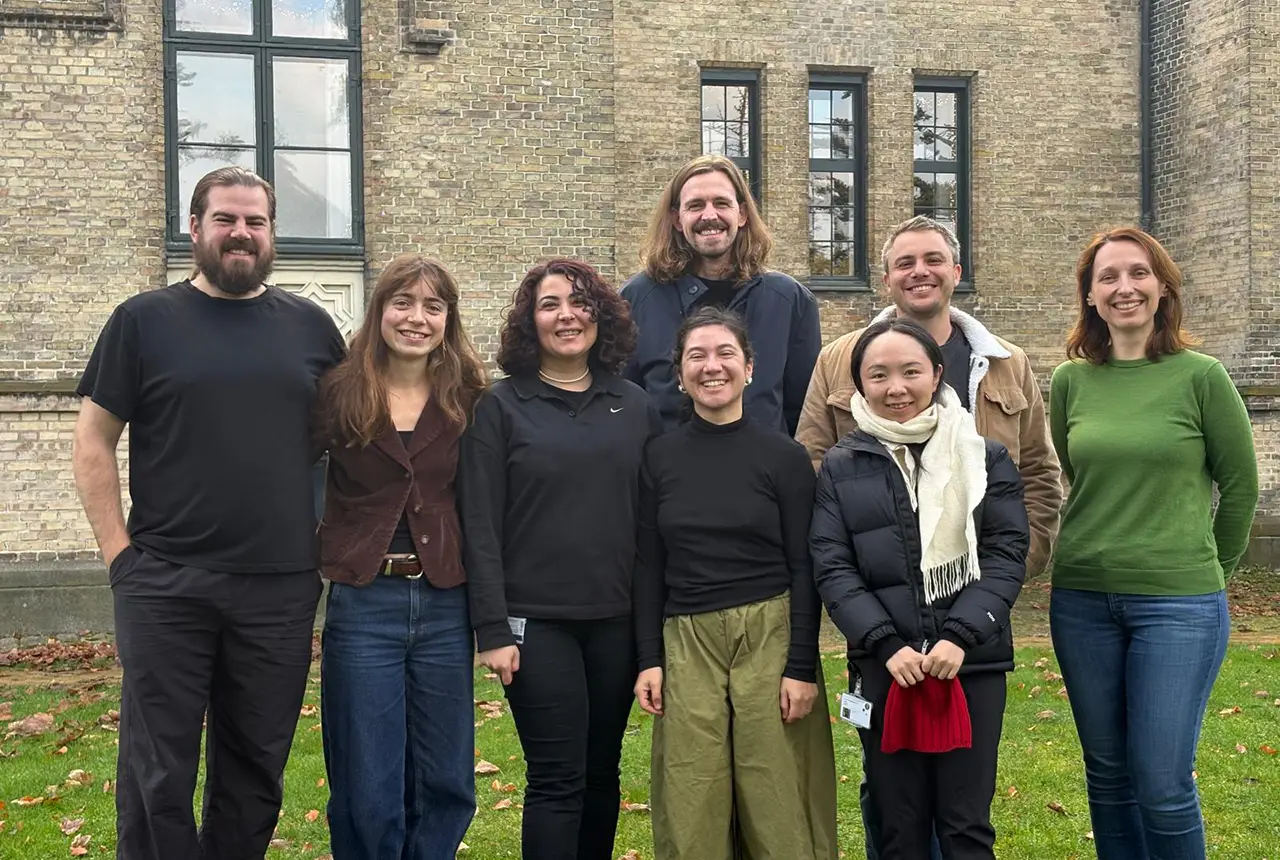
PhD adventures in Copenhagen, Denmark: revealing past recovery processes of tropical forest systems through ancient environmental DNA
12/03/2026
PhD student Chris Bengt visited the University of Copenhagen to carry out very delicate extraction of aeDNA from lake-sediment cores, in the hopes of unlocking the secrets of past volcanic eruptions.
MARC Conference 2025: highlighting the importance of conferences to PhD students
16/02/2026
BGS and University of Nottingham PhD student Paulina Baranowska shares her experience presenting her research on nuclear forensics at her first international conference.
Quaternary UK offshore data digitised for the first time
21/01/2026
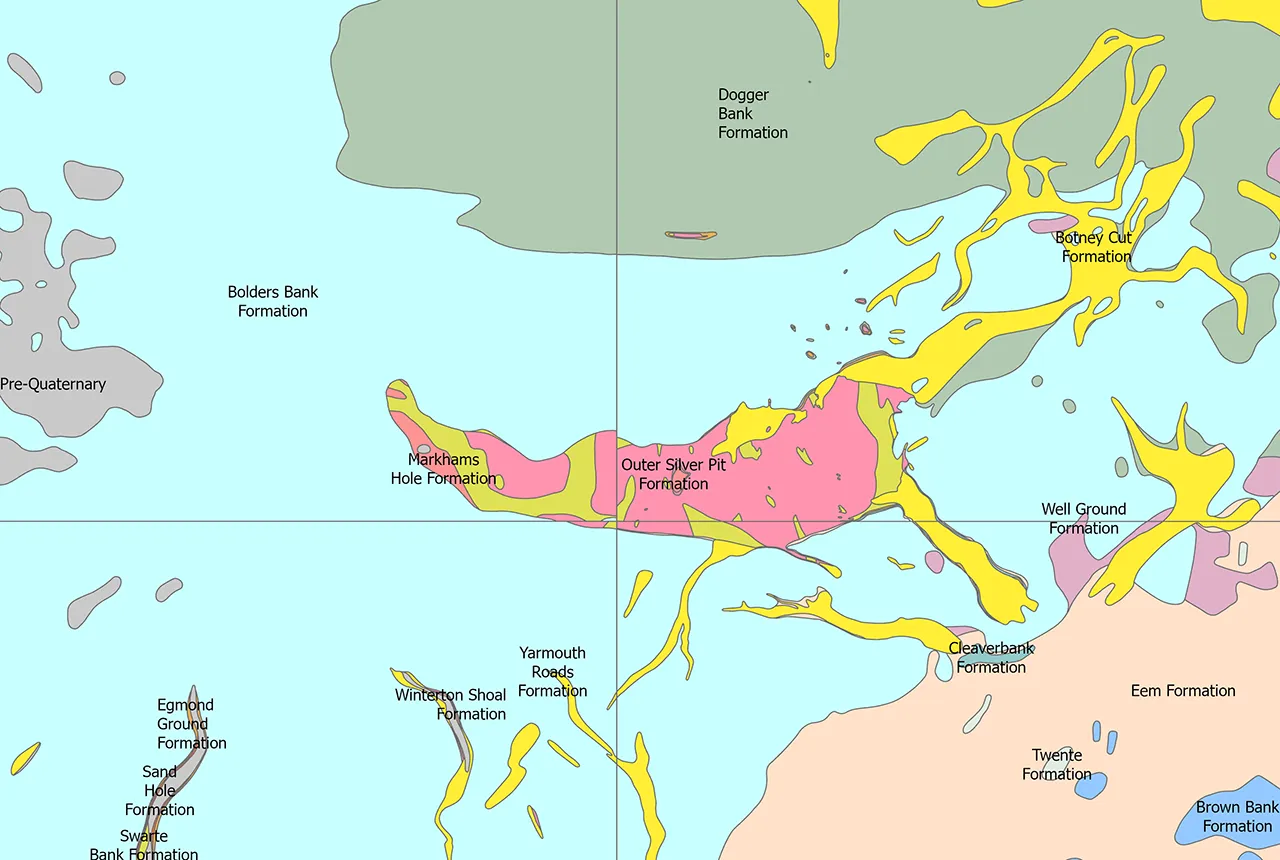
The offshore wind industry will be boosted by the digitisation of a dataset showing the Quaternary geology at the seabed and the UK’s shallow subsurface.
Suite of ten new soil reference materials released
02/01/2026
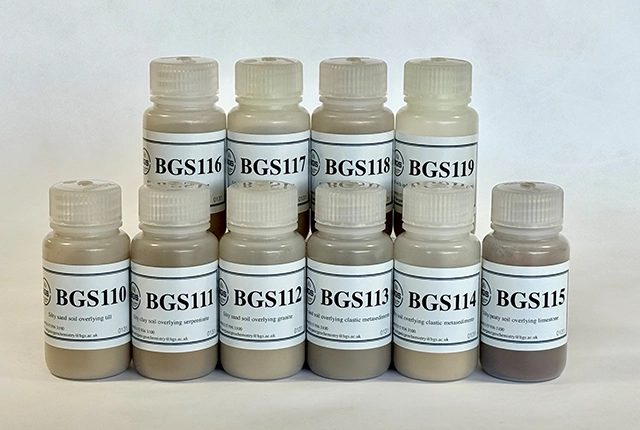
BGS has a longstanding track record of producing high-quality reference materials and has released ten new soil reference materials.
How the geology on our doorstep can help inform offshore infrastructure design
19/11/2025
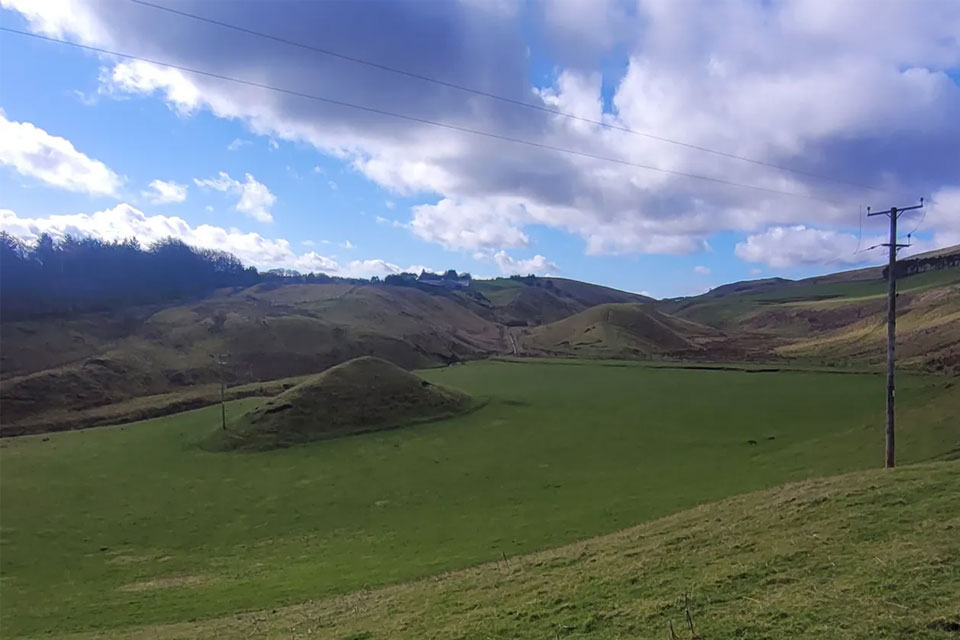
BGS is part of a new collaboration using onshore field work to contextualise offshore data and update baseline geological models which can inform the sustainable use of marine resources.
Dr Angela Lamb appointed as honorary professor by the University of Nottingham
02/10/2025
Dr Lamb will take up the position of honorary professor of environmental geochemistry, with a focus on collaborative research.
Esthwaite Water: applying novel approaches to understand lake-water nutrient pollution
19/09/2025
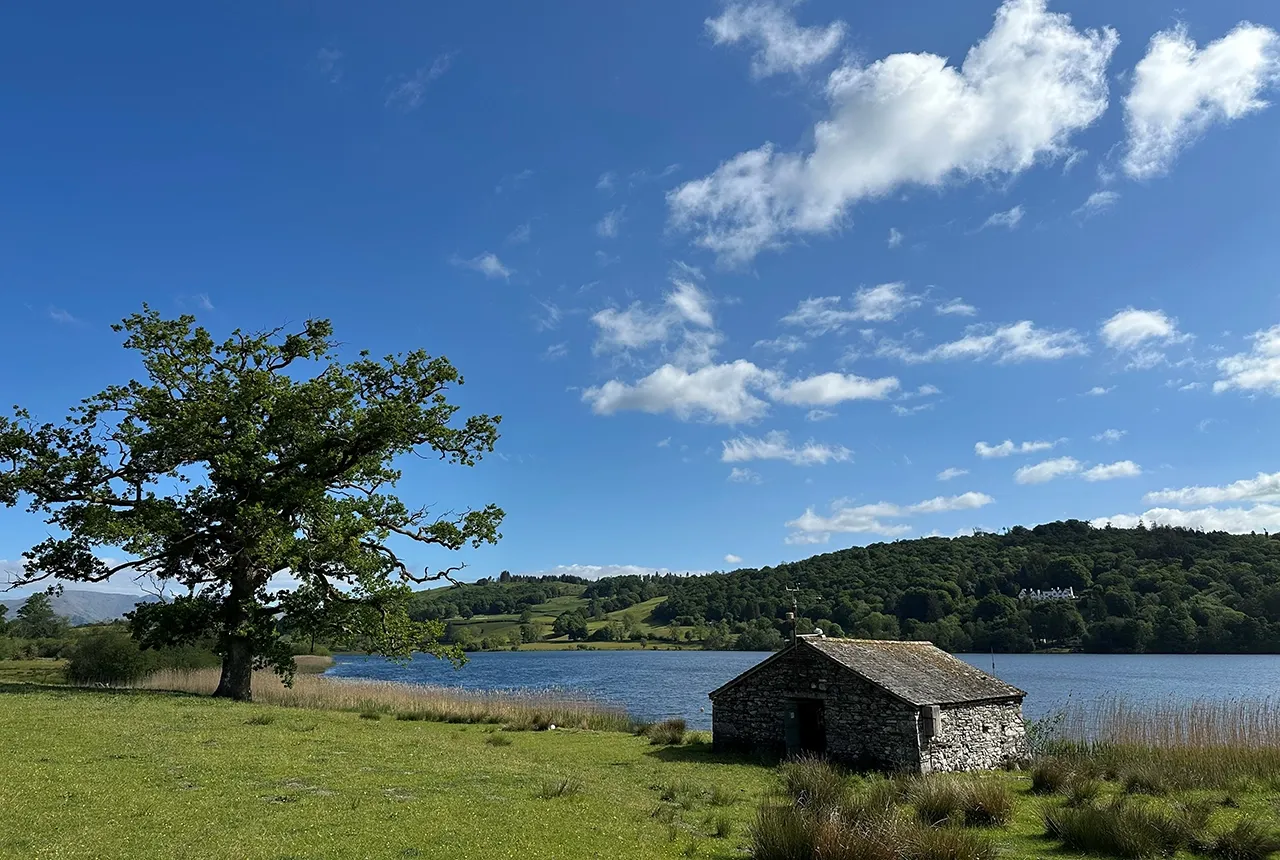
Andi Smith (BGS) and Savannah Worne (Loughborough University) embarked on fieldwork in the Lake District, applying a novel stable isotope method for tracing phosphorus sources.

Opening up the geosciences: making work experience more accessible
19/09/2025
BGS has been working with partners to make the geosciences more accessible to young people, including those from under-represented backgrounds.

New seabed sediment maps reveal what lies beneath the waves
03/09/2025
Marine ecosystem science and offshore infrastructure will be boosted by a new dataset showing sediment composition across the UK continental shelf.
Gemini: a new stable isotope tool
21/08/2025
BGS’s Stable Isotope Facility has new mass spectrometer equipment for analysing carbon and oxygen isotopes from carbonates and water.

Scientists uncover secrets of Stonehenge’s mysterious cattle
20/08/2025
Cutting-edge analysis of a Neolithic cow tooth dating back to the construction of the famous landmark provides evidence of Welsh origins.