

Suite of ten new soil reference materials released
BGS has a longstanding track record of producing high-quality reference materials and has released ten new soil reference materials.
02/01/2026 By BGS Press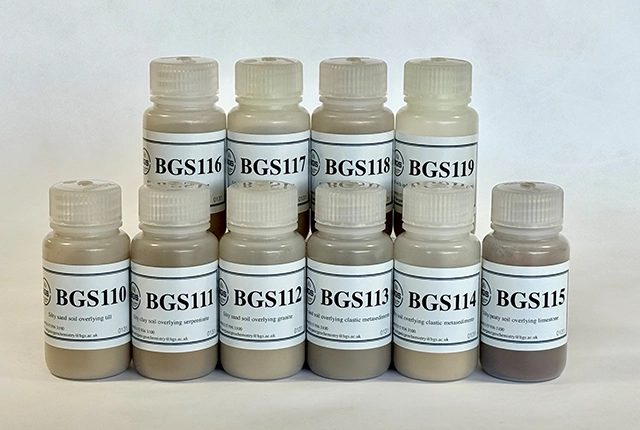

Soil reference materials (RMs) are critical to ensuring the accuracy and consistency of analytical results across laboratories and research institutions. BGS has produced ten new soil RMs, which have been developed by its inorganic geochemistry team to offer a cost-effective alternative to traditional certified reference materials (CRMs), while maintaining confidence in analytical data. The RMs have been released at a lower price point to help improve access to high-quality materials for researchers and laboratories with limited budgets, enabling them to enhance measurement controls and increase confidence in analytical results across a variety of sectors worldwide.
Developed from a broad selection of parent materials and incorporating a diverse range of textures and organic carbon contents, reference soils BGS110 to BGS119 have each been characterised by a select group of international laboratories using a variety of analytical techniques. The RMs are also accompanied by data sheets that include reference and information values for 64 major, minor and trace elements, including rarely measured bromine and iodine. More information about the ten new RMs can also be found in the new report, Ten new soil reference materials (BGS110 to BGS119) characterised for 64 major, minor, and trace elements.
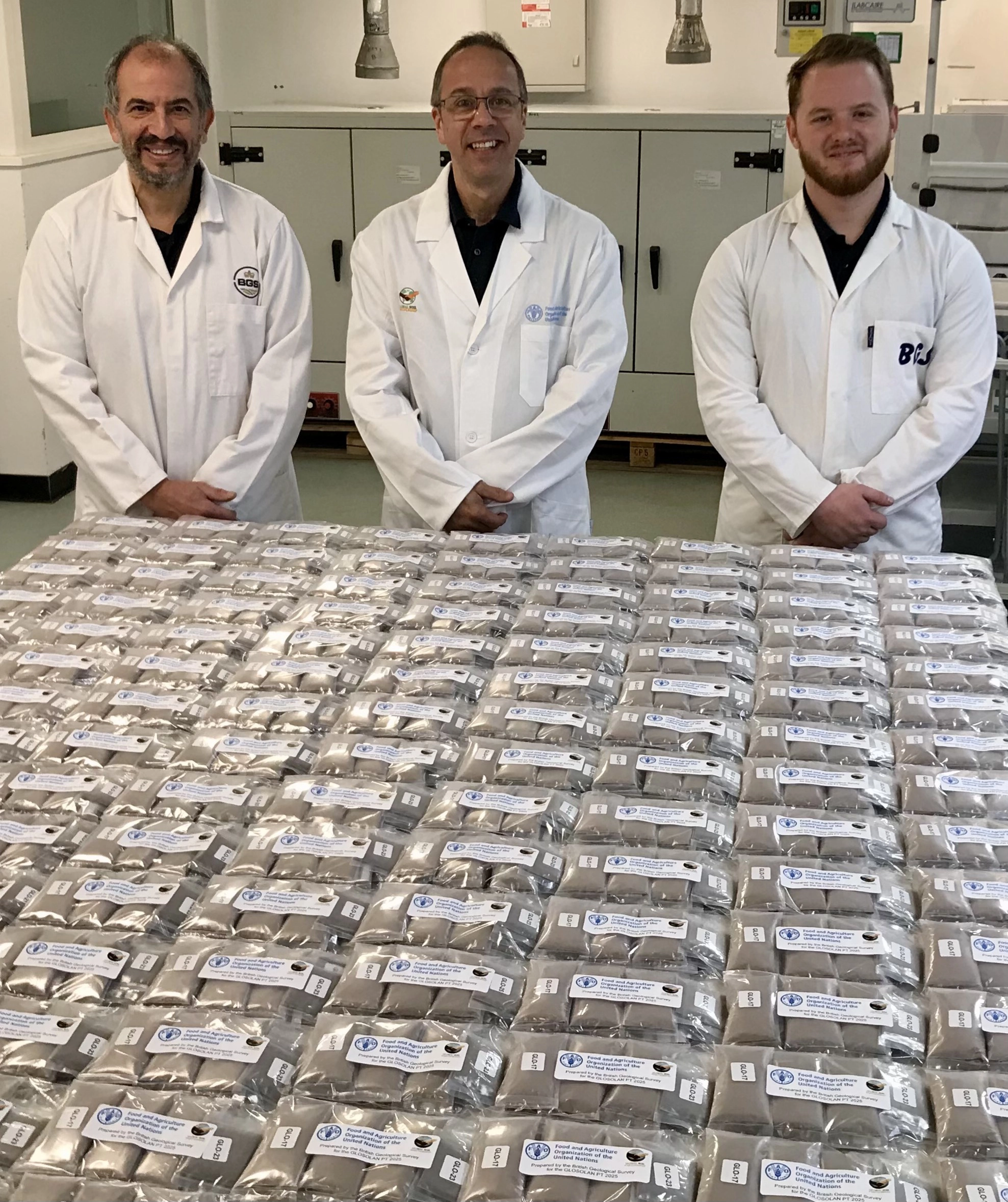
Sample preparation team with 3000 samples packaged for a global proficiency-testing scheme. BGS © UKRI

Reference materials are the backbone of geochemical analysis, providing confidence in the measurements that a laboratory produces. Our RMs offer reliable benchmarks for analysing samples with similar matrices. Due to their diverse concentrations of economically and environmentally significant elements, these RMs will enable laboratories, PhD researchers and industry professionals to calibrate instruments, validate analytical methods and ensure data comparability across studies.
Dr Michael Watts, head of BGS Inorganic Geochemistry.
BGS now has 18 soil RMs (including one for use in bioaccessibility testing and seven for the analysis of agriculturally relevant soil properties) and five mineral RMs available for purchase through its website.
The inorganic geochemistry team also remains actively engaged in global initiatives to harmonise soil analytical data across laboratories. These efforts support enhanced health outcomes and food security worldwide. BGS produces custom proficiency testing (PT) materials for international PT schemes coordinated by the Food and Agriculture Organization of the United Nations’ FAO-UN Global Soil Laboratory Network (GLOSOLAN). As part of its collaboration with the FAO-UN and other organisations, BGS has delivered laboratory training around the world, including guidance on producing RMs and PT samples. A free, publicly available standard operating procedure for preparation of an internal quality control sample is accessible via the GLOSOLAN website.
In addition, BGS prepares geological PT samples and CRMs for a number of commercial distributors, supporting both UK and international PT schemes.
To place an order or for more information on our bespoke RM and PT preparation services, please contact the inorganic geochemistry team (inorganicgeochemistry@bgs.ac.uk). (Gamma irradiated soil RMs are available on request for shipping internationally.)
Relative topics
Related news

New project mapping UK Continental Shelf provides boost to offshore infrastructure and development
22/10/2026
BGS is leading a three-year project funded by The Crown Estate to develop a new suite of seabed geology datasets and reports, providing crucial information for offshore developers about the seabed around the UK.
BGS one of the UK’s first specialist research institutes to receive Race Equality award
20/10/2026
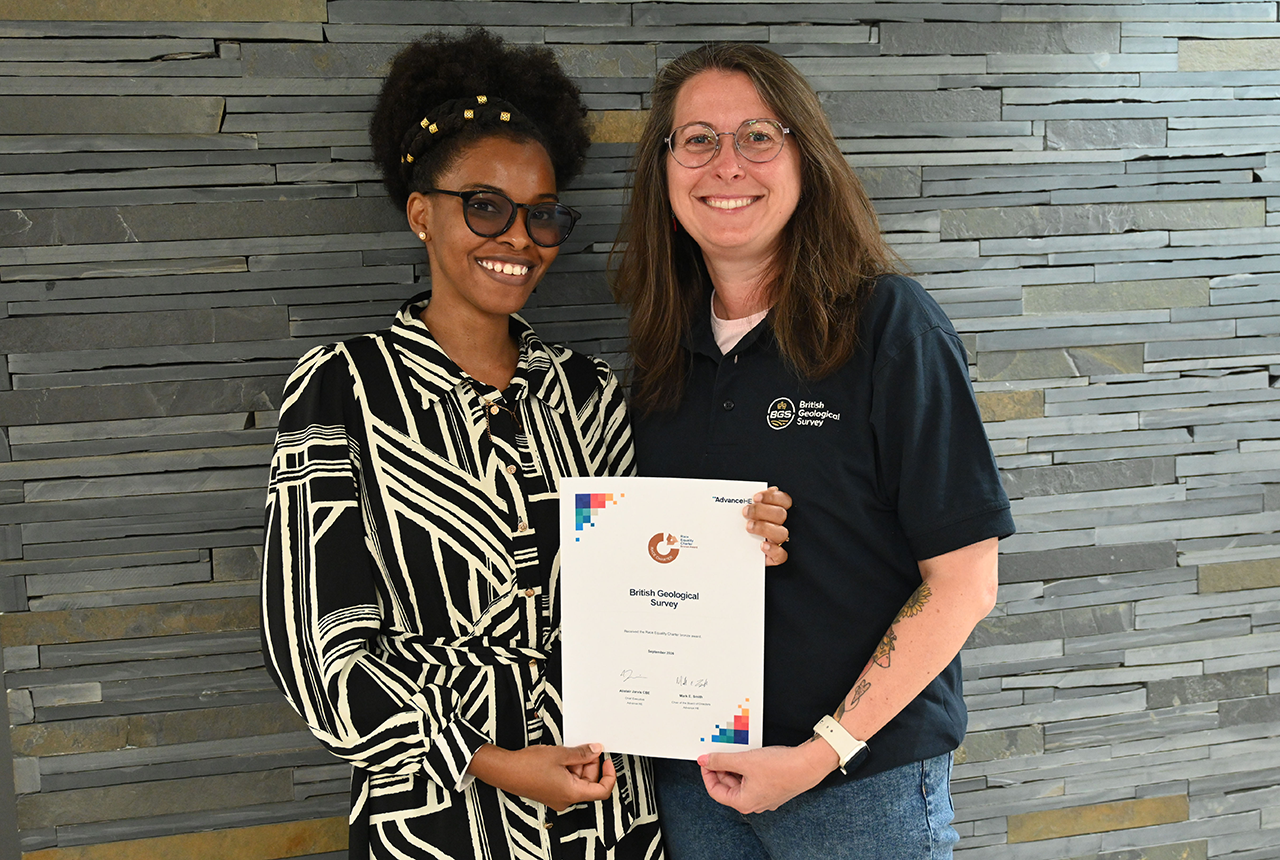
BGS has secured Bronze accreditation under the Advance HE Race Equality Charter framework, recognising its commitment to identifying and addressing race equality issues in the geosciences.
British and French geological surveys strengthen collaboration through new agreement
14/10/2026
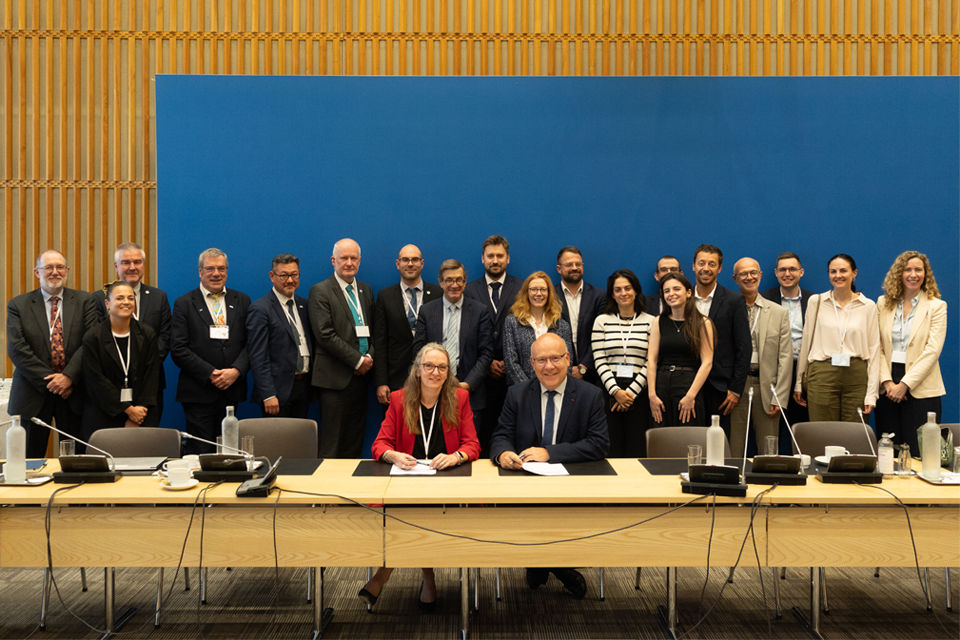
Two of Europe’s leading geological surveys have signed a Memorandum of Understanding to strengthen collaboration on key geoscientific challenges.
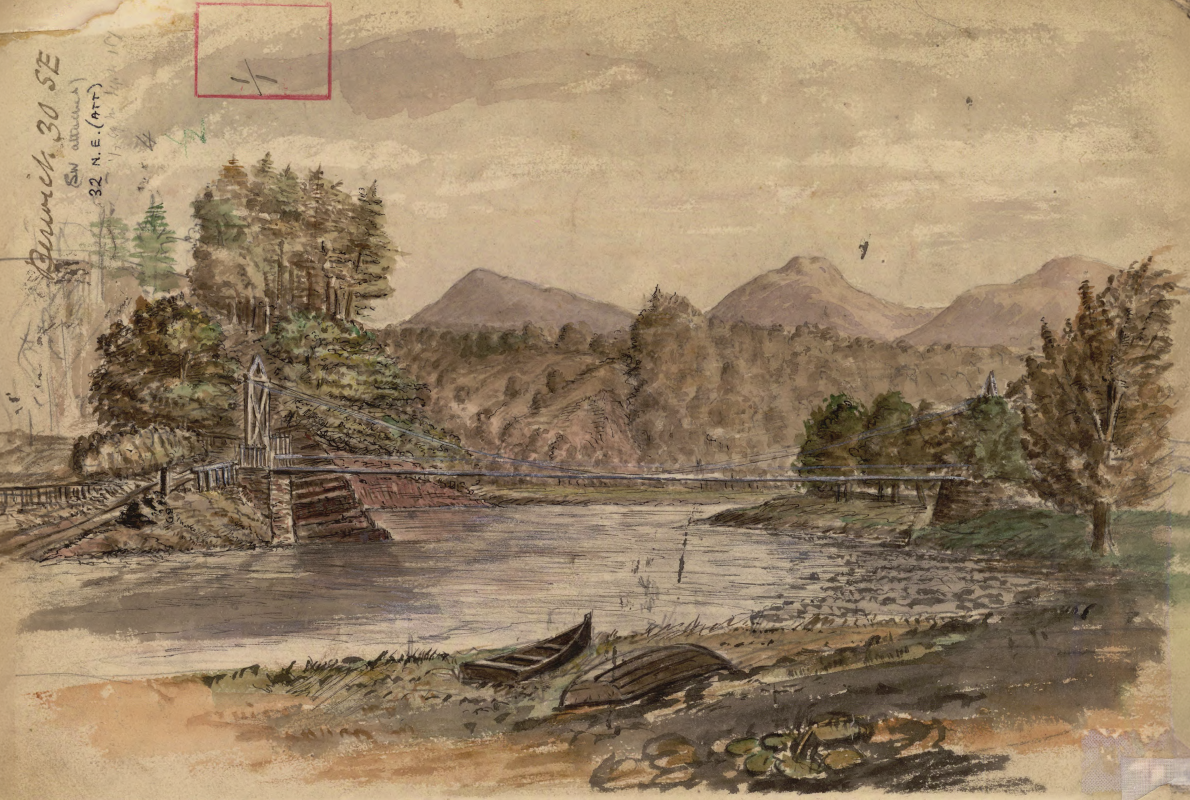
Historic watercolour unearthed on back of Dryburgh geological field map
05/10/2026
A 150-year-old painting of Dryburgh Suspension Bridge and the River Tweed offers an insight into the Scottish Borders landmark shortly after it was built in the 1870s.
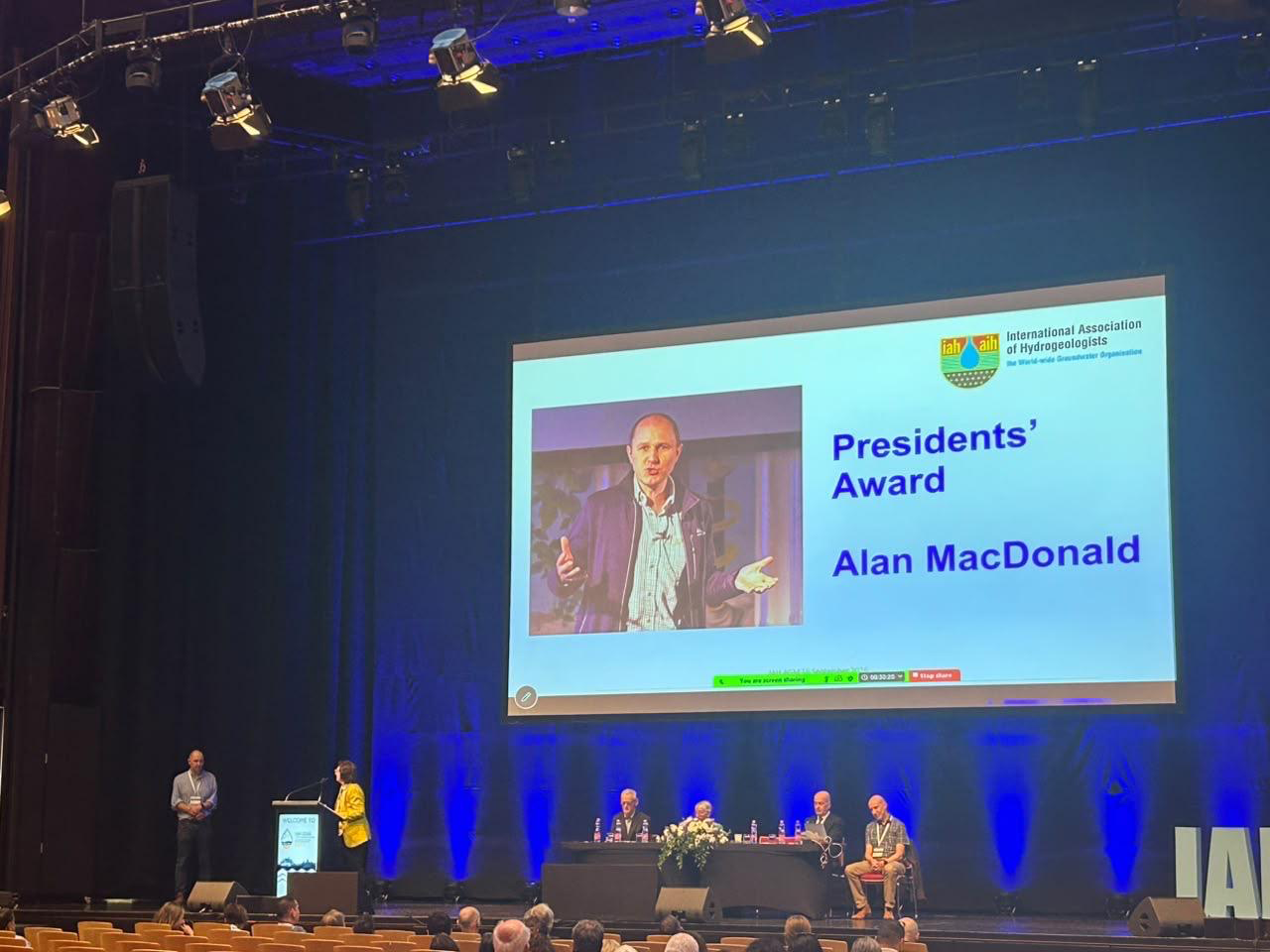
Professor Alan MacDonald presented with Presidents’ Award at 2026 World Groundwater Congress
21/09/2026
The BGS Head of Groundwater has been recognised with this prestigious award by the International Association of Hydrogeologists for his extensive contributions to groundwater science.
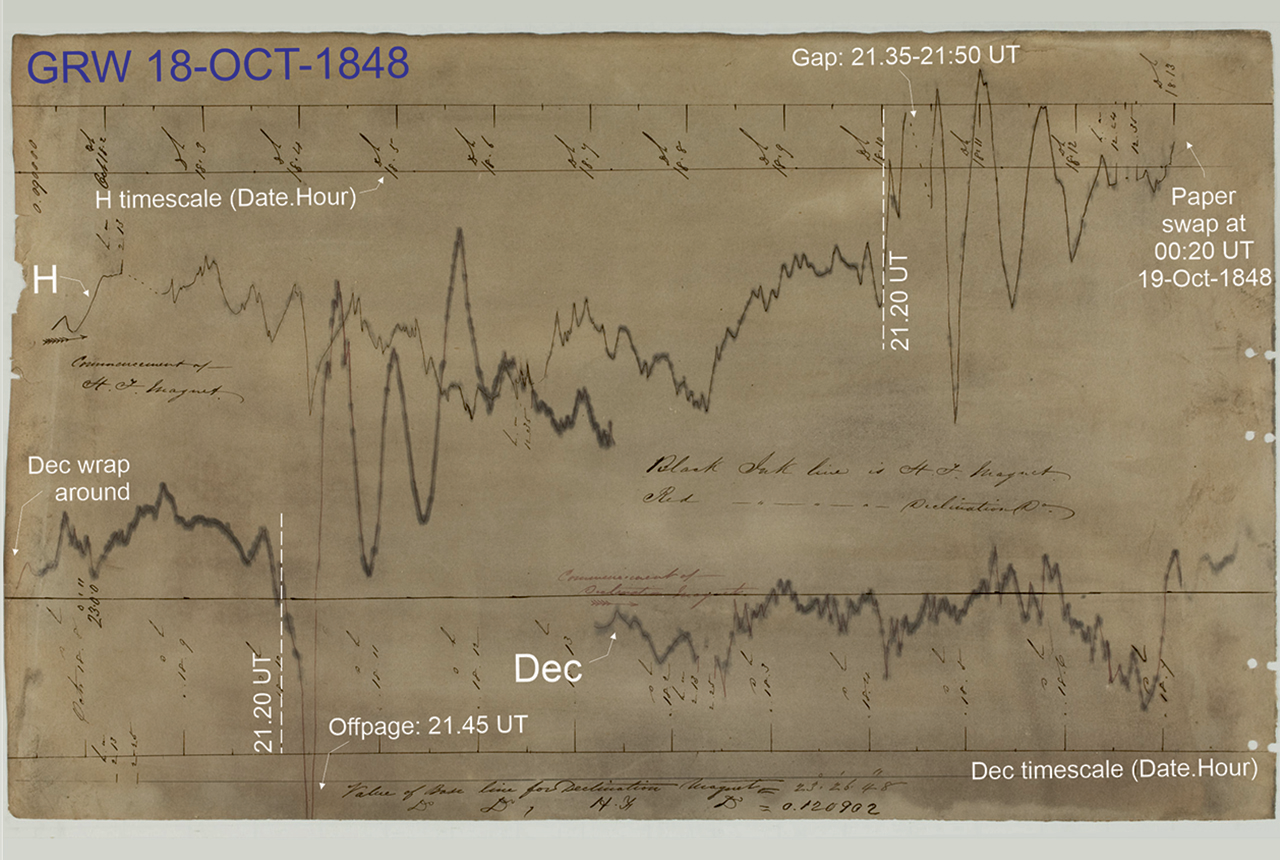
Mystery of one of the earliest recorded space weather impacts solved
17/09/2026
BGS scientists were part of an international team that has solved a 178-year-old mystery surrounding one of the earliest recorded examples of space weather affecting technology.
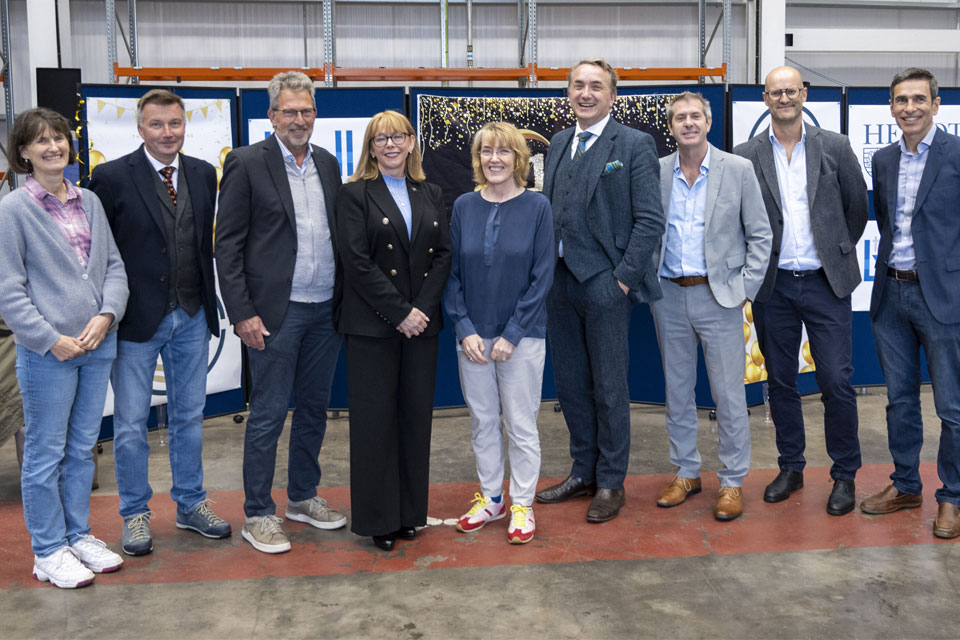
The Lyell Centre celebrates 10 years of world-leading earth and marine science research
07/09/2026
The Lyell Centre for Earth and Marine Sciences, a strategic partnership between Heriot-Watt University and BGS, is celebrating its 10th anniversary, marking a decade of world-leading research, innovation and collaboration in earth and marine sciences.

Demand for data centres presents challenges and opportunities for UK critical mineral supply chains
02/09/2026
Government-backed research finds that vulnerabilities in raw material supply chains must be addressed to secure the critical minerals needed to expand the UK’s digital infrastructure and boost economic growth.

What lies beneath Europe’s sinking ground?
01/09/2026
Land subsidence is becoming increasingly visible across Europe. New research examines how better monitoring, shared data and a deeper understanding of the subsurface can help assess and manage its impacts.
Secrets of an ancient supervolcano uncovered that change our understanding of England’s geological past
28/08/2026
Scientists have found evidence of a long-hidden link between an ancient buried ash layer in Scandinavia and a concealed supervolcano in eastern England.
BGS research into drought-exposed soils wins award
26/08/2026
A research paper investigating how temperate soils respond to drought has been announced as the winner of the Land Best Paper Award.
UK aquifers robust despite driest July on record
16/08/2026
In a summer experiencing widespread drought, groundwater levels around the country are showing resilience, demonstrating their value as a crucial resource and indicating they could play a more significant role in mitigating the impacts of extreme weather.