

Extended seabed geology map of the Bristol Channel published
BGS has released significantly extended high-resolution maps that will support offshore green-energy initiatives in the area.
07/10/2025 By BGS Press

Renewable energy infrastructure, whether on- or offshore, requires in-depth understanding and accurate characterisation of the underlying geology. Developers increasingly need detailed geospatial observations of the seabed and shallow subsurface, which are critical to the siting and design of offshore infrastructure such as submarine cables and offshore wind turbines. This is certainly true in the Bristol Channel, which is home to the second largest tidal range in the world. This high-energy environment has attracted much interest around the use of the seabed for tidal power and the potential to produce electricity from wave energy.
To support policy- and decision makers in this region, BGS has released an enhanced seabed geology map of the Bristol Channel, almost four times the size of the original, which extends from Carmarthen Bay to Newport and further south to the coast of Somerset.
Beyond offshore infrastructure, these maps also directly contribute to understanding of marine ecosystems, coastal management and defence activities. The data provides crucial information to those ensuring the port facilities along this coastline meet the requirements for these development opportunities.
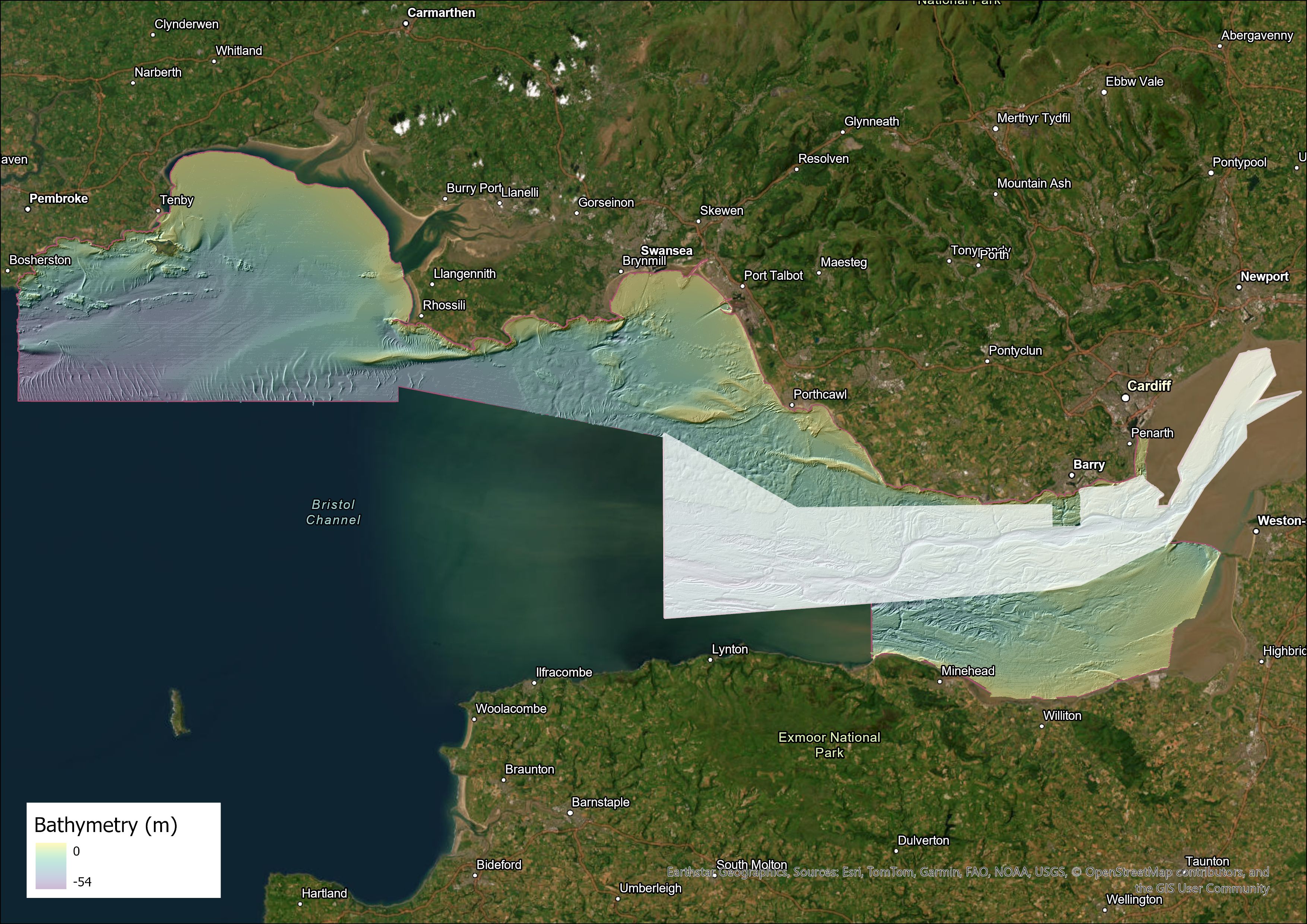
Extent of the extended Bristol Channel map, with the original shown in white. Contains OS data © Crown Copyright and database right 2020. The derived bathymetric layer was produced from Maritime and Coastguard Agency (MCA) data © Crown copyright. Not to be used for navigational purposes. BGS © UKRI.
As the UK’s transition to renewable energy gathers pace, these maps will become increasingly valuable to industry and stakeholders with an interest in developing clean energy, from offshore wind to tidal streaming, and in carbon capture and storage.

The successful implementation of offshore renewable energy projects and technologies and the development of ports in South Wales require a detailed understanding of the seabed. This new, expanded, fine-scale seabed map of the Bristol Channel will be an invaluable resource for developers, providing access to high-quality, detailed observations of the seabed geology that is vital to these kinds of developments.
Beyond its critical role in supporting the renewables sector, the map will also be useful to other data users, such as those involved with supporting marine ecosystems, coastal management and defence activities. It will also provide evidence for policy- and decision makers in the region.
Rhian Kendall, BGS Chief Geologist for Wales.
The map, featuring combined bedrock, sediment, bedrock structure and seabed geomorphology data, is available from BGS under the fine-scale maps section of the Offshore GeoIndex and is designed to be viewed at 1:10 000 scale, or online as downloadable shapefiles. For information on licensing the downloadable GIS data (ESRI format), please contact digitaldata@bgs.ac.uk.
Relative topics
Related news

New project mapping UK Continental Shelf provides boost to offshore infrastructure and development
22/10/2026
BGS is leading a three-year project funded by The Crown Estate to develop a new suite of seabed geology datasets and reports, providing crucial information for offshore developers about the seabed around the UK.
BGS one of the UK’s first specialist research institutes to receive Race Equality award
20/10/2026
BGS has secured Bronze accreditation under the Advance HE Race Equality Charter framework, recognising its commitment to identifying and addressing race equality issues in the geosciences.
British and French geological surveys strengthen collaboration through new agreement
14/10/2026
Two of Europe’s leading geological surveys have signed a Memorandum of Understanding to strengthen collaboration on key geoscientific challenges.
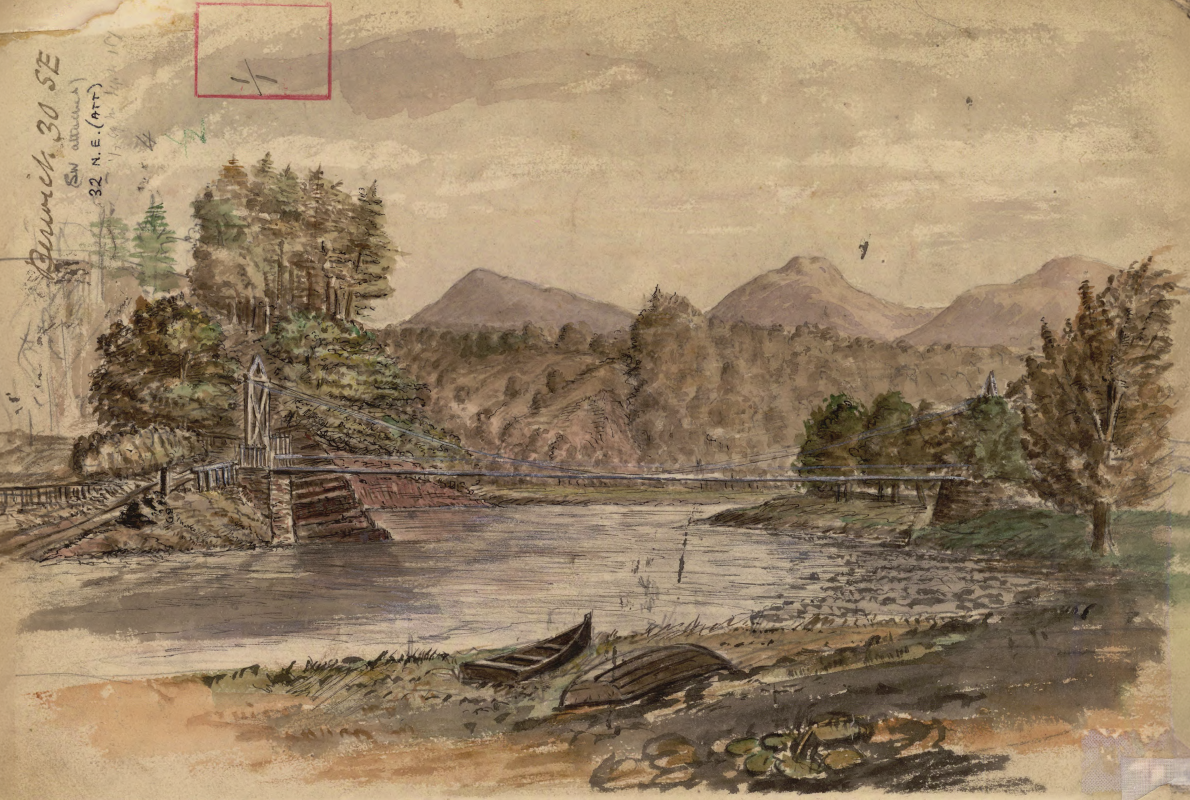
Historic watercolour unearthed on back of Dryburgh geological field map
05/10/2026
A 150-year-old painting of Dryburgh Suspension Bridge and the River Tweed offers an insight into the Scottish Borders landmark shortly after it was built in the 1870s.
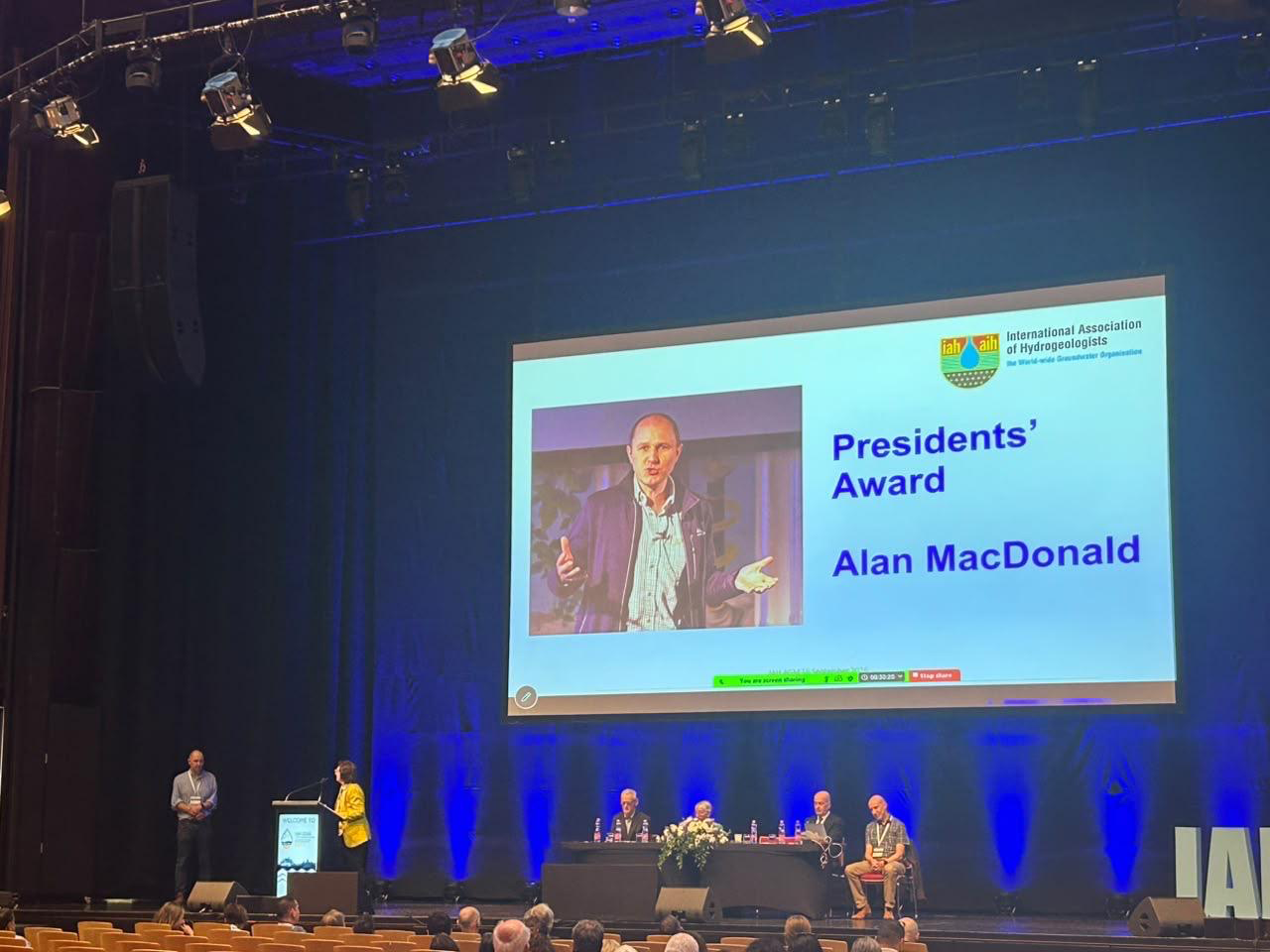
Professor Alan MacDonald presented with Presidents’ Award at 2026 World Groundwater Congress
21/09/2026
The BGS Head of Groundwater has been recognised with this prestigious award by the International Association of Hydrogeologists for his extensive contributions to groundwater science.
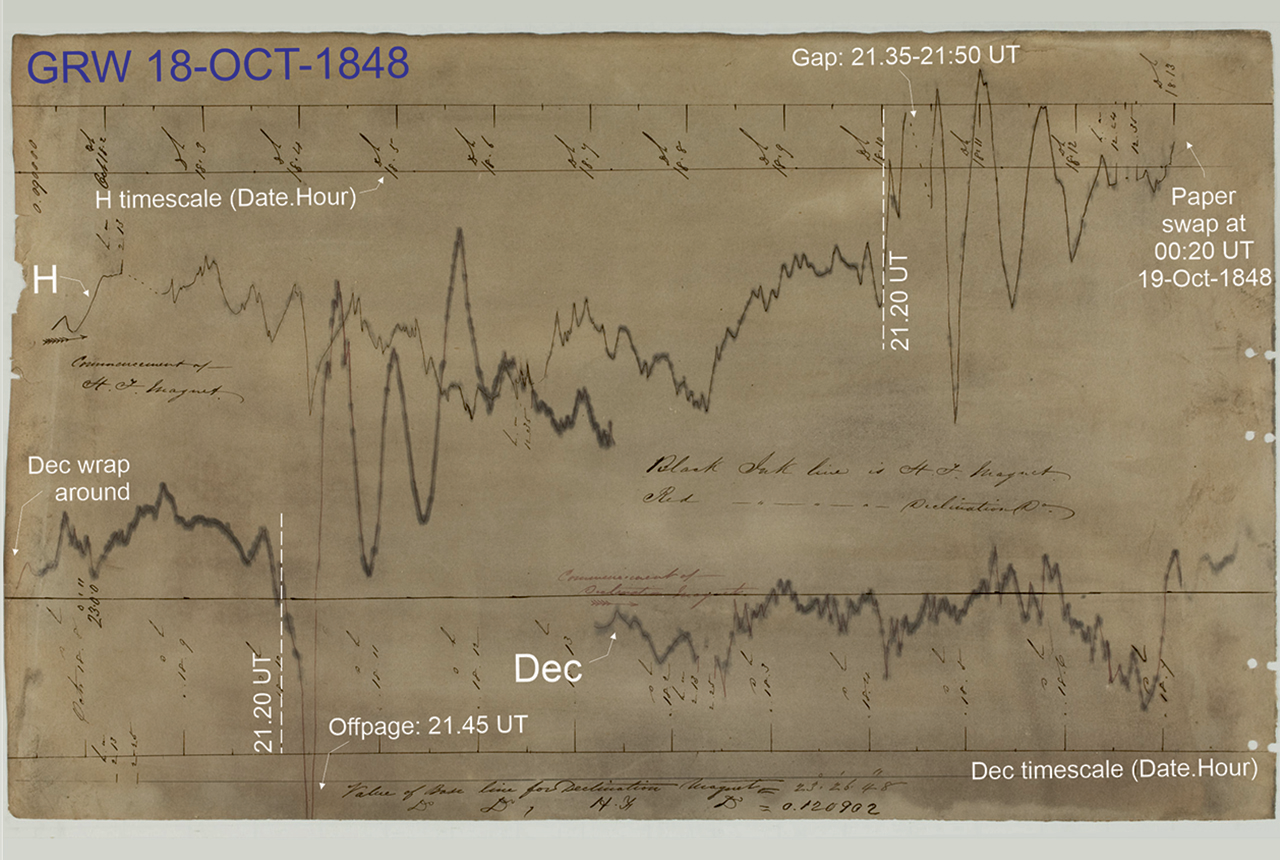
Mystery of one of the earliest recorded space weather impacts solved
17/09/2026
BGS scientists were part of an international team that has solved a 178-year-old mystery surrounding one of the earliest recorded examples of space weather affecting technology.

The Lyell Centre celebrates 10 years of world-leading earth and marine science research
07/09/2026
The Lyell Centre for Earth and Marine Sciences, a strategic partnership between Heriot-Watt University and BGS, is celebrating its 10th anniversary, marking a decade of world-leading research, innovation and collaboration in earth and marine sciences.

Demand for data centres presents challenges and opportunities for UK critical mineral supply chains
02/09/2026
Government-backed research finds that vulnerabilities in raw material supply chains must be addressed to secure the critical minerals needed to expand the UK’s digital infrastructure and boost economic growth.

What lies beneath Europe’s sinking ground?
01/09/2026
Land subsidence is becoming increasingly visible across Europe. New research examines how better monitoring, shared data and a deeper understanding of the subsurface can help assess and manage its impacts.

Secrets of an ancient supervolcano uncovered that change our understanding of England’s geological past
28/08/2026
Scientists have found evidence of a long-hidden link between an ancient buried ash layer in Scandinavia and a concealed supervolcano in eastern England.
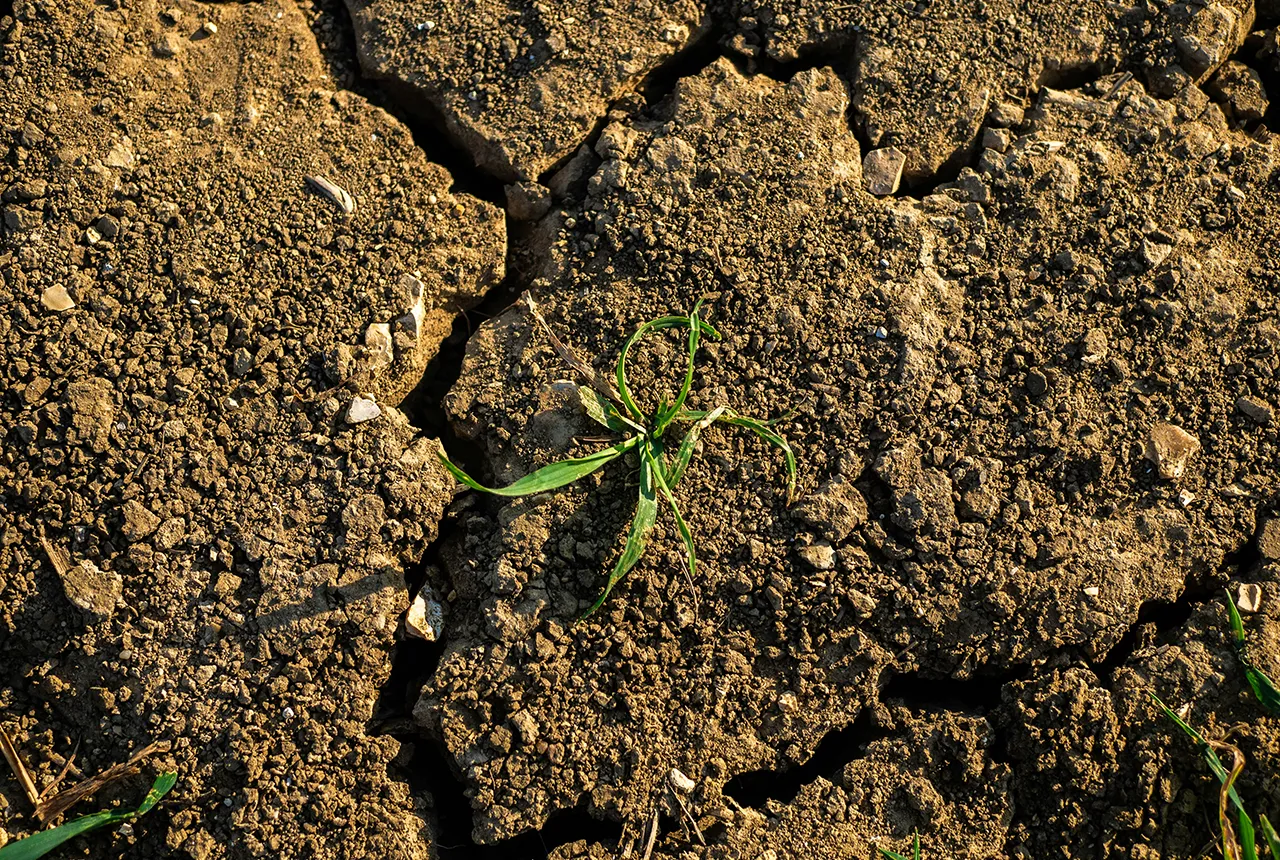
BGS research into drought-exposed soils wins award
26/08/2026
A research paper investigating how temperate soils respond to drought has been announced as the winner of the Land Best Paper Award.
UK aquifers robust despite driest July on record
16/08/2026
In a summer experiencing widespread drought, groundwater levels around the country are showing resilience, demonstrating their value as a crucial resource and indicating they could play a more significant role in mitigating the impacts of extreme weather.