

Collecting beach pebbles: fun hobby but is it legal?
The UK coastline will be inundated with keen holidaymakers this summer, many of whom will take a memento of their trip home in the shape of a pebble or two — but is it legal?
14/07/2026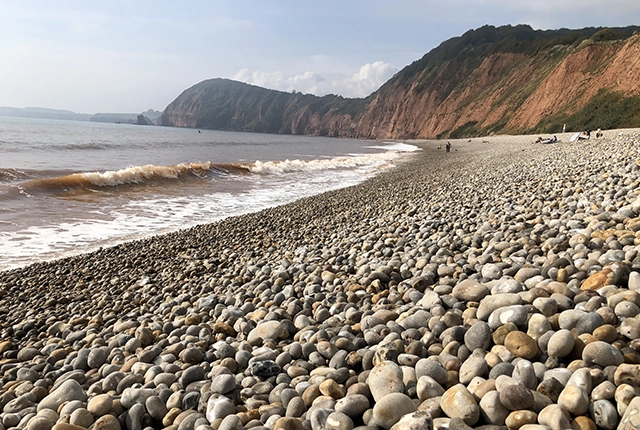

The UK’s enviable coastline boasts beautiful sandy beaches and distinctive sandstone and chalk cliffs, not to mention world-famous landmarks such as the Giant’s Causeway and Durdle Door. It is a major draw for tourists and local day trippers alike, but this high footfall can put different pressures on these environments. Areas of such natural beauty are often subject to different legislation to protect them, as well as passionate support from local communities and organisations that recognise their importance. This can sometimes lead to confusion about what is and isn’t allowed.

Approaching the holiday season each year, as people start sharing their holiday snaps online, I am always fascinated to see how many feature a little bit of the local geology as a memento — the inevitable outcome of my life spent as a professional geologist.
Sadly, these are often followed by messages to the effect of ‘it is illegal to collect pebbles from a beach’. This is a common claim that can take some of the pleasure out of a direct connect between people, places and geology.
Clive Mitchell, BGS industrial minerals geologist and author of The Pebble Spotter’s Guide.
But is that claim true — is it illegal to take pebbles from the beach to commemorate a great holiday? In short: it depends, but is not currently the case for most beaches across the UK. The Coast Protection Act 1949 is designed to protect the UK from coastal erosion, natural flooding and loss of wildlife habitat. Section 18 of the Act sets out how restrictions on removing materials from beaches can be put in place. It stipulates that, on certain beaches and stretches of coastline, restrictions on collecting materials (for example, sand, gravel or rocks) from beaches may be enforced to protect the local area and ensure coastal defences are not eroded.
A local coastal protection authority can choose to apply these restrictions to a specific stretch of coastline by making an order under Section 18 of the Act. The order is subject to a statutory confirmation process and does not take effect until confirmed by the relevant Government minister. Once in force, it becomes unlawful to remove or excavate material from that area of the beach unless permission (a licence) has been granted by the authority.
In other words, the Act does not ban people from collecting materials on all beaches: restrictions only apply in places where a formal order has been made and approved. Signs are usually in place warning you not to collect pebbles on beaches that enforce the act. If there are no signs, collecting one or two pebbles from your trip may not not breaking the law; however, it is always advisable to research any restrictions on specific beaches before visiting. For example, there may be other or additional environmental considerations such as Sites of Special Scientific Interest (SSSIs) and Marine Protected Areas (MPAs).
For BGS pebble expert Clive Mitchell, it was hunting for the perfect specimen during family holidays that kicked off a lifelong passion.
I started my discovery of geology as a small boy on family holidays in Cornwall playing with beach pebbles. Now, as a professional geologist, I am still fascinated by the extraordinary variety of rock types and other materials found on the beaches of the UK coastline.
My advice is to research any restrictions affecting the beaches you plan to visit and to check for signage on arrival. Rules can vary depending on the location, land ownership and environmental designations. If you intend to collect pebbles or other natural materials, it is sensible to carry out additional checks in advance to reduce the risk of breaching local restrictions or applicable laws.
Personally, I restrict myself to six pebbles at any one visit, with each sitting snugly into the palm of my hand, and leave all the rest for others to enjoy.
Clive Mitchell.
Of course, for any true pebble collector, legal considerations should be balanced alongside ethical ones too. The thrill of finding a beautifully shaped example of the extraordinary geology that surrounds us should be one that future generations enjoy, just as Victorian-era children made popular all those years ago.
About the author

Clive Mitchell
Industrial minerals geologist
Relative topics
Related news
BGS research into drought-exposed soils wins award
26/08/2026
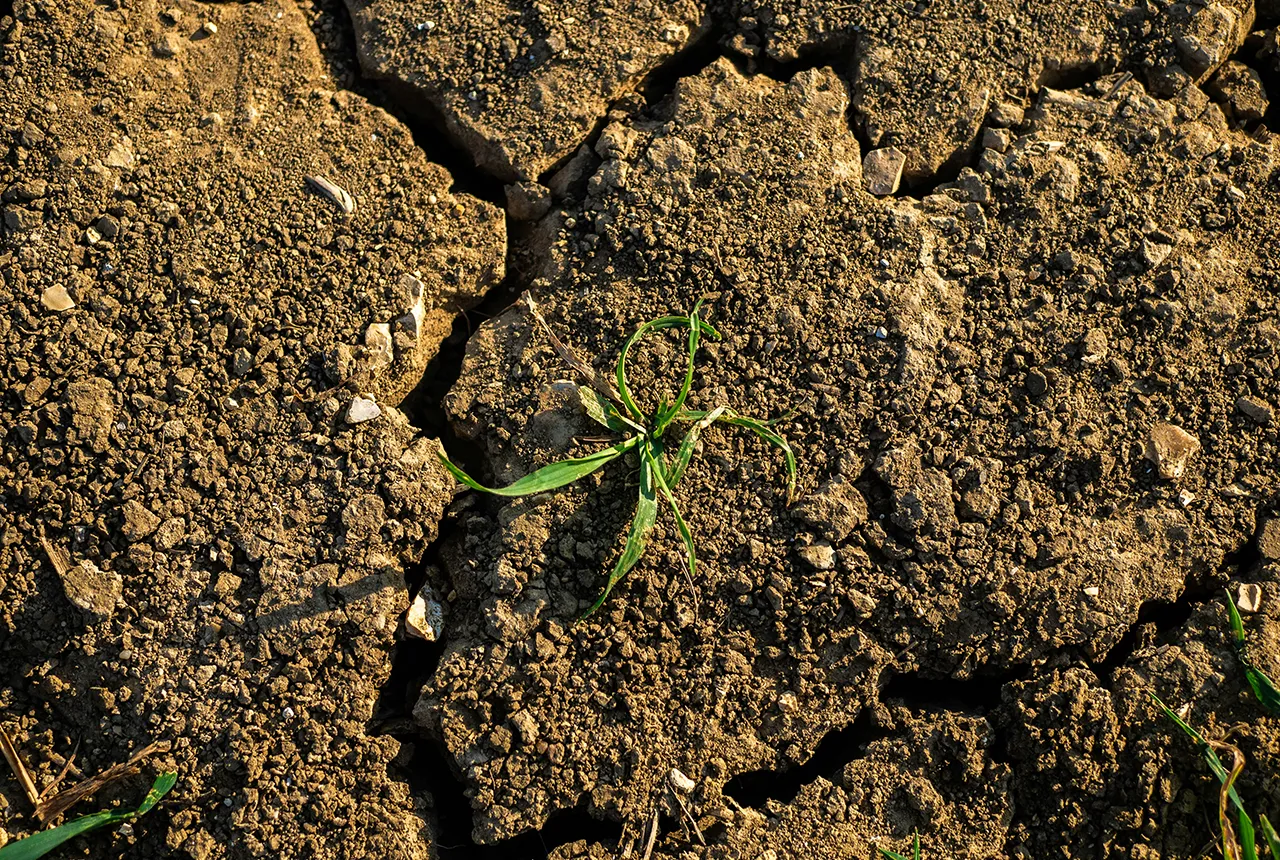
A research paper investigating how temperate soils respond to drought has been announced as the winner of the Land Best Paper Award.
Coastal retreat in the past: the legacy of truncated drumlins
07/08/2026
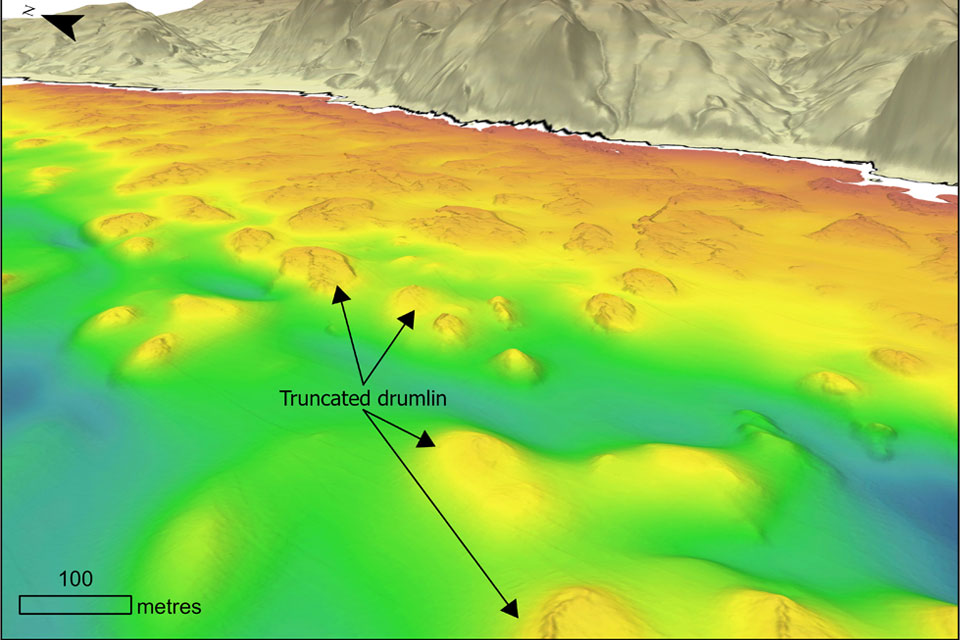
The UK’s coasts have been responding to changing sea levels for thousands of years, but some of the best evidence of those changes now lies hidden beneath the waves.
Collecting beach pebbles: fun hobby but is it legal?
14/07/2026
The UK coastline will be inundated with keen holidaymakers this summer, many of whom will take a memento of their trip home in the shape of a pebble or two — but is it legal?
BGS contributes to UN sand and sustainability report
19/05/2026
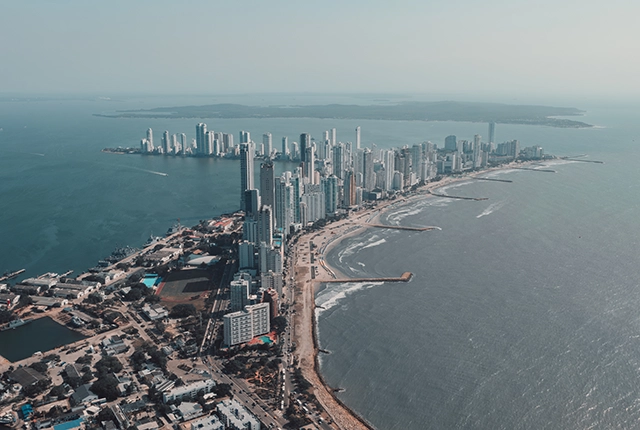
The new report highlights the impact of poor governance and unsustainable sand mining practices, calling on policymakers to take action.

PhD adventures in Copenhagen, Denmark: revealing past recovery processes of tropical forest systems through ancient environmental DNA
12/03/2026
PhD student Chris Bengt visited the University of Copenhagen to carry out very delicate extraction of aeDNA from lake-sediment cores, in the hopes of unlocking the secrets of past volcanic eruptions.
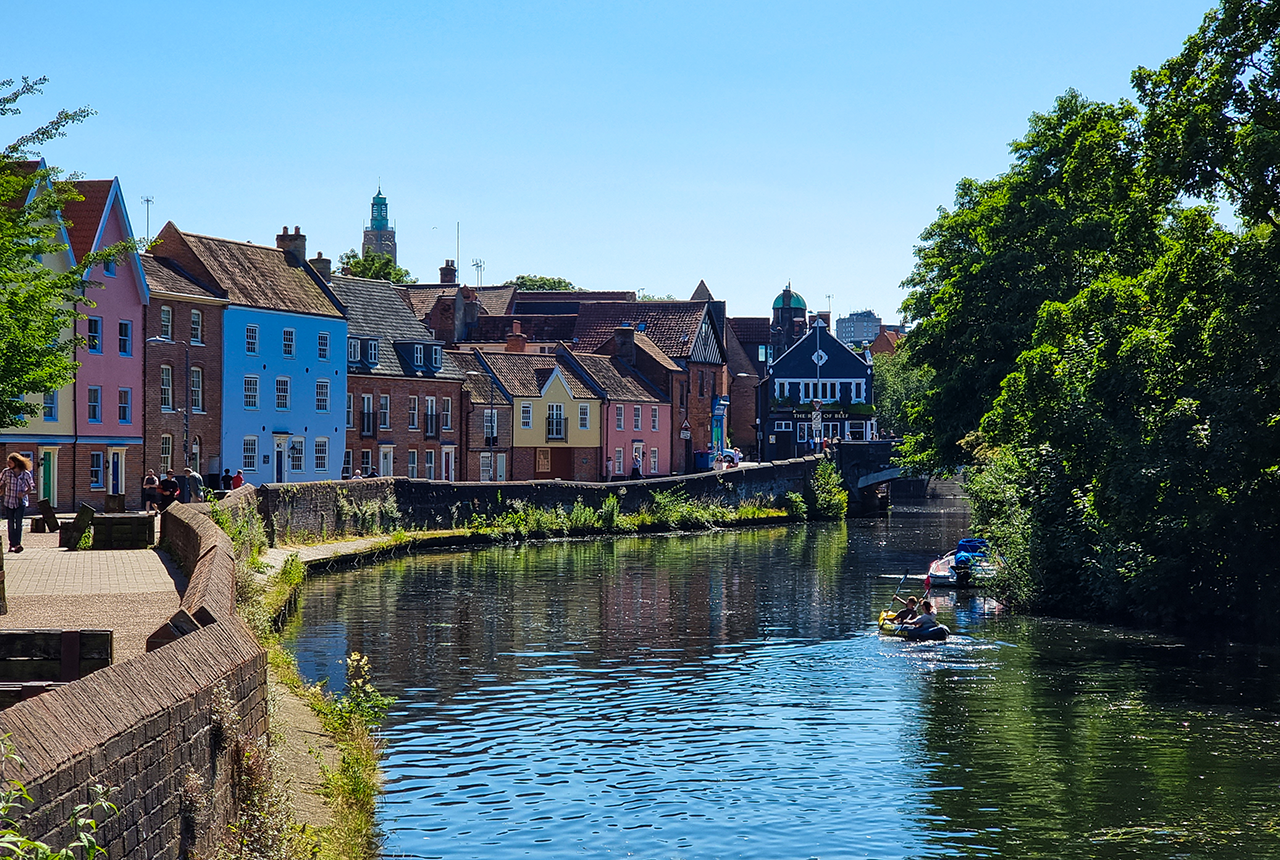
Modern pesticides found in UK rivers could pose risk to aquatic life
17/06/2025
New research shows that modern pesticides used in agriculture and veterinary medicines have been found for the first time in English rivers.
What is the impact of drought on temperate soils?
22/05/2025
A new BGS review pulls together key information on the impact of drought on temperate soils and the further research needed to fully understand it.
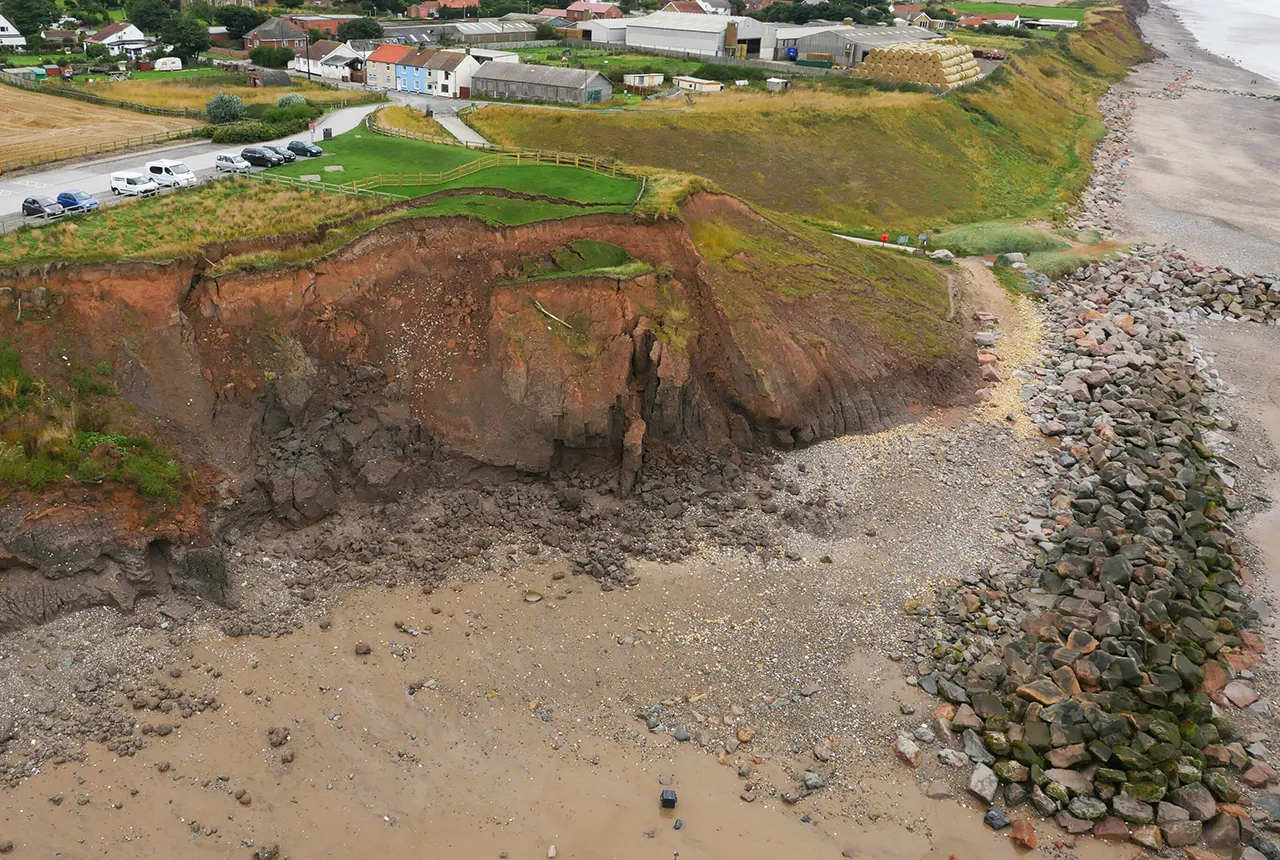
What does the next generation of coastal environmental models look like?
15/04/2025
A new tool is now available that has been designed to help coastal engineers and practitioners better manage the compound risk of coastal erosion and flooding.
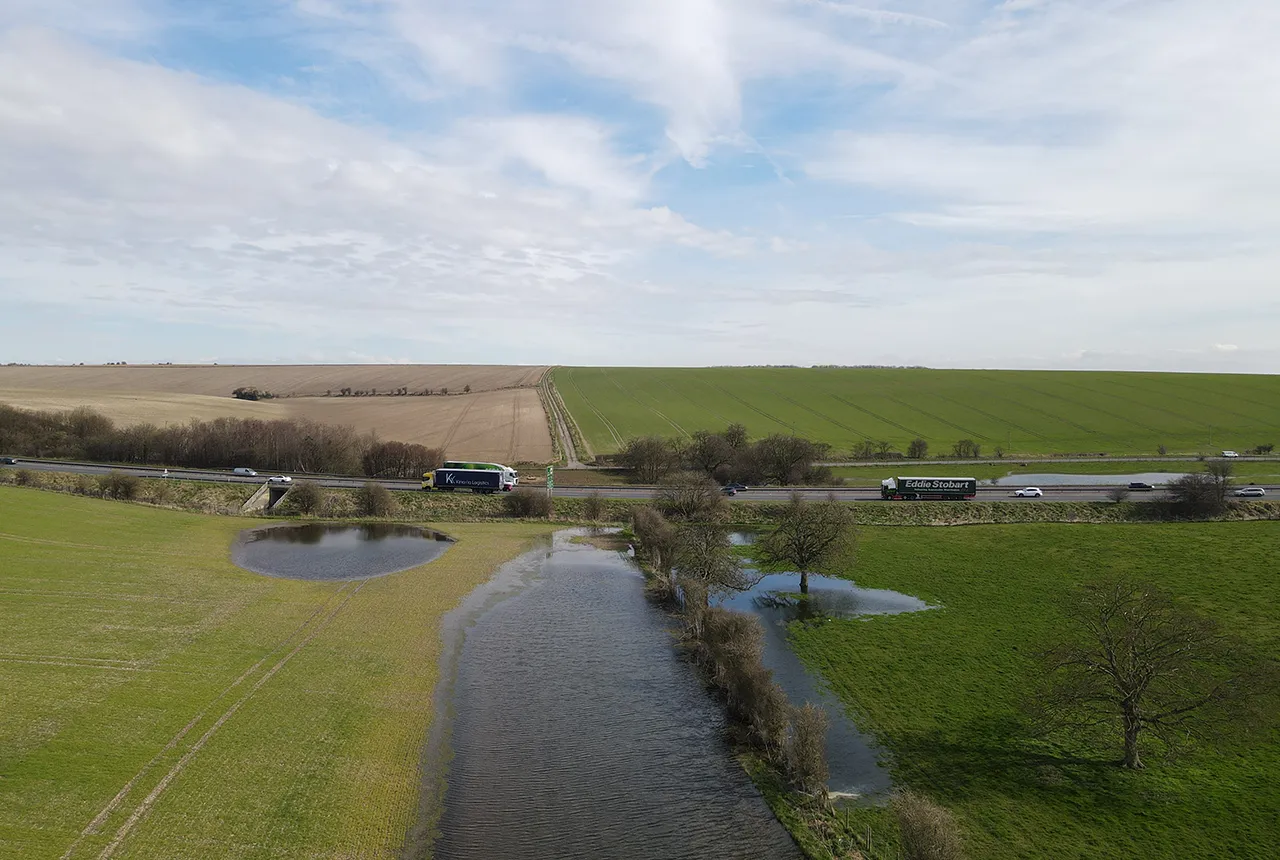
Pioneering tool expanding to analyse agricultural pollution and support water-quality interventions
06/02/2025
An online tool that shows which roads are most likely to cause river pollution is being expanded to incorporate methods to assess pollution from agricultural areas.

Dynamics of land-to-lake transfers in the Lake Victoria Basin
09/12/2024
In June 2024, a UK/Kenya research team shared research findings from a collaborative, four-year field and experimental programme within Kenya.
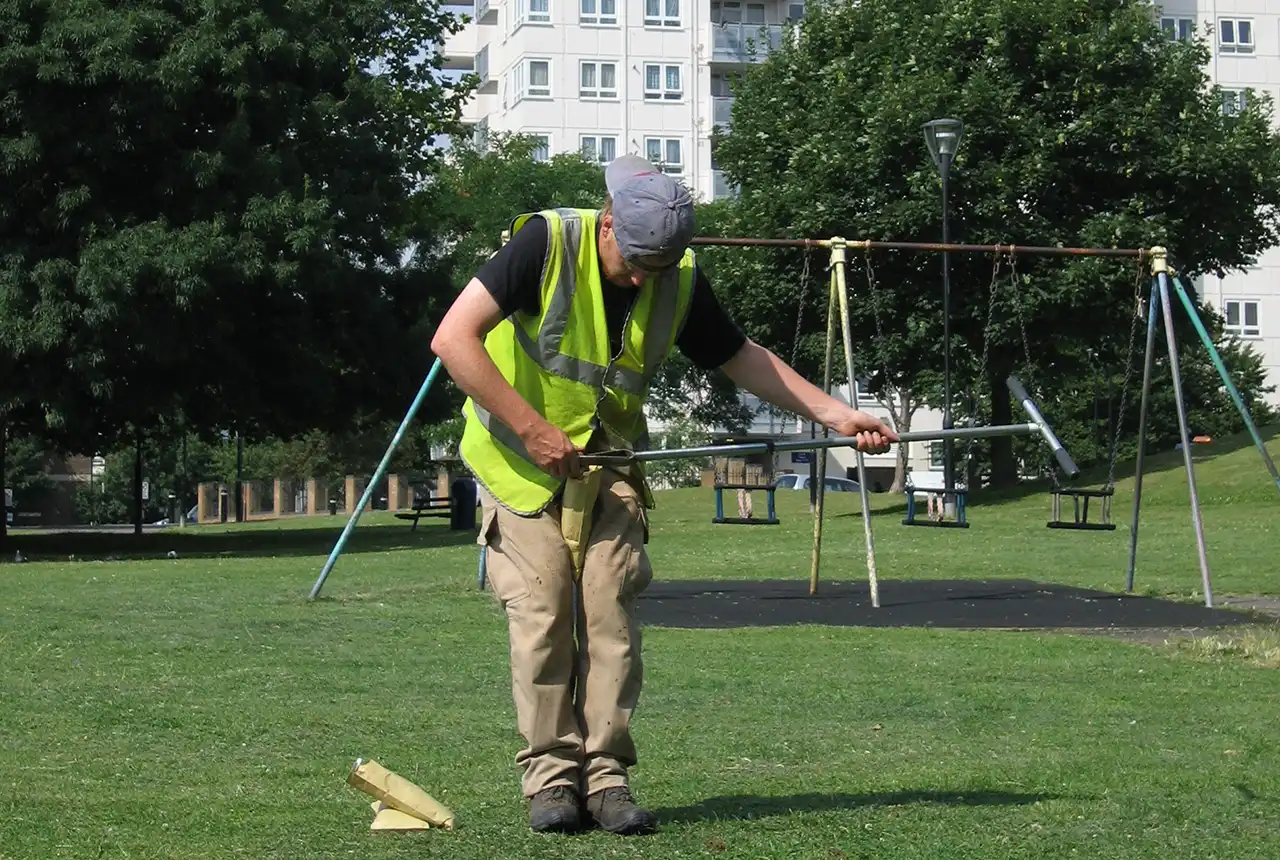
Forty years and counting: new topsoil data provides most extensive snapshot of environmental pollution effects
01/10/2024
Scientists have uncovered clear signs of the impact environmental pollution is having across the country’s soil.
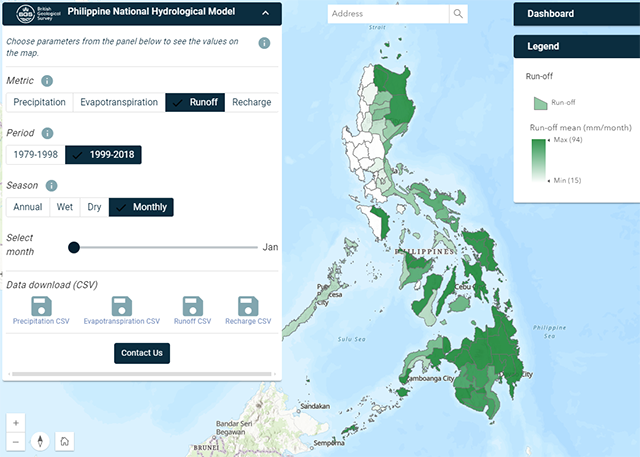
Philippine Hydrological Model
The first national-scale hydrological model of the Philippines.