

BGS to lead new £2.5 million, NERC-funded research project to better understand the lifecycle of lithium
27/11/2020 By BGS Press

Scientists at the British Geological Survey (BGS) will lead a new £2.5m NERC-funded research project designed to increase our understanding of global lithium resources to support a low carbon future.
The primary aim of the Lithium for Future Technology (LiFT) project is to improve the understanding of geological cycles of lithium, which is an essential component of electric vehicle batteries.
Decarbonisation of energy and transport is one of the major challenges facing the global economy. Recently, this has been emphasised by the UK government’s Ten Point Plan for a Green Industrial Revolution, which has brought the transition to electric vehicles forward, by ten years, to 2030 by ending the sale of new petrol and diesel cars and vans.
Recent lithium forecast scenarios suggest that over five times the current global lithium mine production will be required by 2030, solely to support growth in the electric vehicle sector. This extraordinary growth means that recycling cannot meet the growing lithium demand, and extraction from primary resources will be required.
The LiFT project aims to increase our understanding of the geological processes that concentrate lithium into a range of different types of mineral deposit, from which lithium can be mined in both an economically feasible and environmentally responsible manner. The project will also investigate the environmental impacts of a range of different deposit mining scenarios in order to provide quantitative information for planning and policy decision making.
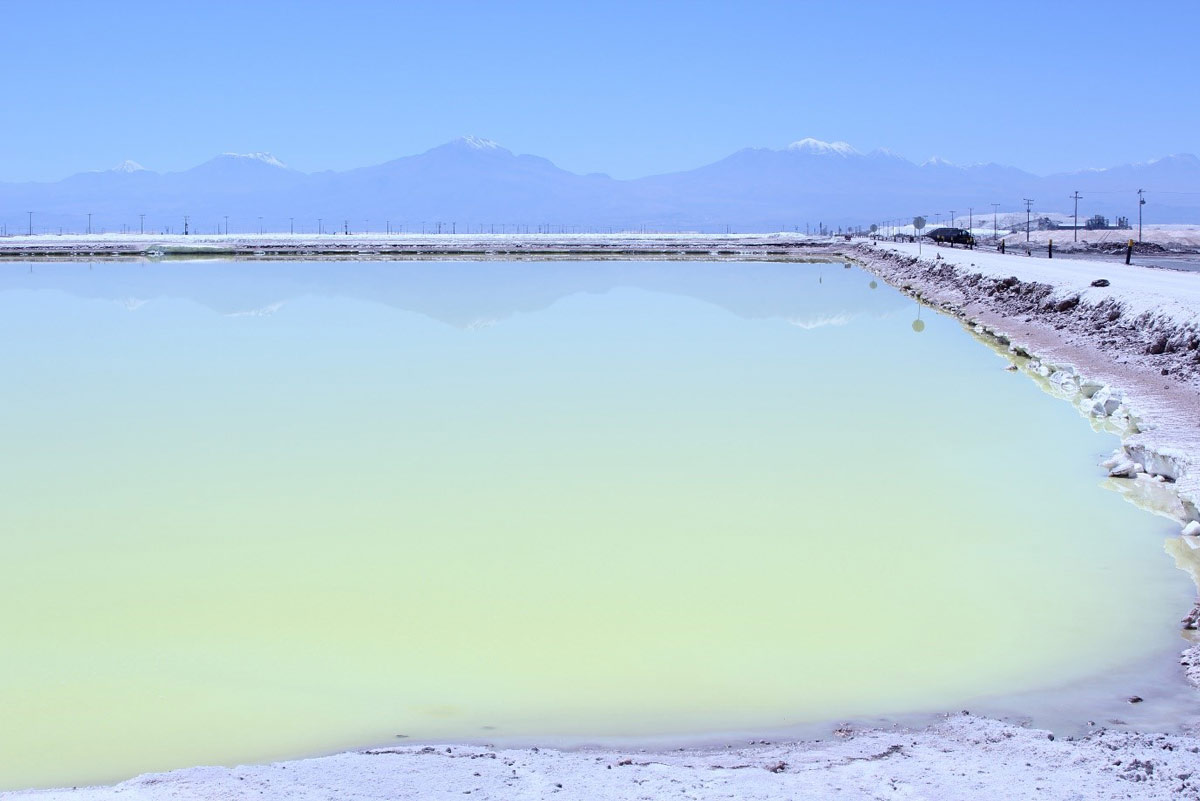
Evaporation pond with concentrated lithium-bearing brine, Salar de Atacama, Chile, which is part of the ‘lithium triangle’ of South America. This photo shows the close geographical connection between the potential lithium-bearing source rocks of the mountains at the edge of the basin, in the distance, and the salt flats and brines at its centre. Image: BGS © UKRI (Andy Butcher)
LiFT will bring together academic partners at the Natural History Museum and the universities of Edinburgh, Exeter, and Southampton, together with a wide range of minerals industry and governmental partners in the UK and overseas.

I’m delighted that we have been awarded a NERC Highlight Topic grant to investigate the processes by which lithium is mobilised and enriched in the Earth’s crust. Lithium is a critical raw material and is essential for the batteries that will drive the electric vehicle revolution, so it’s vital for us to understand our natural resources.
Dr Kathryn Goodenough, BGS Principal Geologist
The project will investigate the ‘life cycle’ of lithium in the Earth’s crust. It is understood that lithium is brought to the Earth’s surface by volcanic eruptions above subduction zones, and that weathering of the volcanic rocks can release lithium into rivers and lakes. The lithium is then laid down in muds and salt deposits that accumulate in these lakes. Over geological time, those deposits may be buried and some will melt to form lithium-rich magmas. The LiFT project will study the processes by which lithium moves through the crust and is concentrated into minable mineral deposits, which will be important for future exploration.
Related news
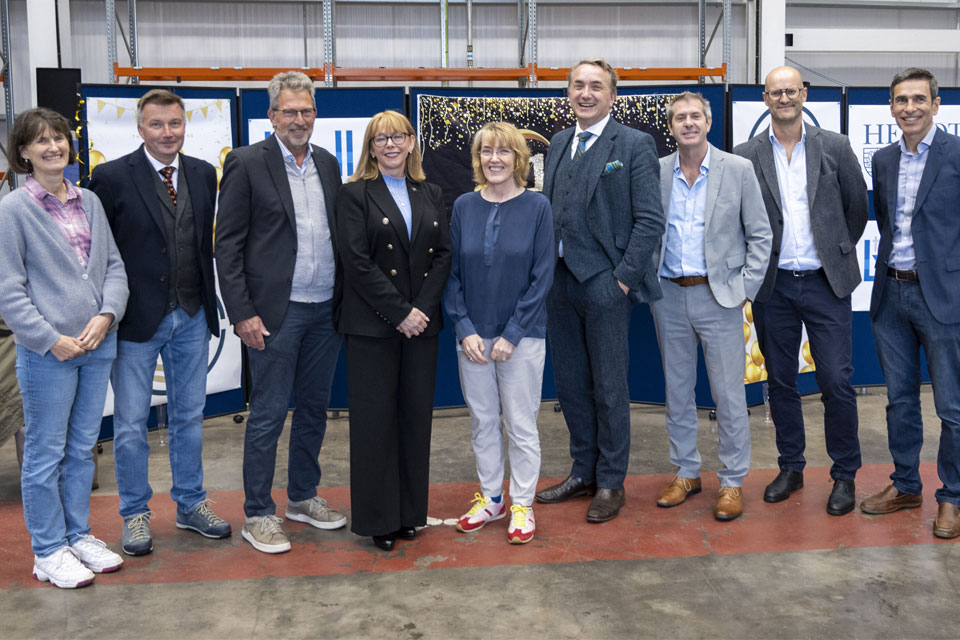
The Lyell Centre celebrates 10 years of world-leading earth and marine science research
07/09/2026
The Lyell Centre for Earth and Marine Sciences, a strategic partnership between Heriot-Watt University and BGS, is celebrating its 10th anniversary, marking a decade of world-leading research, innovation and collaboration in earth and marine sciences.

Demand for data centres presents challenges and opportunities for UK critical mineral supply chains
02/09/2026
Government-backed research finds that vulnerabilities in raw material supply chains must be addressed to secure the critical minerals needed to expand the UK’s digital infrastructure and boost economic growth.

What lies beneath Europe’s sinking ground?
01/09/2026
Land subsidence is becoming increasingly visible across Europe. New research examines how better monitoring, shared data and a deeper understanding of the subsurface can help assess and manage its impacts.

Secrets of an ancient supervolcano uncovered that change our understanding of England’s geological past
28/08/2026
Scientists have found evidence of a long-hidden link between an ancient buried ash layer in Scandinavia and a concealed supervolcano in eastern England.

BGS research into drought-exposed soils wins award
26/08/2026
A research paper investigating how temperate soils respond to drought has been announced as the winner of the Land Best Paper Award.
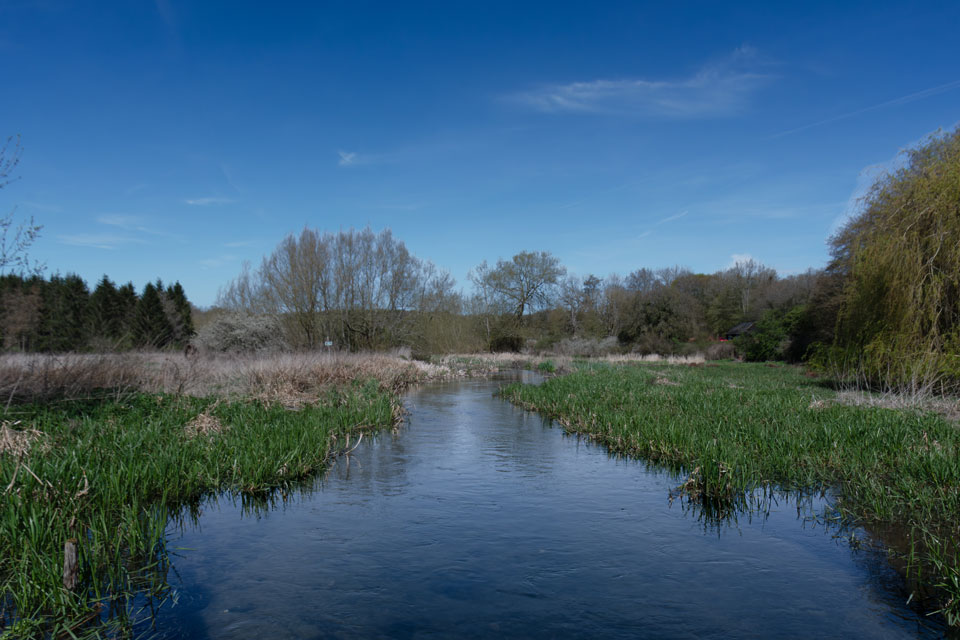
UK aquifers robust despite driest July on record
16/08/2026
In a summer experiencing widespread drought, groundwater levels around the country are showing resilience, demonstrating their value as a crucial resource and indicating they could play a more significant role in mitigating the impacts of extreme weather.
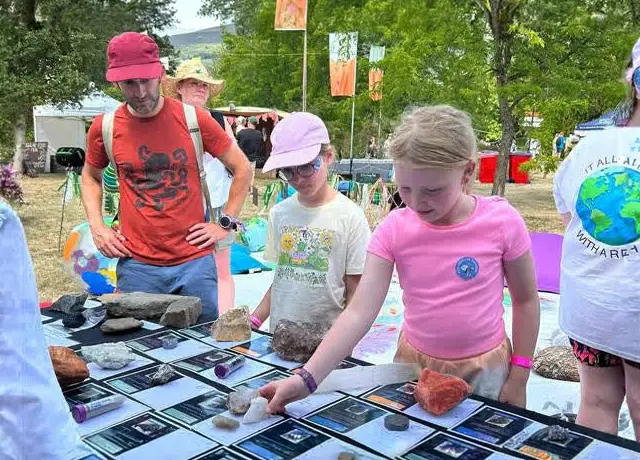
New NERC-funded project empowers young people to engage with environmental science
23/07/2026
BGS is part of a new, collaborative project, funded through NERC’s ‘Opening up the environment’ programme, helping the environmental research community become more accessible.
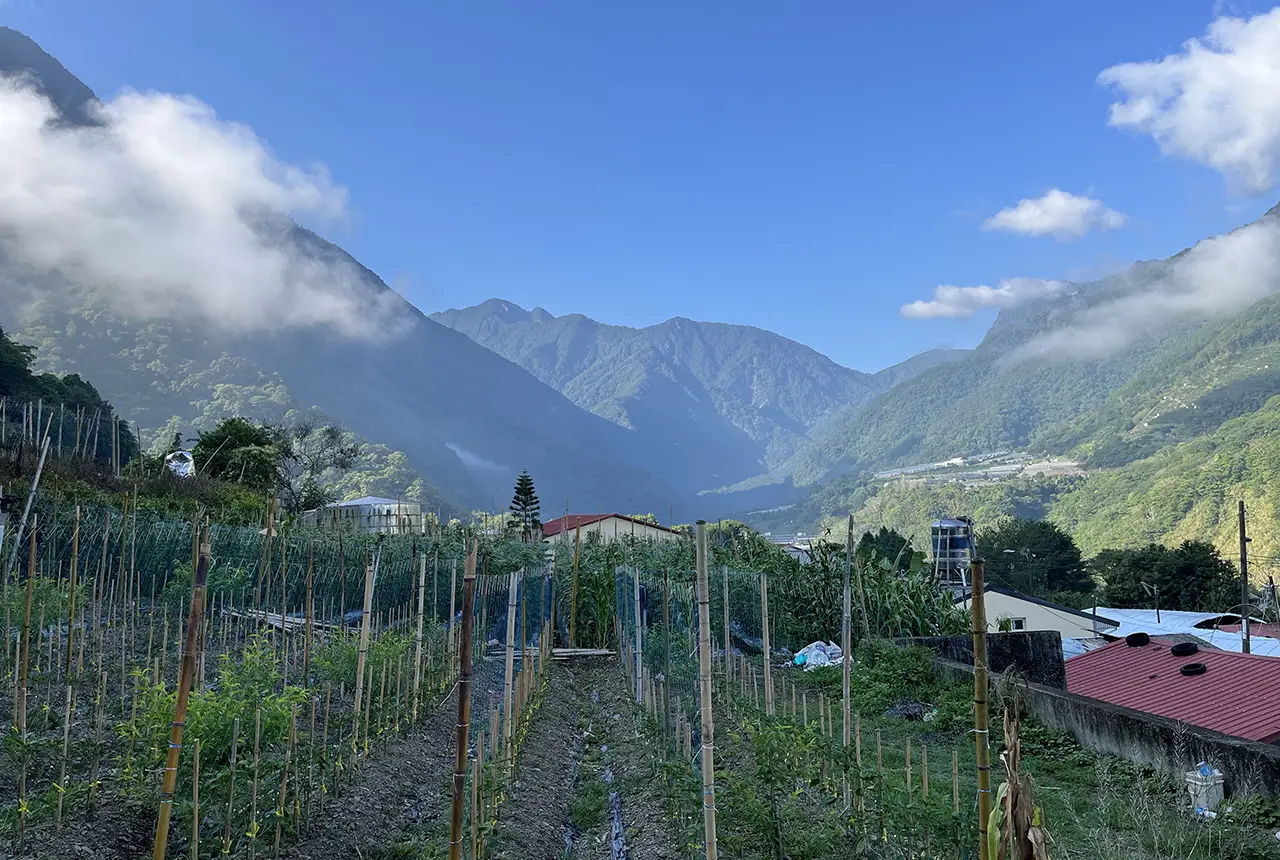
Delving deep into mountains for future water security
16/07/2026
A BGS-led project is using new water-tracing investigation methods, geophysics and modelling to understand how water moves from mountains to the lowlands, helping to improve water security for billions of people.
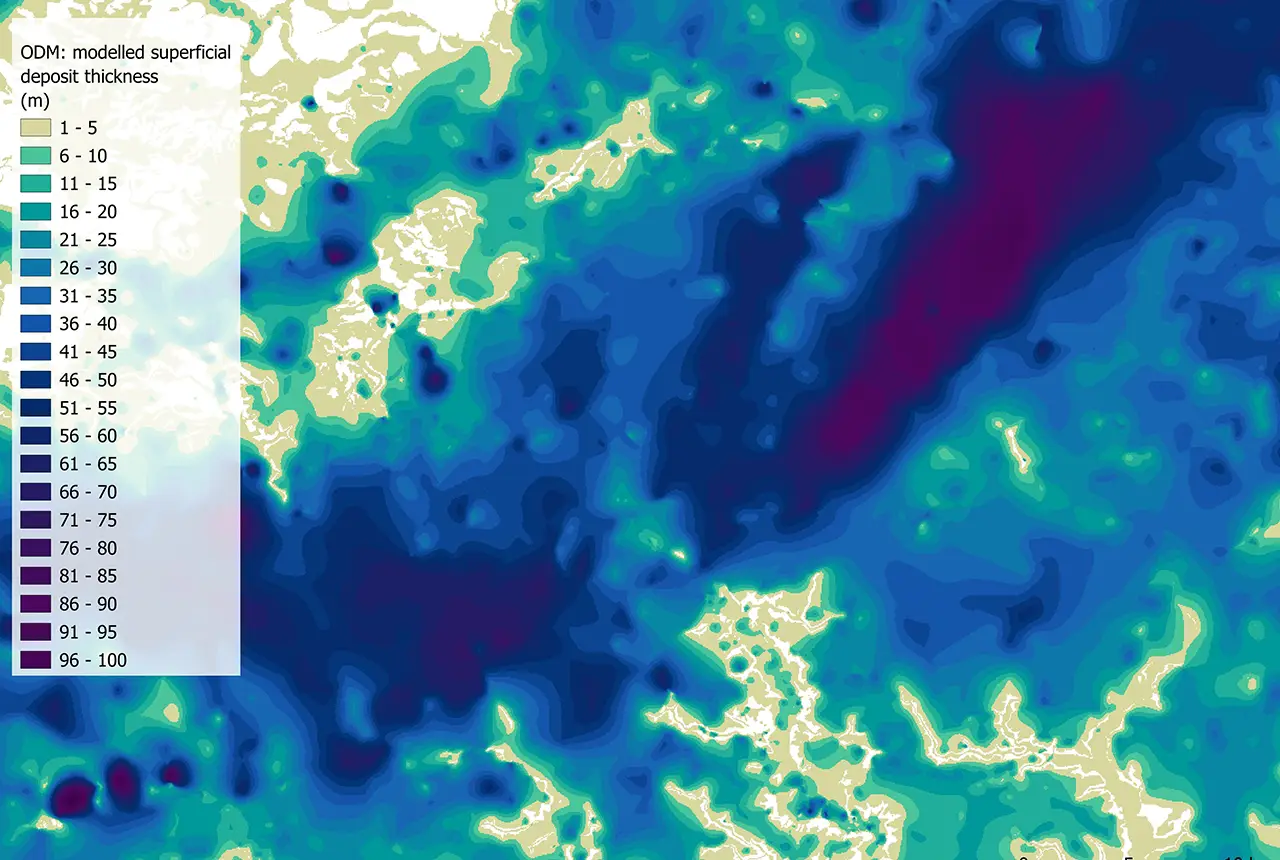
Updated national 3D model will determine the depth to the solid bedrock beneath our feet
13/07/2026
The BGS Superficial Deposit Thickness Model now includes an elevation model of geological rockhead for the first time, providing important data for civil engineers, geoscientists and environmental scientists.
UK’s world-class research organisations launch new collective
10/07/2026
The launch of the National Research Organisations Group brings together more than 100 science leaders to provide an authorativive voice on science, research policy and long-term investment.
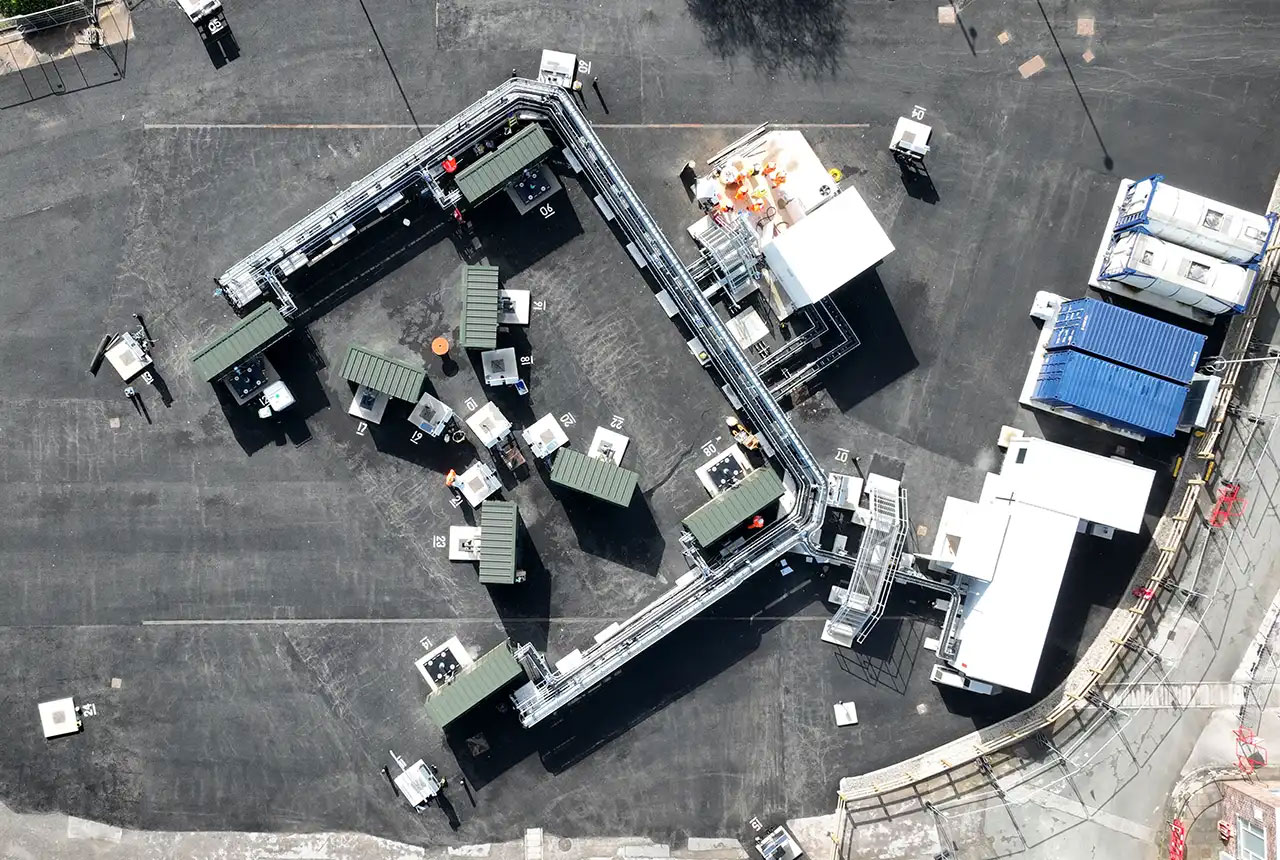
Cheshire Geoenergy Observatory releases key geological datasets for UK thermal energy storage scheme design
09/07/2026
A new report and data packs from BGS will provide a unique resource for scientists working on the geology and hydrogeology of the Sherwood Sandstone Formation, an important aquifer and reservoir rock.

New geological mapping underway to help manage flooding along the River Tweed
08/07/2026
Scientists are surveying the Tweed catchment for the first time in over 100 years to enhance understanding of localised groundwater and improve flood forecasting.