

The optimisation of plutonium separation
BGS research leads to advancements in the detection of plutonium and ultimately the determination of soil erosion rates in tropical soils.
07/11/2023 By BGS Press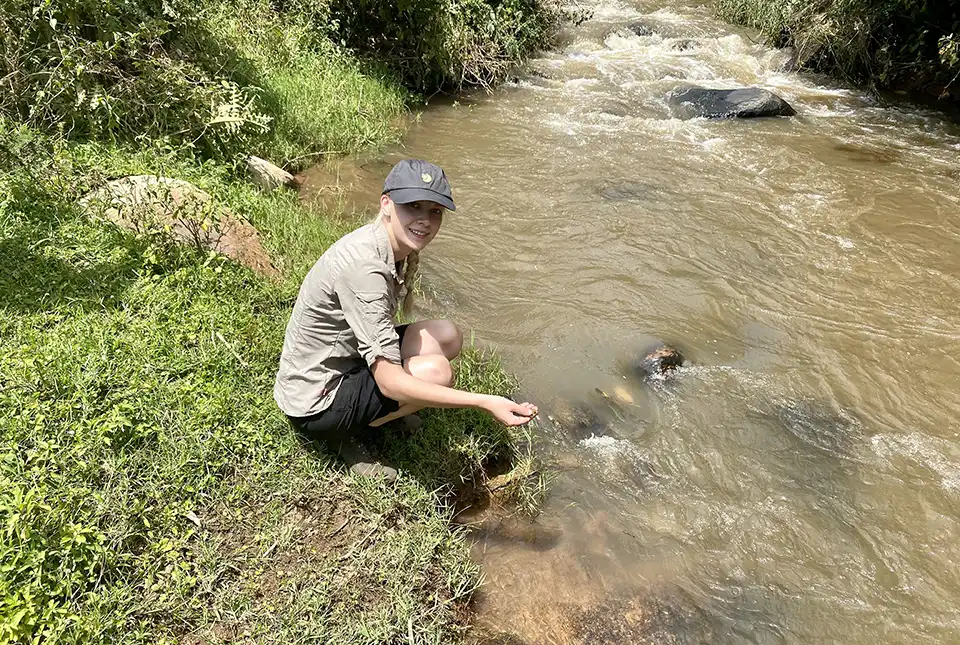

Soil erosion processes present the greatest risk to land degradation worldwide and, due to fertile soil being an essential resource, there is increasing concern around the world regarding accelerated soil erosion, particularly in developing countries.
The analysis of plutonium (Pu) in soil samples can inform the understanding of soil erosion processes globally. However, there are specific challenges associated with such analysis in tropical soils, so an optimal analytical methodology that ensures the best sensitivity is critical.
Why use plutonium?
Due to their long retention times and minimal spatial variability, Pu isotopes have proven useful as an alternative fallout radionuclide tracer for determining soil erosion rates. To utilise Pu as an effective soil erosion tracer in the southern hemisphere, separation techniques and analyses need to be optimised to establish a robust analytical method for the determination of ultra-trace level Pu isotopes. This method must also have sufficient sensitivity for African soil samples, which typically have very low Pu concentrations compared to the northern hemisphere.
This research aimed to accurately establish fallout Pu activity concentrations in tropical soils in order to determine soil erosion rates with an improved separation and analysis method for ultra-trace Pu determination. To achieve this aim we had to:
- adapt and optimise a separation method using trialkyl methylammonium nitrate (TEVA) cartridges to remove matrix interferences with pre-concentration of ultra-trace Pu isotopes (this reduced waste and increased throughput)
- establish a robust analytical method for the determination of ultra-trace level Pu isotopes with sufficient sensitivity for African soil samples using oxygen as a reaction gas for inductively coupled plasma mass spectrometry (ICP-MS)

The development of robust analytical methods to determine rates of soil erosion and its effect on land degradation is vital to advise mitigation strategies, ultimately ensuring the future sustainability of soils.
Sophia Dowell, PhD student at BGS.
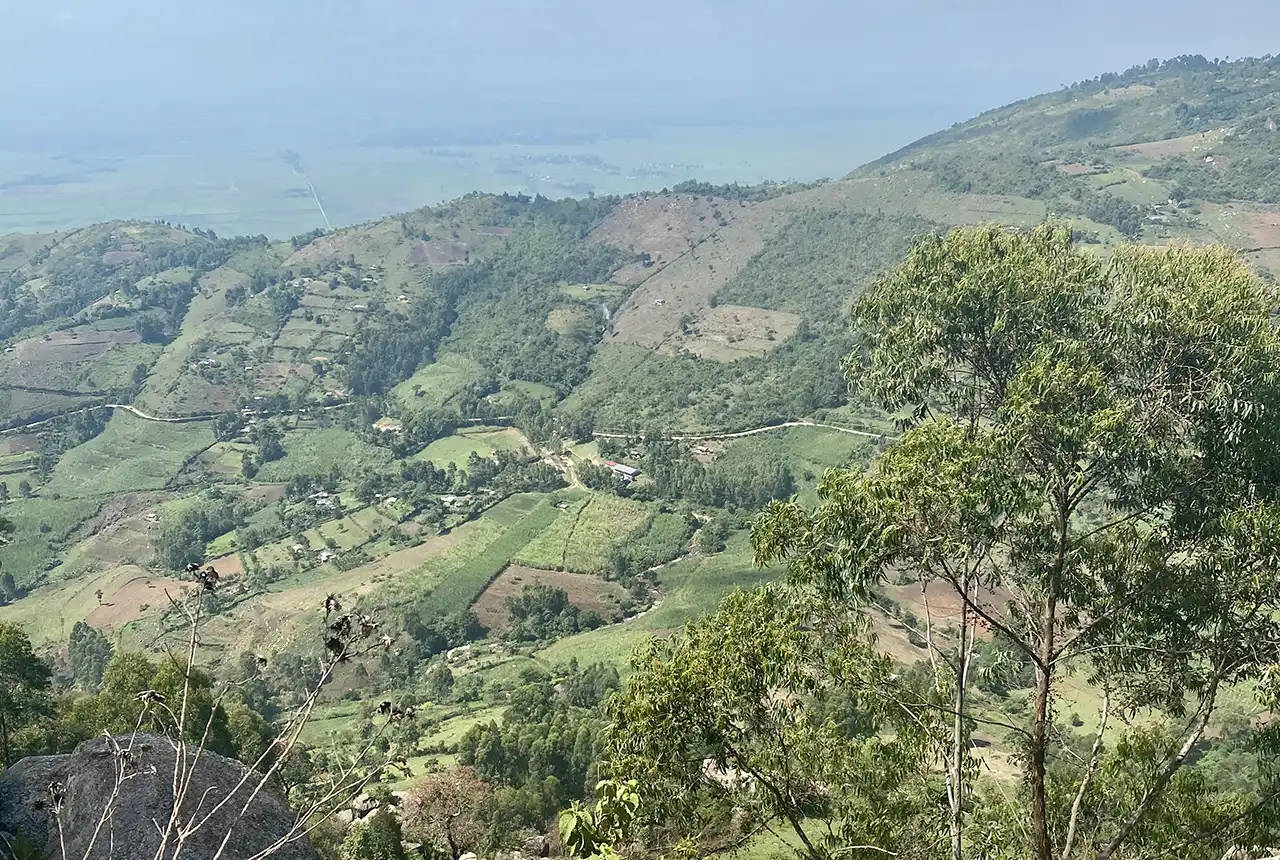
Views from the research area in Kenya. BGS © UKRI.
Where does the plutonium come from?
Pu is present in the environment primarily because of nuclear weapons testing. Between 1945 and 1980, 520 atmospheric tests were conducted worldwide; however, only 10 per cent of these experiments were conducted in the southern hemisphere. This resulted in significantly less fallout in the tropics than in the mid-latitudes of the northern hemisphere, which makes the analysis of ultra-trace Pu isotopes in tropical soils challenging.
The challenge of plutonium analysis
Due to their long retention time and minimal spatial variability, Pu isotopes have recently been used as an alternative fallout radionuclide tracer for determining soil erosion rates. As a result of the long half-lives of 239Pu and 240Pu (24 110 and 6561 years, respectively), approximately 99 per cent of the original activity remains in soils. This means they are suitable as stable, long-term tracers compared to, for example, 137 caesium (Cs), despite Cs’s significantly higher activity in the environment, as Cs only has a half-life of 30 years. Additionally, more than six times as many atoms of 239Pu and 240Pu were initially dispersed compared to 137Cs. This combination of long half-life and higher atom content makes mass spectrometry (MS) techniques better suited to Pu isotopes, whereas radiometric decay counting techniques are more appropriate for the higher specific activity 137Cs.
Consequently, recent developments in mass spectrometry techniques have the potential to increase the sensitivity of Pu isotope quantification and subsequently the availability of analytical methods applicable to tropical soils. This raises the potential of using Pu as a soil erosion tracer in the tropics, where the risk of soil degradation is increasing due to extreme weather patterns.
A powerful tool
This method presents a simple, cost-effective, robust sequence with reduced laboratory waste disposal, which is vital to ensure the separation method is applicable to low-resource laboratories. Along with the low detection limits that are comparable to alternative MS methods, this outcome makes the method applicable to the detection of ultra-trace fallout Pu in African soils.
Due to increasing concern regarding accelerated soil erosion and its impact on sustainable intensification of agriculture in developing countries, this work provides advancements in the detection of Pu. The new method is also a powerful tool for the analysis of ultra-trace Pu in African soils, ultimately improving the determination of soil erosion rates in tropical soils to better inform mitigation strategies.
This method has the potential to improve access to advanced soil erosion measurements that could be produced faster than traditional laboratory techniques to enable analyses at scale, yet with greater accuracy than machine learning predictions based on remote sensing data in developing countries which are most at risk to land degradation.
Sophia Dowell, PhD student at BGS.
Funding
BGS led the research in conjunction with the University of Plymouth and the University of Eldoret in Kenya.
Sophia’s PhD was supported by the NERC funded ARIES doctoral training programme (grant number NE/S007334/1), and from the NERC International National Capability grants to BGS (NE/R000069/1 and NE/X006255/1), Royal Society International Collaboration grant (ICA/R1/191077), British Academy (WW21100104) and BGS University Funding Initiative (GA/19S/017).
More information
The full research paper is available: Optimisation of plutonium separations using TEVA cartridges and ICP-MS/MS analysis for applicability to large-scale studies in tropical soils.
The British Geological Survey (BGS) is a world-leading geological survey that undertakes strategic science for the benefit of society. BGS is part of UK Research and Innovation (UKRI) and a research centre within the Natural Environment Research Council (NERC).
BGS delivers research, products and services for the UK, and operates internationally to maximise the impact of its science and to contribute to the UK’s international priorities. BGS is the national centre of geological data and information and undertakes monitoring and analytical research programmes. These enable the timely and authoritative provision of impartial and independent information and advice to governments, industry and civil society.
The new BGS Strategy for 2023 to 2028, ‘Understanding our Earth’, sets out its four priority science areas for the next five years, helping to deliver the necessary geological data and knowledge for a sustainable future. See www.bgs.ac.uk.
Relative topics
Related news
The Lyell Centre celebrates 10 years of world-leading earth and marine science research
07/09/2026
The Lyell Centre for Earth and Marine Sciences, a strategic partnership between Heriot-Watt University and BGS, is celebrating its 10th anniversary, marking a decade of world-leading research, innovation and collaboration in earth and marine sciences.

Demand for data centres presents challenges and opportunities for UK critical mineral supply chains
02/09/2026
Government-backed research finds that vulnerabilities in raw material supply chains must be addressed to secure the critical minerals needed to expand the UK’s digital infrastructure and boost economic growth.

What lies beneath Europe’s sinking ground?
01/09/2026
Land subsidence is becoming increasingly visible across Europe. New research examines how better monitoring, shared data and a deeper understanding of the subsurface can help assess and manage its impacts.

Measuring the environmental impacts of carbon fibre: life cycle assessment
01/09/2026
Undergraduate student Phoebe Brown visited BGS to understand the life cycle of carbon fibre, from primary production to recycling.
Secrets of an ancient supervolcano uncovered that change our understanding of England’s geological past
28/08/2026
Scientists have found evidence of a long-hidden link between an ancient buried ash layer in Scandinavia and a concealed supervolcano in eastern England.

MaxStoreUK hydrogen geological storage policy roundtable
Event on 08/10/2026
Storage operators, regulators, licensor and Government stakeholders are invited to join our roundtable discussion of hydrogen geological storage policy.
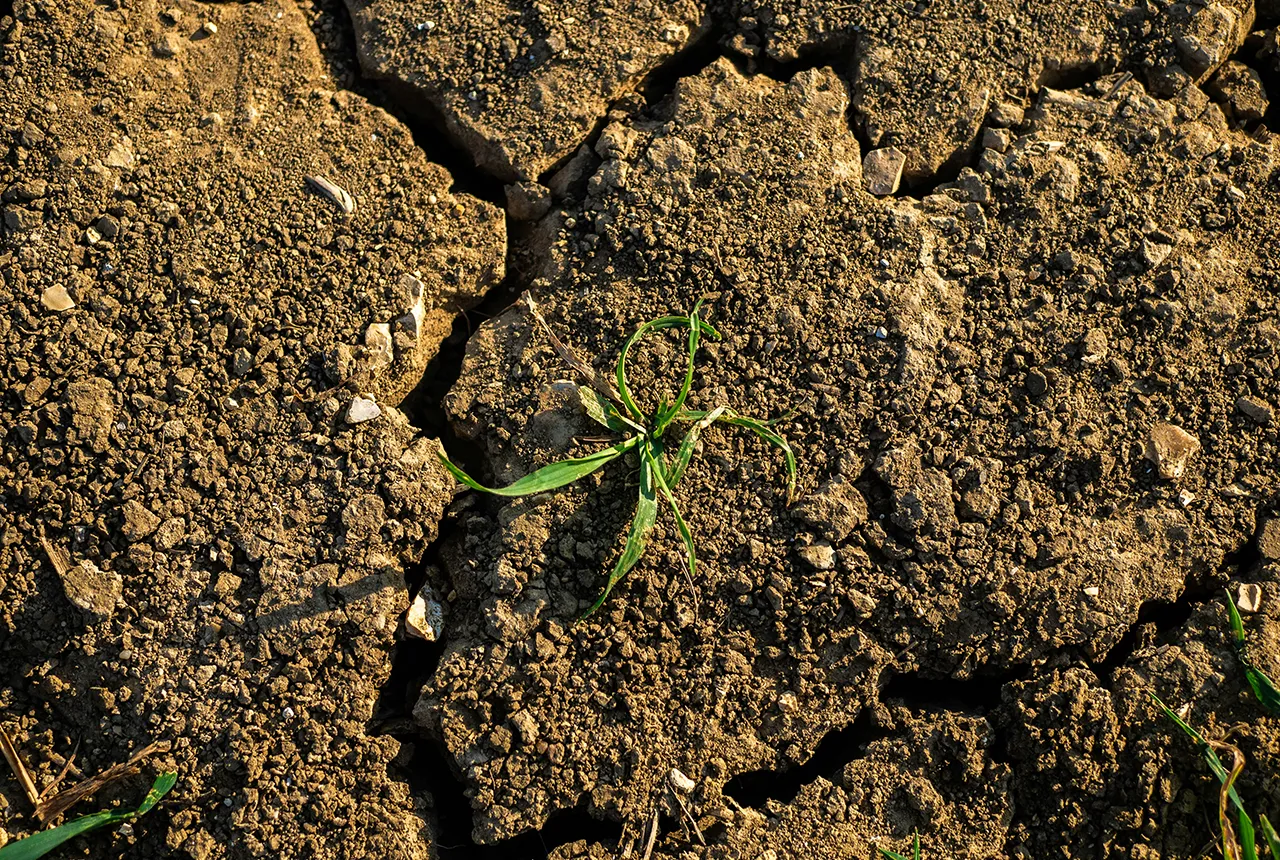
BGS research into drought-exposed soils wins award
26/08/2026
A research paper investigating how temperate soils respond to drought has been announced as the winner of the Land Best Paper Award.
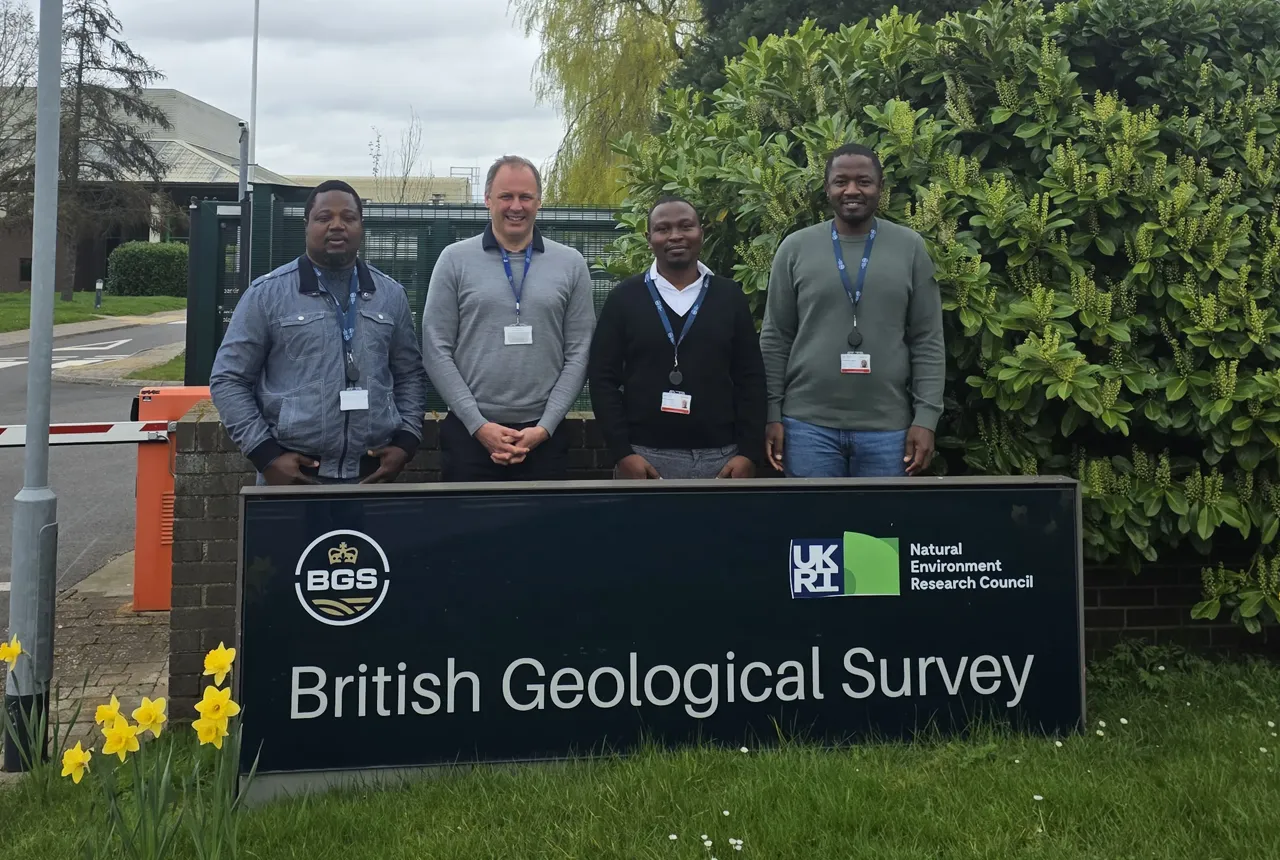
Experiences from our Commonwealth Fellowship at the British Geological Survey
24/08/2026
Scientific fellowships foster professional growth, international collaboration and exposure to world-class research environments. A group of visiting Commonwealth Fellowship researchers share their experience of being hosted at the BGS Inorganic Geochemistry Facility.
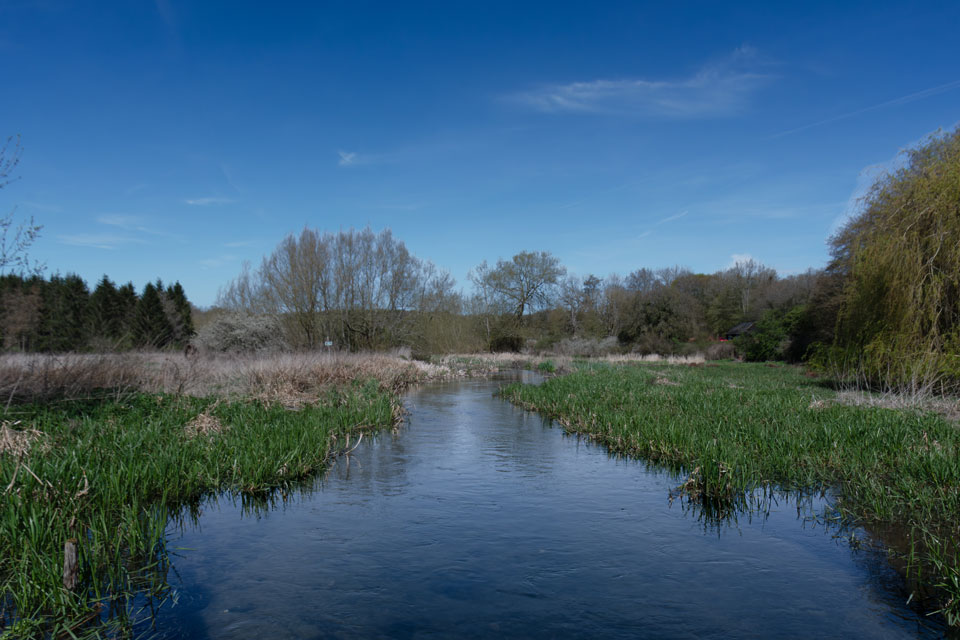
UK aquifers robust despite driest July on record
16/08/2026
In a summer experiencing widespread drought, groundwater levels around the country are showing resilience, demonstrating their value as a crucial resource and indicating they could play a more significant role in mitigating the impacts of extreme weather.
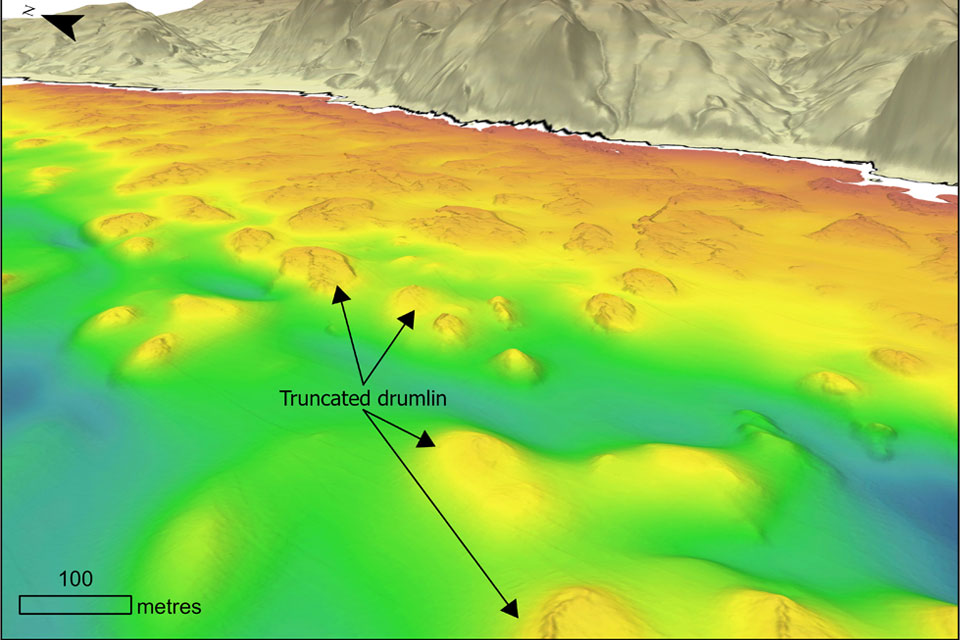
Coastal retreat in the past: the legacy of truncated drumlins
07/08/2026
The UK’s coasts have been responding to changing sea levels for thousands of years, but some of the best evidence of those changes now lies hidden beneath the waves.
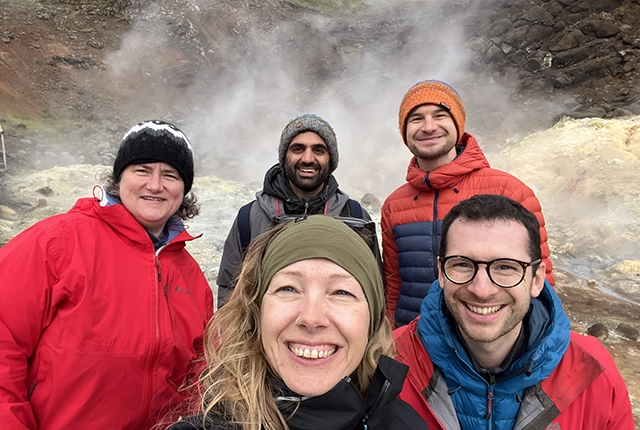
BGS strengthens scientific links with Icelandic partners through Research and Innovation Scotland initiative
06/08/2026
BGS researchers recently visited Iceland as part of a project developing international partnerships and identifying opportunities for future collaborative research.
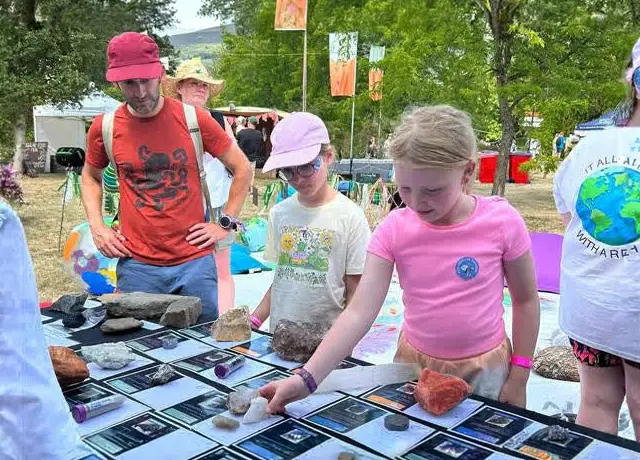
New NERC-funded project empowers young people to engage with environmental science
23/07/2026
BGS is part of a new, collaborative project, funded through NERC’s ‘Opening up the environment’ programme, helping the environmental research community become more accessible.