

Medical geology
BGS Research

Medical geology is the study of the relationships between geoenvironmental factors and the health of plants, animals and humans. BGS has extensive expertise researching medical geology issues in the UK and internationally and the association between environmental geochemistry and health in particular.
Geochemistry and health issues can arise as a consequence of a lack of essential nutrients in geological materials such as soil and water, resulting in inadequate uptake into plants, animals and humans via the food chain. The ability of the natural environment to provide adequate essential nutrients is of prime importance to agricultural management. Issues can also be caused by exposure to high concentrations of potentially harmful chemical substances in the environment (air; dust; soil; water; foodstuffs). Elevated concentrations of potentially harmful substances can occur naturally, as a consequence of geological and other environmental processes, or as a result of pollution by human activities.
Medical geology and geochemistry and health investigations examine the source, dispersion, behaviour, uptake and health impacts of chemical substances in the environment to aid ecosystem management and health protection. In the UK, much of this work has been carried out using the G-BASE and TellusNI geochemistry datasets.
BGS is an international leader in the development of methods for the measurement, modelling and understanding of the mobility of chemical substances in the environment and in the determination of the bioaccessibility of potentially harmful substances to aid health hazard assessments.
In addition, extensive medical geology programmes are carried out by the Centre for Environmental Geochemistry (access the centre’s publications) and by the BGS Groundwater programme.
Our research
Medical geology – measurement of geochemical hazards
Selected UK-based bioaccessibility studies
Lead bioaccessibility in topsoils from lead mineralisation and urban domains, UK.
Anthropogenic and geogenic impacts on arsenic bioaccessibility in UK topsoils
Bioaccessibility of trace elements in soils in Northern Ireland.
Measurement modelling and mapping of arsenic bioaccessibility in Northampton, United Kingdom
A lead isotopic study of the human bioaccessibility of lead in urban soils from Glasgow, Scotland
Kelleher, A M. 1999. Assessment of Lead and Arsenic Bioavailability in Surface Soils in the Cardiff Area. MSc Thesis. Cardiff University.
Lability of Pb in soil: effects of soil properties and contaminant source
Linking selective chemical extraction of iron oxyhydroxides to arsenic bioaccessibility in soil
Bioaccessibility of arsenic in soils developed over Jurassic ironstones in eastern England
The Link between Soil Geochemistry in South-West England and Human Exposure to Soil Arsenic
Bacterial Diversity in House Dust: Characterisation of a Core Indoor Microbiome
Selected UK papers:
Aggett, P J, Mills, C F, Morrison, A, Plant, J A, Simpson, P R, Callan, M, Dingwall-Fordyce, I, Halliday, G F, and Stevenson, A. 1990. A study of environmental geochemistry and health in north east Scotland. Geochemistry and health, Proceedings of the second international symposium, Monograph Series Environmental Geochemistry and Health, Science Reviews, Northwood.)
Biofortification of UK food crops with selenium
Liver copper concentrations in cull cattle in the UK: are cattle being copper loaded?
Equine grass sickness in Scotland: a case-control study of environmental geochemical risk factors
- Arsenic in South-west England Study
- Biomonitoring, health outcomes and provenancing studies
Selected UK papers:
The effect of lead in soil on crime deprivation in Derby, Leicester and Nottingham
Human health risk assessment for exposure to soil at London Road Allotments, Coventry (UK)
For groundwater geochemistry and health studies see Groundwater and Health
Key references:
Environmental geochemistry and health: global perspectives
Selenium geochemistry and health
Selenium deficiency and toxicity in the environment
Iodine and human health, the role of environmental geochemistry and diet, a review
Essential and beneficial trace elements
Arsenic in groundwater and the environment
Thornton I and Plant J A. 1980. Regional geochemical mapping and health in the United Kingdom. Journal of the Geological Society of London, Vol. 137, 575-586.
Find out more about our research

Measuring geochemical hazards
Understanding and assessing geochemical hazards in the environment has been a part of the BGS portfolio of research for over 50 years.
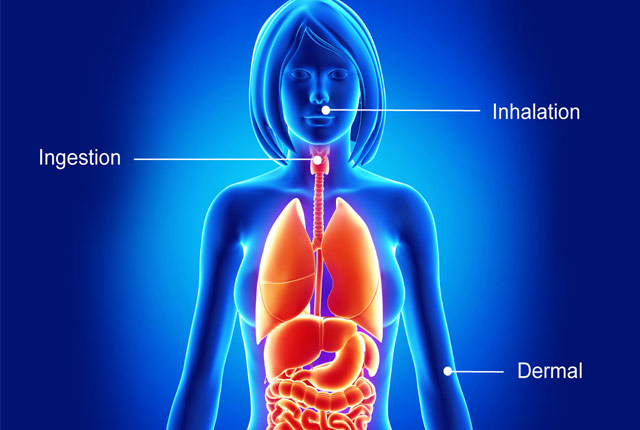
Contaminant bioaccessibility
People are exposed to potentially harmful elements in soil and dust during everyday activities, such as gardening, and from dust inhalation.
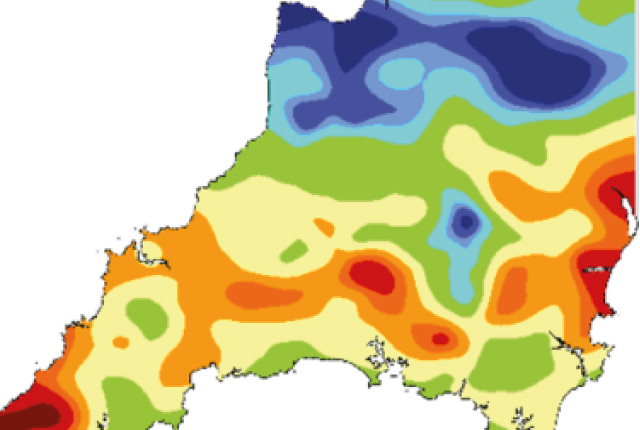
Data modelling
Data modelling is an important part of the wider research around the environment and human health.

Geochemical hazards and deprivation
Can soil contamination affect deprivation or even crime?
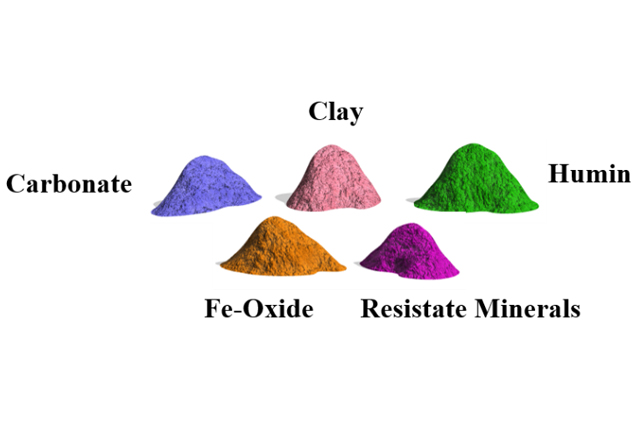
Geological controls of soil element toxicity on human health
Measuring the concentration of potentially harmful elements in soils and sediments is an important tool for monitoring environmental pollution.
Our projects
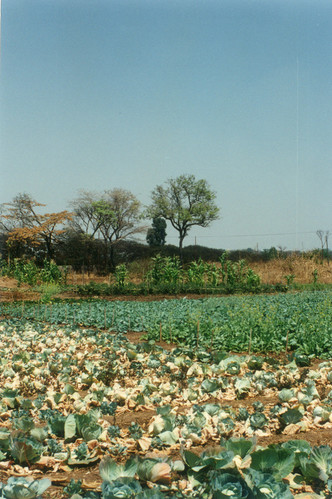
Environmental geochemistry and health
The BGS and our research partners are undertaking an integrated approach to risk assessment and public policy in environmental geoscience.
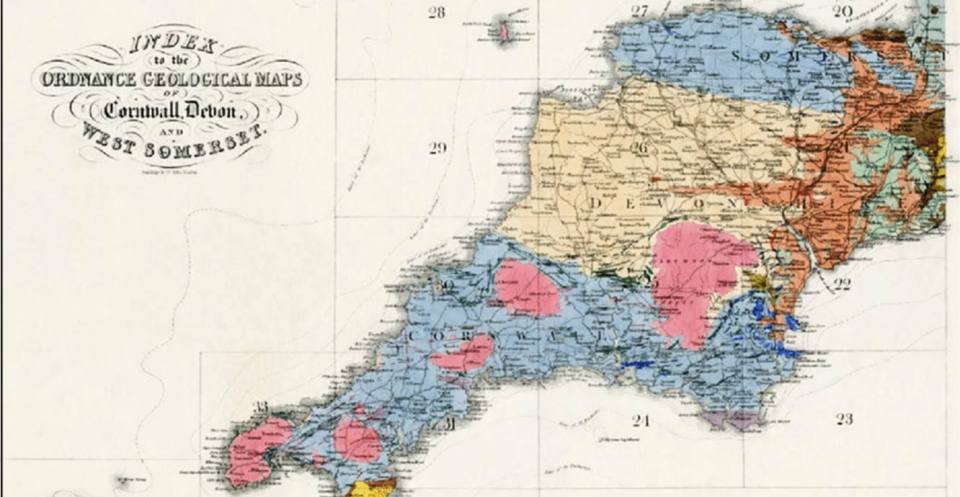
Arsenic: are we exposed?
The BGS was commissioned by the Public Health England to undertake sampling of properties in Cornwall served by private water supplies to assess exposure to arsenic.
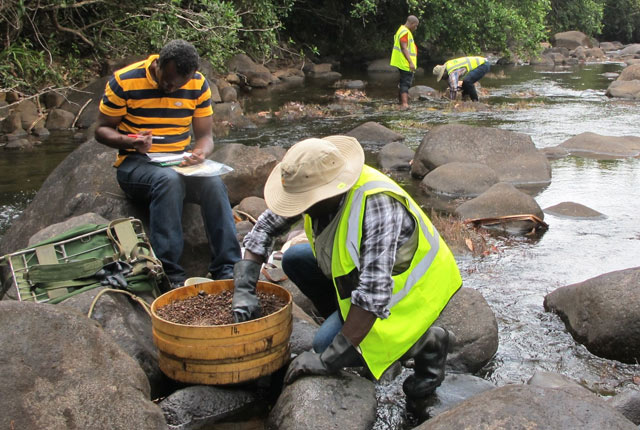
International projects
Selected International Environmental Geochemistry and Geochemistry and Health projects that BGS have been involved with.
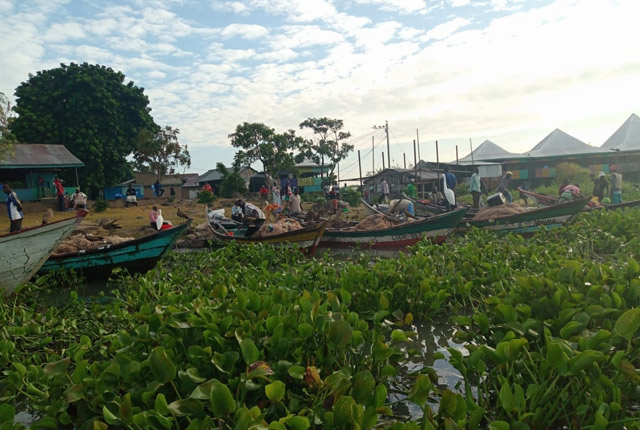
Geochemistry and health in the Kenyan Rift Valley
We are working with Kenyan researchers to improve our understanding of the links between environment and health, strengthening our combined research.

New tool helps identify coal mine gas risk for housing developments in Scotland
05/08/2025
Scientists have co-developed a new tool for North Lanarkshire Council to help screen coal mine gas emissions prior to the development of new houses and buildings.
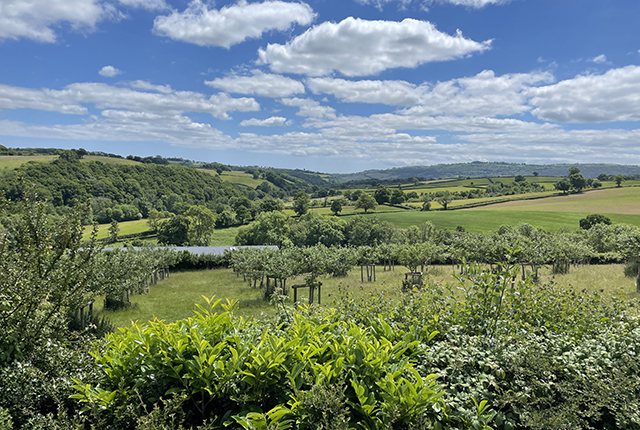
New journal article reveals snapshot of forever chemicals in shallow English soils
31/07/2025
Data on the presence of per- and polyfluoroalkyl substance concentrations in English soils has been released.
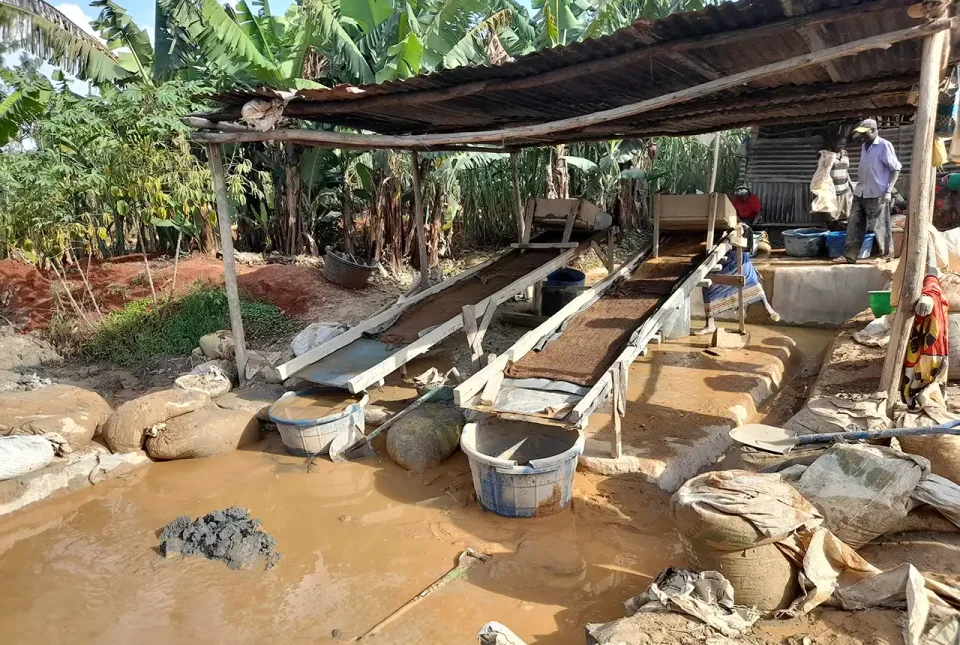
Linking geochemistry and health in artisanal and small-scale gold mining in the Kakamega-Vihiga gold belt, Kenya
09/01/2024
PhD candidate Maureene Auma Ondayo is investigating major and trace element exposure in the environment in Kenya, aiming to reduce exposure of humans to toxic chemicals.
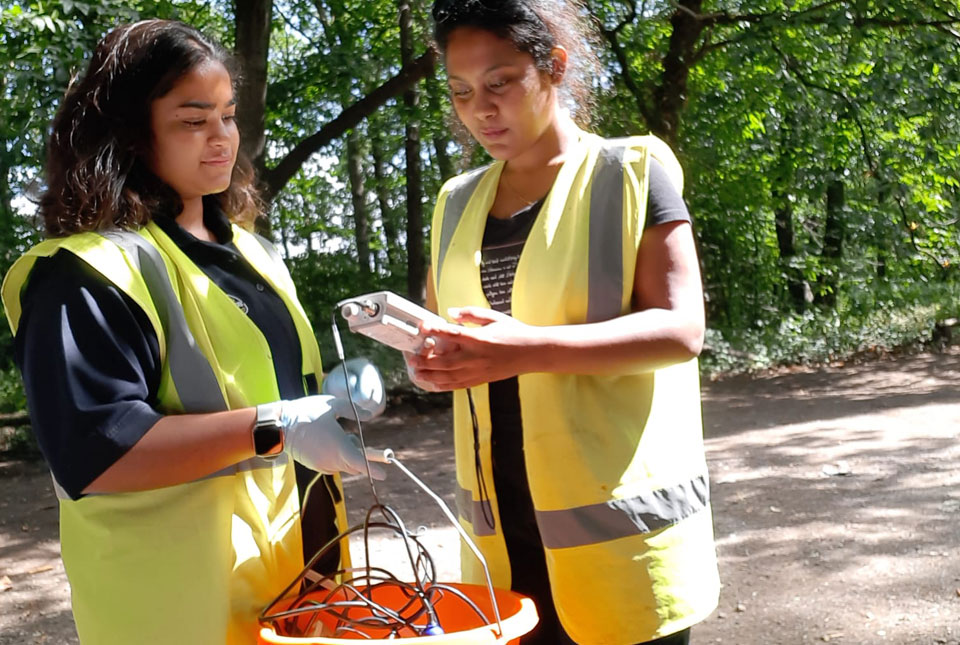
Understanding Nottinghamshire’s groundwater microbial ecosystems
24/08/2023
PhD student Archita Bhattacharyya is undertaking a project focused on exploring the ecosystem of microorganisms in groundwater of England.
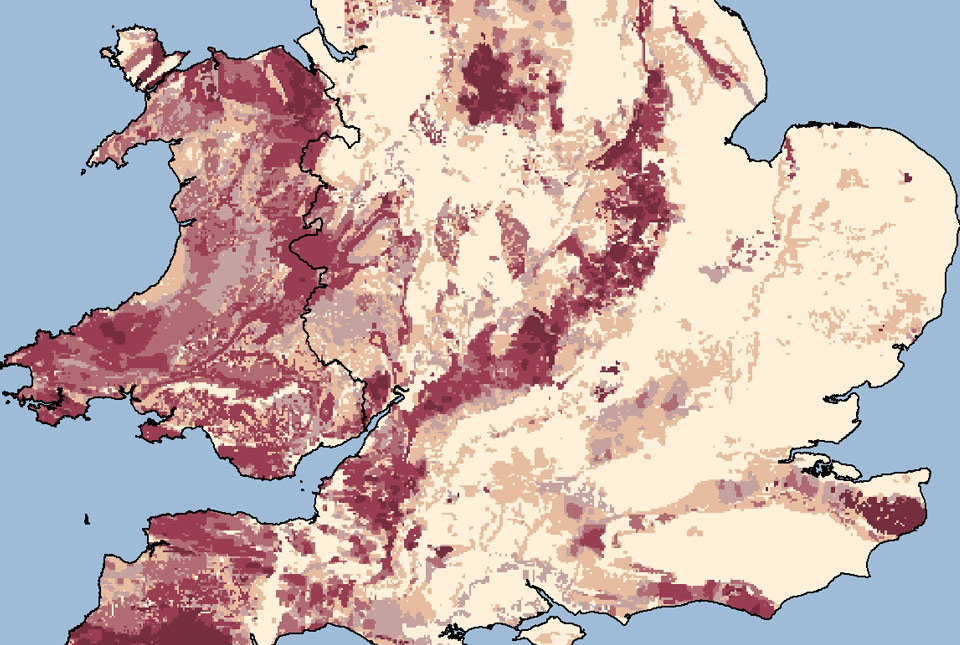
Updated radon map for Great Britain published
02/12/2022
The UK Health Security Agency and BGS have published an updated radon potential map for Great Britain.
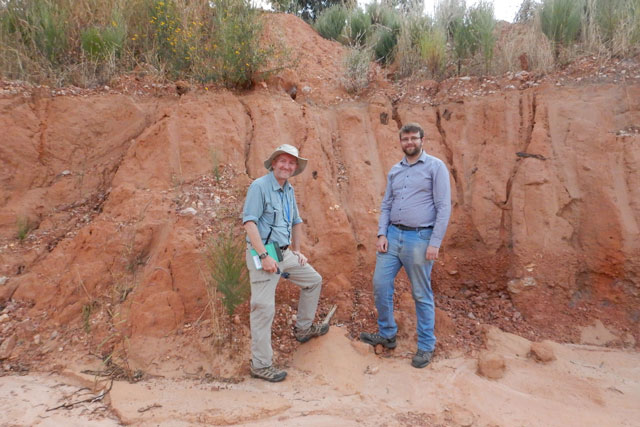
Zambia: the copper mining powerhouse looking towards a safer, low-carbon future
25/07/2022
BGS scientists Clive Mitchell (industrial minerals geologist) and Elliott Hamilton (environmental chemist) report on their recent visit to the Copperbelt Province in Zambia.
Soil maps could hold the key for urban planning
18/01/2022
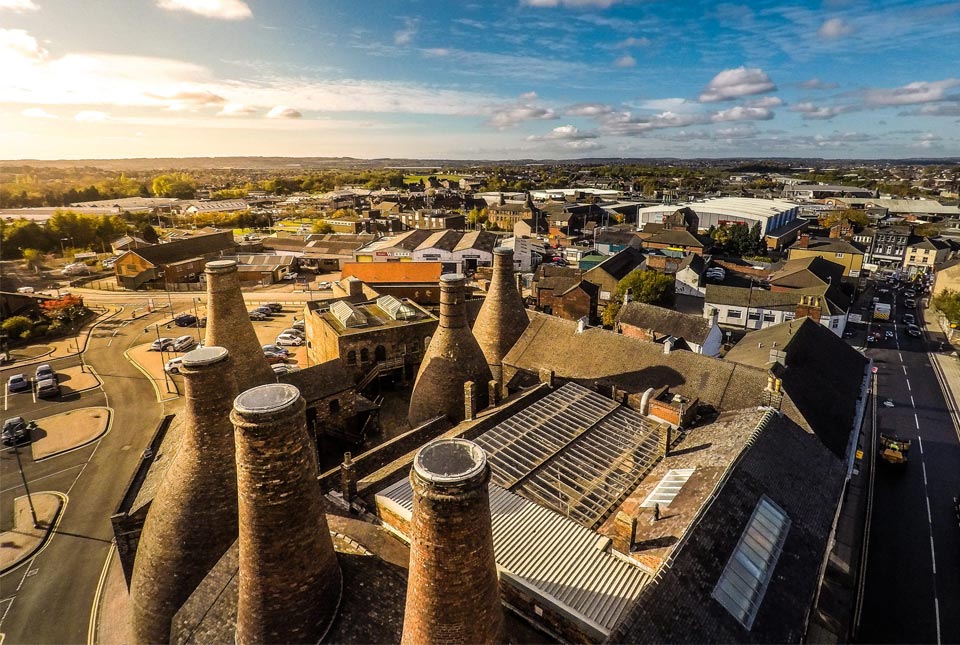
Research by BGS has developed a predictive model to evaluate levels of bioaccessible contaminants in urban soils and their relationship with the underlying geology and former industrial land use.
Evaluating contamination in sediment, waters and fish from two contrasting catchments in England
02/12/2021
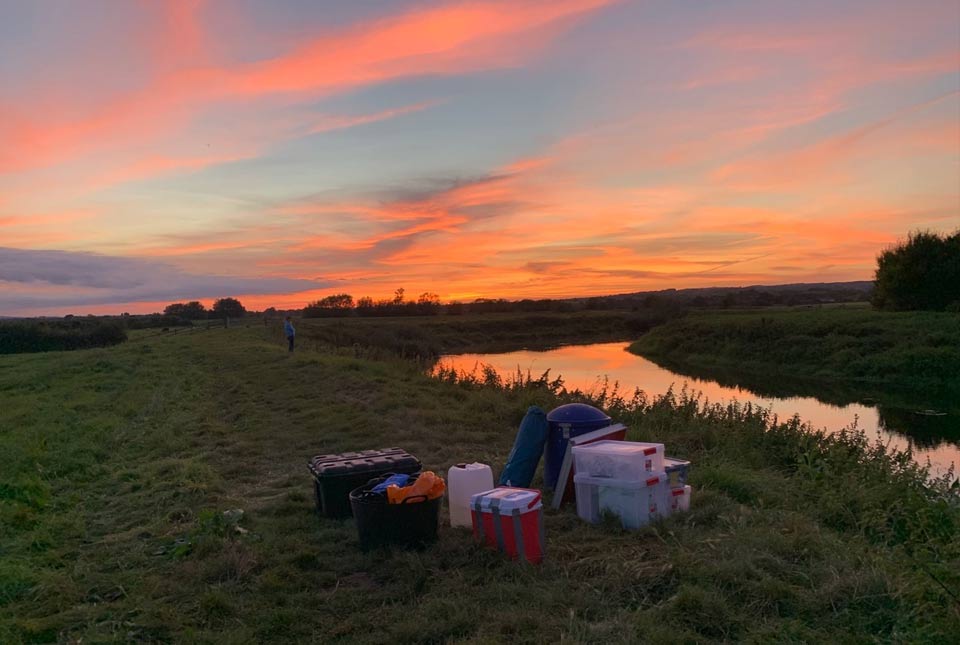
Calum Ramage’s PhD project sets out to assess the impacts of pesticides and trace metals on British rivers.
Geochemistry and health in the Kenyan Rift Valley
We are working with Kenyan researchers to improve our understanding of the links between environment and health, strengthening our combined research.
Medical geology
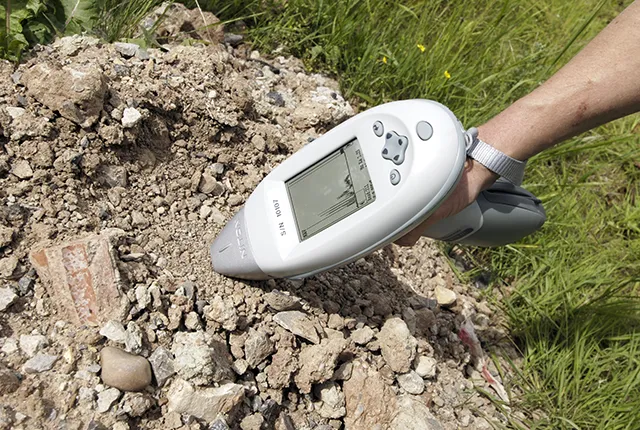
Medical geology is the study of the relationships between geoenvironmental factors and the health of plants, animals and humans.
Geochemical hazards and deprivation
Can soil contamination affect deprivation or even crime?
Climate change and urbanisation set to threaten quality of drinking water
16/04/2020
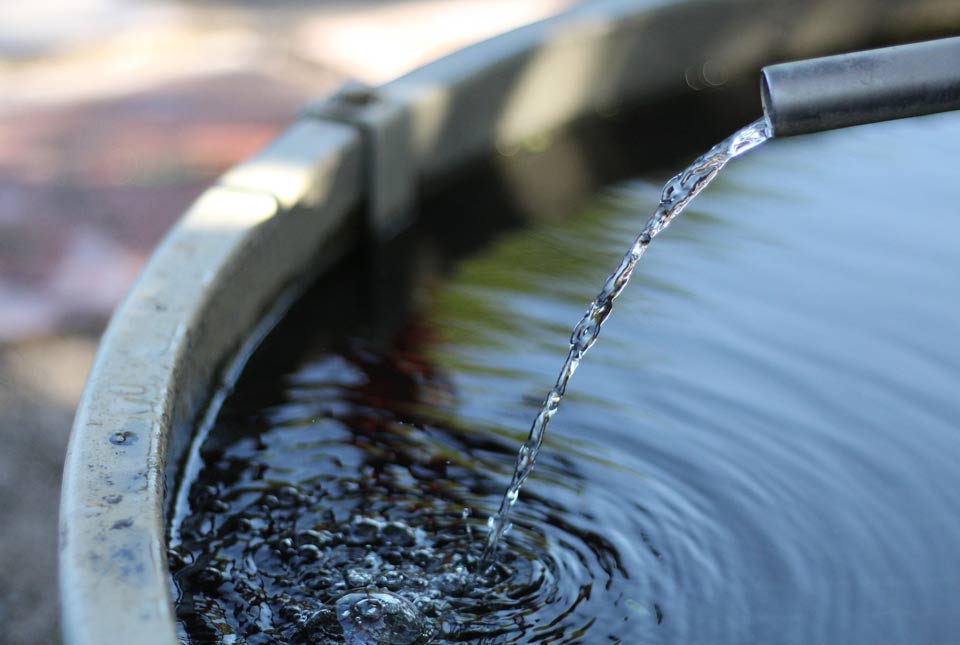
Much of the world’s population faces a threat to the quality and availability of their drinking water.
You may also be interested in
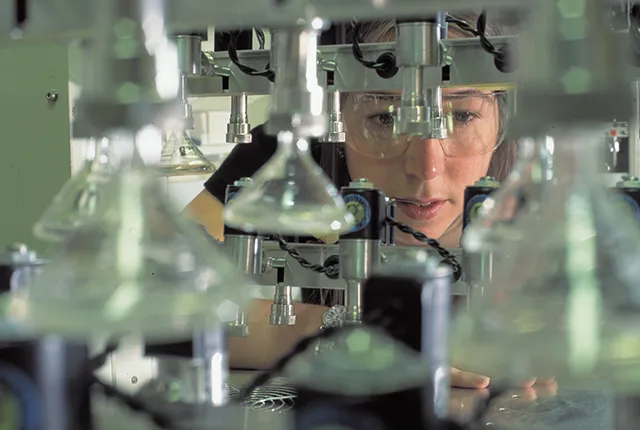
Environmental geochemistry laboratories
Specialist analysis of a wide range of environmental matrices.
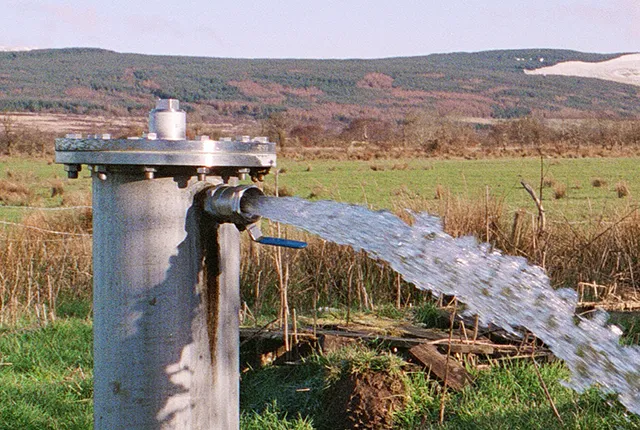
Groundwater research
Addressing issues related to the sustainability of water resources and quality, and the effects of environmental change on the water cycle, natural hazards, and human health.
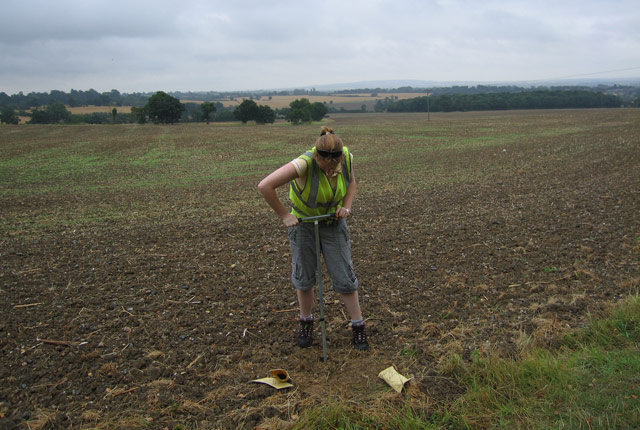
G-BASE: environmental geochemistry
In addition to expertise in geochemical mapping, BGS geochemists are involved in numerous activities and research that relate to the collection of geochemical samples, the use of geochemical baseline data and the interpretation of those as part of a wide range of geoscientific and environmental studies.