

Positively blooming: Japanese flowering cherry trees planted at BGS Keyworth to mark the Queen’s platinum jubilee
The walkway of eight trees has been planted in the grounds of BGS headquarters in Keyworth to celebrate Queen Elizabeth II's 70 years on the throne.
31/05/2022 By BGS Press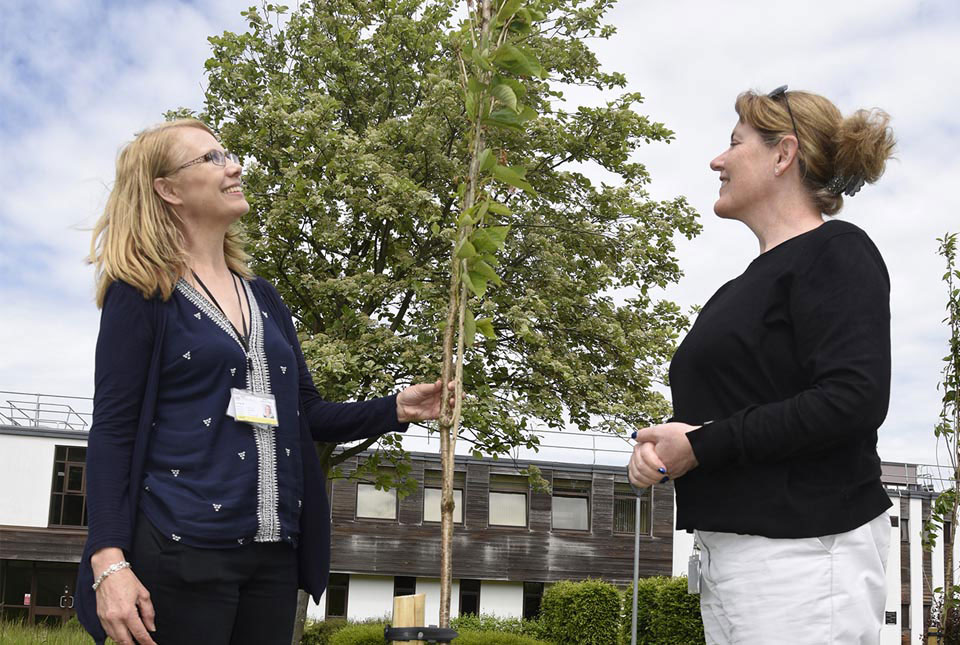

A walkway of eight Japanese Amanogawa pink flowering cherry trees, chosen for their colourful ornamental blooms, has been planted in the grounds of BGS in Keyworth, in celebration of the Queen’s platinum jubilee. The walkway has been created as part of a project called the Queen’s Green Canopy, a nationwide campaign to encourage people to ‘plant a tree for the jubilee’.
A special bench and plaque will be installed near the trees to mark the celebrations in honor of Queen Elizabeth II’s 70th year on the throne.
The Japanese Amanogawa pink flowering cherry is well known for its beautiful and delicate flower display in May and June. The young leaves are a greenish-bronze and, around autumn, they develop a red, orange or yellow tinge. In the years to come, they will develop into spectacular trees and will be a fitting tribute to the Queen’s legacy as the first British monarch to celebrate a platinum jubilee.
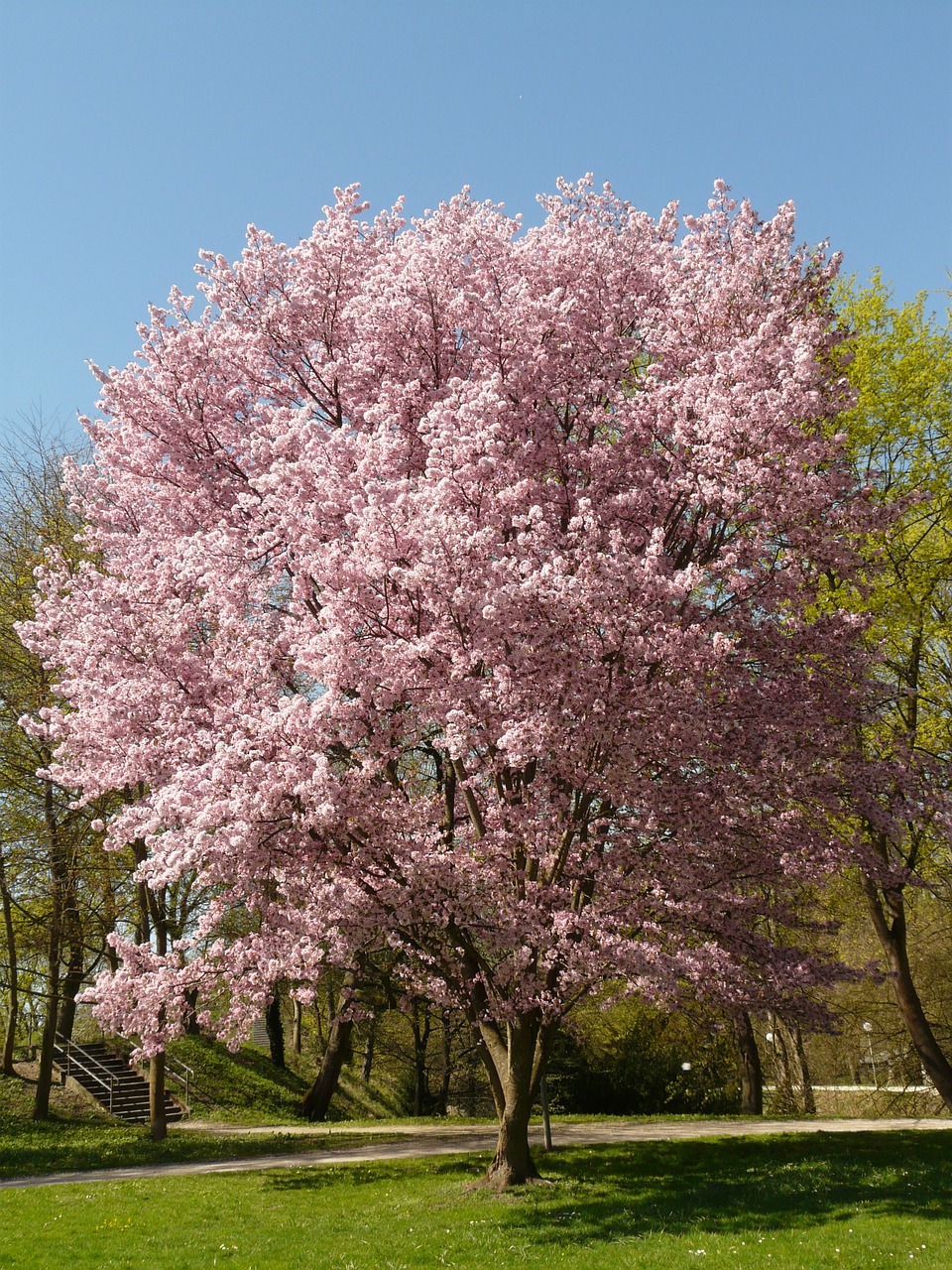
A mature Japanese cherry tree in full bloom. Image by Hans Braxmeier from Pixabay.
The flowers of the Amanogawa (like all plants) contain pollen and nectar, which is used by insects such as bees, butterflies and beetles, as well as small birds. It is hoped that, as the trees mature, they will create a safe and relaxing natural canopy for wildlife, employees and visitors to the site.

The walkway will create a green legacy of its own, with every tree planted bringing benefits for people, wildlife and climate, now and for the future.
BGS Chief Scientist for Environmental Change, Adaptation and Resilience, Melanie Leng.
The planting of the walkway furthers BGS’s development of its sustainability strategy, designed to help BGS reduce its environmental impact through a series of commitments across its estates, travel and working practices, whilst staying at the cutting edge of research.
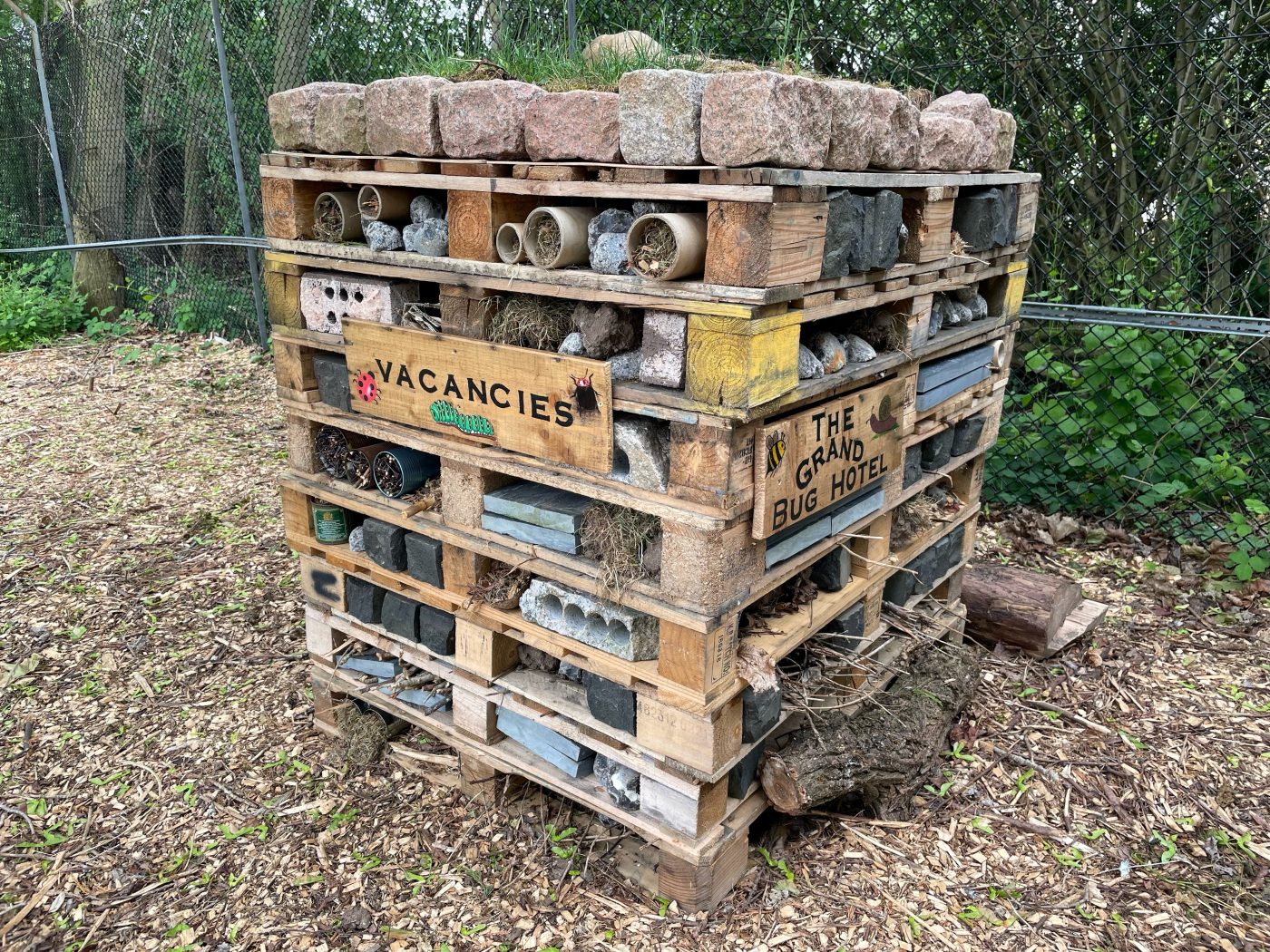
The Grand Bug Hotel at Keyworth. © Melanie Leng.
In recent months, BGS has joined forces with local community volunteers to develop the Mary Ward Nature Area, a small patch of woodland that runs behind the BGS site at Keyworth, accessed from Platt Lane. Over 12 000 spring bulbs were planted, providing a haven for wild animals, insects and birds. A Grand Bug Hotel has also been installed on BGS grounds, using natural waste materials to provide shelter for insects, which in turn will provide food for animals such as toads and hedgehogs.
Relative topics
Related news
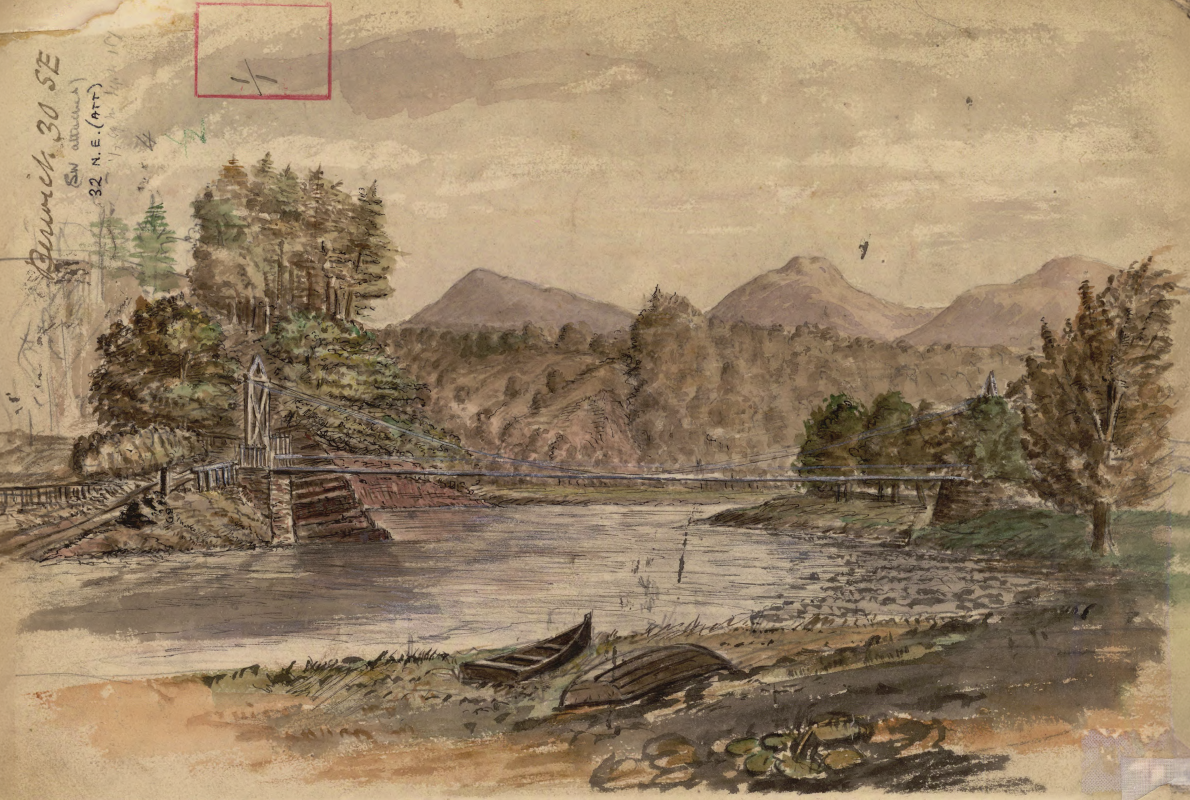
Historic watercolour unearthed on back of Dryburgh geological field map
05/10/2026
A 150-year-old painting of Dryburgh Suspension Bridge and the River Tweed offers an insight into the Scottish Borders landmark shortly after it was built in the 1870s.

Professor Alan MacDonald presented with Presidents’ Award at 2026 World Groundwater Congress
21/09/2026
The BGS Head of Groundwater has been recognised with this prestigious award by the International Association of Hydrogeologists for his extensive contributions to groundwater science.
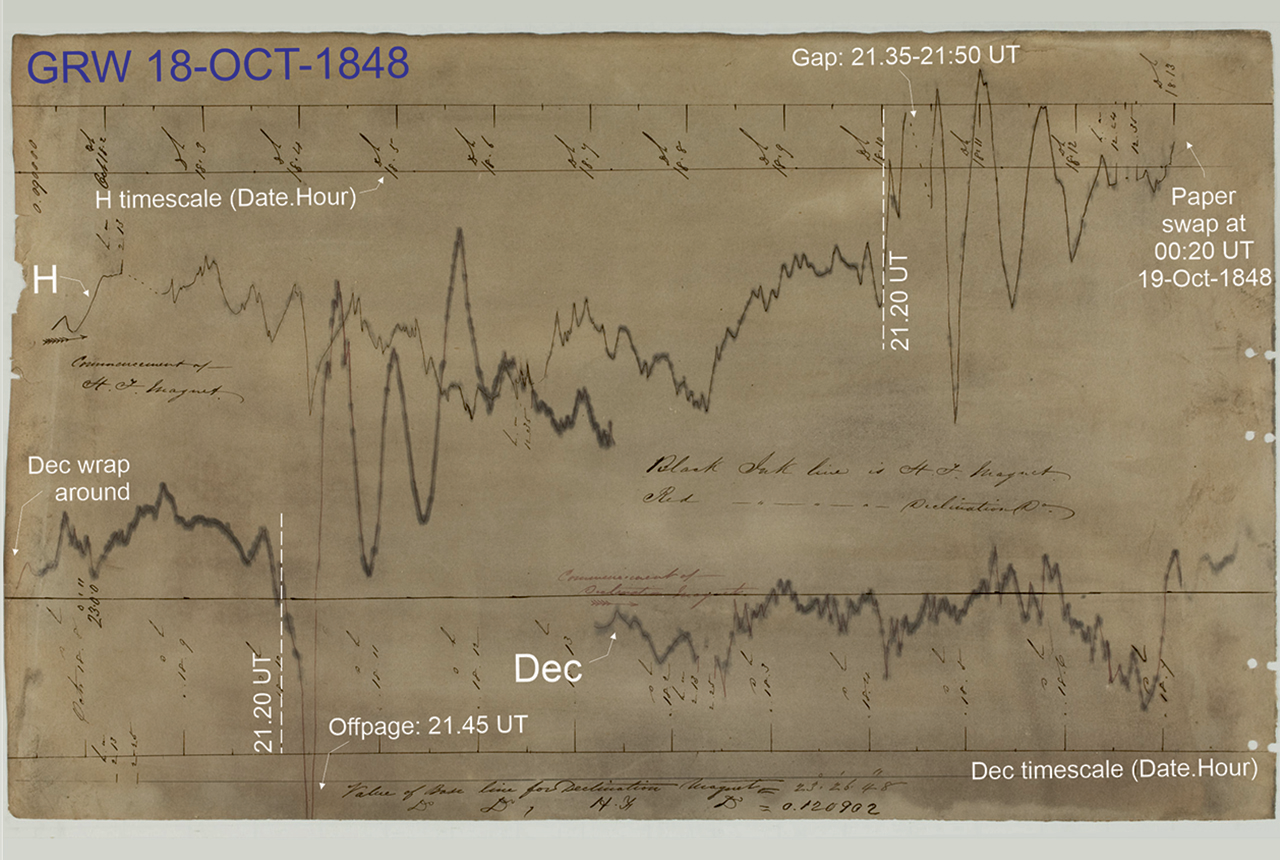
Mystery of one of the earliest recorded space weather impacts solved
17/09/2026
BGS scientists were part of an international team that has solved a 178-year-old mystery surrounding one of the earliest recorded examples of space weather affecting technology.
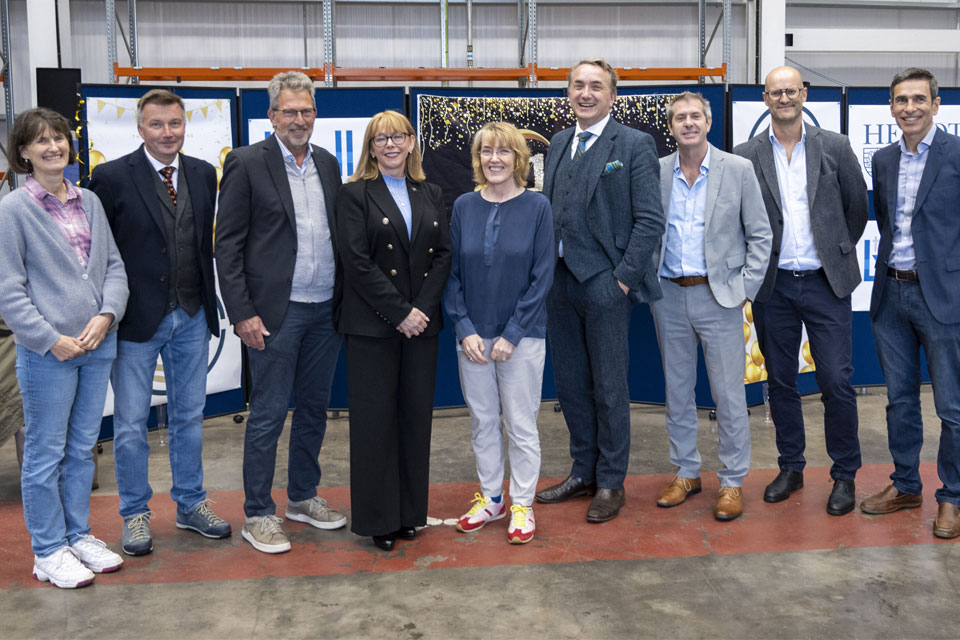
The Lyell Centre celebrates 10 years of world-leading earth and marine science research
07/09/2026
The Lyell Centre for Earth and Marine Sciences, a strategic partnership between Heriot-Watt University and BGS, is celebrating its 10th anniversary, marking a decade of world-leading research, innovation and collaboration in earth and marine sciences.

Demand for data centres presents challenges and opportunities for UK critical mineral supply chains
02/09/2026
Government-backed research finds that vulnerabilities in raw material supply chains must be addressed to secure the critical minerals needed to expand the UK’s digital infrastructure and boost economic growth.

What lies beneath Europe’s sinking ground?
01/09/2026
Land subsidence is becoming increasingly visible across Europe. New research examines how better monitoring, shared data and a deeper understanding of the subsurface can help assess and manage its impacts.

Secrets of an ancient supervolcano uncovered that change our understanding of England’s geological past
28/08/2026
Scientists have found evidence of a long-hidden link between an ancient buried ash layer in Scandinavia and a concealed supervolcano in eastern England.

BGS research into drought-exposed soils wins award
26/08/2026
A research paper investigating how temperate soils respond to drought has been announced as the winner of the Land Best Paper Award.
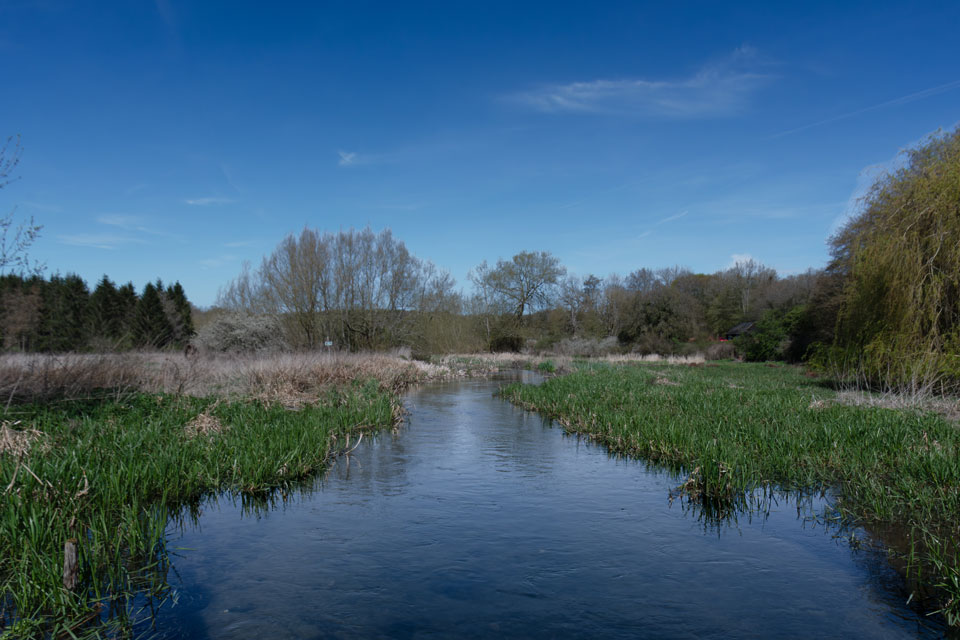
UK aquifers robust despite driest July on record
16/08/2026
In a summer experiencing widespread drought, groundwater levels around the country are showing resilience, demonstrating their value as a crucial resource and indicating they could play a more significant role in mitigating the impacts of extreme weather.
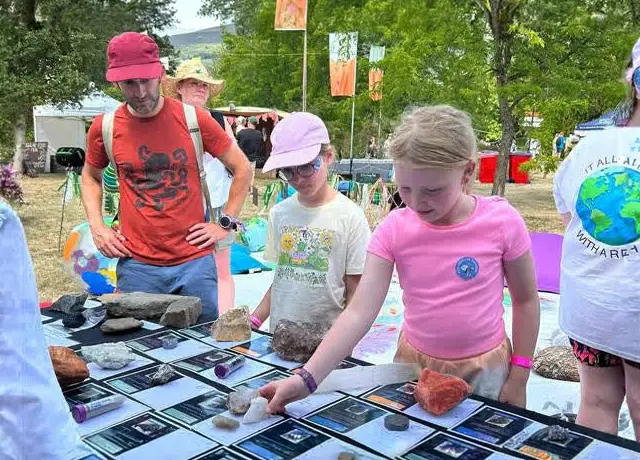
New NERC-funded project empowers young people to engage with environmental science
23/07/2026
BGS is part of a new, collaborative project, funded through NERC’s ‘Opening up the environment’ programme, helping the environmental research community become more accessible.
Delving deep into mountains for future water security
16/07/2026
A BGS-led project is using new water-tracing investigation methods, geophysics and modelling to understand how water moves from mountains to the lowlands, helping to improve water security for billions of people.
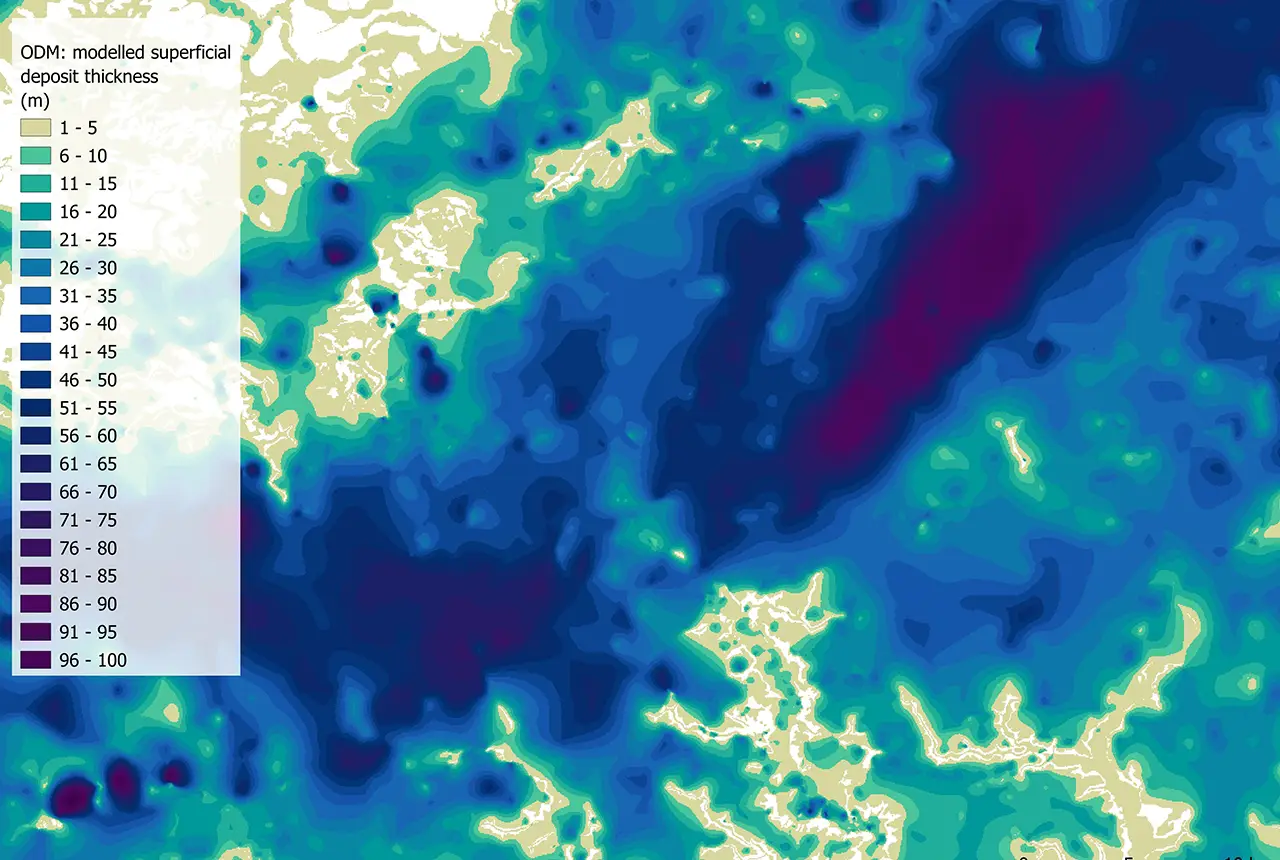
Updated national 3D model will determine the depth to the solid bedrock beneath our feet
13/07/2026
The BGS Superficial Deposit Thickness Model now includes an elevation model of geological rockhead for the first time, providing important data for civil engineers, geoscientists and environmental scientists.