

UKRI announce new Chair of the BGS Board
Prof Paul Monks CB will step into the role later this year.
01/05/2025 By BGS Press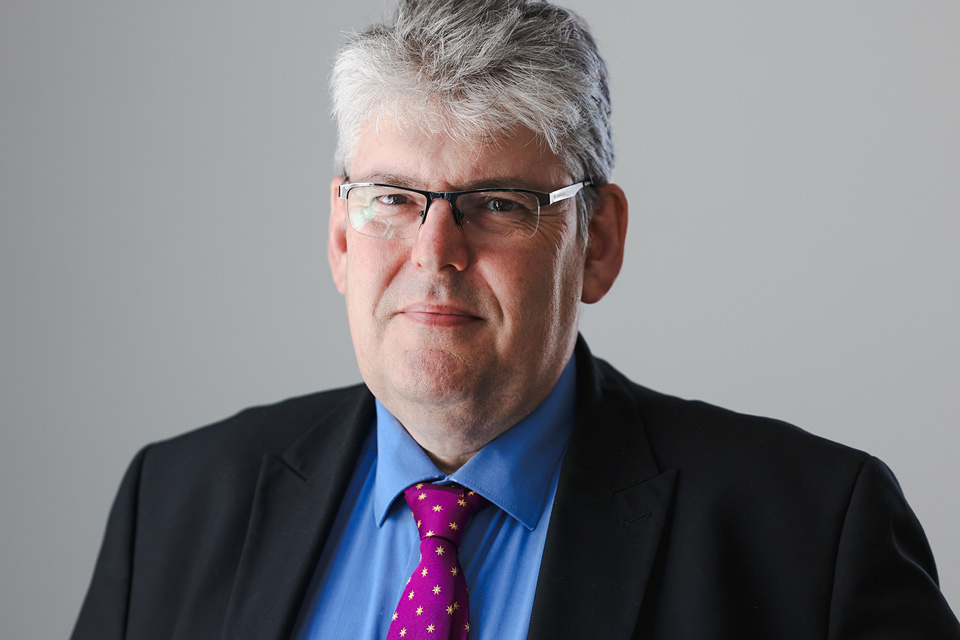

We are delighted to announce the appointment of the new Chair of the BGS Board. Prof Paul Monks CB is currently the chief scientific advisor for the Department for Energy Security and Net Zero (DESNZ) and will join the board when he finishes this role later in the year. He will replace the current Chair of the BGS Board, Prof Sir Keith O’Nions.
As chief scientific advisor, Paul delivers independent and impartial science and engineering advice to ministers and decision makers across the department’s policy and delivery portfolio and the Clean Energy Superpower Mission. Paul also works closely with the Government chief scientific advisor, the cross-government network of departmental scientific advisors, and the DESNZ chief analyst, to strengthen the links within and across departments, encouraging effective engagement and knowledge sharing, and to support delivery of a robust evidence base to underpin policy decisions.
Prior to joining the department, Paul was pro-vice chancellor and head of the College of Science and Engineering at the University of Leicester, where he remains a professor in atmospheric chemistry and Earth observation science. Paul was awarded the Companion of the Order of the Bath (CB) in the King’s New Year Honours 2025 for services to science in Government.
The BGS Board Chair is a key advisor to the Executive Chair of the Natural Environment Research Council (NERC) and supports the BGS Director in their business planning and strategic direction as part of UKRI.

I am delighted to take up the role and build on the work of my predecessor Sir Keith O’Nions. In my view BGS has a critical role in the national and international landscape as a trusted provider of impartial, independent geoscientific advice and data to governments, the public and private-sector organisations.
I see every day the importance of BGS science and services with its centrality to the challenges of decarbonising our economy, whether that be for critical minerals, geothermal, mine remediation, waste storage or carbon capture. The subsurface is at the frontier of net zero.
I look forward to working with BGS, UKRI-NERC and the wider geoscience community to ensure evolution and impact of the BGS capacity and capability.
Prof Paul Monks CB, incoming chair of the BGS Board and chief scientific advisor for the Department for Energy Security and Net Zero.
I am delighted at the prospect of working alongside Paul at this important time in BGS’s journey forward — to draw on his expertise as we take the organisation forward and optimise the impact of geoscience in addressing some of the most pressing challenges facing society.
Dr Karen Hanghøj, BGS Director.
I am so pleased to welcome Paul into this important role for both NERC and BGS, following the excellent record set by Sir Keith in strengthening and maintaining strong relations and careful planning across BGS since the formation of UKRI. I look forward to continuing to build on this as we look ahead. At no point has the importance of the subsurface in supporting life on Earth been greater both globally and at the individual citizen level — our future does depend on it.
Prof Louise Heathwaite CBE FRS, NERC Executive Chair.
Related news
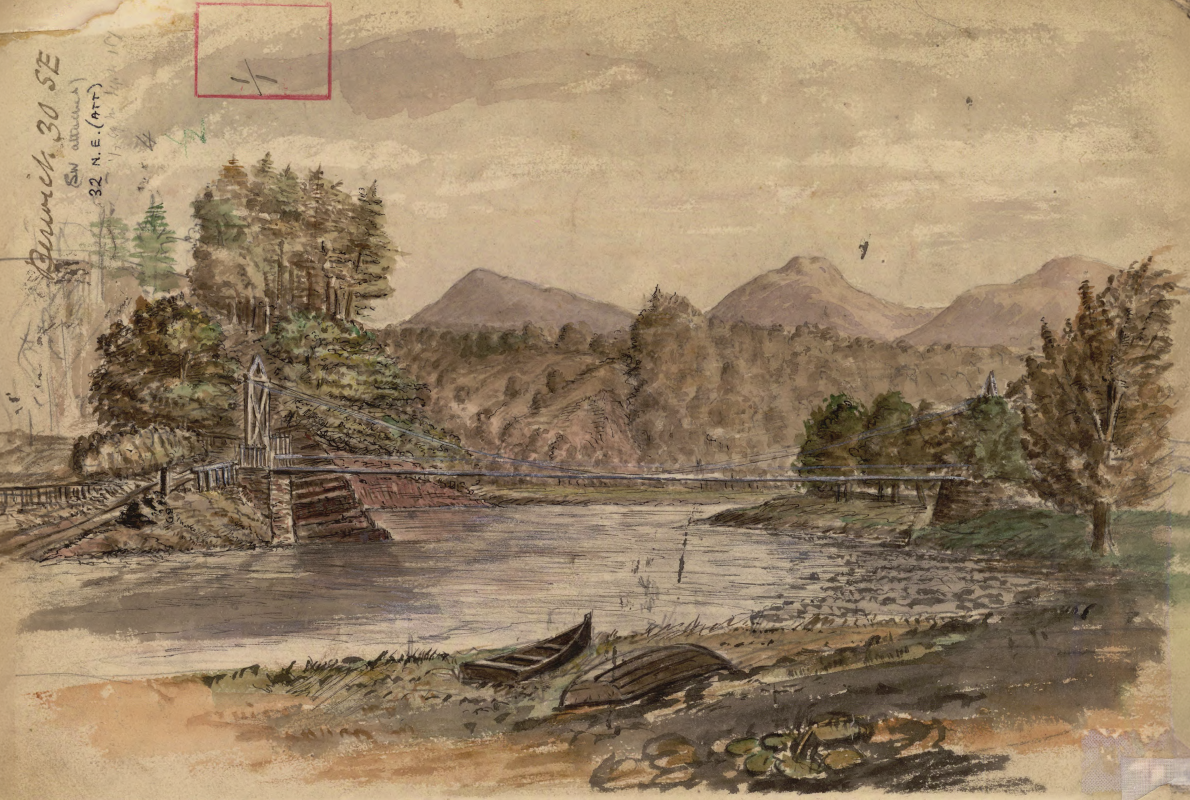
Historic watercolour unearthed on back of Dryburgh geological field map
05/10/2026
A 150-year-old painting of Dryburgh Suspension Bridge and the River Tweed offers an insight into the Scottish Borders landmark shortly after it was built in the 1870s.
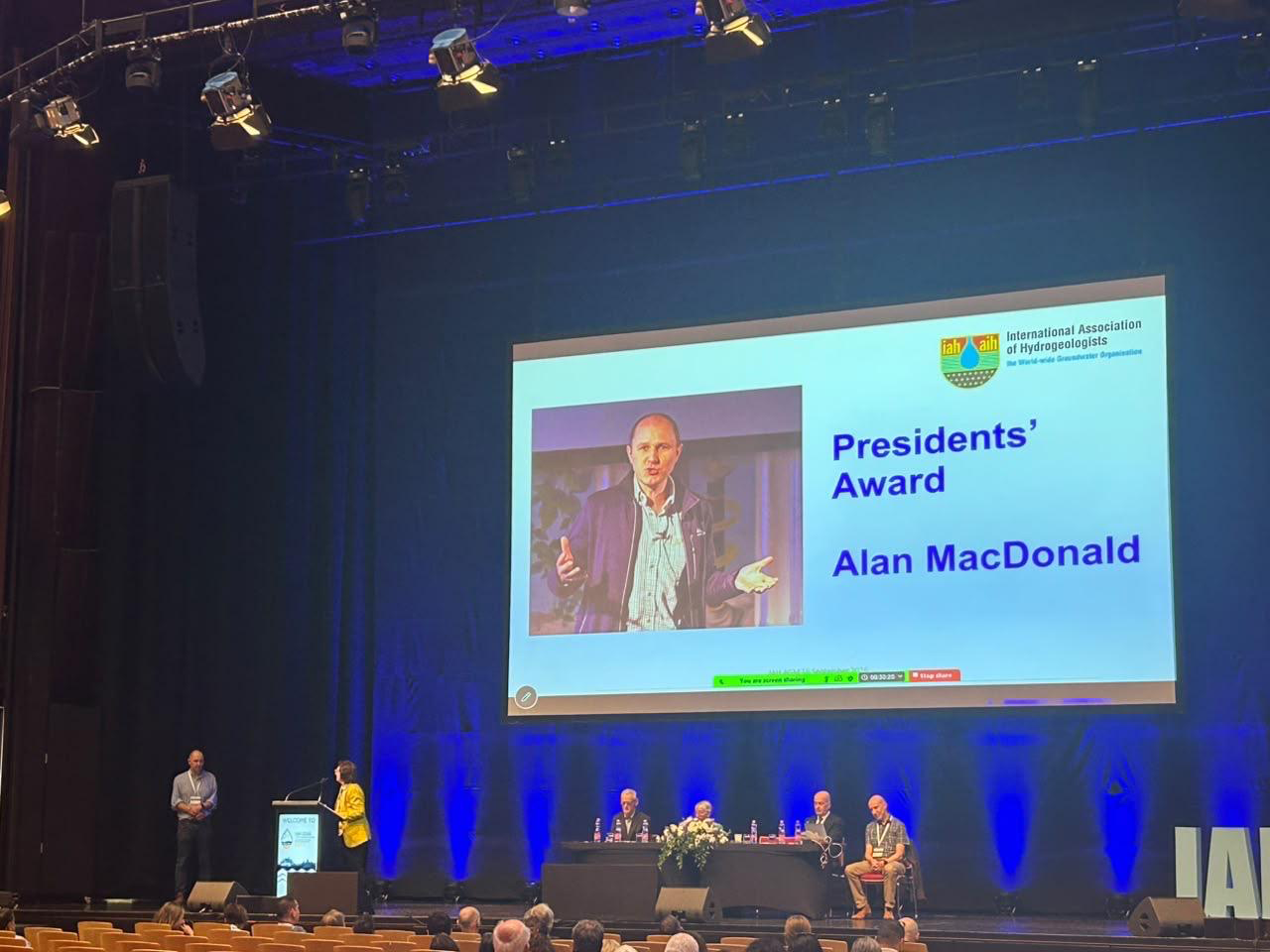
Professor Alan MacDonald presented with Presidents’ Award at 2026 World Groundwater Congress
21/09/2026
The BGS Head of Groundwater has been recognised with this prestigious award by the International Association of Hydrogeologists for his extensive contributions to groundwater science.
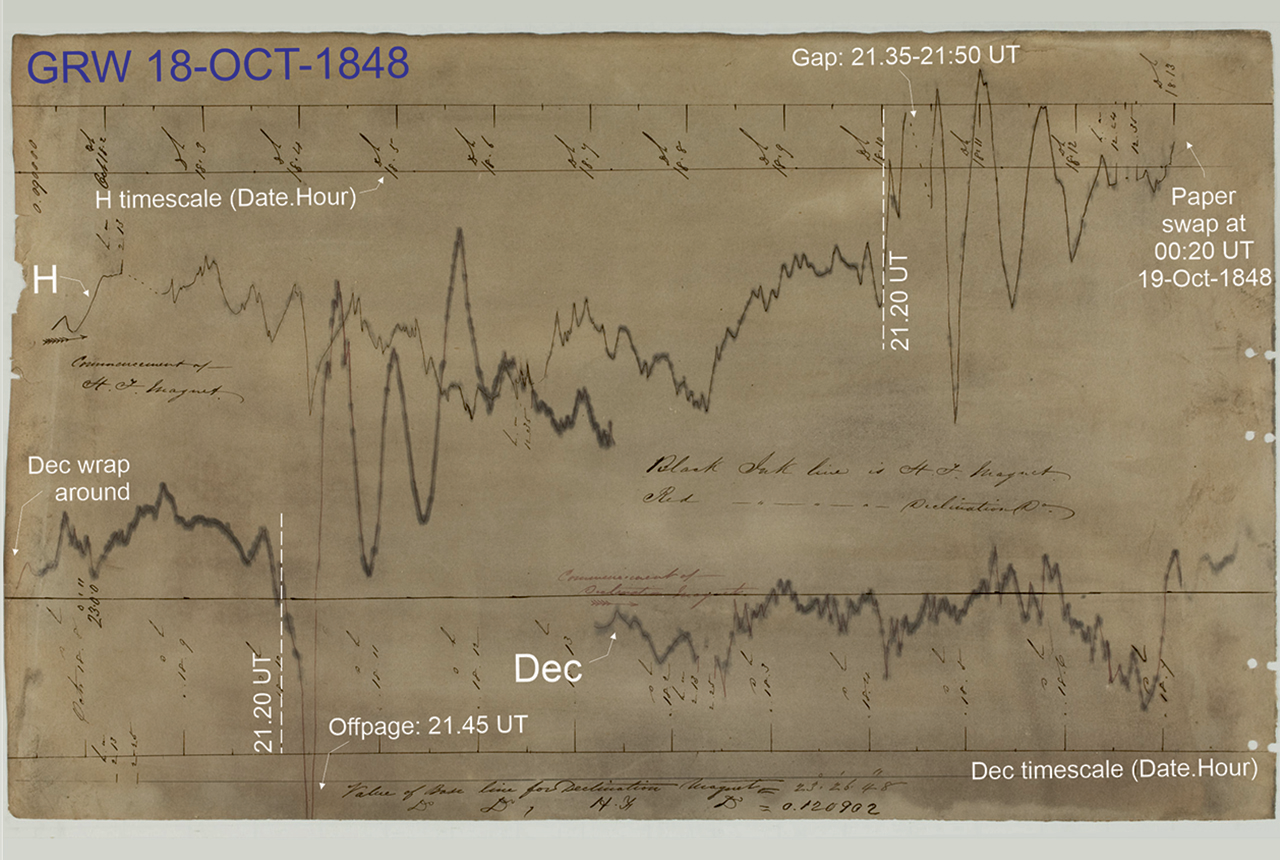
Mystery of one of the earliest recorded space weather impacts solved
17/09/2026
BGS scientists were part of an international team that has solved a 178-year-old mystery surrounding one of the earliest recorded examples of space weather affecting technology.
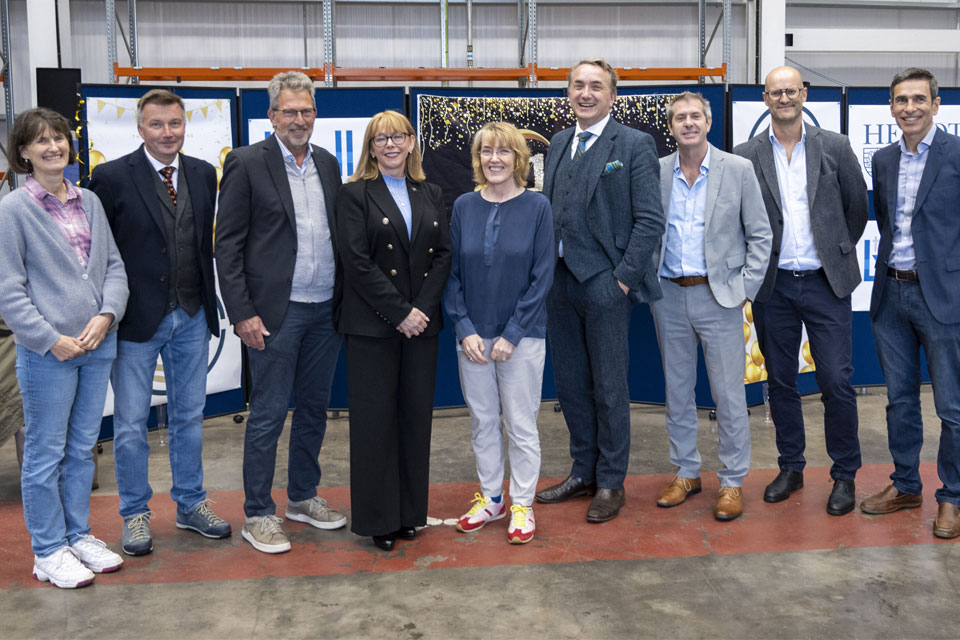
The Lyell Centre celebrates 10 years of world-leading earth and marine science research
07/09/2026
The Lyell Centre for Earth and Marine Sciences, a strategic partnership between Heriot-Watt University and BGS, is celebrating its 10th anniversary, marking a decade of world-leading research, innovation and collaboration in earth and marine sciences.
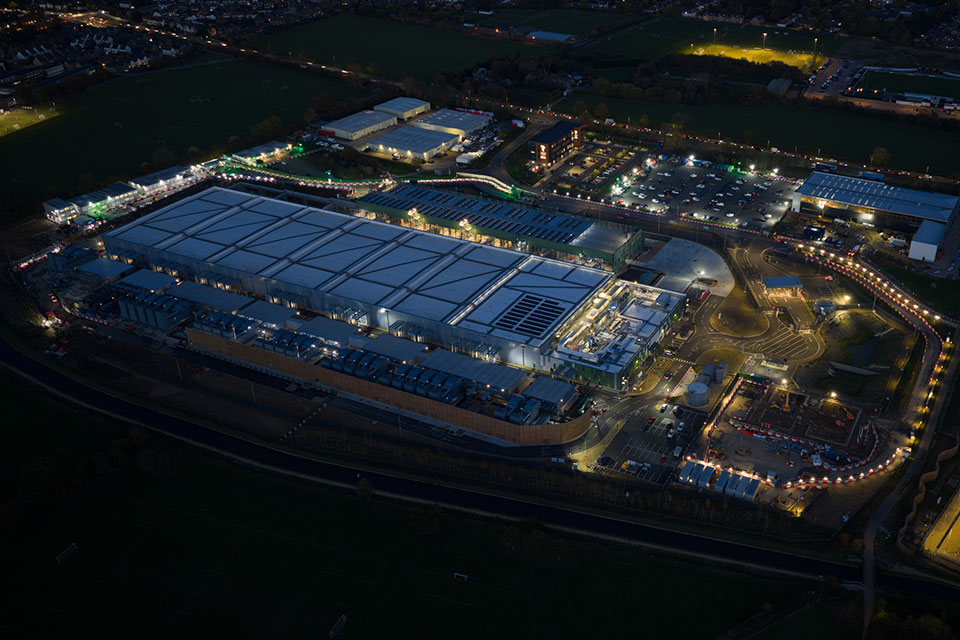
Demand for data centres presents challenges and opportunities for UK critical mineral supply chains
02/09/2026
Government-backed research finds that vulnerabilities in raw material supply chains must be addressed to secure the critical minerals needed to expand the UK’s digital infrastructure and boost economic growth.

What lies beneath Europe’s sinking ground?
01/09/2026
Land subsidence is becoming increasingly visible across Europe. New research examines how better monitoring, shared data and a deeper understanding of the subsurface can help assess and manage its impacts.
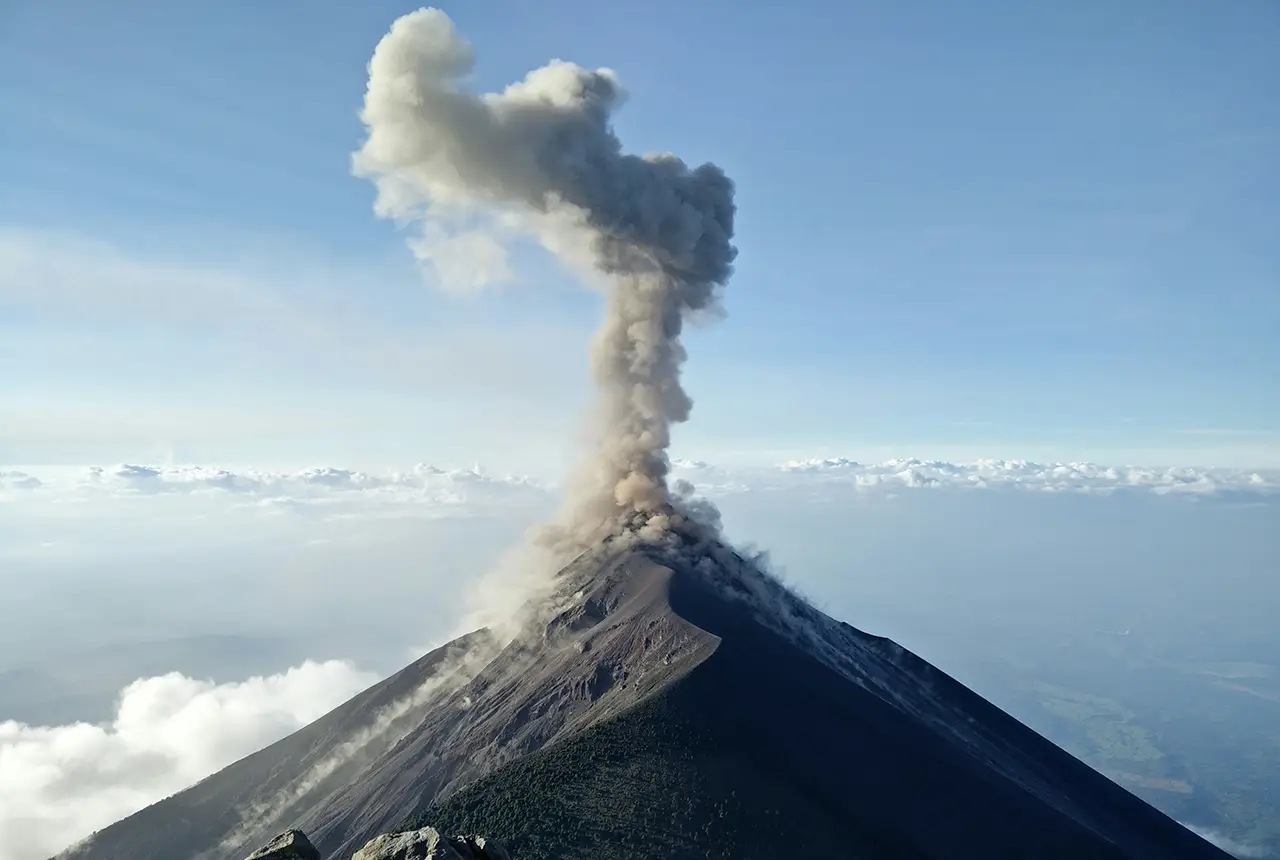
Secrets of an ancient supervolcano uncovered that change our understanding of England’s geological past
28/08/2026
Scientists have found evidence of a long-hidden link between an ancient buried ash layer in Scandinavia and a concealed supervolcano in eastern England.
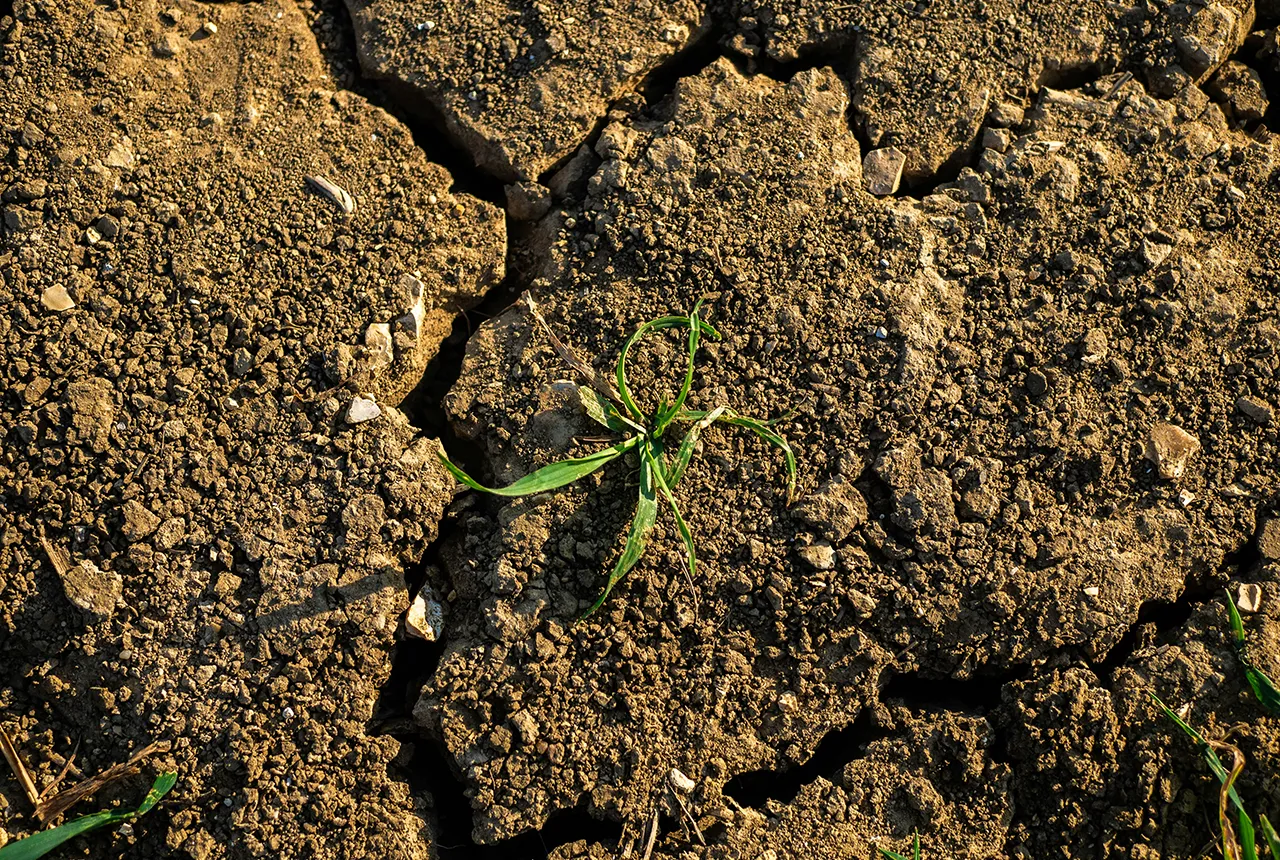
BGS research into drought-exposed soils wins award
26/08/2026
A research paper investigating how temperate soils respond to drought has been announced as the winner of the Land Best Paper Award.
UK aquifers robust despite driest July on record
16/08/2026
In a summer experiencing widespread drought, groundwater levels around the country are showing resilience, demonstrating their value as a crucial resource and indicating they could play a more significant role in mitigating the impacts of extreme weather.
New NERC-funded project empowers young people to engage with environmental science
23/07/2026
BGS is part of a new, collaborative project, funded through NERC’s ‘Opening up the environment’ programme, helping the environmental research community become more accessible.
Delving deep into mountains for future water security
16/07/2026
A BGS-led project is using new water-tracing investigation methods, geophysics and modelling to understand how water moves from mountains to the lowlands, helping to improve water security for billions of people.
Updated national 3D model will determine the depth to the solid bedrock beneath our feet
13/07/2026
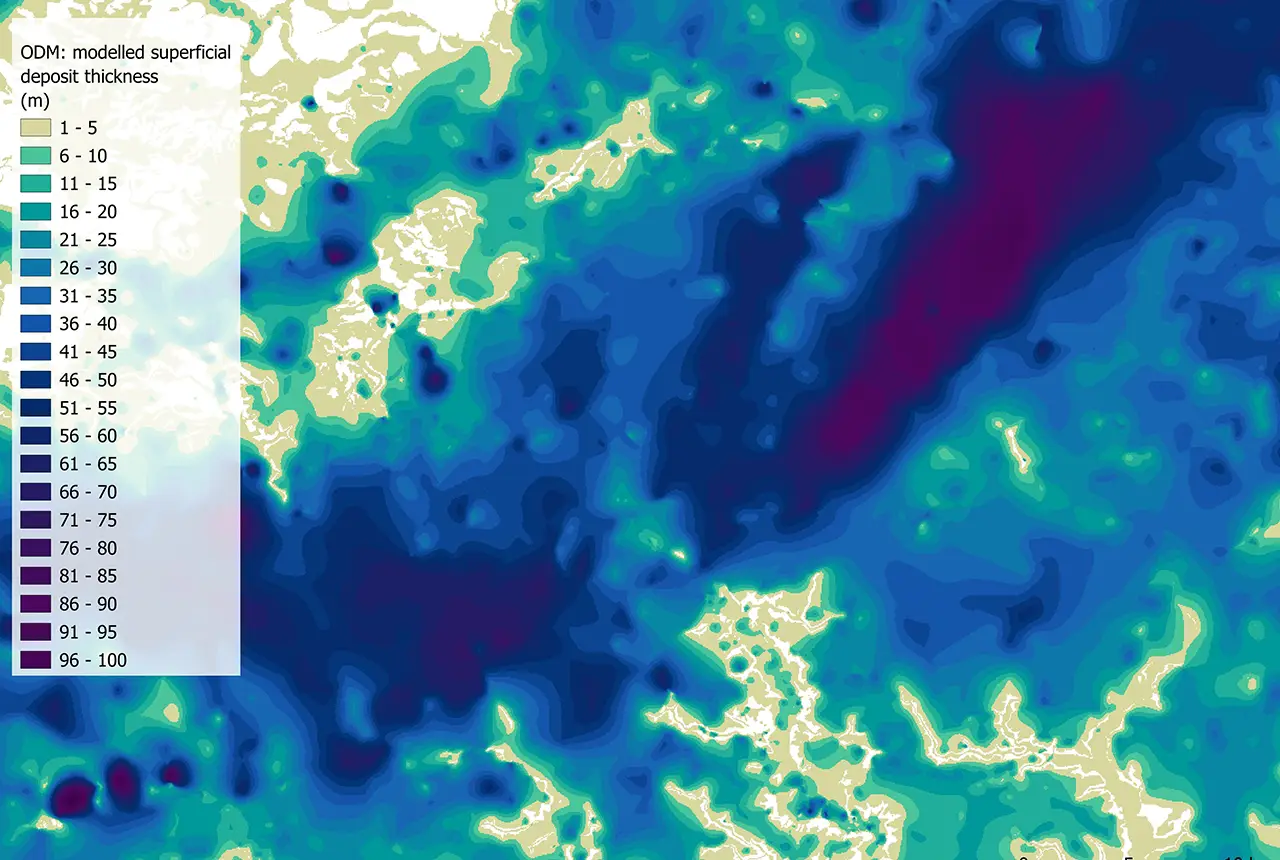
The BGS Superficial Deposit Thickness Model now includes an elevation model of geological rockhead for the first time, providing important data for civil engineers, geoscientists and environmental scientists.