

Dr Alison Monaghan awarded MBE
Dr Alison Monaghan has been recognised in the 2021 Queen’s New Year Honours List for her outstanding contribution to geology.
30/12/2020 By BGS Press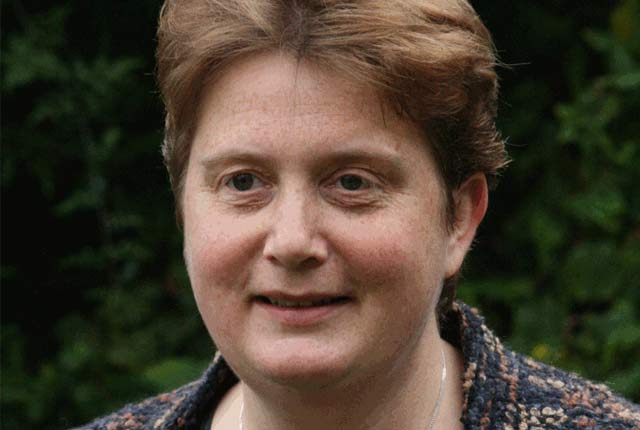

Dr Monaghan is currently science lead for the UK Geoenergy Observatory in Glasgow, focusing on shallow mine water geothermal and heat storage, environmental change and impact. The observatory is a unique facility for the science community and users to take forward research that is vital to understanding the role that shallow mine heat energy could have in decarbonising our energy supply and the environmental management regulation needed.
Dr Monaghan MBE said: “I am honoured and very surprised to receive this award. The application of geology for public good and open information are at the heart of my work. For me, this award is for all the multi-disciplinary teams I have worked with in BGS, academia, Government and industry. The subsurface and geoscience are key in our transition to a sustainable, decarbonised economy and we need to combine scientific excellence with collaborative working to achieve that.”
Starting her career with BGS as a field geologist and 3D modeller, Dr Monaghan’s role and experience has developed through a variety of projects such as basin analysis in energy geoscience, urban geology and coalfields, primarily in Central Scotland and offshore UK. She was involved in developing early stages of the National Geological Model and has wide knowledge of onshore and offshore UK Carboniferous basins and geochronology. She also led research into the shale resource estimation of central Scotland (2014) and the 21CXRM Palaeozoic Project with the Oil and Gas Authority and industry (2014-2016).
A graduate of the University of Cambridge and with a PhD obtained at the University of Edinburgh, she has been a chartered geologist since 2002.

I am delighted that Alison has been honoured with an MBE. Alison’s work leading the scientific delivery of the UK Geoenergy Observatory in Glasgow from inception, enabling open data and early academic involvement, together with her work on Palaeozoic basins onshore and offshore UK are essential for the delivery of the BGS strategy to find geoscientific solutions towards net zero.
Dr Karen Hanghøj, Director of the British Geological Survey
It is fantastic to see Alison recognised for her years of hard work. She is an admirable scientist who is a leader in her field and drives the teams she works with expertly, motivating and inspiring her colleagues. Alison is a fine example of the high-calibre scientists we have working at BGS and at the Lyell Centre.
Dr Tracy Shimmield, Director of the Lyell Centre
For further information please contact Sarah Nice, BGS press office:
sebr@bgs.ac.uk | 07989 115657 | @sarahnice1
Image credit: BGS © UKRI
British Geological Survey
The British Geological Survey (BGS) is a world leading applied geoscience research centre that is part of UK Research and Innovation (UKRI) and affiliated to the Natural Environment Research Council (NERC). BGS core science provides objective and authoritative geoscientific data, information and knowledge to inform UK Government on the opportunities and challenges of the subsurface. It undertakes national and public good research to understand earth and environmental processes in the UK and globally. The BGS annual budget of approximately £60 million pa is funded directly by UKRI, as well as research grants, government commissions and private sector contracts. Its 650 staff work across the UK with two main sites, the head office in Nottingham and Lyell Centre, a joint collaboration with Heriot Watt University in Edinburgh. BGS works with more than 150 private sector organisations, has close links to 40 universities and sponsors about 100 PhD students each year. Please see www.bgs.ac.uk.
Relative topics
Related news
Historic watercolour unearthed on back of Dryburgh geological field map
05/10/2026
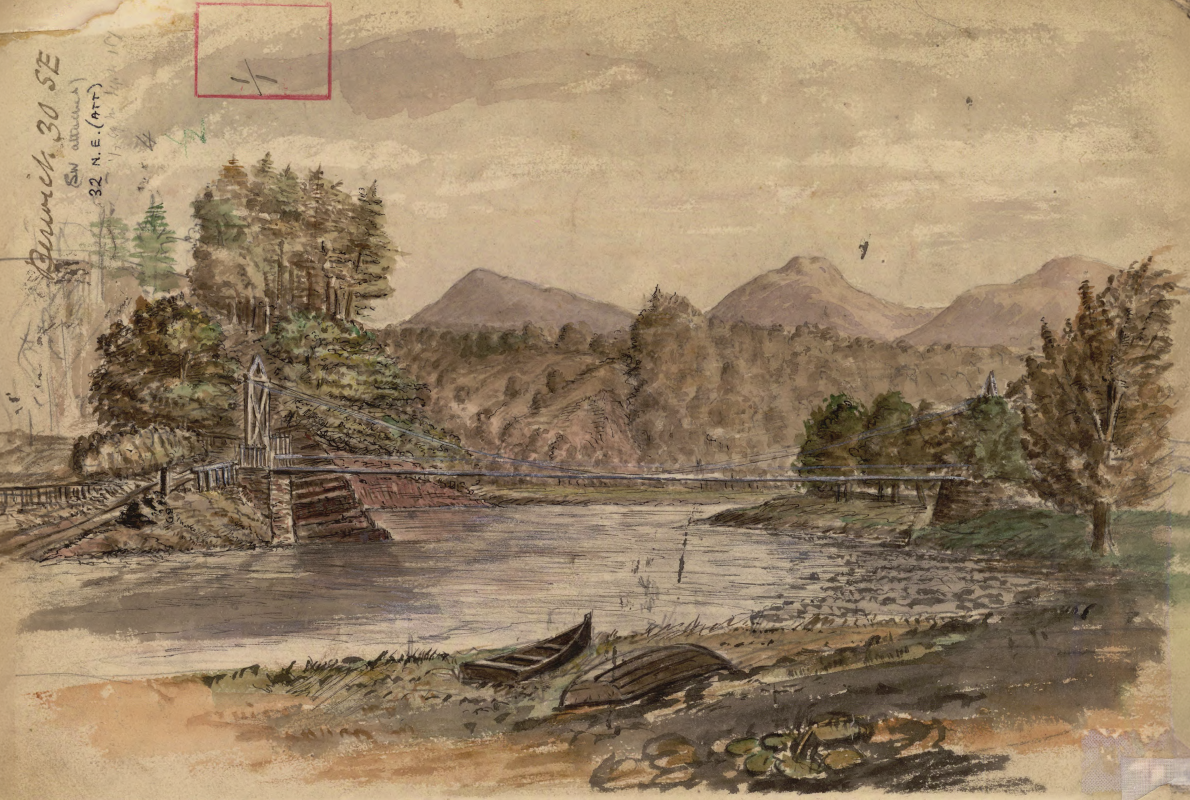
A 150-year-old painting of Dryburgh Suspension Bridge and the River Tweed offers an insight into the Scottish Borders landmark shortly after it was built in the 1870s.
Professor Alan MacDonald presented with Presidents’ Award at 2026 World Groundwater Congress
21/09/2026
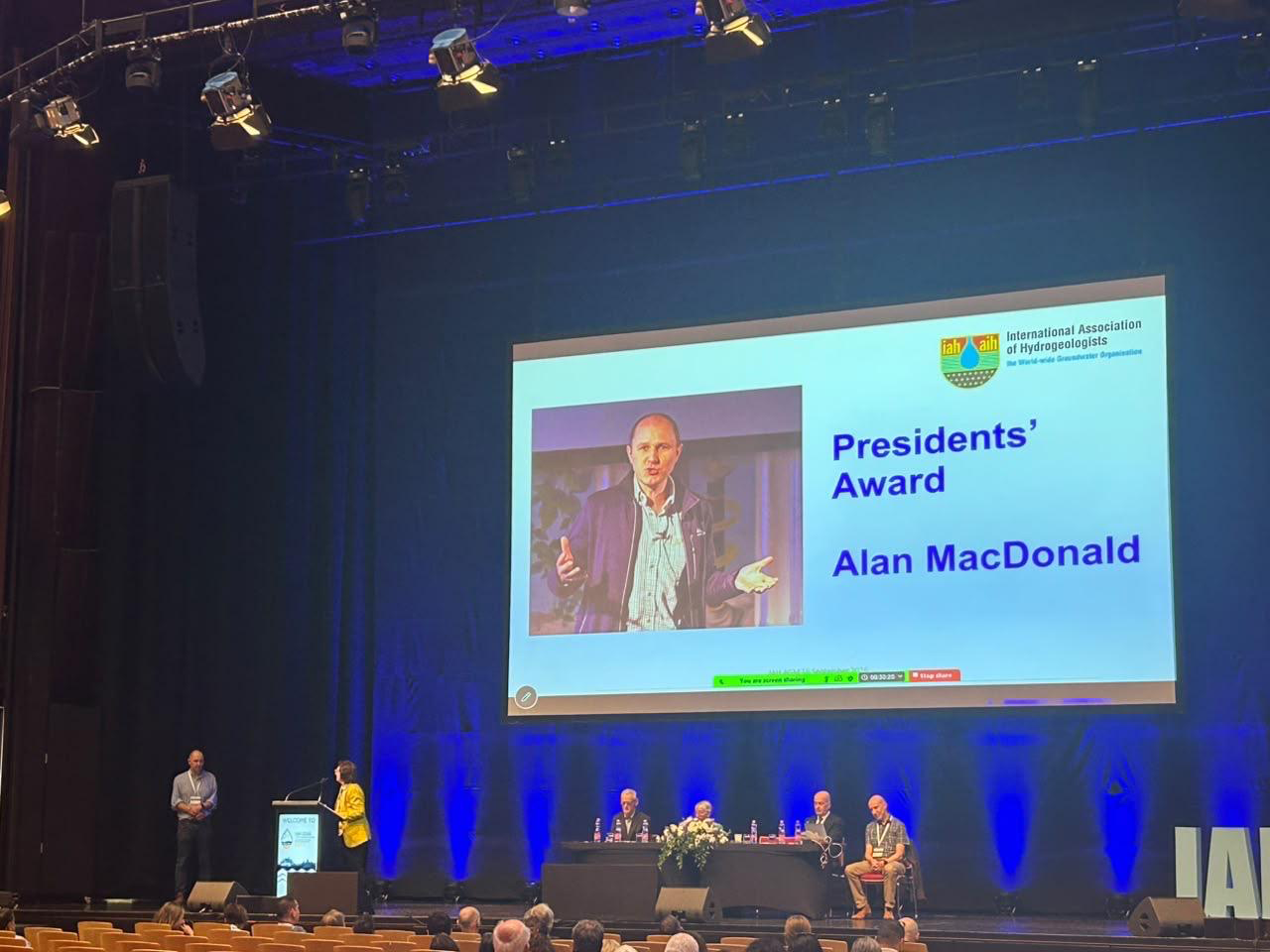
The BGS Head of Groundwater has been recognised with this prestigious award by the International Association of Hydrogeologists for his extensive contributions to groundwater science.
Mystery of one of the earliest recorded space weather impacts solved
17/09/2026
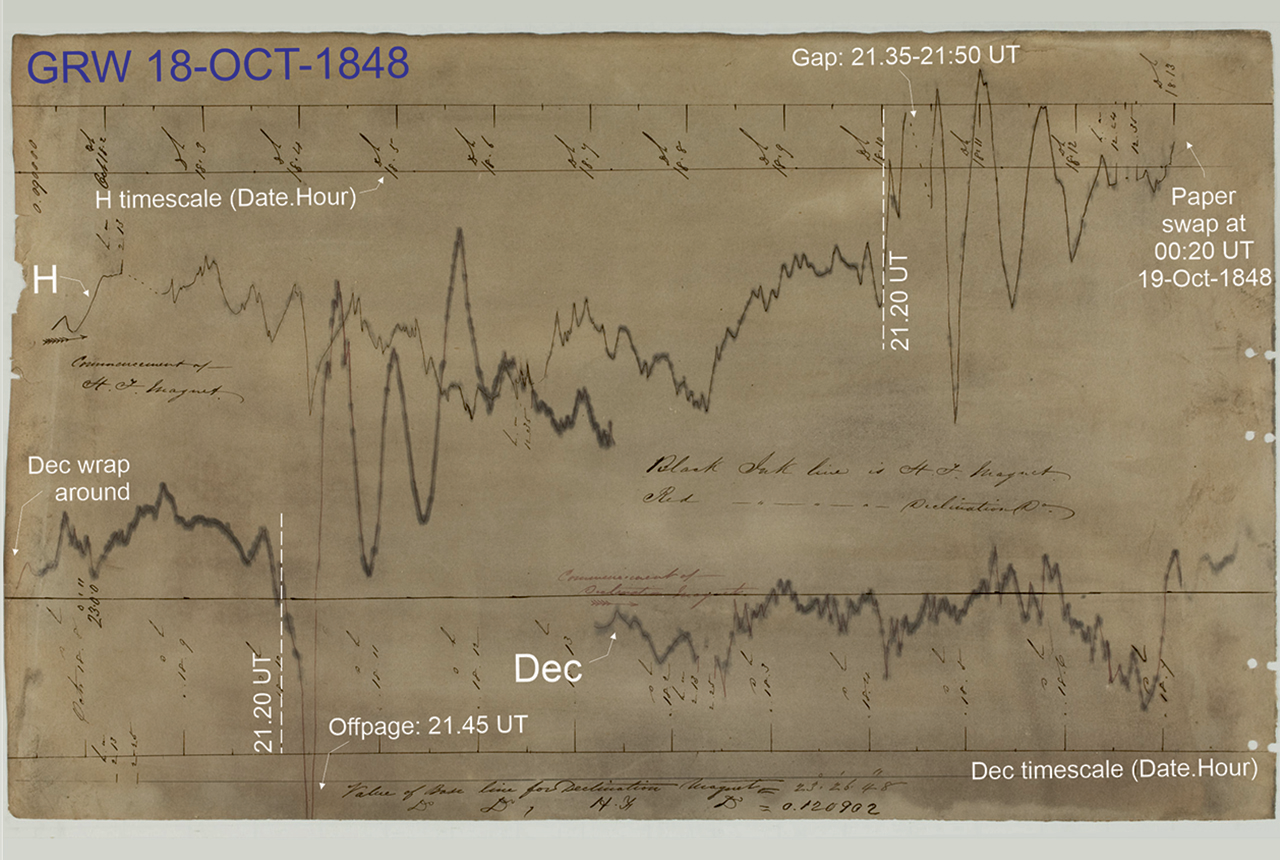
BGS scientists were part of an international team that has solved a 178-year-old mystery surrounding one of the earliest recorded examples of space weather affecting technology.
The Lyell Centre celebrates 10 years of world-leading earth and marine science research
07/09/2026
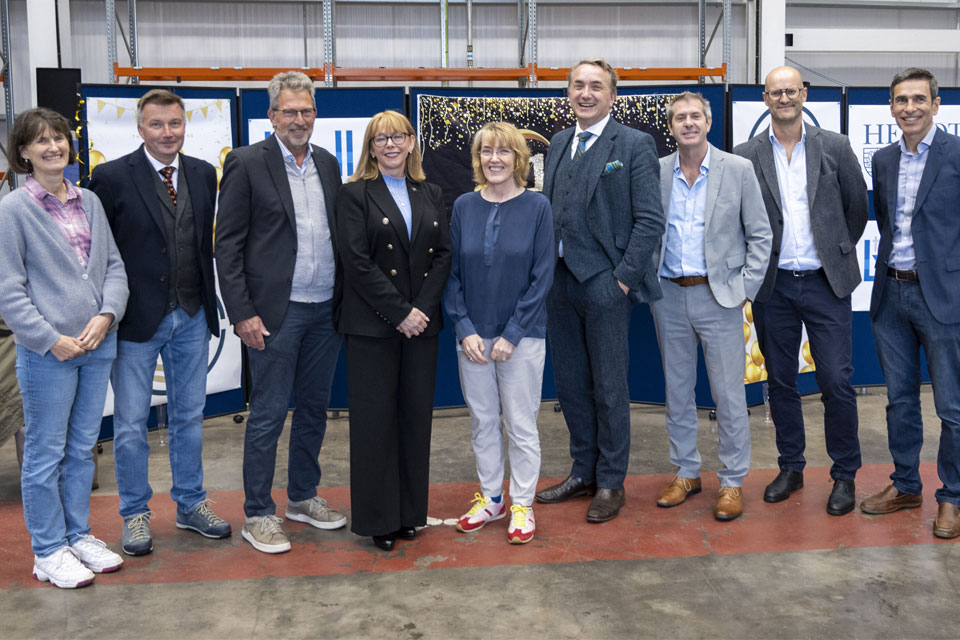
The Lyell Centre for Earth and Marine Sciences, a strategic partnership between Heriot-Watt University and BGS, is celebrating its 10th anniversary, marking a decade of world-leading research, innovation and collaboration in earth and marine sciences.

Demand for data centres presents challenges and opportunities for UK critical mineral supply chains
02/09/2026
Government-backed research finds that vulnerabilities in raw material supply chains must be addressed to secure the critical minerals needed to expand the UK’s digital infrastructure and boost economic growth.

What lies beneath Europe’s sinking ground?
01/09/2026
Land subsidence is becoming increasingly visible across Europe. New research examines how better monitoring, shared data and a deeper understanding of the subsurface can help assess and manage its impacts.
Secrets of an ancient supervolcano uncovered that change our understanding of England’s geological past
28/08/2026
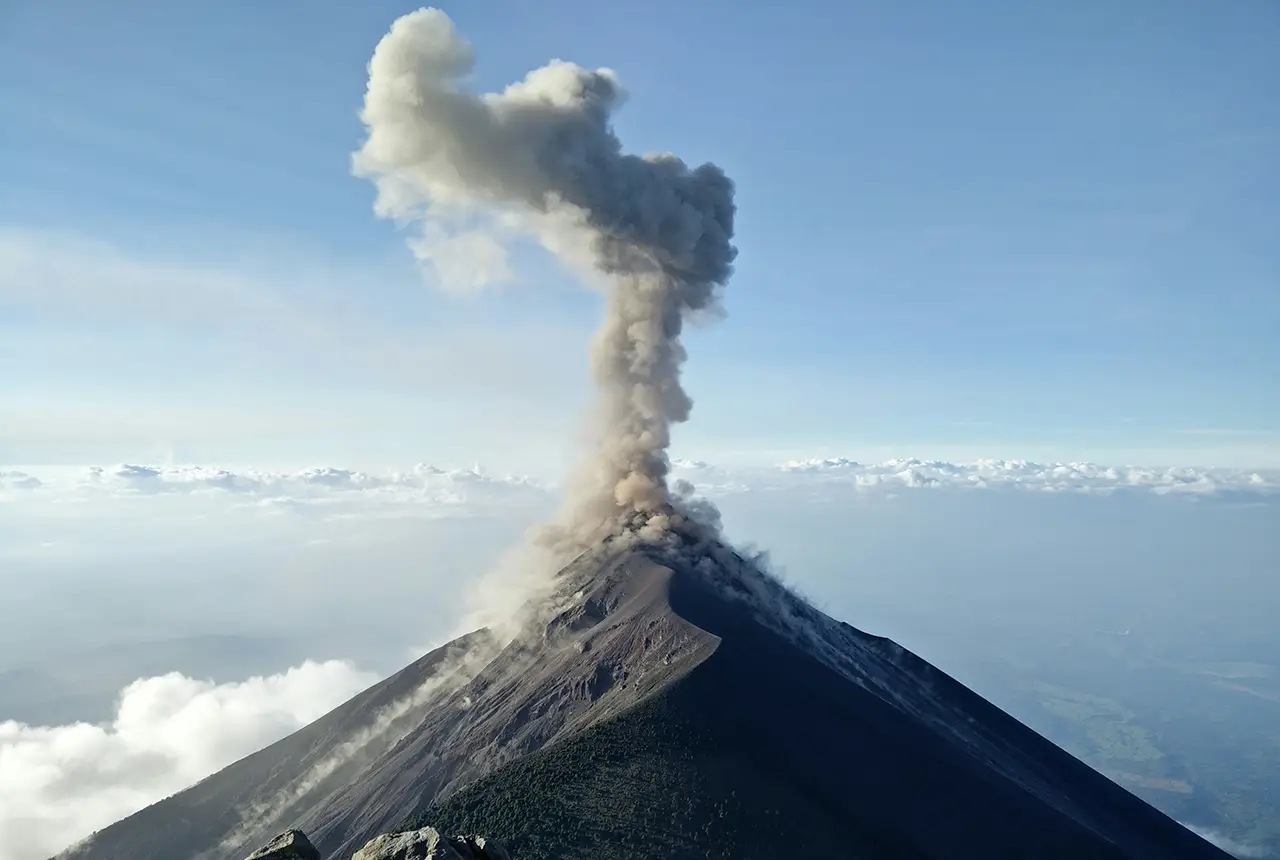
Scientists have found evidence of a long-hidden link between an ancient buried ash layer in Scandinavia and a concealed supervolcano in eastern England.
BGS research into drought-exposed soils wins award
26/08/2026
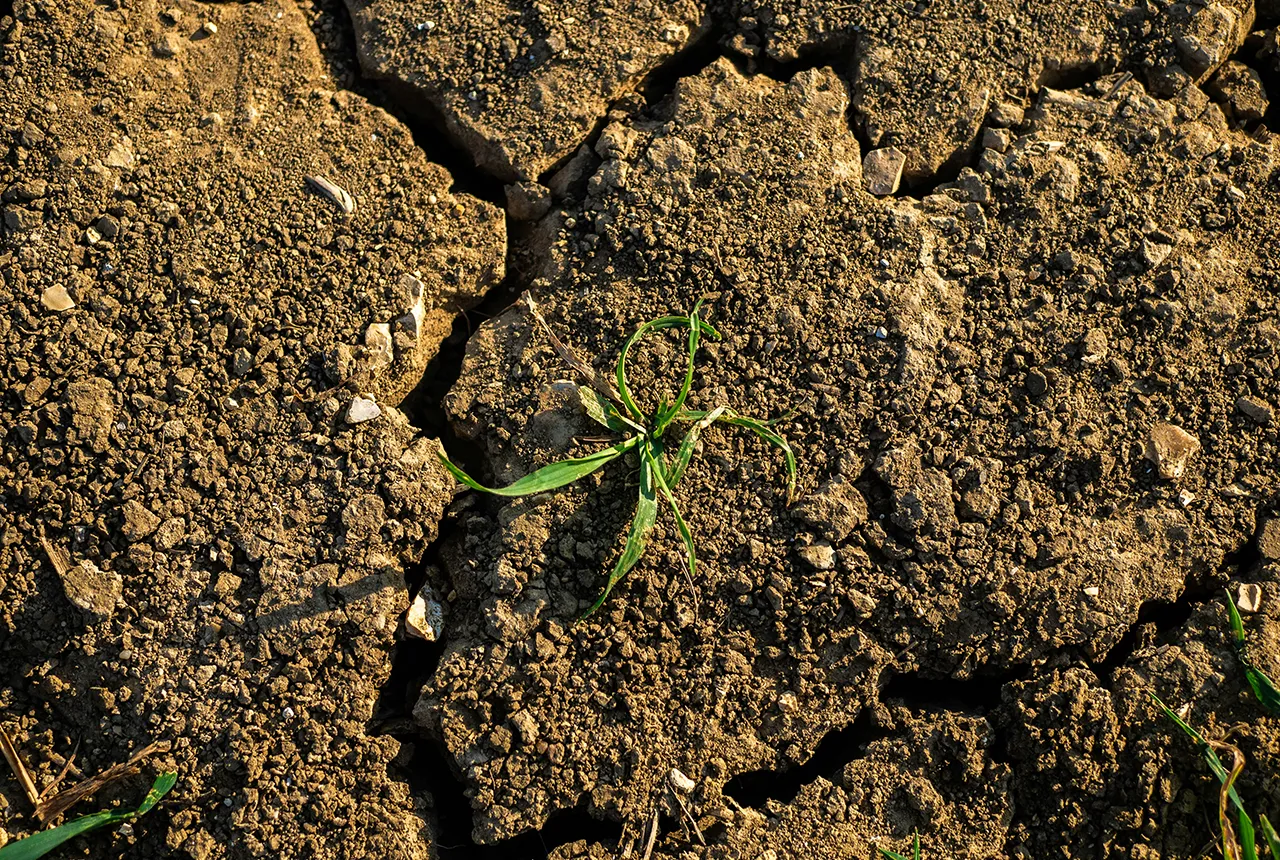
A research paper investigating how temperate soils respond to drought has been announced as the winner of the Land Best Paper Award.
UK aquifers robust despite driest July on record
16/08/2026
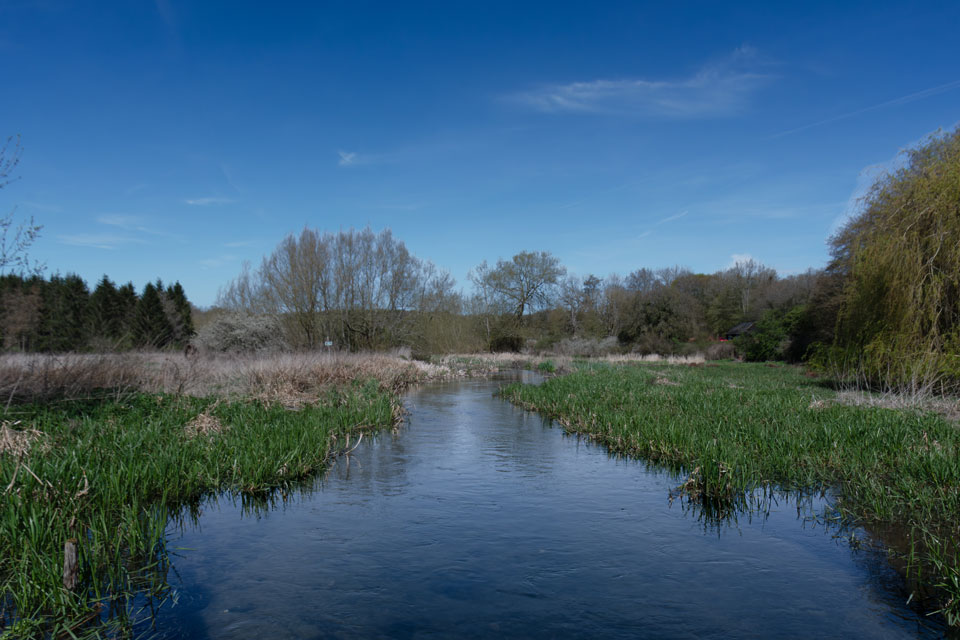
In a summer experiencing widespread drought, groundwater levels around the country are showing resilience, demonstrating their value as a crucial resource and indicating they could play a more significant role in mitigating the impacts of extreme weather.
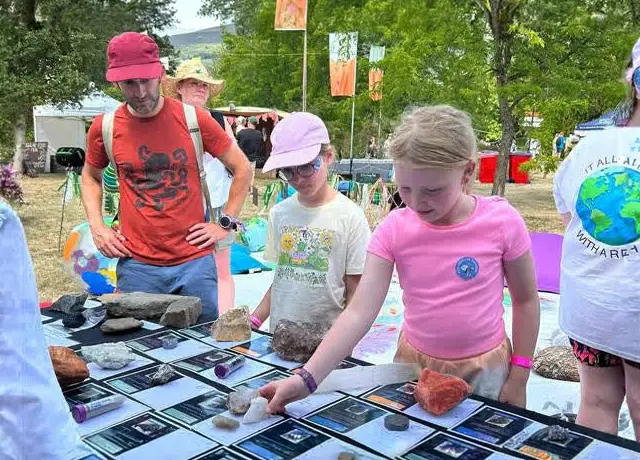
New NERC-funded project empowers young people to engage with environmental science
23/07/2026
BGS is part of a new, collaborative project, funded through NERC’s ‘Opening up the environment’ programme, helping the environmental research community become more accessible.
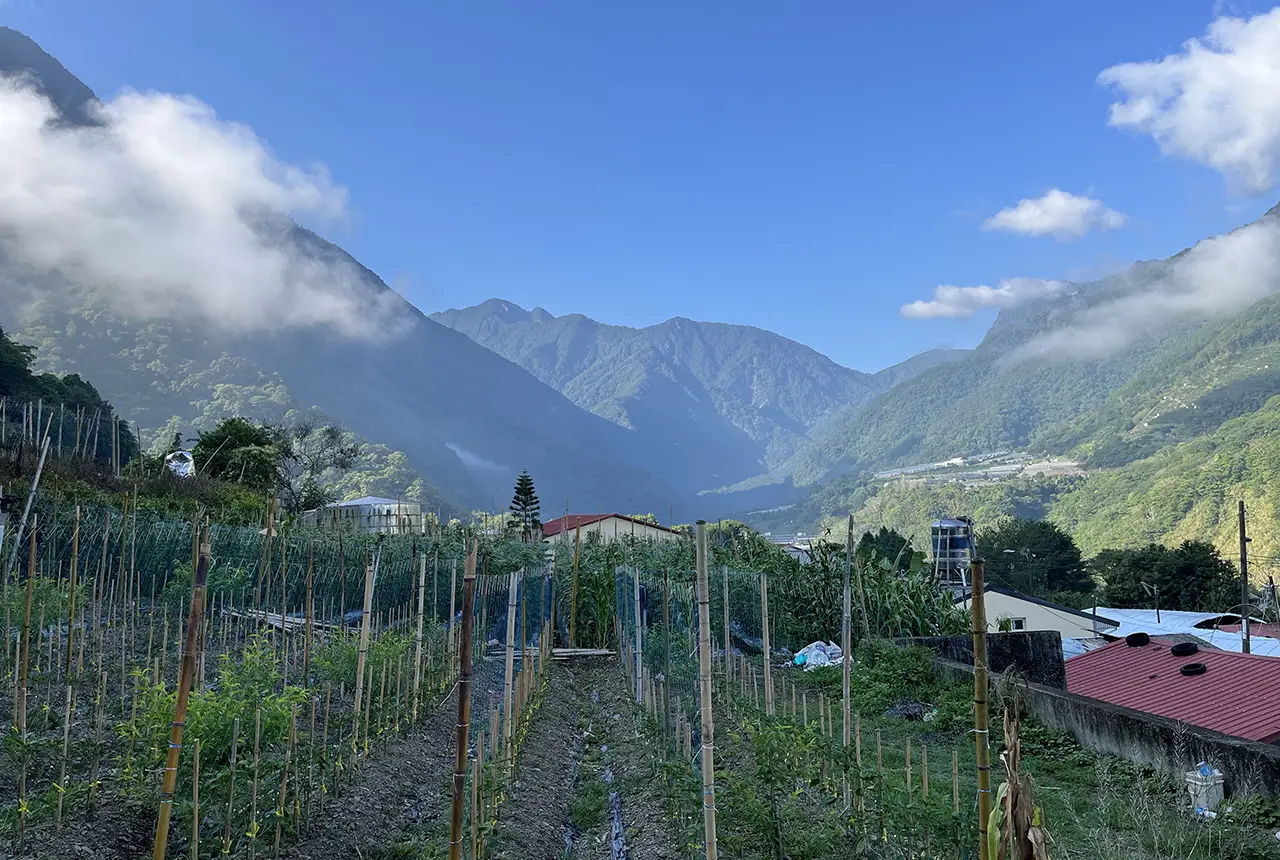
Delving deep into mountains for future water security
16/07/2026
A BGS-led project is using new water-tracing investigation methods, geophysics and modelling to understand how water moves from mountains to the lowlands, helping to improve water security for billions of people.
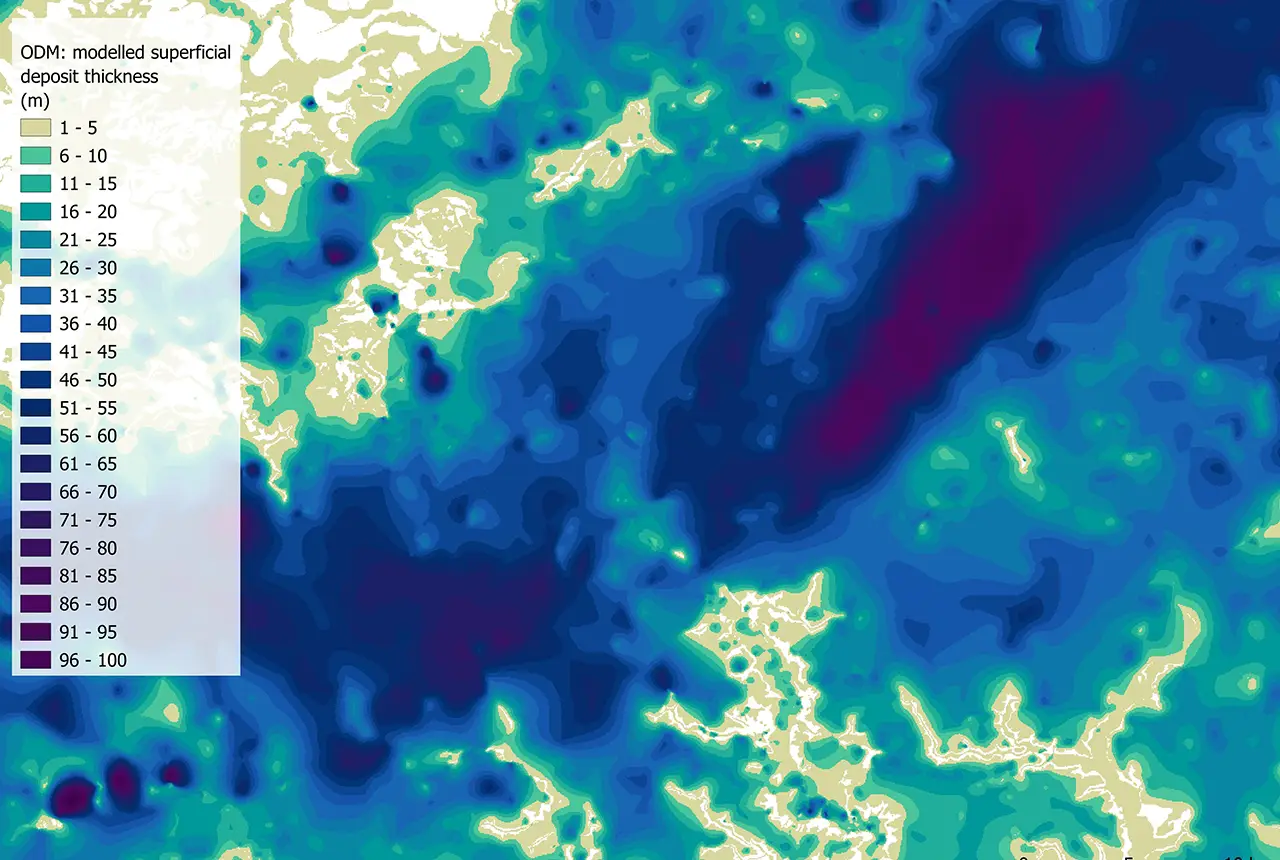
Updated national 3D model will determine the depth to the solid bedrock beneath our feet
13/07/2026
The BGS Superficial Deposit Thickness Model now includes an elevation model of geological rockhead for the first time, providing important data for civil engineers, geoscientists and environmental scientists.