

Lithium resources and their potential to support battery supply chains in Africa
A new BGS report reviews known resources of lithium and engagement in the battery supply chain across key African countries.
14/07/2021 By BGS Press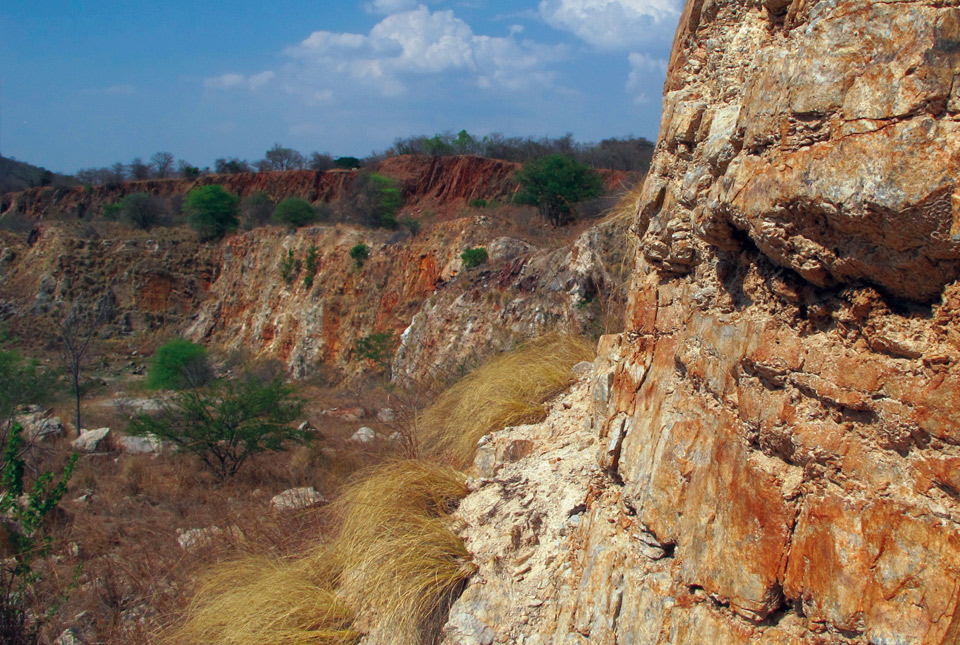

Decarbonisation of energy and transport, to meet global net zero ambitions, will require significantly increased amounts of the raw materials used to manufacture batteries and other green technologies. This report focuses specifically on lithium, one of the major battery raw materials, for which demand is expected to grow rapidly in the coming decades.
Lithium supply chains are complex and commonly global in their extent, with steps that include exploration, mining, processing, manufacturing, use and recycling. The continent of Africa has significant natural lithium resources, which may provide an opportunity for many African countries to contribute to meeting increased demand whilst also supporting economic growth. This report reviews known resources of lithium and engagement in the battery supply chain across key African countries.
Many African countries (most notably Zimbabwe, Namibia, Ghana, Democratic Republic of Congo and Mali) have lithium resources and the potential for lithium mines. However, there is much less engagement in critical stages further along the supply chain. Currently, Africa has very little capacity for lithium mineral processing, further refining of lithium chemicals, or manufacture of battery components. This leads to a typical situation where mineral concentrate is exported: value is added outside Africa and products using lithium-ion batteries are then imported. There is clear potential for Africa’s lithium resources to make an important economic contribution, but this should be placed in the context of the wider supply chain. In particular, the potential for regional cooperation on refining and production of lithium chemicals deserves further consideration.
There is currently limited data on the specific socio-economic and environmental impacts of lithium pegmatite mining. Development of new lithium mines across Africa will be most successful if good governance, human rights and minimising environmental impacts are all considered as priorities.
Related news
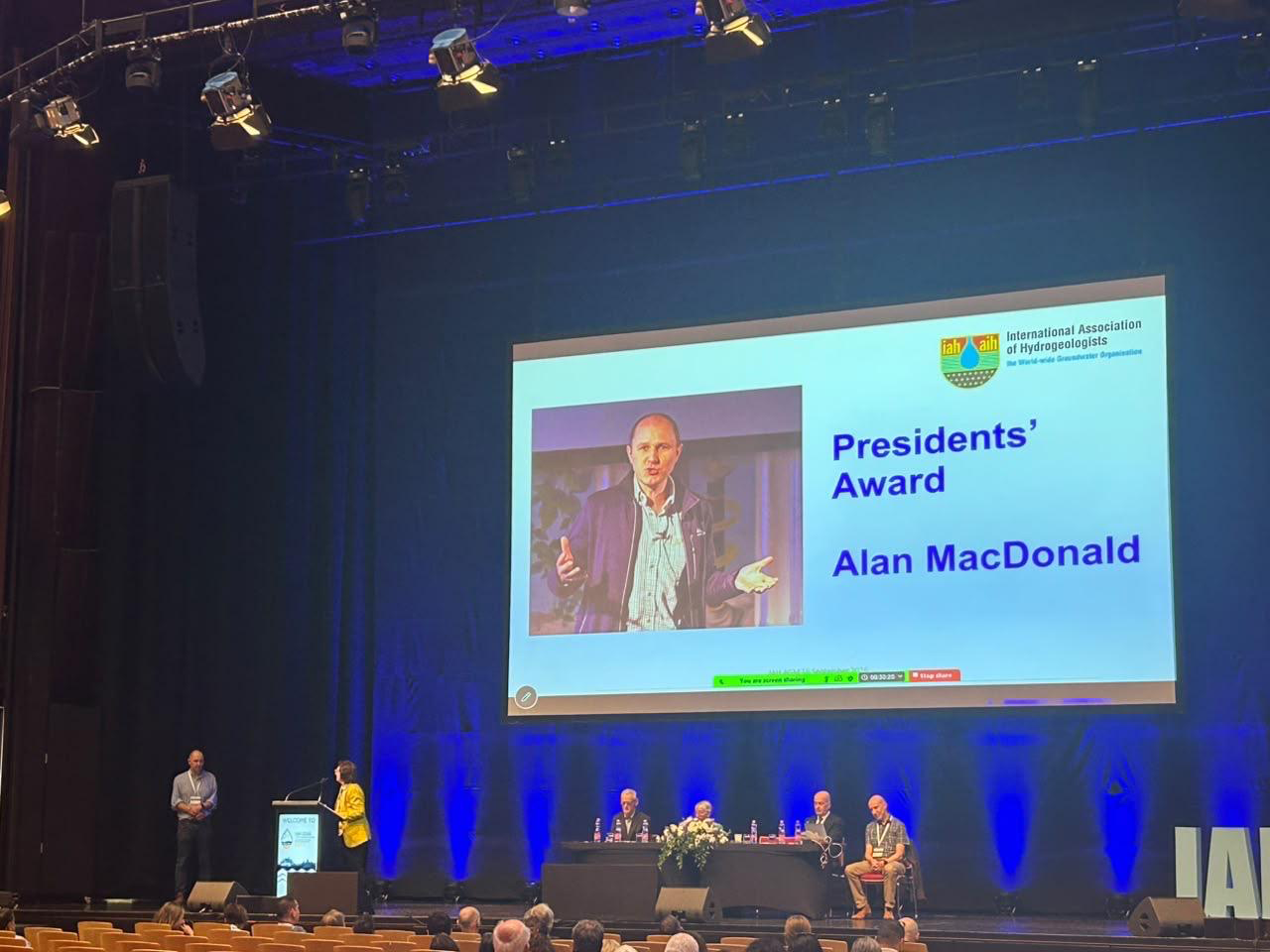
Professor Alan MacDonald presented with Presidents’ Award at 2026 World Groundwater Congress
21/09/2026
The BGS Head of Groundwater has been recognised with this prestigious award by the International Association of Hydrogeologists for his extensive contributions to groundwater science.
Mystery of one of the earliest recorded space weather impacts solved
17/09/2026
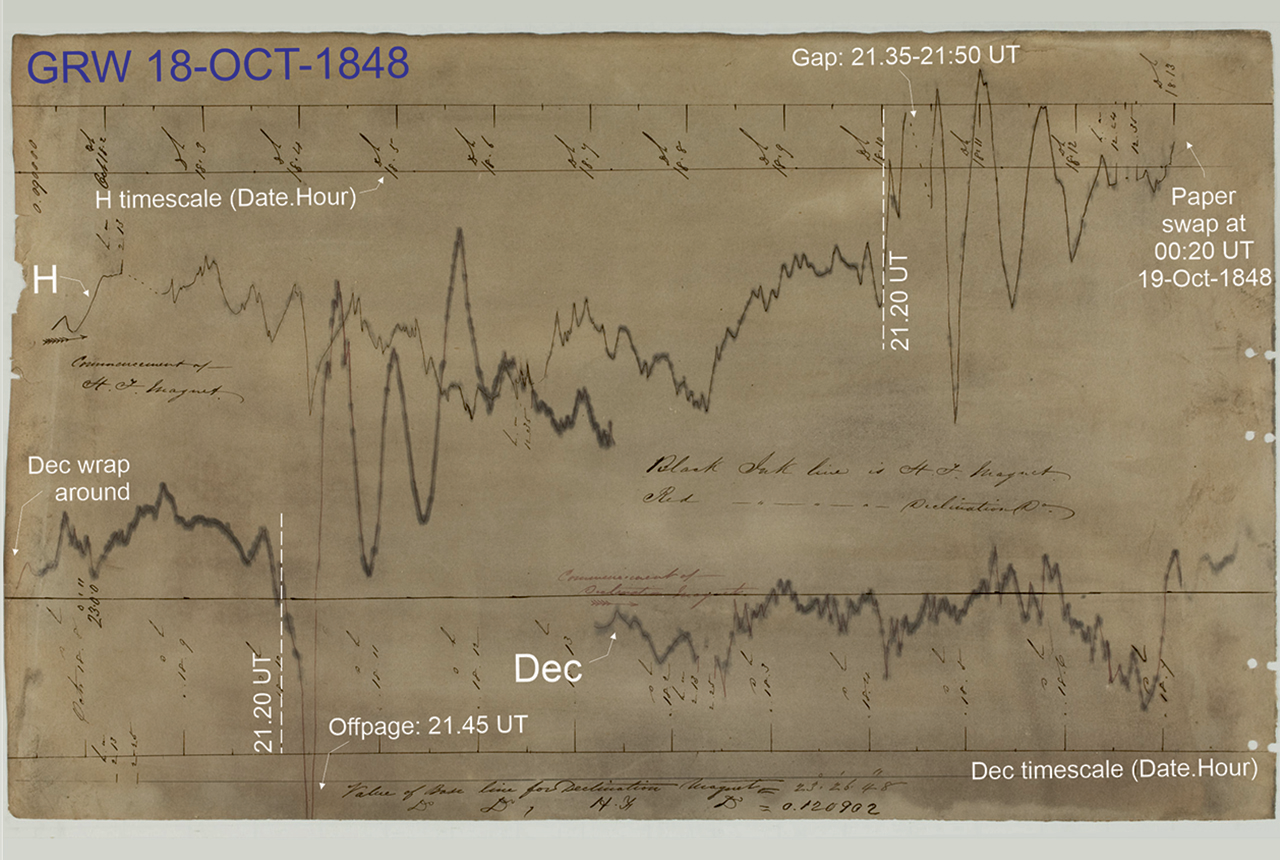
BGS scientists were part of an international team that has solved a 178-year-old mystery surrounding one of the earliest recorded examples of space weather affecting technology.
The Lyell Centre celebrates 10 years of world-leading earth and marine science research
07/09/2026
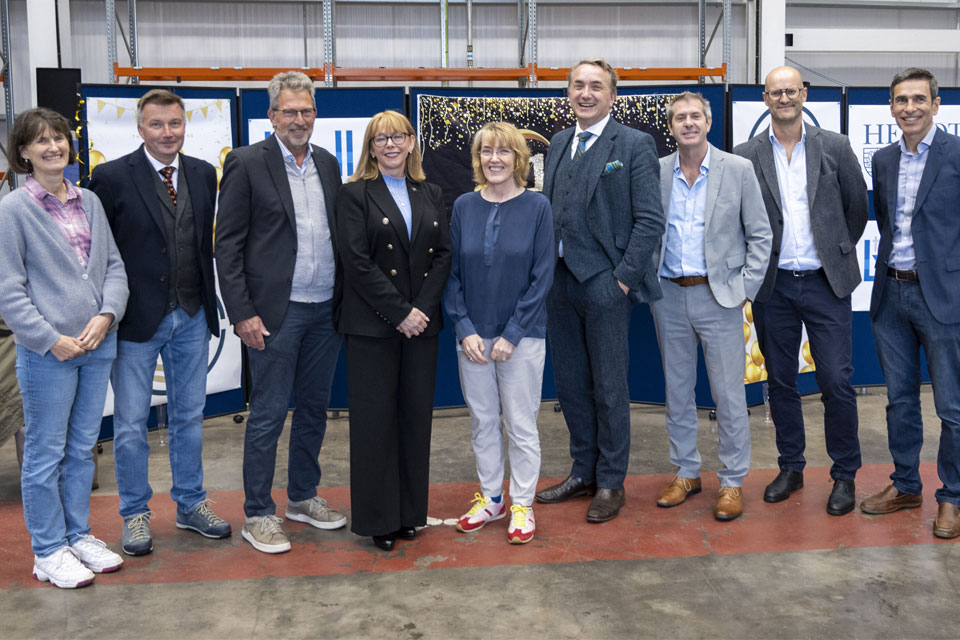
The Lyell Centre for Earth and Marine Sciences, a strategic partnership between Heriot-Watt University and BGS, is celebrating its 10th anniversary, marking a decade of world-leading research, innovation and collaboration in earth and marine sciences.

Demand for data centres presents challenges and opportunities for UK critical mineral supply chains
02/09/2026
Government-backed research finds that vulnerabilities in raw material supply chains must be addressed to secure the critical minerals needed to expand the UK’s digital infrastructure and boost economic growth.

What lies beneath Europe’s sinking ground?
01/09/2026
Land subsidence is becoming increasingly visible across Europe. New research examines how better monitoring, shared data and a deeper understanding of the subsurface can help assess and manage its impacts.

Measuring the environmental impacts of carbon fibre: life cycle assessment
01/09/2026
Undergraduate student Phoebe Brown visited BGS to understand the life cycle of carbon fibre, from primary production to recycling.

Secrets of an ancient supervolcano uncovered that change our understanding of England’s geological past
28/08/2026
Scientists have found evidence of a long-hidden link between an ancient buried ash layer in Scandinavia and a concealed supervolcano in eastern England.
MaxStoreUK hydrogen geological storage policy roundtable
Event on 08/10/2026
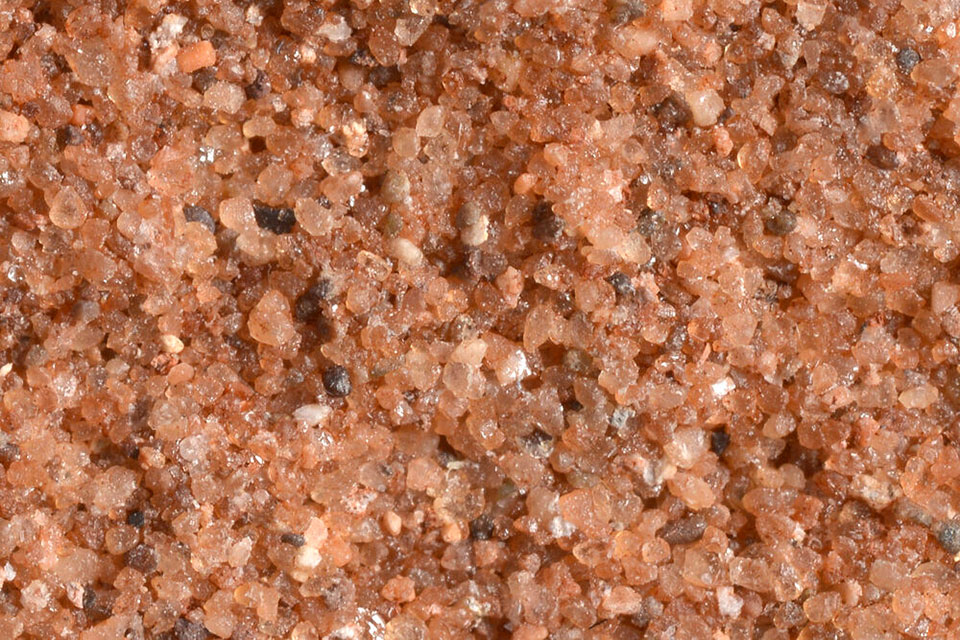
Storage operators, regulators, licensor and Government stakeholders are invited to join our roundtable discussion of hydrogen geological storage policy.
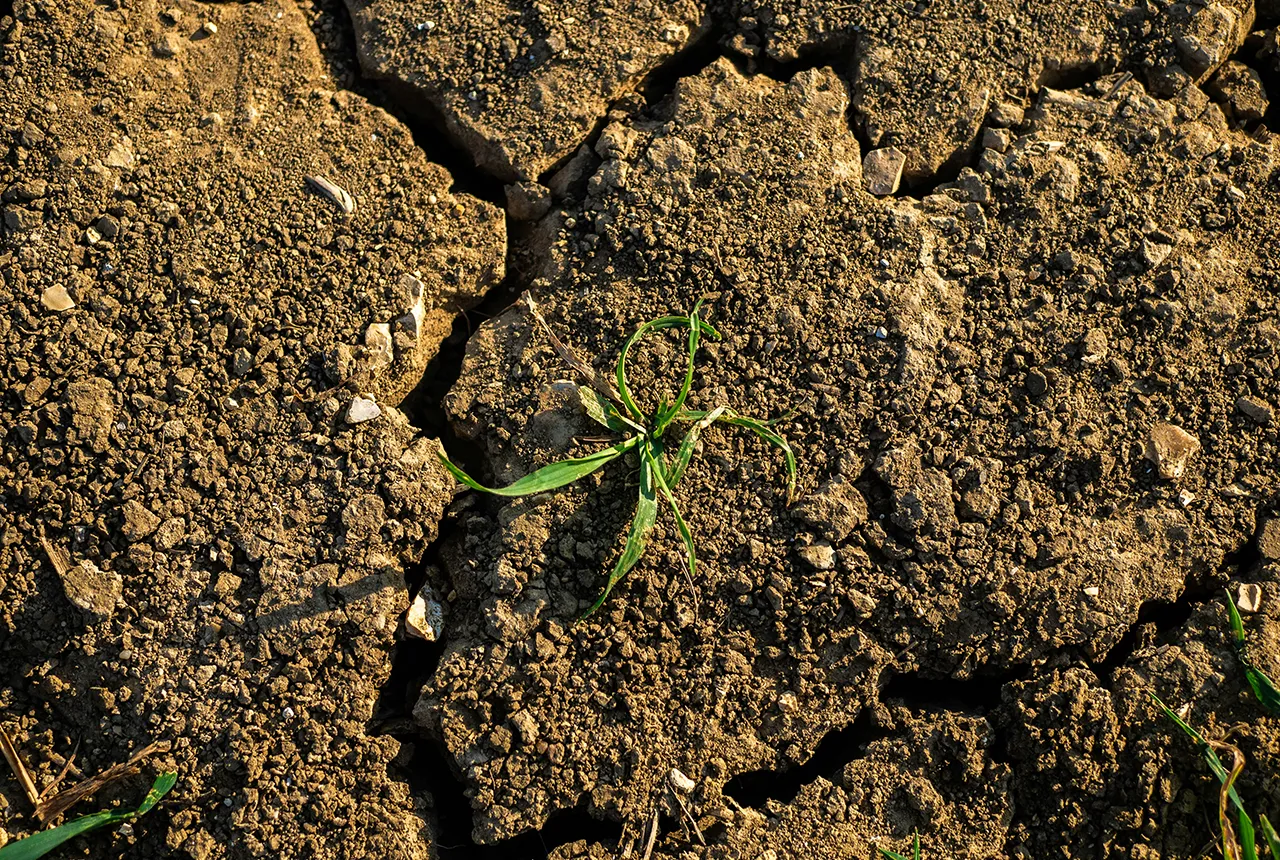
BGS research into drought-exposed soils wins award
26/08/2026
A research paper investigating how temperate soils respond to drought has been announced as the winner of the Land Best Paper Award.
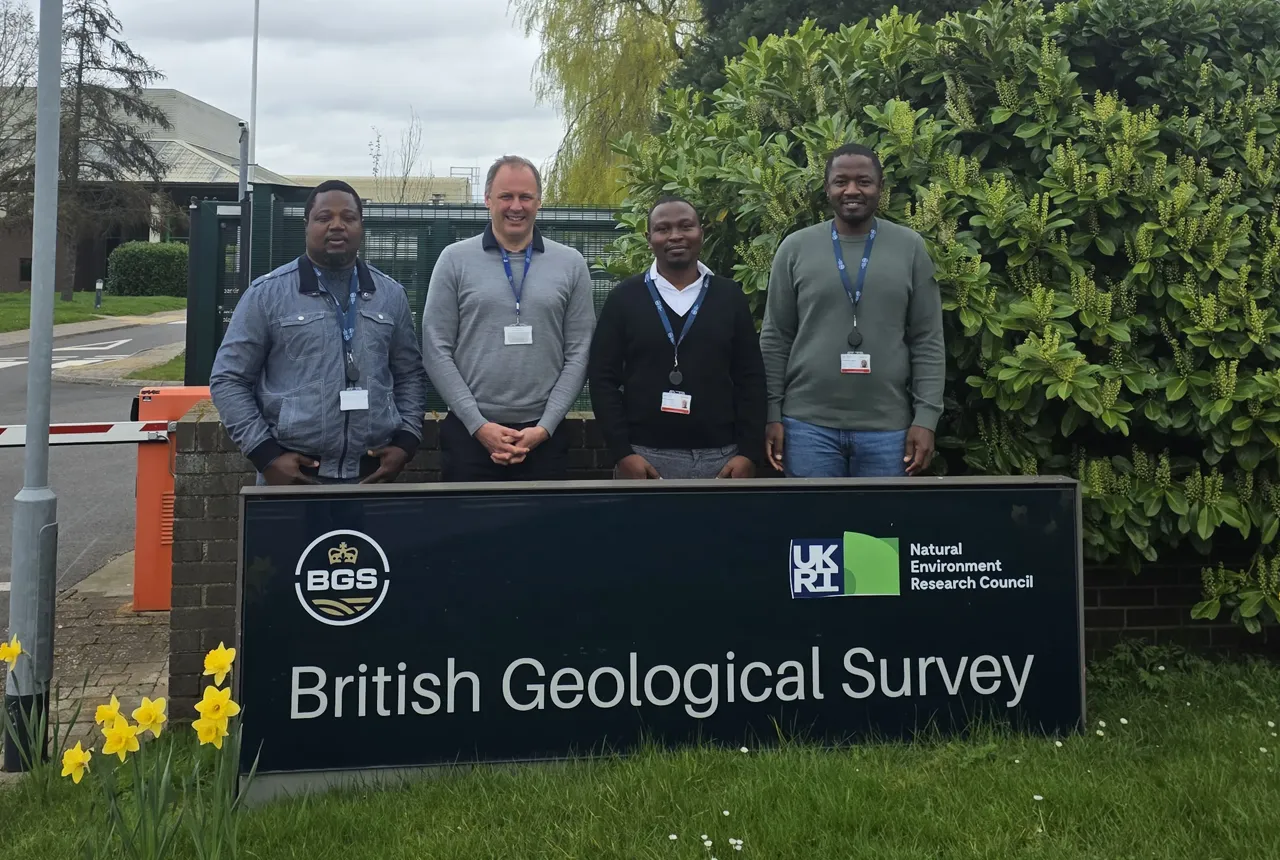
Experiences from our Commonwealth Fellowship at the British Geological Survey
24/08/2026
Scientific fellowships foster professional growth, international collaboration and exposure to world-class research environments. A group of visiting Commonwealth Fellowship researchers share their experience of being hosted at the BGS Inorganic Geochemistry Facility.
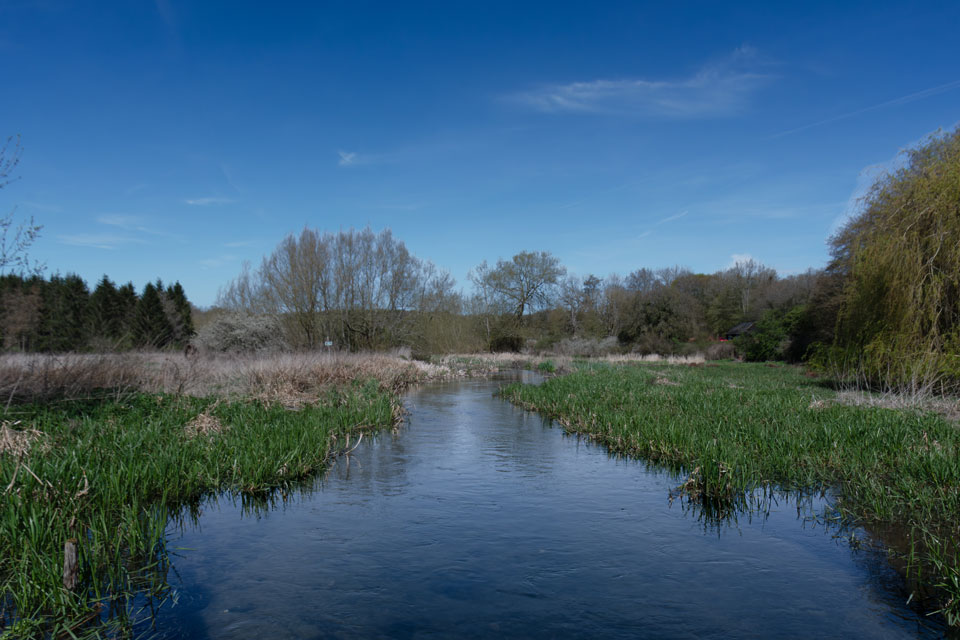
UK aquifers robust despite driest July on record
16/08/2026
In a summer experiencing widespread drought, groundwater levels around the country are showing resilience, demonstrating their value as a crucial resource and indicating they could play a more significant role in mitigating the impacts of extreme weather.
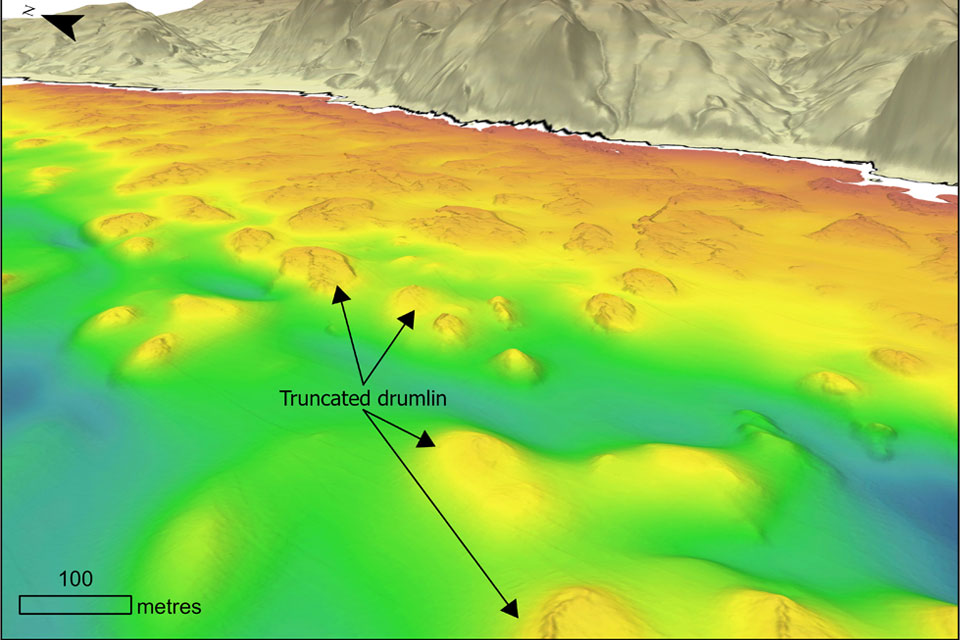
Coastal retreat in the past: the legacy of truncated drumlins
07/08/2026
The UK’s coasts have been responding to changing sea levels for thousands of years, but some of the best evidence of those changes now lies hidden beneath the waves.