

Core Store solar project supports BGS net zero targets
A large new solar panel array on the roof of the BGS Core Store is expected to result in a significant reduction in our carbon footprint.
02/07/2021 By BGS Press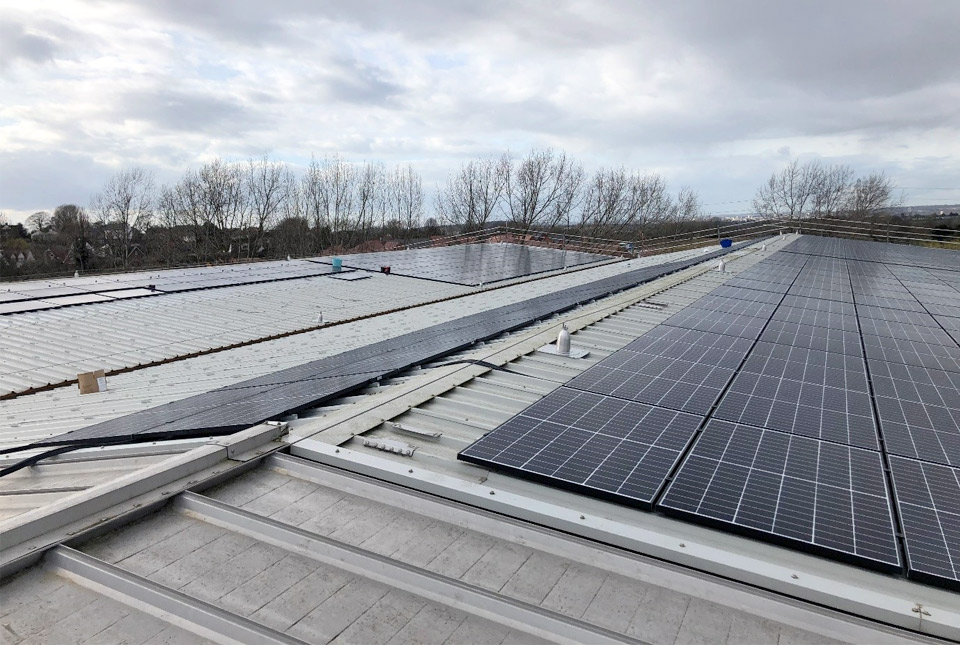

As a sector-leading organisation, the BGS Environmental Sustainability Strategy aims to achieve net zero carbon for our directly managed estates and research in line with the commitment made by our parent body, UKRI. By 2040, we will have substantially raised our standard for environmental sustainability and we will have fully embedded it in our science strategy and estate management. We also plan to work beyond compliance.
The research we undertake and how we support it has an impact on the environment. It is essential that we understand this impact so that we can minimise our footprint and and transition to a more sustainable organisation. The commitments within our strategy are embedded across three areas: our estate, working practices and business travel.
In order to meet the net zero targets highlighted in our strategy, we are reducing our demand on fossil fuels by installing the most environmentally friendly modern technologies on our sites. Carbon dioxide (CO2) levels are substantially higher now than at any time in the last 750 000 years. Burning fossil fuels releases CO2 and other harmful greenhouse gases, which then accumulate as an insulating ‘blanket’ around the Earth, trapping more of the Sun’s heat in our atmosphere.
Our latest renewable energy project entailed the installation of a large solar panel array on one of our largest roof spaces at the Keyworth site, the National Geological Repository (Core Store). An incredible 1751 photovoltaic array covers a massive 3100 m2 area of our Core Store Facility’s roof. This array will result in 589 165 kWh of electricity being generated per year — the total yearly energy consumption of around 160 UK homes — and will save an estimated 305 776 kg of carbon each year.
By installing solar panels, the BGS Keyworth estates team has utilised a system that could be installed relatively quickly and would make a key difference on our estate. Generating our own electricity via solar energy means we will be emitting less CO2 into the atmosphere, reducing our carbon footprint and increasing our sustainability credentials.
We look forward to sharing futher renewable energy initiatives at BGS in the near future.
Relative topics
Related news
New NERC-funded project empowers young people to engage with environmental science
23/07/2026
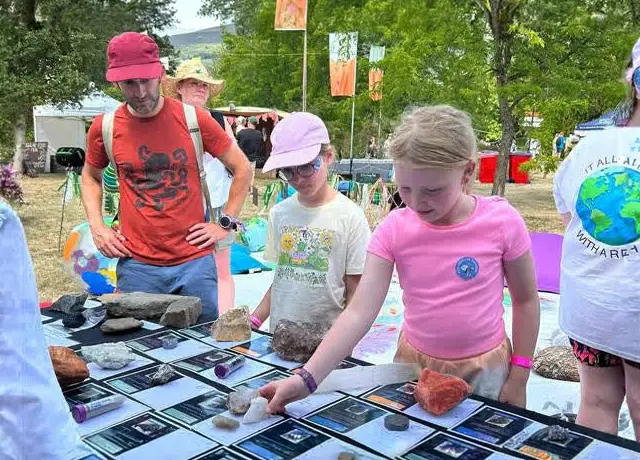
BGS is part of a new, collaborative project, funded through NERC’s ‘Opening up the environment’ programme, helping the environmental research community become more accessible.
Delving deep into mountains for future water security
16/07/2026
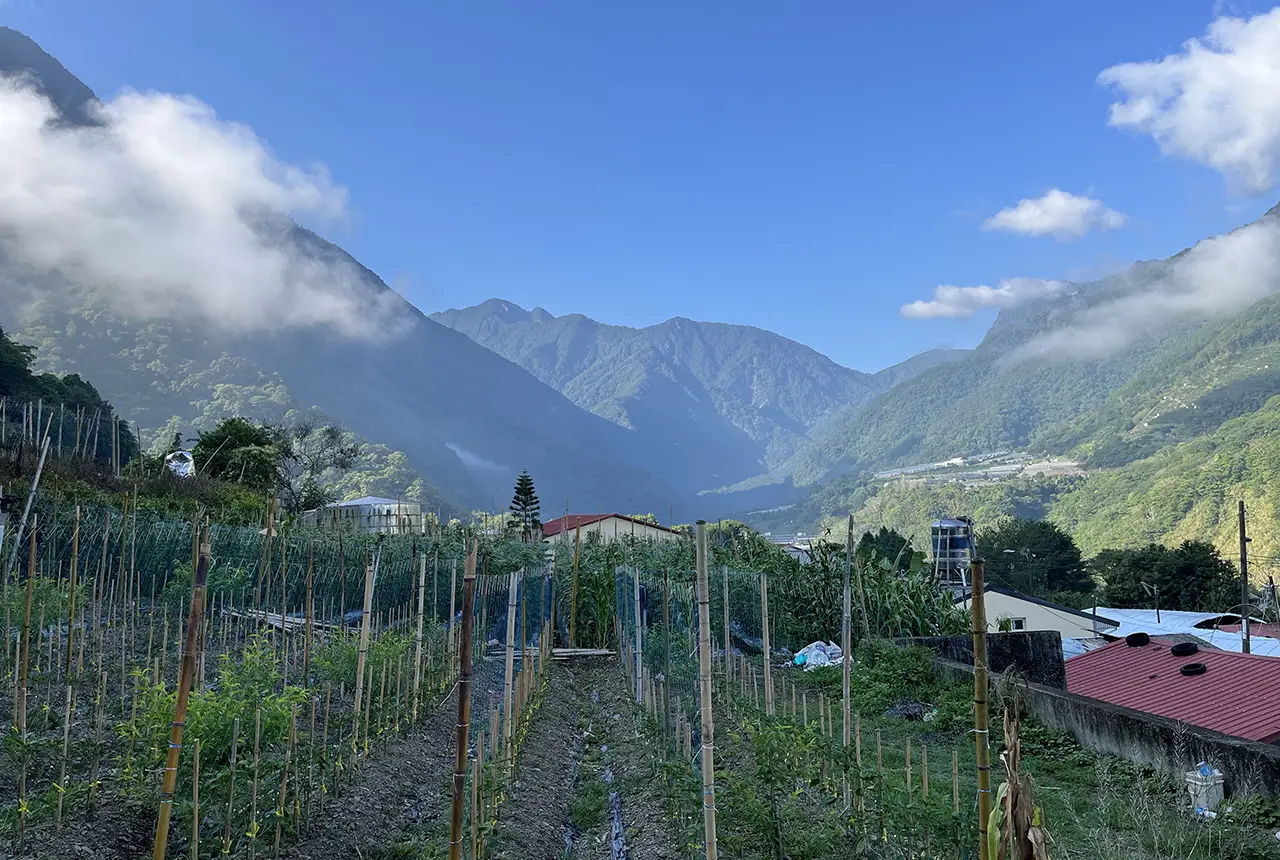
A BGS-led project is using new water-tracing investigation methods, geophysics and modelling to understand how water moves from mountains to the lowlands, helping to improve water security for billions of people.
Updated national 3D model will determine the depth to the solid bedrock beneath our feet
13/07/2026
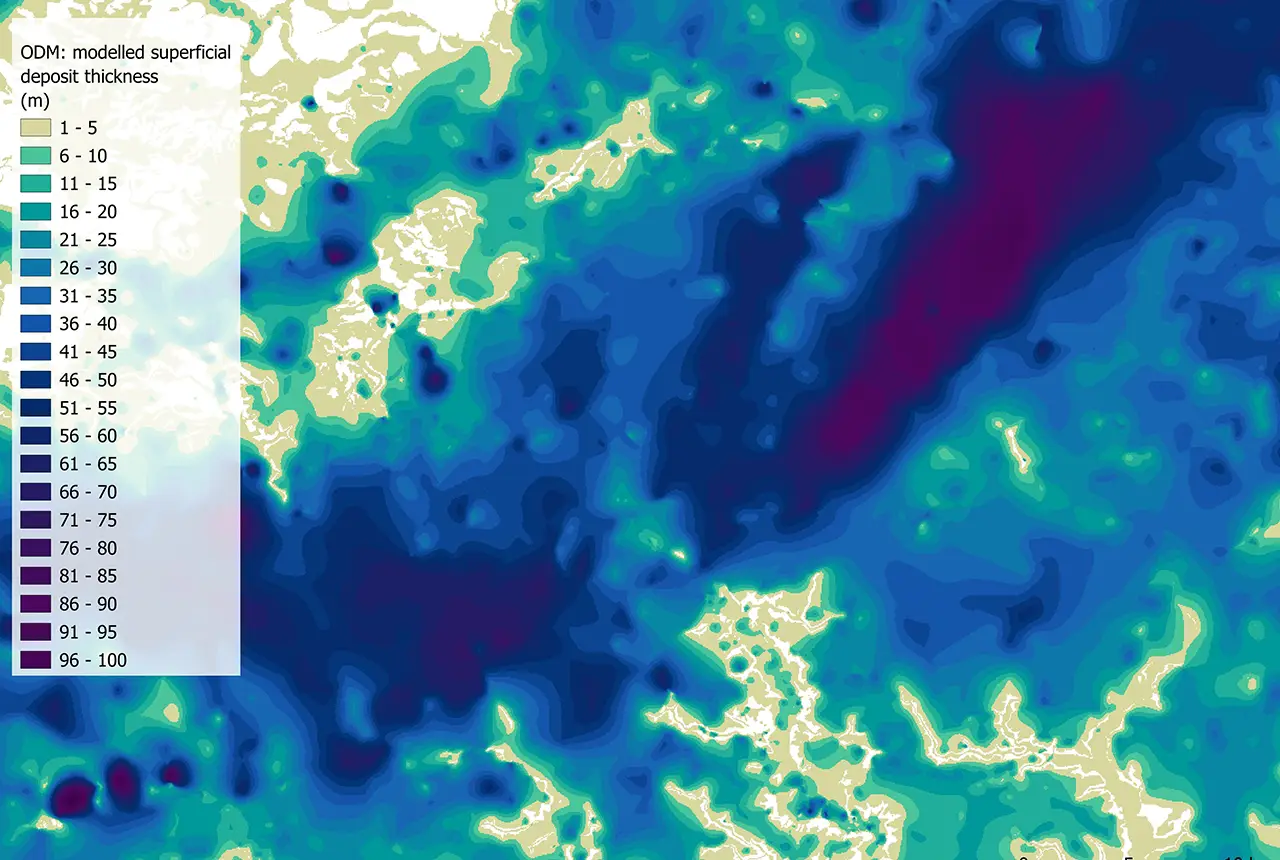
The BGS Superficial Deposit Thickness Model now includes an elevation model of geological rockhead for the first time, providing important data for civil engineers, geoscientists and environmental scientists.
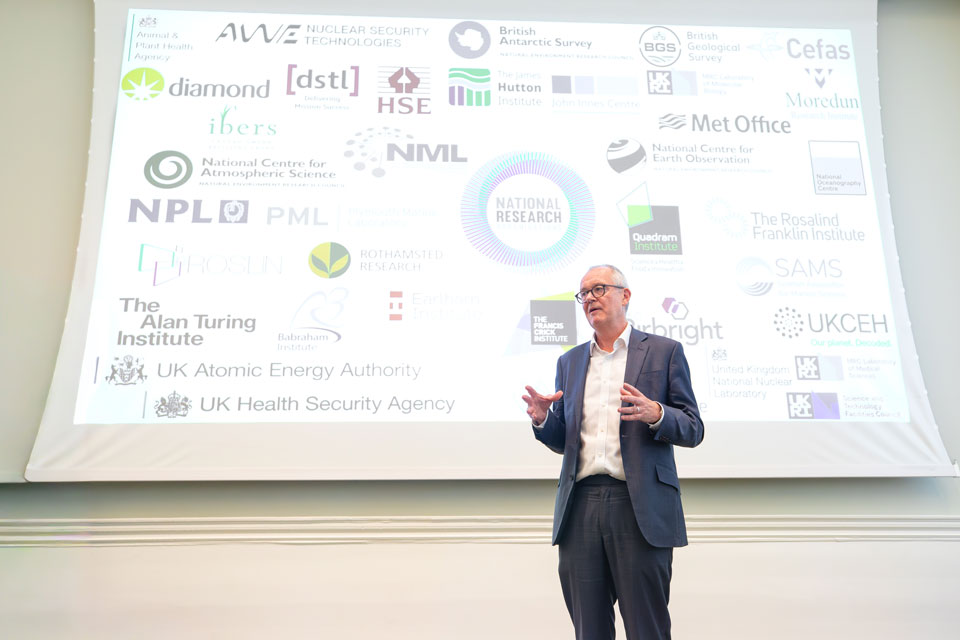
UK’s world-class research organisations launch new collective
10/07/2026
The launch of the National Research Organisations Group brings together more than 100 science leaders to provide an authorativive voice on science, research policy and long-term investment.
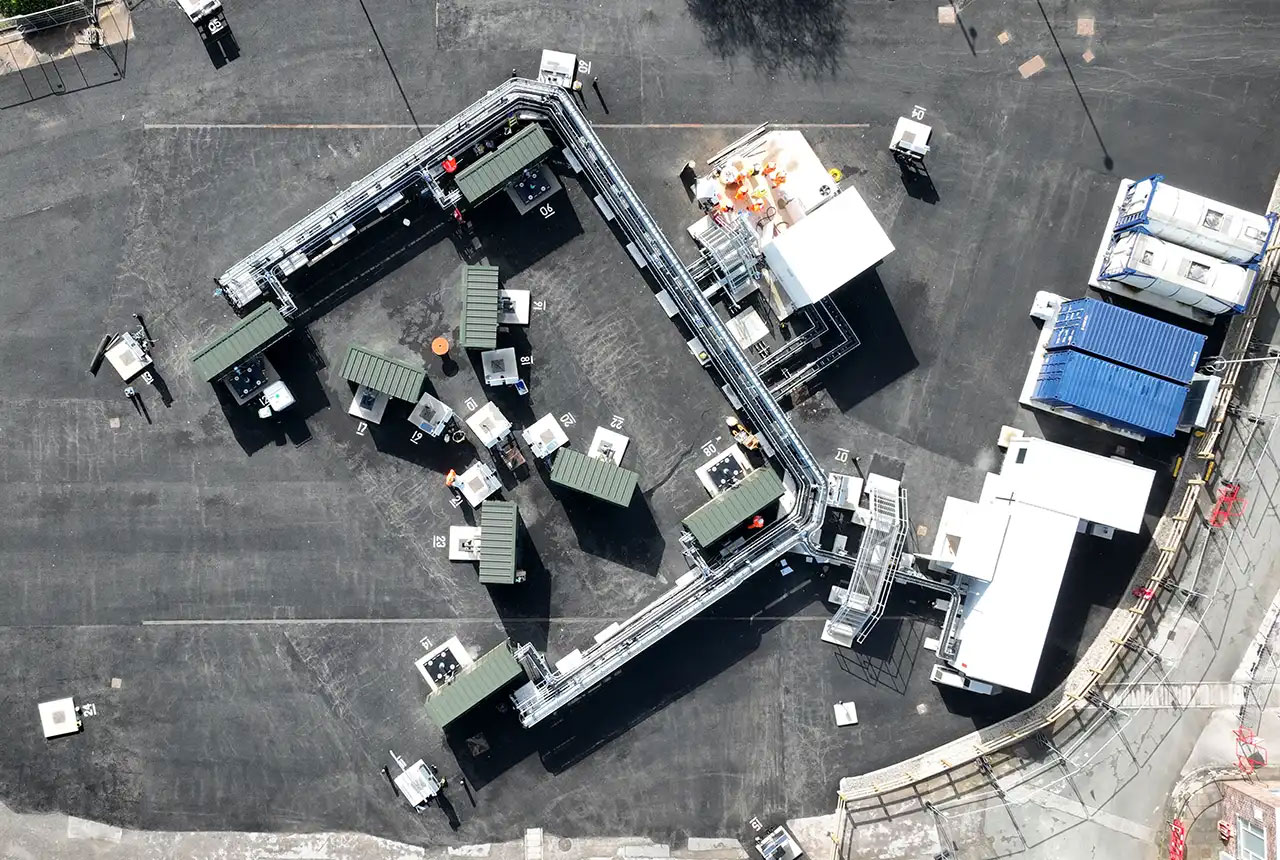
Cheshire Geoenergy Observatory releases key geological datasets for UK thermal energy storage scheme design
09/07/2026
A new report and data packs from BGS will provide a unique resource for scientists working on the geology and hydrogeology of the Sherwood Sandstone Formation, an important aquifer and reservoir rock.

New geological mapping underway to help manage flooding along the River Tweed
08/07/2026
Scientists are surveying the Tweed catchment for the first time in over 100 years to enhance understanding of localised groundwater and improve flood forecasting.

Geological research in North Sea helping to safeguard subsea cables
06/07/2026
Subsea power and telecommunications cables are critical to the UK’s energy infrastructure and global connectivity, yet they remain vulnerable to damage from ship anchors, fishing activity and natural hazards.
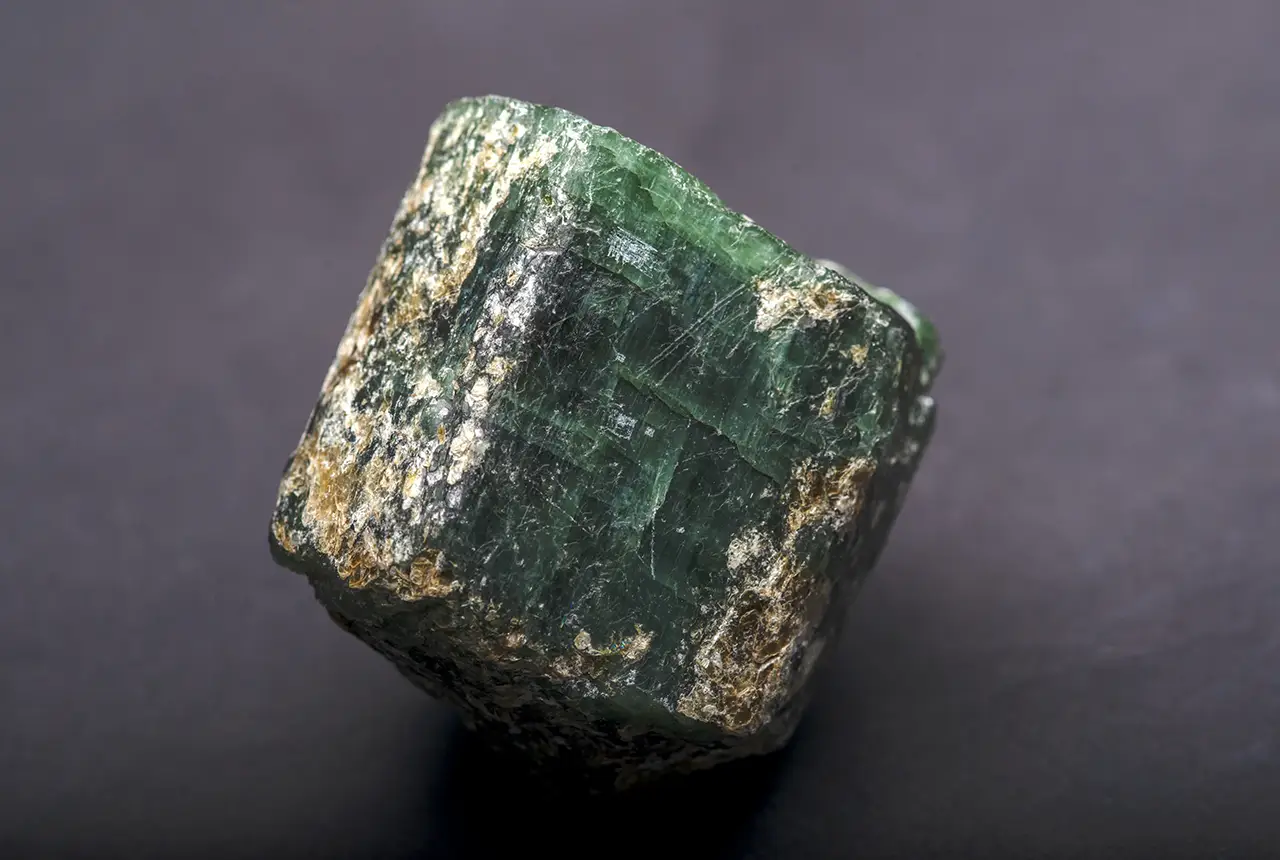
UK Critical Minerals Intelligence Centre makes recommendations for the next UK criticality assessment
01/07/2026
CMIC has outlined the enhancements made to the next assessment update to ensure it is better tailored to the structure of the UK economy.
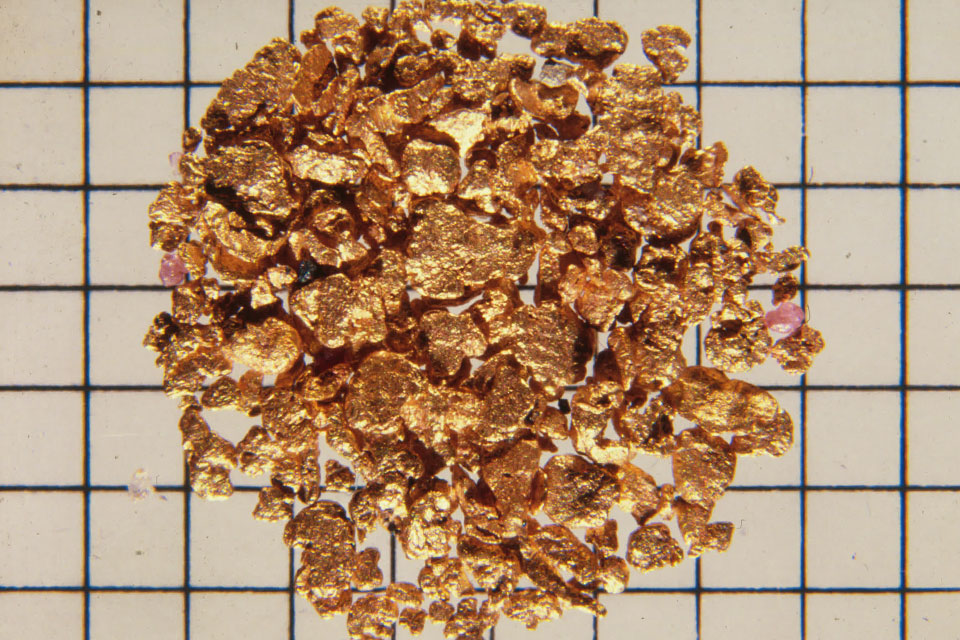
From archive to discovery: historical mineral reports support gold exploration in Scotland
25/06/2026
Digitised geological records show potential to unlock untapped mineral resources in Ardlochan, Argyllshire.
UK and Philippines scientists investigate natural hydrogen generation processes at atomic scale
22/06/2026
BGS researchers were granted access to use the Diamond Light Source facility in order to study hydrogen in light brighter than the sun.
Shortage of end-of-life materials presents challenge to UK critical minerals security
17/06/2026
A new report by the UK Critical Minerals Intelligence Centre reveals insufficient end-of-life material stocks present a supply risk over the coming decade, but offer significant long-term potential to meet critical mineral demand through recycling.
UK geothermal catalogue receives update
16/06/2026
BGS releases the second digital version of the UK geothermal catalogue of subsurface temperature and rock thermal conductivity measurements and heat flow calculations.