

Improving bioaccessibility testing for contaminated soils
BGS has been trialling a novel bioaccessibility tracing technique to ascertain if it offers more analytical precision over traditional methods of detecting chemicals in contaminated soils.
15/10/2026 By BGS Press

Soils are a key part of everyday life. We are constantly exposed to small amounts of soil or soil-derived dust from the land around us, including the built environment, agricultural land and recreational areas such as playgrounds and playing fields. Soils that have been affected by pollution from sources such as vehicle emissions, industry or other human activities may contain harmful substances. Understanding how these contaminants can affect people is an important step in assessing and managing potential health risks.
When assessing contaminated soils for potential human health risks, laboratories often determine the total concentration of potentially toxic elements such as lead, arsenic and cadmium. However, the total concentration alone does not indicate how much of these contaminants can dissolve within the human digestive system and therefore become available for absorption.
This is when bioaccessibility testing becomes important. Bioaccessibility measures the fraction of a contaminant that can dissolve in the gastrointestinal tract, providing a more realistic estimate of human exposure than considering the total concentration of elements in the soil alone. As a result, it has become a key tool in contaminated land risk assessment.
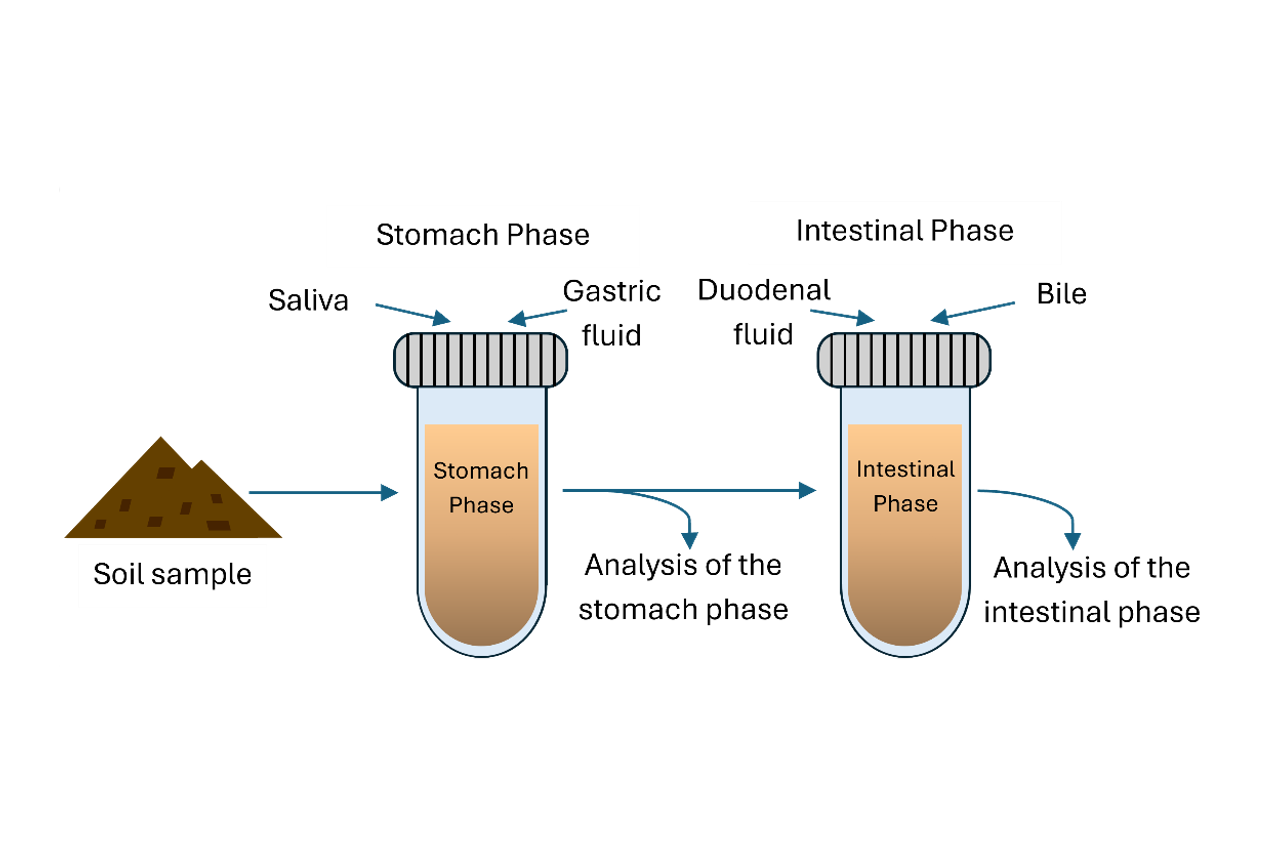
Figure 1 The unified BARGE method. David King, BGS © UKRI 2026.
One of the most widely used laboratory methods is the unified BARGE (Bioaccessibility Research Group of Europe) method or UBM (Figure 1), which simulates digestion using synthetic saliva and gastric and intestinal fluids. The concentration of metals released into these fluids is measured to estimate the fraction that could become available for absorption following accidental soil ingestion.
Traditionally, UBM extractions use a heated water bath to maintain samples at body temperature. Although effective, water baths require regular filling and cleaning, occupy valuable laboratory space and can limit the number of samples we can test at one time. This project investigated whether a heated rotor, which uses a heated air chamber rather than a water bath, could provide a more practical alternative.
Tests carried out with the heated rotor produced comparable analytical precision for the majority of the nine elements studied. Statistical analysis showed no significant difference in variance for most elements, although chromium and antimony demonstrated improved precision using the heated rotor, while cobalt and lead (Figure 2) showed increased variability. Mean bioaccessibility values agreed well for several elements, including arsenic (Figure 3), cadmium and nickel, with differences generally below 20 per cent. In contrast, lead and zinc showed the largest differences, with gastrointestinal bioaccessibility differing by 52 per cent and 194 per cent, respectively. These differences are consistent with the known difficulties of lead and zinc, as their solubility is strongly influenced by pH, precipitation reactions and complexation with components of the synthetic digestive fluids.
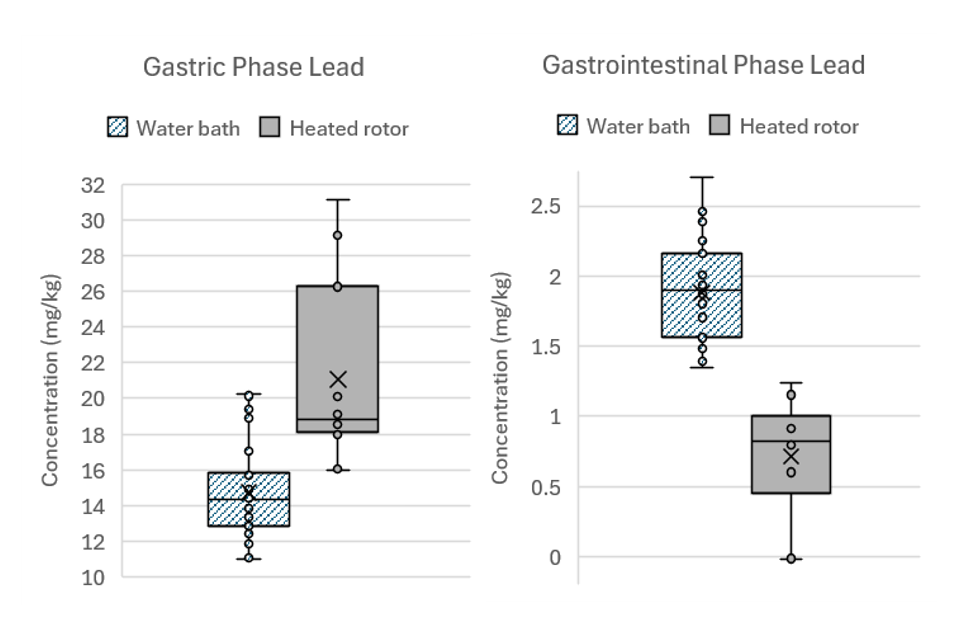
Figure 2 Box plot of concentration (mg kg-1) of lead in BGS102 from gastric and gastrointestinal phase extractions. BGS © UKRI 2026.
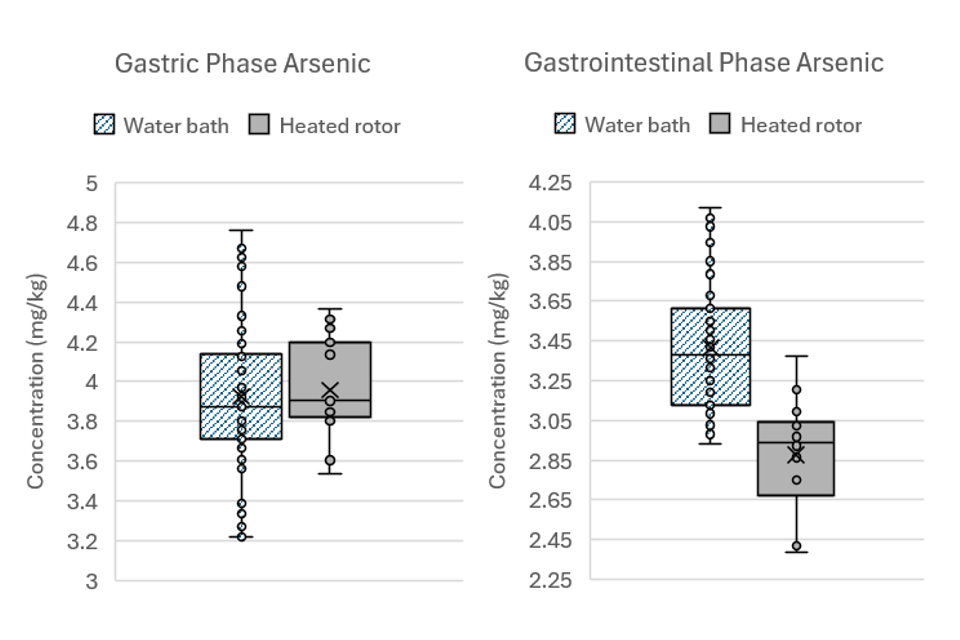
Figure 3 Box plot of concentration (mg kg-1) of As in BGS102 from gastric and gastrointestinal phase extraction. BGS © UKRI 2026.
A further investigation examined whether changing the solid-to-liquid ratio could improve the alignment between the two methods. Increasing soil mass moderately improved the gastric-phase agreement for lead (Figure 4), reducing the difference from 43 per cent to approximately 20 per cent, depending on the ratio used. However, substantial differences remained during the gastrointestinal phase, demonstrating that intestinal chemistry and background zinc contamination had a greater influence on the results than sample loading alone.
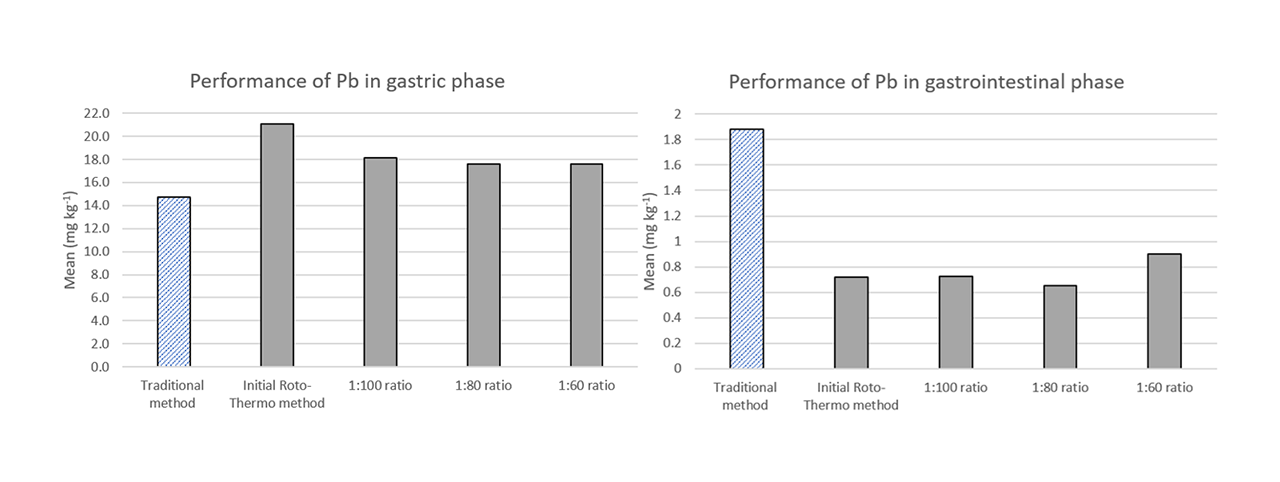
Figure 4 Performance of lead in 102 BGS RM during the gastric only and gastrointestinal phase using the traditional extraction method, the modified roto-therm extraction method and the modified roto-therm extraction methods at different sample-to-solution ratios (1:100, 1:80, and 1:60). BGS © UKRI 2026.
The project also characterised ten soil reference materials representing a range of geological settings. These showed distinct bioaccessibility behaviours linked to differences in mineralogy, contamination sources and soil composition. The reference materials provide valuable quality-assurance tools when selected to match the soil type under investigation (Table 1).
| Reference material | Soil type (origin) | Key characteristics | Recommended use in bioaccessibility studies |
|---|---|---|---|
| BGS110 | Silty sand over glacial till (granitic influence) (Ireland) | Low-moderate metal content; stable behaviour | General background soils; low contamination studies |
| BGS111 | Silty clay over serpentinised ultramafic rock (Ireland) | High Cr, Co, Ni; mineral-bound metals | Ultramafic soils; metal-rich geological environments |
| BGS112 | Silty sand over granitic till (Ireland) | Good repeatability; low-moderate bioaccessibility | Natural soils; baseline environmental assessments |
| BGS113 | Silty clay from Pb-Zn mineralised area (Ireland) | Very high Pb and Zn concentrations | Heavily contaminated or mineralised soils |
| BGS114 | Silty soil over metasediments (Ireland) | Moderate metal content; stable behaviour | Mixed lithology soils; moderate contamination |
| BGS115 | Organic-rich peaty soil over limestone (Ireland) | High organic matter; handling challenges | Organic/peat soils (limited use due to extraction issues) |
| BGS116 | Silty soil over limestone (Ireland) | Carbonate-rich; pH buffering effects | Carbonate soils; environments with pH-controlled metal mobility |
| BGS117 | Silty soil over sandstone (Ireland) | Moderate variability; mixed mineral phases | Sandstone-derived soils; variable geochemistry |
| BGS118 | Silty soil over metal-rich shale (Ireland) | Elevated Mo, U; fine-grained matrix | Shale-derived or fine-grained sediment soils |
| BGS119 | Industrially contaminated soil (UK) | Very high metal concentrations; variable phases | Urban/industrial contamination studies |
Table 1 Recommended reference materials for different soil types along with their key characteristics and soil type/origin.
Overall, this study demonstrated that using a heated rotor system offers a practical alternative to the traditional water bath, providing improved laboratory efficiency through simplified operation and increased sample throughput while maintaining comparable analytical performance for most elements. The findings also highlight the importance of developing matrix-matched reference materials for bioaccessibility testing and continuing to optimise these methods to improve the reliability of environmental risk assessments.
About the author
David King (BGS)
Relative topics
Related news
Improving bioaccessibility testing for contaminated soils
15/10/2026
BGS has been trialling a novel bioaccessibility tracing technique to ascertain if it offers more analytical precision over traditional methods of detecting chemicals in contaminated soils.

Secrets of an ancient supervolcano uncovered that change our understanding of England’s geological past
28/08/2026
Scientists have found evidence of a long-hidden link between an ancient buried ash layer in Scandinavia and a concealed supervolcano in eastern England.
Isotopes and science: my student placement at BGS
08/04/2026
Industrial placements at BGS for undergraduate students give real-life experience of working in laboratories and learning different analytical techniques.
Suite of ten new soil reference materials released
02/01/2026
BGS has a longstanding track record of producing high-quality reference materials and has released ten new soil reference materials.

Esthwaite Water: applying novel approaches to understand lake-water nutrient pollution
19/09/2025
Andi Smith (BGS) and Savannah Worne (Loughborough University) embarked on fieldwork in the Lake District, applying a novel stable isotope method for tracing phosphorus sources.
Gemini: a new stable isotope tool
21/08/2025
BGS’s Stable Isotope Facility has new mass spectrometer equipment for analysing carbon and oxygen isotopes from carbonates and water.

New tool helps identify coal mine gas risk for housing developments in Scotland
05/08/2025
Scientists have co-developed a new tool for North Lanarkshire Council to help screen coal mine gas emissions prior to the development of new houses and buildings.

New journal article reveals snapshot of forever chemicals in shallow English soils
31/07/2025
Data on the presence of per- and polyfluoroalkyl substance concentrations in English soils has been released.

Modern pesticides found in UK rivers could pose risk to aquatic life
17/06/2025
New research shows that modern pesticides used in agriculture and veterinary medicines have been found for the first time in English rivers.
Presence of harmful chemicals found in water sources across southern Indian capital, study finds
10/03/2025
Research has revealed the urgent need for improved water quality in Bengaluru and other Indian cities.
Pioneering tool expanding to analyse agricultural pollution and support water-quality interventions
06/02/2025
An online tool that shows which roads are most likely to cause river pollution is being expanded to incorporate methods to assess pollution from agricultural areas.
Carbon and oxygen isotope analysis of carbonates and the development of new reference materials
18/12/2024
Dr Charlotte Hipkiss and Kotryna Savickaite explore the importance of standard analysis when testing carbon and oxygen samples.