

Moving stones: faults, slopes and sediments
Fractured rock along faults affects sediment movement on slopes with implications for the design of infrastructure.
12/01/2024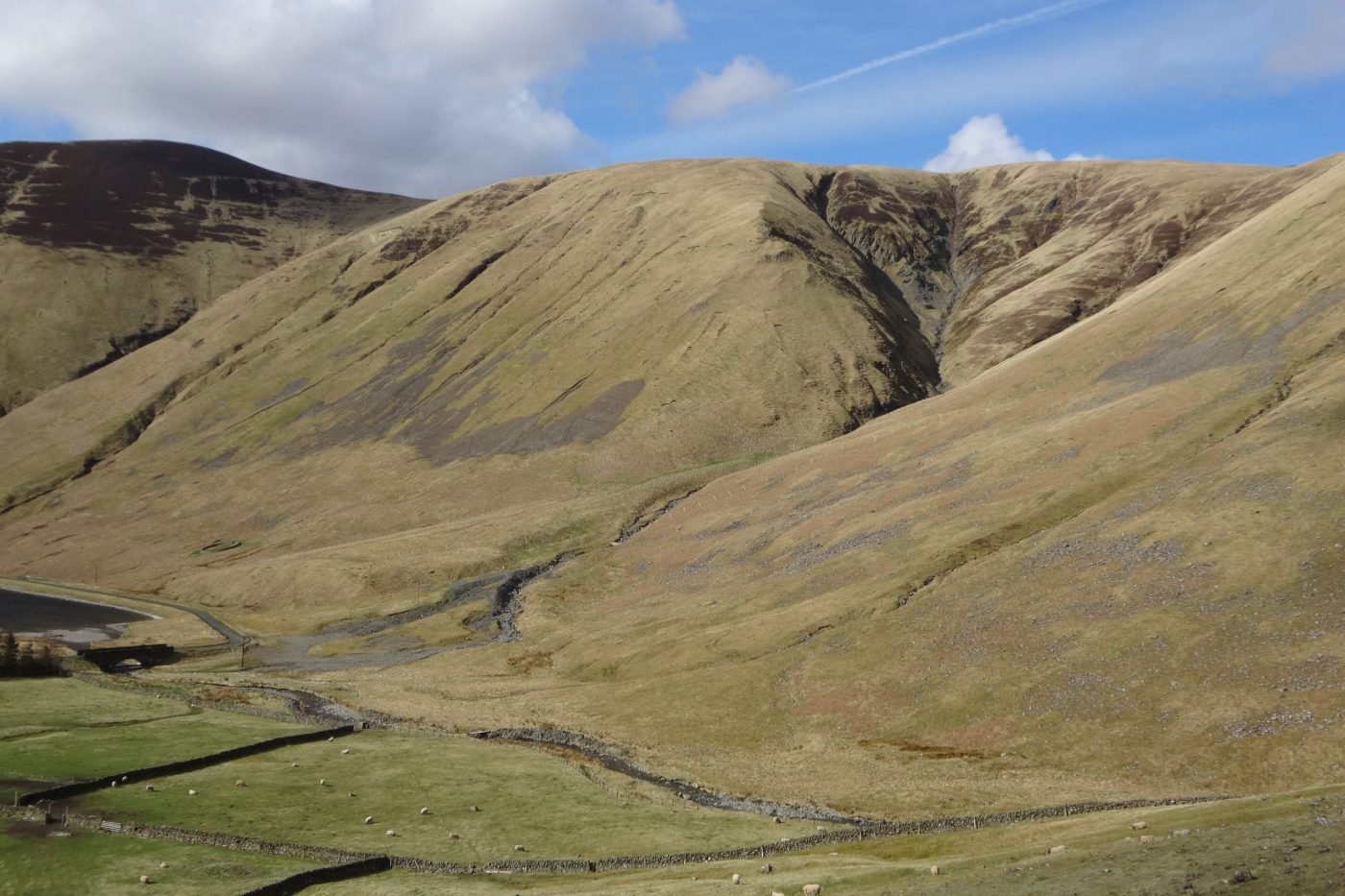

Deposits on upland hillslopes are formed by a range of processes like debris flows, rock falls, slope wash and soil creep. The movement of sediment by these processes occurs over days, years or decades and can have far-reaching implications. Over geological timescales it can influence the relief of mountain ranges, but on human timescales it is also a potential geohazard affecting roads, bridges, and reservoirs, and a key factor in managing river habitats and water quality.
Faults are important geological features, even when they are no longer active tectonic structures. They are often associated with highly fractured ‘damage zones’ that are relatively weak, providing abundant source material for slope processes and acting as conduits for groundwater flow. We investigated how faults control the types of deposits that are produced on upland slopes by weathering and erosion, and how the direction of a fault’s intersection with a hillside influences the way sediment is mobilised and transported to rivers and reservoirs.
Study area: Tweedsmuir Hills, Scotland
In the Tweedsmuir Hills, in Scotland’s Southern Uplands, the rolling upland landscape is bisected by a series of brittle faults comprising highly fractured damage zones in the otherwise hard, metasedimentary rocks. The study area, at the head of the Talla Reservoir, provides a prime opportunity to compare the geomorphological imprint of slope-oblique faults that traverse across a slope at a low angle (roughly perpendicular to the slope direction) with that of slope-parallel faults (roughly parallel to the slope direction).
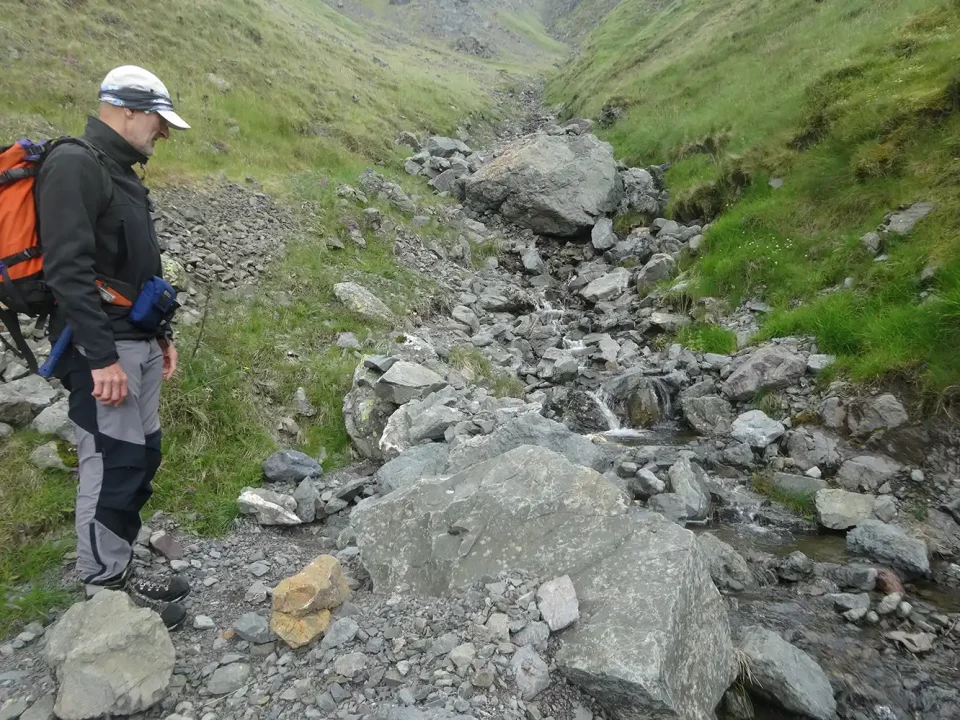
Examining debris flow deposits in the Codleteth Burn, Talla, Southern Uplands. BGS © UKRI.
Faults that traverse slopes at low angles are associated with enhanced regolith (weathered bedrock) production, which forms a more-or less continuous spread of colluvial deposits (loose sediments that move downslope under gravity) across the slope. Sediment transfer to the valley floor is limited because topographical breaks associated with the slope-crossing structures disrupt gully systems and inhibit sediment ‘flow’ downslope.
By contrast, slope-parallel faults are associated with more focused erosion along fault zones, giving rise to a deep and well-connected gully system. The alignment of slope and fault directions creates positive feedback, which enhances downslope erosion and transport to the valley floor. This feedback has resulted in approximately 20 times more rock being eroded per metre of fault length than in the slope-oblique fault system.
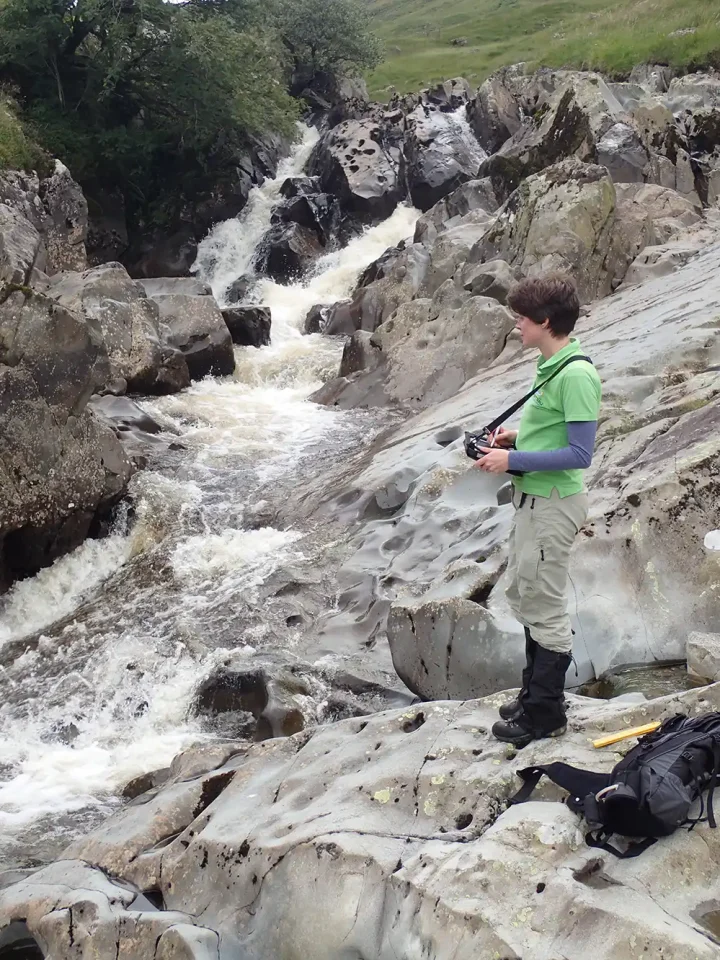
Observing the sparsely fractured (unfaulted) wacke sandstone in the bed of the Gameshope Burn. BGS © UKRI.
Influence on infrastructure design
The movement of sediment is associated with geohazards such as debris flows and rock falls as well as slope instability that can damage upland transport, energy and water infrastructure. However, sediment movement on slopes is a natural part of how our landscape behaves and interrupting or altering the flow of sediment from hillslopes into streams can affect river environments and habitats, and influence water quality in reservoirs.
Understanding the mechanisms of active slope processes and their distributions within the landscape is necessary to ensure we can design effective approaches for managing both the impact of moving sediment on our built infrastructure, and the effect this infrastructure has on our rivers and reservoirs.
Another way of looking at it is that every slope has its own story. Our work in Talla demonstrates how geomorphological mapping and quantitative field analysis can be used to help understand the dynamics of slope systems, adding to our knowledge of the ‘language’ of slopes. By understanding how their past geological history influences their present processes, we can learn to better ‘read’ slopes and ensure we develop more positive relationships with them.
About the authors

Dr Katie Whitbread
Survey geologist
Relative topics
Reference
Whitbread, K, Thomas, C, and Finlayson, A. 2023. The influence of bedrock faulting and fracturing on sediment availability and Quaternary slope systems, Talla, Southern Uplands, Scotland, UK. Proceedings of Geologists’ Association, in press. DOI: https://doi.org/10.1016/j.pgeola.2023.11.003
Latest news

Professor Alan MacDonald presented with Presidents’ Award at 2026 World Groundwater Congress
21/09/2026
The BGS Head of Groundwater has been recognised with this prestigious award by the International Association of Hydrogeologists for his extensive contributions to groundwater science.
Mystery of one of the earliest recorded space weather impacts solved
17/09/2026
BGS scientists were part of an international team that has solved a 178-year-old mystery surrounding one of the earliest recorded examples of space weather affecting technology.
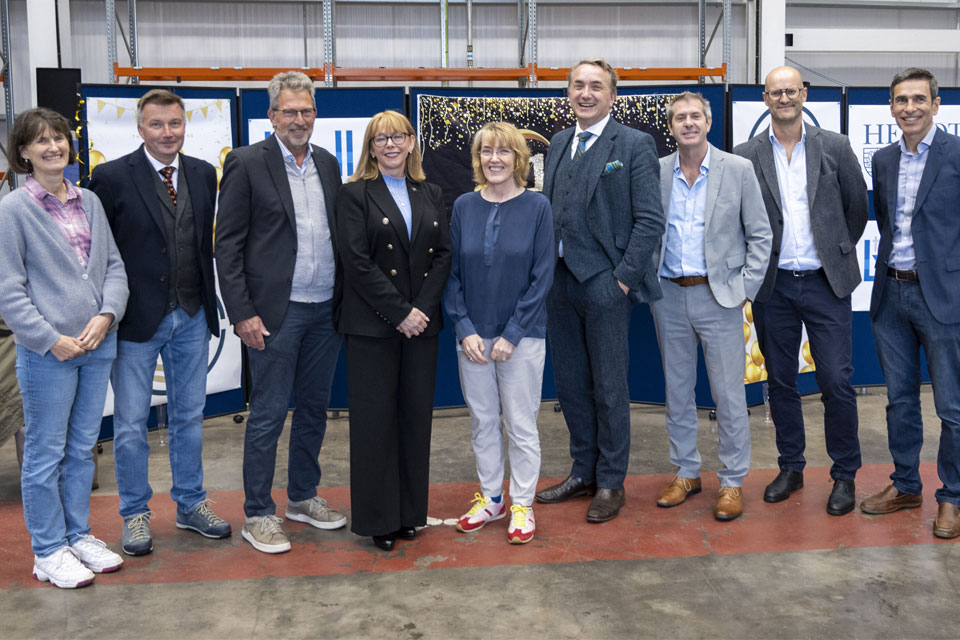
The Lyell Centre celebrates 10 years of world-leading earth and marine science research
07/09/2026
The Lyell Centre for Earth and Marine Sciences, a strategic partnership between Heriot-Watt University and BGS, is celebrating its 10th anniversary, marking a decade of world-leading research, innovation and collaboration in earth and marine sciences.

Demand for data centres presents challenges and opportunities for UK critical mineral supply chains
02/09/2026
Government-backed research finds that vulnerabilities in raw material supply chains must be addressed to secure the critical minerals needed to expand the UK’s digital infrastructure and boost economic growth.

What lies beneath Europe’s sinking ground?
01/09/2026
Land subsidence is becoming increasingly visible across Europe. New research examines how better monitoring, shared data and a deeper understanding of the subsurface can help assess and manage its impacts.

Secrets of an ancient supervolcano uncovered that change our understanding of England’s geological past
28/08/2026
Scientists have found evidence of a long-hidden link between an ancient buried ash layer in Scandinavia and a concealed supervolcano in eastern England.
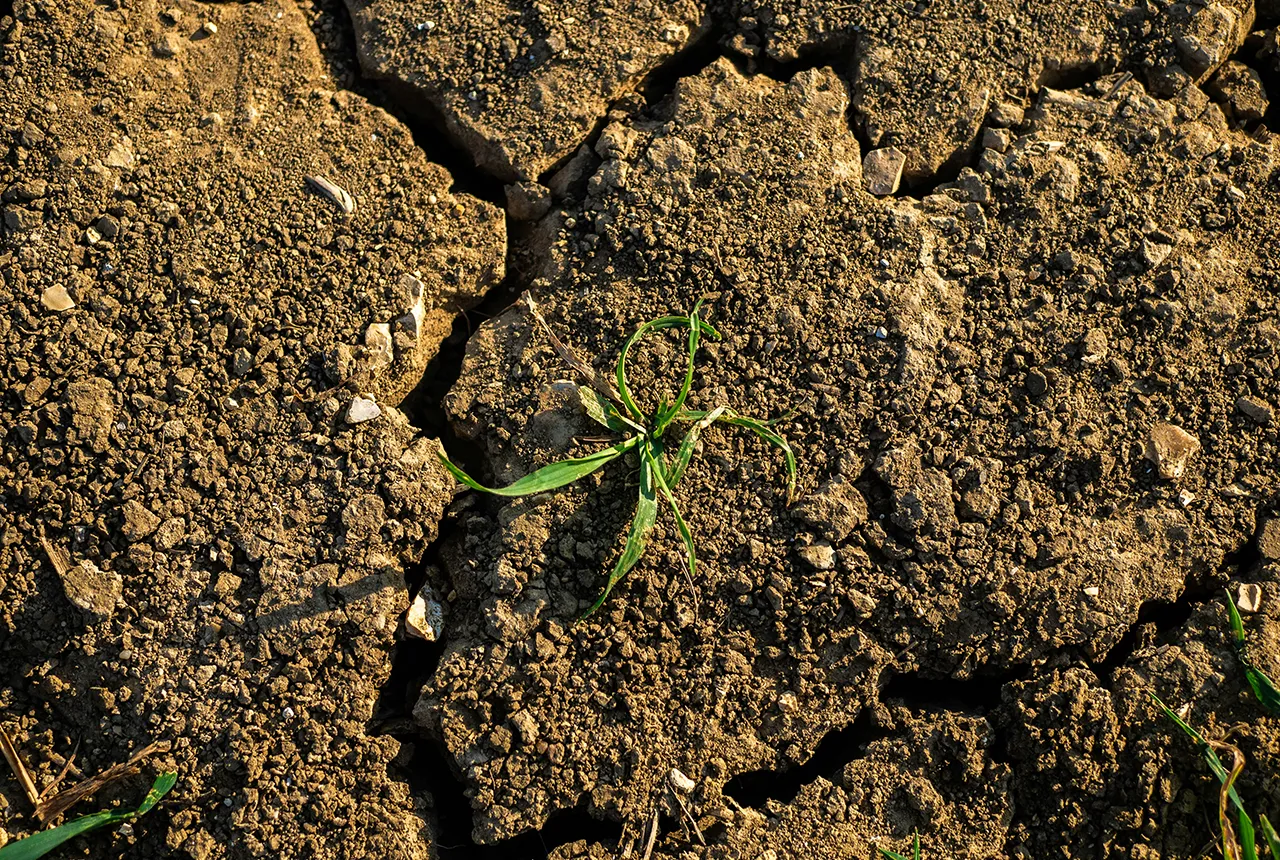
BGS research into drought-exposed soils wins award
26/08/2026
A research paper investigating how temperate soils respond to drought has been announced as the winner of the Land Best Paper Award.
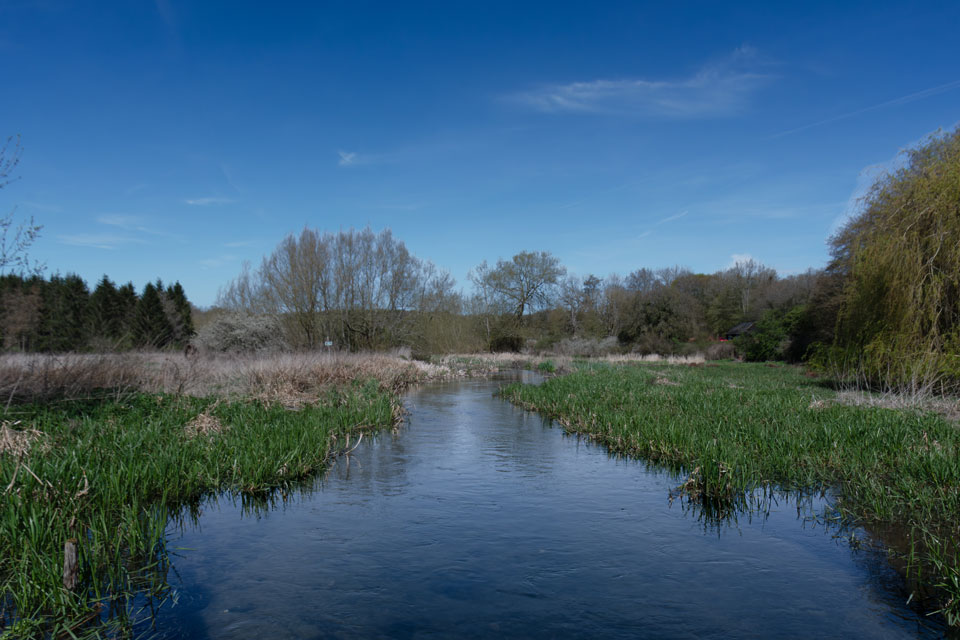
UK aquifers robust despite driest July on record
16/08/2026
In a summer experiencing widespread drought, groundwater levels around the country are showing resilience, demonstrating their value as a crucial resource and indicating they could play a more significant role in mitigating the impacts of extreme weather.

New NERC-funded project empowers young people to engage with environmental science
23/07/2026
BGS is part of a new, collaborative project, funded through NERC’s ‘Opening up the environment’ programme, helping the environmental research community become more accessible.
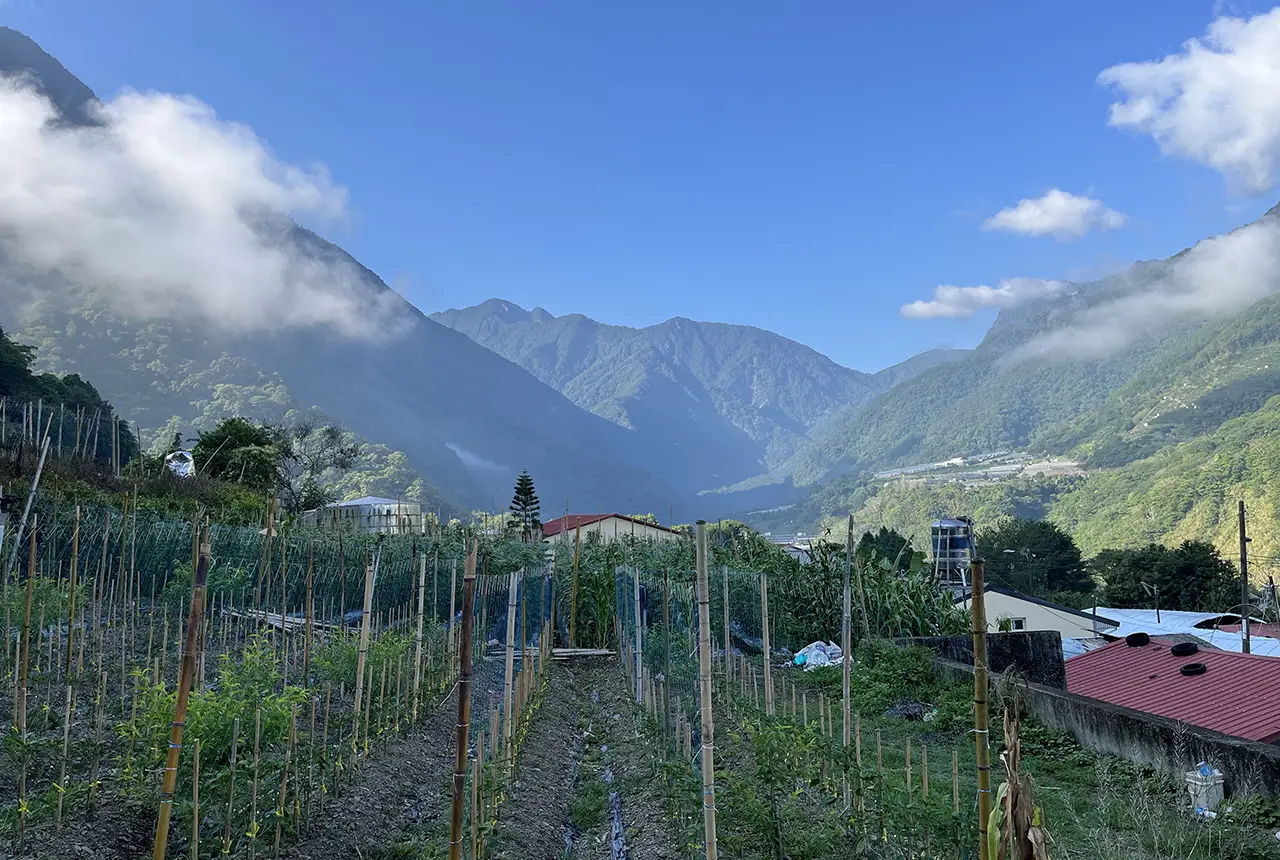
Delving deep into mountains for future water security
16/07/2026
A BGS-led project is using new water-tracing investigation methods, geophysics and modelling to understand how water moves from mountains to the lowlands, helping to improve water security for billions of people.
Updated national 3D model will determine the depth to the solid bedrock beneath our feet
13/07/2026
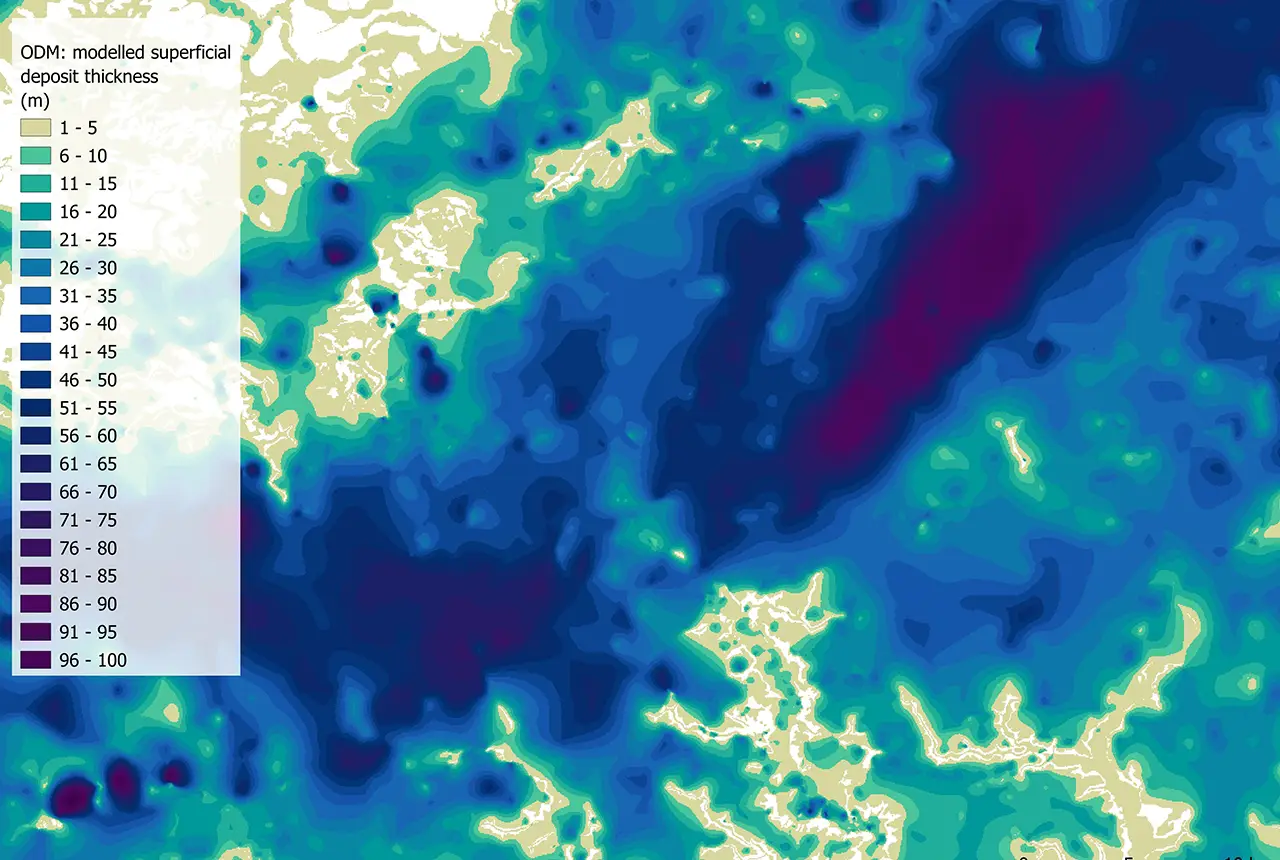
The BGS Superficial Deposit Thickness Model now includes an elevation model of geological rockhead for the first time, providing important data for civil engineers, geoscientists and environmental scientists.

UK’s world-class research organisations launch new collective
10/07/2026
The launch of the National Research Organisations Group brings together more than 100 science leaders to provide an authorativive voice on science, research policy and long-term investment.