

New BGS Chief Scientist for multi-hazards and resilience announced
Prof Jonathan Chambers has been appointed as the new BGS Chief Scientist for multi-hazards and resilience, effective from 1 June 2024.
09/05/2024 By BGS Press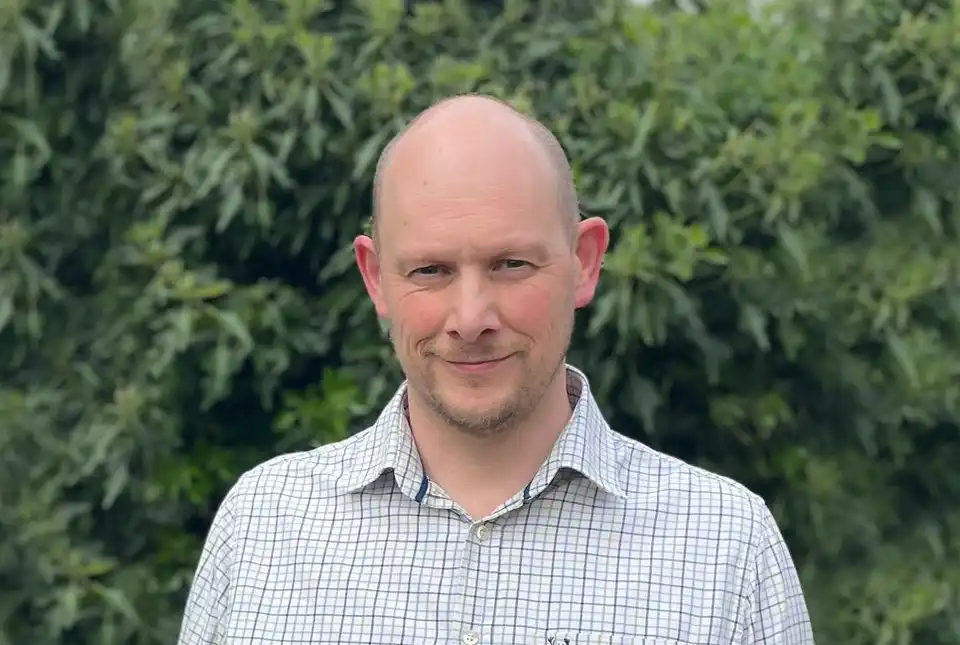

BGS’s multi-hazards and resilience (MHR) science challenge area engages with partners in the UK and internationally to support communities, governments and industry in building resilience to hazardous events. Jonathan will oversee the delivery of fundamental scientific research into risk mitigation and adaption to geological and associated environmental hazards through improved characterisation, monitoring, forecasting and information delivery.
Based at the BGS Headquarters in Keyworth, Nottingham, but working across all BGS sites, this role involves leadership of around 100 scientific and technical staff. One of Jonathan’s first tasks will be to work alongside other members of the BGS Senior Management Board and Science Strategy Group to implement and deliver the new BGS Business Plan.
Jonathan is an engineering geophysicist with more than 25 years of experience in subsurface imaging and monitoring. His recent research has focused on geohazard characterisation, landslide early warning and the development of innovative technologies for assessing environmental impacts on critical infrastructure, including risks associated with cascading hazards. He has a strong focus on innovation and the translation of research findings into tangible benefits for stakeholders in industry, academia and government.
Jonathan currently leads the BGS Shallow Geohazards and Earth Observation capability, which comprises the geodesy and remote sensing, engineering geology, environmental and engineering geophysics and coasts and estuaries teams, as well as the BGS Research and Development Workshop Facility. He is also a UKRI Individual Merit Promotion scientist.

I am delighted to be taking on the role of BGS Chief Scientist for multi-hazards and resilience. BGS has a crucial role to play in the efforts to enhance societal resilience to geohazards and multi-hazards in the UK and internationally. I am very excited for this new opportunity to work with my colleagues and partners to deliver cutting-edge research, real-world solutions and geoscientific knowledge to support policy and decision makers for the wider public good.
Prof Jonathan Chambers.
On behalf of BGS and the BGS Board, we are thrilled to welcome Jonathan into this important role. His proven track record in shallow hazards research and his expertise in providing solutions for societal resilience to geohazards and multi-hazards in the UK and internationally will be paramount in supporting and delivering the BGS Strategy and Business Plan.
Dr Karen Hanghøj, BGS Director.
Relative topics
Related news
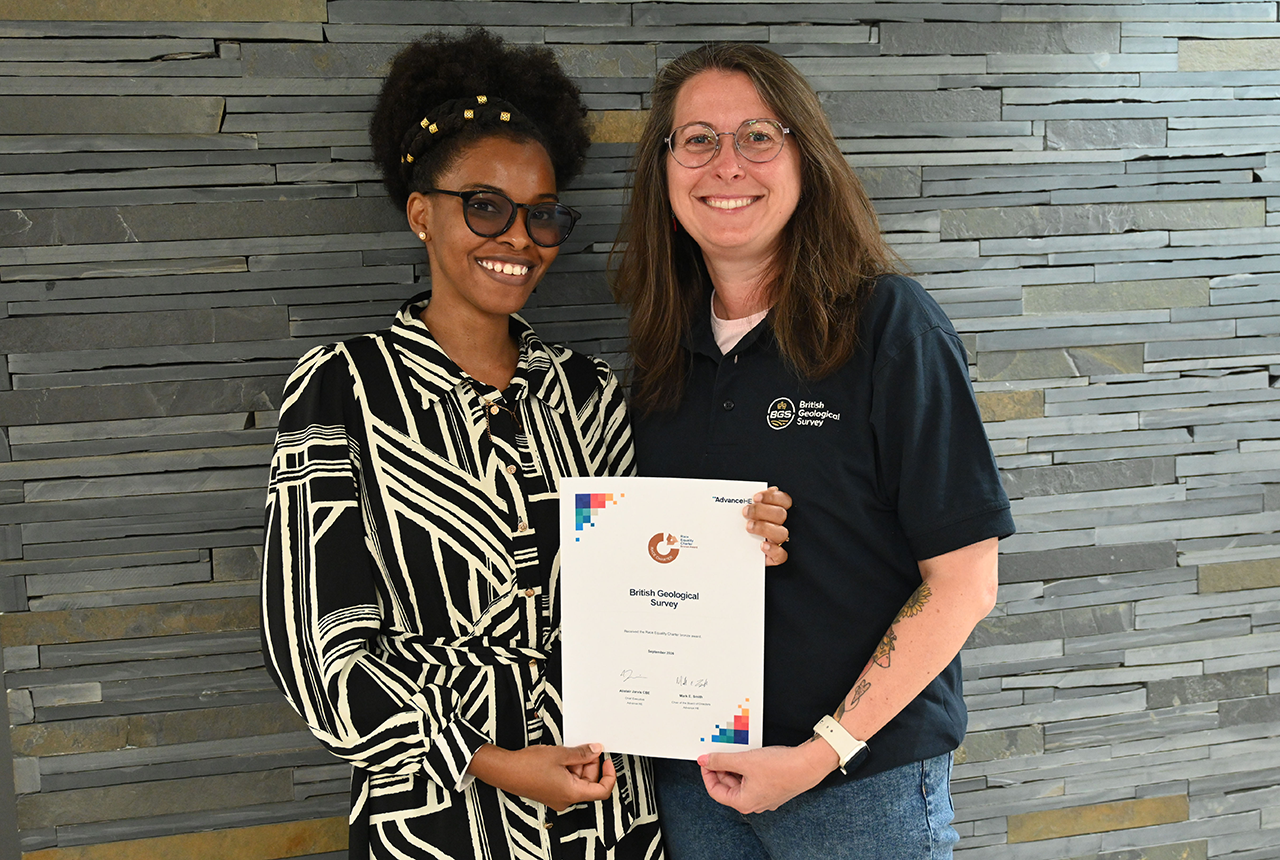
BGS one of the UK’s first specialist research institutes to receive Race Equality award
20/10/2026
BGS has secured Bronze accreditation under the Advance HE Race Equality Charter framework, recognising its commitment to identifying and addressing race equality issues in the geosciences.

Improving bioaccessibility testing for contaminated soils
15/10/2026
BGS has been trialling a novel bioaccessibility tracing technique to ascertain if it offers more analytical precision over traditional methods of detecting chemicals in contaminated soils.
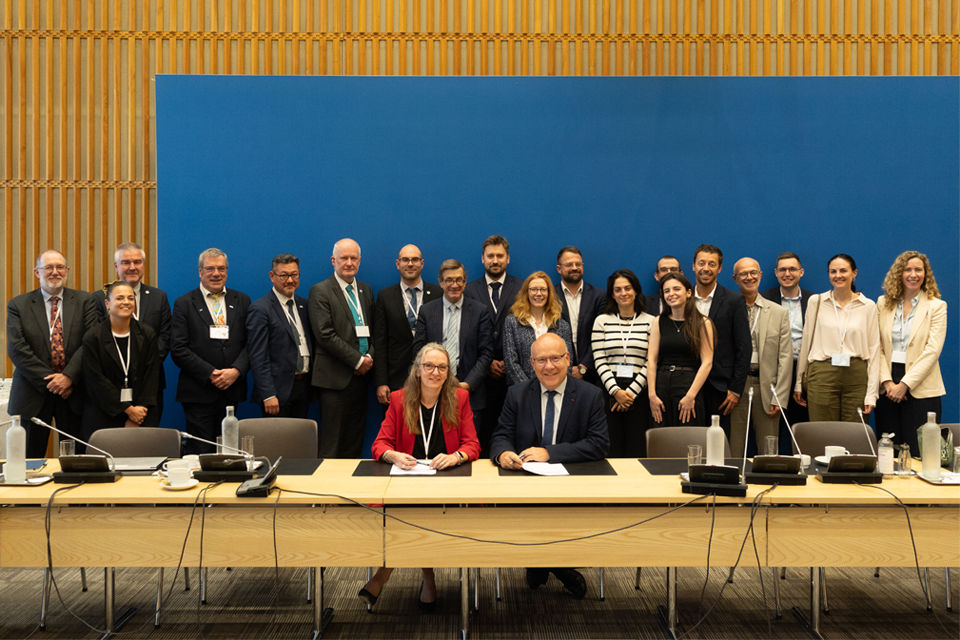
British and French geological surveys strengthen collaboration through new agreement
14/10/2026
Two of Europe’s leading geological surveys have signed a Memorandum of Understanding to strengthen collaboration on key geoscientific challenges.
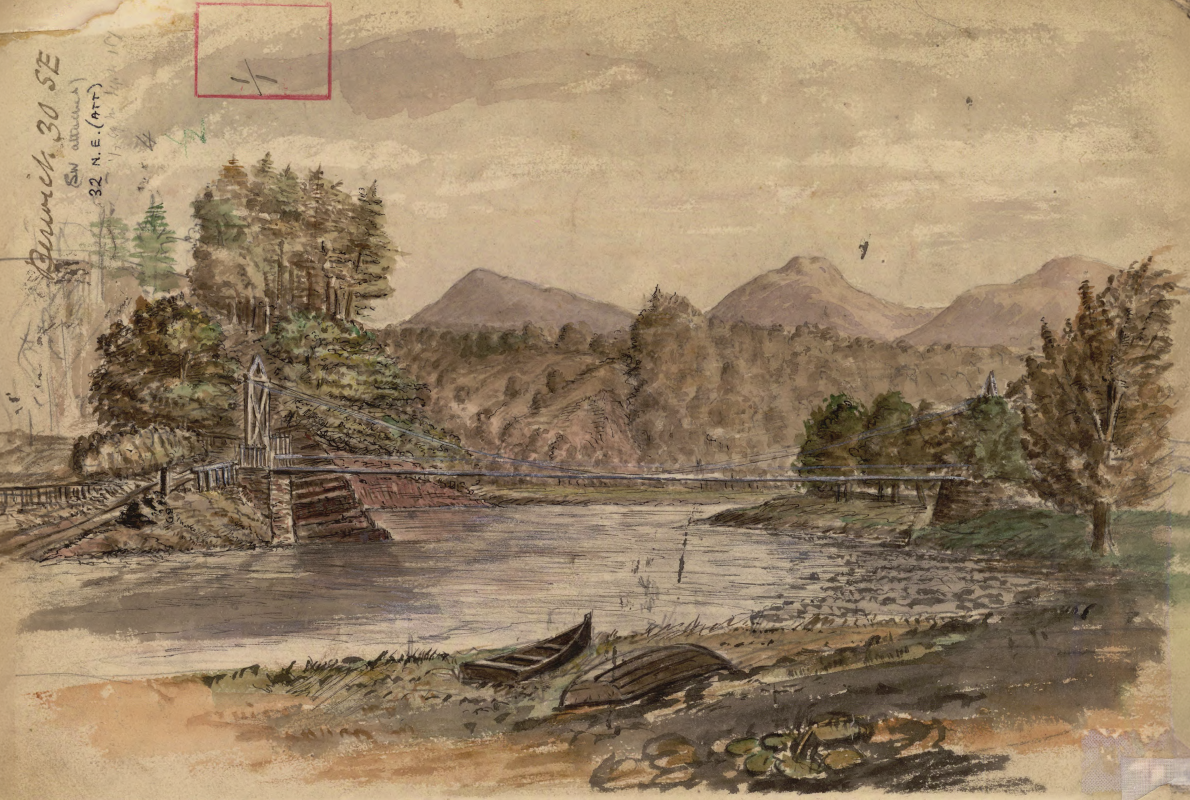
Historic watercolour unearthed on back of Dryburgh geological field map
05/10/2026
A 150-year-old painting of Dryburgh Suspension Bridge and the River Tweed offers an insight into the Scottish Borders landmark shortly after it was built in the 1870s.
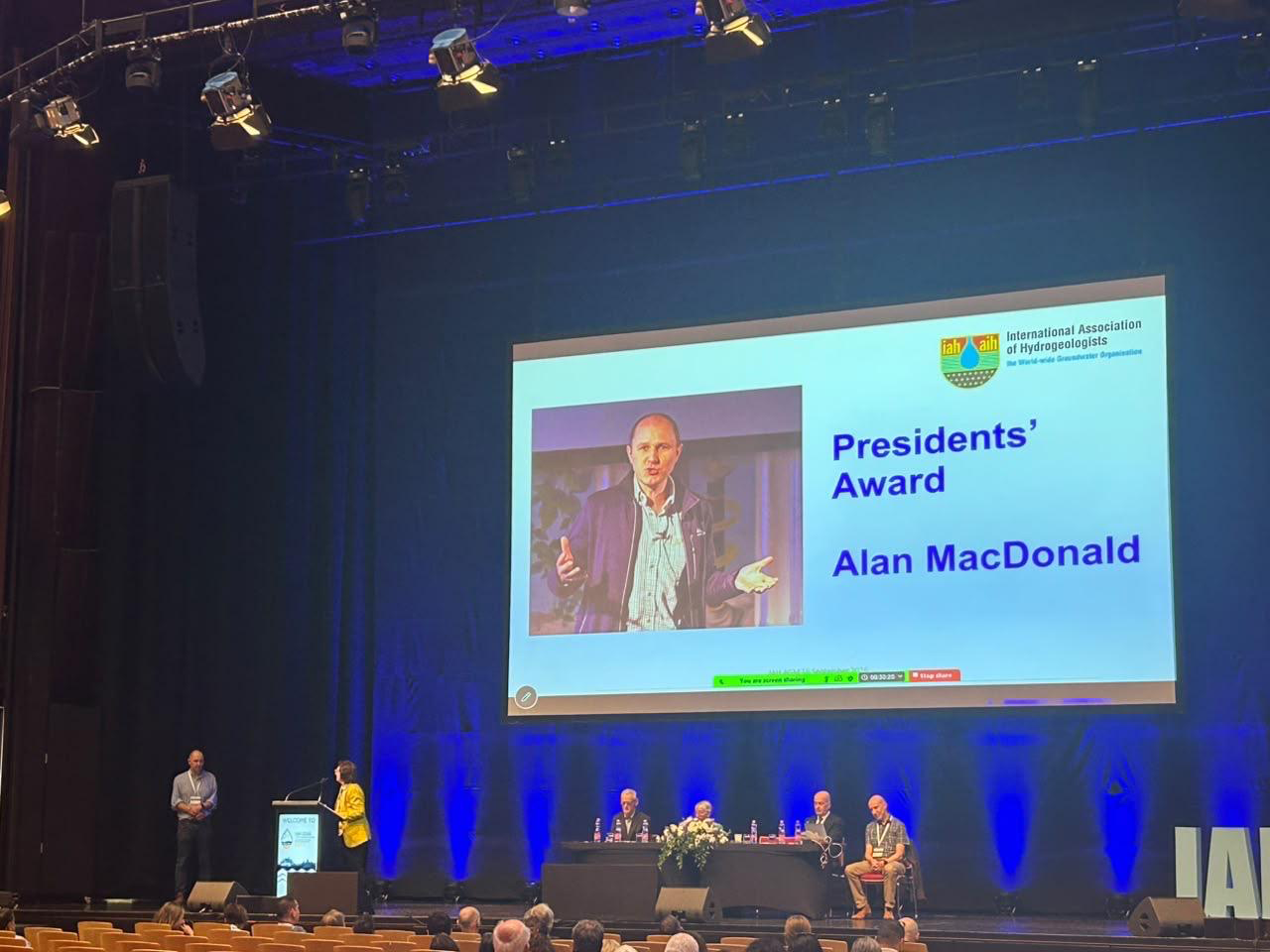
Professor Alan MacDonald presented with Presidents’ Award at 2026 World Groundwater Congress
21/09/2026
The BGS Head of Groundwater has been recognised with this prestigious award by the International Association of Hydrogeologists for his extensive contributions to groundwater science.
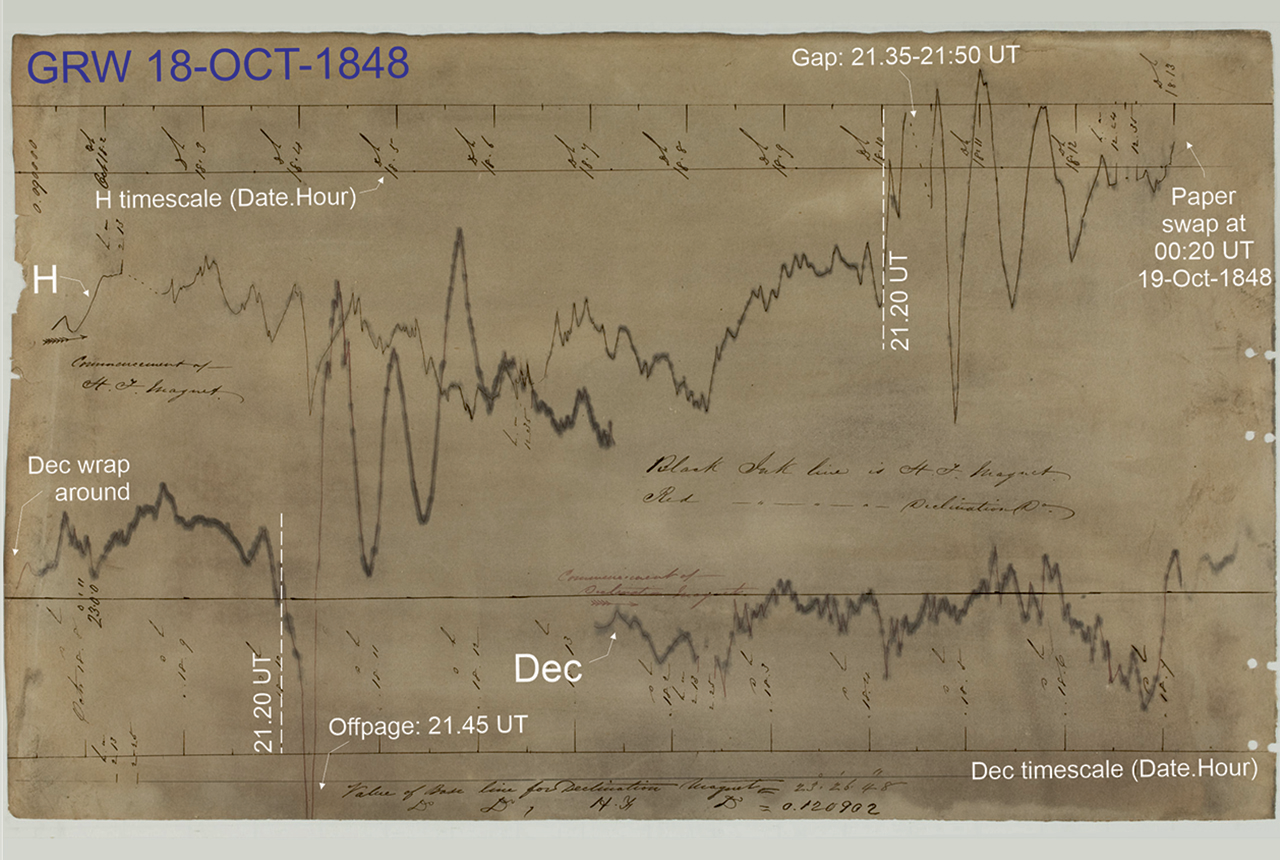
Mystery of one of the earliest recorded space weather impacts solved
17/09/2026
BGS scientists were part of an international team that has solved a 178-year-old mystery surrounding one of the earliest recorded examples of space weather affecting technology.

The Lyell Centre celebrates 10 years of world-leading earth and marine science research
07/09/2026
The Lyell Centre for Earth and Marine Sciences, a strategic partnership between Heriot-Watt University and BGS, is celebrating its 10th anniversary, marking a decade of world-leading research, innovation and collaboration in earth and marine sciences.

Demand for data centres presents challenges and opportunities for UK critical mineral supply chains
02/09/2026
Government-backed research finds that vulnerabilities in raw material supply chains must be addressed to secure the critical minerals needed to expand the UK’s digital infrastructure and boost economic growth.

What lies beneath Europe’s sinking ground?
01/09/2026
Land subsidence is becoming increasingly visible across Europe. New research examines how better monitoring, shared data and a deeper understanding of the subsurface can help assess and manage its impacts.

Measuring the environmental impacts of carbon fibre: life cycle assessment
01/09/2026
Undergraduate student Phoebe Brown visited BGS to understand the life cycle of carbon fibre, from primary production to recycling.

Secrets of an ancient supervolcano uncovered that change our understanding of England’s geological past
28/08/2026
Scientists have found evidence of a long-hidden link between an ancient buried ash layer in Scandinavia and a concealed supervolcano in eastern England.
MaxStoreUK hydrogen geological storage policy roundtable
Event on 08/10/2026
Storage operators, regulators, licensor and Government stakeholders are invited to join our roundtable discussion of hydrogen geological storage policy.