

BGS publication included in Environment Agency’s review of drought in the UK
A BGS essay on groundwater and drought has been included in the Environment Agency’s review of the research and scientific understanding of drought.
05/12/2023 By BGS Press

The Environment Agency (EA)’s Chief Scientist’s Group commissioned a series of essays in 2022, aiming to collate and appraise the current research and scientific understanding of drought and its effects. Published on 28 November 2023, the review is the EA’s largest-ever consultation of drought experts in England and includes an essay by John Bloomfield, the groundwater resources science lead at BGS, and Christoper Jackson, BGS Head of Environmental Modelling.
The essay, Groundwater droughts in England: a review of current understanding and knowledge gaps, and opportunities and priorities for future research, addresses droughts in the groundwater component of the terrestrial water cycle in England and identifies a series of knowledge gaps that frame future research needs.
It includes an overview of groundwater drought research, observational evidence for groundwater drought in England, modelling and forecasting of groundwater droughts and a summary of the knowledge and research gaps, including opportunities for future research.
Thirteen knowledge or research gaps are outlined in the essay by BGS, with associated opportunities for future research also identified. These include:
- a systematic review of methods used to define meteorological, hydrological and other types of drought
- establishing instrumentation to characterise drought propagation through the full terrestrial water cycle in catchments representative of the range of hydrogeological settings in the UK
- mapping the sensitivity of groundwater systems in England to drought
The EA’s Chief Scientist’s Group want to build on the review’s findings and identify where further research could deliver benefits for drought management and resilience, both now and in the future.

Groundwater can provide a resilient supply of water and supports ecologically important flows during shorter droughts; however, it is particularly susceptible to prolonged droughts. We were very pleased to contribute to this initiative from the Environment Agency as it gave us the opportunity not only to benchmark BGS’s extensive work on groundwater drought characterisation, analysis, modelling and forecasting, but also to work with partners to identify the outstanding research gaps and needs across the terrestrial water cycle.
John Bloomfield, groundwater resources science lead at BGS.
This review was commissioned by the EA’s Chief Scientist’s Group, which provides scientific knowledge, tools and techniques to enable us to protect and manage the environment as effectively as possible.
Alongside the review, the Environment Agency’s Chief Scientist’s Group has also produced a blog, Creating a better place: exploring the science of droughts.
The Environment Agency works to create better places for people and wildlife and support sustainable development.
Relative topics
Related news
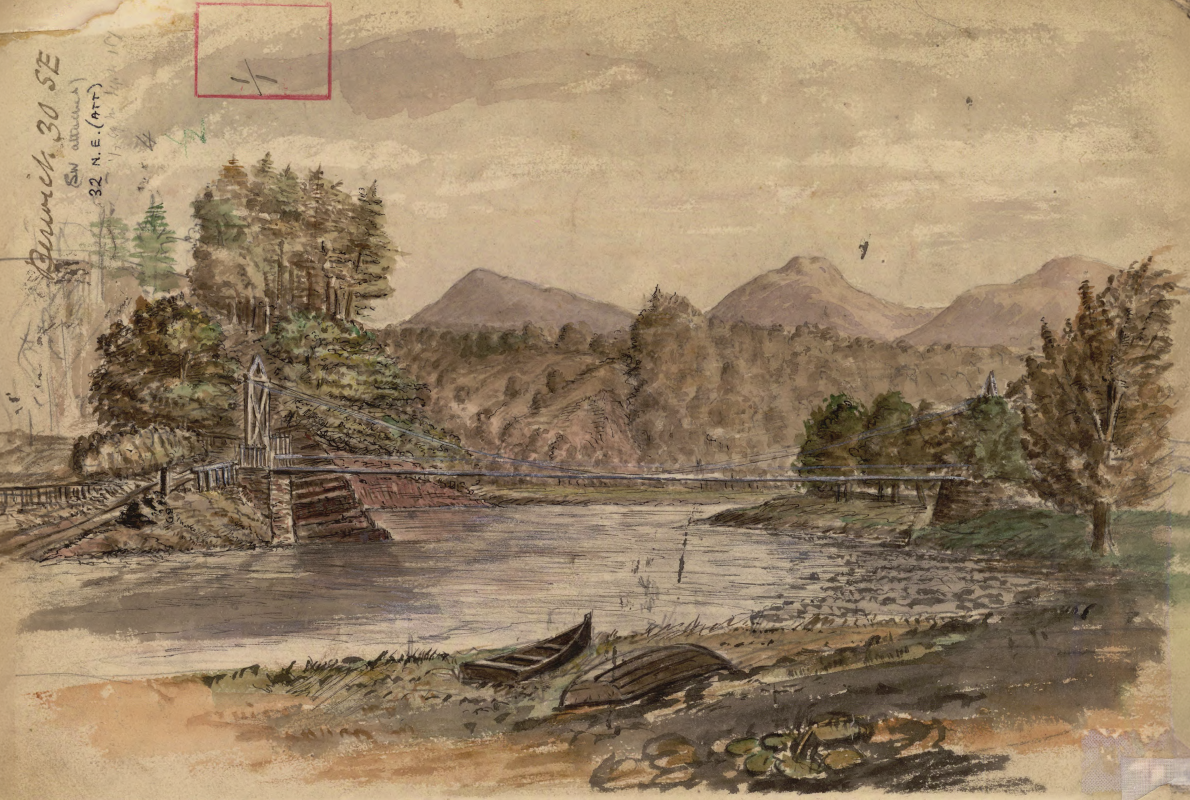
Historic watercolour unearthed on back of Dryburgh geological field map
05/10/2026
A 150-year-old painting of Dryburgh Suspension Bridge and the River Tweed offers an insight into the Scottish Borders landmark shortly after it was built in the 1870s.
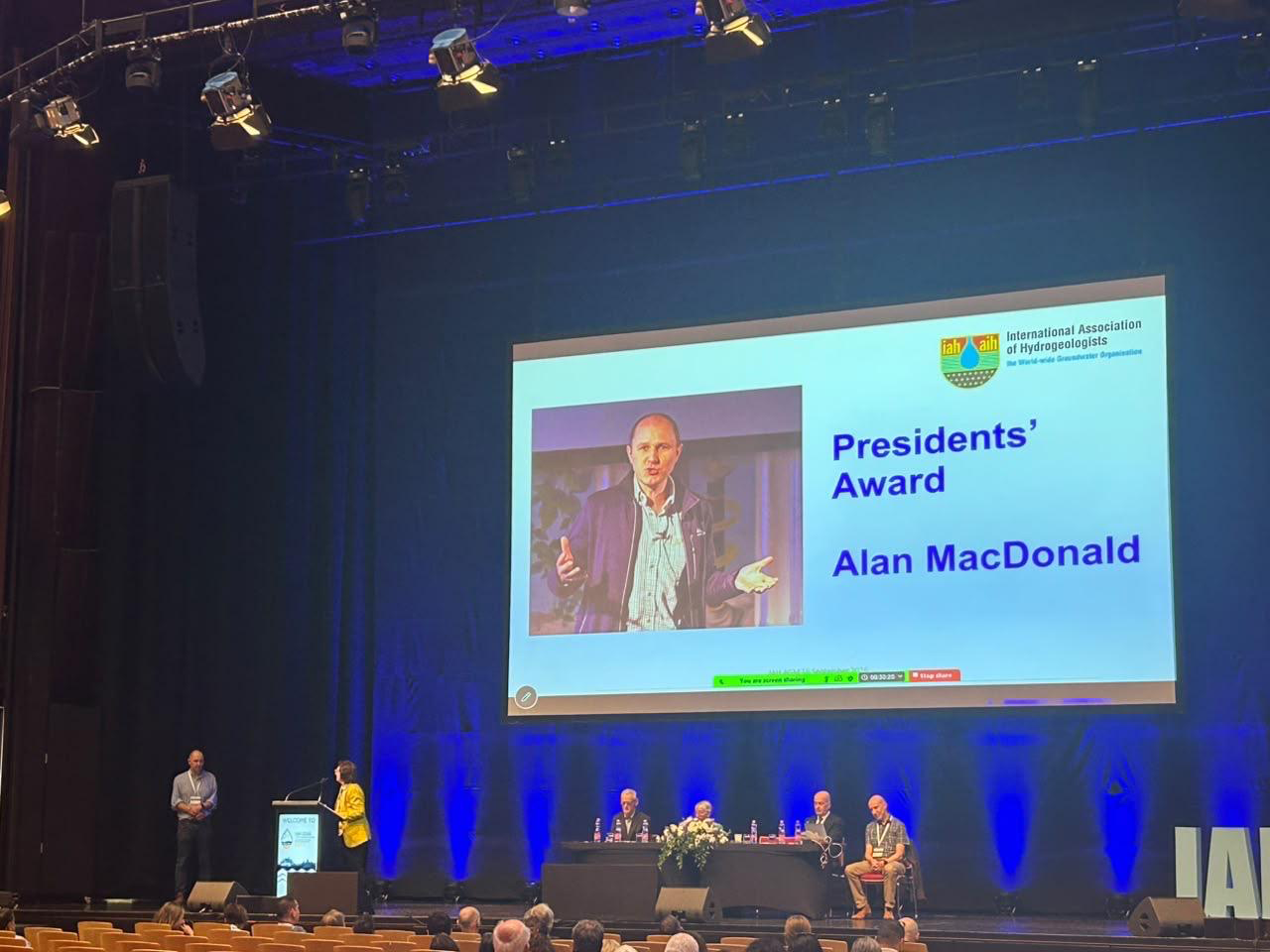
Professor Alan MacDonald presented with Presidents’ Award at 2026 World Groundwater Congress
21/09/2026
The BGS Head of Groundwater has been recognised with this prestigious award by the International Association of Hydrogeologists for his extensive contributions to groundwater science.
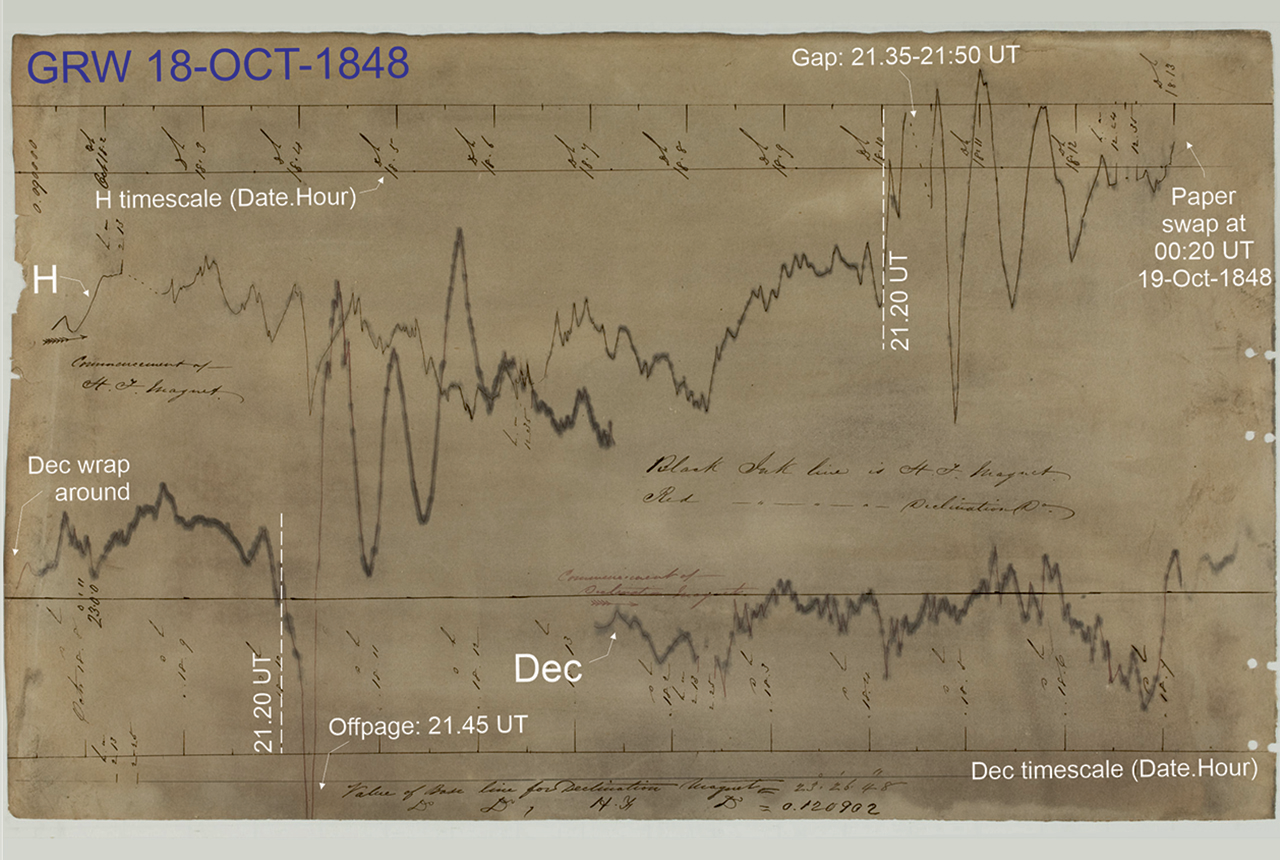
Mystery of one of the earliest recorded space weather impacts solved
17/09/2026
BGS scientists were part of an international team that has solved a 178-year-old mystery surrounding one of the earliest recorded examples of space weather affecting technology.

The Lyell Centre celebrates 10 years of world-leading earth and marine science research
07/09/2026
The Lyell Centre for Earth and Marine Sciences, a strategic partnership between Heriot-Watt University and BGS, is celebrating its 10th anniversary, marking a decade of world-leading research, innovation and collaboration in earth and marine sciences.

Demand for data centres presents challenges and opportunities for UK critical mineral supply chains
02/09/2026
Government-backed research finds that vulnerabilities in raw material supply chains must be addressed to secure the critical minerals needed to expand the UK’s digital infrastructure and boost economic growth.

What lies beneath Europe’s sinking ground?
01/09/2026
Land subsidence is becoming increasingly visible across Europe. New research examines how better monitoring, shared data and a deeper understanding of the subsurface can help assess and manage its impacts.

Measuring the environmental impacts of carbon fibre: life cycle assessment
01/09/2026
Undergraduate student Phoebe Brown visited BGS to understand the life cycle of carbon fibre, from primary production to recycling.

Secrets of an ancient supervolcano uncovered that change our understanding of England’s geological past
28/08/2026
Scientists have found evidence of a long-hidden link between an ancient buried ash layer in Scandinavia and a concealed supervolcano in eastern England.

MaxStoreUK hydrogen geological storage policy roundtable
Event on 08/10/2026
Storage operators, regulators, licensor and Government stakeholders are invited to join our roundtable discussion of hydrogen geological storage policy.
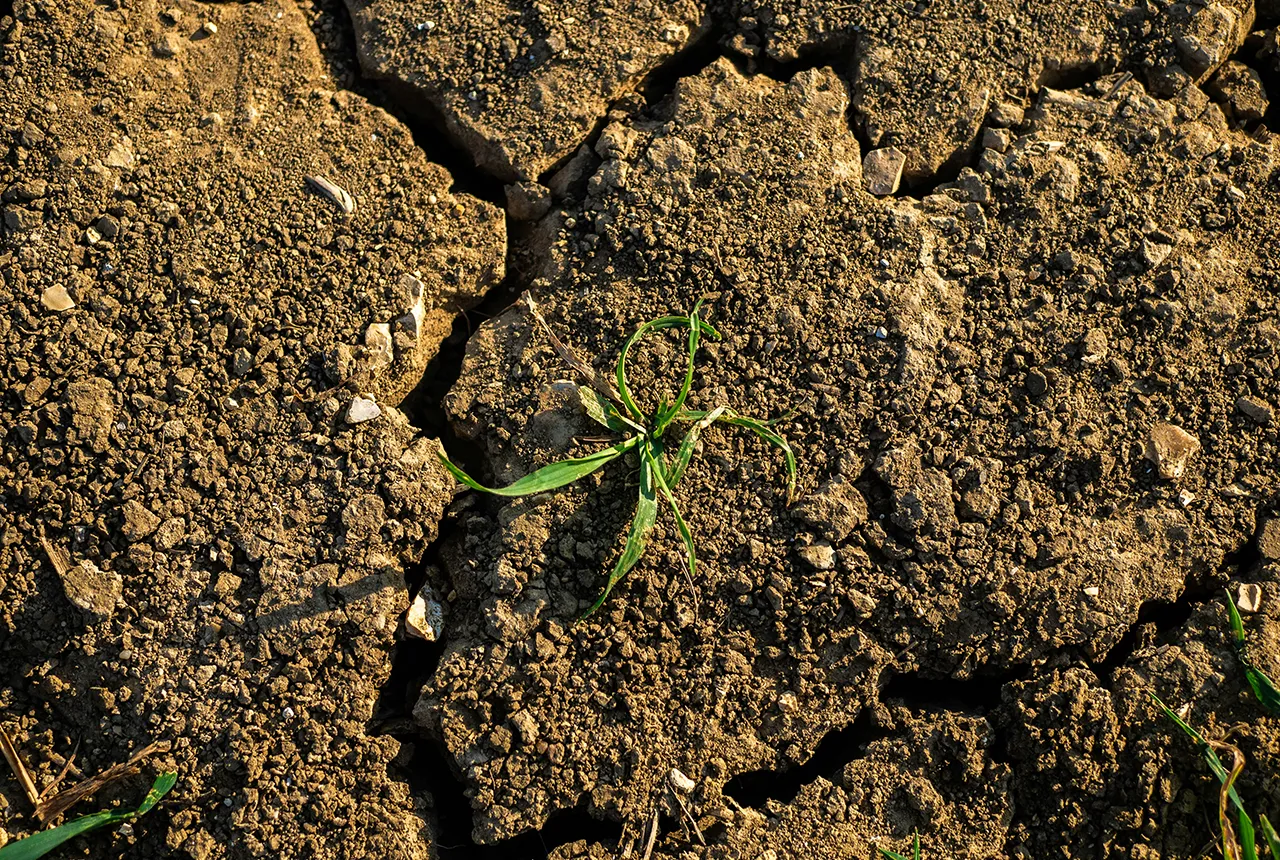
BGS research into drought-exposed soils wins award
26/08/2026
A research paper investigating how temperate soils respond to drought has been announced as the winner of the Land Best Paper Award.
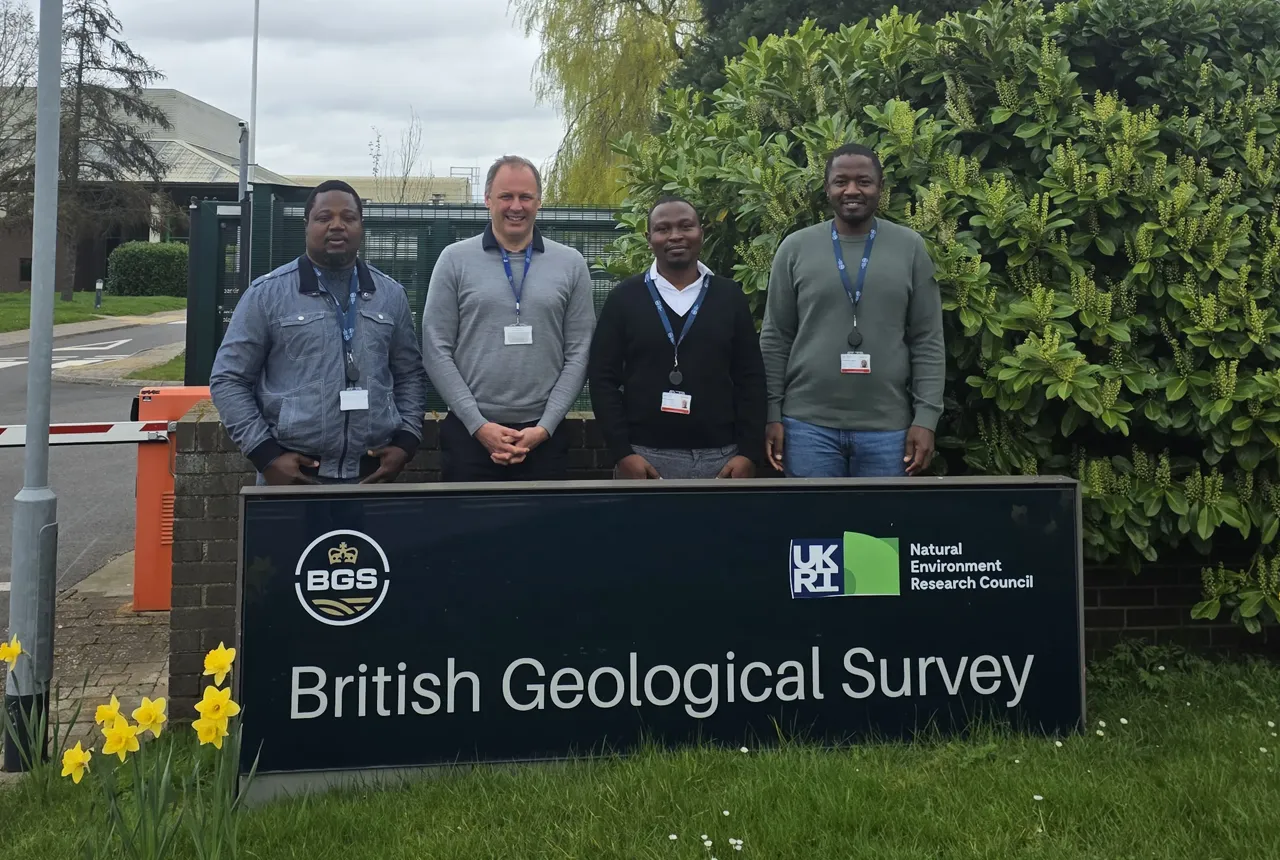
Experiences from our Commonwealth Fellowship at the British Geological Survey
24/08/2026
Scientific fellowships foster professional growth, international collaboration and exposure to world-class research environments. A group of visiting Commonwealth Fellowship researchers share their experience of being hosted at the BGS Inorganic Geochemistry Facility.
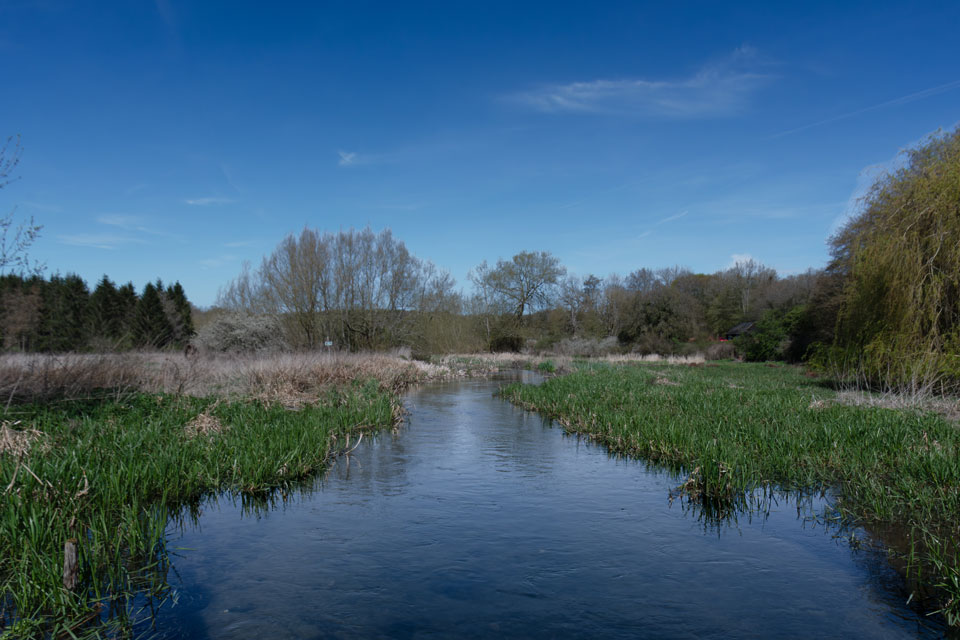
UK aquifers robust despite driest July on record
16/08/2026
In a summer experiencing widespread drought, groundwater levels around the country are showing resilience, demonstrating their value as a crucial resource and indicating they could play a more significant role in mitigating the impacts of extreme weather.