

BGS awarded funding to support Malaysia’s climate resilience plan
The project, funded by the Foreign, Commonwealth & Development Office, will focus on minimising economic and social impacts from rainfall-induced landslides.
17/12/2025 By BGS Press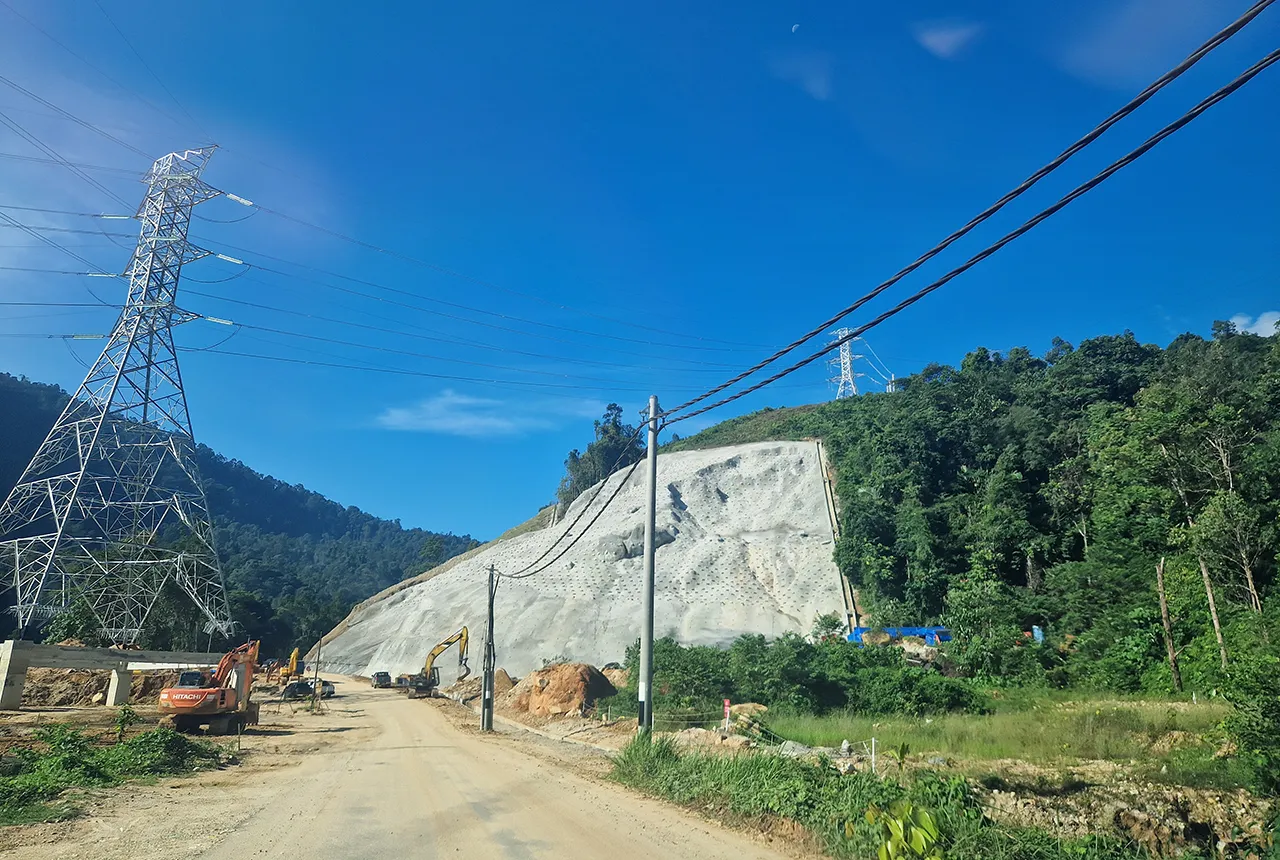

Malaysia faces substantial risks from rainfall-triggered landslides driven by extreme meteorological conditions. Between 1961 and 2024, the country recorded over 6400 landslides, causing significant loss of life and economic damages exceeding $1 billion. This figure is set to rise in the future due to climate change and rapid urbanisation, leaving low-income households and small businesses highly vulnerable.
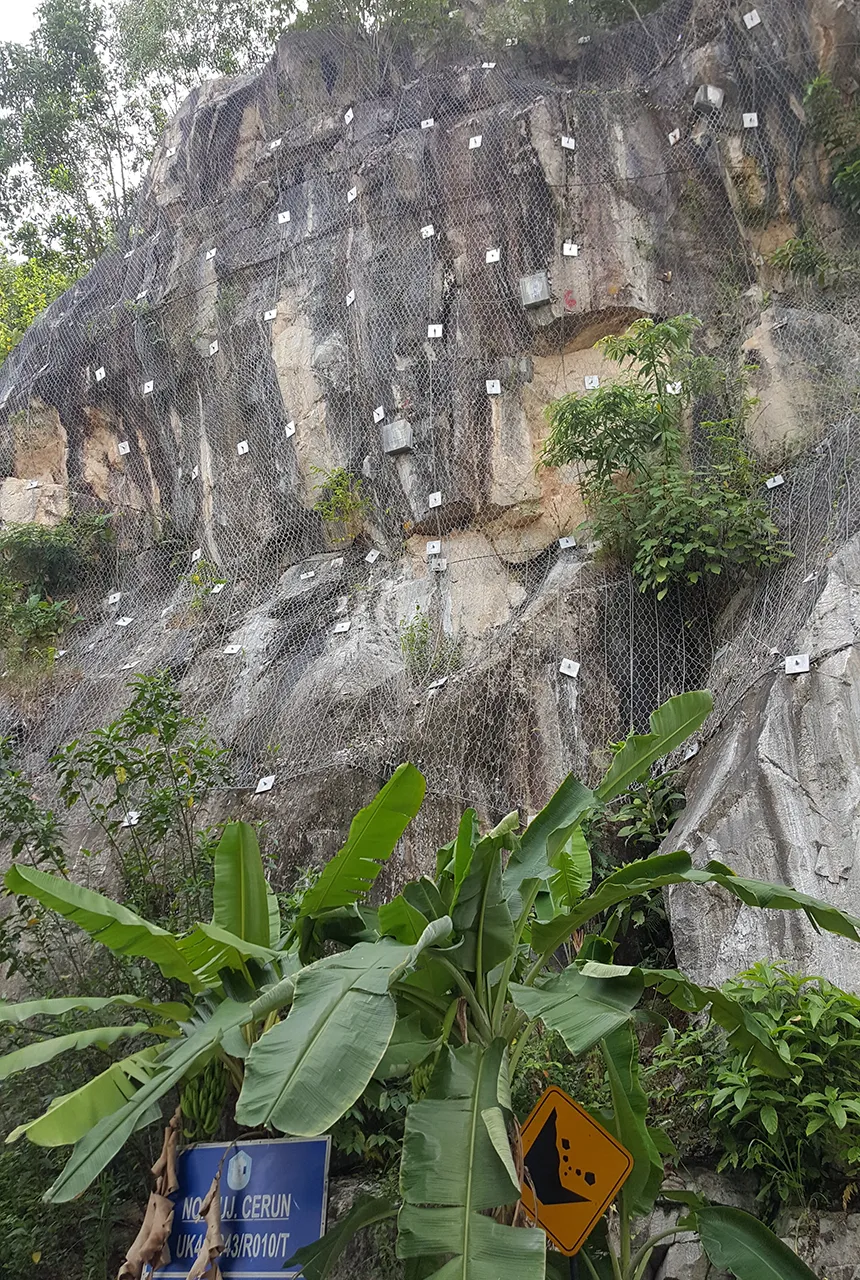
Hillside stabilised with rock bolts and shotcrete following a major mass movement event in February 2022, when dozens of debris flows occurred along slopes above Kenyir Dam in Terengganu, Malaysia. BGS © UKRI
Whilst there are existing systems for monitoring and mapping these landslides, researchers have found a critical gap in understanding the economic losses landslides cause and how they can be systematically assessed to support anticipatory and disaster finance solutions for hazard recovery.
The project, ‘Trigger index for rainfall-induced landslide risk assessment for enhanced resilience’ or TRIGGER, will see BGS and project partners Universiti Kebangsaan Malaysia and MetMalaysia develop a landslide trigger index to support forewarning and rapid recovery. It will link past landslide losses with data on rainfall, ground conditions and the locations where communities and infrastructure assets are most exposed. This will help researchers and stakeholders to better understand the potential impacts of future extreme rainfall.

Through the TRIGGER project, we are linking up with colleagues in Malaysia to develop a landslide trigger index, to assist in better understanding the potential impacts of future extreme rainfall and help build resilience by enabling quicker recovery after disasters.
Dr Nikhil Nedumpallile-Vasu, BGS engineering geologist.
It is anticipated that this project will enable rapid, risk based, post-disaster financial relief, incentivise investment in resilient infrastructure, and support poverty reduction by protecting those most at risk. The project will offer a scalable model for other Indo-Pacific countries facing similar hazard profiles.
Funding
The project is funded by the Foreign, Commonwealth & Development Office through its ‘Climate action for resilient Asia’ programme, for innovative and effective climate adaptation and resilience projects.
Relative topics
Related news
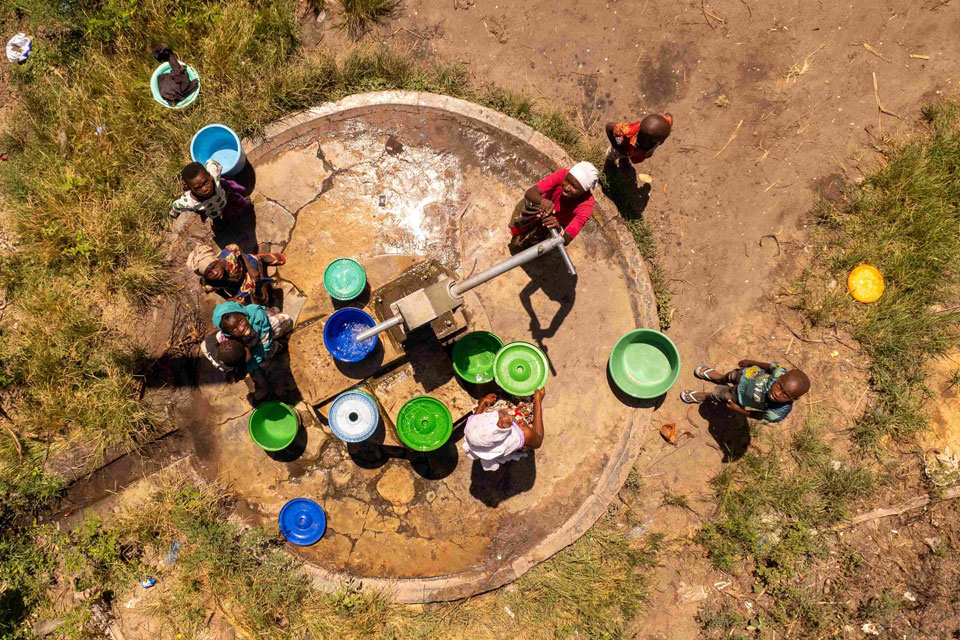
New research could help provide a more reliable water supply for millions in rural Africa
24/03/2026
A new BGS-led study has revealed crucial insights into the longstanding challenges affecting the reliability and performance of rural water supply infrastructure in sub-Saharan Africa.
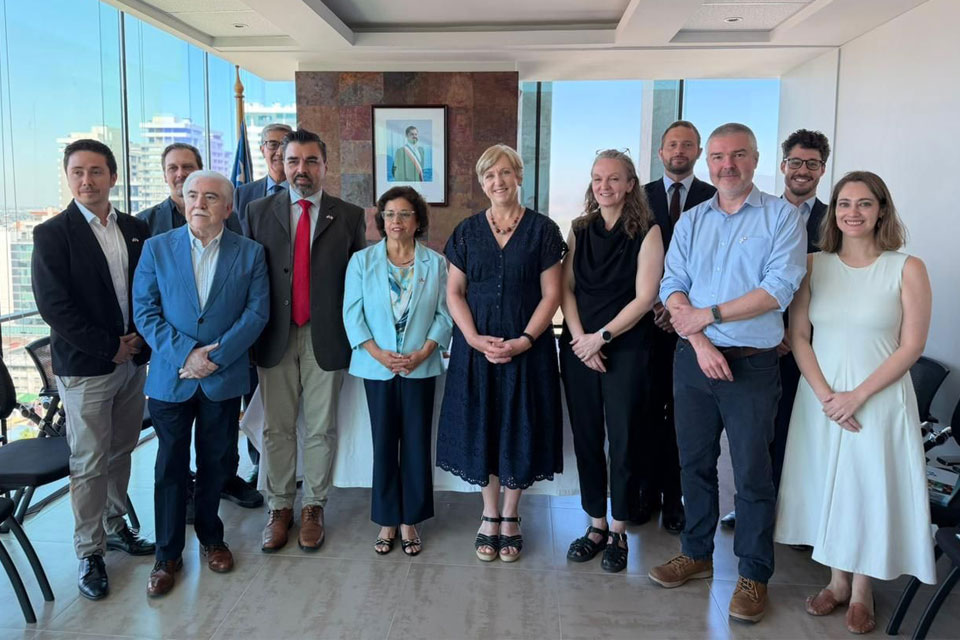
New UK/Chile partnership prioritises sustainable practices around critical raw materials
09/02/2026
BGS and Chile’s Servicio Nacional de Geología y Minería have signed a bilateral scientific partnership to support research into critical raw materials and sustainable practices.
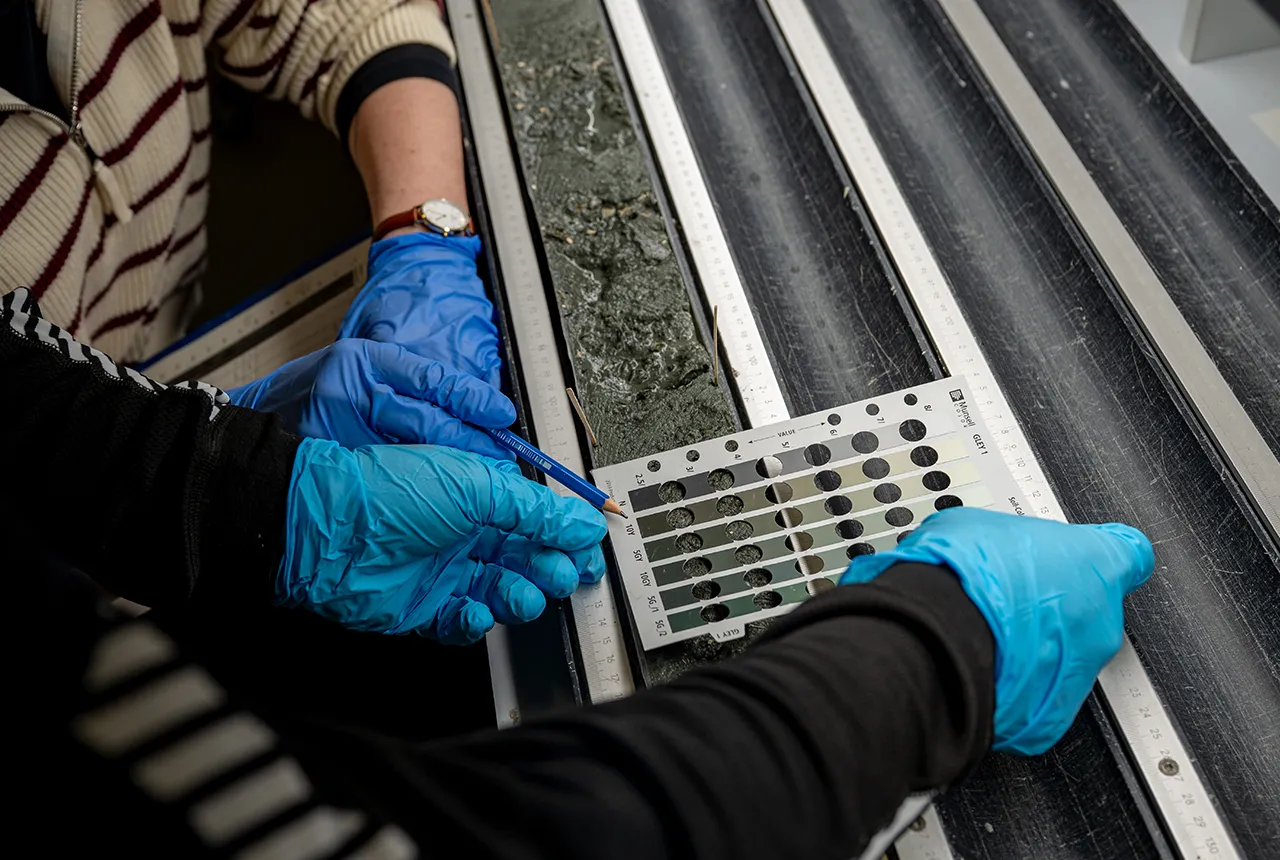
Extensive freshened water confirmed beneath the ocean floor off the coast of New England for the first time
09/02/2026
BGS is part of the international team that has discovered the first detailed evidence of long-suspected, hidden, freshwater aquifers.

Hole-y c*@p! How bat excrement is sculpting Borneo’s hidden caves
23/12/2025
BGS researchers have delved into Borneo’s underworld to learn more about how guano deposited by bats and cave-dwelling birds is shaping the subsurface.
BGS awarded funding to support Malaysia’s climate resilience plan
17/12/2025
The project, funded by the Foreign, Commonwealth & Development Office, will focus on minimising economic and social impacts from rainfall-induced landslides.

BGS agrees to establish collaboration framework with Ukrainian government
11/12/2025
The partnership will focus on joint research and data exchange opportunities with Ukrainian colleagues.
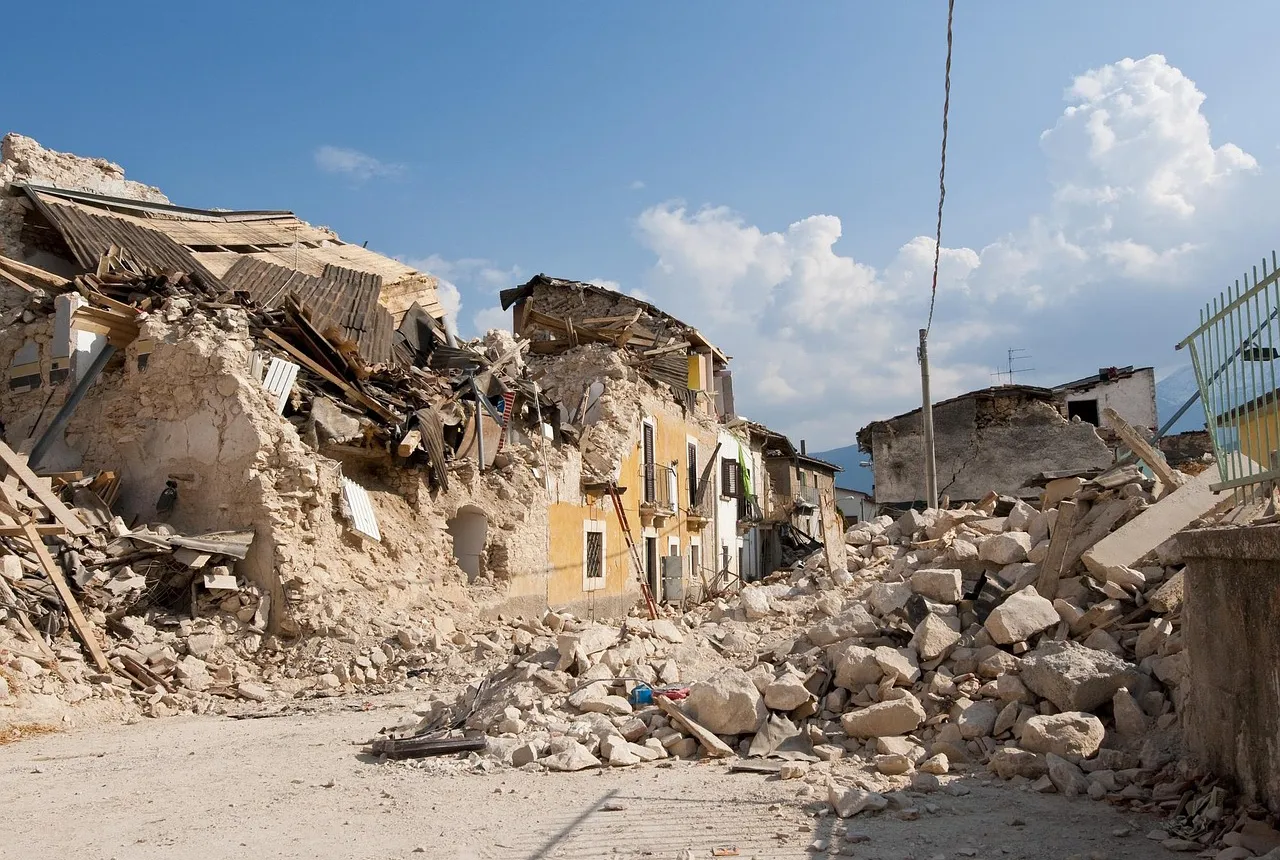
New research shows artificial intelligence earthquake tools forecast aftershock risk in seconds
25/11/2025
Researchers from BGS and the universities of Edinburgh and Padua created the forecasting tools, which were trained on real earthquakes around the world.

UK braced for what could be the largest solar storm in over two decades
12/11/2025
Intense geomagnetic activity could disrupt technology such as communication systems, global positioning systems and satellite orbits.
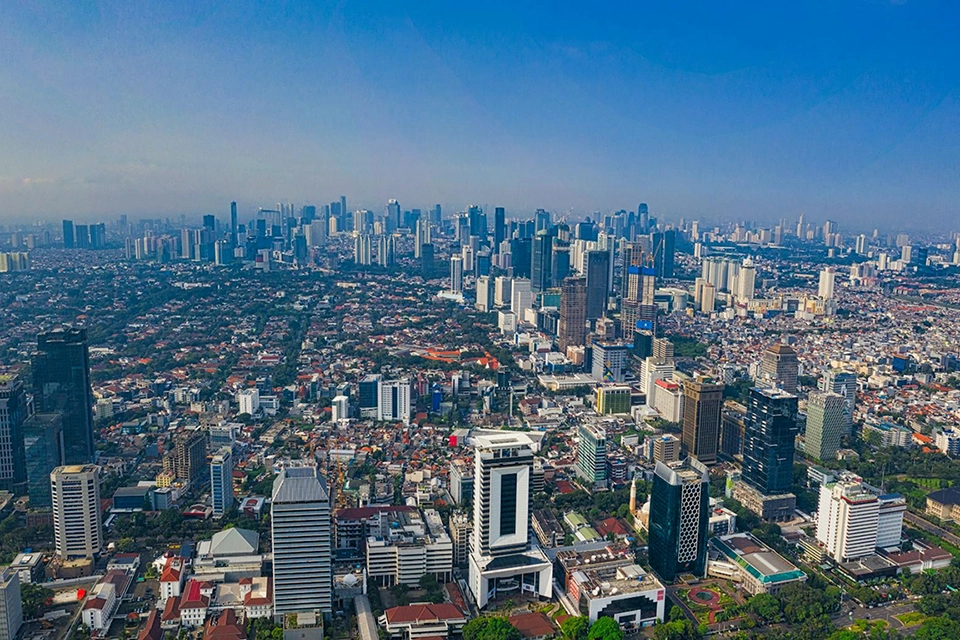
New research highlights significant earthquake potential in Indonesia’s capital city
04/11/2025
Research reveals that a fault cutting through the subsurface of Jakarta could generate a damaging earthquake of high magnitude.

GSNI project wins multiple awards at RegioStars event
17/10/2025
The AGEO project enjoyed a double success at the RegioStars awards, hosted at the European Commission in Brussels.

Fieldwork on Volcán de Fuego
13/10/2025
Understanding how one of the world’s most active volcanoes builds up material, and how they collapse to feed hot flows
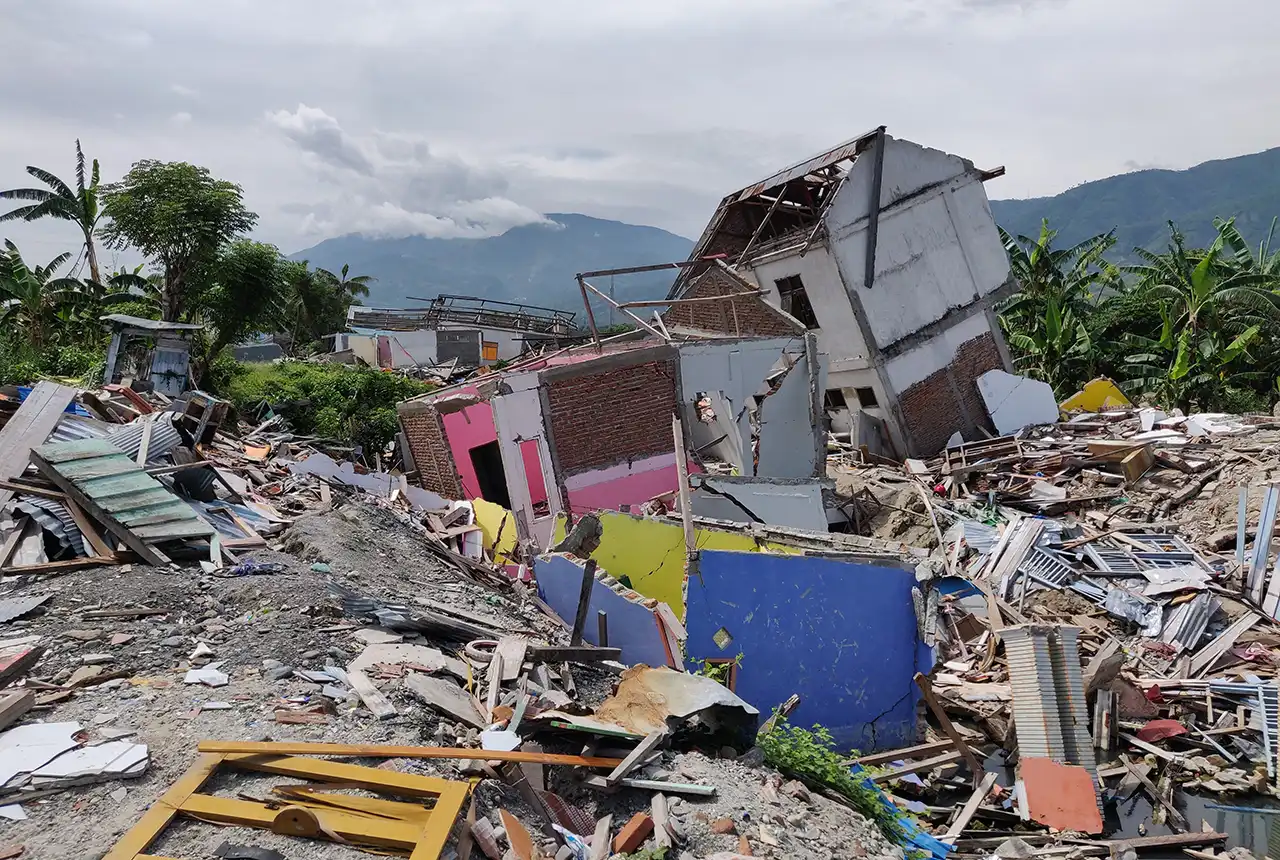
New report sets pathway to reduce the impacts of geohazards in one of the world’s most hazard-prone nations
30/09/2025
A new White Paper, co-developed by Indonesian and UK hazard experts, presents a strategic roadmap to significantly reduce the impacts of geological hazards in Indonesia.