

BGS data supports new tool to track geological changes in abandoned coal mines
BGS data supports new tool to track geological changes in abandoned coal mines.
20/11/2020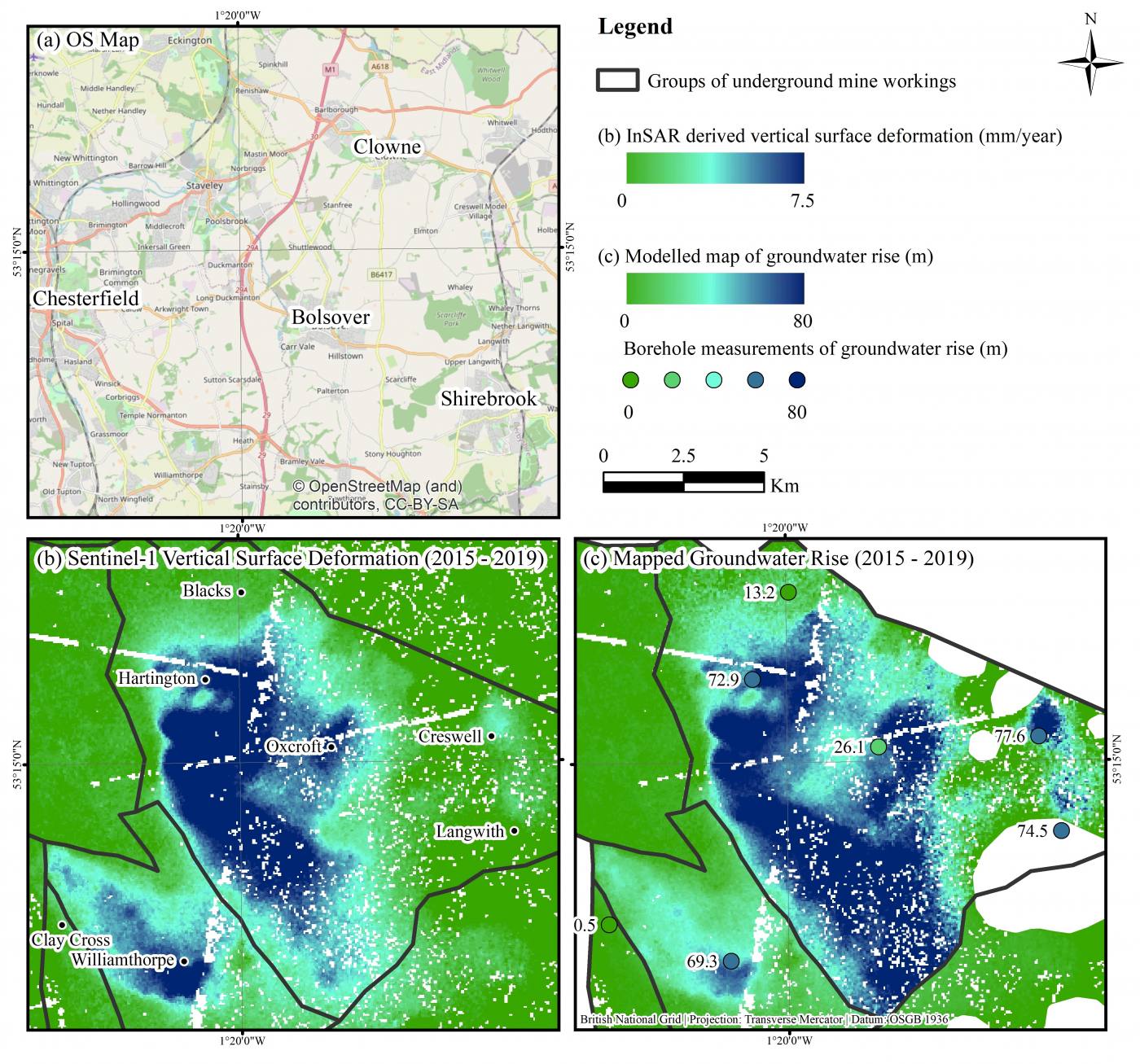

BGS is part of a multi-disciplinary team led by the University of Nottingham to develop a remote monitoring tool designed to help authorities manage public safety and environmental issues in recently abandoned coal mines.
The tool uses satellite radar imagery to capture millimeter-scale measurements of changes in terrain height. These measurements, when integrated with geological process models, can be used to monitor and forecast groundwater levels and changes in geological conditions deep below the earth’s surface in former mining areas. Ultimately this can help forecast where surface discharge of mine water may occur.
The study uses an advanced InSAR technique, called Intermittent Small Baseline Subset (ISBAS), developed by the University of Nottingham and Terra Motion Ltd and uses geological data provided by the BGS.
The method has been implemented over Nottinghamshire coalfields and the findings published in a paper ‘Modelling groundwater rebound in recently abandoned coalfields using DInSAR’ in the journal Remote Sensing of the Environment.
The team hopes to integrate results into an existing screening tool developed by the Environment Agency and Coal Authority to help local planning authorities, developers and consultants design sustainable drainage systems in coalfield areas, with potential to be scaled to coalfields across the UK.
The research was led by University of Nottingham PhD, David Gee and funded by the GeoEnergy Research Centre and Terra Motion Limited. ENVISAT and Sentinel-1 SAR data were provided by the European Space Agency with geological data by BGS and hydrogeological data by the Coal Authority.
Luke Bateson and Alessandro Novellino from the BGS Earth Observation and Geodesy capability have supported the geological interpretation and modelling of the InSAR results.
Read the full story on the University of Nottingham website
You can read more about the Interferometric Synthetic Aperture Radar (InSAR) technique from BGS Remote Sensing Geologist, Alessandro Novellino in ‘Mapping Ground Deformation from Space’, on the British Geological Survey blog.

Luke Bateson
Acting head of shallow geohazards and Earth observation; head of geodesy and remote sensing (Keyworth)
Dr Alessandro Novellino
Remote sensing geoscientist
Relative topics
Related news

New project mapping UK Continental Shelf provides boost to offshore infrastructure and development
22/10/2026
BGS is leading a three-year project funded by The Crown Estate to develop a new suite of seabed geology datasets and reports, providing crucial information for offshore developers about the seabed around the UK.
BGS one of the UK’s first specialist research institutes to receive Race Equality award
20/10/2026
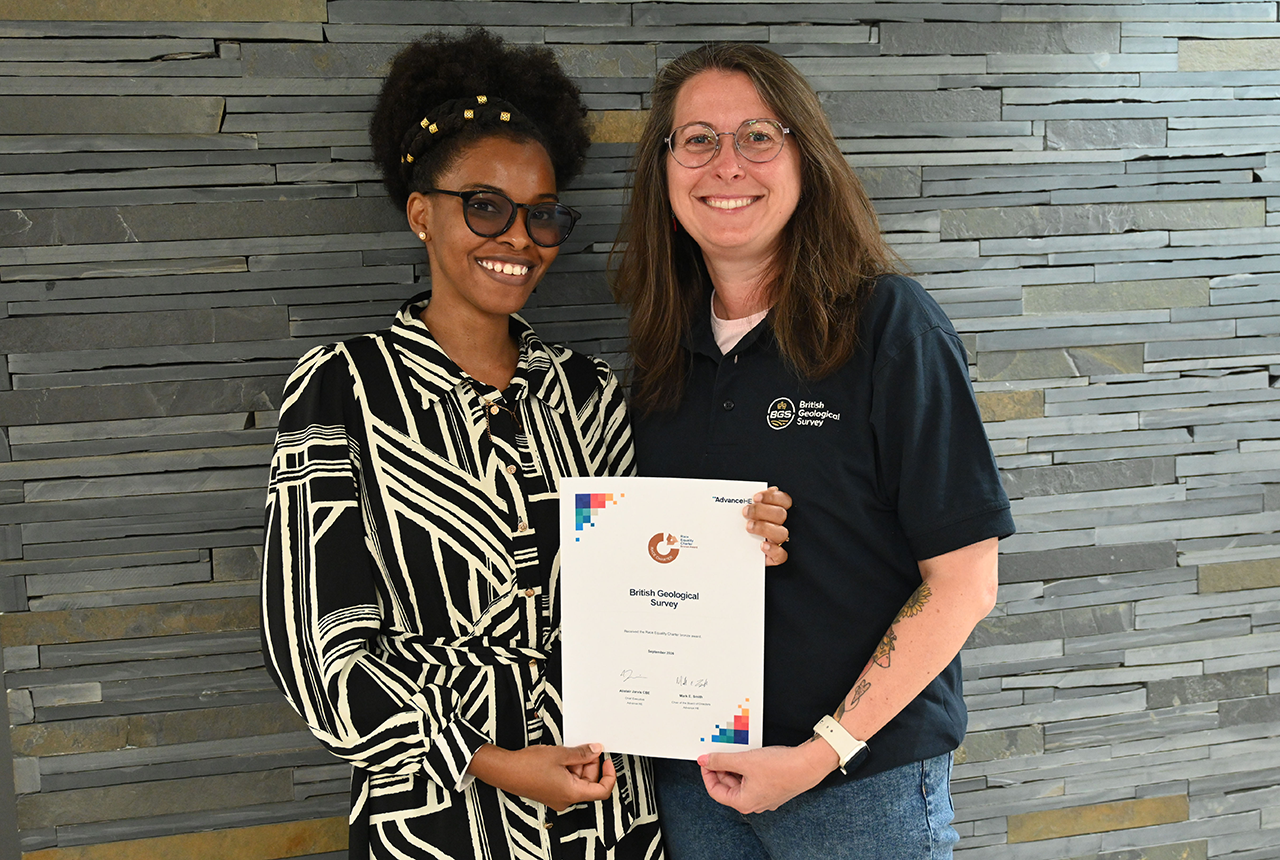
BGS has secured Bronze accreditation under the Advance HE Race Equality Charter framework, recognising its commitment to identifying and addressing race equality issues in the geosciences.
British and French geological surveys strengthen collaboration through new agreement
14/10/2026
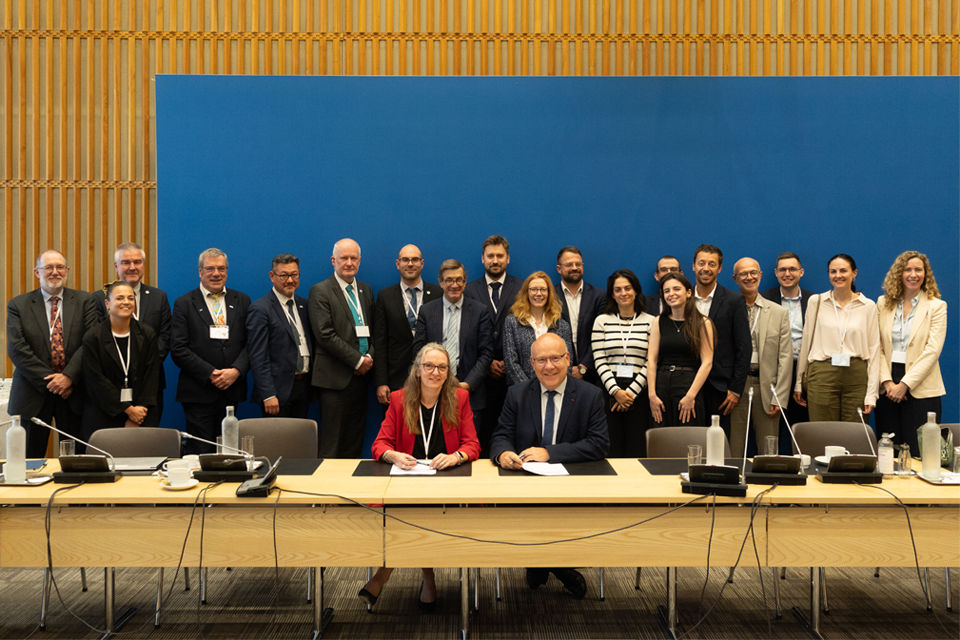
Two of Europe’s leading geological surveys have signed a Memorandum of Understanding to strengthen collaboration on key geoscientific challenges.
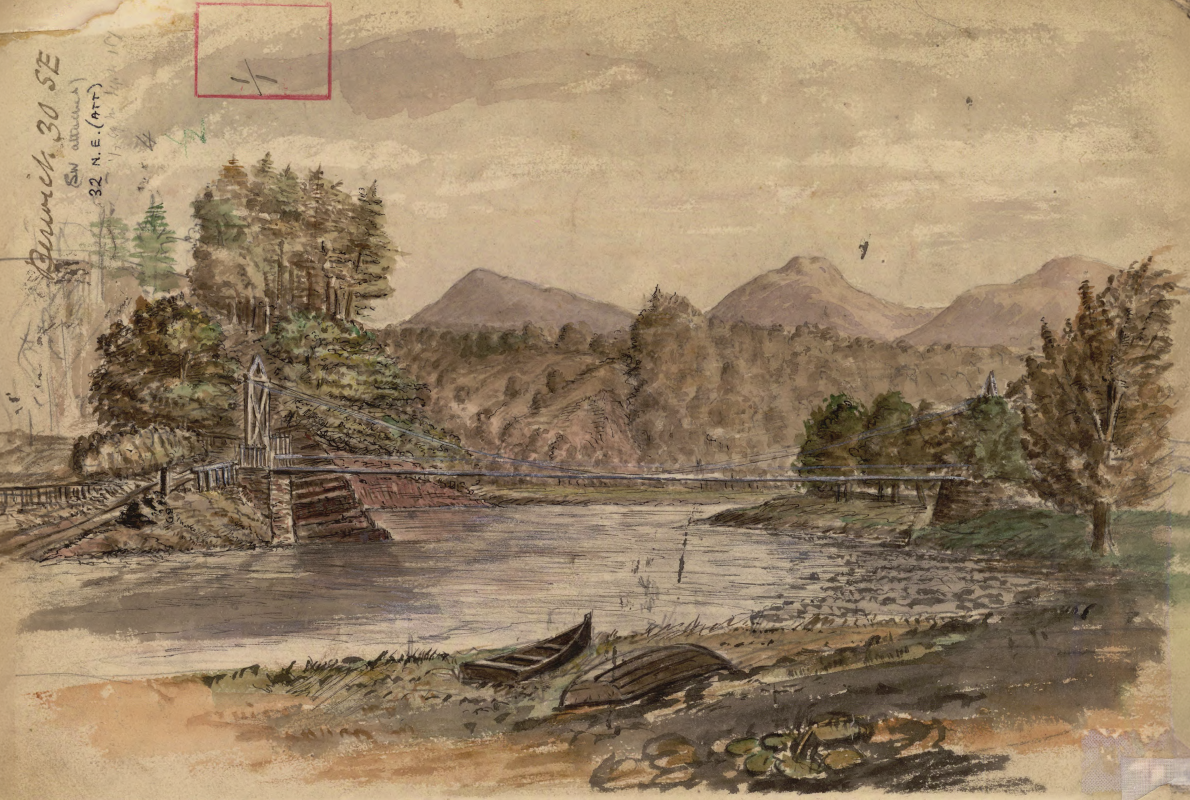
Historic watercolour unearthed on back of Dryburgh geological field map
05/10/2026
A 150-year-old painting of Dryburgh Suspension Bridge and the River Tweed offers an insight into the Scottish Borders landmark shortly after it was built in the 1870s.
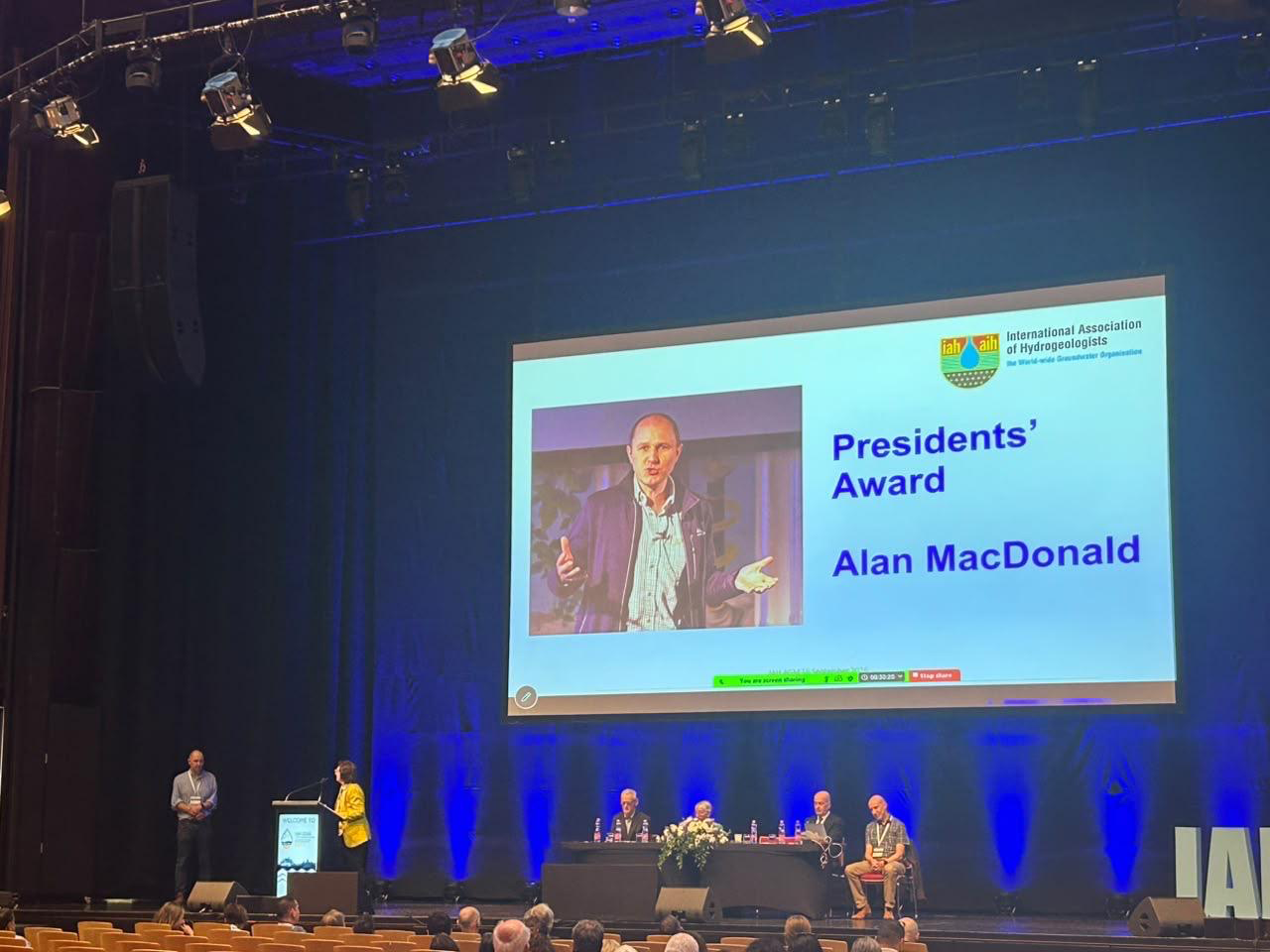
Professor Alan MacDonald presented with Presidents’ Award at 2026 World Groundwater Congress
21/09/2026
The BGS Head of Groundwater has been recognised with this prestigious award by the International Association of Hydrogeologists for his extensive contributions to groundwater science.
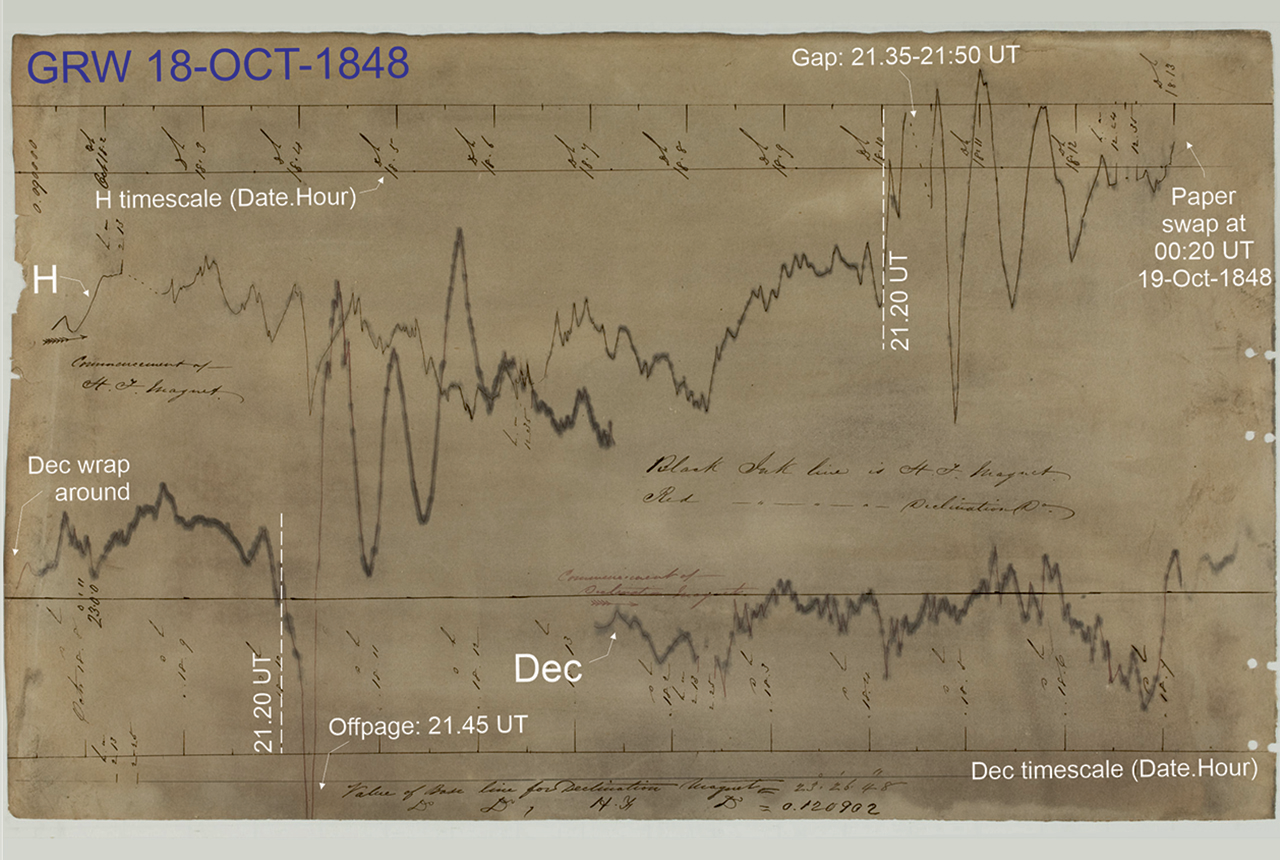
Mystery of one of the earliest recorded space weather impacts solved
17/09/2026
BGS scientists were part of an international team that has solved a 178-year-old mystery surrounding one of the earliest recorded examples of space weather affecting technology.
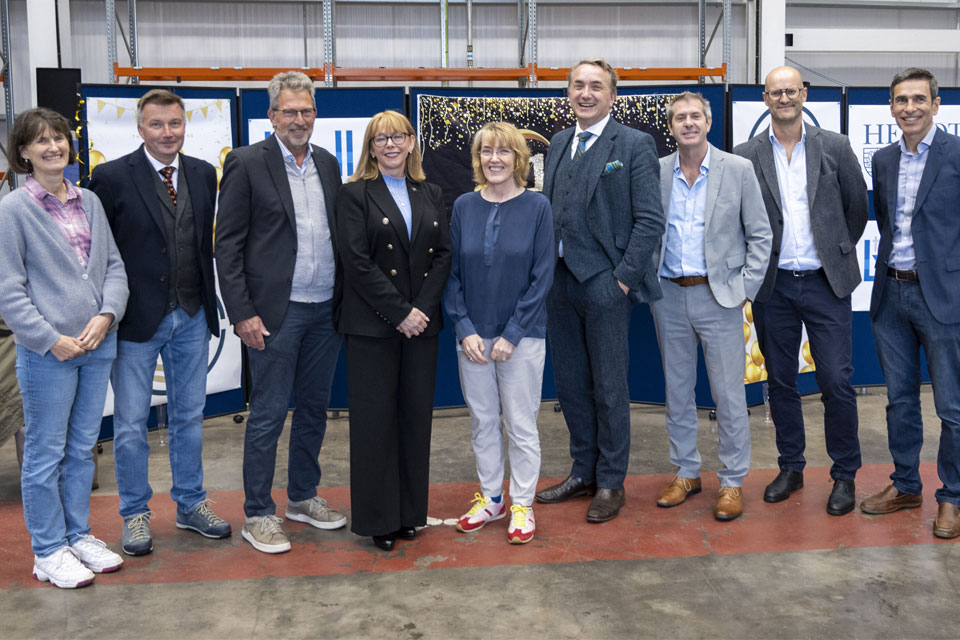
The Lyell Centre celebrates 10 years of world-leading earth and marine science research
07/09/2026
The Lyell Centre for Earth and Marine Sciences, a strategic partnership between Heriot-Watt University and BGS, is celebrating its 10th anniversary, marking a decade of world-leading research, innovation and collaboration in earth and marine sciences.

Demand for data centres presents challenges and opportunities for UK critical mineral supply chains
02/09/2026
Government-backed research finds that vulnerabilities in raw material supply chains must be addressed to secure the critical minerals needed to expand the UK’s digital infrastructure and boost economic growth.

What lies beneath Europe’s sinking ground?
01/09/2026
Land subsidence is becoming increasingly visible across Europe. New research examines how better monitoring, shared data and a deeper understanding of the subsurface can help assess and manage its impacts.
Secrets of an ancient supervolcano uncovered that change our understanding of England’s geological past
28/08/2026
Scientists have found evidence of a long-hidden link between an ancient buried ash layer in Scandinavia and a concealed supervolcano in eastern England.
BGS research into drought-exposed soils wins award
26/08/2026
A research paper investigating how temperate soils respond to drought has been announced as the winner of the Land Best Paper Award.
UK aquifers robust despite driest July on record
16/08/2026
In a summer experiencing widespread drought, groundwater levels around the country are showing resilience, demonstrating their value as a crucial resource and indicating they could play a more significant role in mitigating the impacts of extreme weather.