

BGS contributes to UN sand and sustainability report
The new report highlights the impact of poor governance and unsustainable sand mining practices, calling on policymakers to take action.
19/05/2026 By BGS Press

Sand is the most extracted solid material on Earth (currently 50 billion tonnes annually). Rapid urbanisation, driven by large-scale migration into cities, has fuelled a growing need for sand as a building material, with demand expected to rise by 45 per cent by 2060.
Due to this rise in demand, sand mining has increased across the globe, often including unregulated and illegal operations. Extraction is now occurring faster than the rate of natural replenishment, a process that can take thousands of years. This is known as the ‘sand gap’.
While sand mining on a local scale can provide employment and raw materials needed for development, the sheer scale of extraction in many parts of the world has considerable, cumulative, negative environmental effects if it is not carefully managed.
Sand used for construction in many countries is often sourced from rivers and marine environments; however, sand also plays an essential role within these natural systems, supporting biodiversity and providing resilience to erosion and flooding. The value of sand in these environments needs to be carefully balanced against its value as a material for development.
To outline this escalating risk, a new UN Environment Programme (UNEP) report, with contributions from BGS geoscientists, has been released. ‘Sand and sustainability: an essential resource for nature and development’ highlights the risk posed to both on and offshore areas affected by sand mining. It also urges governments, policymakers and industry to recognise sand’s essential value, strengthen policy frameworks and apply early and coordinated interventions on sand sustainability. The report presents 24 strategic actions that governments, industry, financial institutions and civil society can take to better safeguard sand resources.

Son River, India. Workers unloading sand shipments onto trucks for storage on land and sale to local construction companies. Extraction has been fuelled by the construction boom in the nearby New Delhi metropolitan area. © Mathias Depardon.
The report, co-written by 27 experts from across the world, concludes with actionable policy measures and a sand assessment tool to support more sustainable sand management at local, regional and national levels.

This timely report and its accompanying tool highlight the global significance of sand mining while outlining the challenges and risks faced by the sector. We hope that this report will serve as a catalyst for policymakers, encouraging the development and application of more robust governance of sand mining. At the same time, the report aims to improve public understanding of the true value of sand. Ultimately, it should support the adoption of appropriate alternatives, reduce consumption and minimise the negative impacts associated with sand extraction.
Tom Bide, minerals geoscientist at BGS and report co-author.
Read the full UNEP report here
Further reading
- Living in a world made of sand
- Good practice for sand mining
- BGS ArcGIS StoryMap Sand & Sustainability
Relative topics
Related news

The Lyell Centre celebrates 10 years of world-leading earth and marine science research
07/09/2026
The Lyell Centre for Earth and Marine Sciences, a strategic partnership between Heriot-Watt University (HWU) and BGS, is celebrating its 10th anniversary, marking a decade of world-leading research, innovation and collaboration in earth and marine sciences.

Demand for data centres presents challenges and opportunities for UK critical mineral supply chains
02/09/2026
Government-backed research finds that vulnerabilities in raw material supply chains must be addressed to secure the critical minerals needed to expand the UK’s digital infrastructure and boost economic growth.
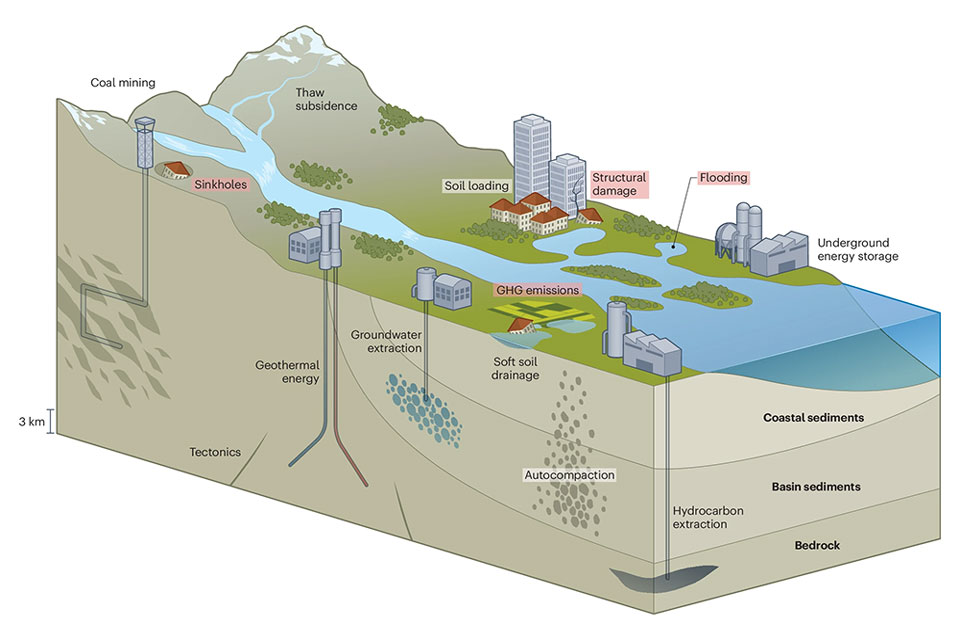
What lies beneath Europe’s sinking ground?
01/09/2026
Land subsidence is becoming increasingly visible across Europe. New research examines how better monitoring, shared data and a deeper understanding of the subsurface can help assess and manage its impacts.

Secrets of an ancient supervolcano uncovered that change our understanding of England’s geological past
28/08/2026
Scientists have found evidence of a long-hidden link between an ancient buried ash layer in Scandinavia and a concealed supervolcano in eastern England.
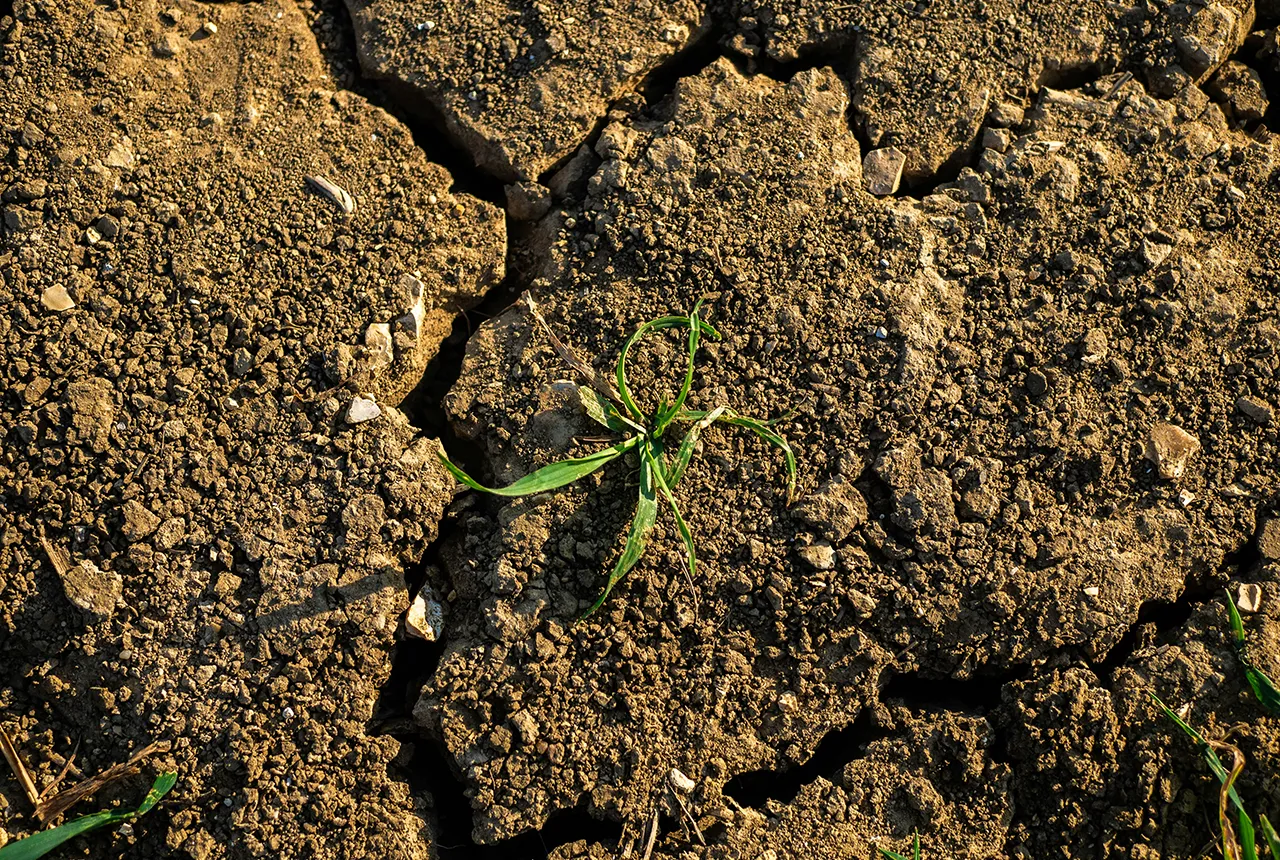
BGS research into drought-exposed soils wins award
26/08/2026
A research paper investigating how temperate soils respond to drought has been announced as the winner of the Land Best Paper Award.
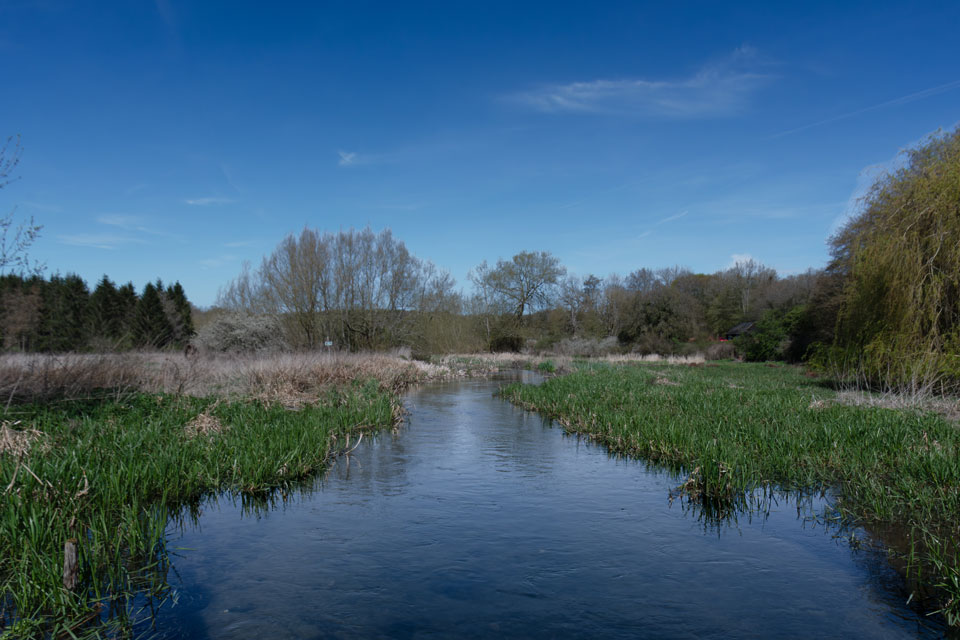
UK aquifers robust despite driest July on record
16/08/2026
In a summer experiencing widespread drought, groundwater levels around the country are showing resilience, demonstrating their value as a crucial resource and indicating they could play a more significant role in mitigating the impacts of extreme weather.
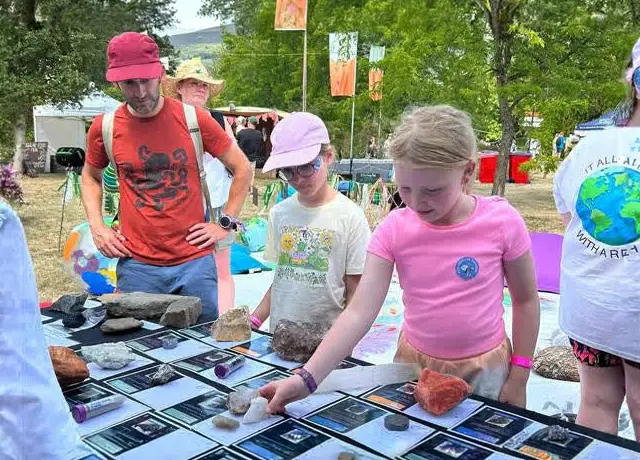
New NERC-funded project empowers young people to engage with environmental science
23/07/2026
BGS is part of a new, collaborative project, funded through NERC’s ‘Opening up the environment’ programme, helping the environmental research community become more accessible.
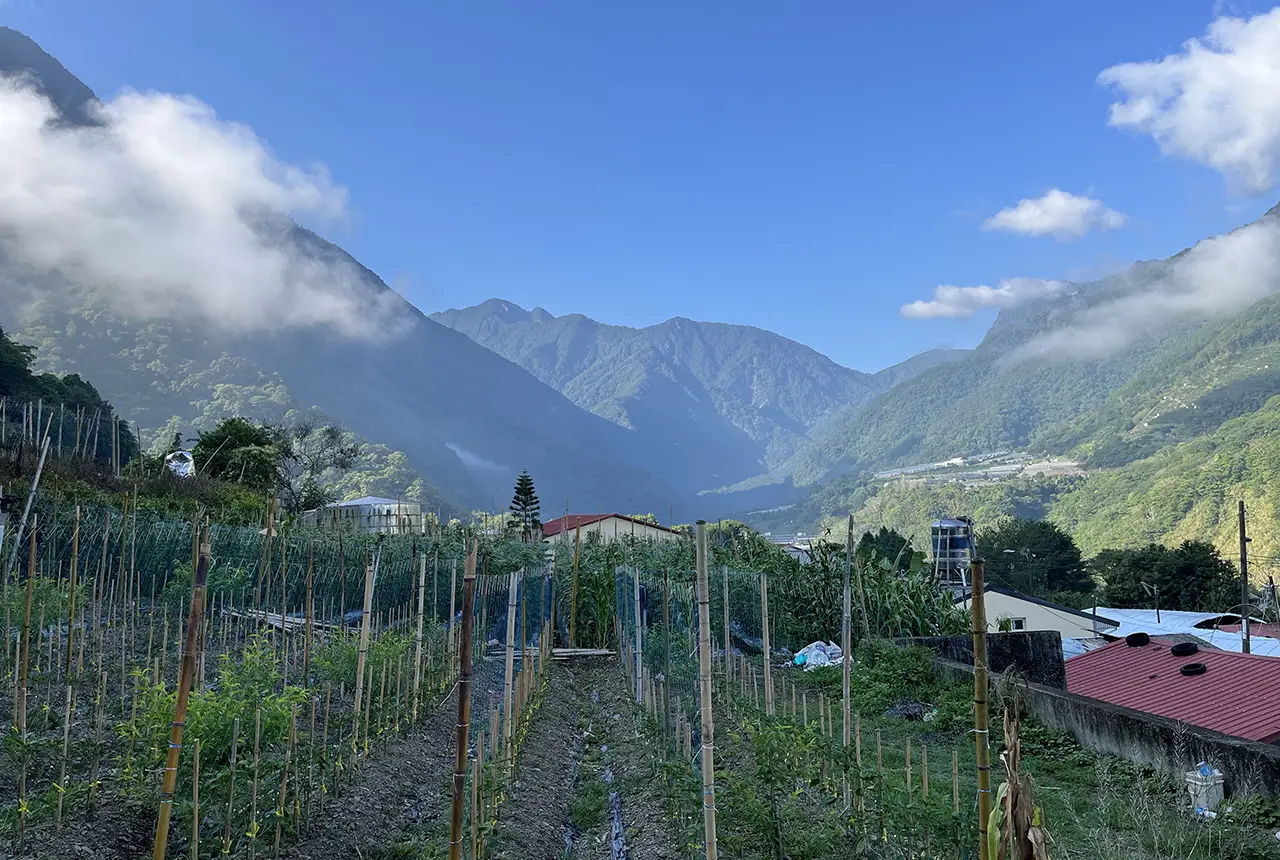
Delving deep into mountains for future water security
16/07/2026
A BGS-led project is using new water-tracing investigation methods, geophysics and modelling to understand how water moves from mountains to the lowlands, helping to improve water security for billions of people.
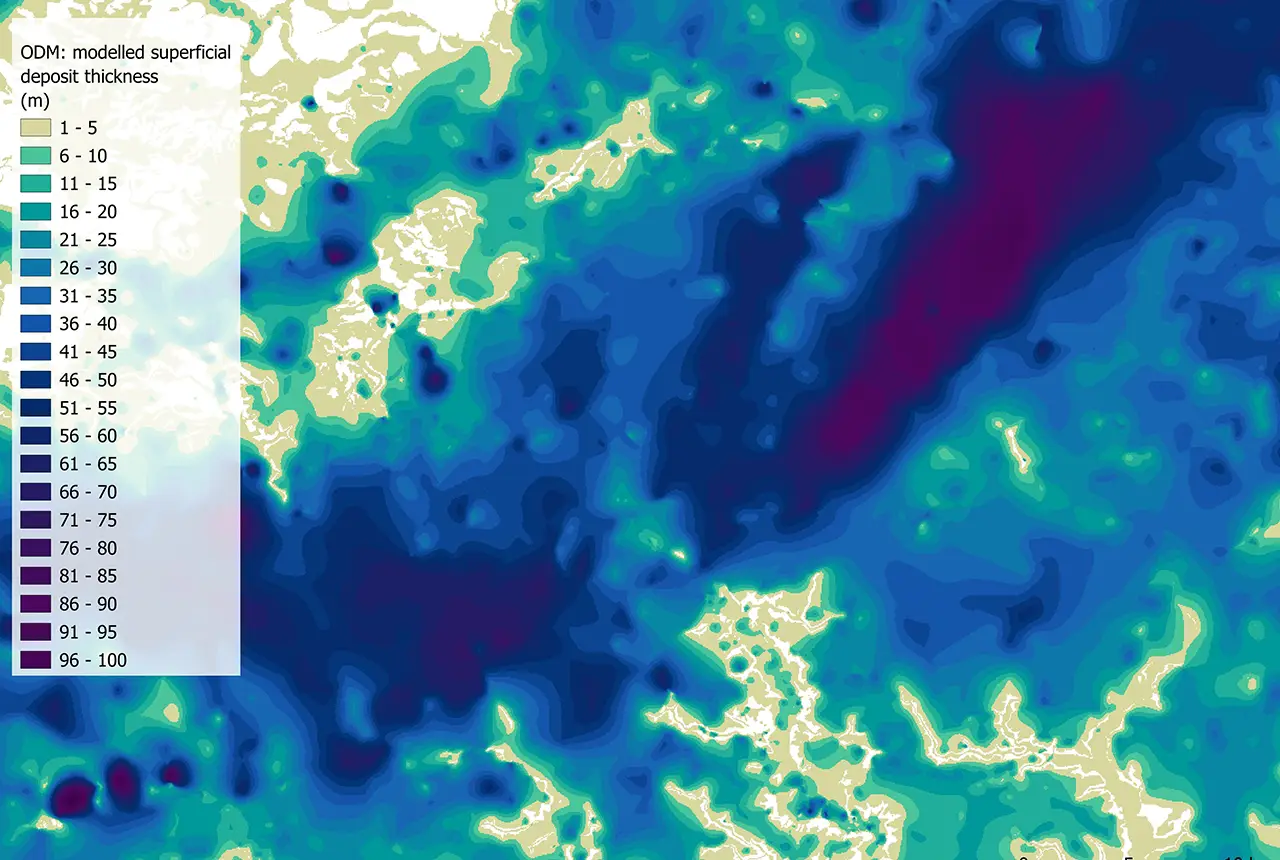
Updated national 3D model will determine the depth to the solid bedrock beneath our feet
13/07/2026
The BGS Superficial Deposit Thickness Model now includes an elevation model of geological rockhead for the first time, providing important data for civil engineers, geoscientists and environmental scientists.
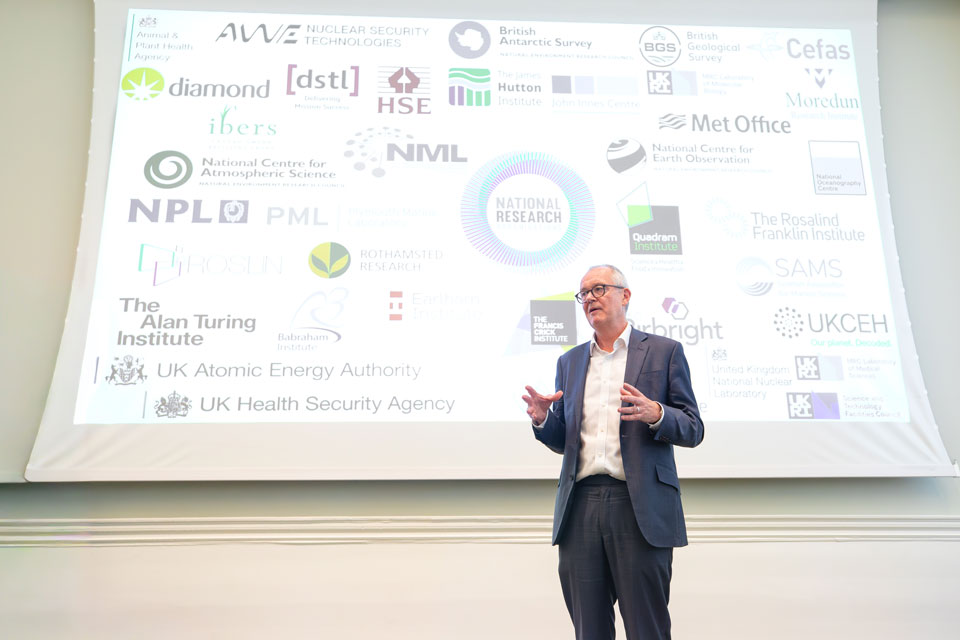
UK’s world-class research organisations launch new collective
10/07/2026
The launch of the National Research Organisations Group brings together more than 100 science leaders to provide an authorativive voice on science, research policy and long-term investment.
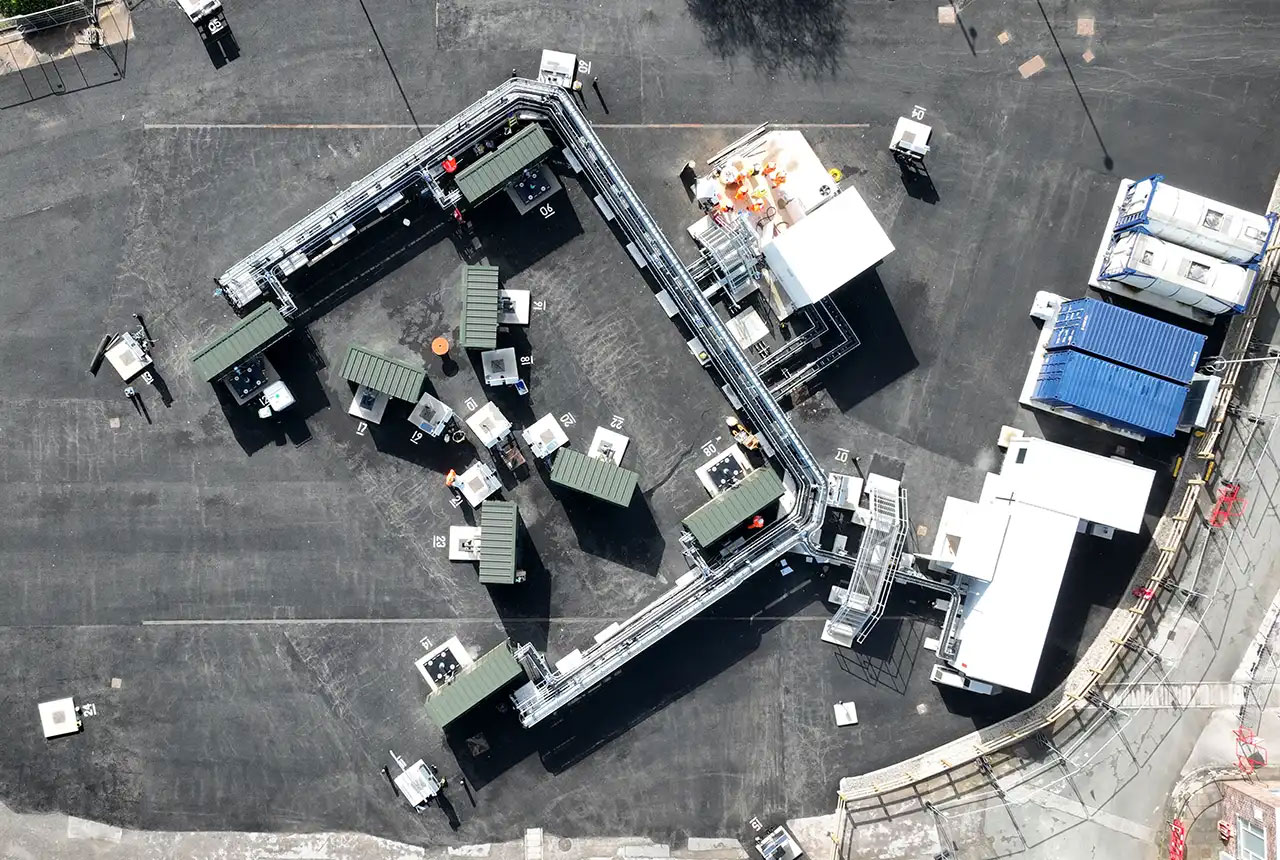
Cheshire Geoenergy Observatory releases key geological datasets for UK thermal energy storage scheme design
09/07/2026
A new report and data packs from BGS will provide a unique resource for scientists working on the geology and hydrogeology of the Sherwood Sandstone Formation, an important aquifer and reservoir rock.

New geological mapping underway to help manage flooding along the River Tweed
08/07/2026
Scientists are surveying the Tweed catchment for the first time in over 100 years to enhance understanding of localised groundwater and improve flood forecasting.