

Experiences from our Commonwealth Fellowship at the British Geological Survey
Scientific fellowships foster professional growth, international collaboration and exposure to world-class research environments. A group of visiting Commonwealth Fellowship researchers share their experience of being hosted at the BGS Inorganic Geochemistry Facility.
24/08/2026 By BGS Press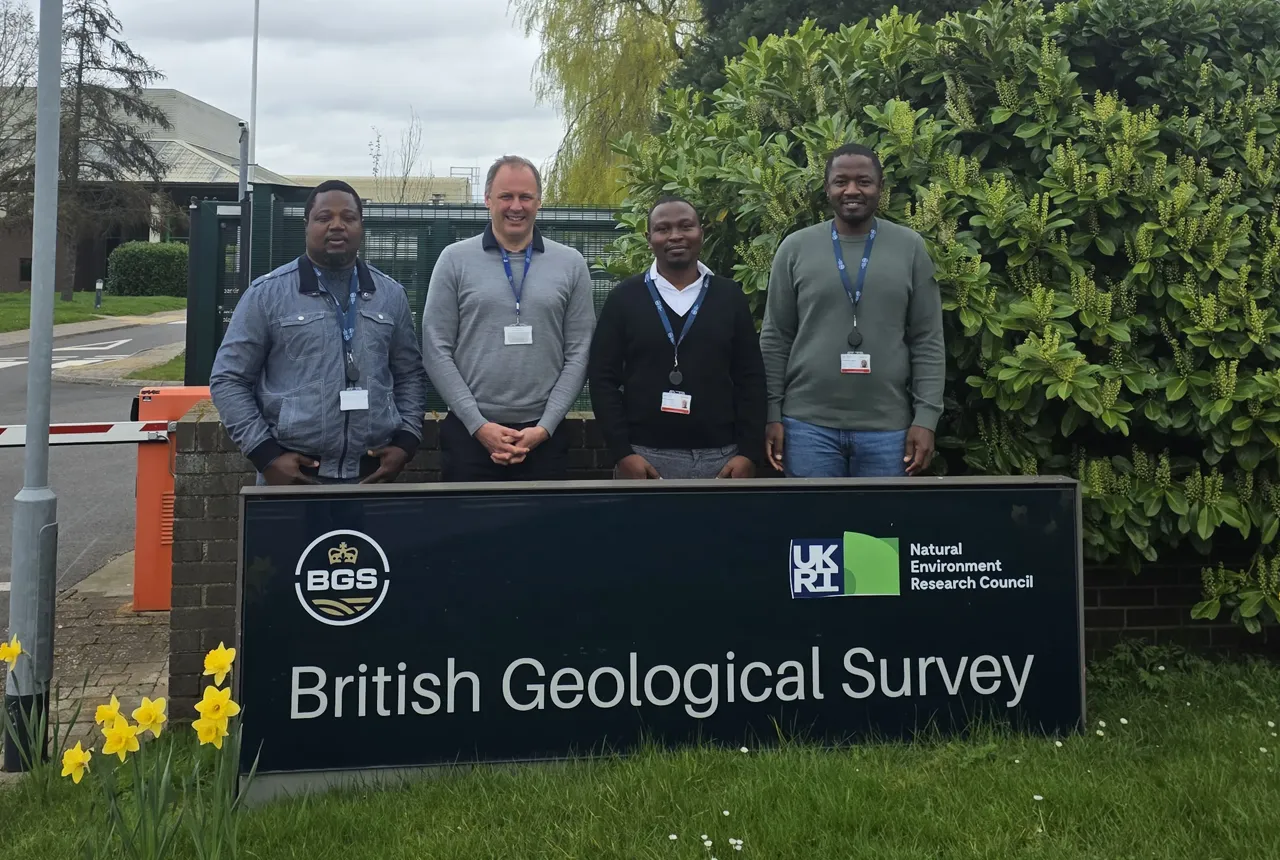

Since we first stepped into the BGS headquarters in Keyworth, Nottingham, in March 2026 we have experienced an inspiring blend of scientific training, cultural exchange, networking and personal growth. Our fellowship journey has not just sharpened our technical skills; it also reshaped how we think about environmental research and scientific collaboration back home in Kenya and Cameroon.
Despite coming from different institutions and scientific backgrounds, we quickly discovered a shared passion for strengthening environmental research systems across Africa.
A host institution beyond the laboratory
Our fellowship was hosted at the Inorganic Geochemistry Facility at BGS under the leadership of Michael Watts. BGS is far more than a laboratory. It is an international centre for geoscientific research and development, bringing together scientists, technicians and innovators working on environmental challenges from around the world.
One of the most inspiring aspects of our experience was the immediate sense of inclusion. From the first day, the induction process integrated us into the BGS community, giving us access not only to advanced laboratory facilities but also to the immense expertise of the staff.
The collaborative research between BGS, the University of Eldoret and the Kenya Marine and Fisheries Research Institue (KMFRI) on land-to-lake interactions in Kenya’s Winam Gulf created a particularly meaningful context for our training, especially as fellows working in aquatic and environmental sciences.
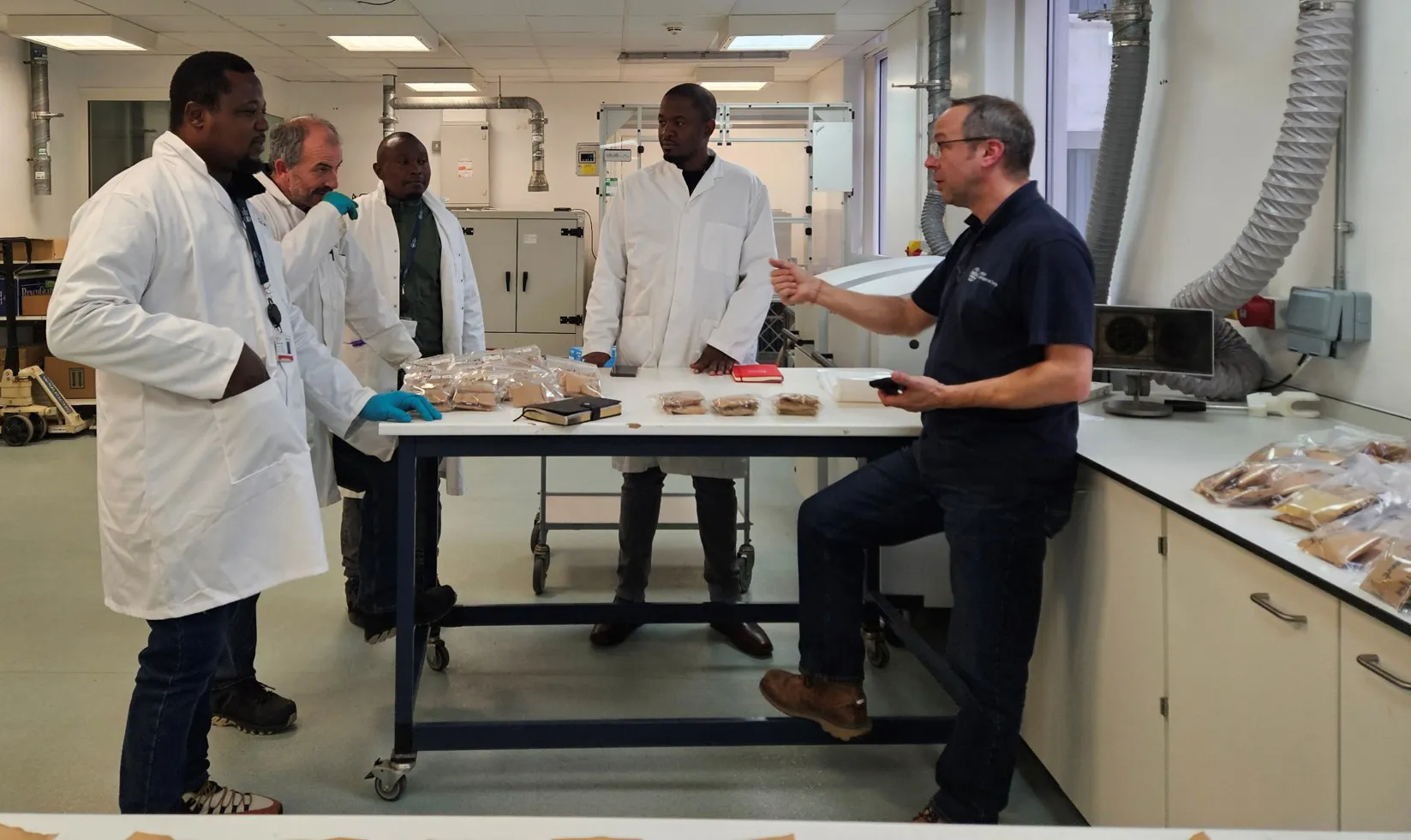
Sample preparation – Mark and Tino. © James Last
Learning the science behind quality data
A major focus of the fellowship has been training in practical laboratory skills and quality-management systems. We gained hands-on experience in:
- recording and tracking samples using the Laboratory Information Management System
- sample storage and traceability
- soil sample preparation through sieving and milling
- preparation of reference materials for quality control purposes
These activities highlighted the importance of precision, consistency and quality assurance in generating reliable scientific data. The fellowship also exposed us to internationally recognised analytical techniques and laboratory protocols that strengthen confidence in environmental data production.
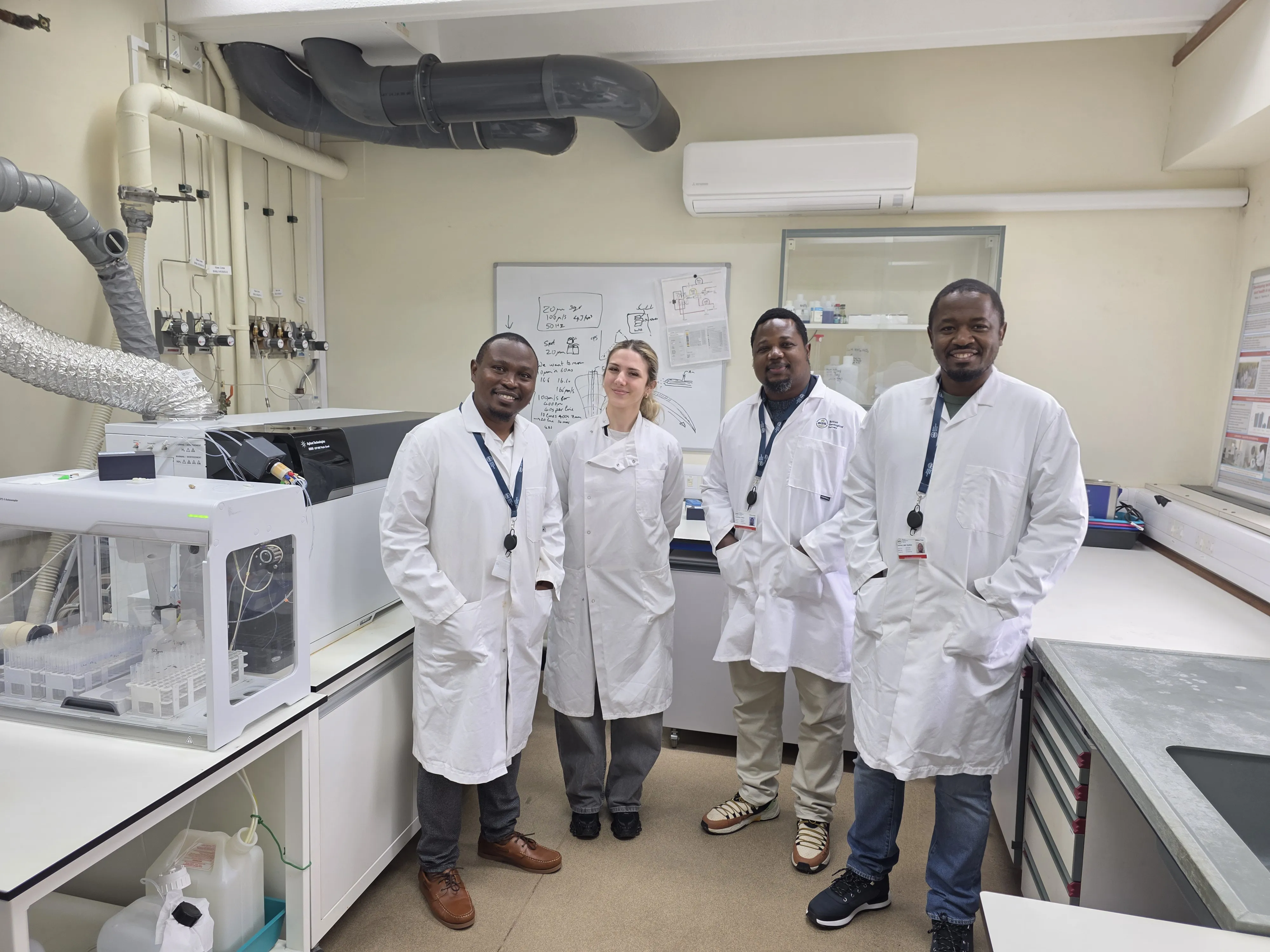
Commonwealth fellows being guided by Maddy on sample quality control in the labs. © James Last
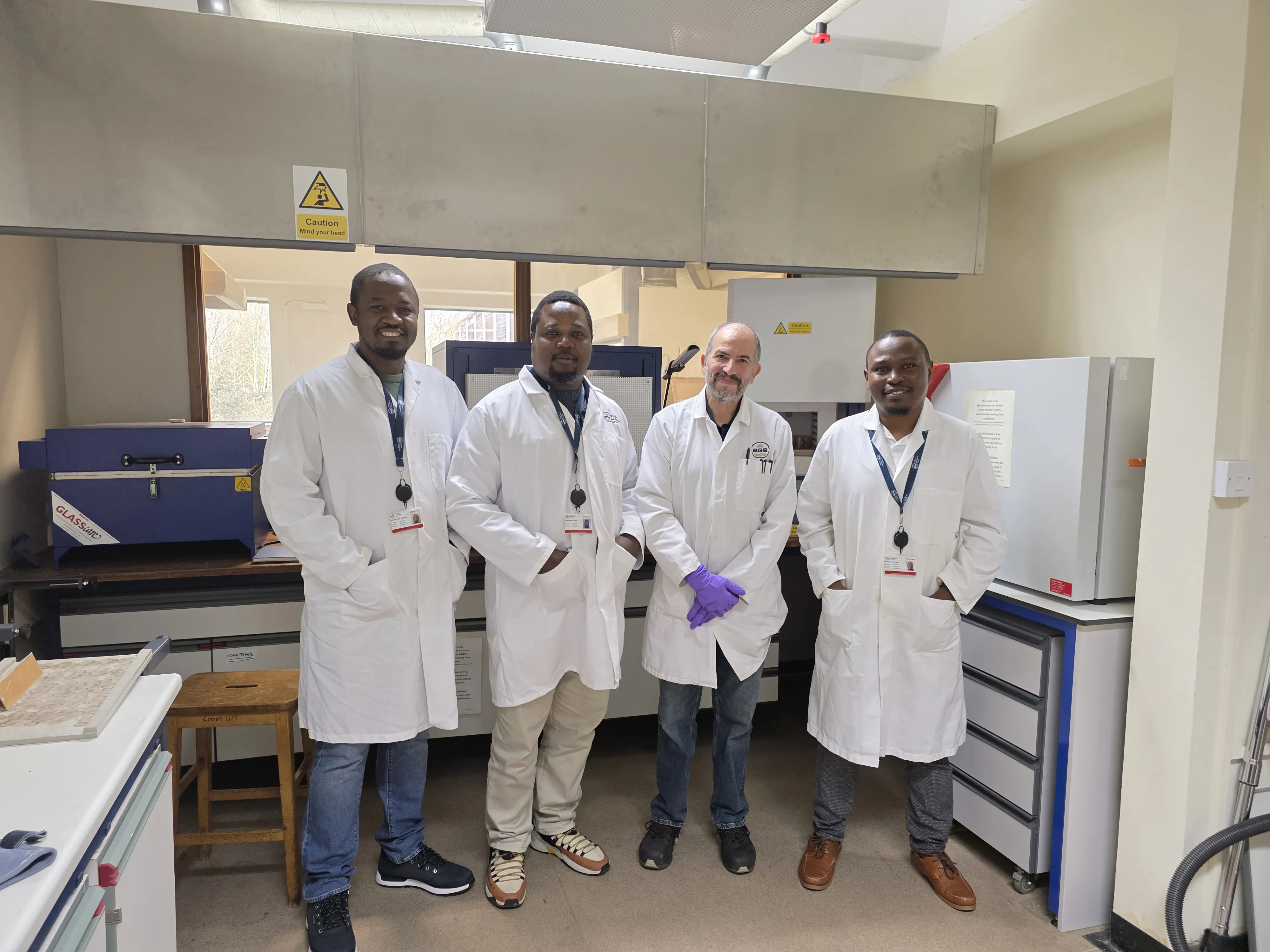
Commonwealth fellows being guided by Tino on sample preparation in the labs. © James Last
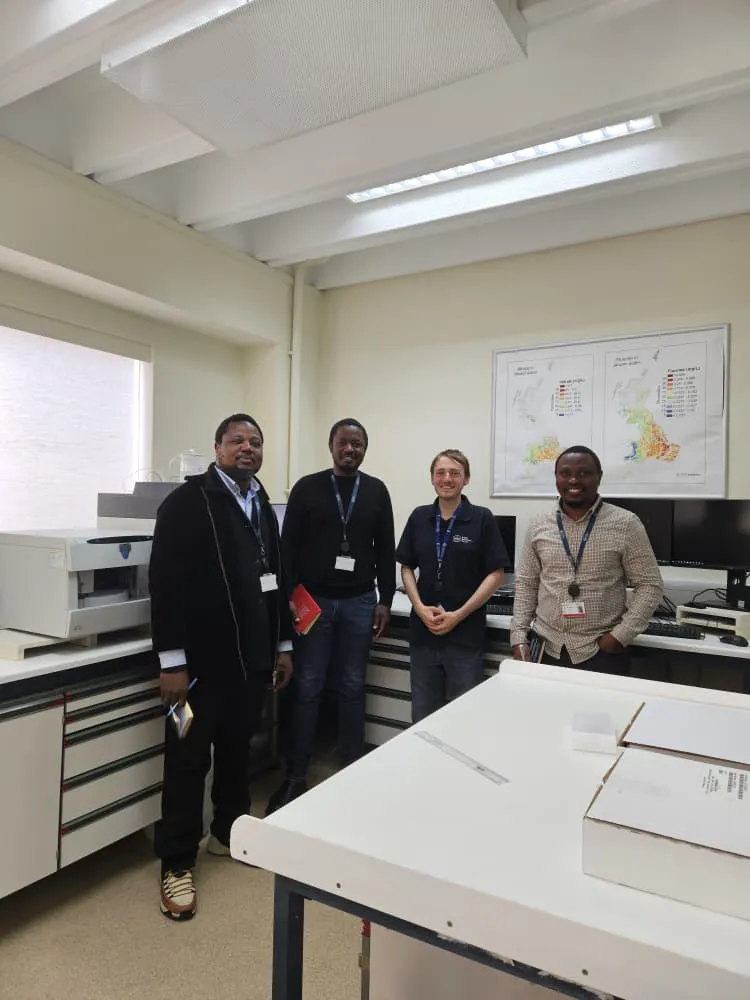
Water chemistry. © James Last
Sharpening our analytical skills
One of the most valuable aspects of our stay has been the opportunity to learn directly from experienced scientists and laboratory specialists at BGS. Our training included:
- quality assurance and quality control systems
- statistics and geospatial analysis using R and QGIS
- standard operating procedures for acid digestion and inductively coupled plasma mass spectrometry analysis
- water chemistry analysis using high-performance liquid chromatography
- research proposal and PhD concept development
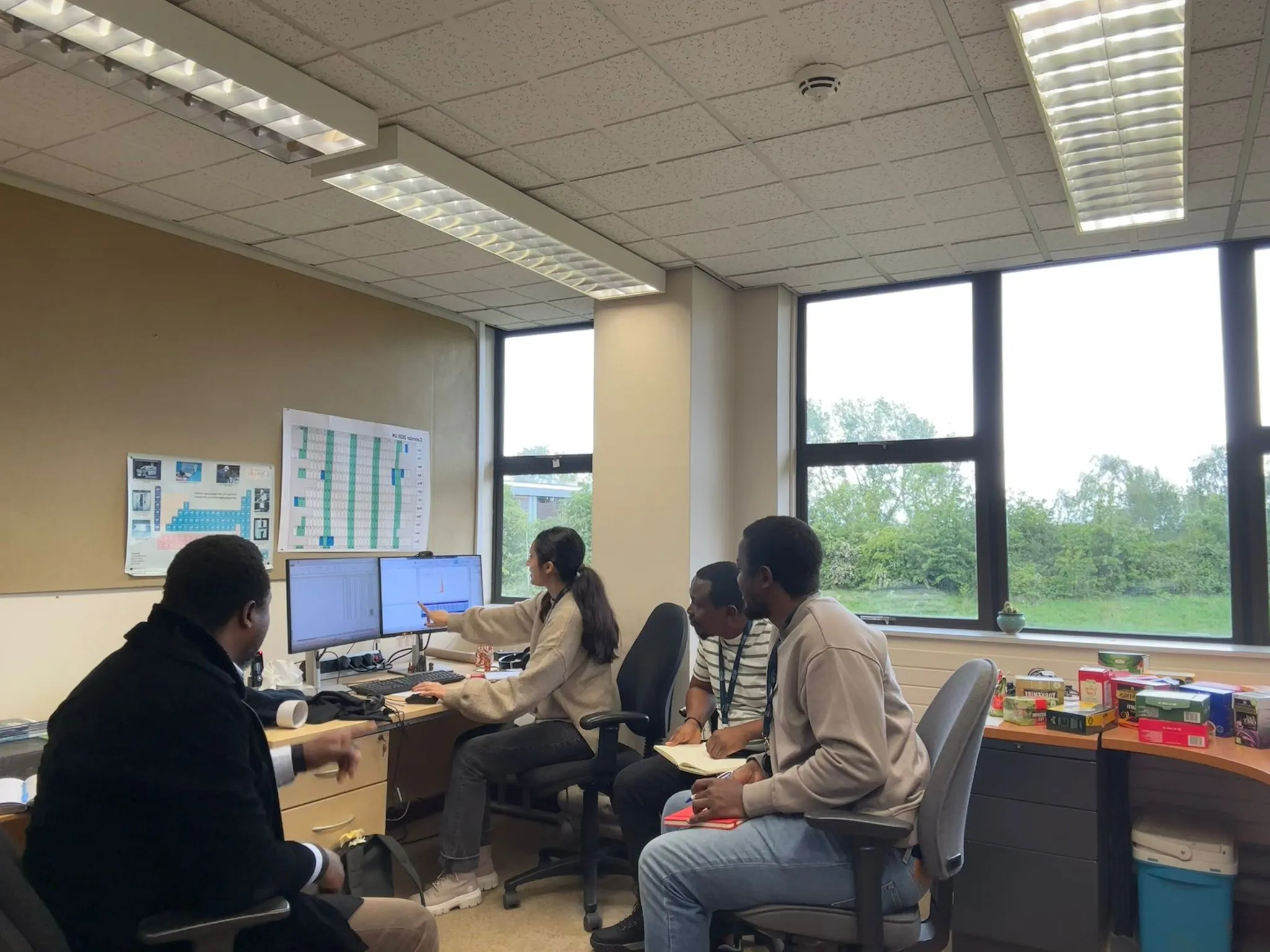
Quality control. © James Last
The collaborative nature of the training allowed us to interact closely with experts, including several members of the BGS analytical and research teams. Beyond technical knowledge, these sessions strengthened our confidence in designing internationally competitive research projects and laboratory systems back home.
Building networks through meetings and visits
Our fellowship extended well beyond the BGS campus. We had opportunities to attend meetings and visit institutions including:
- Agilent Technologies in Oxford
- University of Plymouth
- University of Portsmouth
- University of Nottingham
- University of Salford
These engagements opened doors for future collaborations, academic partnerships and potential PhD opportunities.
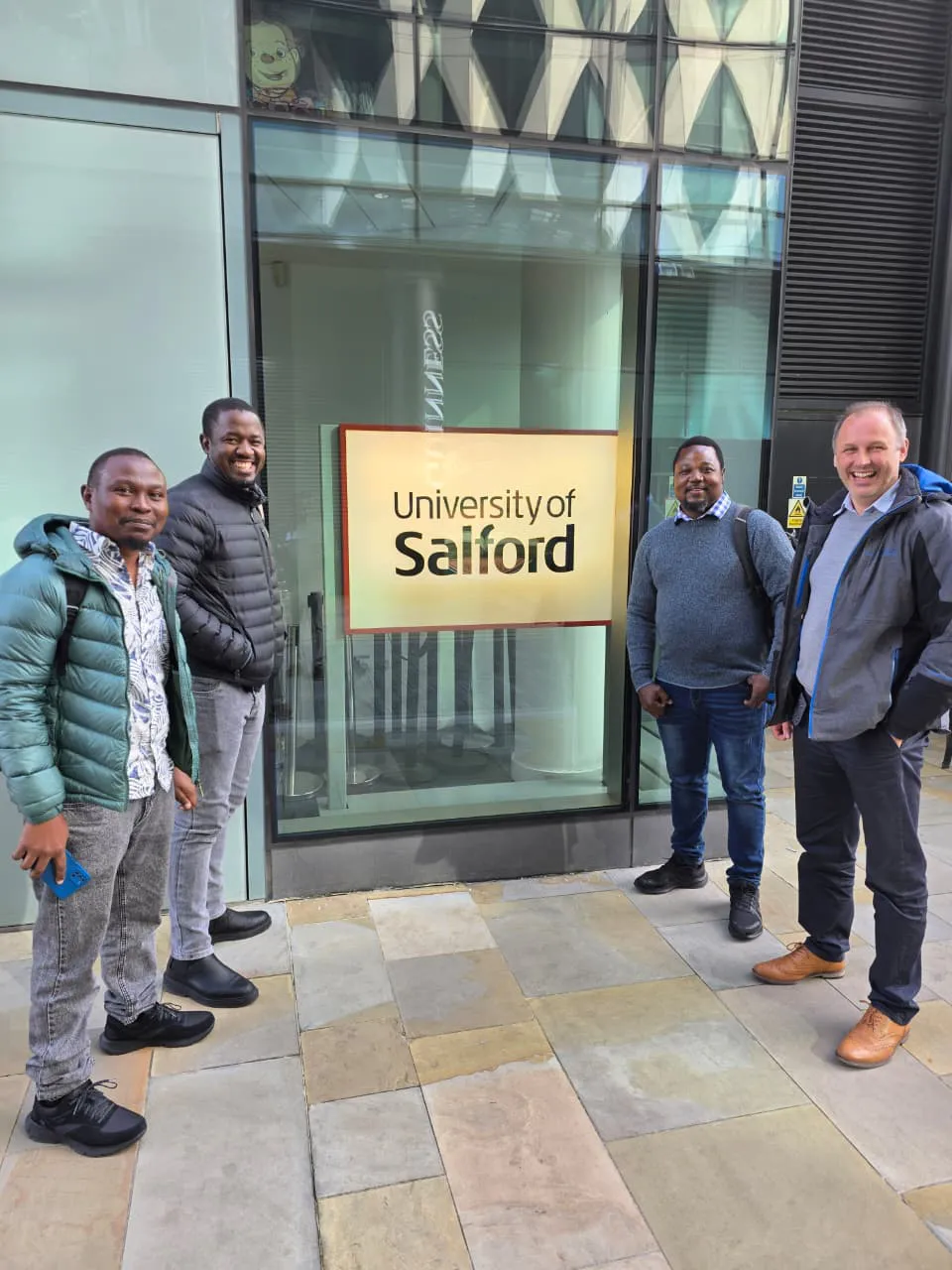
University of Salford. © James Last
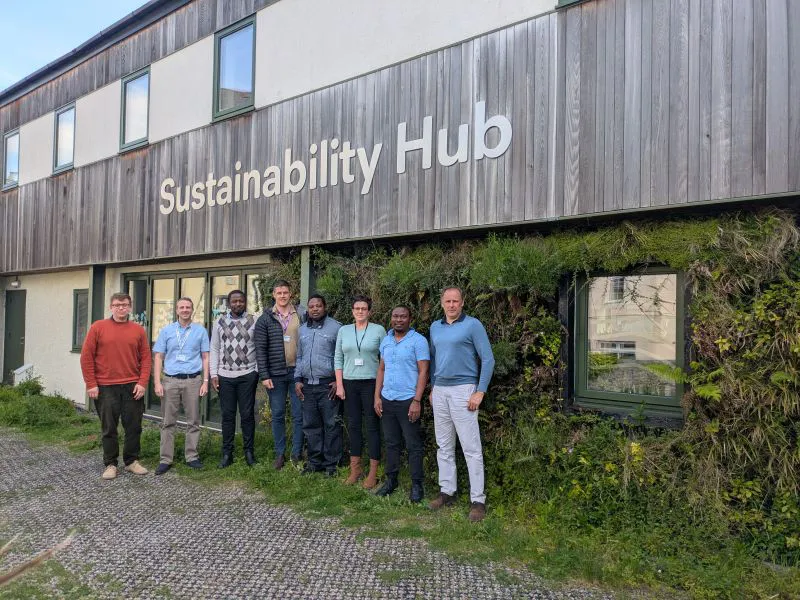
University of Plymouth. © James Last
Understanding the past to shape the future
While at BGS, we also explored the institution’s National Geological Repository, museum and library. These visits demonstrated how historical geological and environmental records can help scientists understand long-term ecosystem change and predict future environmental trends. For researchers interested in climate change, pollution, fisheries and aquatic ecosystems, these archives offer invaluable scientific insight.
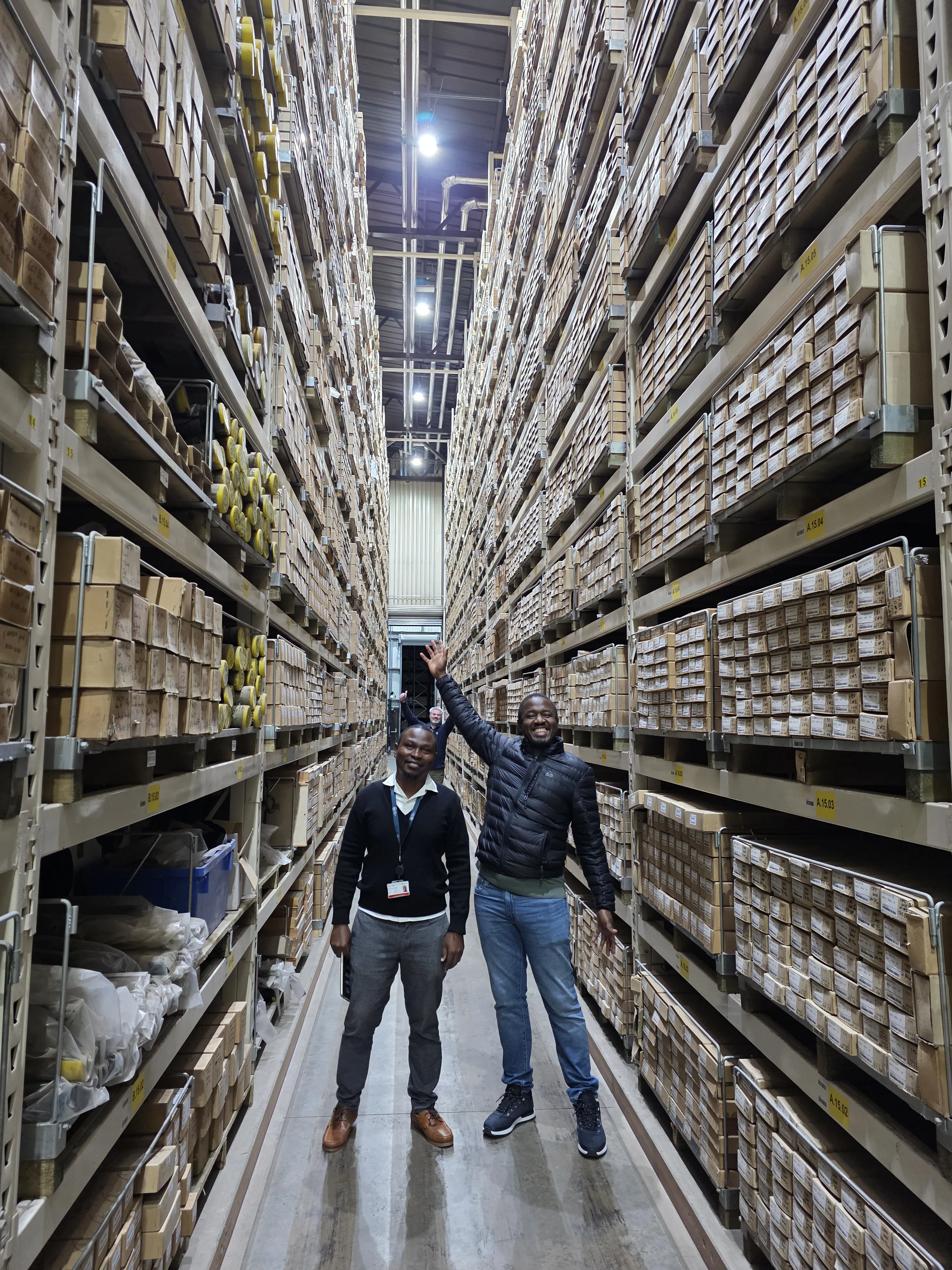
James Last and Nathan during an orientation exercise at the BGS Keyworth core store. © James Last
Fellowship life beyond science
The fellowship experience was not all work and laboratory routines. We also had opportunities to relax, socialise and explore life in the UK. Some memorable moments included weekly Wednesday tea socials, sports activities, outings and comfortable accommodation close to BGS.
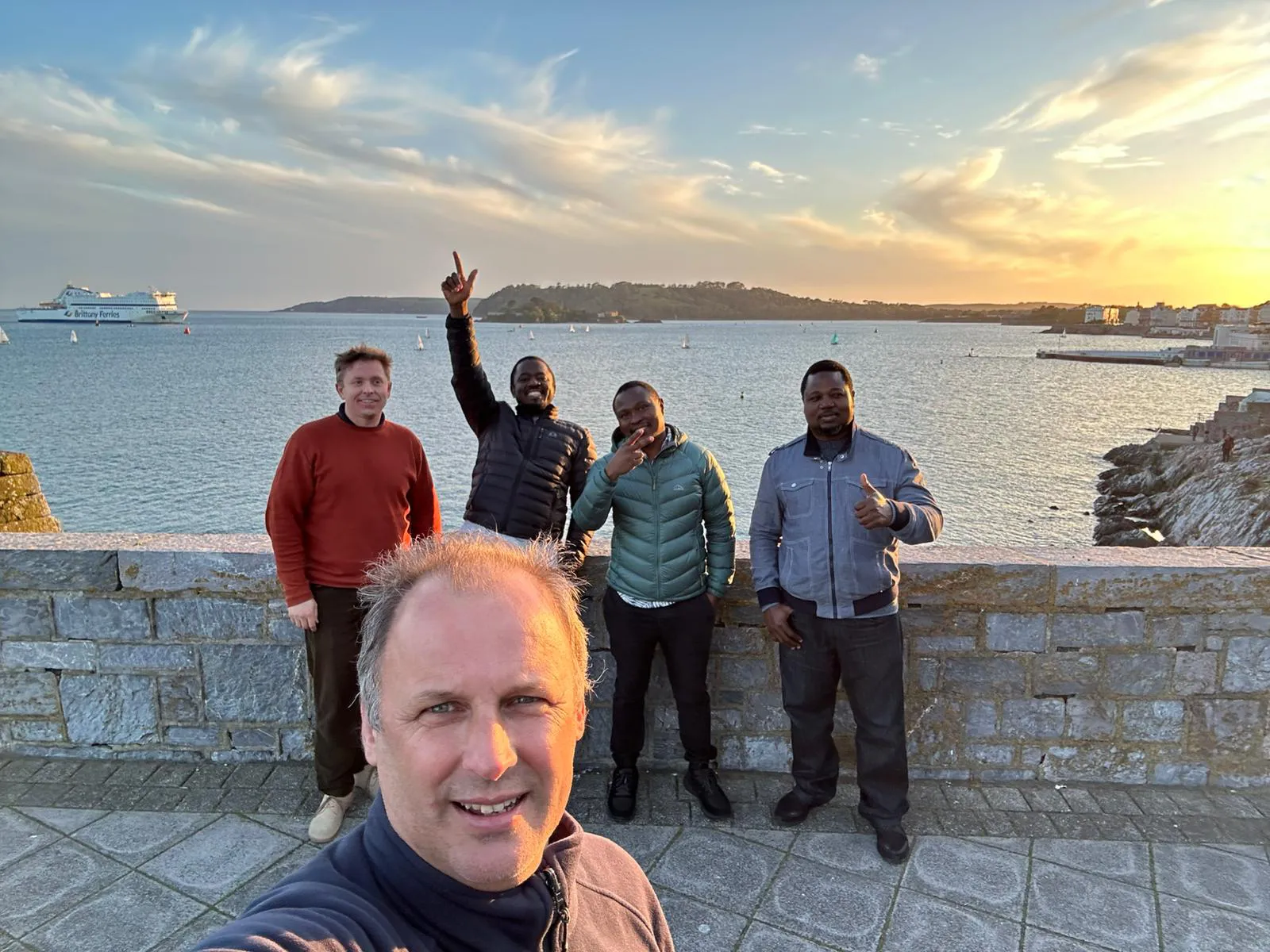
Plymouth. © James Last
We also travelled to several cities and historic locations including Manchester, Liverpool, York, Whitby, the Isle of Wight and London. We made further community connections through St Giles Church and the Holy Spirit Church in West Bridgford, who also made our stay more welcoming and enriching.
Laying the foundations for a scientific future back home
Perhaps the biggest lesson from the fellowship has been what we described as a ‘conceptual shift’. For Cameroon, the experience highlighted opportunities to leapfrog traditional systems by integrating advanced data management and soil information systems at the University of Buea. For Kenya, the fellowship reinforced the importance of strengthening existing laboratories, improving analytical quality systems and building international collaborations at KMFRI.
Our shared vision is to return home and disseminate the knowledge we gained through our training, mentorship and collaboration. Ultimately, we hope to strengthen our institutions so they can generate globally trusted environmental data while retaining research capacity within our countries.
Gratitude and looking ahead
We remain deeply grateful to the Commonwealth Scholarship Commission for investing in our careers and scientific futures.
We also sincerely thank Michael Watts, Andrea Mills and the entire BGS team for their mentorship, hospitality and commitment to supporting our growth.
The fellowship eventually ended, but the collaborations, friendships, skills and inspiration gained during this experience will continue shaping our work for many years to come.
About the fellows
This fellowship brought together researchers from Cameroon and Kenya, each contributing expertise from different environmental science disciplines.
 |
Nathan Lenjo Kenya Marine and Fisheries Research Institute Research Scientist, Water and environment |
|
 |
James Last Kenya Marine and Fisheries Research Institute Research Scientist, Water and environment |
|
 |
Valantine Asong University of Buea, Cameroon Soil Scientist, Land use management |
Relative topics
Related news
BGS research into drought-exposed soils wins award
26/08/2026
A research paper investigating how temperate soils respond to drought has been announced as the winner of the Land Best Paper Award.
Coastal retreat in the past: the legacy of truncated drumlins
07/08/2026
The UK’s coasts have been responding to changing sea levels for thousands of years, but some of the best evidence of those changes now lies hidden beneath the waves.
Collecting beach pebbles: fun hobby but is it legal?
14/07/2026
The UK coastline will be inundated with keen holidaymakers this summer, many of whom will take a memento of their trip home in the shape of a pebble or two — but is it legal?
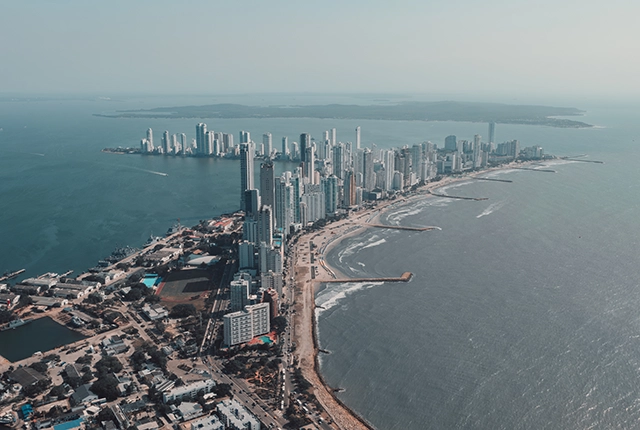
BGS contributes to UN sand and sustainability report
19/05/2026
The new report highlights the impact of poor governance and unsustainable sand mining practices, calling on policymakers to take action.
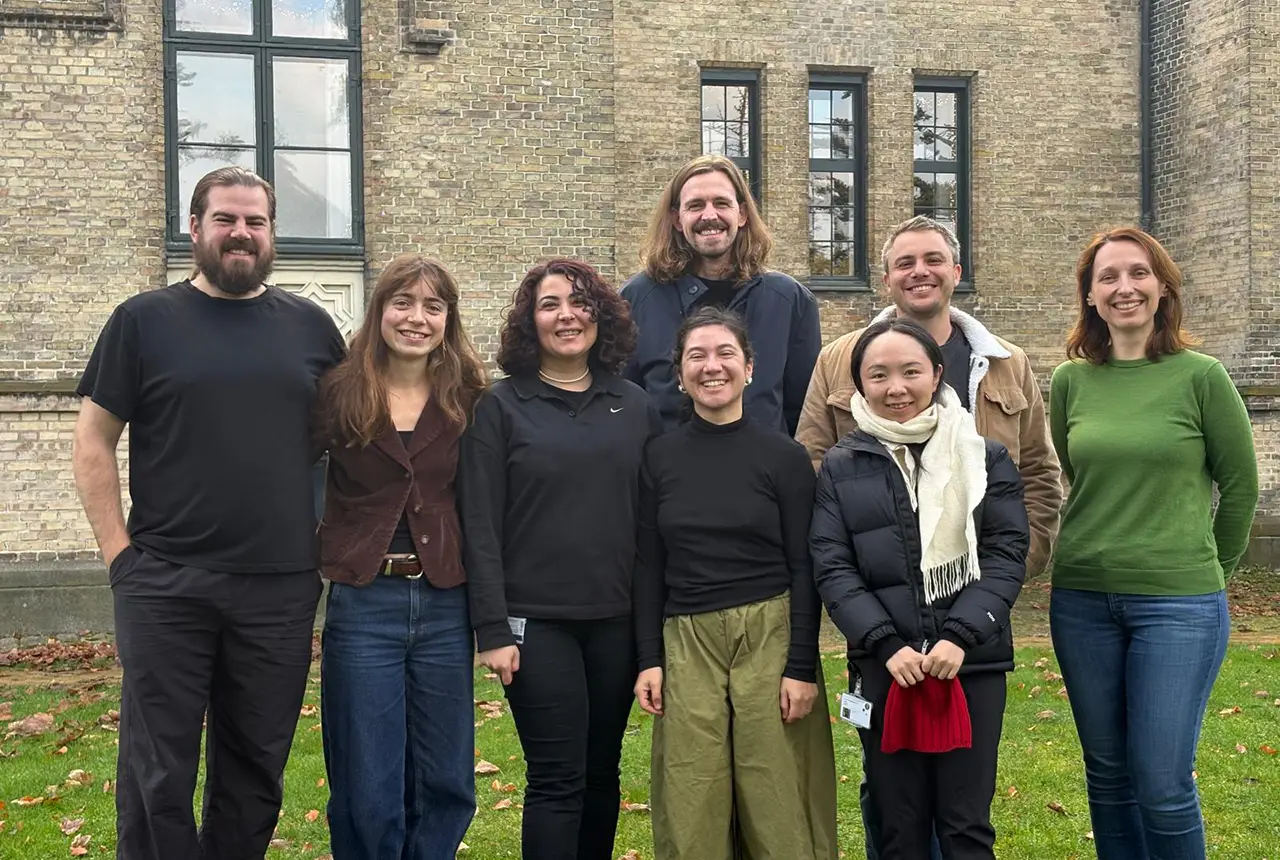
PhD adventures in Copenhagen, Denmark: revealing past recovery processes of tropical forest systems through ancient environmental DNA
12/03/2026
PhD student Chris Bengt visited the University of Copenhagen to carry out very delicate extraction of aeDNA from lake-sediment cores, in the hopes of unlocking the secrets of past volcanic eruptions.
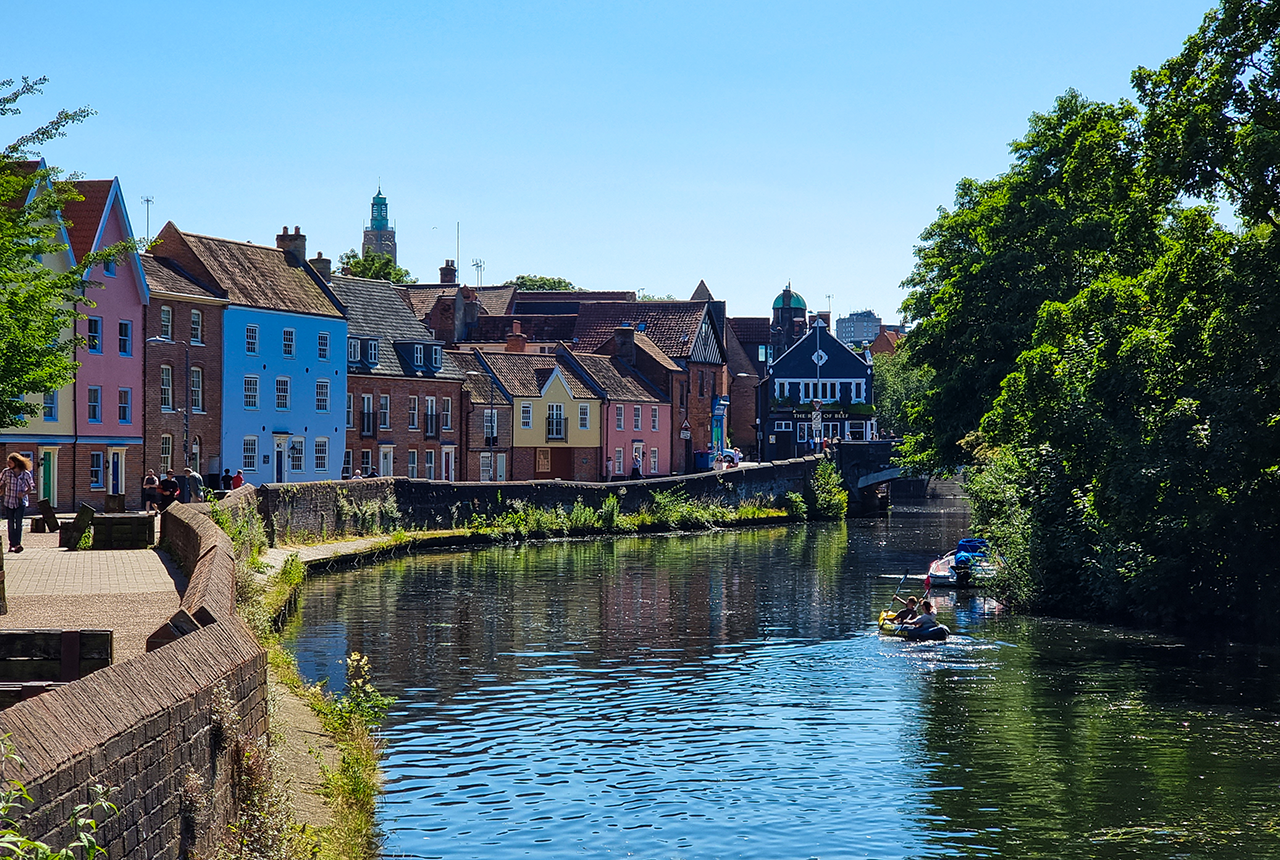
Modern pesticides found in UK rivers could pose risk to aquatic life
17/06/2025
New research shows that modern pesticides used in agriculture and veterinary medicines have been found for the first time in English rivers.
What is the impact of drought on temperate soils?
22/05/2025
A new BGS review pulls together key information on the impact of drought on temperate soils and the further research needed to fully understand it.
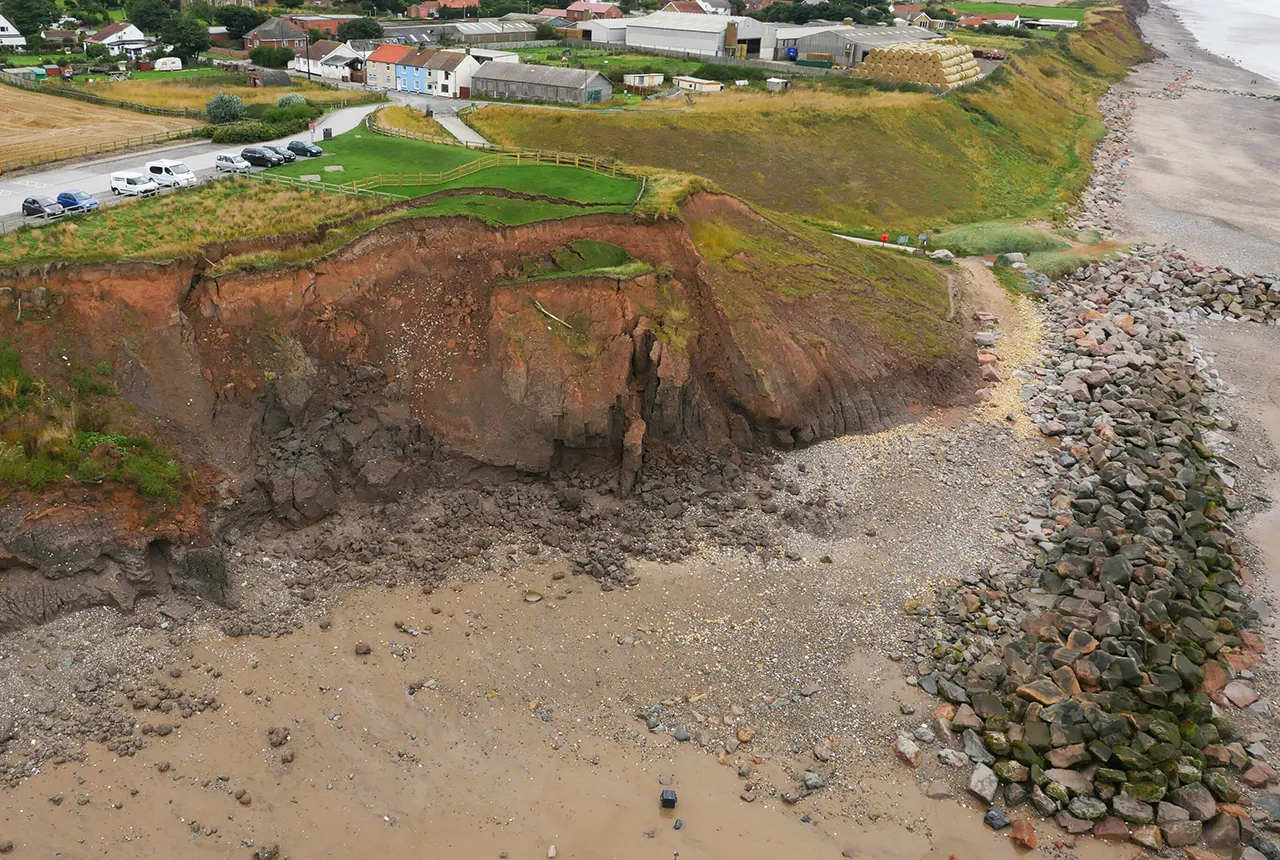
What does the next generation of coastal environmental models look like?
15/04/2025
A new tool is now available that has been designed to help coastal engineers and practitioners better manage the compound risk of coastal erosion and flooding.
Pioneering tool expanding to analyse agricultural pollution and support water-quality interventions
06/02/2025
An online tool that shows which roads are most likely to cause river pollution is being expanded to incorporate methods to assess pollution from agricultural areas.
Dynamics of land-to-lake transfers in the Lake Victoria Basin
09/12/2024
In June 2024, a UK/Kenya research team shared research findings from a collaborative, four-year field and experimental programme within Kenya.
Forty years and counting: new topsoil data provides most extensive snapshot of environmental pollution effects
01/10/2024
Scientists have uncovered clear signs of the impact environmental pollution is having across the country’s soil.
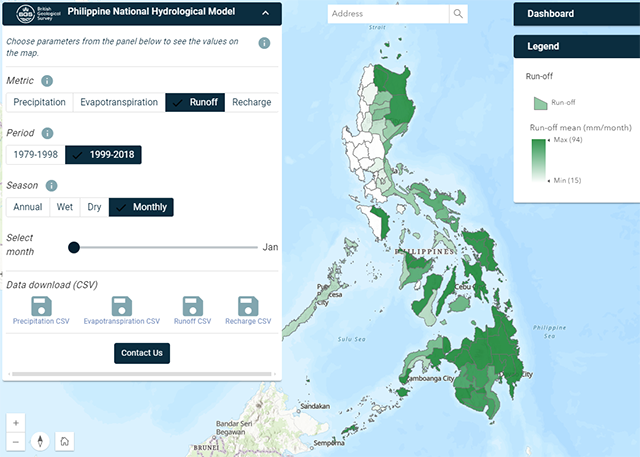
Philippine Hydrological Model
The first national-scale hydrological model of the Philippines.