

International science consortium to survey the health, economic value and social importance of Lake Victoria
The project will replicate the 1927 survey to assess changes in the lake’s health, economic value and social importance.
22/05/2026 By BGS Press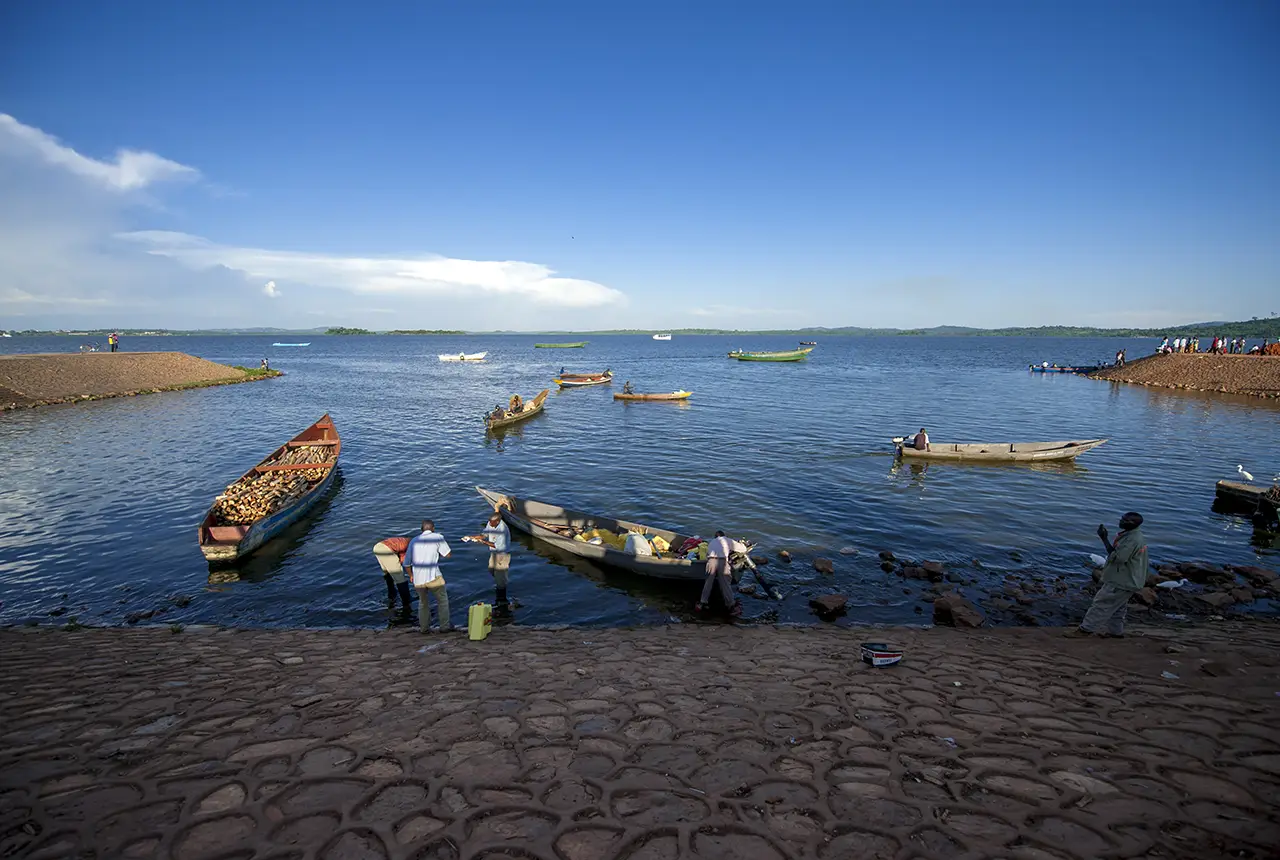

At almost 70,000 square metres, Lake Victoria is the third largest lake in the world. Over 200,000 fishers work its waters directly, sustaining a fishing economy worth over $1 billion and feeding in excess of 42 million people across Kenya, Tanzania, and Uganda.
BGS are part of a new project, Lake Victoria 100 (LV100), which will deploy three research vessels simultaneously across Kenyan, Ugandan and Tanzanian waters, in a twelve-month lake-wide campaign beginning in mid-2027.
Led by the Lake Victoria Fisheries Association, the project aims to survey Lake Victoria to assess fish stocks, water quality, climate, land-use impacts and community livelihoods, providing concrete evidence for policy makers, business and communities to make better lake and land management decisions.
The planned LV100 survey will replicate the first ever survey of the lake, carried out in 1927 by naturalist Michael Graham on behalf of the then British colonial administration. The original fish and data samples taken from the lake are preserved at the Natural History Museum in London and at the offices of the Centre for Environment, Fisheries, and Aquaculture Science (Cefas). Comparing these historic specimens to those to be collected in 2027 will tell the story of 100 years of change.
Since the 1927 survey, environmental stressors including the introduction of Nile perch, invasive plants and increasing pollution have affected the waters of Lake Victoria, and researchers aim to glean insights that will help them protect the lake from future impacts such as climate change.
BGS will examine how land-to-lake processes in the region have evolved over time. Scientists will assess how poor land management and vegetation loss contribute to increased material entering the lake, affecting fisheries through sediment build-up and nutrient pollution that promotes invasive plant growth, limiting access for small boats and potentially limiting the rapid growth of aquaculture as an essential industry to support economic and food security in the region.
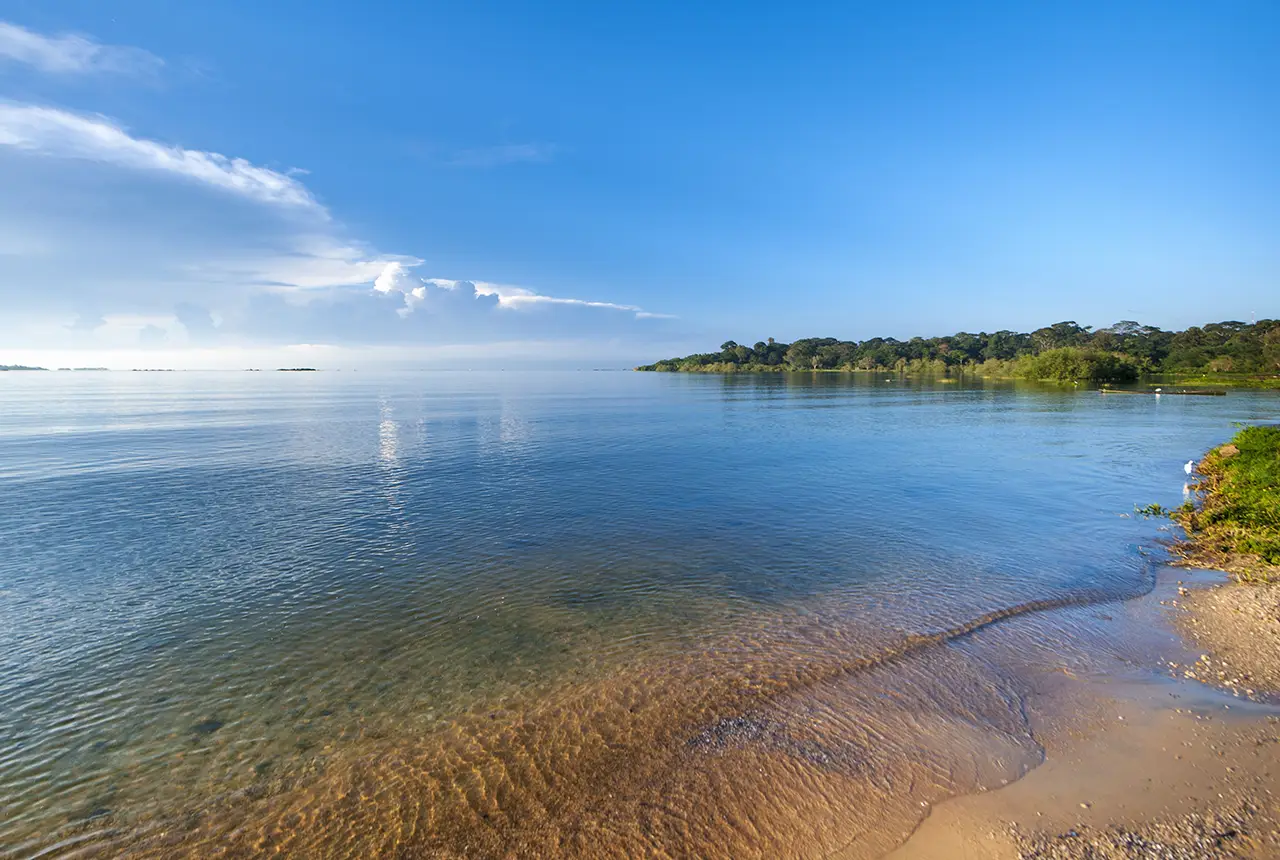
A beach on the shore of Lake Victoria, Uganda © Reinout Dujardin, Pixabay

I am delighted to be part of the Lake Victoria LV100 centenary survey. It’s a welcome decision to incorporate and consider the influence of land use and its management on the future health of Lake Victoria to sustain food and economic security for the region. The project will combine more than 50 partners across the region and internationally to undertake a multidisciplinary study to define the impacts on the Lake and use novel means to encourage decision makers to act in the best interests of the lake and those who benefit from it.
Michael Watts, Head of BGS Inorganic Geochemistry
Lake Victoria represents one of the most incredible sources of life, health and wellbeing for the people of East Africa, and I’m delighted to support this locally led initiative to ensure we understand our impacts upon it and so ensure it provides for generations to come.
Mark Haviland, Co-Director of Lake Victoria 100
The project aligns with the United Nations Sustainable Development Goals — in particular SDG 14 (Life Below Water), SDG 15 (Life on land), SDG 2 (Zero Hunger), SDG 13 (Climate Action) and strengthens partnerships for the SDG goals through SDG 17 – as well as the Convention on Biological Diversity’s Global Biodiversity Framework and the African Union’s Agenda 2063. Total investment in the expedition is expected to be close to USD 7m.
For more information see the LV100 website.
Relative topics
Related news

What lies beneath Europe’s sinking ground?
01/09/2026
Land subsidence is becoming increasingly visible across Europe. New research examines how better monitoring, shared data and a deeper understanding of the subsurface can help assess and manage its impacts.
Experiences from our Commonwealth Fellowship at the British Geological Survey
24/08/2026
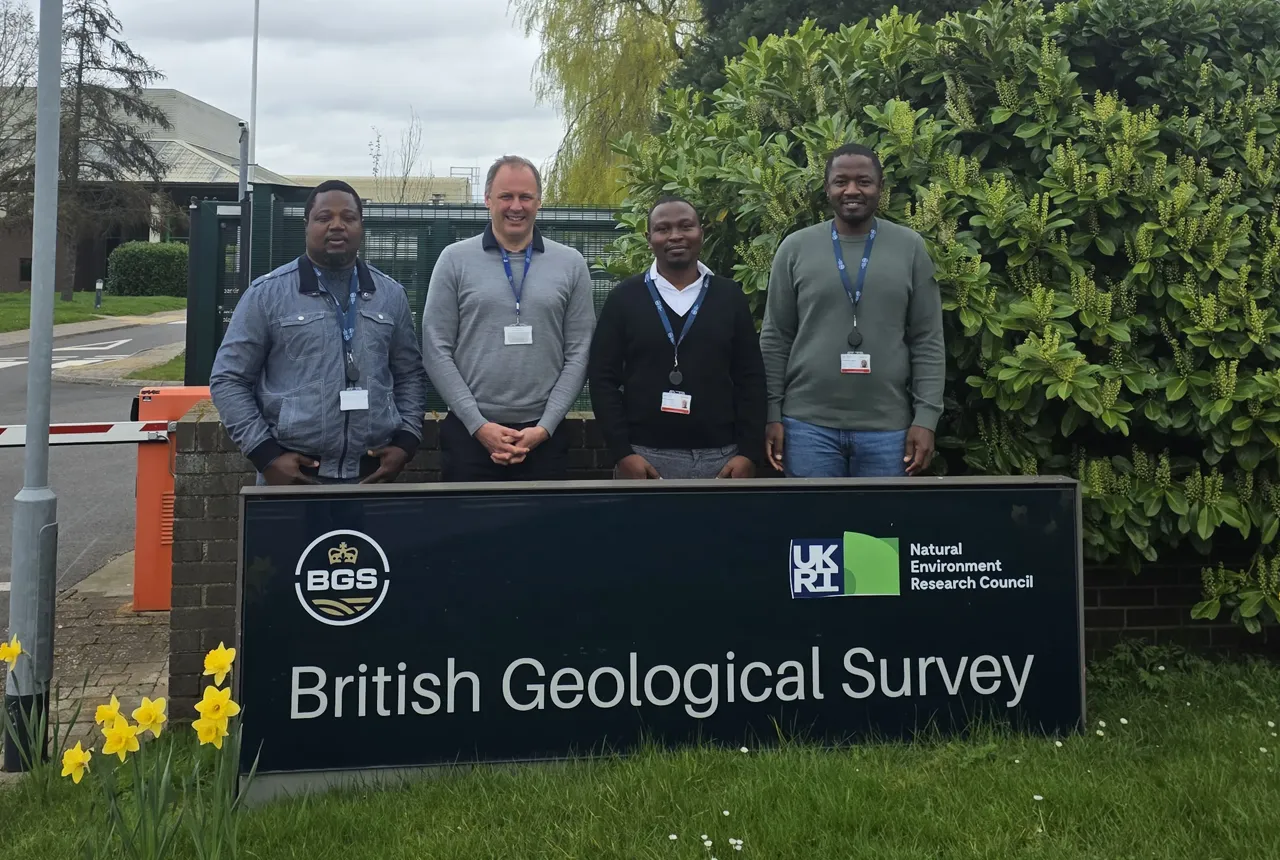
Scientific fellowships foster professional growth, international collaboration and exposure to world-class research environments. A group of visiting Commonwealth Fellowship researchers share their experience of being hosted at the BGS Inorganic Geochemistry Facility.
Building Europe’s geological future
20/07/2026
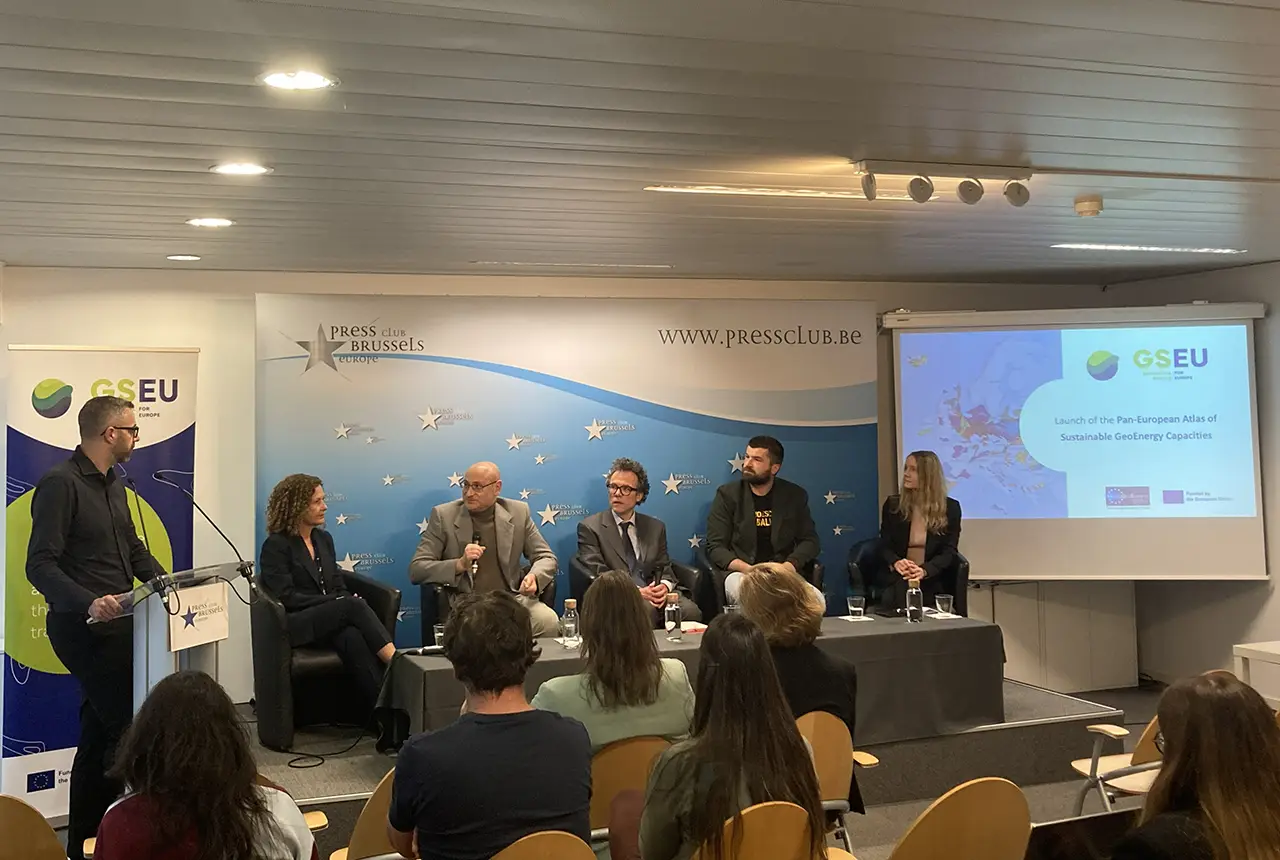
BGS scientists are contributing to a continent-wide initiative that is strengthening collaboration across borders to tackle shared subsurface challenges and unlock new opportunities.
Delving deep into mountains for future water security
16/07/2026
A BGS-led project is using new water-tracing investigation methods, geophysics and modelling to understand how water moves from mountains to the lowlands, helping to improve water security for billions of people.
Ukraine and the UK strengthen their commitment to geological cooperation
10/06/2026
A new Memorandum of Understanding reaffirms the UK’s support of Ukraine’s ambitions to develop its critical mineral resources, paving the way for collaboration through capacity-building programmes.
International science consortium to survey the health, economic value and social importance of Lake Victoria
22/05/2026
The project will replicate the 1927 survey to assess changes in the lake’s health, economic value and social importance.
BGS contributes to UN sand and sustainability report
19/05/2026
The new report highlights the impact of poor governance and unsustainable sand mining practices, calling on policymakers to take action.
BGS engineering geologist elected to CCOP
29/04/2026
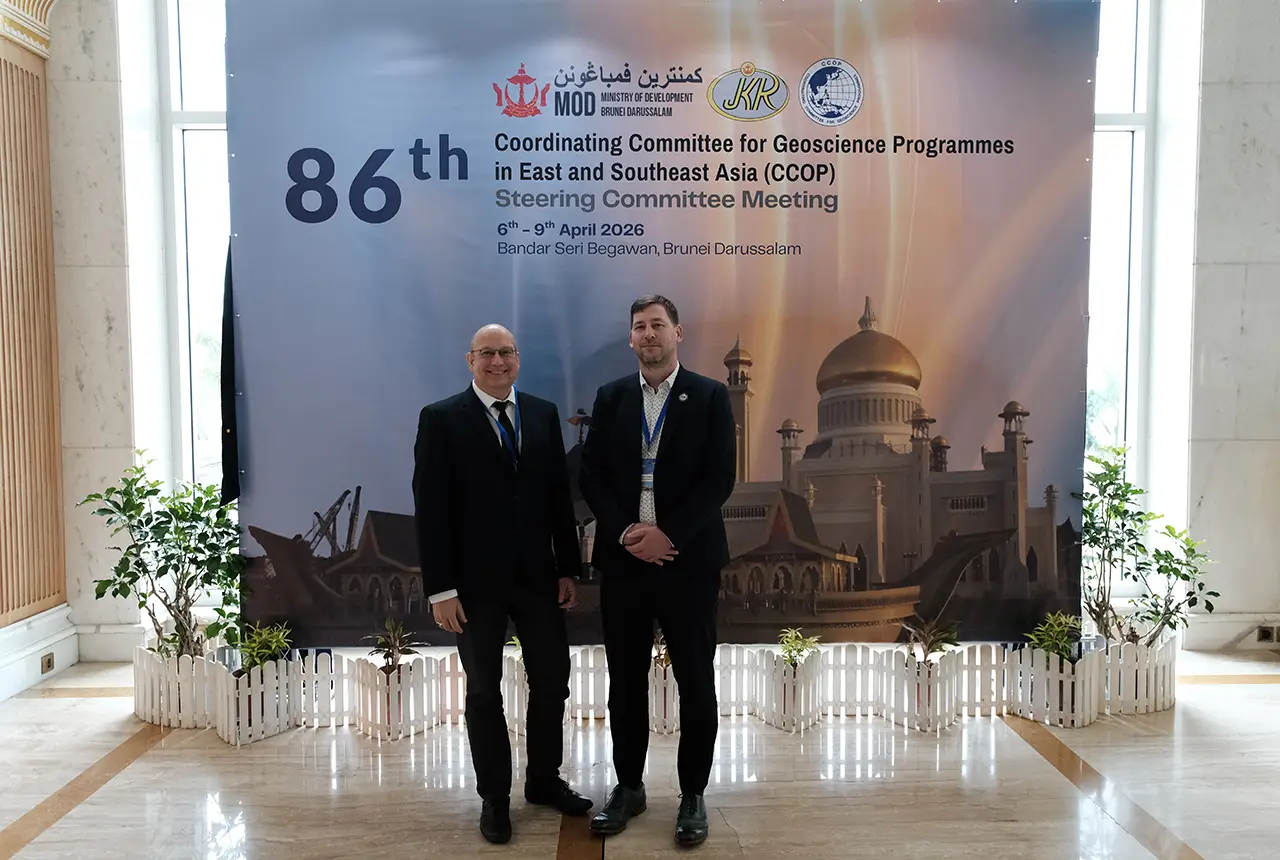
Marcus Dobbs has been elected as vice-chair of the advisory group for the Coordinating Committee for Geoscience Programmes in East and Southeast Asia.
Strengthening capacity through partnership: a critical minerals perspective
28/04/2026
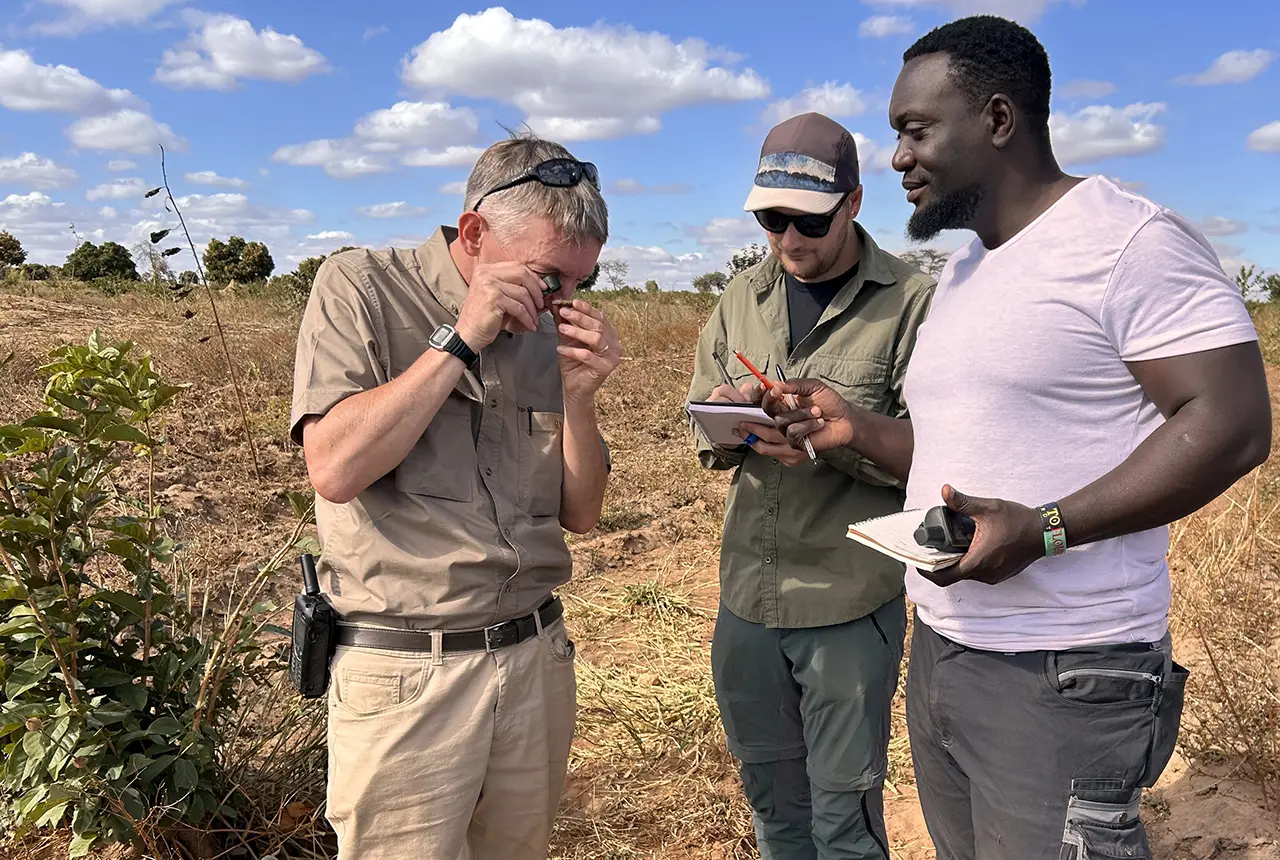
BGS has been working in partnership with the Geological Survey Department of Zambia (GSD) to build national capacity, improve data accessibility and support long-term, sustainable development.
New research could help provide a more reliable water supply for millions in rural Africa
24/03/2026
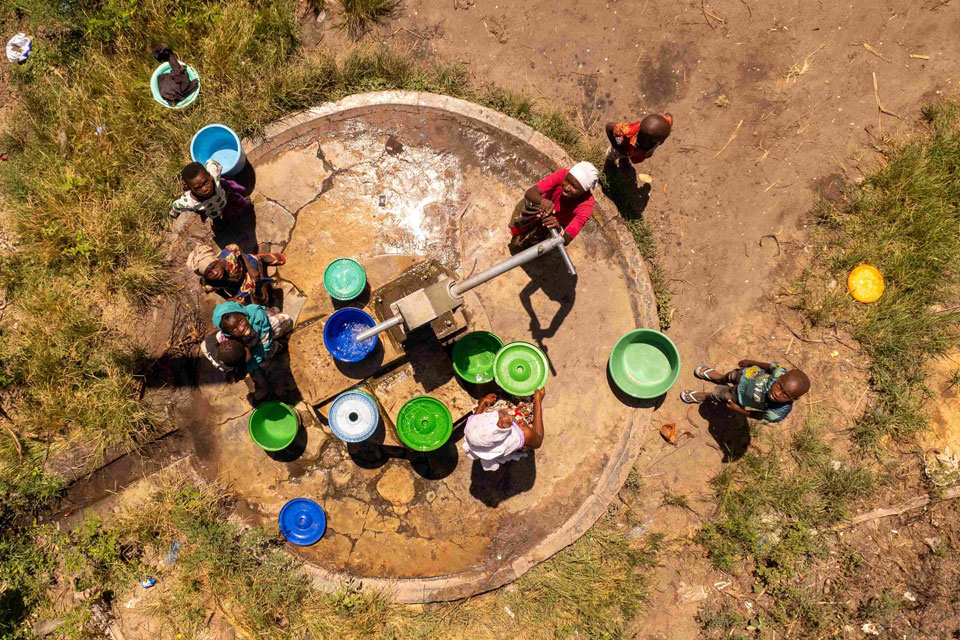
A new BGS-led study has revealed crucial insights into the longstanding challenges affecting the reliability and performance of rural water supply infrastructure in sub-Saharan Africa.
New UK/Chile partnership prioritises sustainable practices around critical raw materials
09/02/2026
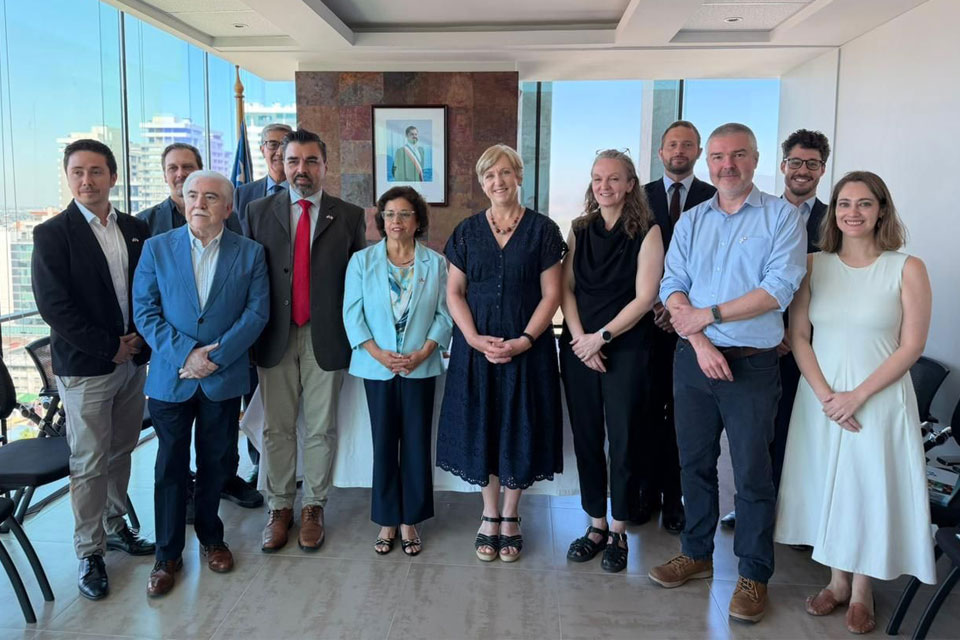
BGS and Chile’s Servicio Nacional de Geología y Minería have signed a bilateral scientific partnership to support research into critical raw materials and sustainable practices.
Extensive freshened water confirmed beneath the ocean floor off the coast of New England for the first time
09/02/2026
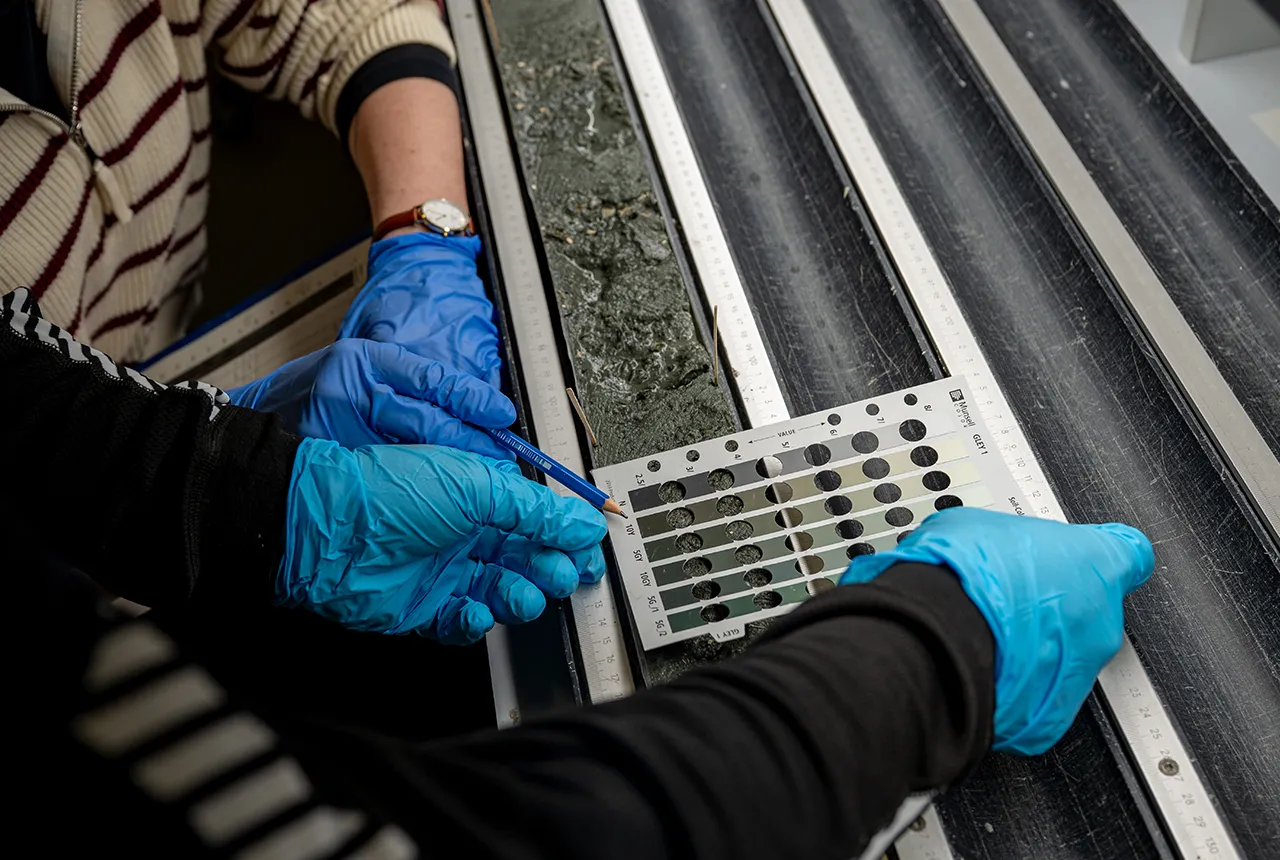
BGS is part of the international team that has discovered the first detailed evidence of long-suspected, hidden, freshwater aquifers.