

Latest
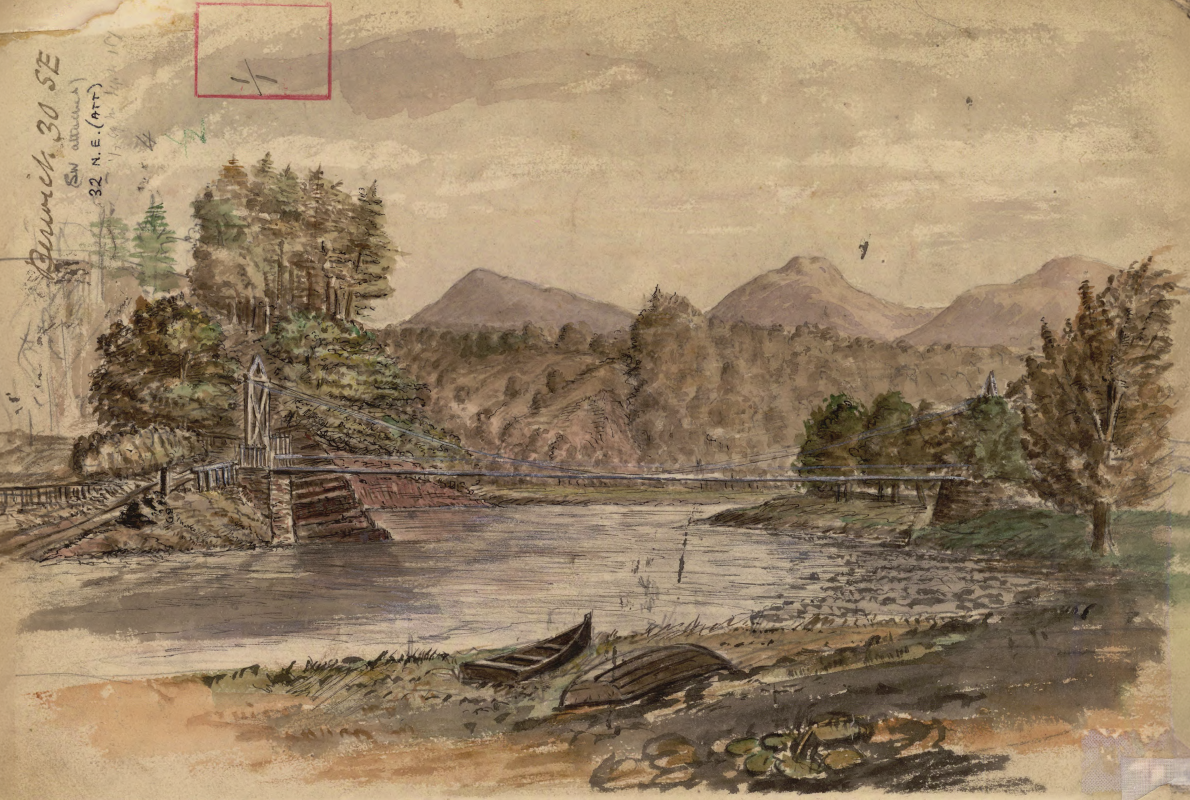
Historic watercolour unearthed on back of Dryburgh geological field map
05/10/2026
A 150-year-old painting of Dryburgh Suspension Bridge and the River Tweed offers an insight into the Scottish Borders landmark shortly after it was built in the 1870s.
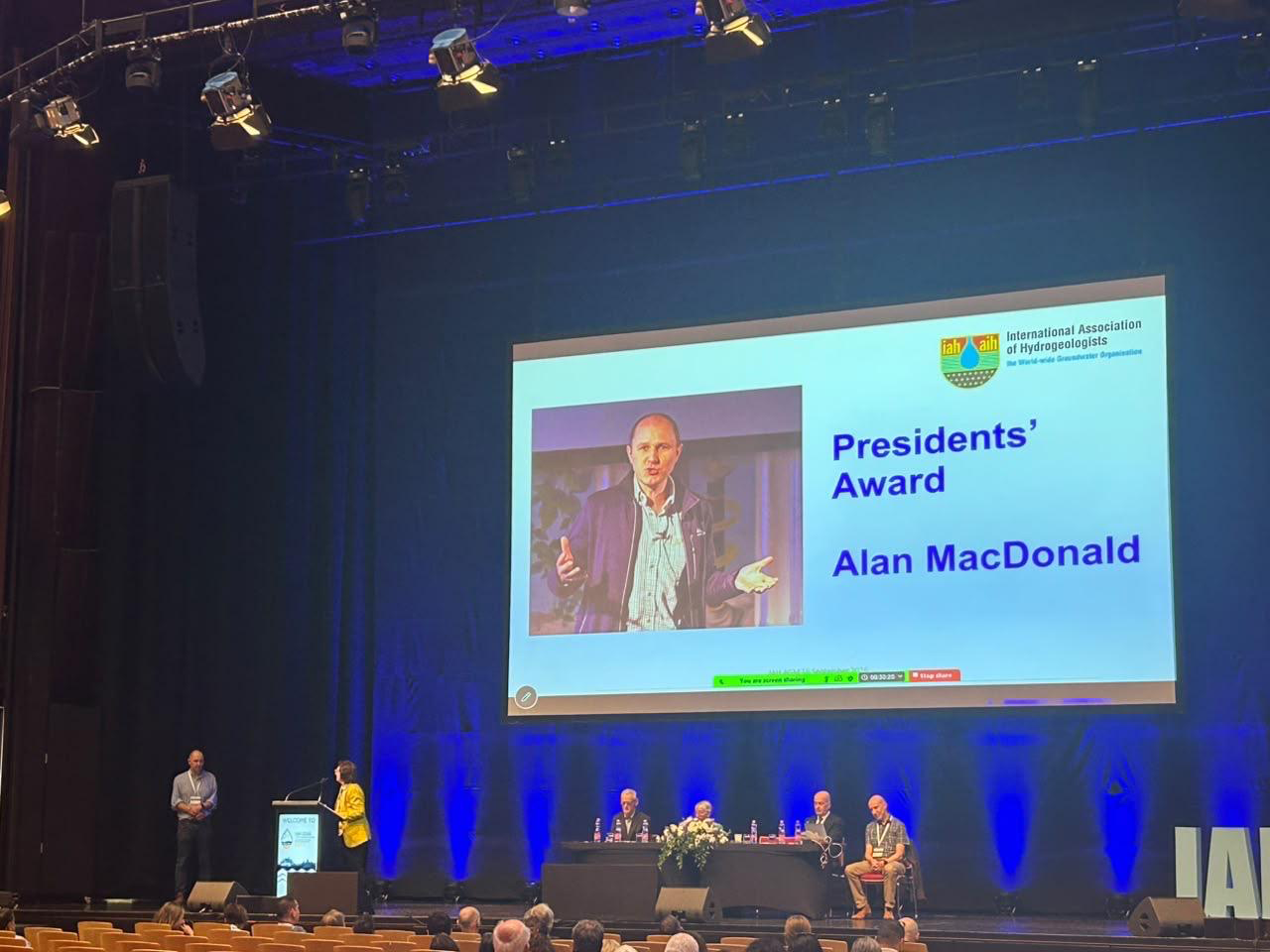
Professor Alan MacDonald presented with Presidents’ Award at 2026 World Groundwater Congress
21/09/2026
The BGS Head of Groundwater has been recognised with this prestigious award by the International Association of Hydrogeologists for his extensive contributions to groundwater science.
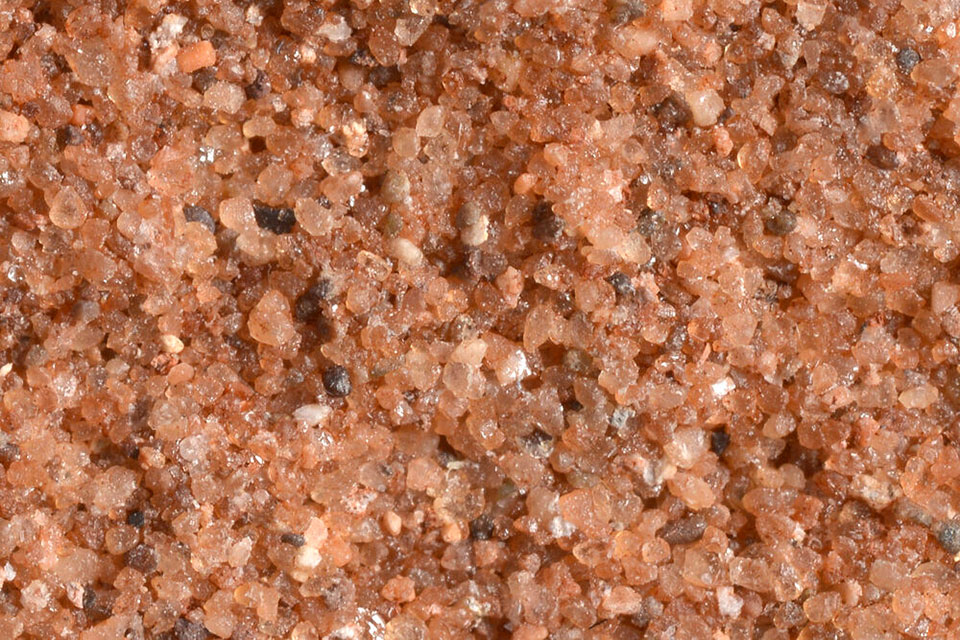

Measuring the environmental impacts of carbon fibre: life cycle assessment
01/09/2026
Undergraduate student Phoebe Brown visited BGS to understand the life cycle of carbon fibre, from primary production to recycling.
Explore more news
Browse all news and events by category
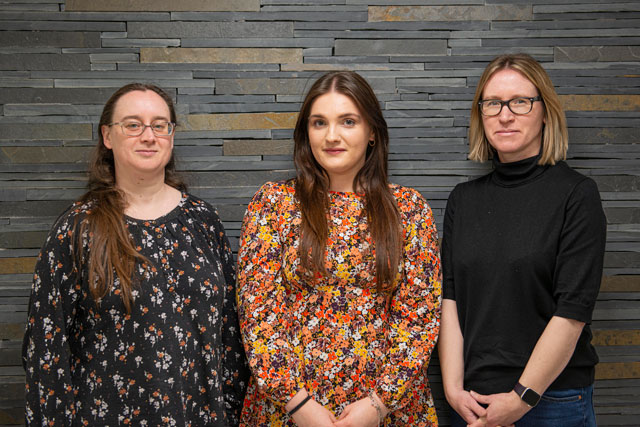
BGS laboratories become first in UKRI to receive gold LEAF accreditation
28/03/2023
BGS achieved gold certification in the Laboratory Efficiency Assessment Framework (LEAF) accreditation in March 2023.
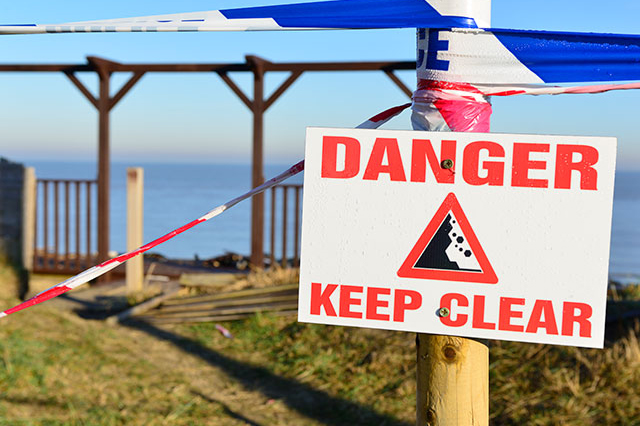
Hemsby coastal erosion: the scale of the transformational challenge around the coastlines of England and Wales
24/03/2023
The recent closure of Hemsby beach in Norfolk provides key information on the transformational challenge of coasts around England and evidence of historical change along the coastlines of England and Wales.
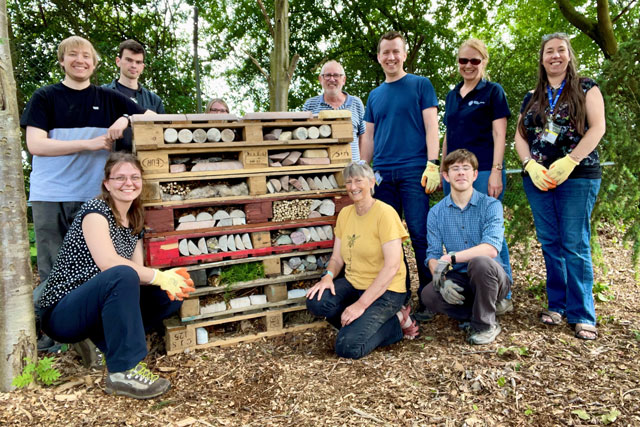
Six ways we’re improving recycling at BGS Keyworth
24/03/2023
Sustainability at the BGS site in Keyworth, Nottingham, is being improved by recycling, managing our waste, making our labs more efficient and more...

World Water Day 2023: groundwater photo stories
22/03/2023
A showcase of groundwater use from around the world highlighting how developing groundwater has benefited the lives of many people.
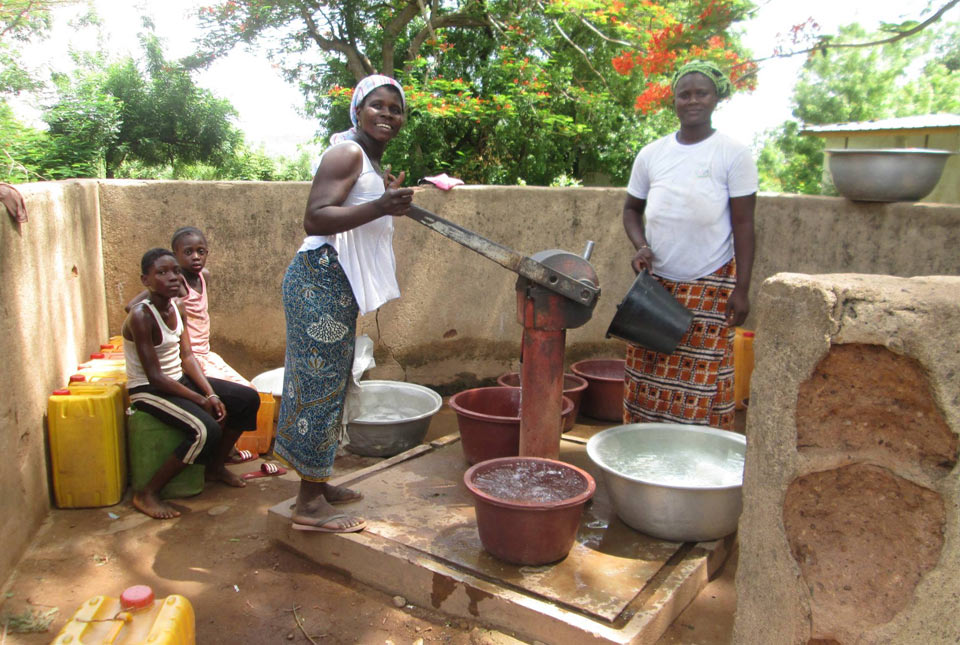
A tale of two groundwaters
21/03/2023
Why the United Nations 2023 Water Conference needs to know more about groundwater.
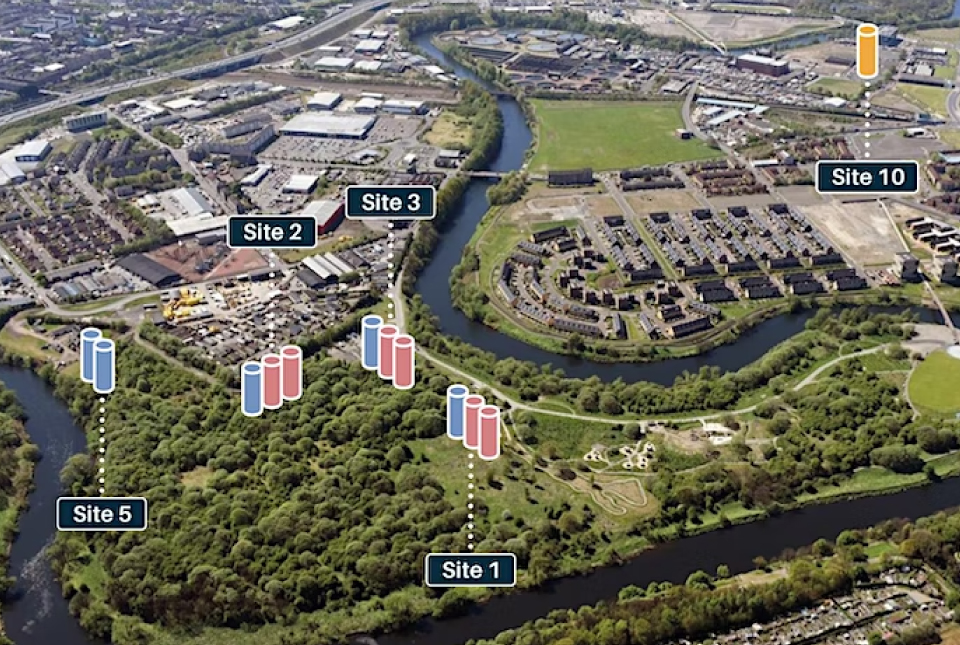
UK Geoenergy Observatories — open events in Glasgow
Event from 26/04/2023 to 27/04/2023
You are invited to visit the UK Geoenergy Observatory in Glasgow, to find out more about what the facility can offer you as a potential user.
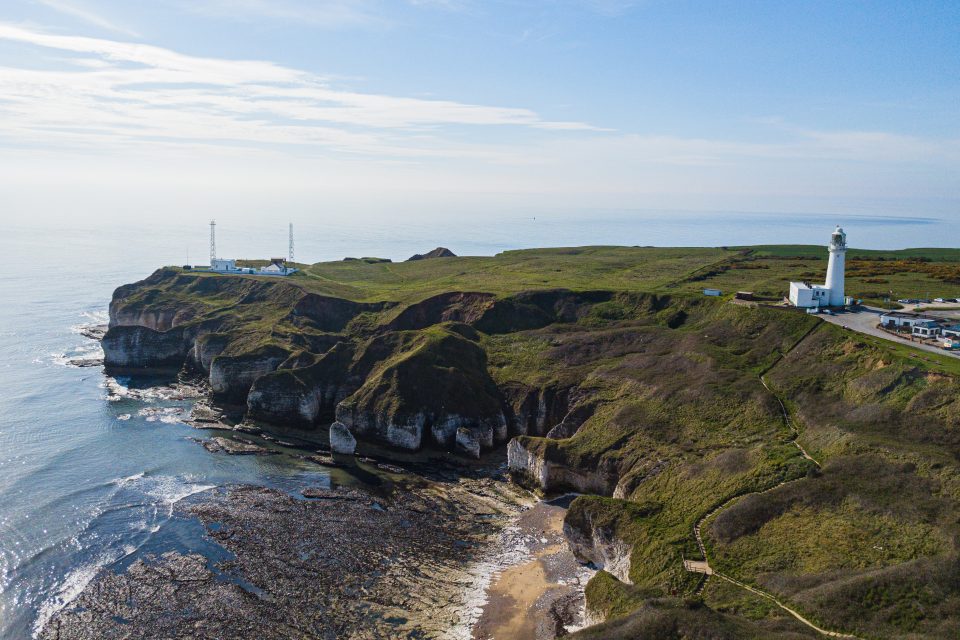
New seabed geology maps for offshore Yorkshire
14/03/2023
Offshore Yorkshire is the latest map to be released in BGS's series of fine-scale digital seabed maps.
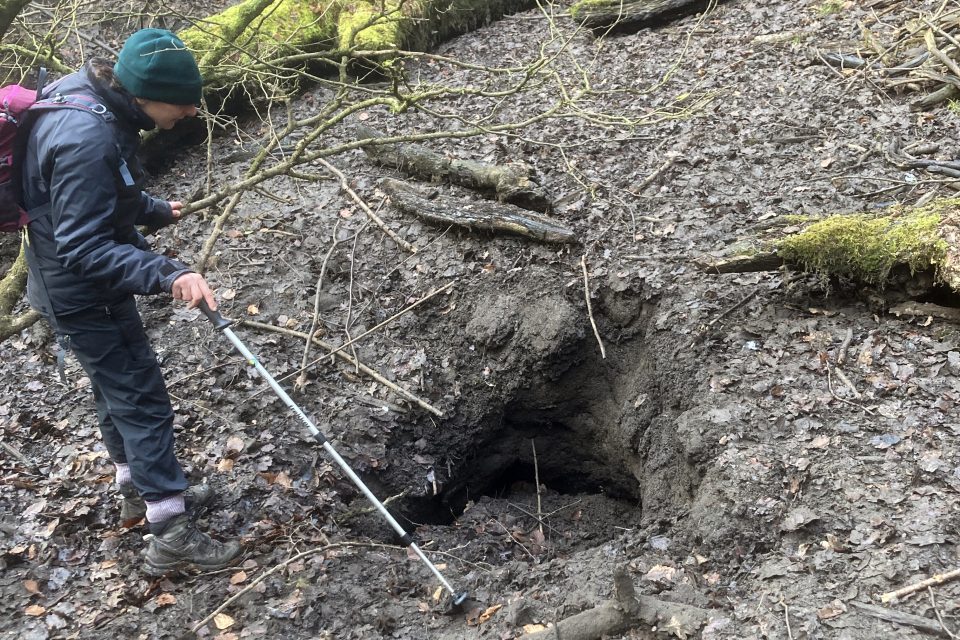
New BGS karst report released for Hampshire and Wiltshire
10/03/2023
The report details the evidence for karst processes in areas of soluble rocks that have not previously been considered karstic.