

Latest
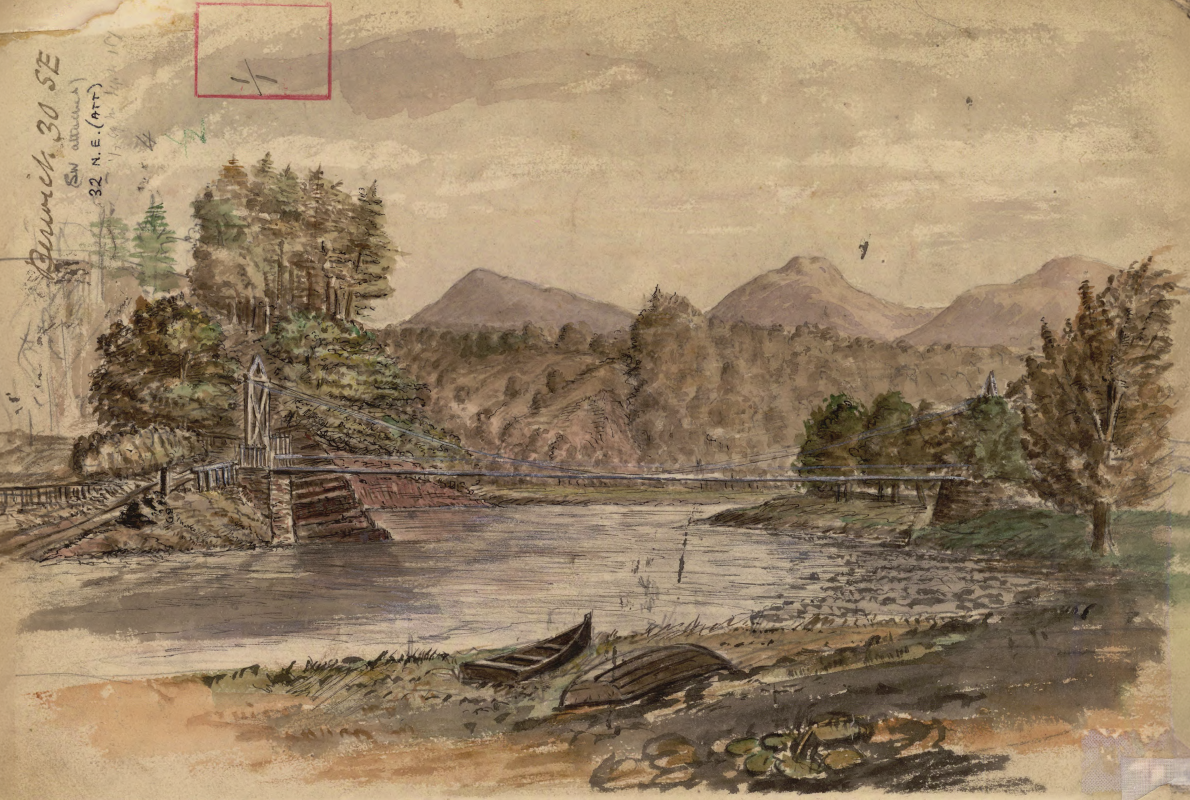
Historic watercolour unearthed on back of Dryburgh geological field map
05/10/2026
A 150-year-old painting of Dryburgh Suspension Bridge and the River Tweed offers an insight into the Scottish Borders landmark shortly after it was built in the 1870s.
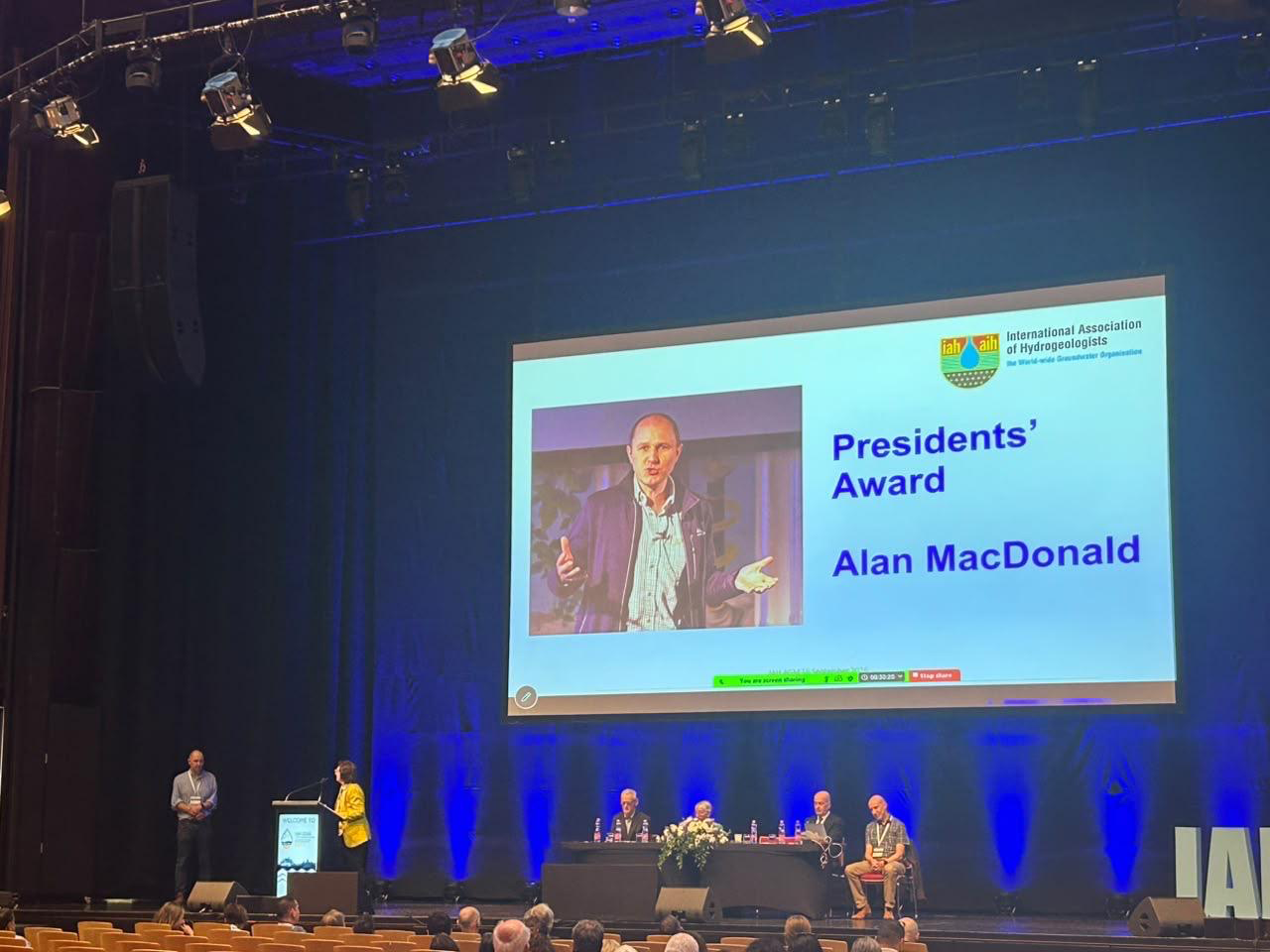
Professor Alan MacDonald presented with Presidents’ Award at 2026 World Groundwater Congress
21/09/2026
The BGS Head of Groundwater has been recognised with this prestigious award by the International Association of Hydrogeologists for his extensive contributions to groundwater science.
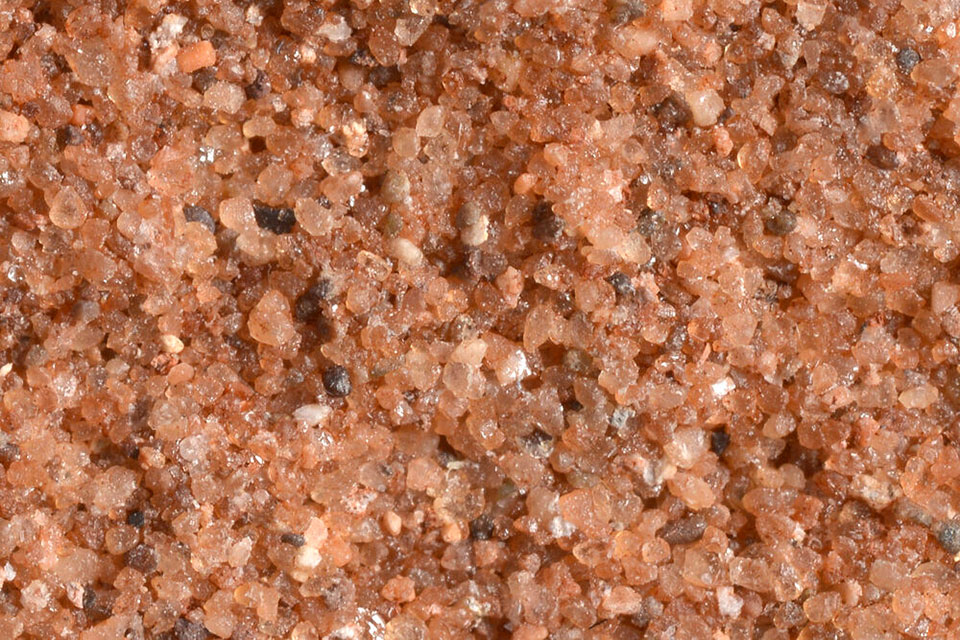
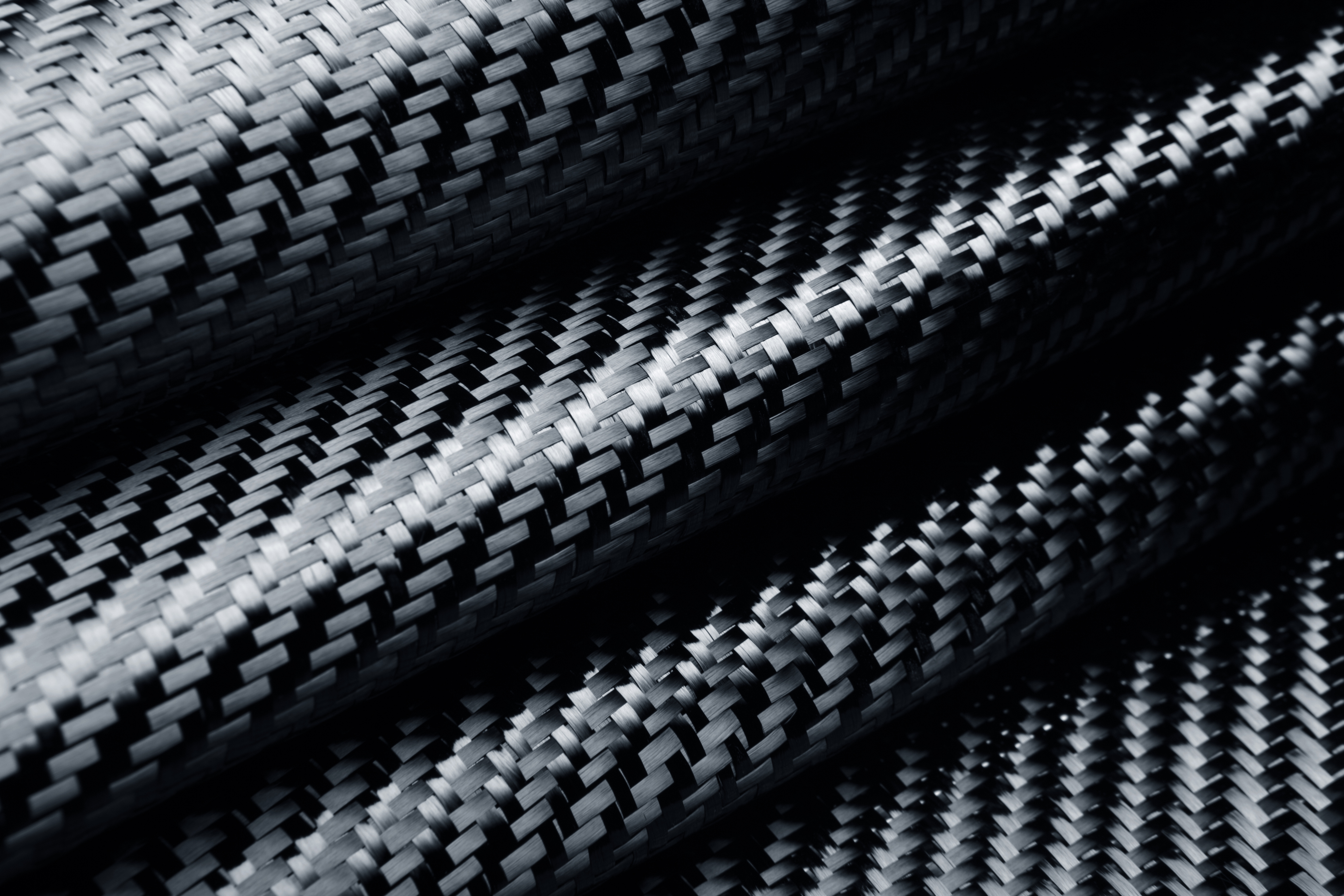
Measuring the environmental impacts of carbon fibre: life cycle assessment
01/09/2026
Undergraduate student Phoebe Brown visited BGS to understand the life cycle of carbon fibre, from primary production to recycling.
Explore more news
Browse all news and events by category
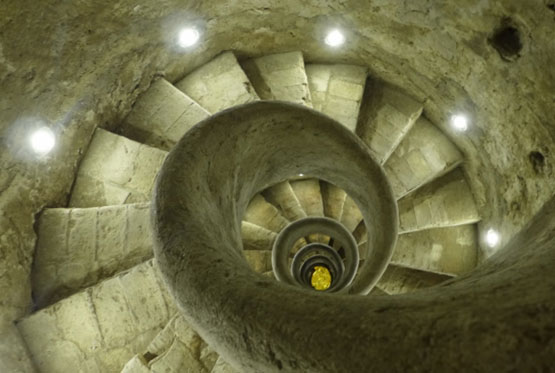
Building underneath the Colosseum: the importance of urban geology
21/11/2022
Tim Kearsey reports on his underground excursion around Rome.
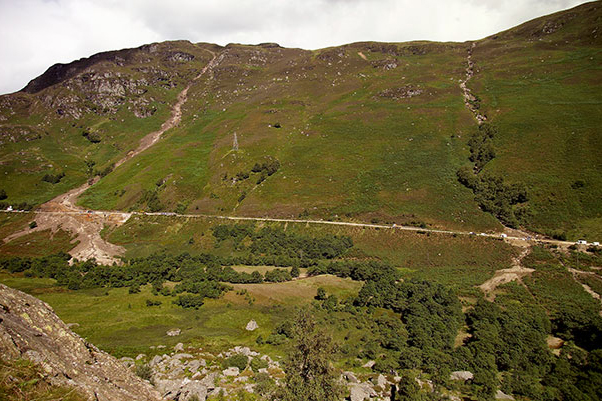
Introducing the BGS Debris Flow Susceptibility Model for Great Britain
21/11/2022
Debris flows are a landslide hazard of particular concern to transport infrastructure managers and local authorities.
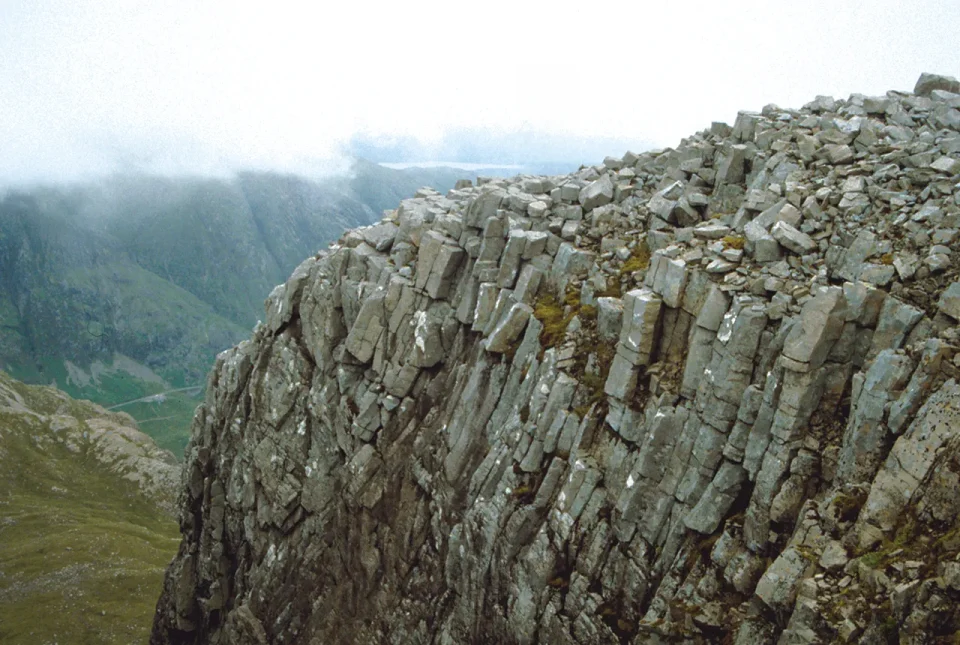
Spooky geology
31/10/2022
Explore thirteen of our favourite spooky geological hotspots around the UK.
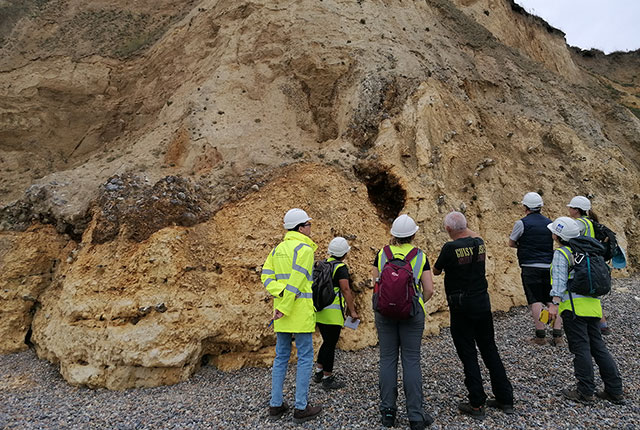
Notes from an applied glacial geology field course in Norfolk
28/10/2022
Marine geoscientist Catriona MacDonald and urban geologist Raushan Arnhardt share their experiences from a recent trip to north Norfolk to learn more about glacial geology.
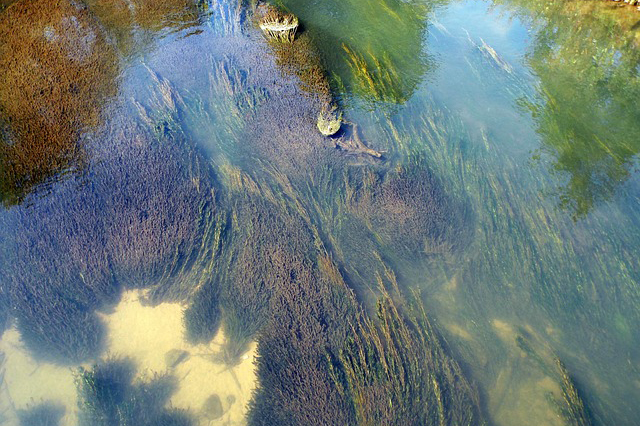
Tracking nitrate and ammonium in the environment
20/10/2022
Newly developed methodologies are improving our understanding of nitrogen cycling.
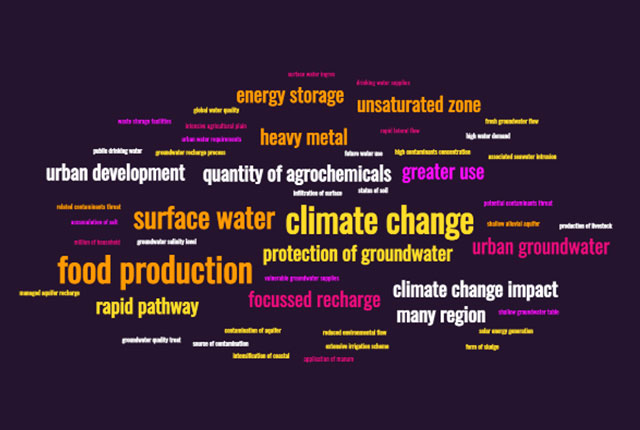
The question of quality: how data science is tackling threats to our groundwater
14/10/2022
An improved understanding of groundwater quality threats could help better manage groundwater resources and mitigate threats to global water supplies.
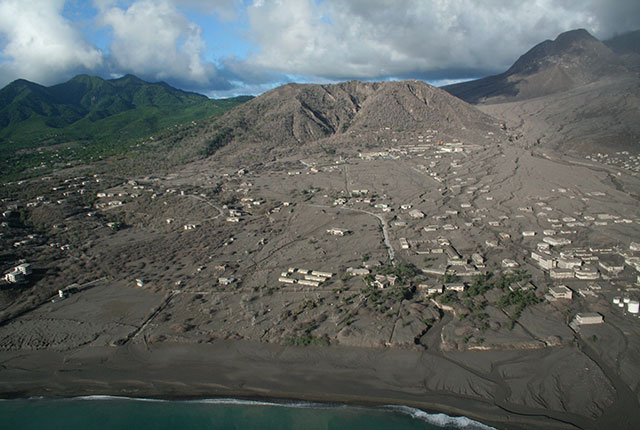
Disaster risk reduction through geoscience
13/10/2022
Exploring hazard research at BGS helps us to understand hazard risks and reduce vulnerability to disasters across the globe.
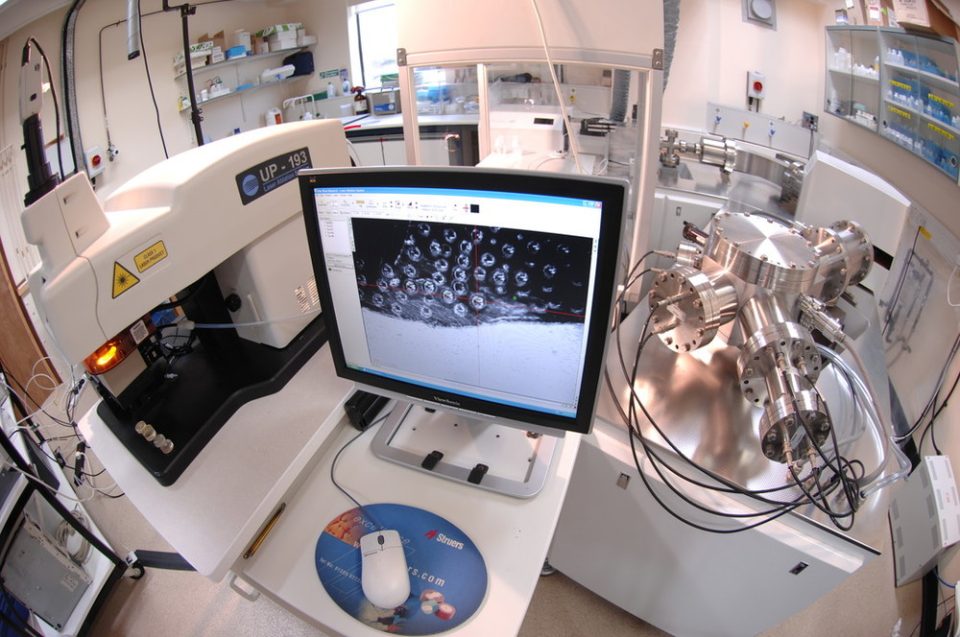
My role as a stable isotope research assistant
11/10/2022
Dr Harvey Pickard gives us an insight into his new role analysing stable isotopes and getting to grips with some of the laboratory equipment at BGS.