

The UK Government has announced that funds available for Official Development Assistance (ODA) programmes will be significantly reduced commencing in June of this year (2021). This includes all GCRF and Newton Grant awards.
BGS is currently working across NERC/UKRI and with all its partners to understand the impact on our current ODA-funded projects.
Decisions are currently being made on a case-by-case basis about where and how the anticipated cuts will affect individual projects. BGS has been informed that we will be provided with more detail in the next few weeks, into April 2021.
Please be assured that we are preparing for a range of scenarios for all of our potentially affected projects, both in terms of budget and project scheduling. We will be communicating on an individual basis with each project partner.
In the meantime if you have any additional questions please do not hesitate to contact BGS Global Geoscience Director Martin Smith via BGS Enquiries marked ODA.
Related news
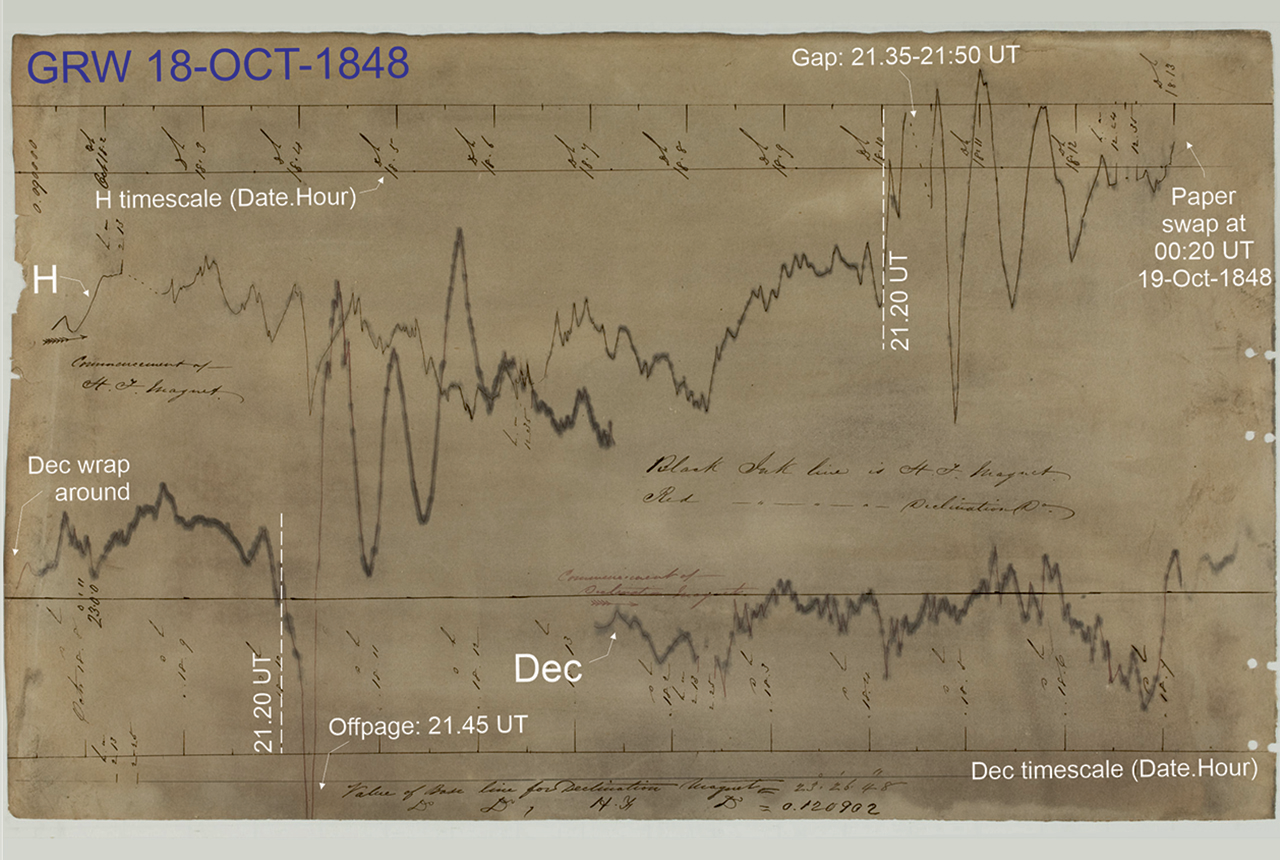
Mystery of one of the earliest recorded space weather impacts solved
17/09/2026
BGS scientists were part of an international team that has solved a 178-year-old mystery surrounding one of the earliest recorded examples of space weather affecting technology.

The Lyell Centre celebrates 10 years of world-leading earth and marine science research
07/09/2026
The Lyell Centre for Earth and Marine Sciences, a strategic partnership between Heriot-Watt University and BGS, is celebrating its 10th anniversary, marking a decade of world-leading research, innovation and collaboration in earth and marine sciences.

Demand for data centres presents challenges and opportunities for UK critical mineral supply chains
02/09/2026
Government-backed research finds that vulnerabilities in raw material supply chains must be addressed to secure the critical minerals needed to expand the UK’s digital infrastructure and boost economic growth.

What lies beneath Europe’s sinking ground?
01/09/2026
Land subsidence is becoming increasingly visible across Europe. New research examines how better monitoring, shared data and a deeper understanding of the subsurface can help assess and manage its impacts.

Secrets of an ancient supervolcano uncovered that change our understanding of England’s geological past
28/08/2026
Scientists have found evidence of a long-hidden link between an ancient buried ash layer in Scandinavia and a concealed supervolcano in eastern England.
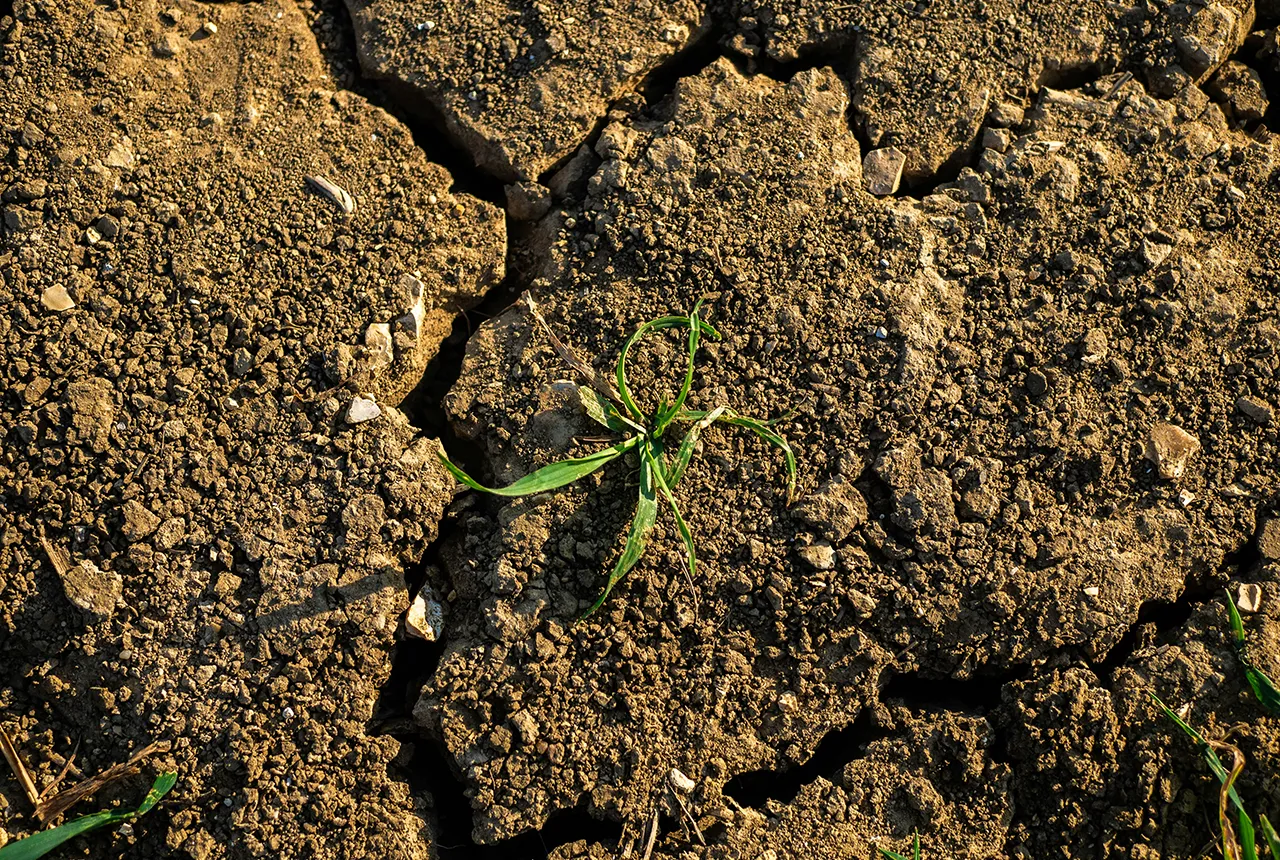
BGS research into drought-exposed soils wins award
26/08/2026
A research paper investigating how temperate soils respond to drought has been announced as the winner of the Land Best Paper Award.
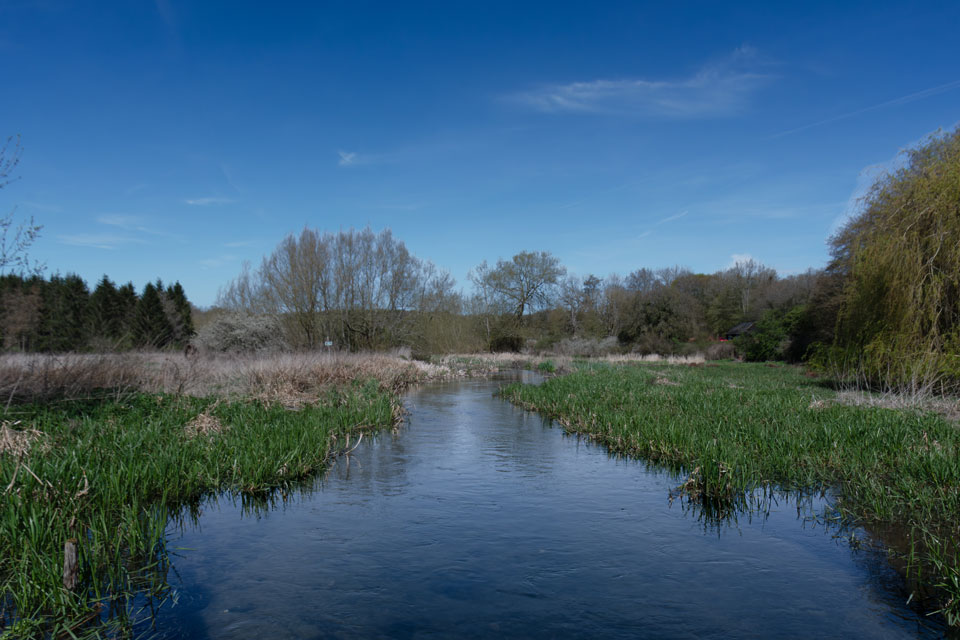
UK aquifers robust despite driest July on record
16/08/2026
In a summer experiencing widespread drought, groundwater levels around the country are showing resilience, demonstrating their value as a crucial resource and indicating they could play a more significant role in mitigating the impacts of extreme weather.

New NERC-funded project empowers young people to engage with environmental science
23/07/2026
BGS is part of a new, collaborative project, funded through NERC’s ‘Opening up the environment’ programme, helping the environmental research community become more accessible.
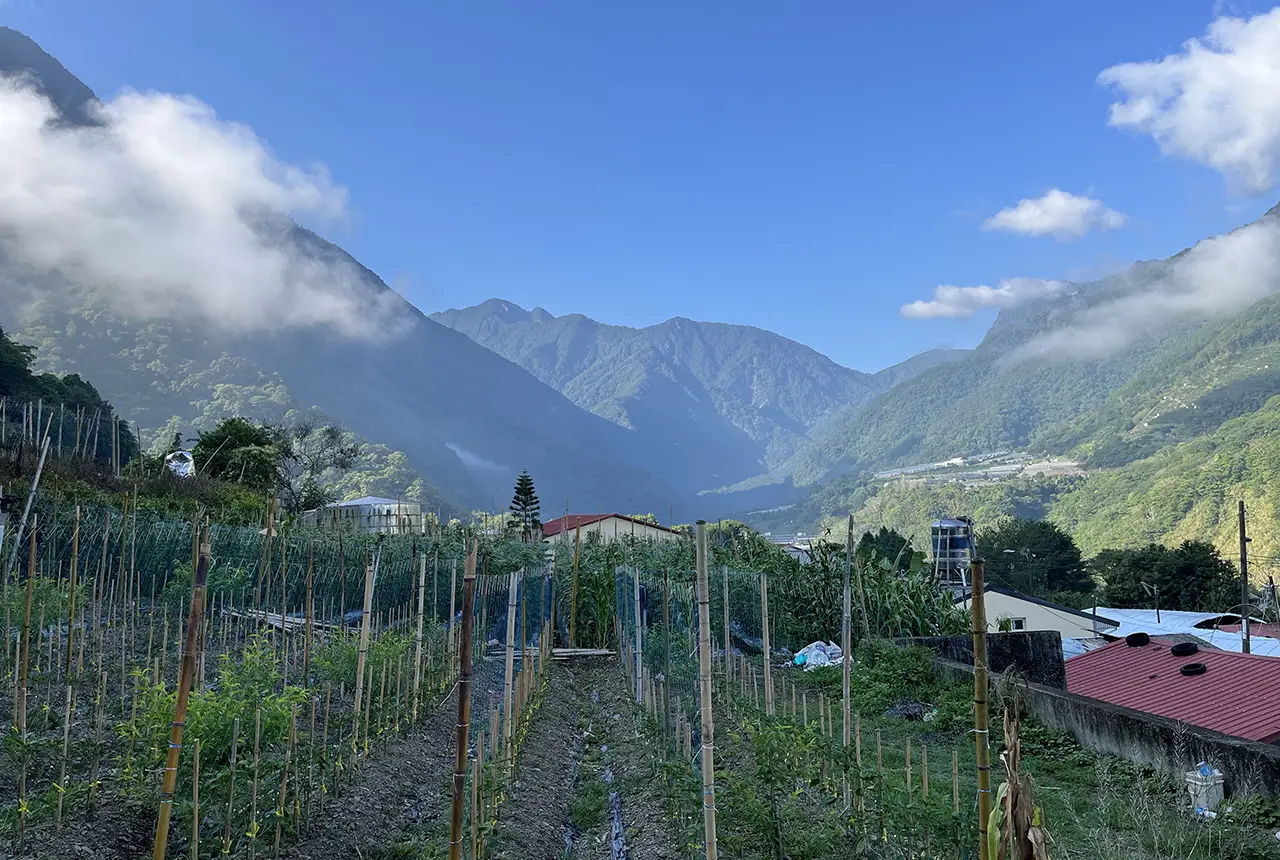
Delving deep into mountains for future water security
16/07/2026
A BGS-led project is using new water-tracing investigation methods, geophysics and modelling to understand how water moves from mountains to the lowlands, helping to improve water security for billions of people.
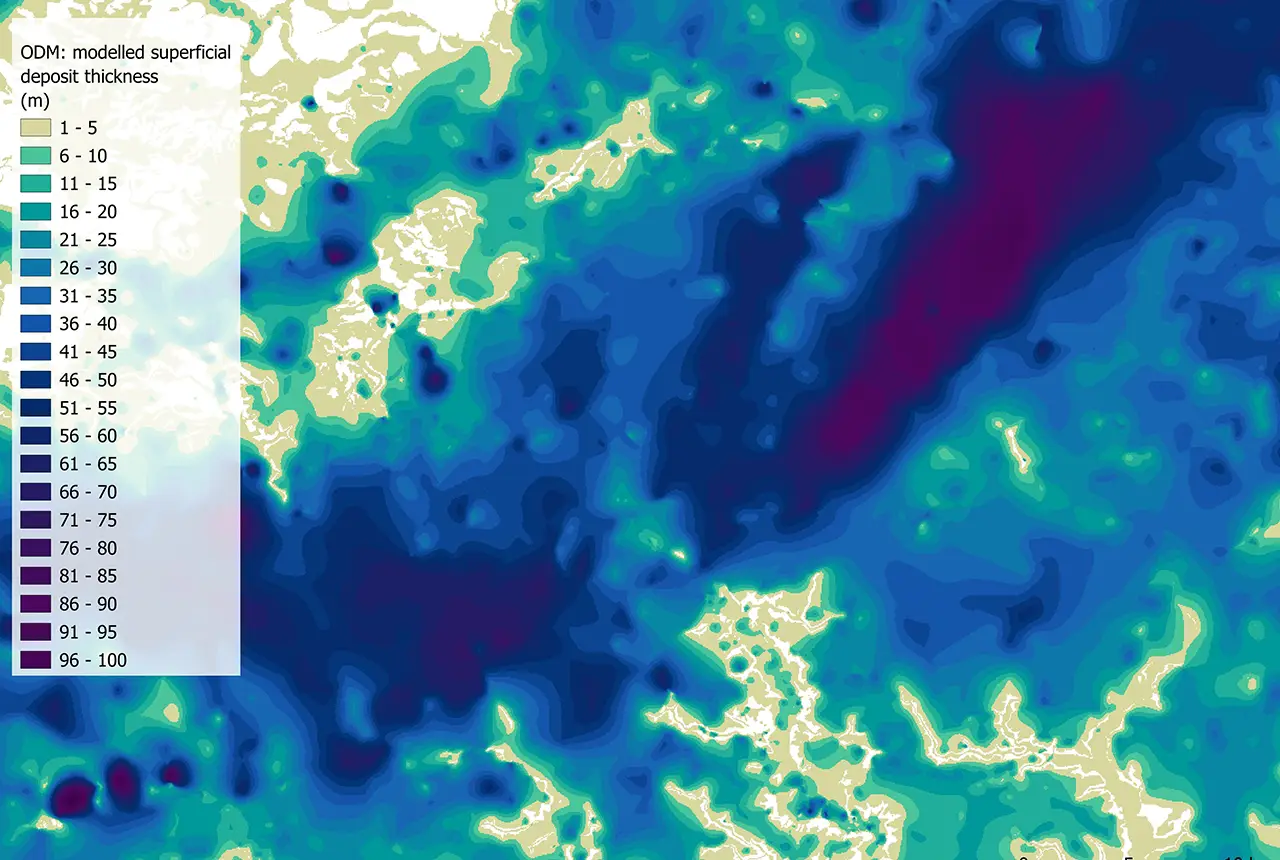
Updated national 3D model will determine the depth to the solid bedrock beneath our feet
13/07/2026
The BGS Superficial Deposit Thickness Model now includes an elevation model of geological rockhead for the first time, providing important data for civil engineers, geoscientists and environmental scientists.
UK’s world-class research organisations launch new collective
10/07/2026
The launch of the National Research Organisations Group brings together more than 100 science leaders to provide an authorativive voice on science, research policy and long-term investment.
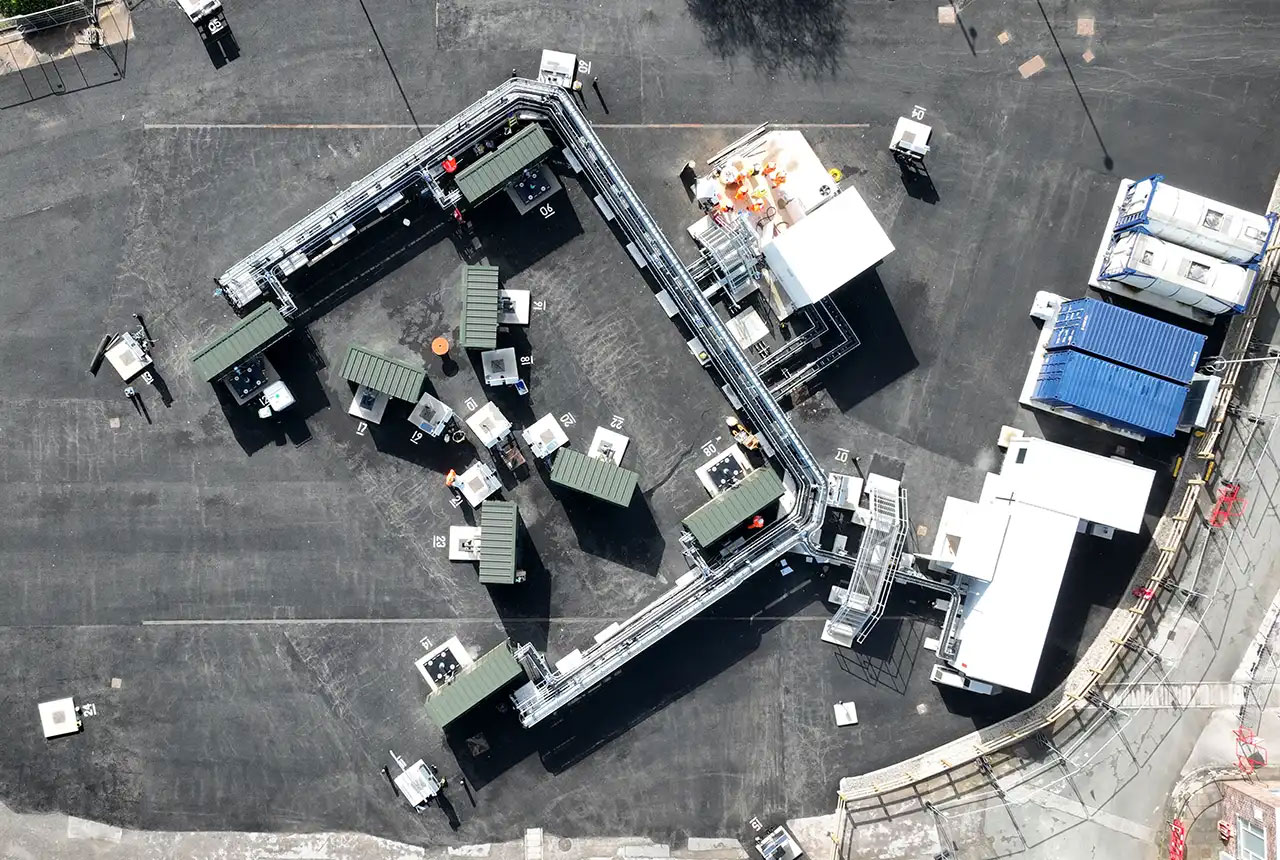
Cheshire Geoenergy Observatory releases key geological datasets for UK thermal energy storage scheme design
09/07/2026
A new report and data packs from BGS will provide a unique resource for scientists working on the geology and hydrogeology of the Sherwood Sandstone Formation, an important aquifer and reservoir rock.