

The Prees Borehole and the JET Project
A recent borehole in Shropshire is unearthing new information about the chronology and environments of the Early Jurassic.
24/02/2021 By BGS Press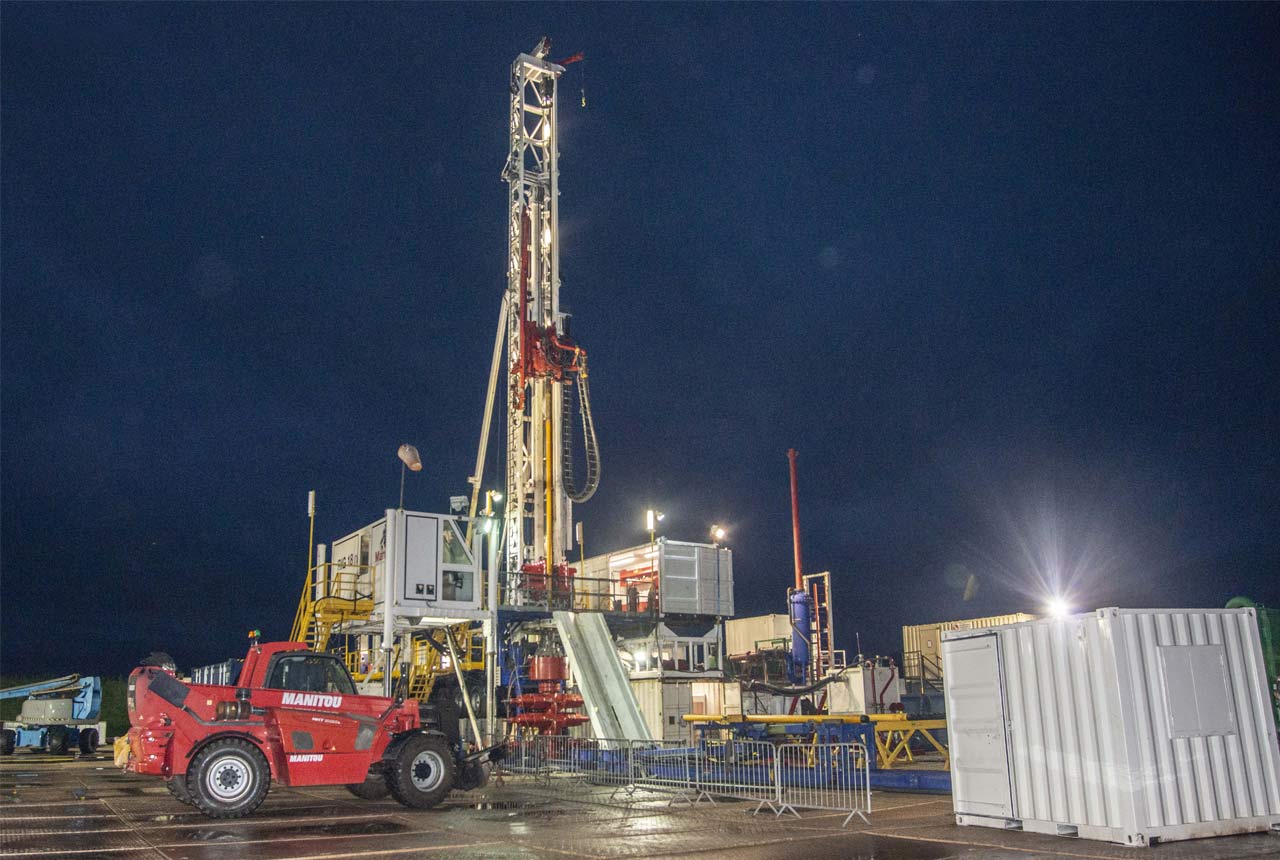

During November and December 2020, a deep borehole was drilled just off the A49, around a kilometre north of the village of Prees, south of Whitchurch in north Shropshire. The JET project science team behind this project, of which I am a member, needed to obtain a continuous core of Early Jurassic rocks in order to decipher the chronology and environments of the early part of the Jurassic Period between around 201 and around 174 million years ago.
The Early Jurassic was a fascinating epoch in the history of our planet. It was a greenhouse interval with no permanent polar ice, characterised by some major changes in the global carbon cycle. We believe that these events were mainly driven by greenhouse gases emitted by large pulses of volcanic activity.
These intervals of global warming caused substantial climatic and environmental shifts. The most dramatic of these led to a marked increase in surface water fertility and blooms in plankton populations making widespread areas of the ocean floors devoid of oxygen around 183 million years ago.
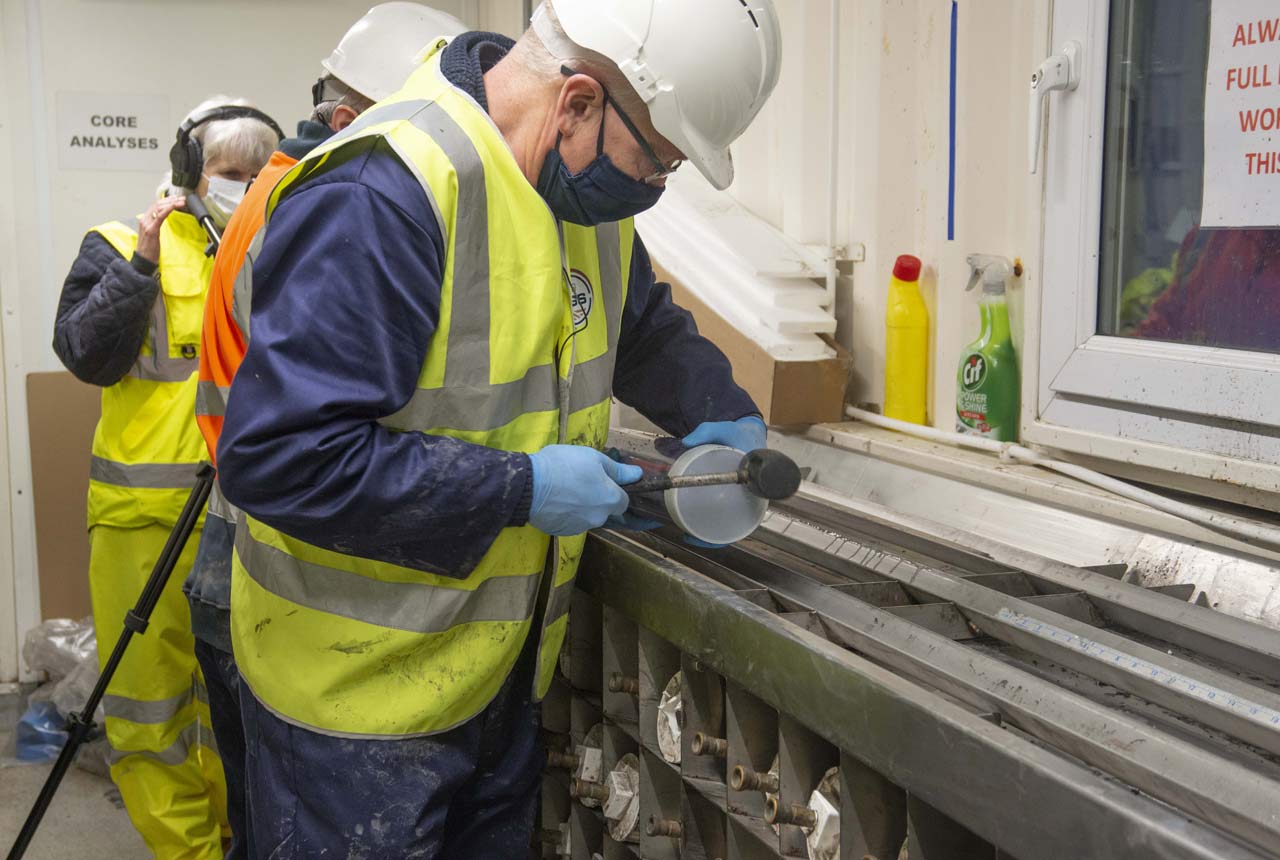
Processing the core in the core curation facility on the drill site. In this photograph, Jim is gently hammering a plastic endcap into place on one end of a one-metre section of core inside a strong clear plastic liner. BGS © UKRI.
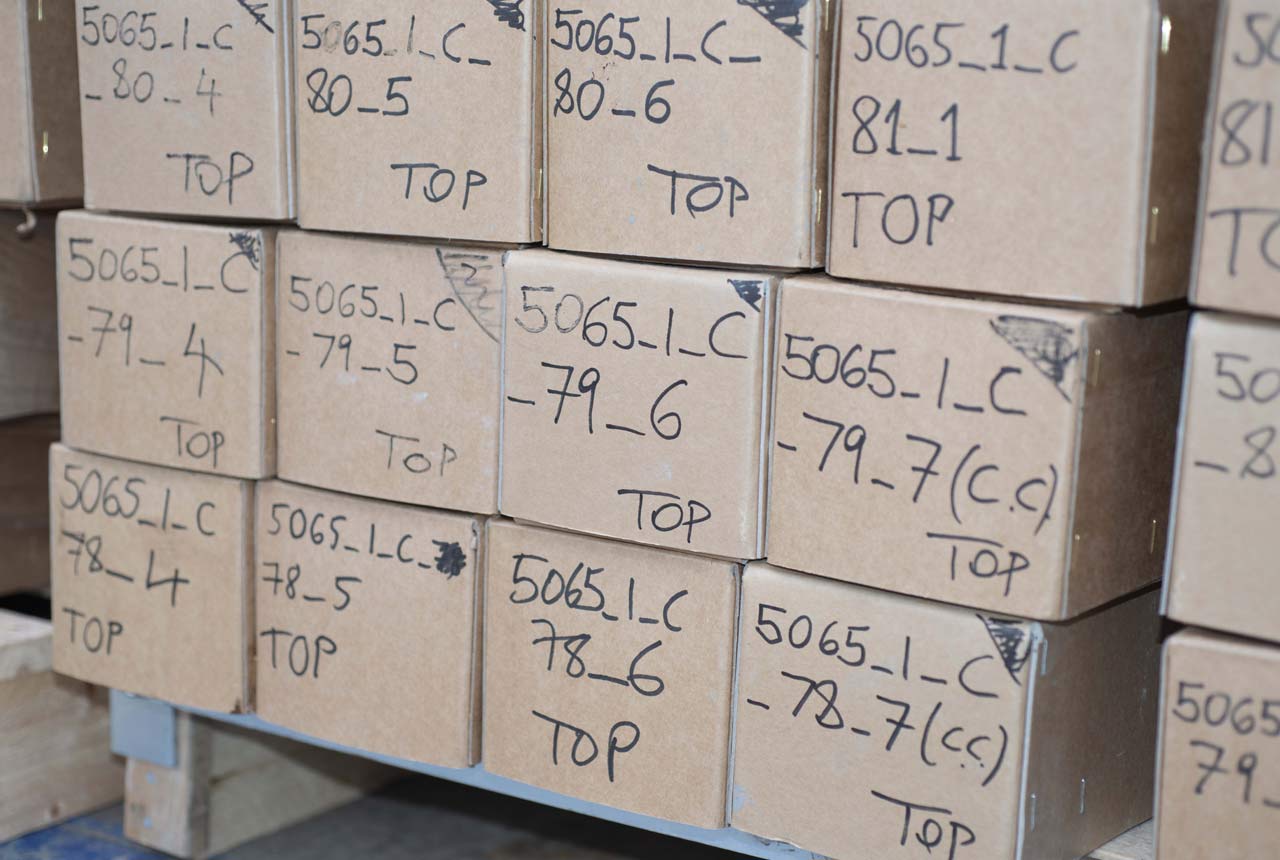
Inside the large steel shipping container which we used as a core repository at the drill site. The curated one-metre sections of core are placed in labelled cardboard boxes and carefully stacked on pallets ready for transportation to the core store at Keyworth. The BGS number of the Prees Borehole is 5065_1_C. The rest of the code are the six-metre core barrel number (e.g. 79) and the one-metre core section within that core barrel (e.g. 6). It is particularly important for this project that the core sections are not inverted, so ‘top’ and ‘base’ are clearly marked. BGS © UKRI.
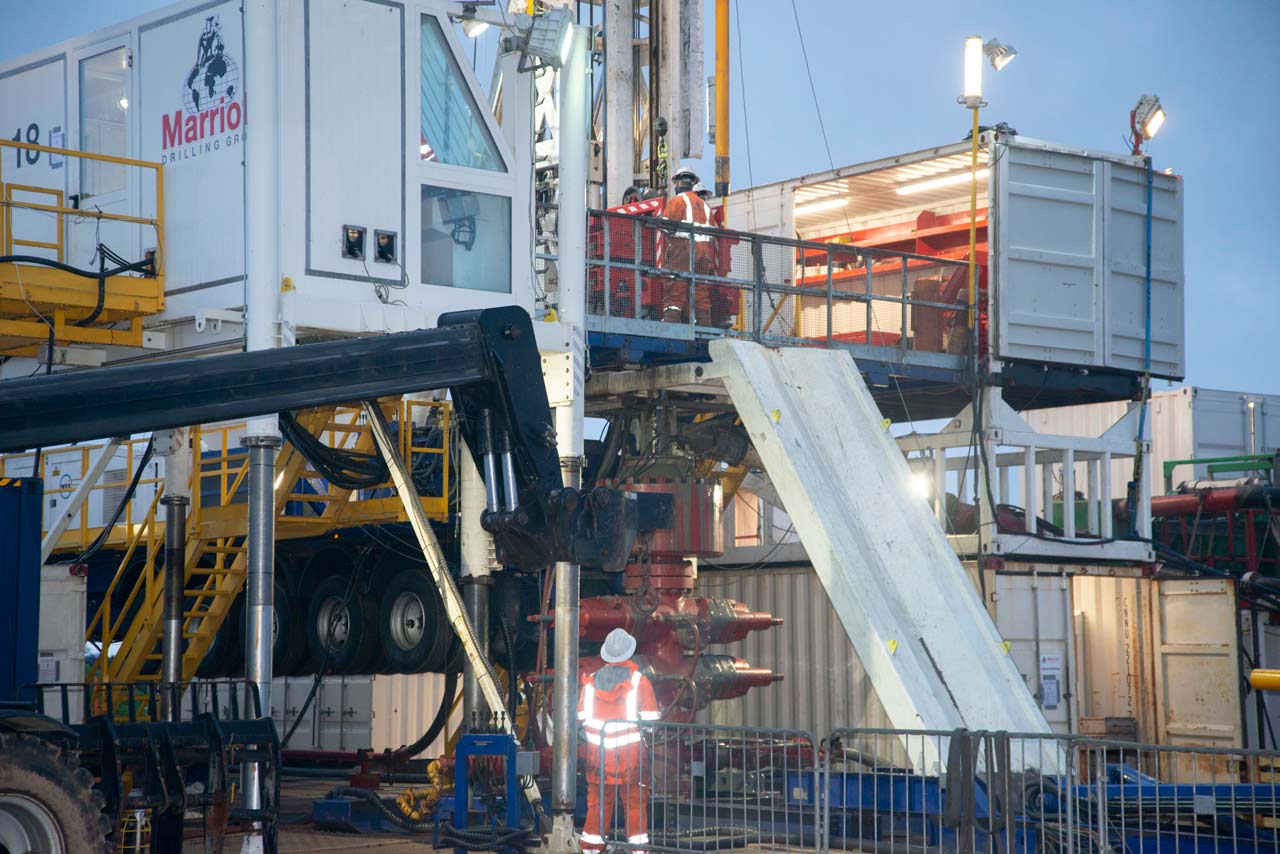
A closeup of the rig floor. The red apparatus with the large valves in front of the person at ground level is the blowout preventer (or BOP) and is a safety feature that shuts the well down if pressurised gas and/or liquid is encountered. BGS © UKRI.
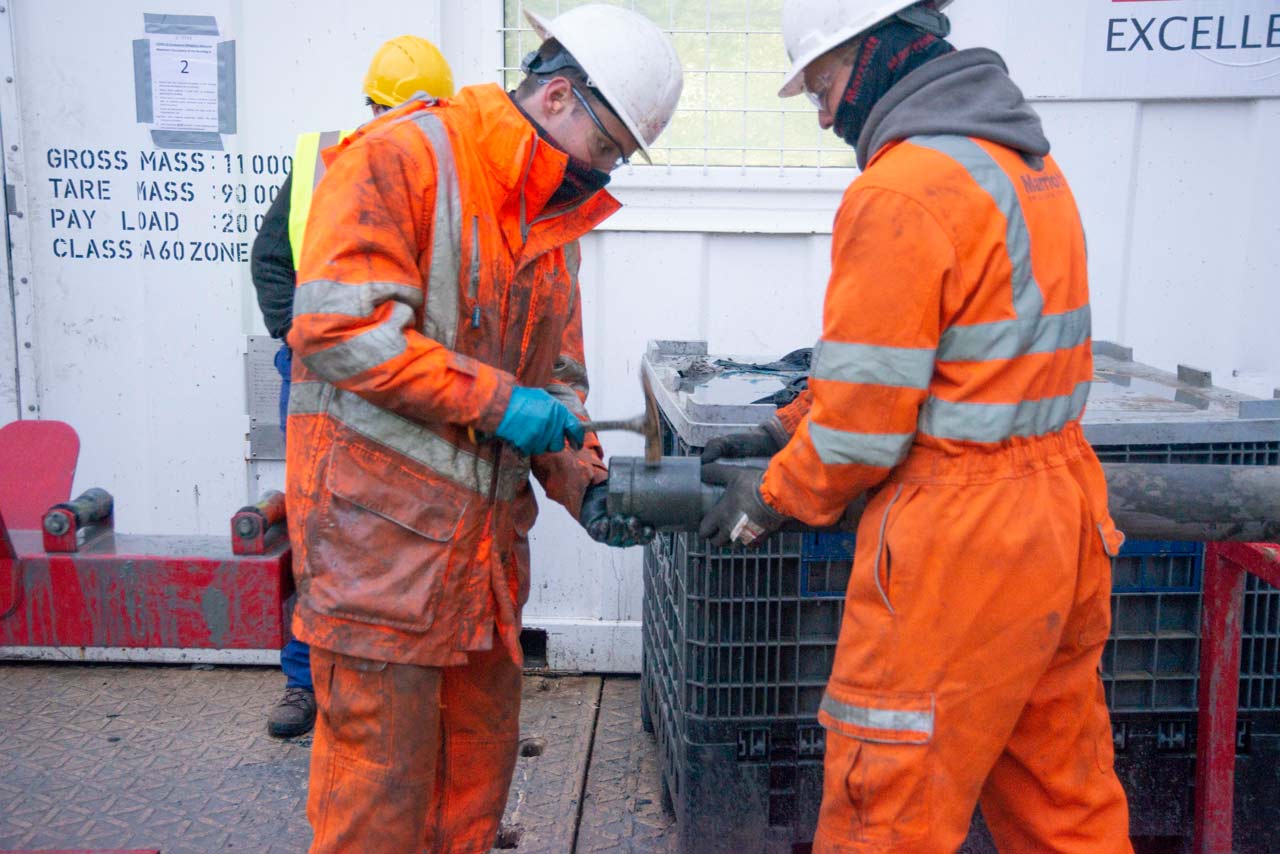
A six-metre section of core being extracted from the core barrel. Specifically, the core catcher is being taken off using a geological hammer. The core catcher holds the core in the barrel during the recovery of the core barrel from the borehole. BGS © UKRI.
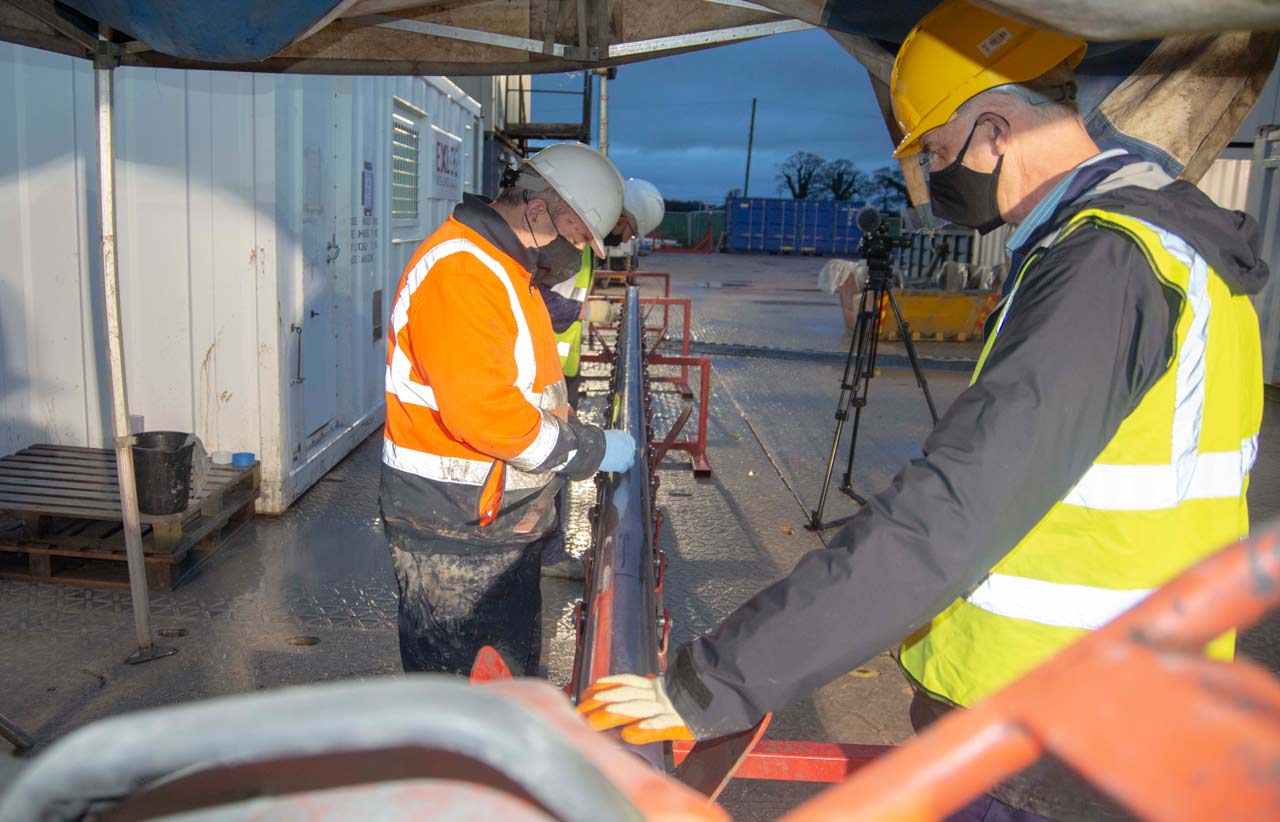
Jim and colleagues examining and marking the depths on a six-metre section of core in its plastic liner, fresh from the ground. BGS © UKRI.
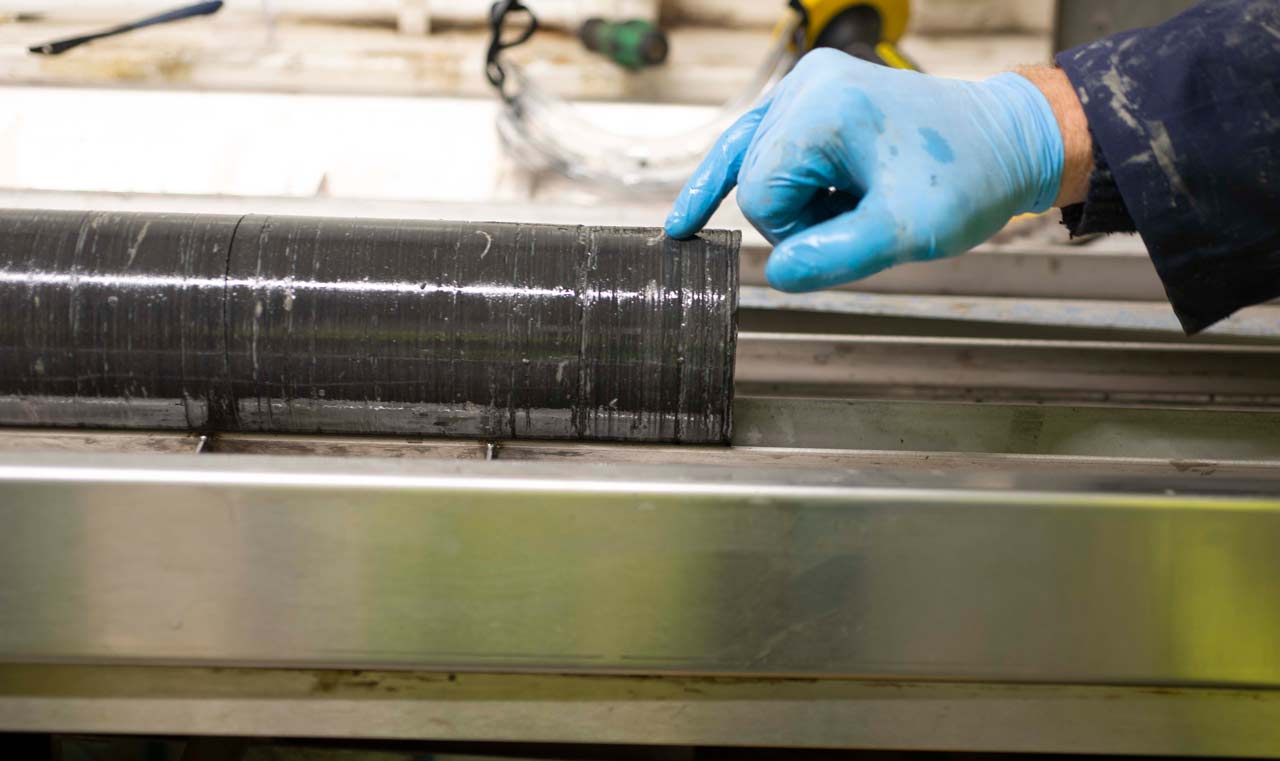
Jim pointing out a fossil bivalve in a newly cored, one-metre section of core from the Prees Borehole. BGS © UKRI.
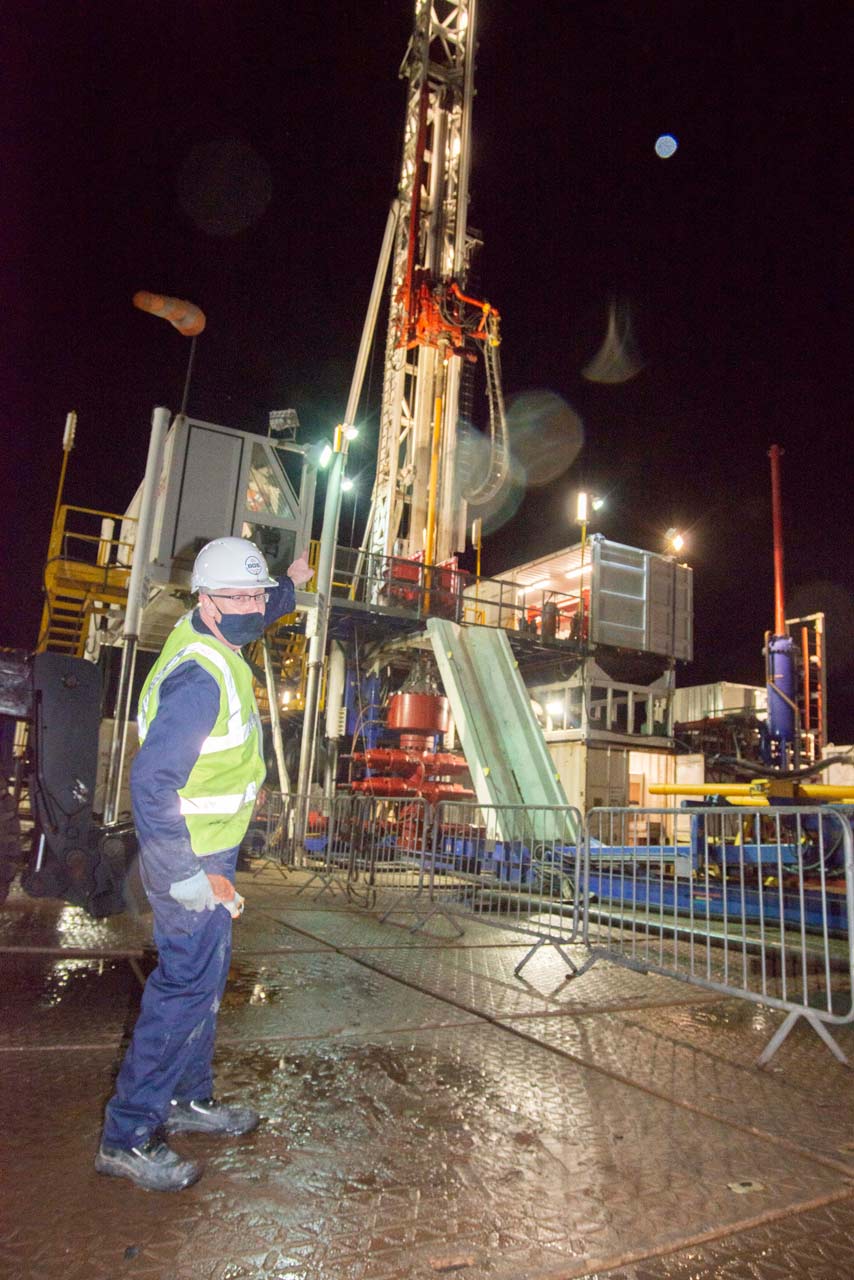
Jim Riding at the rigsite at night, pointing to the main rig. BGS © UKRI.
It is really important to understand all aspects of these climatic perturbations in the geological record, not least the timing of them. We are currently of course experiencing a changing climate and it is imperative that we know the timings of the onset, overall duration and recovery of fluctuating environments on our planet based on past events. It is hoped that this will help us understand what may be happening right now. We aim to help to do this by working out the astrochronology of the Early Jurassic rock record. To do this we will attempt to decipher three different cycles of sedimentation which were controlled by regular rhythms of the Earth’s orbit around the Sun. If we can work these cycles out effectively, using techniques such as detailed geochemistry and geophysical logging, we can use the number of cycles to determine how long it took to deposit the rock succession being studied, as well as the durations of the environmental shifts. We will also work on the environments based on aspects such as fossils and sedimentology.
The geological picture
In the UK we are fortunate to have some fantastically complete and well-preserved successions of Early Jurassic sedimentary rocks and therefore we can study Early Jurassic environments in great detail. So, a number of interested researchers put together a proposal and applied for grants from the Natural Environment Research Council (NERC) and the International Continental Scientific Drilling Program (ICDP) based on a new borehole at Prees and an existing borehole drilled by BGS at Mochras in west Wales in the late 1960s. NERC and ICDP accepted our proposals and we began to plan for the Prees Borehole in the spring and summer of 2018. The science team came up with a project name of Early Jurassic Earth System and Timescale, abbreviated to JET. This latter acronym pays homage to the famous black gemstone from Whitby that is found in Early Jurassic rocks.
@JET_Prees scientists turned up an example of Teichichnus in the core for #FossilFriday! @icdpDrilling Prees coring is progressing well and we look forward to more #Jurassicrocks Photo credit: Jim Riding pic.x.com/n5oQSswsz3
— JET Project (@JET_Prees) December 4, 2020
Planning the drilling operation
We knew from legacy BGS geological mapping and two old boreholes in the vicinity that there is a really good Lower Jurassic record around Prees, so the search was on for a good site. It had to be accessible in terms of getting the borehole infrastructure set up easily, and be as far away from houses as possible because boreholes can be quite noisy! A site was found: a small corner of a farmer’s field, close to a main road. The science team also had to find a drilling contractor so a tendering process was instigated. As you can imagine, processes such as landowner negotiations, planning permission, tendering, etc. are relatively far from the normal day-to-day activities of a geologist’s working life!
The drilling operation
When all this was complete, we could finally start the drilling operation at Prees. There were a few relatively minor delays, and the pandemic did not make things easier, but we finally began to drill in early November 2020. The drilling rig was a relatively large one and it used core barrels six metres in length. A continuous core was drilled using a rotating drill string and the core barrel was brought to the surface using a steel cable when it was full, which normally took around six hours.
Teams of two geologists worked 12-hour shifts round the clock and seven days a week throughout the two month drilling operation. The geologists curated the core, which meant cleaning it, describing it, labelling the depths, way-up etc. and carefully placing it in one-metre core boxes for transporting back to the BGS core store at Keyworth. We halted drilling on 29 December 2020 and the borehole was terminated at 656 m. The ‘terminal depth’ was in the Late Triassic, which meant that our objectives of drilling through the Early Jurassic had been fulfilled.
The first test shallow geotechnical Jurassic aged core from Prees! @JET_Prees pic.x.com/Z6udYU4Bac
— Prof Melanie Leng (@MelJLeng) January 28, 2020
The JET project science team will now begin to study the Prees Borehole in detail. We will be putting the one-metre core sections through a core scanner to analyse the overall geochemistry. Samples will also be analysed for carbon isotopes to reconstruct changes in the carbon cycle throughout the Early Jurassic. Other highlights include examining clay minerals, magnetic field reversals, sedimentary structures and detailed studies on the fossils in the core especially ammonites, microfossils and trace fossils.
The JET project is primarily funded through a NERC Large Grant led by Prof Steve Hesselbo of University of Exeter.
Relative topics
Related news
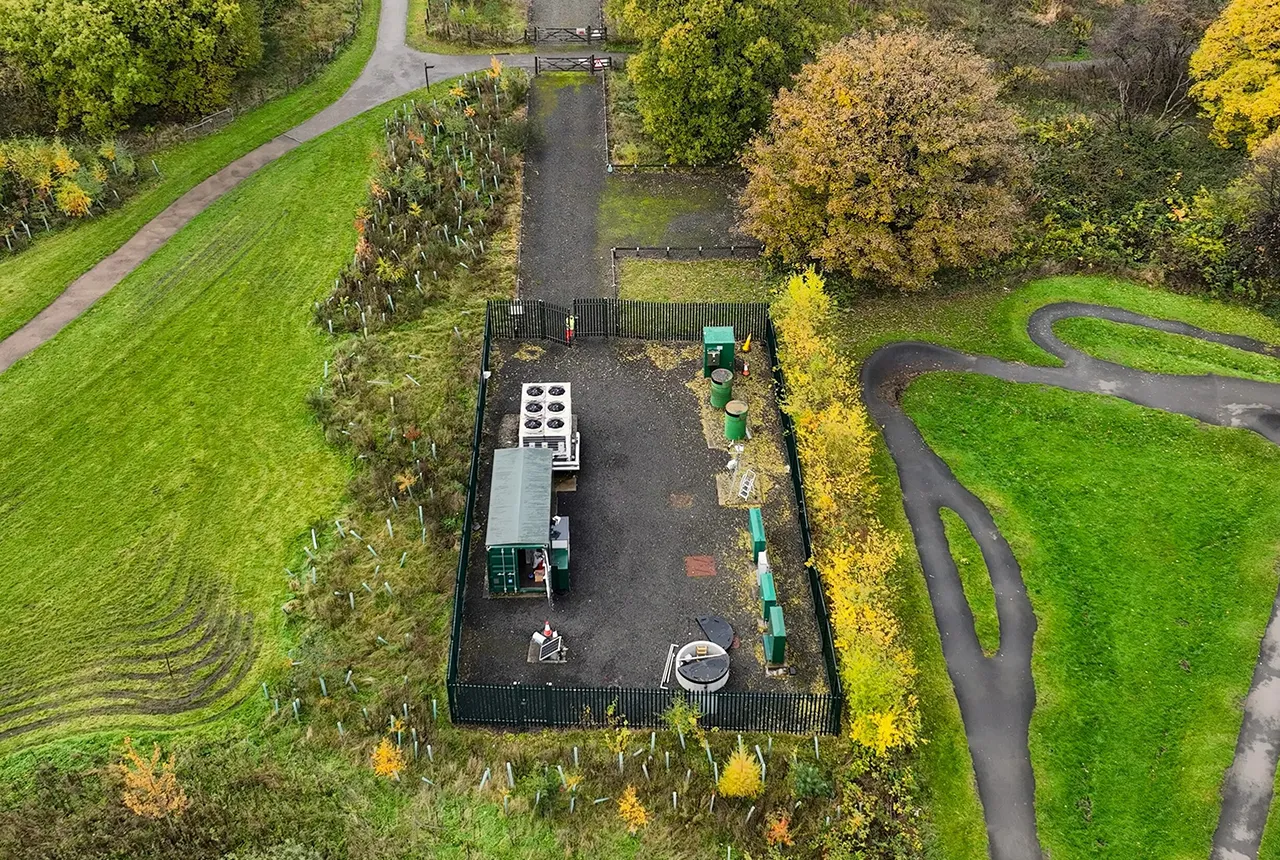
Thermal energy recovery from abandoned mines
09/11/2026
New research at the UK Geoenergy Observatories is assessing the efficiency of UK geology for thermal energy recovery.
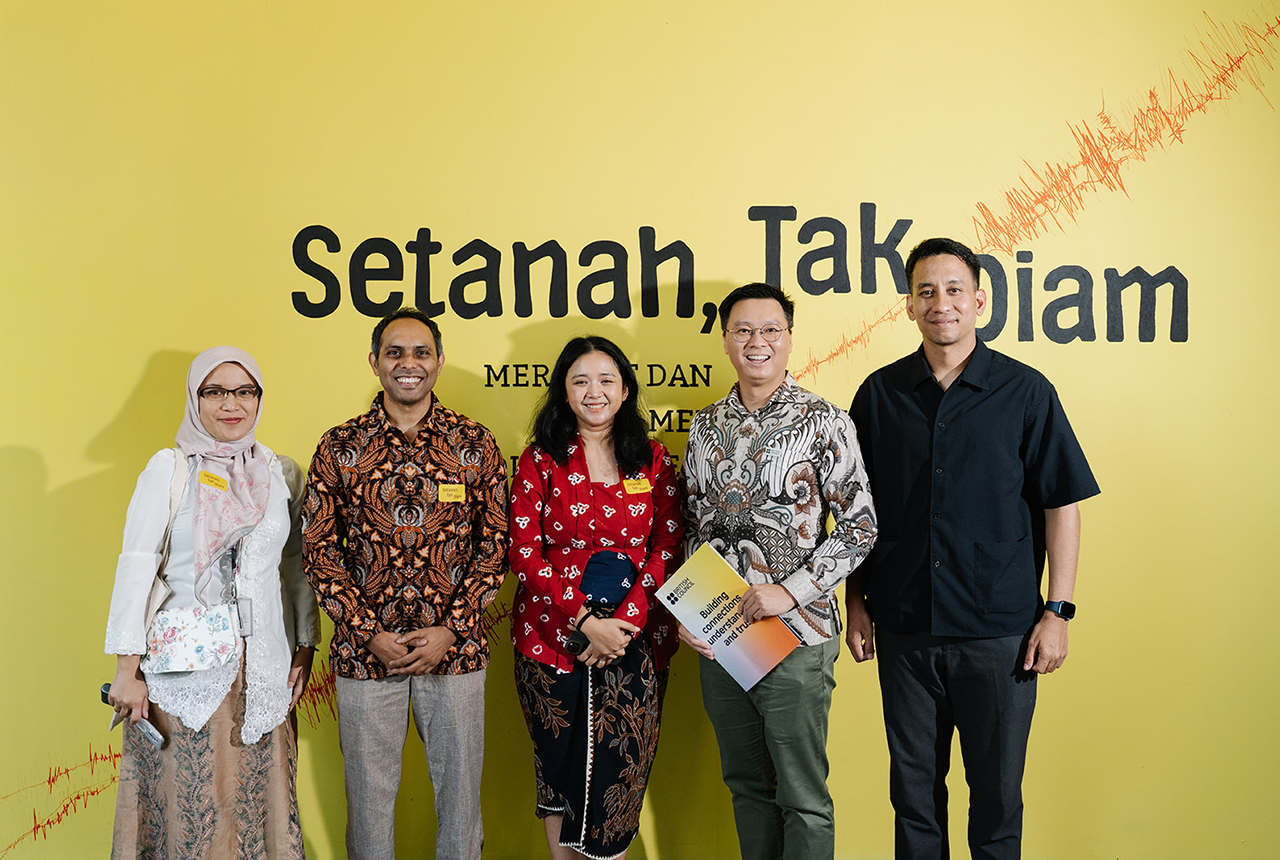
Interactive exhibition highlighting multi-hazard research opens in Indonesia
01/11/2026
The exhibition, part of a collaborative effort co-led by BGS, invites the public to consider how communities adapt to dynamic landscapes shaped by natural hazards.
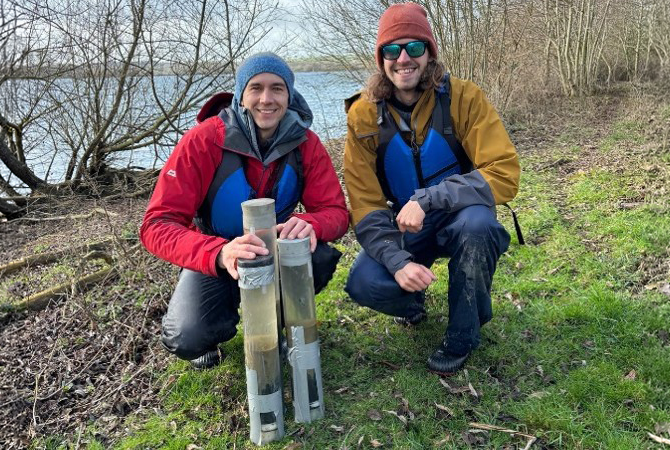
New research demonstrates stability of phosphate oxygen isotope in lake sediments
29/10/2026
The discovery could boost research into past environmental conditions, tracking nutrient pollution and examining the impacts of freshwater management.
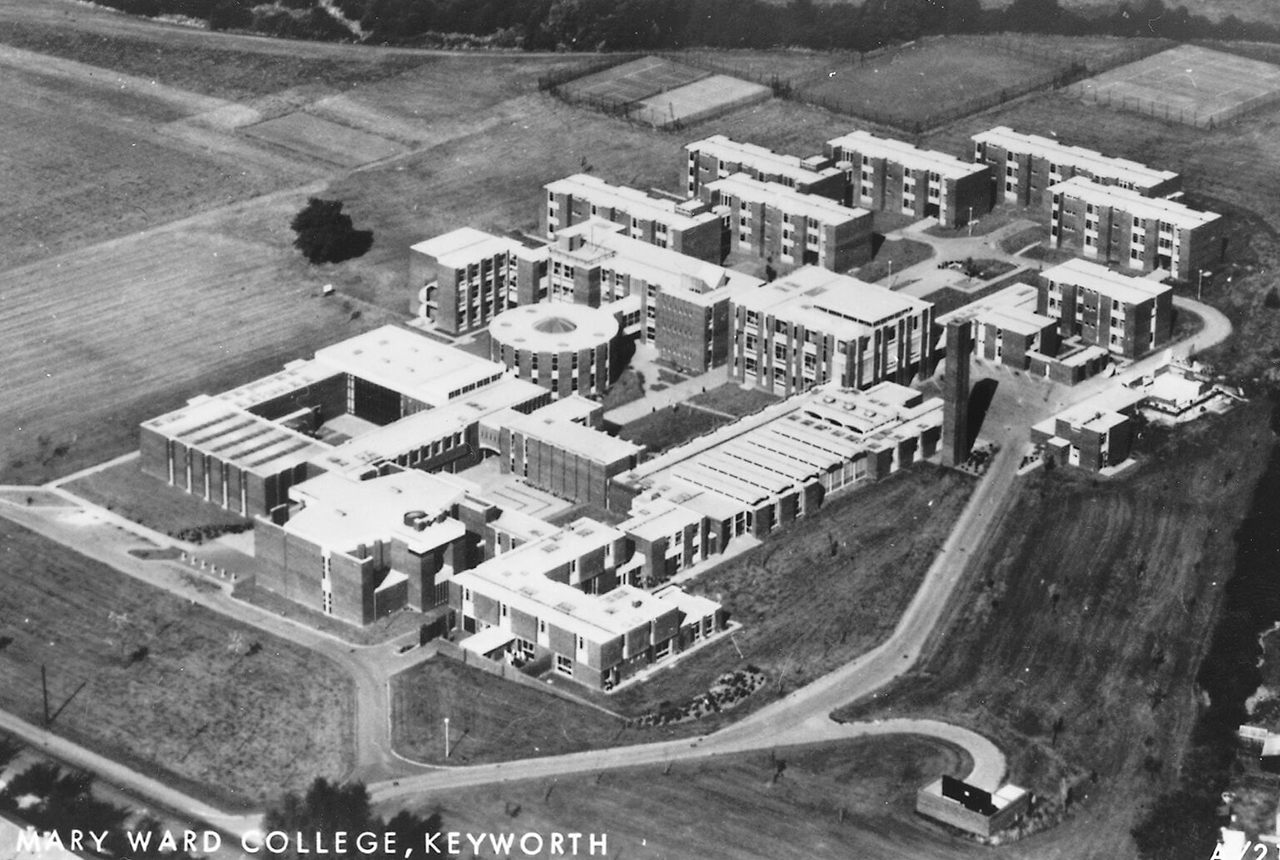
BGS celebrates half a century in Keyworth
28/10/2026
2026 marks 50 years since BGS, the world’s oldest national geological survey, relocated to the site of our current headquarters, just outside Nottingham.
Forties at 56: the North Sea discovery that’s informing the energy transition five decades later
26/10/2026
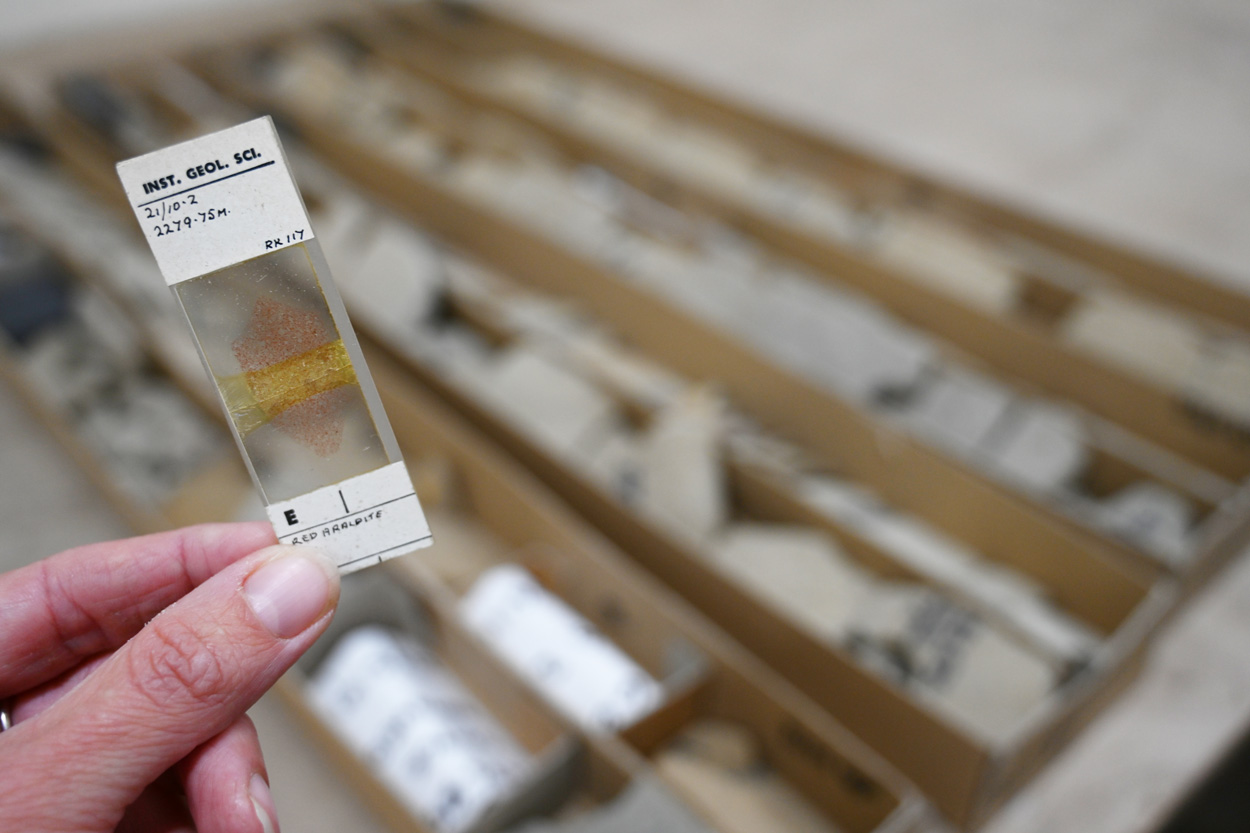
Geological samples recovered from the UK’s first giant oil field in the 1970s continue to inform industry and researchers aiming to support the UK’s energy security needs.

New project mapping UK Continental Shelf provides boost to offshore infrastructure and development
22/10/2026
BGS is leading a three-year project funded by The Crown Estate to develop a new suite of seabed geology datasets and reports, providing crucial information for offshore developers about the seabed around the UK.
BGS one of the UK’s first specialist research institutes to receive Race Equality award
20/10/2026
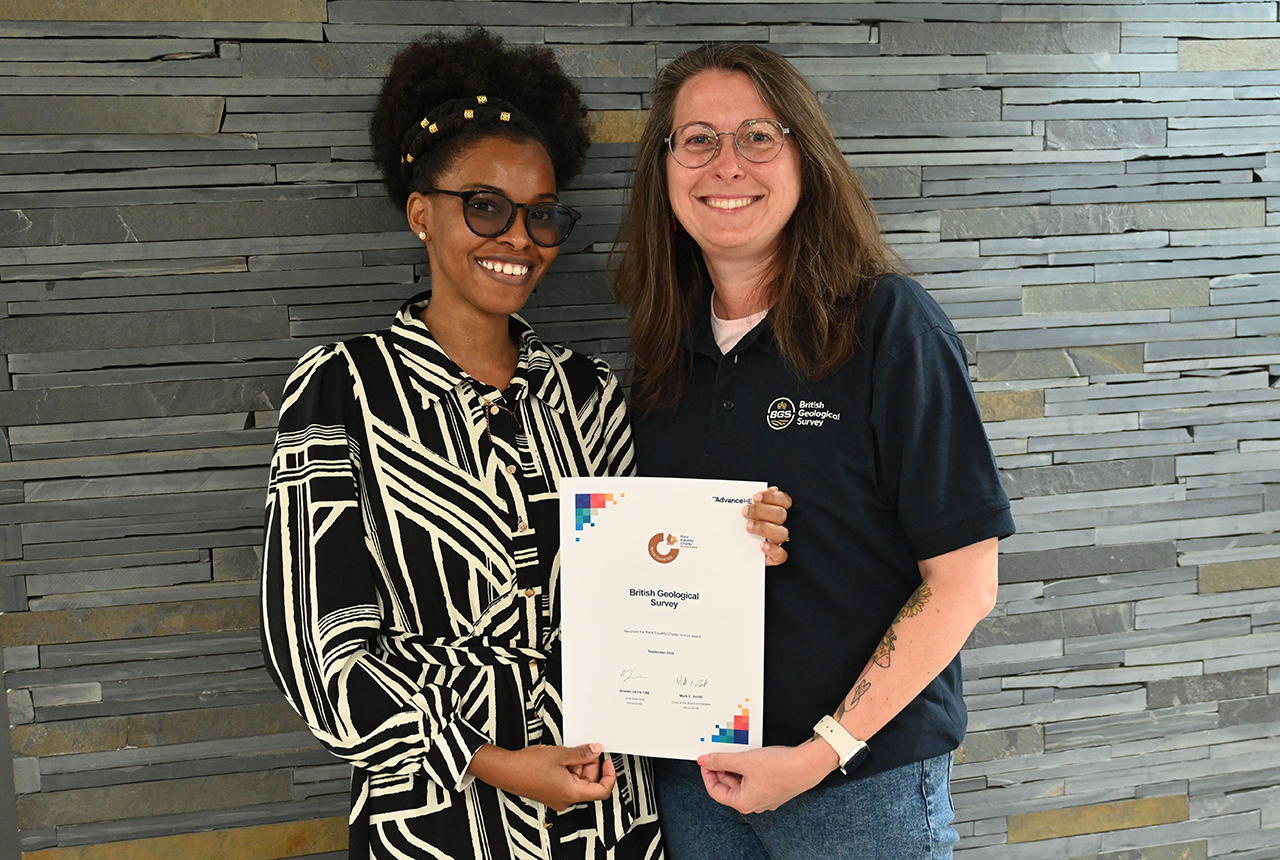
BGS has secured Bronze accreditation under the Advance HE Race Equality Charter framework, recognising its commitment to identifying and addressing race equality issues in the geosciences.
British and French geological surveys strengthen collaboration through new agreement
14/10/2026
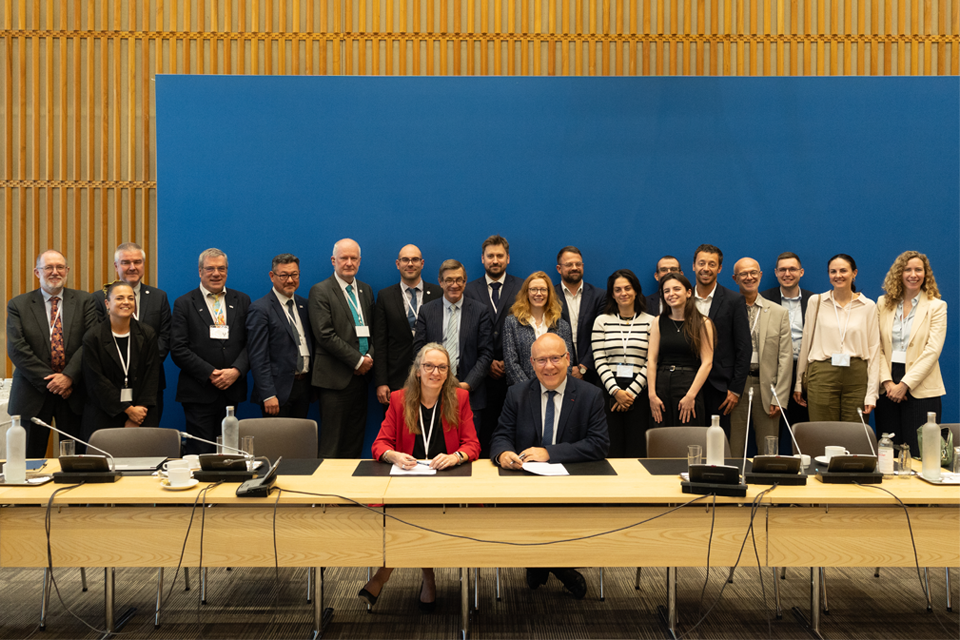
Two of Europe’s leading geological surveys have signed a Memorandum of Understanding to strengthen collaboration on key geoscientific challenges.
Historic watercolour unearthed on back of Dryburgh geological field map
05/10/2026
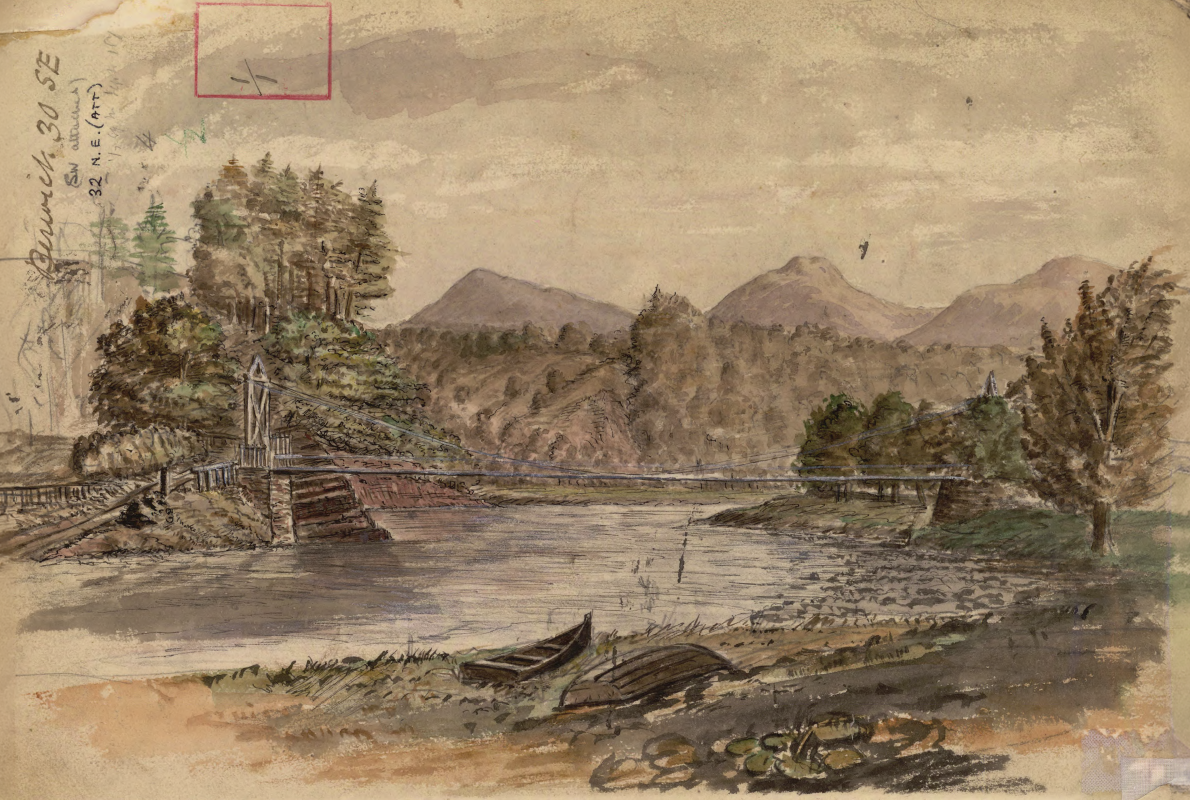
A 150-year-old painting of Dryburgh Suspension Bridge and the River Tweed offers an insight into the Scottish Borders landmark shortly after it was built in the 1870s.
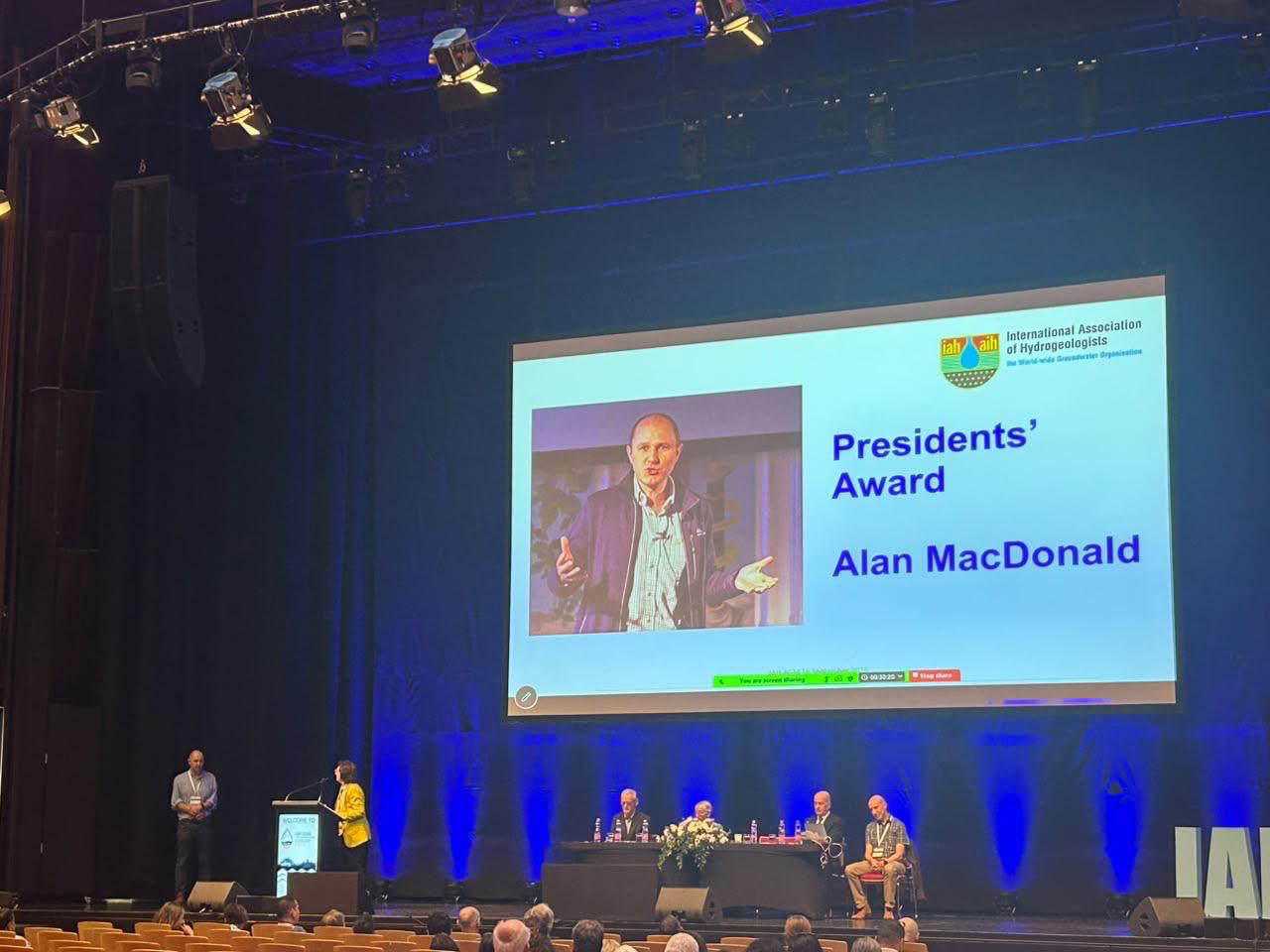
Professor Alan MacDonald presented with Presidents’ Award at 2026 World Groundwater Congress
21/09/2026
The BGS Head of Groundwater has been recognised with this prestigious award by the International Association of Hydrogeologists for his extensive contributions to groundwater science.
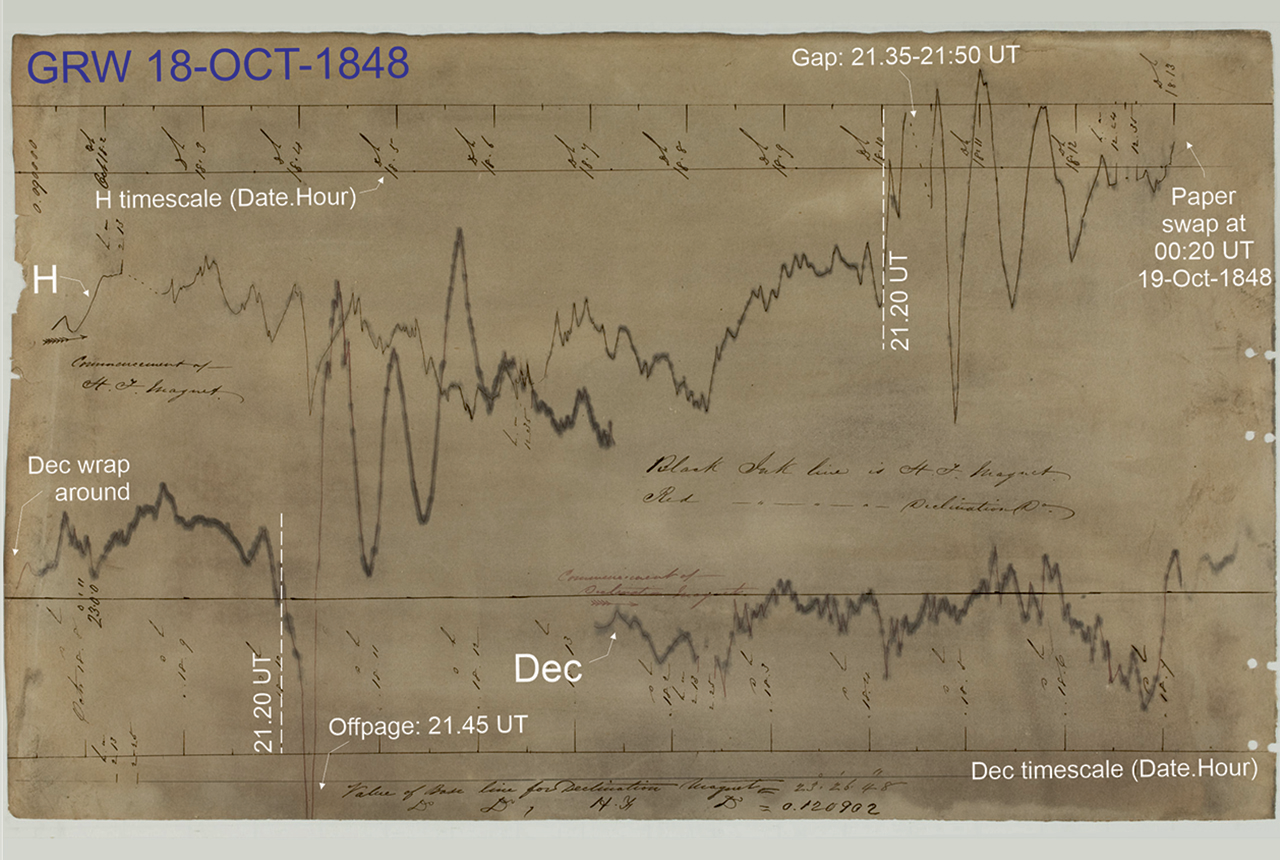
Mystery of one of the earliest recorded space weather impacts solved
17/09/2026
BGS scientists were part of an international team that has solved a 178-year-old mystery surrounding one of the earliest recorded examples of space weather affecting technology.
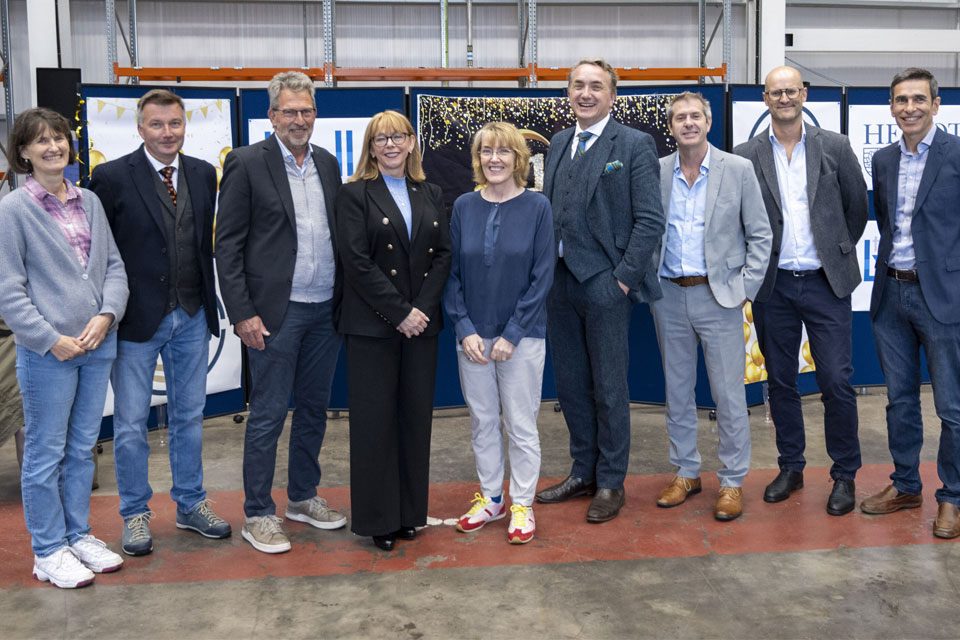
The Lyell Centre celebrates 10 years of world-leading earth and marine science research
07/09/2026
The Lyell Centre for Earth and Marine Sciences, a strategic partnership between Heriot-Watt University and BGS, is celebrating its 10th anniversary, marking a decade of world-leading research, innovation and collaboration in earth and marine sciences.