

PhD adventures in Copenhagen, Denmark: revealing past recovery processes of tropical forest systems through ancient environmental DNA
PhD student Chris Bengt visited the University of Copenhagen to carry out very delicate extraction of aeDNA from lake-sediment cores, in the hopes of unlocking the secrets of past volcanic eruptions.
12/03/2026 By BGS Press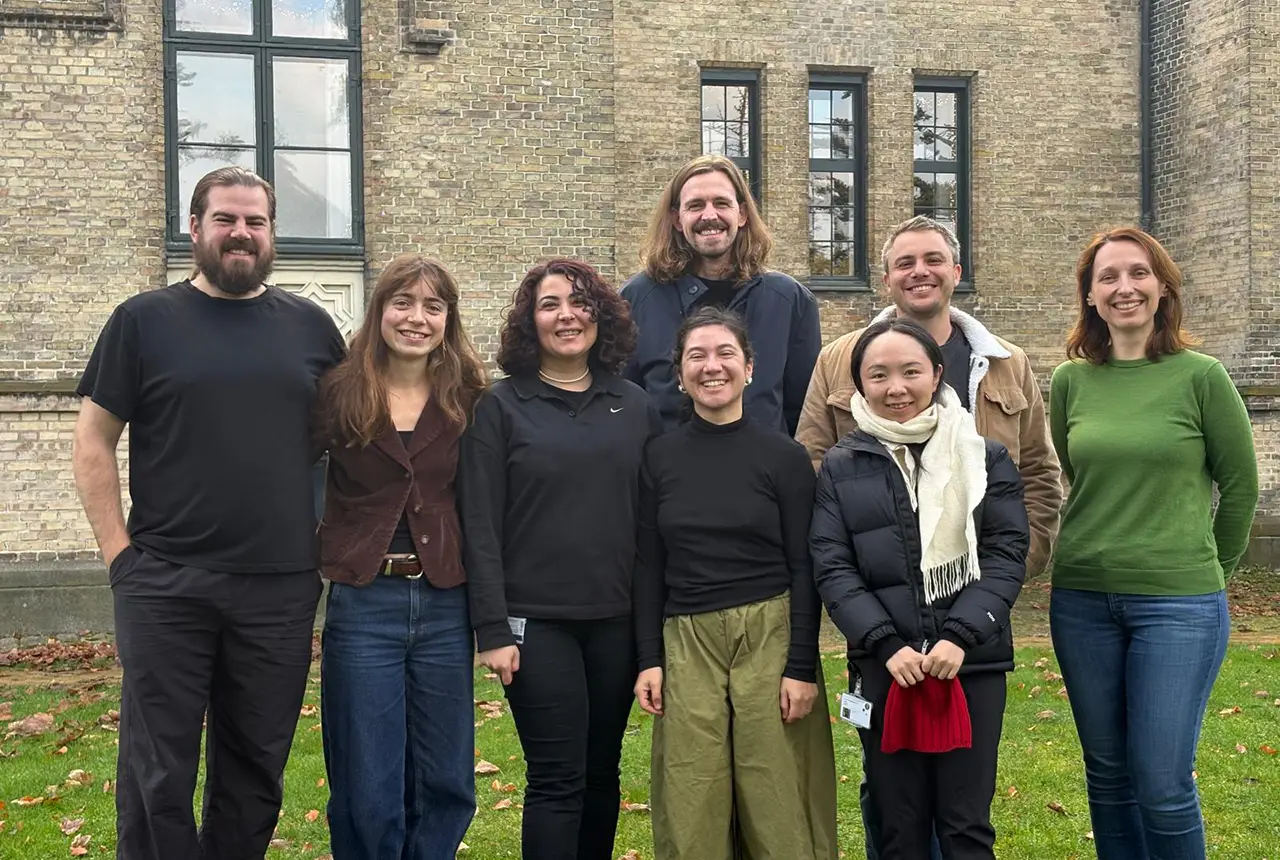

The lowland tropical rainforests of South-east Asia are complex ecosystems best known for their evergreen forests dominated by the towering dipterocarp trees and unique wildlife. The rainforests are among the most threatened ecosystems on the planet due to climate change, deforestation, logging and agriculture. Many key areas of South-east Asia are also located on the tectonically active Pacific Ring of Fire, which consists of a ‘ring’ of active volcanoes. Volcanic eruptions can be explosive, caused by pressure that has built up over time sending ash, rock and gas into the atmosphere. These eruptions can have an immediate destructive impact on the surrounding environment, negatively affecting forest systems; however, volcanic ash also contains nutrients such as phosphorus, which is essential for plant growth and productivity.
Ancient environmental DNA
To understand the response and recovery of these tropical forest systems after a volcanic event, I am using lake-sediment cores to explore past records of volcanic activity and forest productivity.
Lakes act like stores of environmental information, as the sediments found on lake floors are composed of organic and inorganic materials that have accumulated over time. These sediments can provide insights into past nutrient dynamics through geochemical analysis. By extracting ancient environmental DNA (aeDNA), which is genetic material derived from plant material and cells from animals and microorganisms, we can discover how forest biomes have responded to environmental change over time.
Ancient environmental DNA is typically highly degraded, vulnerable to hydrolysis and oxidation, and easily contaminated by modern DNA. It is therefore crucial to work in a clean environment where the risk of contaminating the samples is minimal.
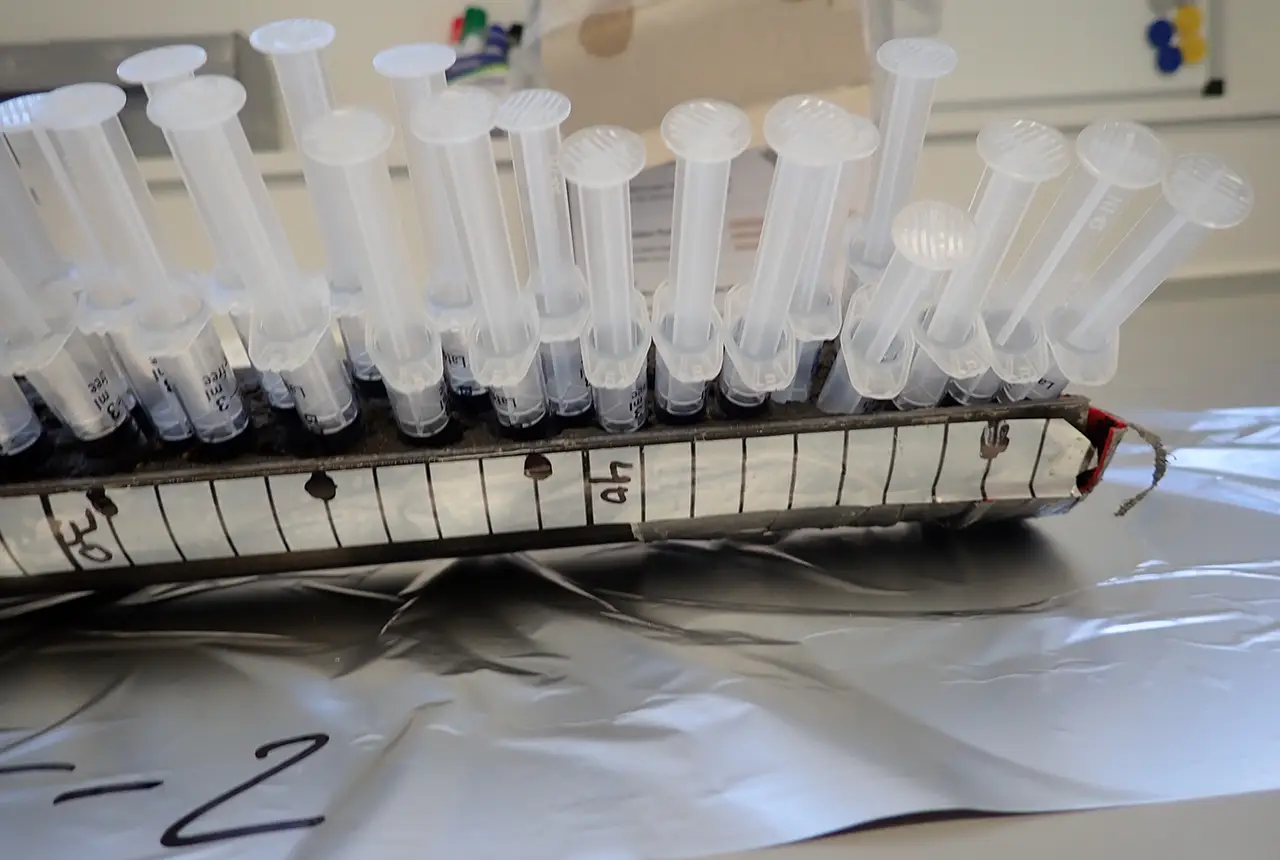
Sub-sampling DNA samples. BGS © UKRI.
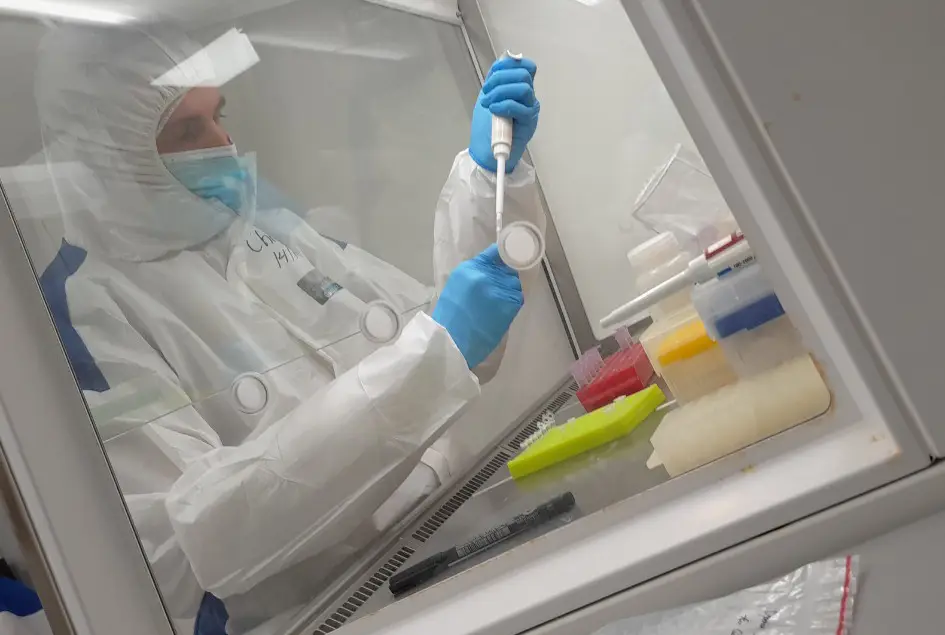
Preparing libraries for sequencing. BGS © UKRI.
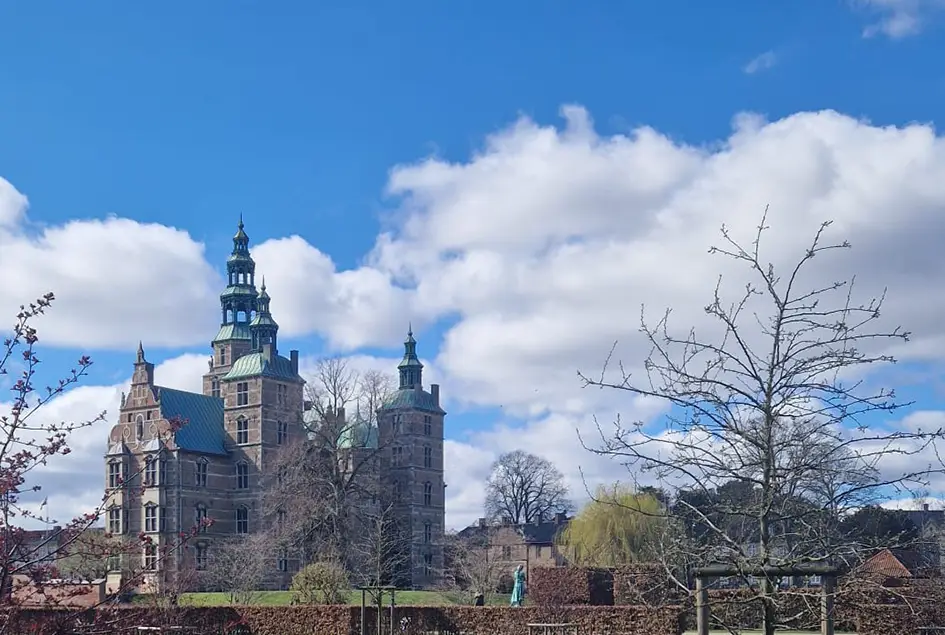
Rosenborg castle in the King’s Garden. BGS © UKRI.
Sample handling
Before splitting the lake sediment core and subsamples for aeDNA extraction, it was first radiographically scanned at the Core Scanning Facility at the BGS campus in Keyworth, Nottinghamshire. Radiographic scanning was also carried out to identify past volcanic events without opening the core, to avoid any potential contamination. I then travelled with the lake sediment core from BGS to the Globe Institute, part of the Faculty of Health and Medical Sciences of the University of Copenhagen, Denmark, which specialises in geogenetics, for aeDNA extraction.
The institute is located in the heart of Denmark’s capital city. It is surrounded by the Botanical Garden, the National Gallery for Arts, and the King’s Garden, where Rosenborg Castle is located. On arrival, you are met by one of the largest iron meteorites in the world, before entering the Centre for Geogenetics, where the clean aeDNA laboratories are.
A strict protocol must be followed to avoid any form of modern contamination when working in these laboratories. This includes wearing a full protective outfit consisting of a hazmat suit, face mask, gloves, overshoes, extra protective sleeves and an extra pair of gloves. After suiting up for working the in laboratory, everything must be cleaned in bleach (and washed in ethanol afterwards). The selected samples and all laboratory equipment are then placed in a special clean fume hood, where the aeDNA can be extracted and prepared for sequencing.
The core was not cut open until it arrived at the Globe Institute, where aeDNA samples were taken at 1 cm intervals using sterile syringes. The samples were taken from intervals pre-eruption, right after the eruption, and several intervals post-eruption, to help understand the forest system’s response to volcanic events. The selected samples were incubated overnight and purified the next day, after which the concentration was measured. Finally, the samples went through another preparation process, the crucial step that converts raw DNA into a library of adapter-ligated, standardised fragments that have been amplified to ensure enough copies are available for genetic sequencing.
Next steps
While the prepared DNA samples are awaiting sequencing, the final work for geochemical analysis and stable isotopes measurements is being completed at BGS’s laboratories back in Keyworth. These analyses will help explore the history of past nutrient inputs from volcanic events and improve our understanding of how such inputs influence the tropical rainforest system.
Copenhagen, Denmark
From working intensely in the laboratories to exploring the city surrounding the Globe Institute, I enjoyed my time in Copenhagen. It’s a vibrant city known for its blend of historic charm and modern design, exceptional cycling culture and world-class food. The city offers attractions like Tivoli Gardens, Amalienborg Slot (the royal castle), Nyhavn and Free Town Christiania, which are, in my opinion, places you must see while walking around with a Ristet med det hele (a hot dog with the works) and a cocio (Danish chocolate milk). And of course, you can never go wrong by entering one of the many bakeries to make the impossible decision of which pastry to choose…
Thanks
A big thank you goes to Dr Ana Prohaska for hosting me at the Globe Institute, training me in new skills in molecular biology, and giving me the tools to help me understand the processes of the work. Another big thanks must go to the rest of the team at the Globe Institute for making me feel a part of the group, even though I was only there for a short amount of time.
Relative topics
Related news
New project mapping UK Continental Shelf provides boost to offshore infrastructure and development
22/10/2026
BGS is leading a three-year project funded by The Crown Estate to develop a new suite of seabed geology datasets and reports, providing crucial information for offshore developers about the seabed around the UK.
BGS one of the UK’s first specialist research institutes to receive Race Equality award
20/10/2026
BGS has secured Bronze accreditation under the Advance HE Race Equality Charter framework, recognising its commitment to identifying and addressing race equality issues in the geosciences.
British and French geological surveys strengthen collaboration through new agreement
14/10/2026
Two of Europe’s leading geological surveys have signed a Memorandum of Understanding to strengthen collaboration on key geoscientific challenges.
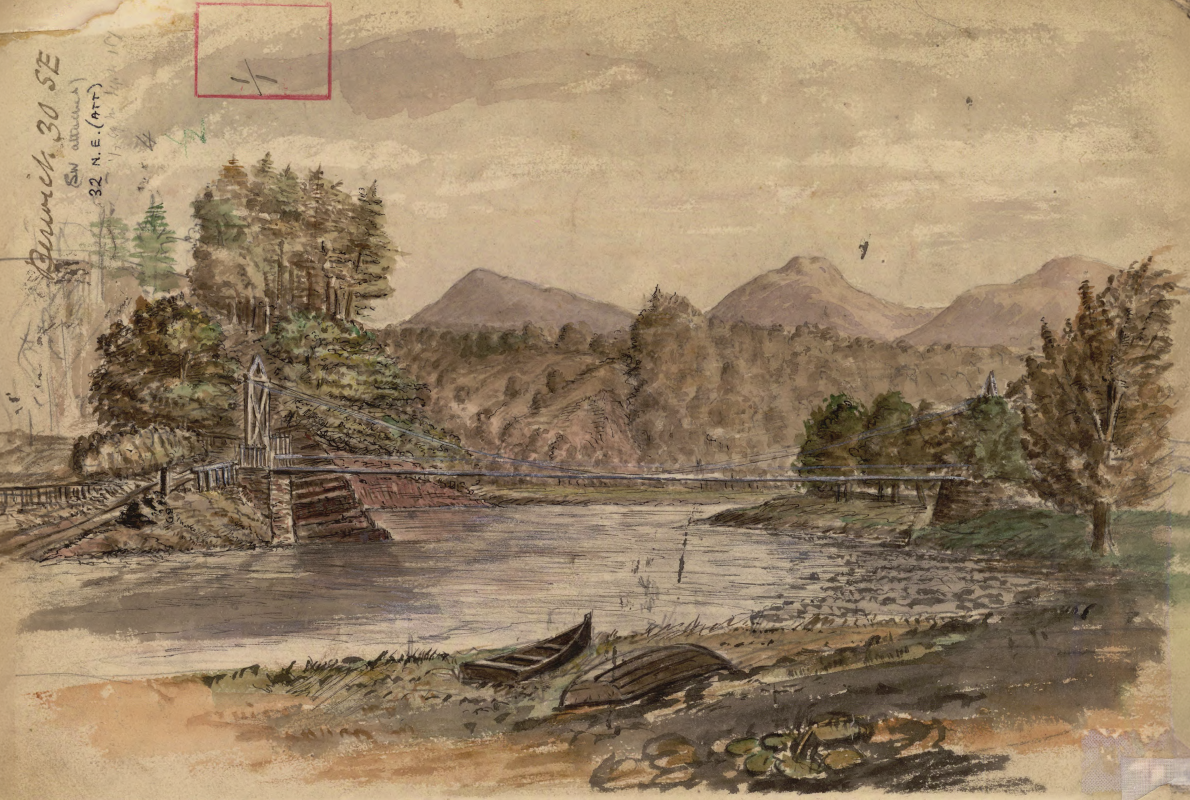
Historic watercolour unearthed on back of Dryburgh geological field map
05/10/2026
A 150-year-old painting of Dryburgh Suspension Bridge and the River Tweed offers an insight into the Scottish Borders landmark shortly after it was built in the 1870s.
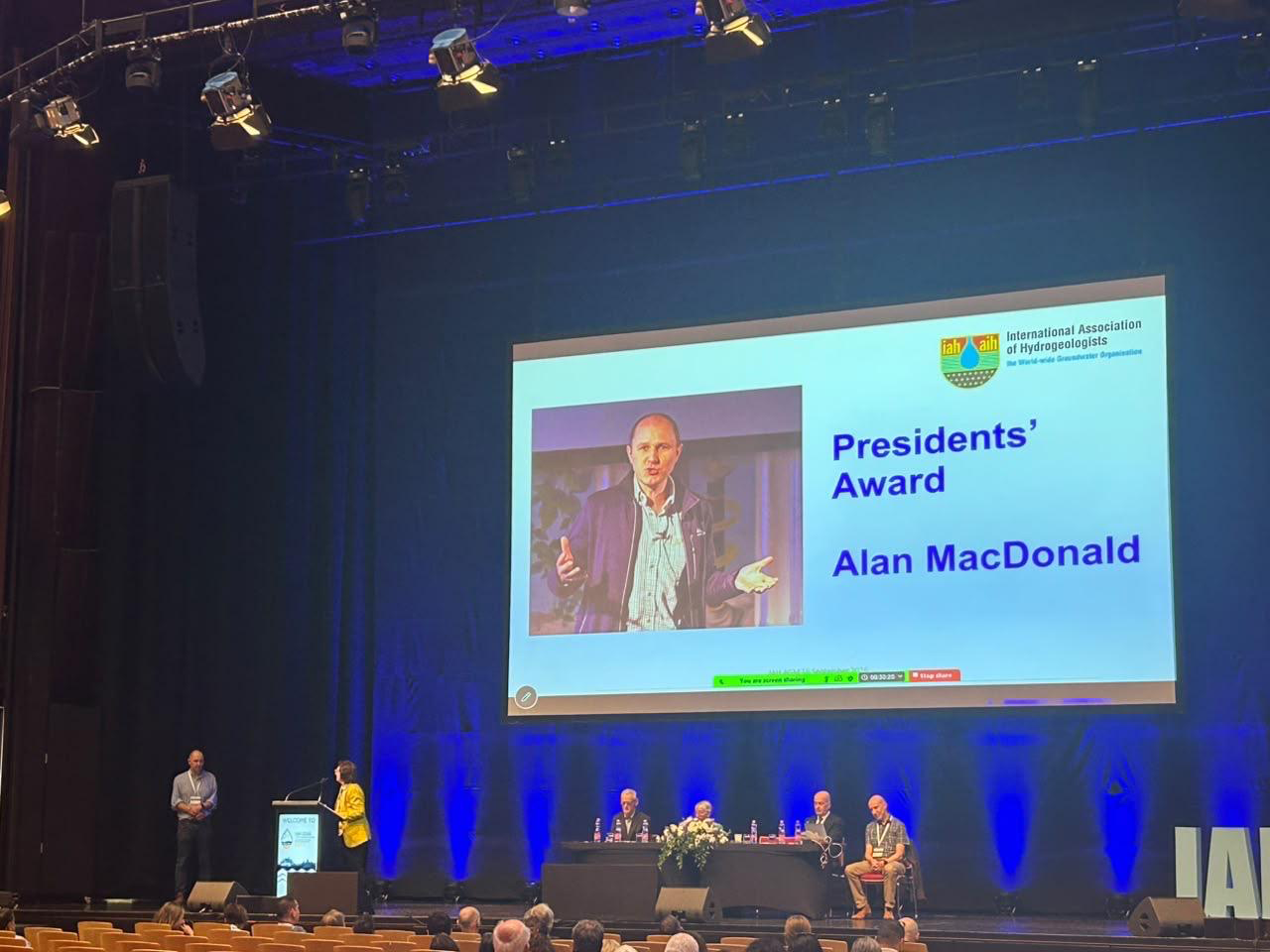
Professor Alan MacDonald presented with Presidents’ Award at 2026 World Groundwater Congress
21/09/2026
The BGS Head of Groundwater has been recognised with this prestigious award by the International Association of Hydrogeologists for his extensive contributions to groundwater science.
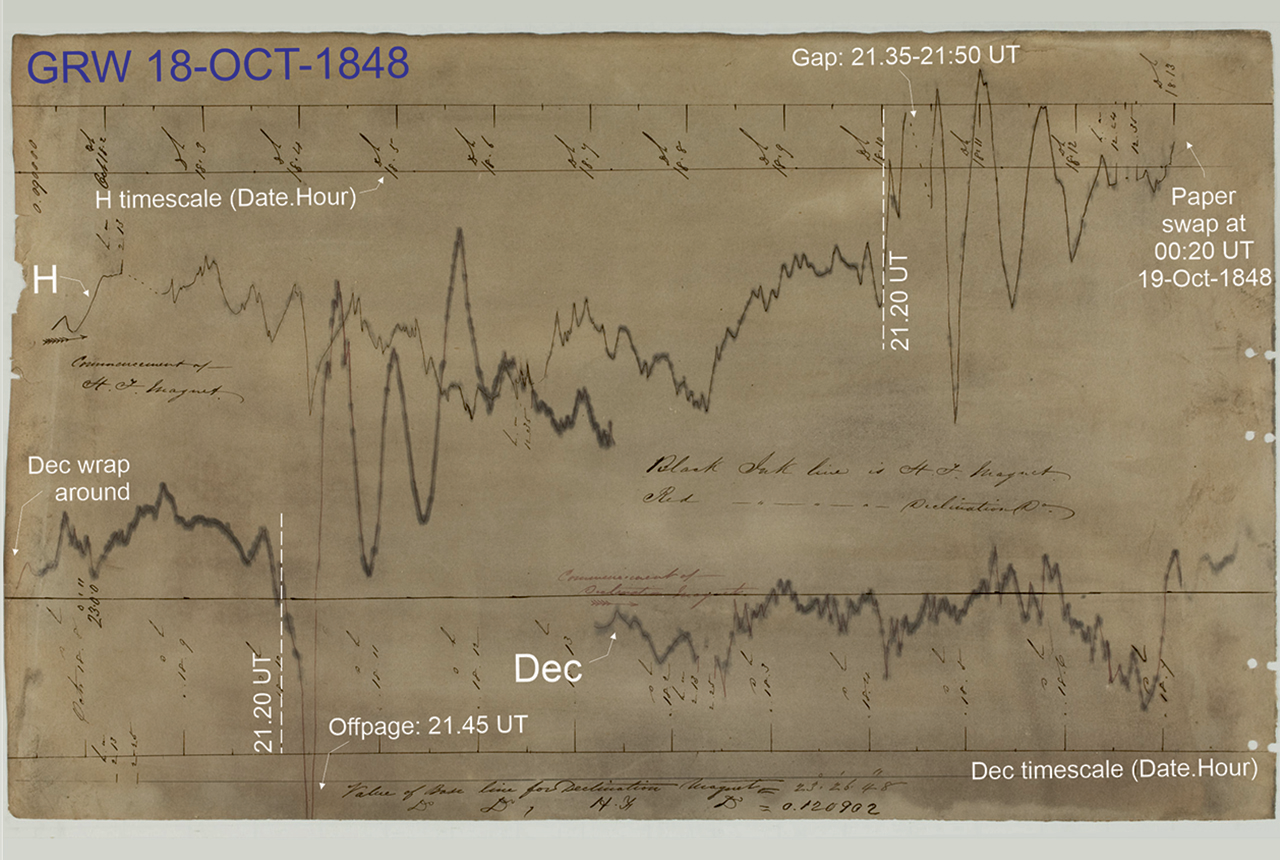
Mystery of one of the earliest recorded space weather impacts solved
17/09/2026
BGS scientists were part of an international team that has solved a 178-year-old mystery surrounding one of the earliest recorded examples of space weather affecting technology.
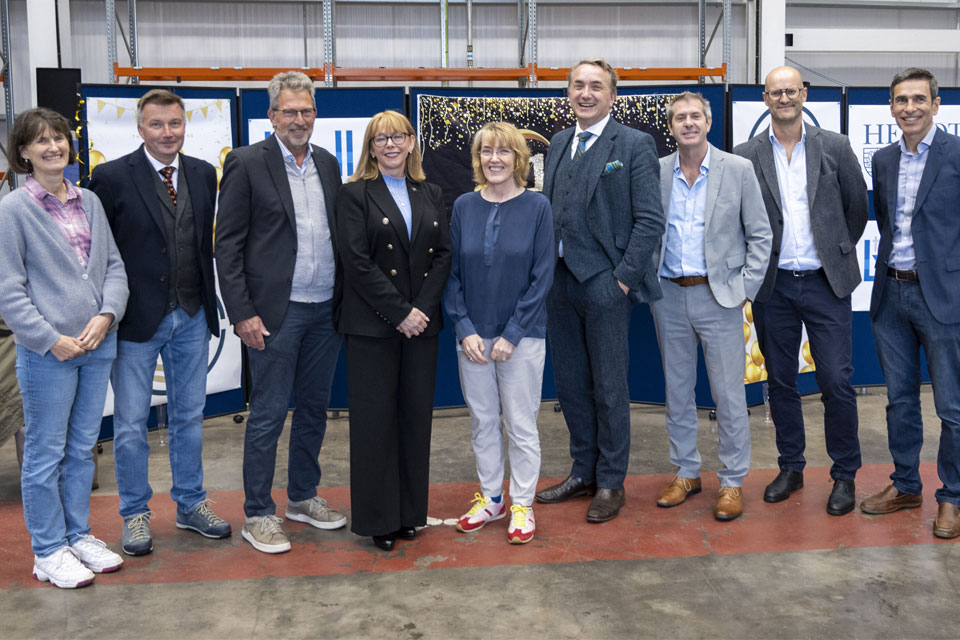
The Lyell Centre celebrates 10 years of world-leading earth and marine science research
07/09/2026
The Lyell Centre for Earth and Marine Sciences, a strategic partnership between Heriot-Watt University and BGS, is celebrating its 10th anniversary, marking a decade of world-leading research, innovation and collaboration in earth and marine sciences.
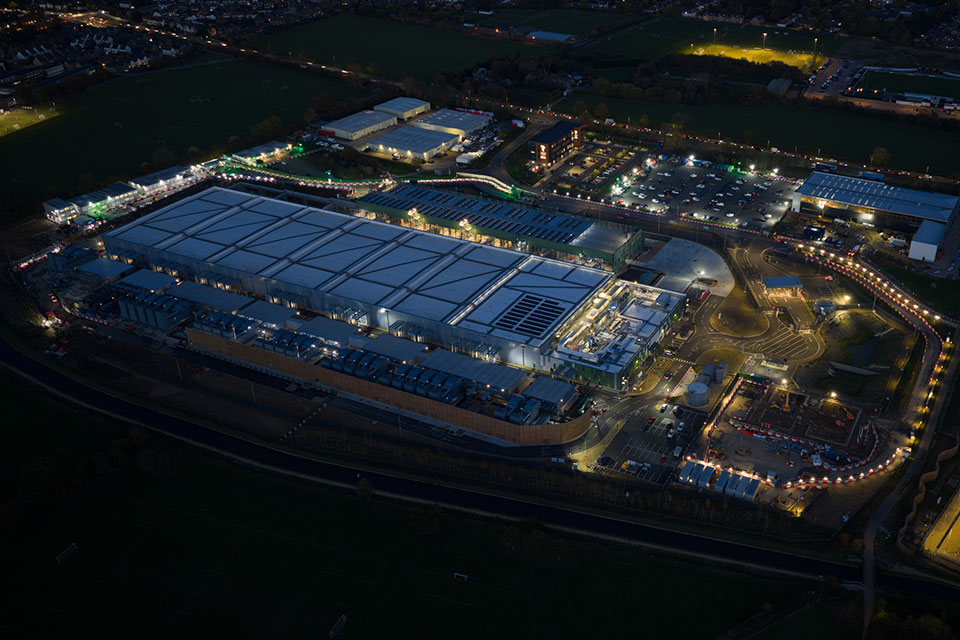
Demand for data centres presents challenges and opportunities for UK critical mineral supply chains
02/09/2026
Government-backed research finds that vulnerabilities in raw material supply chains must be addressed to secure the critical minerals needed to expand the UK’s digital infrastructure and boost economic growth.

What lies beneath Europe’s sinking ground?
01/09/2026
Land subsidence is becoming increasingly visible across Europe. New research examines how better monitoring, shared data and a deeper understanding of the subsurface can help assess and manage its impacts.
Secrets of an ancient supervolcano uncovered that change our understanding of England’s geological past
28/08/2026
Scientists have found evidence of a long-hidden link between an ancient buried ash layer in Scandinavia and a concealed supervolcano in eastern England.
BGS research into drought-exposed soils wins award
26/08/2026
A research paper investigating how temperate soils respond to drought has been announced as the winner of the Land Best Paper Award.
UK aquifers robust despite driest July on record
16/08/2026
In a summer experiencing widespread drought, groundwater levels around the country are showing resilience, demonstrating their value as a crucial resource and indicating they could play a more significant role in mitigating the impacts of extreme weather.