

BGS joins new initiative supporting technical career paths
A new action group has been formed to drive positive change for technical careers in the higher education and research sectors.
23/09/2024 By BGS Press
Currently, technical career paths in the UK vary across the sector and there is a significant technical skills gap. Challenges around recruitment, retention and clarity of technical career paths in academia and research have also affected the long-term sustainability of the technical workforce. The UK Institute of Technical Skills and Strategy’s Technical Career Pathways Lab, funded by Research England, is tackling this issue by working in partnership with organisations to innovate and implement recommendations published in the TALENT Commission report (pdf).
Forty-four technical and human resource professionals, representing twenty-two UK universities and research institutions, have volunteered to join a Career Pathways Action Group. Members of the Career Pathways Action Group are:
- Birmingham City University
- BGS
- Cranfield University
- De Montfort University
- Durham University
- Imperial College London
- Kings College London
- Liverpool John Moores University
- Manchester Metropolitan University
- Northumbria University
- Nottingham Trent University
- Queens University Belfast
- Science and Technology Facilities Council
- Ulster University
- University College London
- the universities of Cambridge, Essex, Leeds, Liverpool, Salford, Warwick and York
Together, the group will experiment with new ways of working within their institution to cultivate change that improves career pathways for technical professionals.

Our Technical Career Pathways Lab is working in collaboration with individuals and institutions to implement actions that will improve technical career pathways and enhance entry routes into careers.
The number of volunteers we’re now working with to test new ideas and innovations is testament to the appetite and need for improvements in this area.
We have set up the Career Pathways Action Group to co-create solutions that can help build technical capacity and capability; several focussed projects will use the technical career framework within the TALENT Commission to action positive change for technical professionals through career entry routes, or promotional pathways.
We’re very excited to be at the start of this exciting programme of work. Thank you to all the volunteers who have joined the Career Pathways Action Group for investing their time in this innovative project.
Sarah Allen, ITSS Technical Careers Lead project lead.
We are delighted to be part of the Career Pathways Action Group, working in partnership with other research institutions and universities.
We hope that, through collaboration and exploring new ways of working across our organisations, we can overcome the shared challenges we face together, ensuring that BGS can provide a positive career pathway for all of its technical employees.
Dee Flight, head of science and technical training and development at BGS.
Projects will commence between October 2024 and January 2025 and the Technical Career Pathways Lab intends to share best practice with the sector by July 2026.
For more information, please contact contact the BGS Press Office (bgspress@bgs.ac.uk) or call 07790 607 010.
Related news

Improving the circularity of the UK economy – UK CMIC webinar
Event on 23/11/2026
Join scientists from the UK Critical Mineral Intelligence Centre (CMIC) for a live webinar introducing our latest report
Thermal energy recovery from abandoned mines
09/11/2026
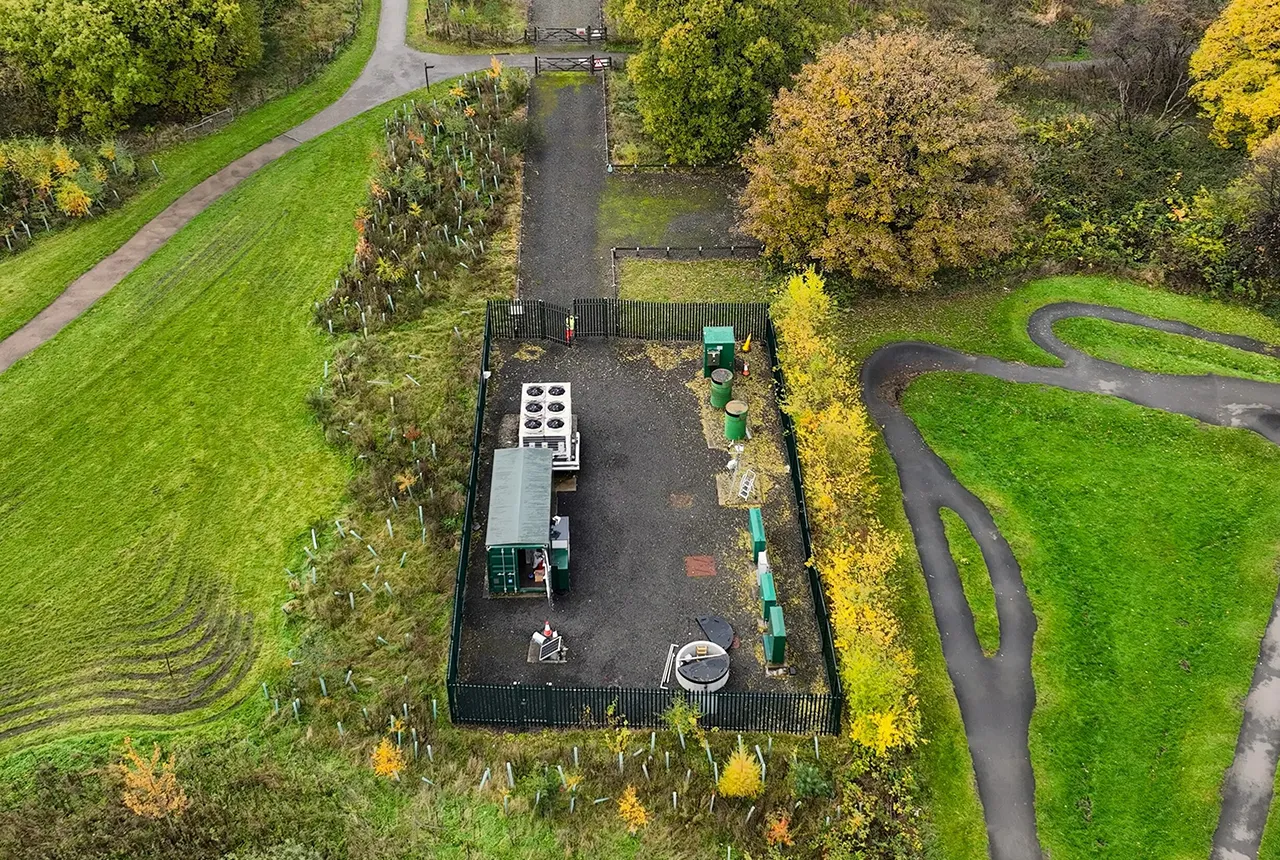
New research at the UK Geoenergy Observatories is assessing the efficiency of UK geology for thermal energy recovery.
Forties at 56: the North Sea discovery that’s informing the energy transition five decades later
26/10/2026
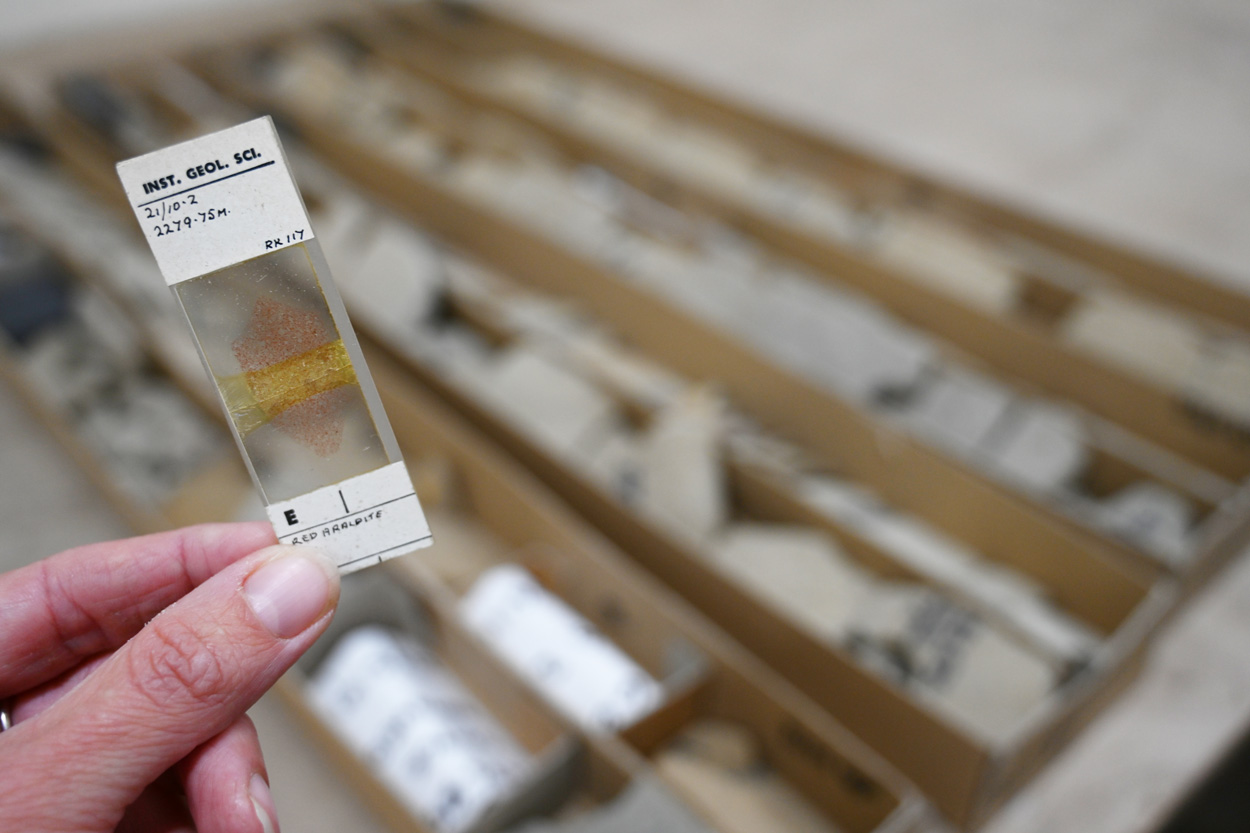
Geological samples recovered from the UK’s first giant oil field in the 1970s continue to inform industry and researchers aiming to support the UK’s energy security needs.

New project mapping UK Continental Shelf provides boost to offshore infrastructure and development
22/10/2026
BGS is leading a three-year project funded by The Crown Estate to develop a new suite of seabed geology datasets and reports, providing crucial information for offshore developers about the seabed around the UK.

Demand for data centres presents challenges and opportunities for UK critical mineral supply chains
02/09/2026
Government-backed research finds that vulnerabilities in raw material supply chains must be addressed to secure the critical minerals needed to expand the UK’s digital infrastructure and boost economic growth.
Cheshire Geoenergy Observatory releases key geological datasets for UK thermal energy storage scheme design
09/07/2026
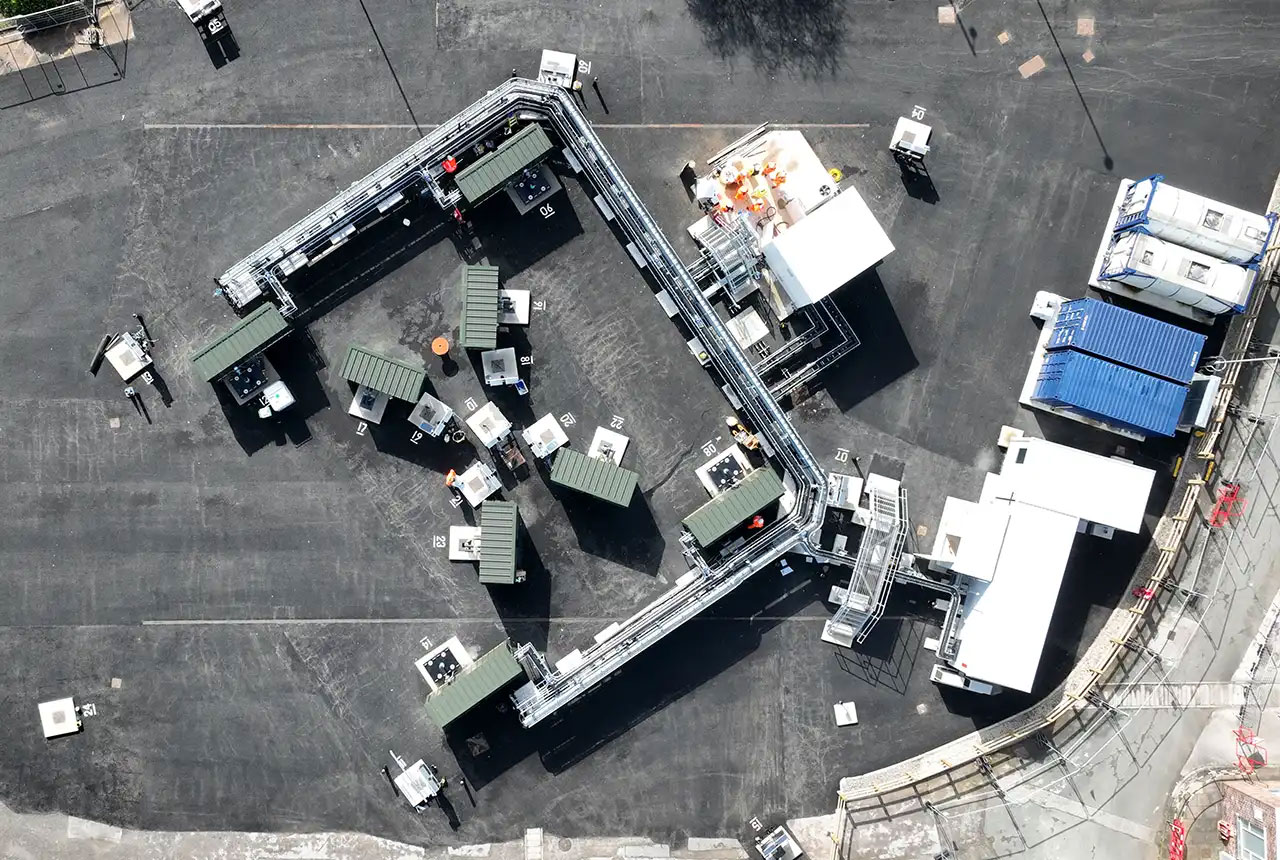
A new report and data packs from BGS will provide a unique resource for scientists working on the geology and hydrogeology of the Sherwood Sandstone Formation, an important aquifer and reservoir rock.
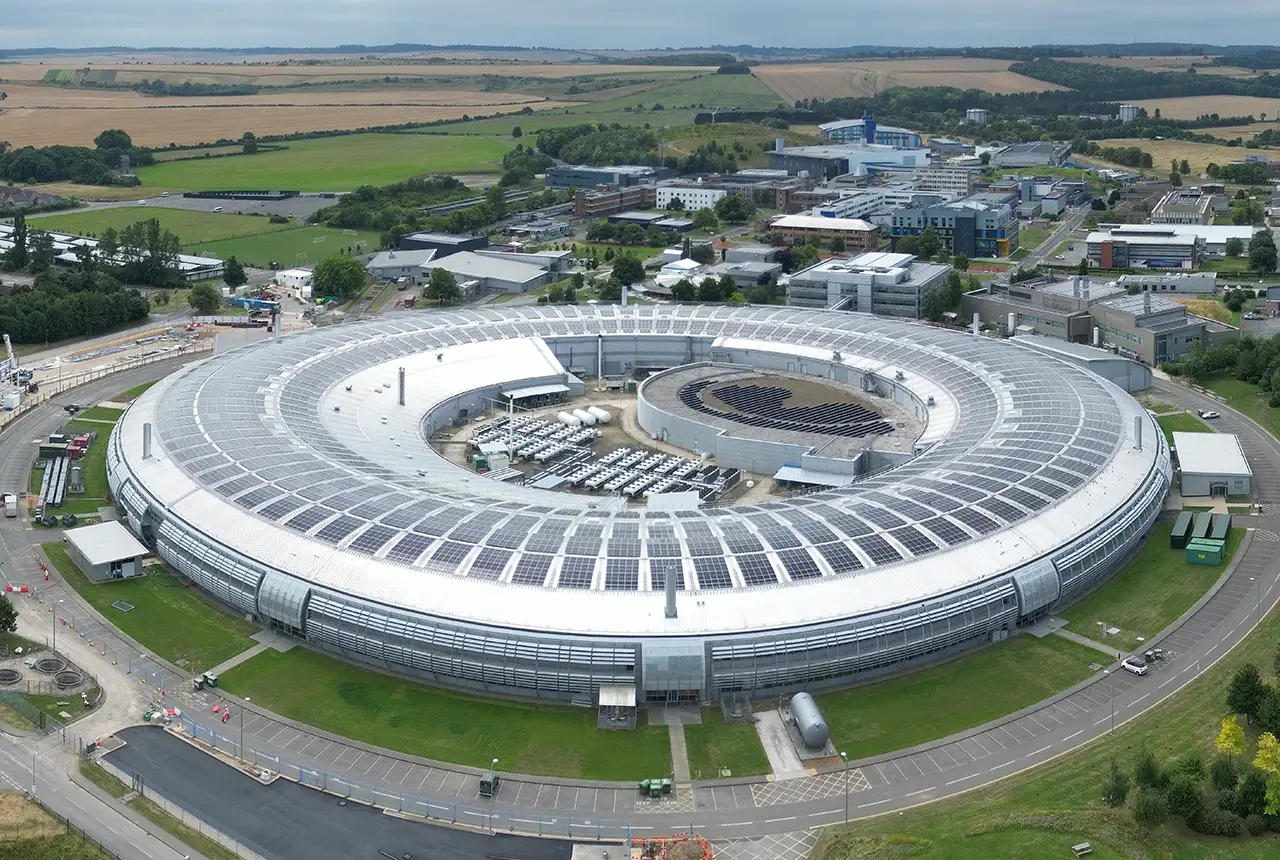
UK and Philippines scientists investigate natural hydrogen generation processes at atomic scale
22/06/2026
BGS researchers were granted access to use the Diamond Light Source facility in order to study hydrogen in light brighter than the sun.

Shortage of end-of-life materials presents challenge to UK critical minerals security
17/06/2026
A new report by the UK Critical Minerals Intelligence Centre reveals insufficient end-of-life material stocks present a supply risk over the coming decade, but offer significant long-term potential to meet critical mineral demand through recycling.
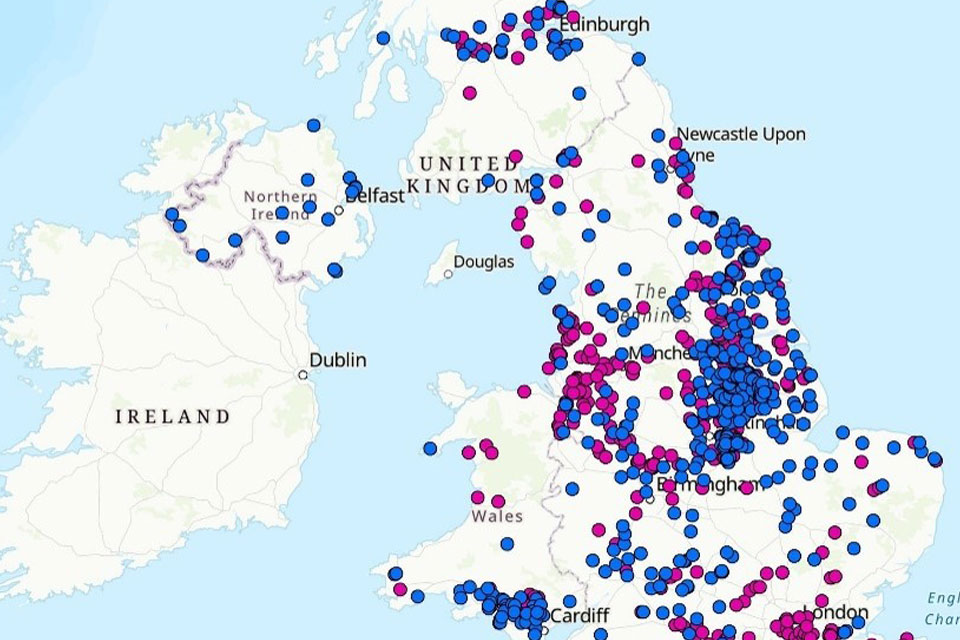
UK geothermal catalogue receives update
16/06/2026
BGS releases the second digital version of the UK geothermal catalogue of subsurface temperature and rock thermal conductivity measurements and heat flow calculations.

Natural hydrogen research
Understanding aspects of the natural hydrogen value chain on a national and international level.
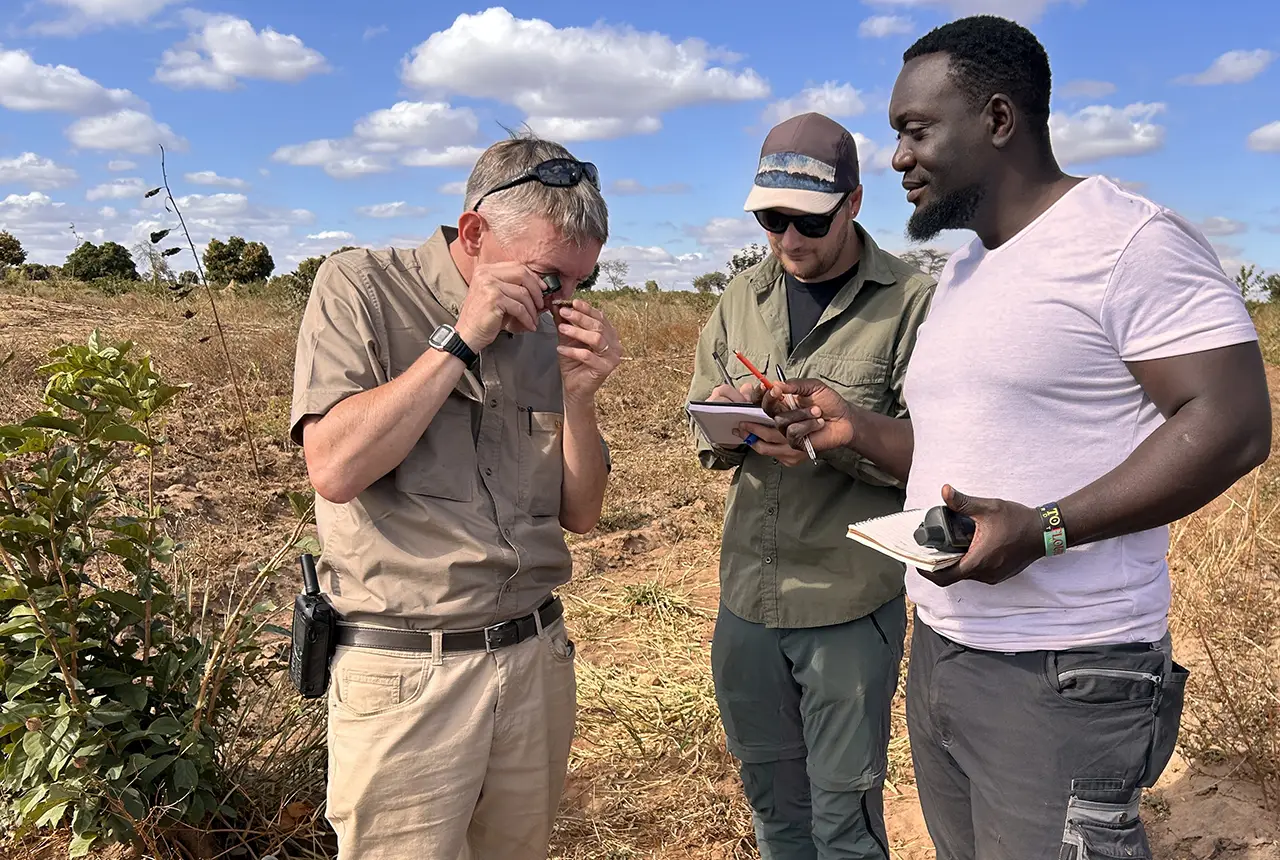
Strengthening capacity through partnership: a critical minerals perspective
28/04/2026
BGS has been working in partnership with the Geological Survey Department of Zambia (GSD) to build national capacity, improve data accessibility and support long-term, sustainable development.
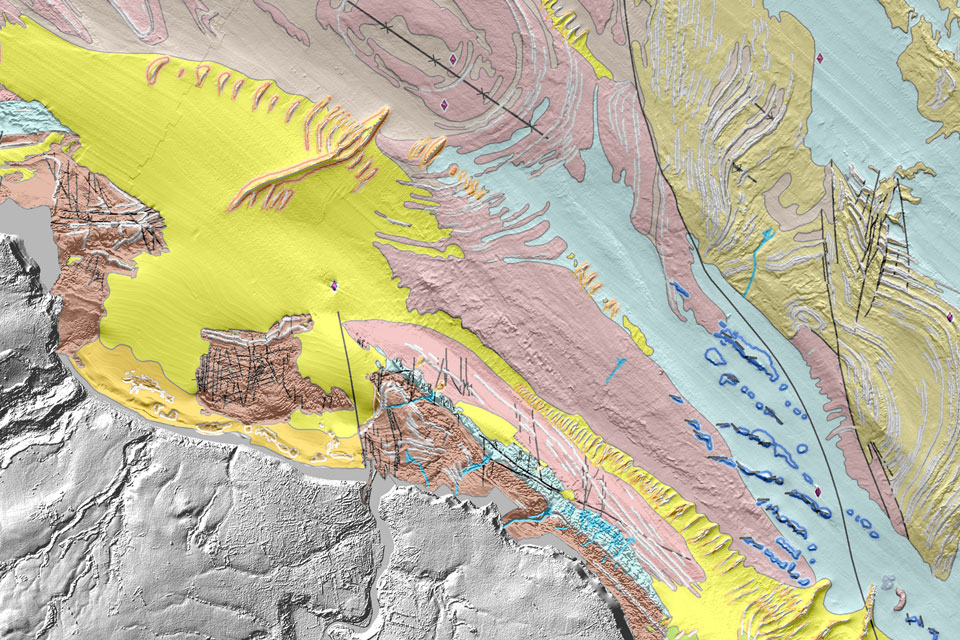
Updated geological assessment of the Southern North Sea set to underpin future offshore infrastructure development
25/03/2026
The first regional assessment for 30 years will support offshore marine and subsurface planning for the UK’s low-carbon energy infrastructure, including the 2030 target of 45 to 50 GW generated through offshore wind.