

New research shows artificial intelligence earthquake tools forecast aftershock risk in seconds
Researchers from BGS and the universities of Edinburgh and Padua created the forecasting tools, which were trained on real earthquakes around the world.
25/11/2025 By BGS Press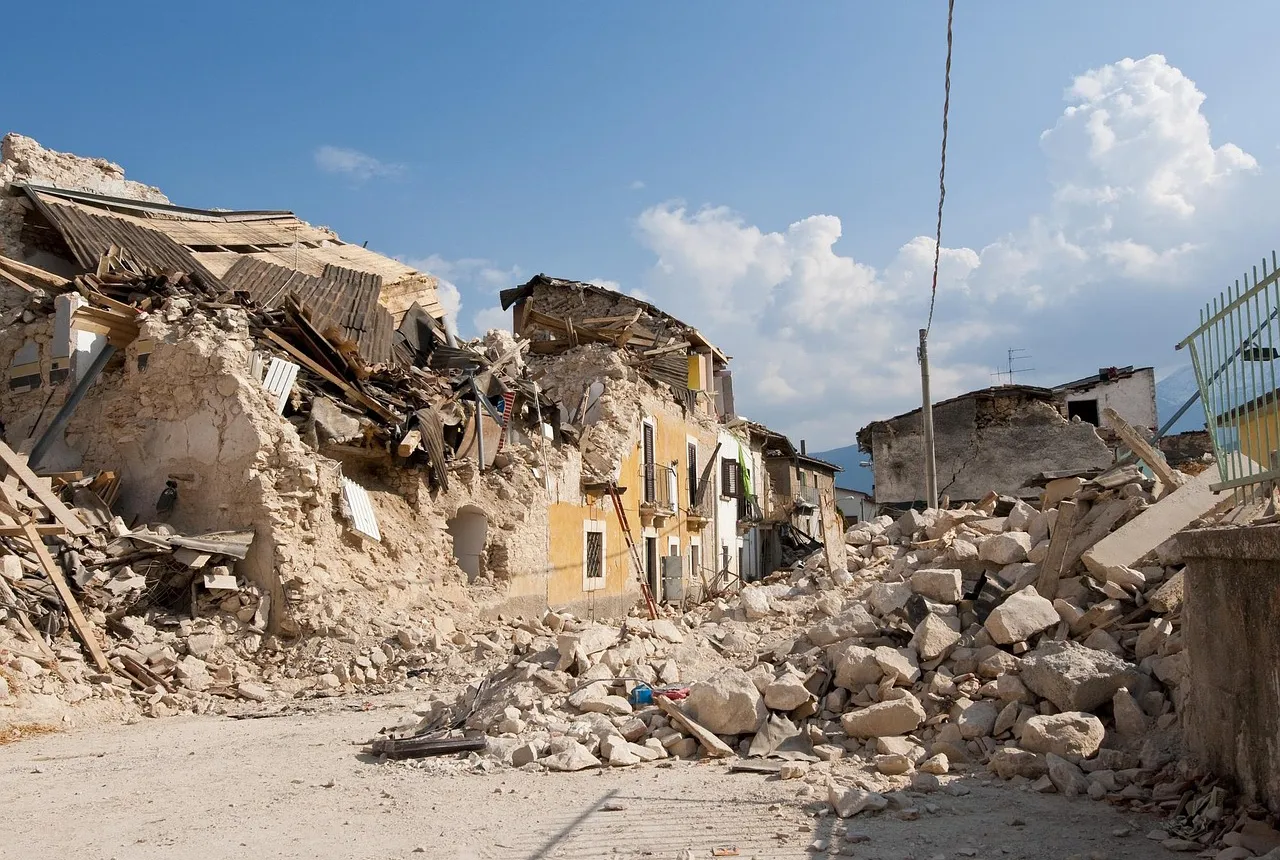

Current methods used to forecast aftershocks — secondary quakes that can prove more deadly than initial earthquakes — can take several hours or days. New machine learning models have now been developed that can forecast where and how many aftershocks will take place following an earthquake in close to real-time.
Researchers from BGS, the University of Edinburgh and the University of Padua created the artificial intelligence (AI)-driven forecasting tools. They were developed by training machine learning models on earthquake data from California, New Zealand, Italy, Japan and Greece, all parts of the world that regularly experience earthquakes.
The rapid forecasts produced by AI-powered tools could help authorities with decision making about public safety measures and resource allocation in disaster-hit areas. The team analysed the AI models’ ability to produce forecasts of how many aftershocks will take place within the 24 hours following earthquakes of magnitude 4 or higher. They compared the performance of their models with the most widely used forecasting system, known as the epidemic-type aftershock sequence (ETAS) model, which is used operationally in Italy, New Zealand and the USA.
While both model types show similar performance at forecasting aftershock risk, the ETAS model took much longer to produce results. As it involves running a large number of simulations, the ETAS model can take up to several hours or days on a single mid-range computer.
By training the AI tools on records of past earthquakes from regions with different tectonic landscapes, researchers say their models could be used to forecast aftershock risk in most parts of the world that experience earthquakes.
The research, published in Earth, Planets and Space, was supported by the European Union’s Horizon 2020 research and innovation programme under the Marie Skłodowska-Curie SPIN Innovative Training Network.

This study shows that machine learning models can produce aftershock forecasts within seconds, showing comparable quality to that of ETAS forecasts. Their speed and low computational cost offer major benefits for operational use: coupled with the near real-time development of machine learning-based, high-resolution earthquake catalogues, these models will enhance our ability to monitor and understand seismic crises as they evolve.
Foteini Dervisi, study leader, PhD student at BGS and the University of Edinburgh’s School of GeoSciences.
Relative topics
Related news
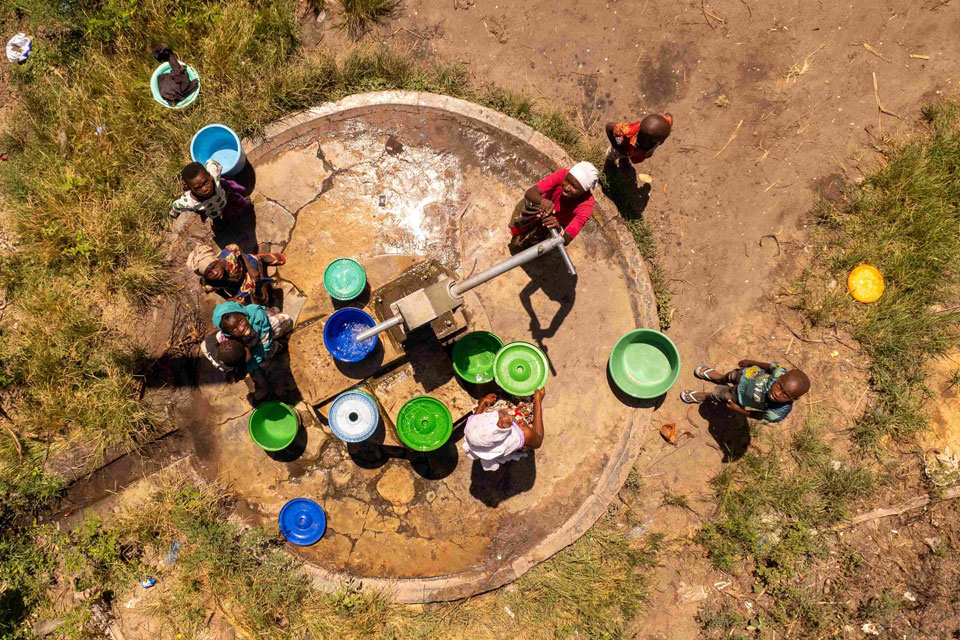
New research could help provide a more reliable water supply for millions in rural Africa
24/03/2026
A new BGS-led study has revealed crucial insights into the longstanding challenges affecting the reliability and performance of rural water supply infrastructure in sub-Saharan Africa.
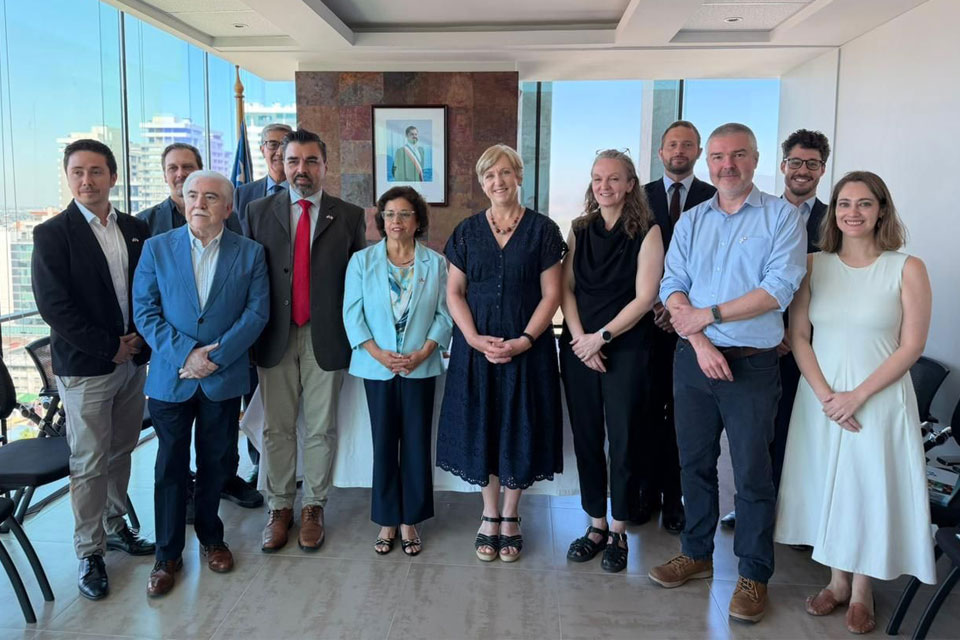
New UK/Chile partnership prioritises sustainable practices around critical raw materials
09/02/2026
BGS and Chile’s Servicio Nacional de Geología y Minería have signed a bilateral scientific partnership to support research into critical raw materials and sustainable practices.
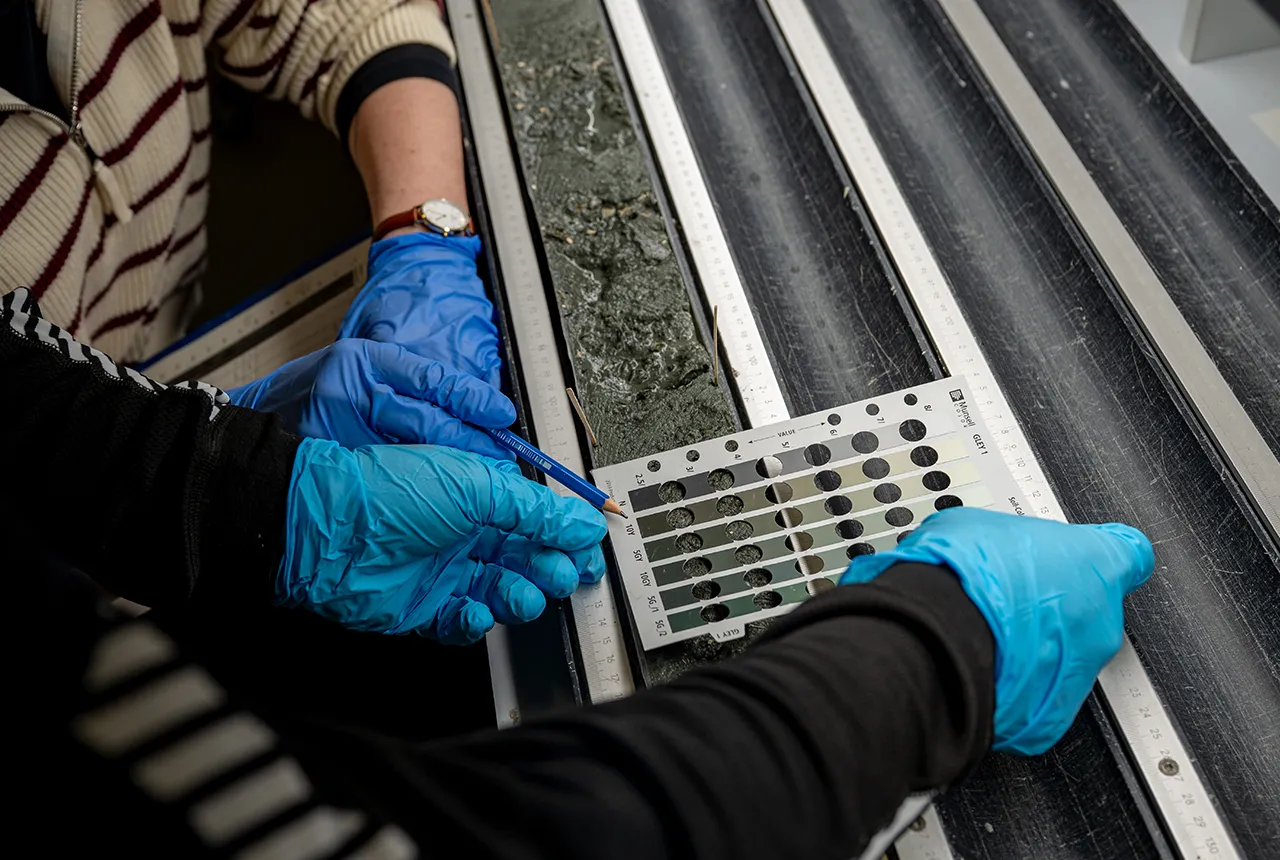
Extensive freshened water confirmed beneath the ocean floor off the coast of New England for the first time
09/02/2026
BGS is part of the international team that has discovered the first detailed evidence of long-suspected, hidden, freshwater aquifers.
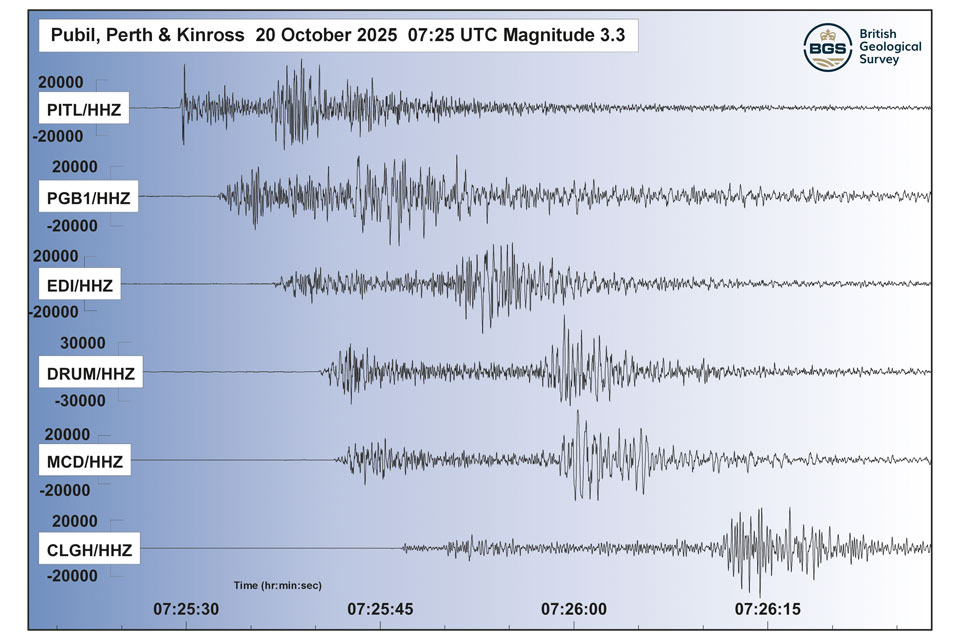
Perth and Kinross tops the UK’s earthquake activity charts for 2025
29/12/2025
Seismologists at BGS have published data on the number of seismic events over the past 12 months with over 300 earthquakes recorded.

Hole-y c*@p! How bat excrement is sculpting Borneo’s hidden caves
23/12/2025
BGS researchers have delved into Borneo’s underworld to learn more about how guano deposited by bats and cave-dwelling birds is shaping the subsurface.
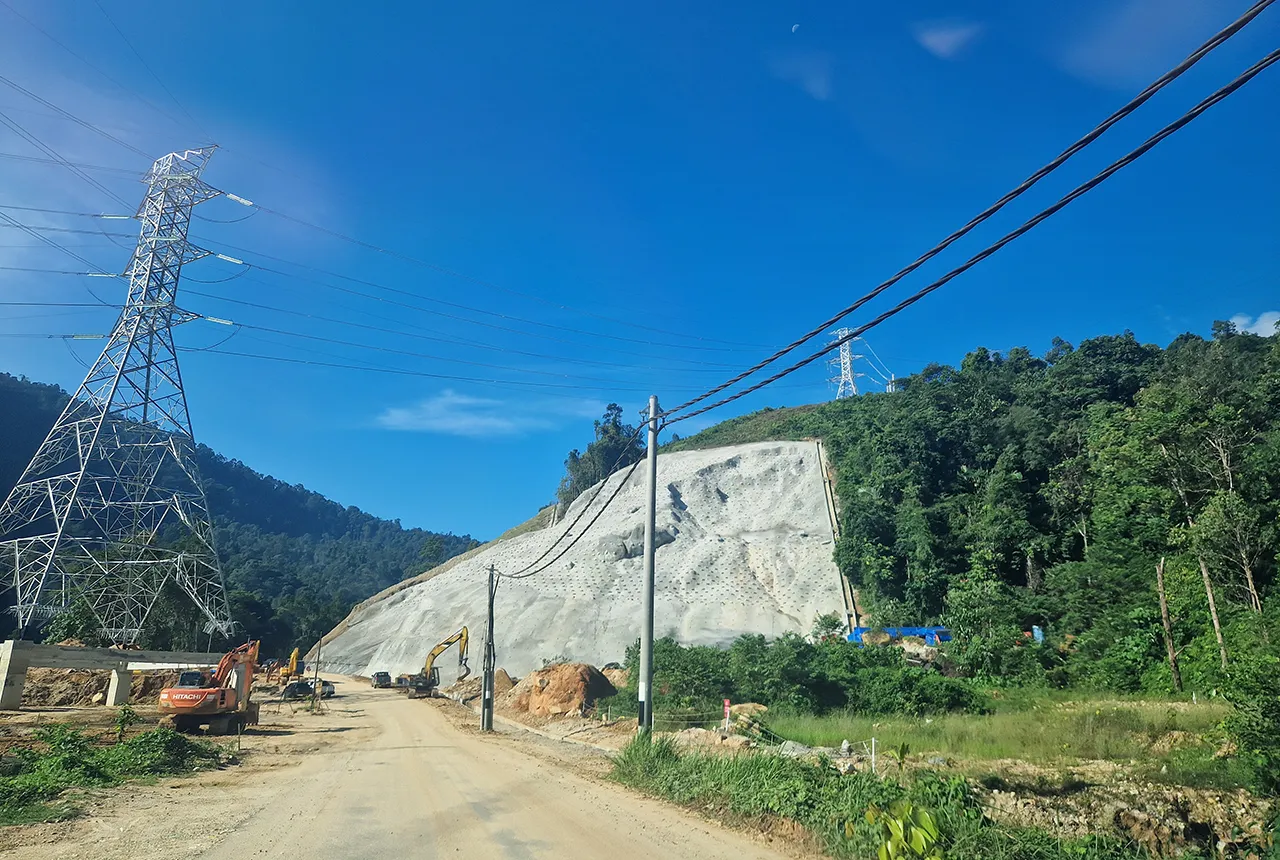
BGS awarded funding to support Malaysia’s climate resilience plan
17/12/2025
The project, funded by the Foreign, Commonwealth & Development Office, will focus on minimising economic and social impacts from rainfall-induced landslides.

BGS agrees to establish collaboration framework with Ukrainian government
11/12/2025
The partnership will focus on joint research and data exchange opportunities with Ukrainian colleagues.
New research shows artificial intelligence earthquake tools forecast aftershock risk in seconds
25/11/2025
Researchers from BGS and the universities of Edinburgh and Padua created the forecasting tools, which were trained on real earthquakes around the world.

UK braced for what could be the largest solar storm in over two decades
12/11/2025
Intense geomagnetic activity could disrupt technology such as communication systems, global positioning systems and satellite orbits.

New research highlights significant earthquake potential in Indonesia’s capital city
04/11/2025
Research reveals that a fault cutting through the subsurface of Jakarta could generate a damaging earthquake of high magnitude.

GSNI project wins multiple awards at RegioStars event
17/10/2025
The AGEO project enjoyed a double success at the RegioStars awards, hosted at the European Commission in Brussels.

Fieldwork on Volcán de Fuego
13/10/2025
Understanding how one of the world’s most active volcanoes builds up material, and how they collapse to feed hot flows