

Lithium: a critical raw material for our journey to net zero
Understanding the geology and natural resources of lithium will be vital as demand is forecast to significantly increase.
09/06/2021 By BGS Press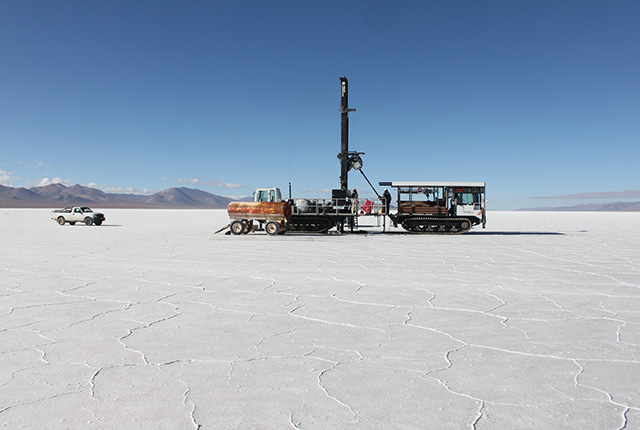

One of the key pillars of the global fight against climate change, and the route to Net Zero, is the switch to electric vehicles. Every electric vehicle needs a battery, and those batteries are manufactured from a range of raw materials. The most critical battery raw materials currently include lithium, cobalt, nickel, manganese and graphite. Demand for these raw materials is expected to increase significantly in the coming years, with the World Bank forecasting that demand for lithium in 2050 will be up to five times the level it was in 2018.
Research is ongoing to develop the batteries of the future, and these may require a different mix of raw materials, but lithium in particular looks likely to be essential for decades to come. Although battery recycling will be increasingly important, stocks of used batteries that could be recycled right now are very low compared to anticipated demand. This means that understanding the geology and natural resources of lithium is vital, as this will underpin exploration and mining for this critical raw material.
The world’s lithium currently comes from two main geological sources: lithium-enriched brines, chiefly in the salt lakes, or salars, of South America; and lithium pegmatites (an unusual type of granitic rock, enriched in a range of rare metals). Lithium pegmatites are mined at a range of localities in Australia, Canada, China and Zimbabwe; but they are known to exist across the world. Lithium deposits can also be hosted by clay and borate minerals in sedimentary basins, such as those in Nevada in the USA.
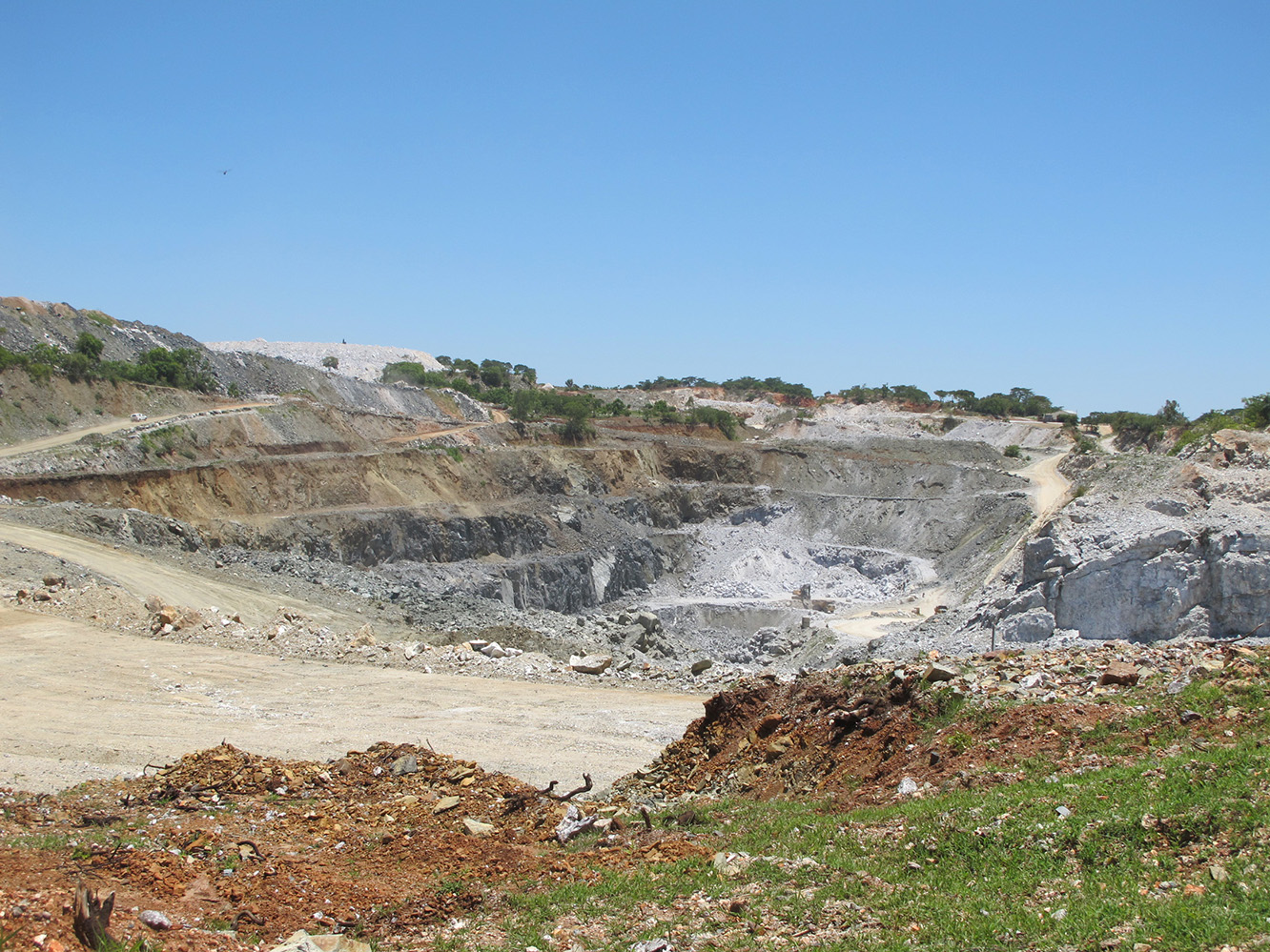
Bikita lithium mine in Zimbabwe. Source: BGS © UKRI
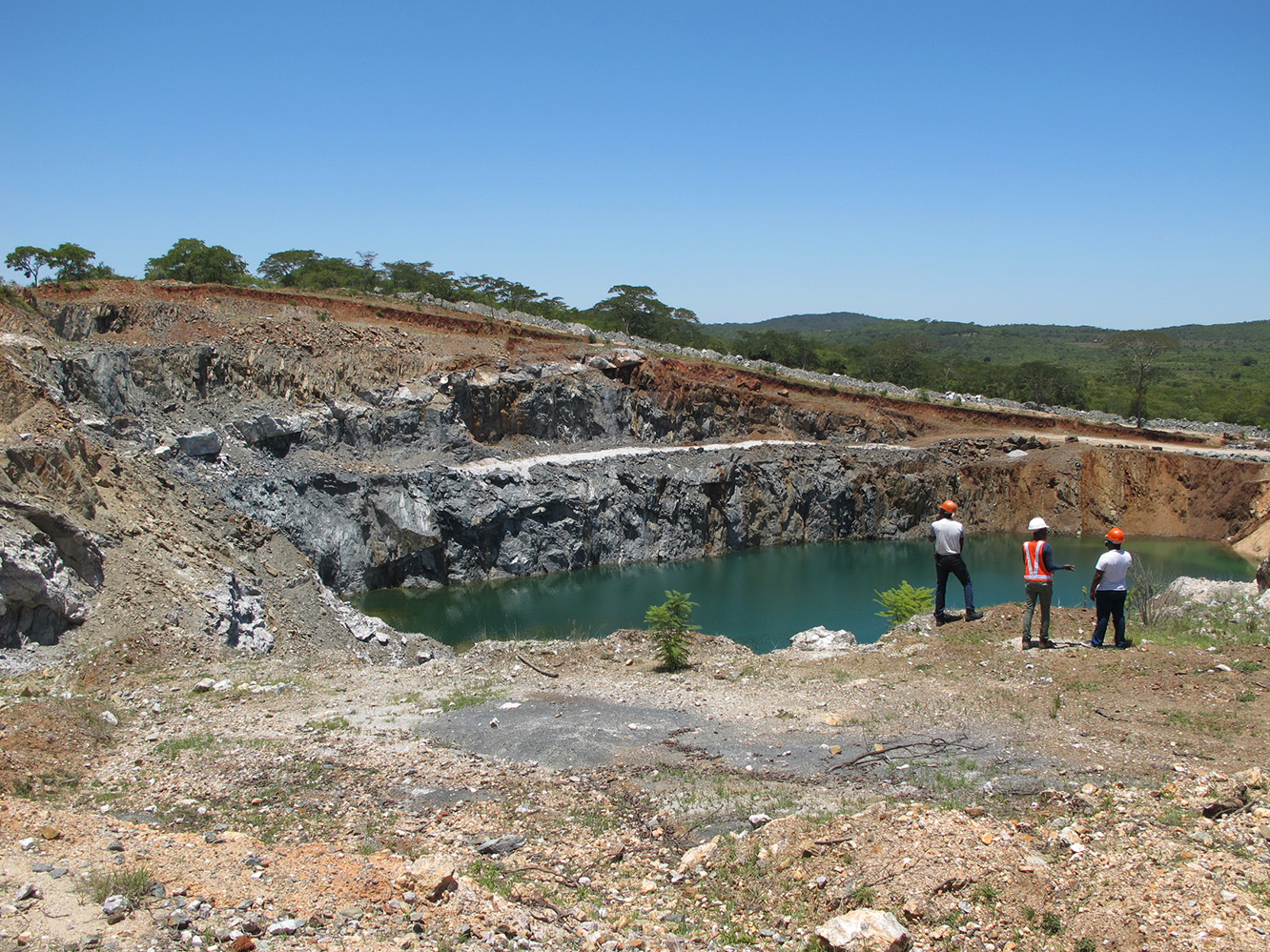
Bikita lithium mine in Zimbabwe. Source: BGS © UKRI
BGS is leading a NERC-funded project entitled Lithium for Future Technology, or LiFT, which will investigate the complete geological cycle of lithium which will help us to understand how these different deposit types of lithium form.
Research on this project will investigate how lithium moves through the Earth’s crust, to understand the geological factors that influence formation of the different types of lithium deposits. We will study ‘natural labs’ in the USA, Argentina, Zimbabwe, the UK, Germany, Turkey and Serbia to help us understand the lithium mineral system. We will also make use of microbiological research and life-cycle assessments to consider the environmental impacts of lithium mining.
Our overarching aim of the project, in collaboration with many others, is to understand where the best lithium deposits occur worldwide and how they can be mined in the most efficient, environmentally-friendly way possible. Achieving this goal will ensure a secure supply of this critical raw material for generations to come.
The project is a collaboration between BGS, the Natural History Museum, and the universities of Exeter, Southampton and Edinburgh. It also involves project partners from industry and academia around the world.
Related news
UK Critical Minerals Intelligence Centre makes recommendations for the next UK criticality assessment
01/07/2026
CMIC has outlined the enhancements made to the next assessment update to ensure it is better tailored to the structure of the UK economy.
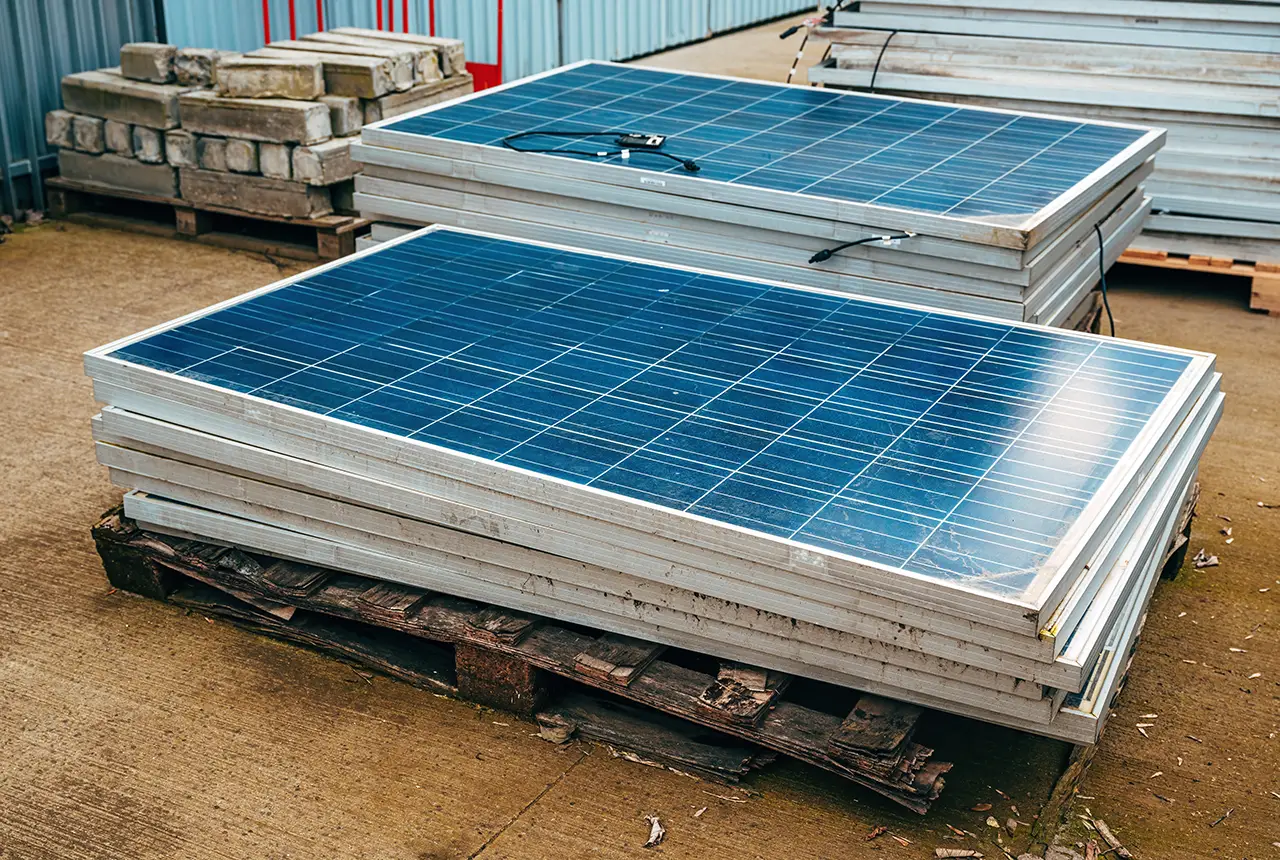
Shortage of end-of-life materials presents challenge to UK critical minerals security
17/06/2026
A new report by the UK Critical Minerals Intelligence Centre reveals insufficient end-of-life material stocks present a supply risk over the coming decade, but offer significant long-term potential to meet critical mineral demand through recycling.
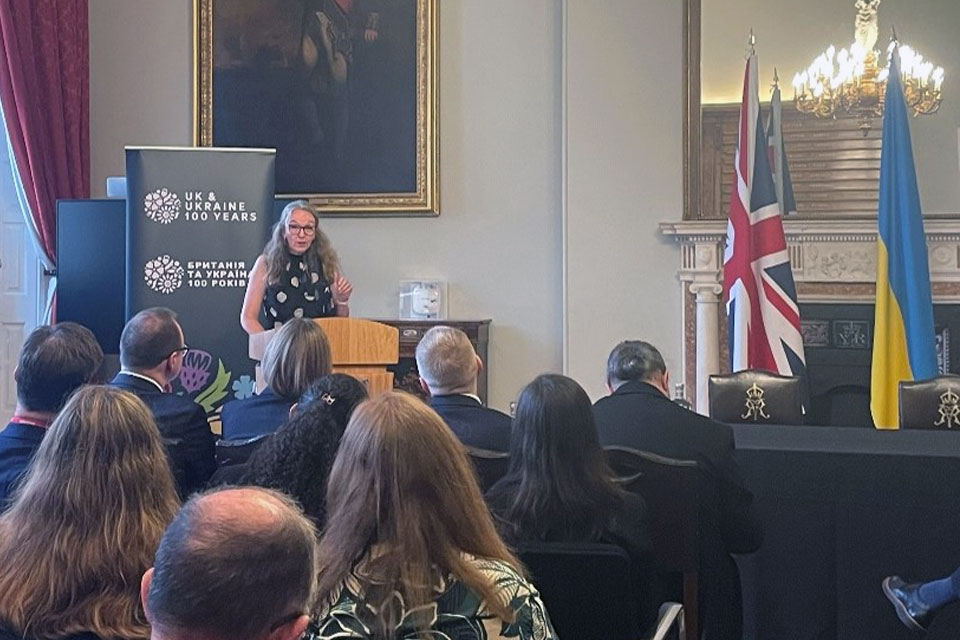
Ukraine and the UK strengthen their commitment to geological cooperation
10/06/2026
A new Memorandum of Understanding reaffirms the UK’s support of Ukraine’s ambitions to develop its critical mineral resources, paving the way for collaboration through capacity-building programmes.

Extractive Industry Geology (EIG) Conference 2026
Event from 08/09/2026 to 11/09/2026
University of Liverpool
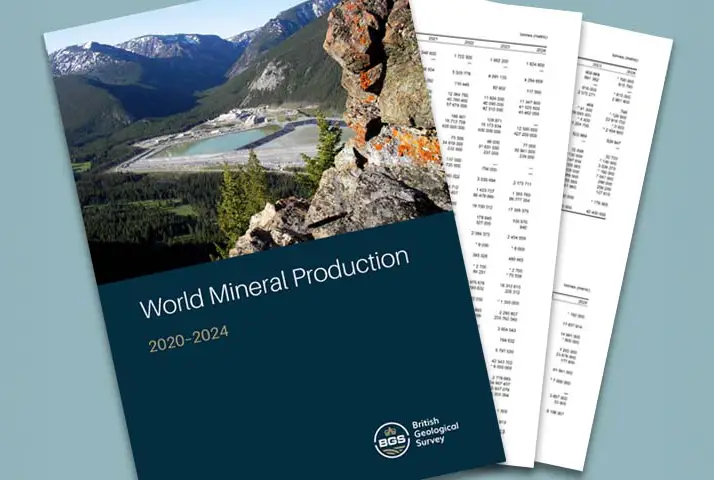
Latest data on world mineral production now available
25/05/2026
BGS has released the updated statistics on the global production of over 70 commodities between 2020 and 2024.
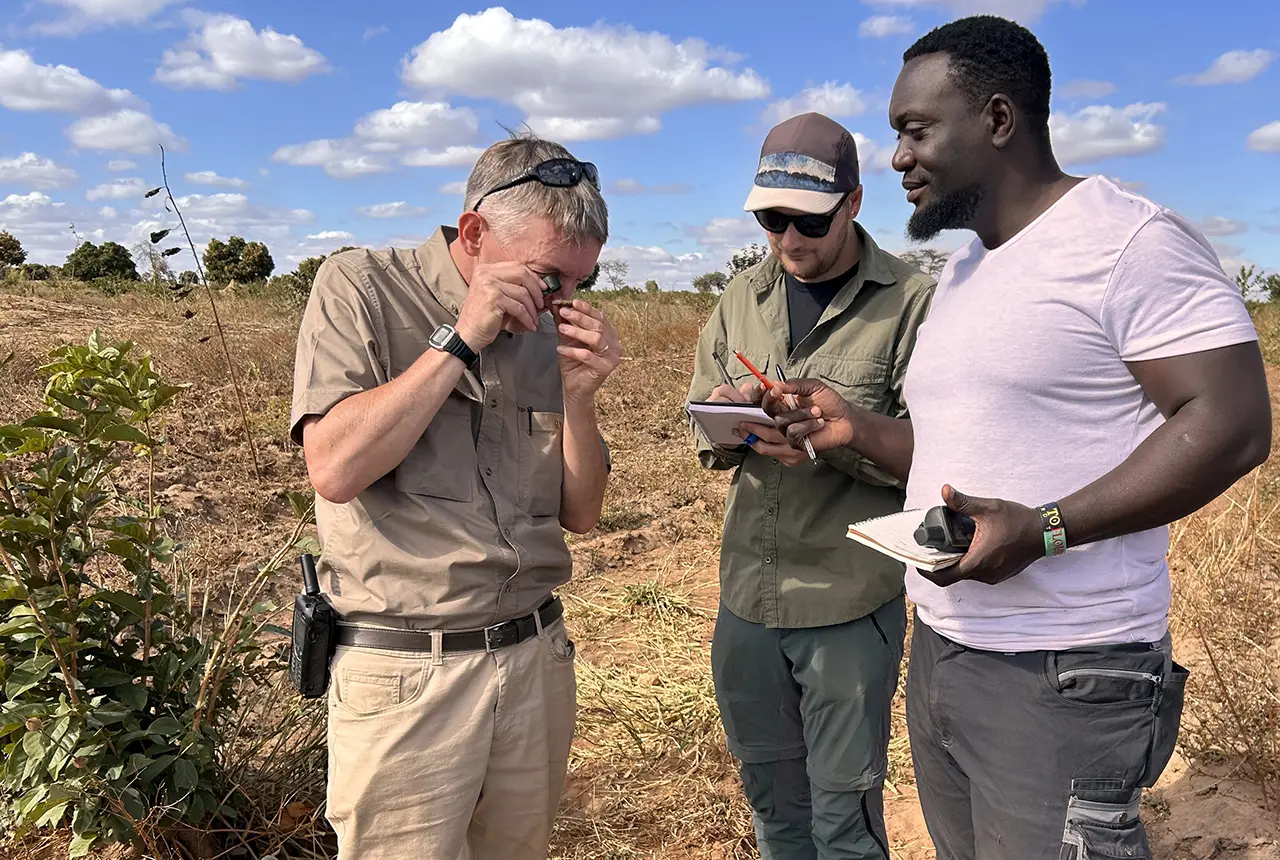
Strengthening capacity through partnership: a critical minerals perspective
28/04/2026
BGS has been working in partnership with the Geological Survey Department of Zambia (GSD) to build national capacity, improve data accessibility and support long-term, sustainable development.
UK Critical Minerals Intelligence Centre 2026 showcase
Event on 31/03/2026
A special live webinar with the team from the Critical Minerals Intelligence Centre showcasing the latest research from 2026 on copper, the future of digital, and what’s next for the criticality assessment. A recording of the event is now available.

Funding awarded to map the stocks and flows of technology metals in everyday electronic devices
12/02/2026
A new BGS project has been awarded Circular Electricals funding from Material Focus to investigate the use of technology metals in everyday electrical items.
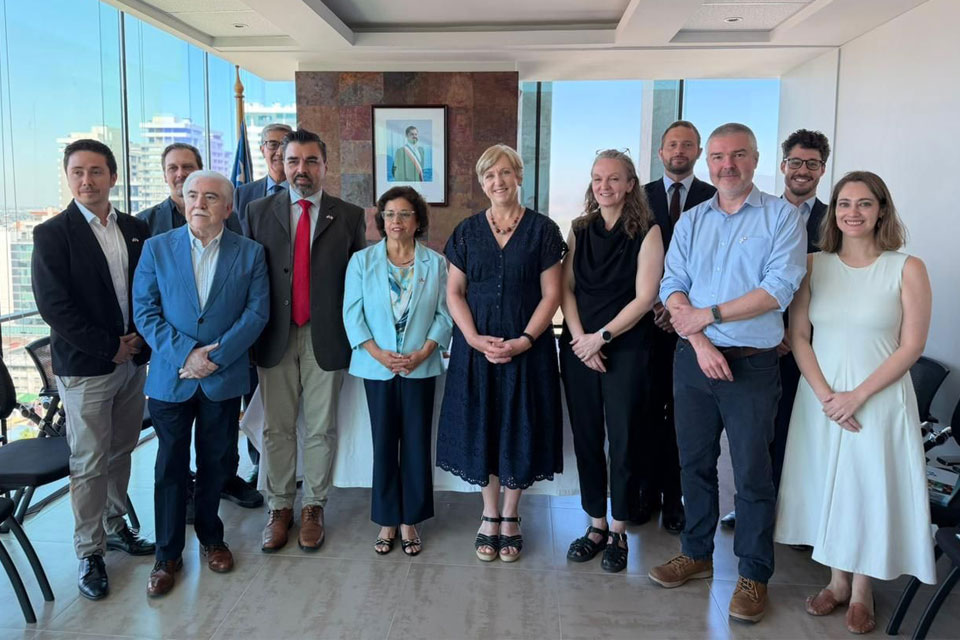
New UK/Chile partnership prioritises sustainable practices around critical raw materials
09/02/2026
BGS and Chile’s Servicio Nacional de Geología y Minería have signed a bilateral scientific partnership to support research into critical raw materials and sustainable practices.
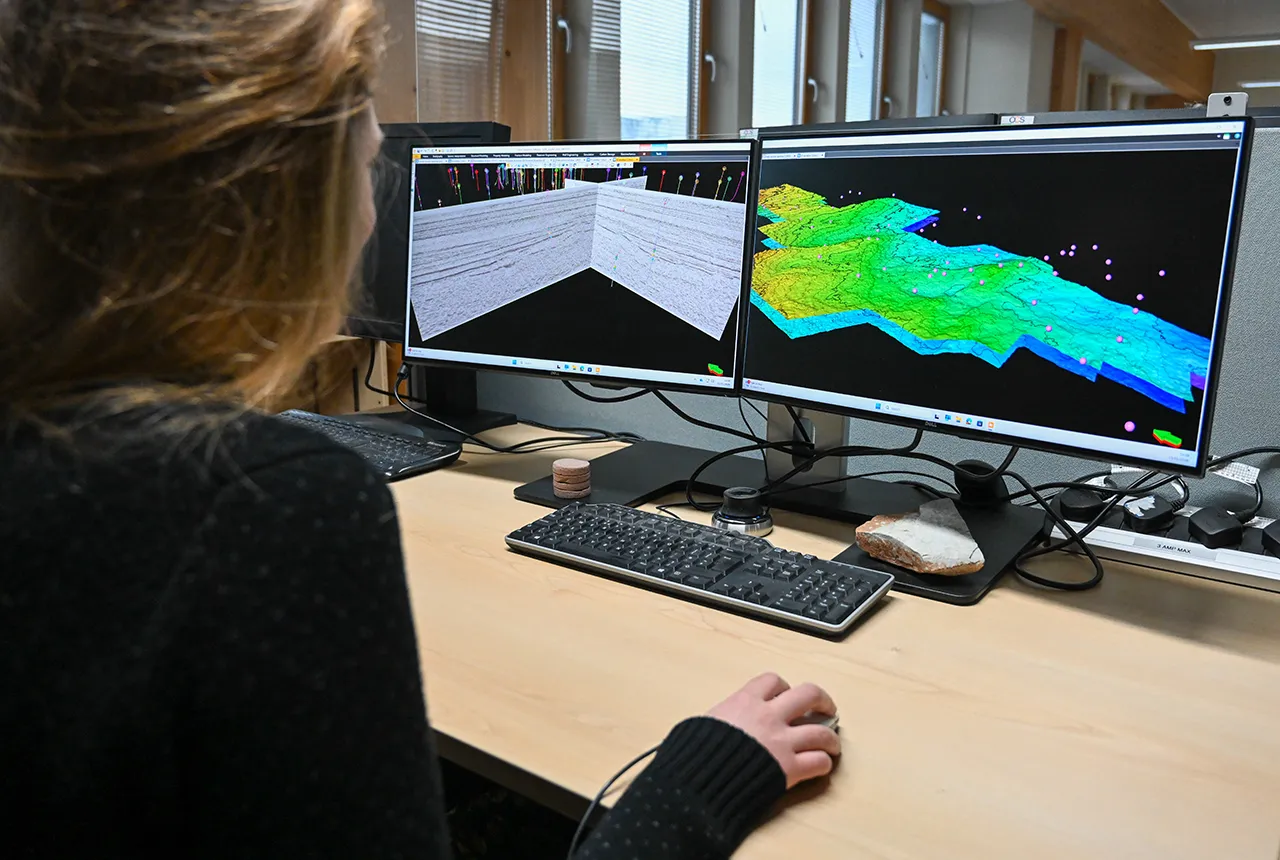
Can sandstones under the North Sea unlock the UK’s carbon storage potential?
02/02/2026
For the UK to reach its ambitious target of storing 170 million tonnes of carbon dioxide per year by 2050, it will need to look beyond the current well-studied geographical areas.
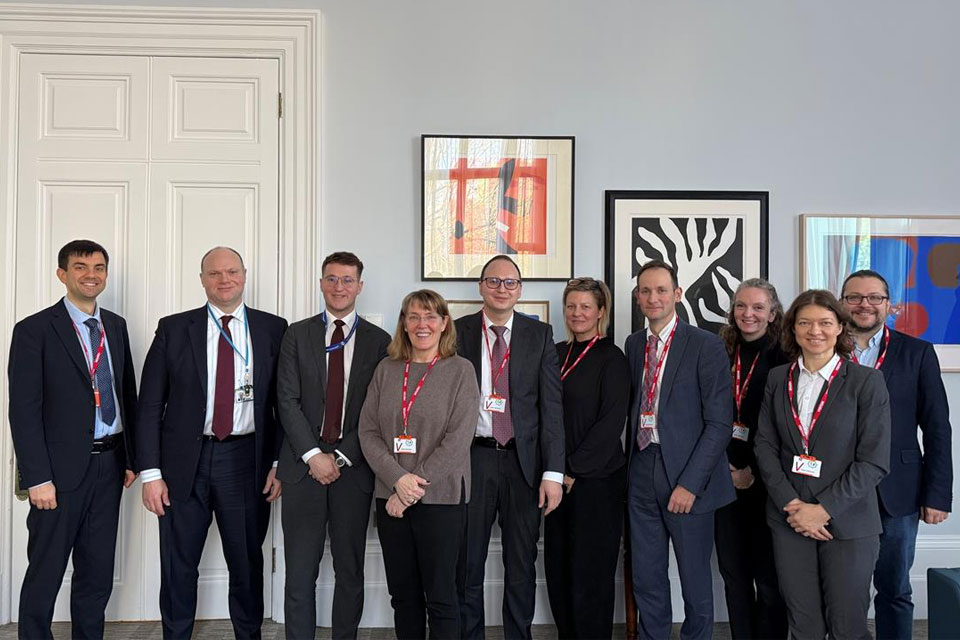
BGS agrees to establish collaboration framework with Ukrainian government
11/12/2025
The partnership will focus on joint research and data exchange opportunities with Ukrainian colleagues.
Making research matter: BGS joins leading research organisations in new national initiative
10/12/2025
A new alliance of 35 organisations has been formed that is dedicated to advancing science for the benefit of people, communities, the economy and national priorities.