

BGS data product licence fees to rise
New direct licence fees to be introduced from 1 April 2024.
01/03/2024 By BGS Press

From 1 April 2024, BGS will apply a 5 per cent increase to its direct licence fees for all data products. This means that any direct licence issued or renewed on or after 1 April 2024 will reflect this increased price. Existing data licensees will not be affected until such time as their licence is next due for renewal, after 1 April 2024.
BGS has not increased its data product licence fees for many years: this 2024 increase takes into account inflationary and cost pressures faced by BGS, including increased staff costs, and follows a review of Office for National Statistics guidance with regard to inflation and price indices. Going forwards, BGS will undertake annual price reviews and will communicate any future licence fee changes (from 2025) as appropriate.
If you have any queries regarding this matter, please contact the IPR digital team (iprdigital@bgs.ac.uk).
Related news
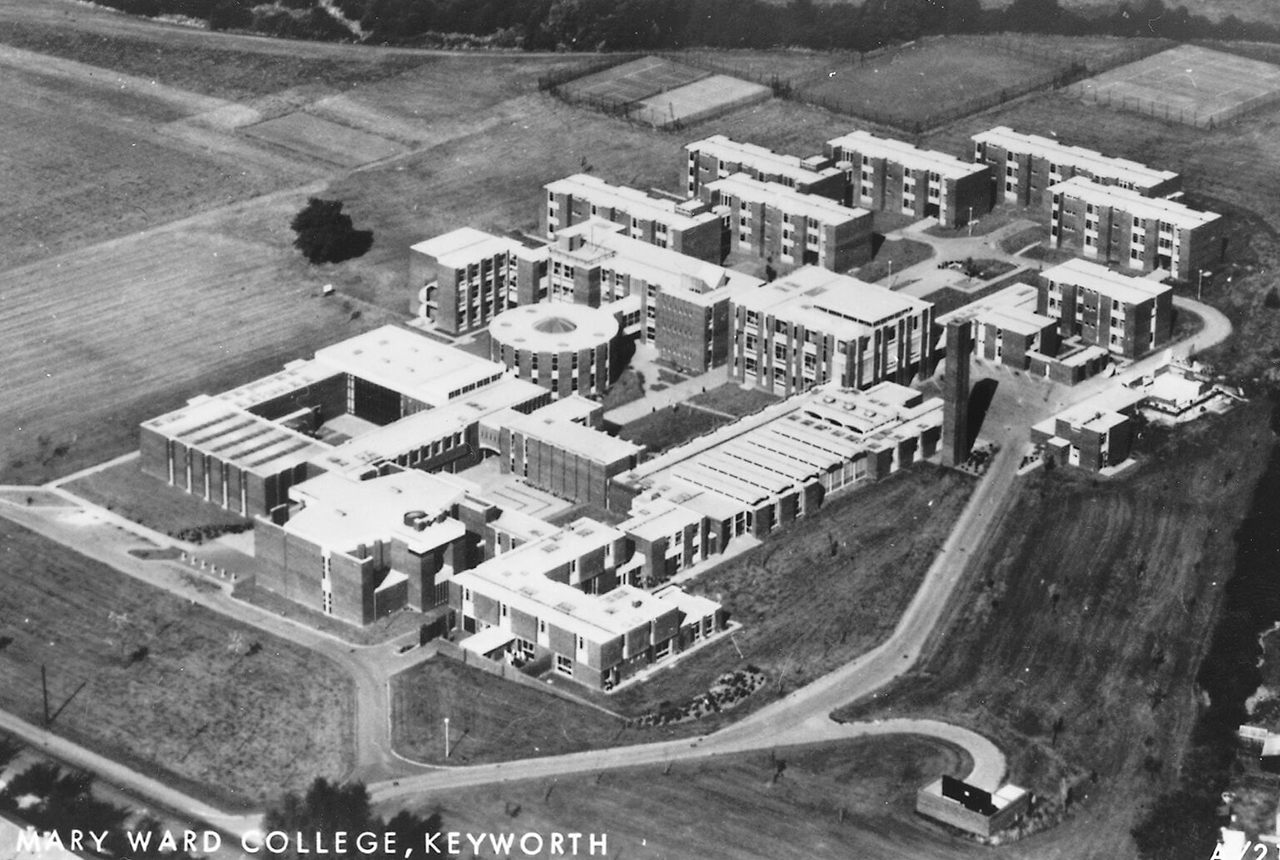
BGS celebrates half a century in Keyworth
28/10/2026
2026 marks 50 years since BGS, the world’s oldest national geological survey, relocated to the site of our current headquarters, just outside Nottingham.
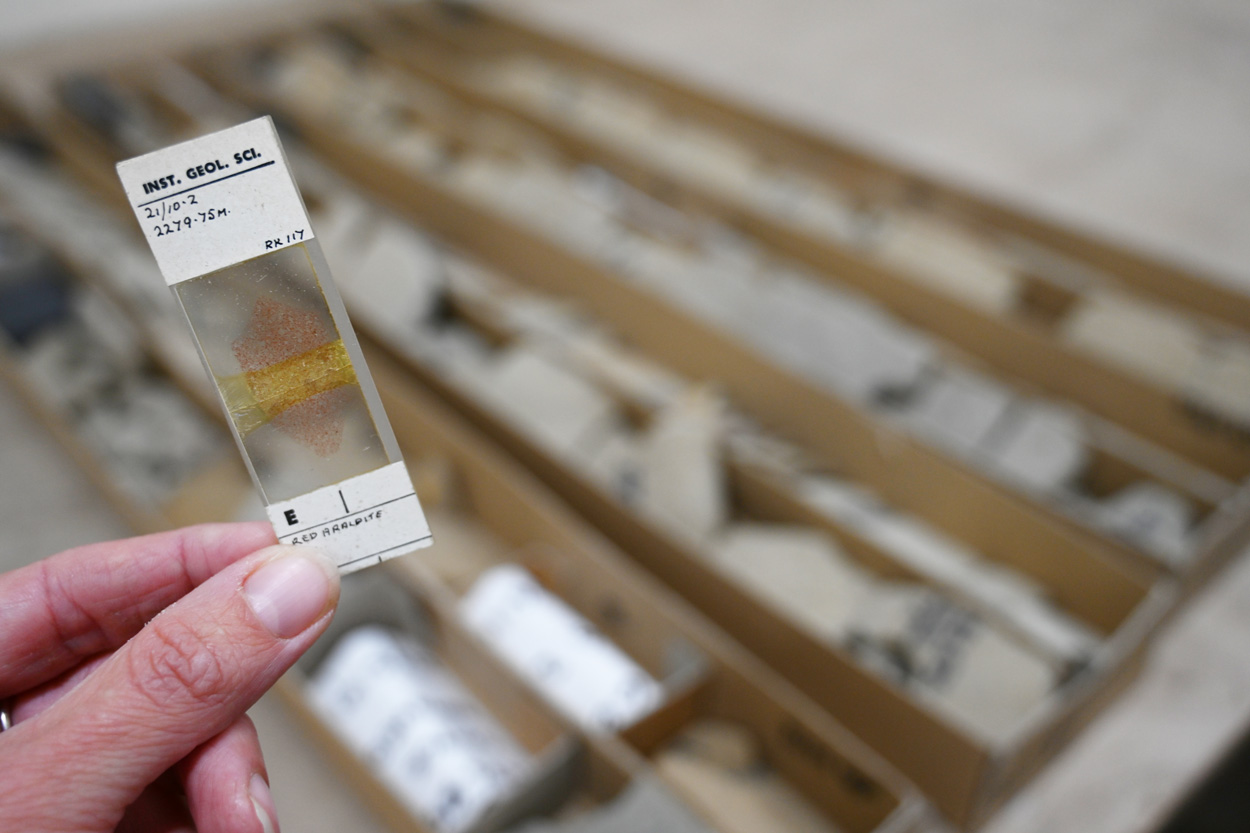
Forties at 56: the North Sea discovery that’s informing the energy transition five decades later
26/10/2026
Geological samples recovered from the UK’s first giant oil field in the 1970s continue to inform industry and researchers aiming to support the UK’s energy security needs.

New project mapping UK Continental Shelf provides boost to offshore infrastructure and development
22/10/2026
BGS is leading a three-year project funded by The Crown Estate to develop a new suite of seabed geology datasets and reports, providing crucial information for offshore developers about the seabed around the UK.
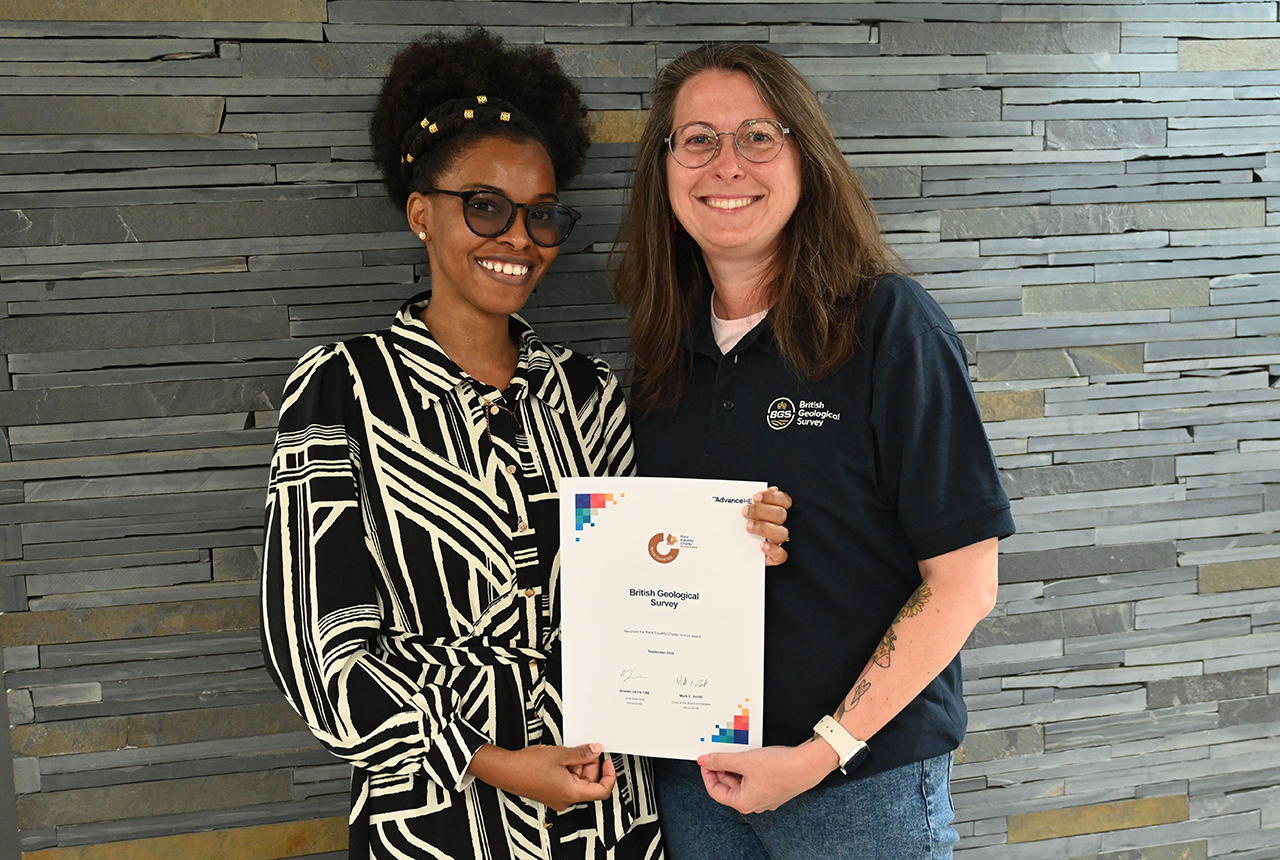
BGS one of the UK’s first specialist research institutes to receive Race Equality award
20/10/2026
BGS has secured Bronze accreditation under the Advance HE Race Equality Charter framework, recognising its commitment to identifying and addressing race equality issues in the geosciences.

Improving bioaccessibility testing for contaminated soils
15/10/2026
BGS has been trialling a novel bioaccessibility tracing technique to ascertain if it offers more analytical precision over traditional methods of detecting chemicals in contaminated soils.
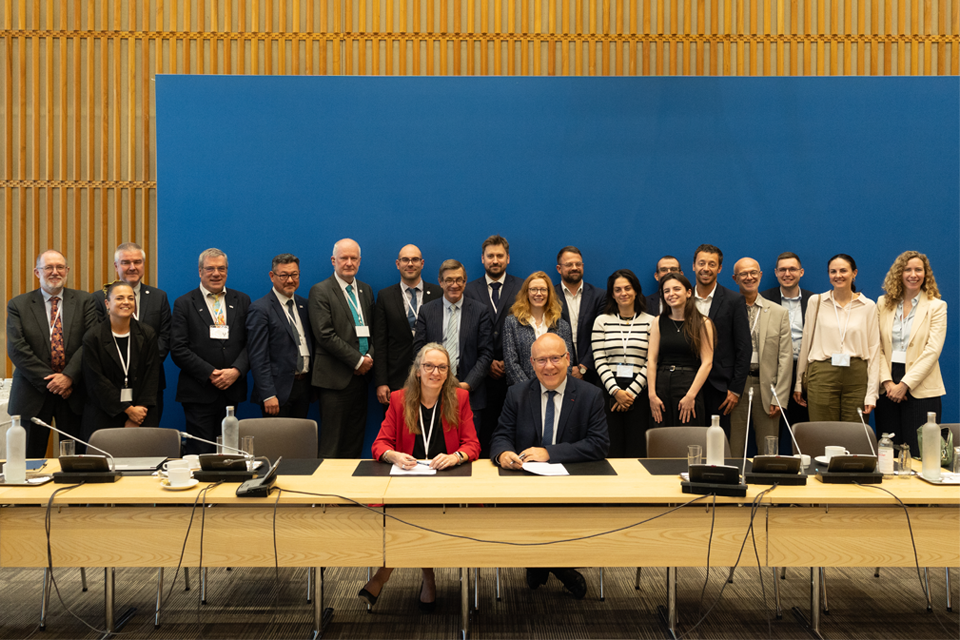
British and French geological surveys strengthen collaboration through new agreement
14/10/2026
Two of Europe’s leading geological surveys have signed a Memorandum of Understanding to strengthen collaboration on key geoscientific challenges.
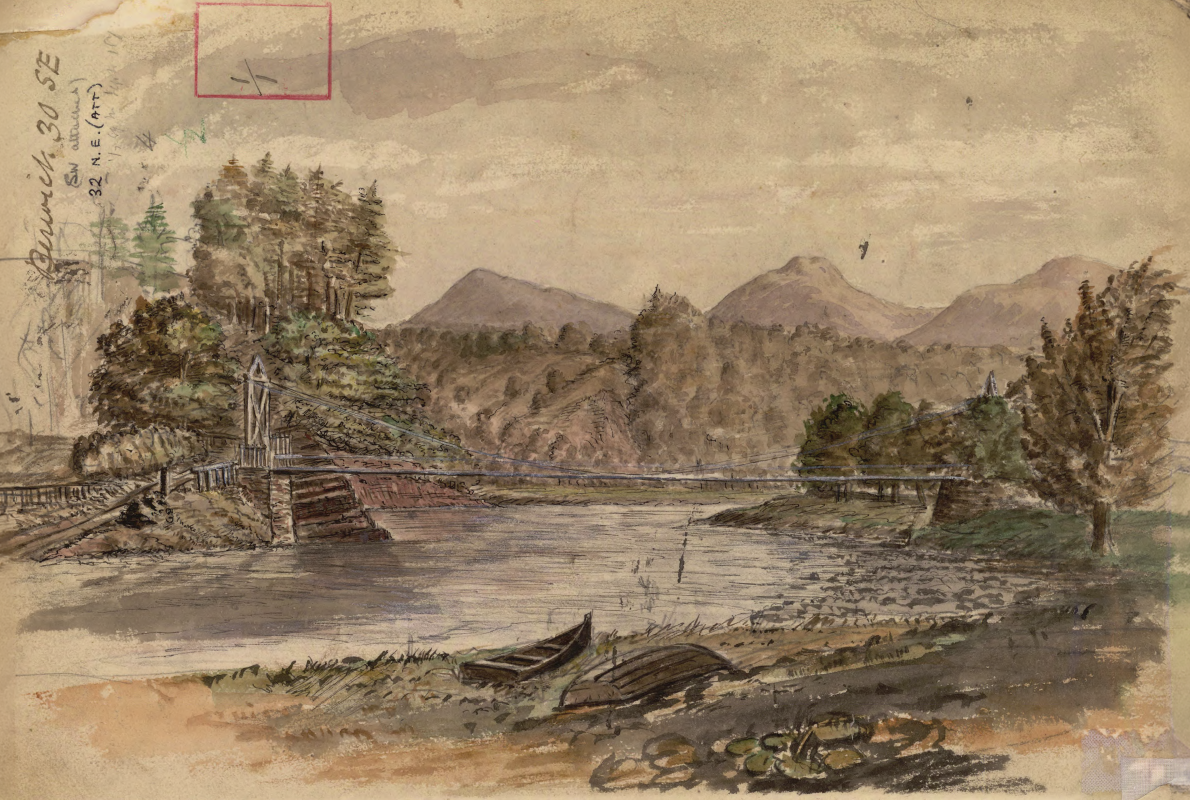
Historic watercolour unearthed on back of Dryburgh geological field map
05/10/2026
A 150-year-old painting of Dryburgh Suspension Bridge and the River Tweed offers an insight into the Scottish Borders landmark shortly after it was built in the 1870s.

Professor Alan MacDonald presented with Presidents’ Award at 2026 World Groundwater Congress
21/09/2026
The BGS Head of Groundwater has been recognised with this prestigious award by the International Association of Hydrogeologists for his extensive contributions to groundwater science.
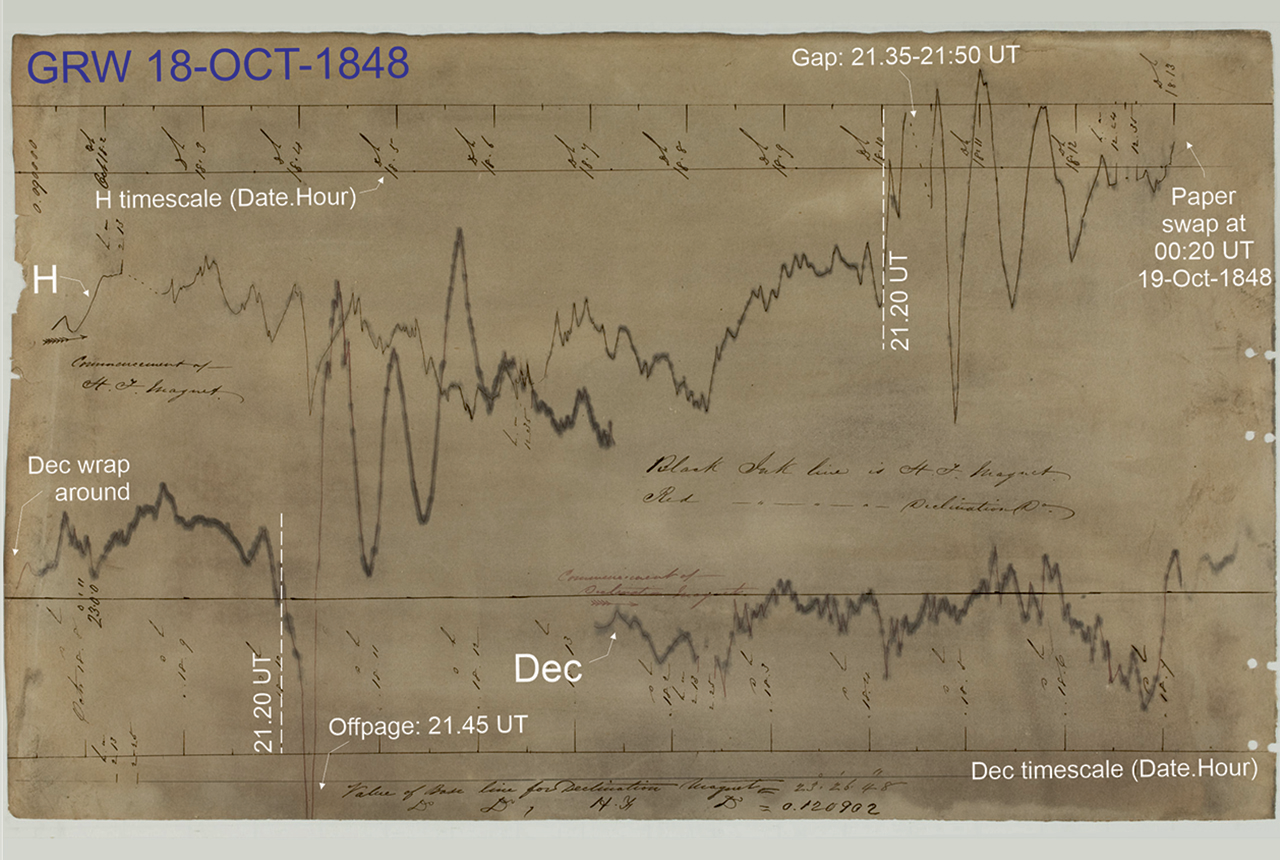
Mystery of one of the earliest recorded space weather impacts solved
17/09/2026
BGS scientists were part of an international team that has solved a 178-year-old mystery surrounding one of the earliest recorded examples of space weather affecting technology.

The Lyell Centre celebrates 10 years of world-leading earth and marine science research
07/09/2026
The Lyell Centre for Earth and Marine Sciences, a strategic partnership between Heriot-Watt University and BGS, is celebrating its 10th anniversary, marking a decade of world-leading research, innovation and collaboration in earth and marine sciences.

Demand for data centres presents challenges and opportunities for UK critical mineral supply chains
02/09/2026
Government-backed research finds that vulnerabilities in raw material supply chains must be addressed to secure the critical minerals needed to expand the UK’s digital infrastructure and boost economic growth.

What lies beneath Europe’s sinking ground?
01/09/2026
Land subsidence is becoming increasingly visible across Europe. New research examines how better monitoring, shared data and a deeper understanding of the subsurface can help assess and manage its impacts.