

Decarbonisation and resource management
BGS Research
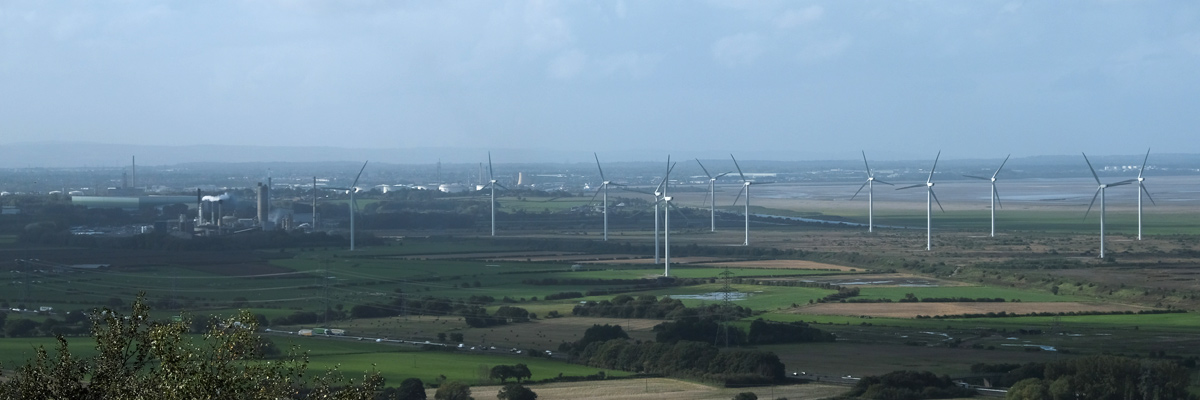
The decarbonisation and resource management challenge area fits within the context of the increased need to decarbonise energy and industry, the need to use resources more optimally, intense global competition for resources and a need to expand the delivery of affordable, sustainable energy across the world.
Deep geological disposal is a key solution to the long-term, safe management of radioactive waste but it requires understanding complex subsurface processes for up to one million years in the future. Important science considerations include:
- containment: understanding of subsurface fluid processes is vital to the containment of radioactive materials
- siting: understanding the geology of a geo-disposal site will inform safe site selection
The carbon capture and storage (CCS) topic will support the UK, Europe and other countries in developing safe, efficient CO2 storage, to decarbonise industry, power, transport and heating to meet net zero targets.
- Planning a CO2 storage site: developing a carbon dioxide (CO₂) storage pilot.
- Developing and maintaining technologies and methodologies: predicting the evolution of the CO₂ plume by observing site behaviour before, during and after injection of CO₂
- Containment: selecting and characterising geological sites that are expected to enable permanent containment.
- CO₂ injection, pressure management and storage optimisation: understanding the limits on pressure increases, improving methods for injection and managing pressure increases.
- Planning and licensing regulation.
Energy storage is a new topic area for the BGS. The strategy is:
- to quantify the energy storage potential (capacity and location) offered by UK geological formations
- to investigate and address geological barriers and hazards associated with the deployment of underground energy storage
- to improve knowledge of thermal, hydrogeological, mechanical, chemical and microbiological influences on underground energy storage
- to establish collaborative and innovative approaches to address these objectives
Understanding the origin, transport and concentration of the metals and materials that are critical for the transition to a low-carbon economy.
Monitoring global mineral production, trade flows and mineral statistics to ensure a sustainable supply of resources for a low-carbon economy.
Find out more about our research
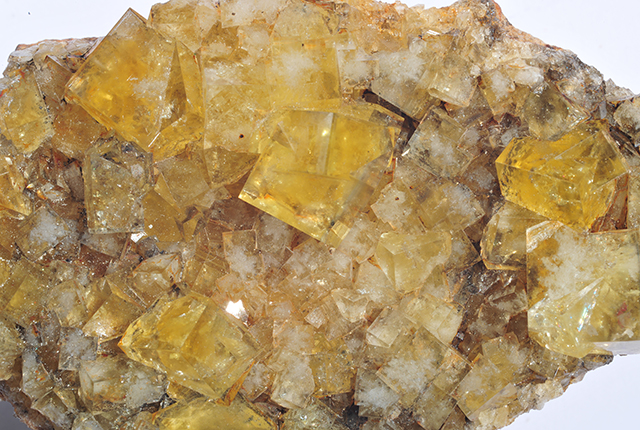
Mineral resource security and flows
Monitoring mineral production, trade flows and other relevant statistics within the UK to respond to the economy’s demand for raw materials.
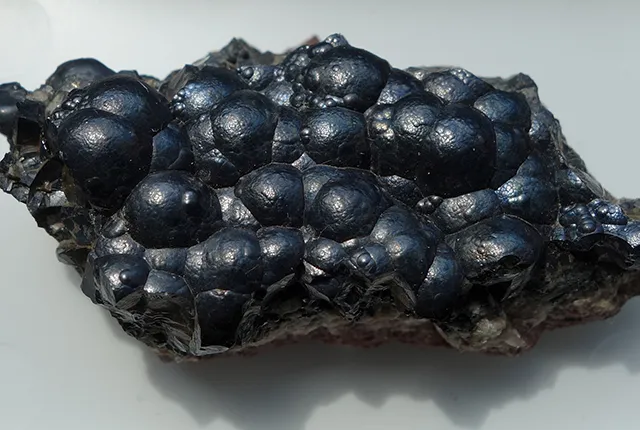
Geodisposal: radioactive waste
Providing geological data and interpretations concerning the safe storage and disposal of radioactive waste.
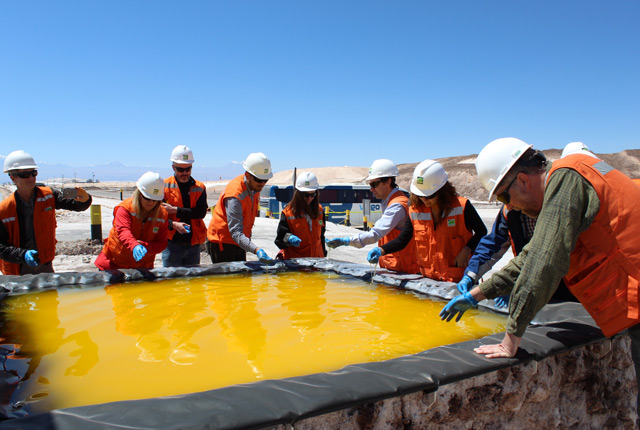
Critical raw materials
Addressing global concerns over the long-term availability of secure and adequate supplies of the minerals and metals needed by society.
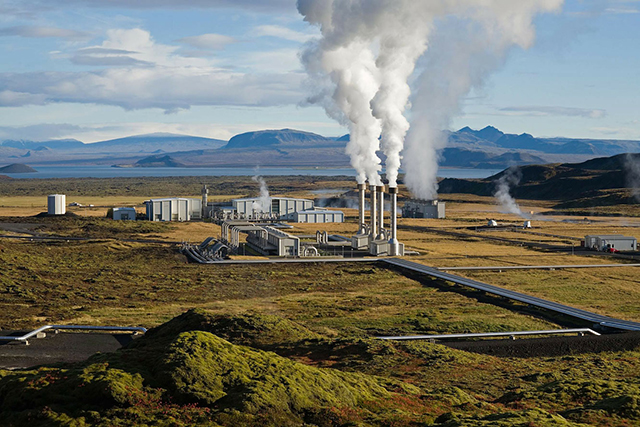
Geothermal energy
Investigating geothermal energy — energy stored in the form of heat beneath the surface of the solid Earth.

Hydrocarbon systems
Working with UK and overseas governments to provide geological and oil prospectivity advice.
Energy storage
Continuing BGS’s sustained track record of energy storage research, which will underpin future laboratory, field and GIS-based activities and commissions.
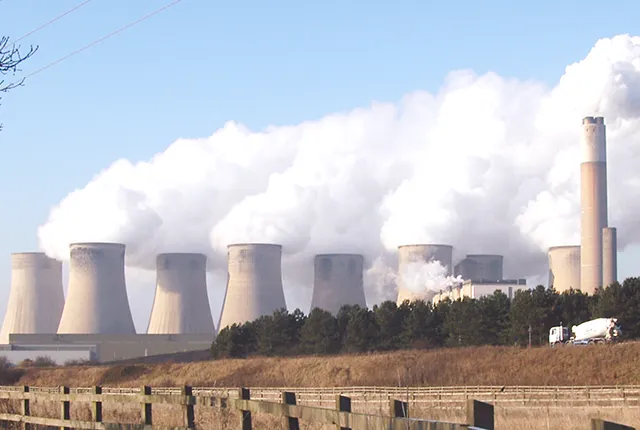
Carbon capture and storage
Studying carbon dioxide storage as a recognised European centre of excellence in a number of research areas.
Our facilities
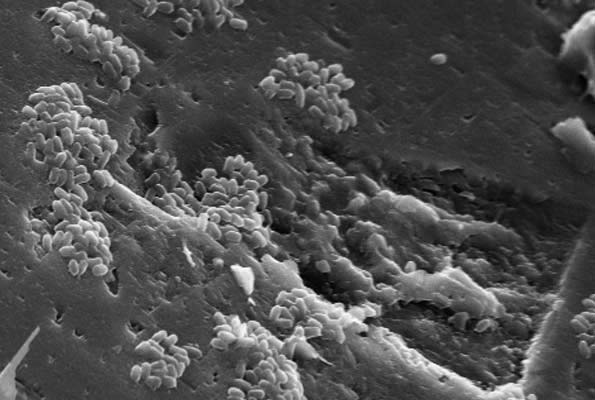
Fluid and Rock Processes Laboratory Cluster
Identifying, measuring and quantifying complex geological and environmental processes essential in the efficient utilisation of natural resources and underground spaces.
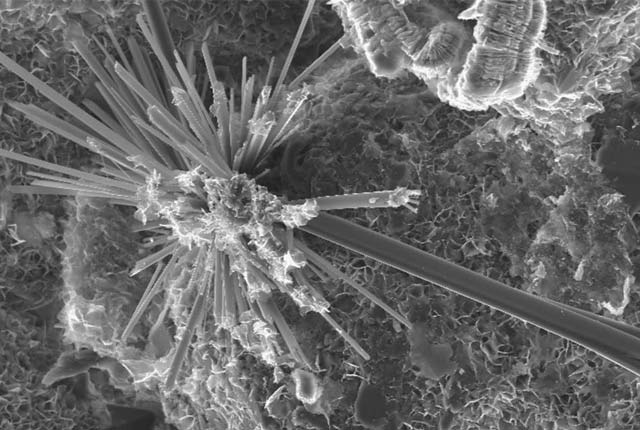
Rock Volume Characterisation Laboratory Cluster
Studying the structural and compositional characterisation of rocks and their constituent parts at all scales.
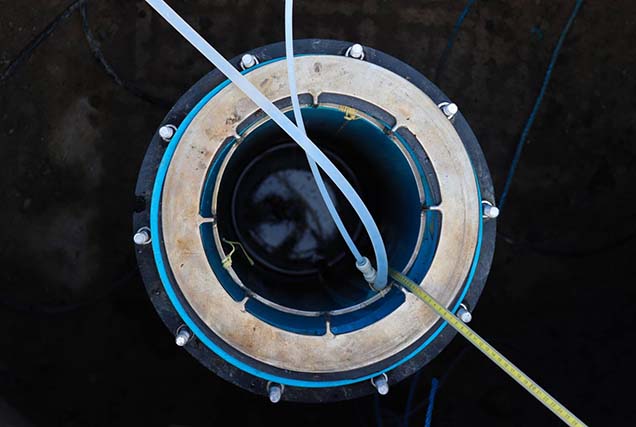
UK Geoenergy Observatories
Facilitating a step change in our understanding of geology and our relationship with the underground environment.
Our core challenge areas
Need more information?
Related news

Demand for data centres presents challenges and opportunities for UK critical mineral supply chains
02/09/2026
Government-backed research finds that vulnerabilities in raw material supply chains must be addressed to secure the critical minerals needed to expand the UK’s digital infrastructure and boost economic growth.

Measuring the environmental impacts of carbon fibre: life cycle assessment
01/09/2026
Undergraduate student Phoebe Brown visited BGS to understand the life cycle of carbon fibre, from primary production to recycling.

MaxStoreUK hydrogen geological storage policy roundtable
Event on 08/10/2026
Storage operators, regulators, licensor and Government stakeholders are invited to join our roundtable discussion of hydrogen geological storage policy.
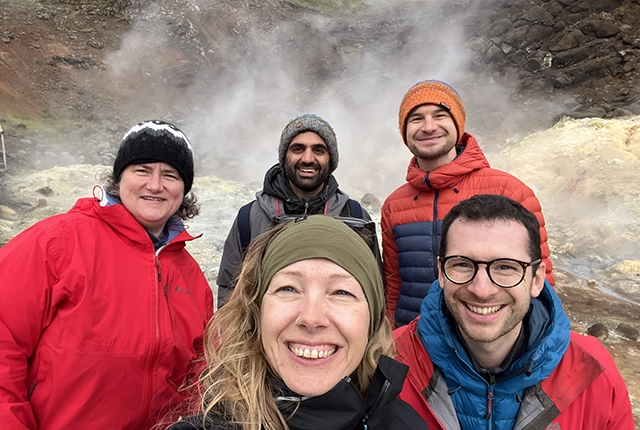
BGS strengthens scientific links with Icelandic partners through Research and Innovation Scotland initiative
06/08/2026
BGS researchers recently visited Iceland as part of a project developing international partnerships and identifying opportunities for future collaborative research.
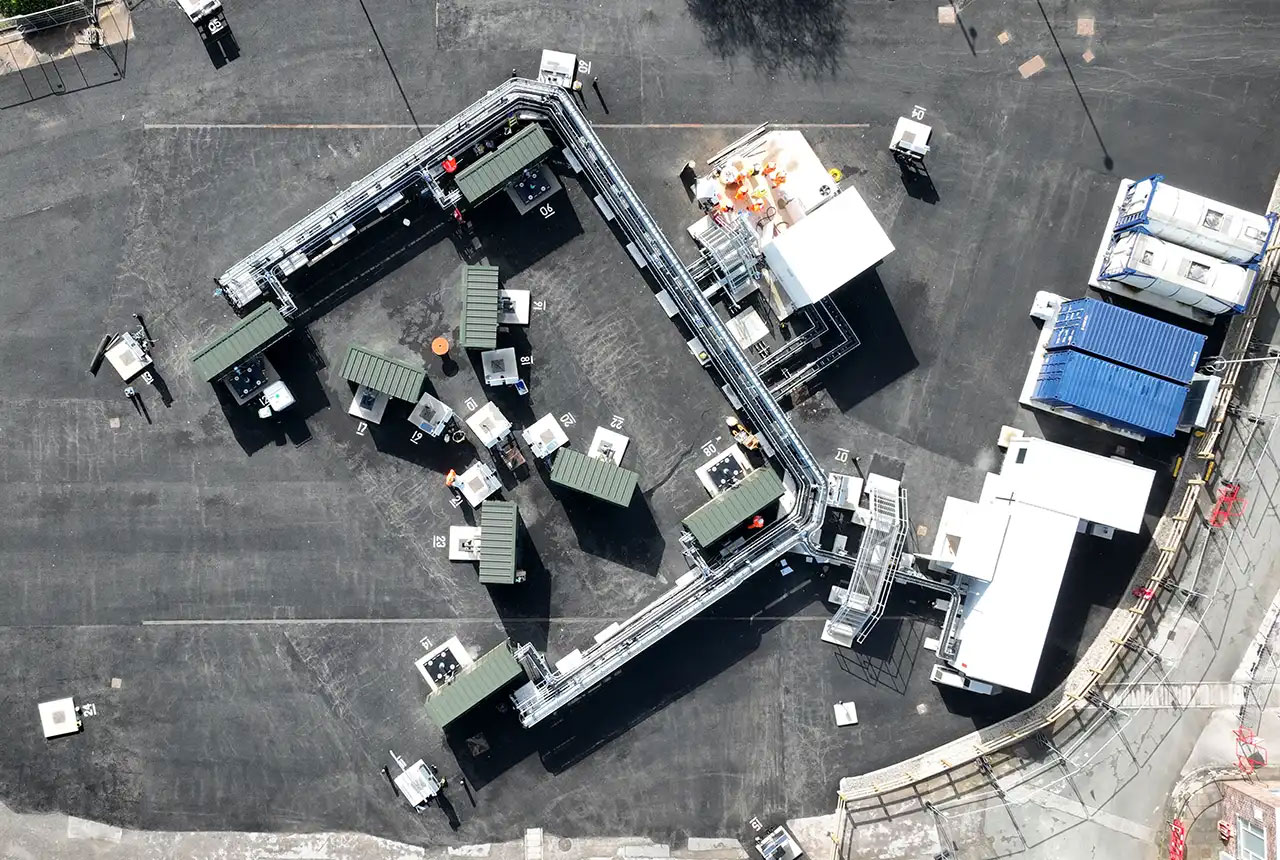
Cheshire Geoenergy Observatory releases key geological datasets for UK thermal energy storage scheme design
09/07/2026
A new report and data packs from BGS will provide a unique resource for scientists working on the geology and hydrogeology of the Sherwood Sandstone Formation, an important aquifer and reservoir rock.
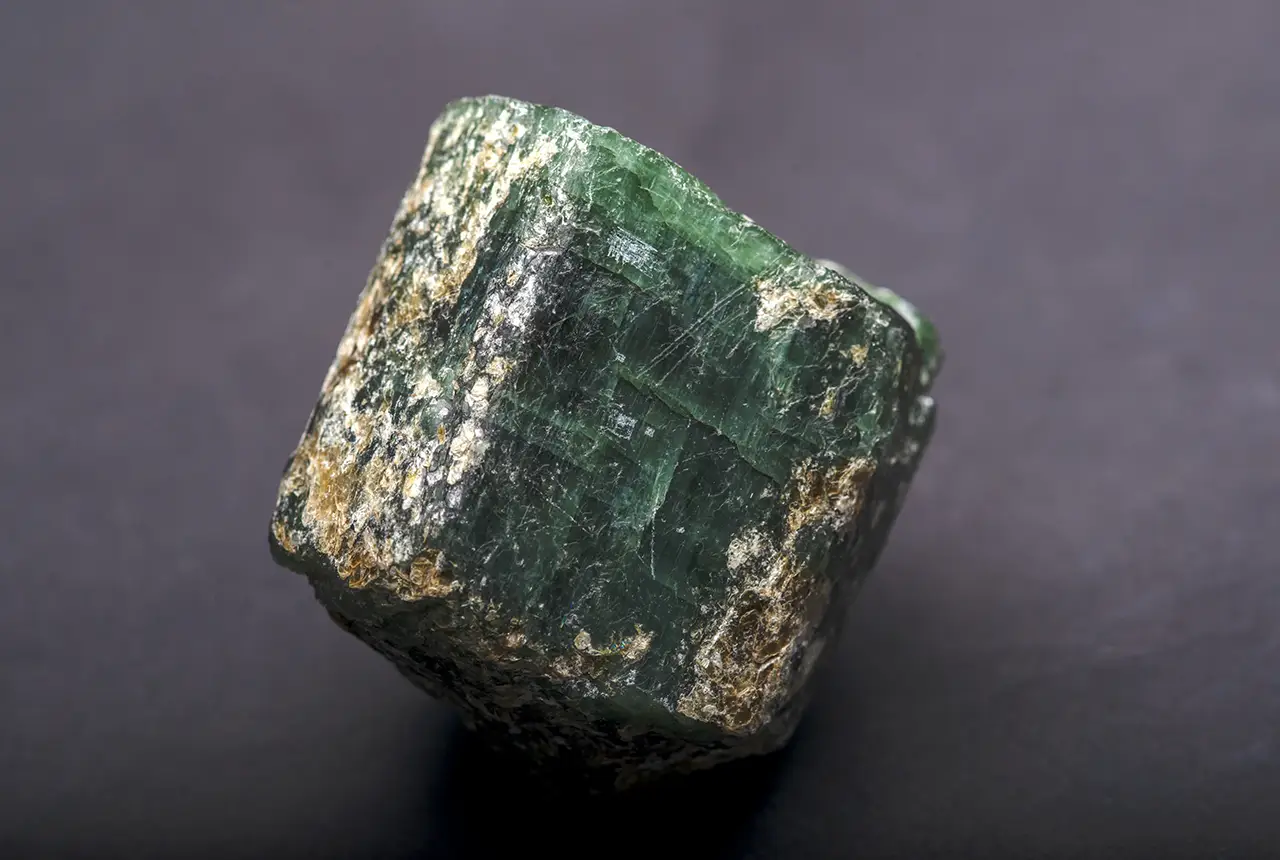
UK Critical Minerals Intelligence Centre makes recommendations for the next UK criticality assessment
01/07/2026
CMIC has outlined the enhancements made to the next assessment update to ensure it is better tailored to the structure of the UK economy.
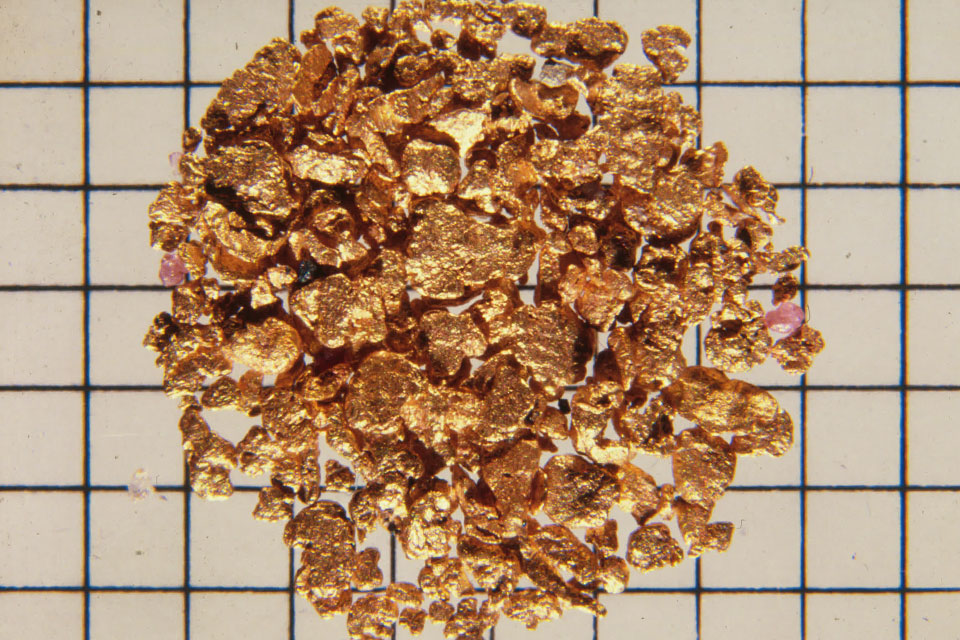
From archive to discovery: historical mineral reports support gold exploration in Scotland
25/06/2026
Digitised geological records show potential to unlock untapped mineral resources in Ardlochan, Argyllshire.
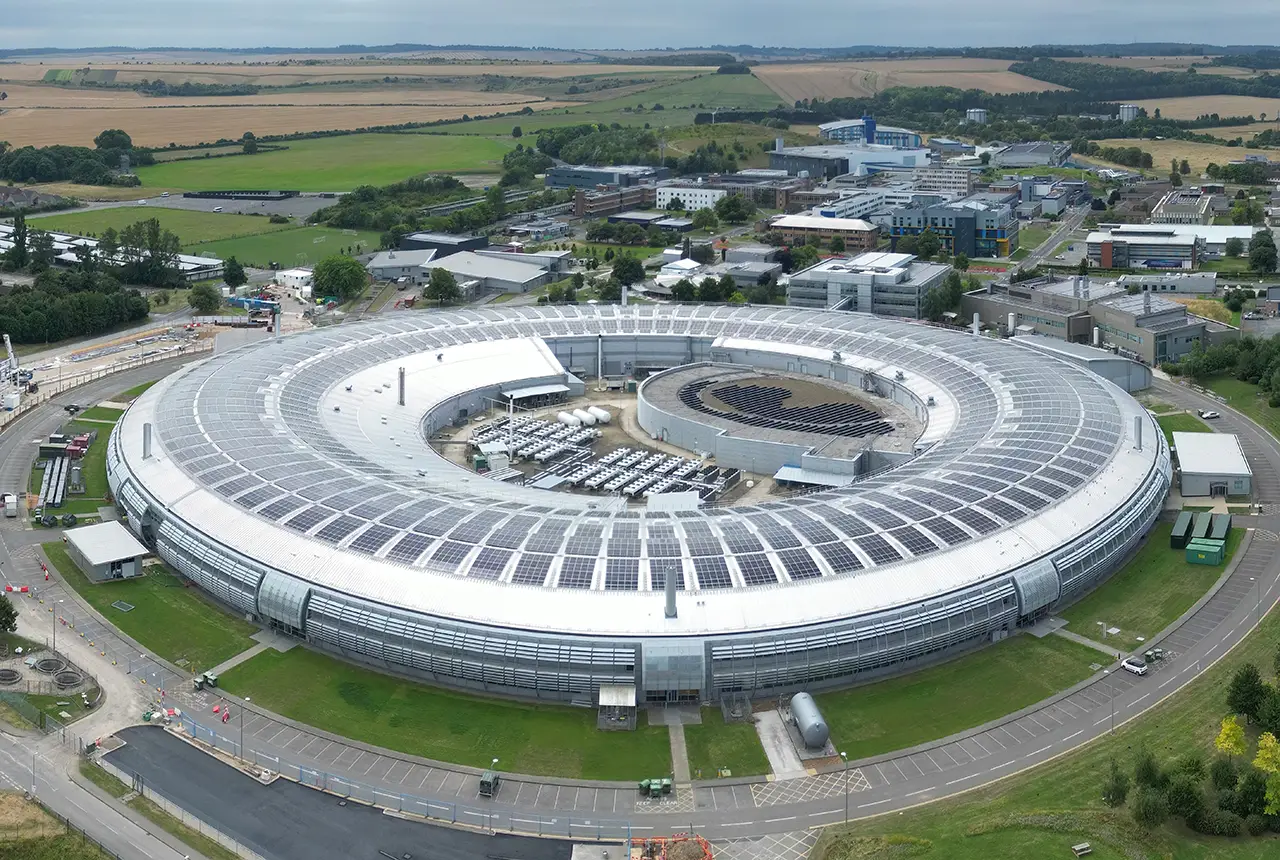
UK and Philippines scientists investigate natural hydrogen generation processes at atomic scale
22/06/2026
BGS researchers were granted access to use the Diamond Light Source facility in order to study hydrogen in light brighter than the sun.
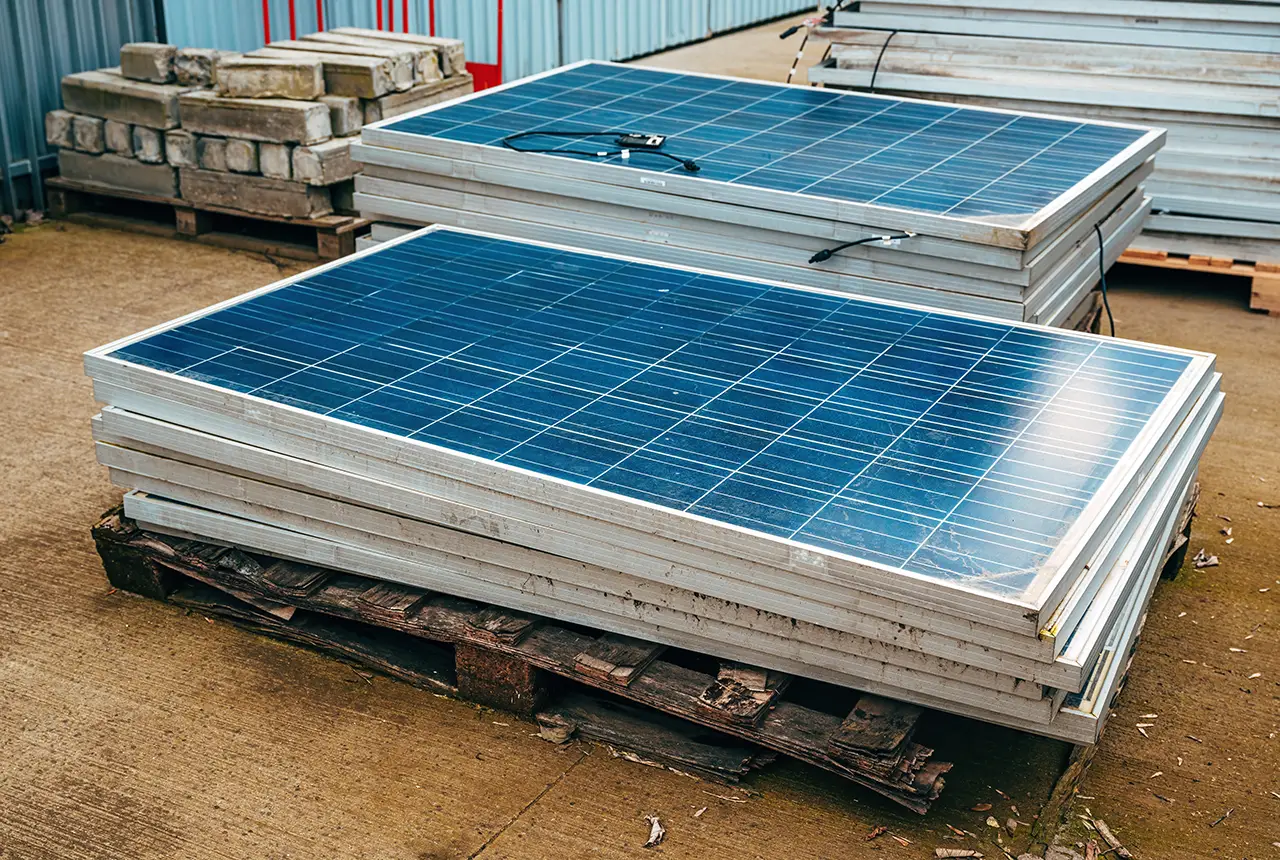
Shortage of end-of-life materials presents challenge to UK critical minerals security
17/06/2026
A new report by the UK Critical Minerals Intelligence Centre reveals insufficient end-of-life material stocks present a supply risk over the coming decade, but offer significant long-term potential to meet critical mineral demand through recycling.
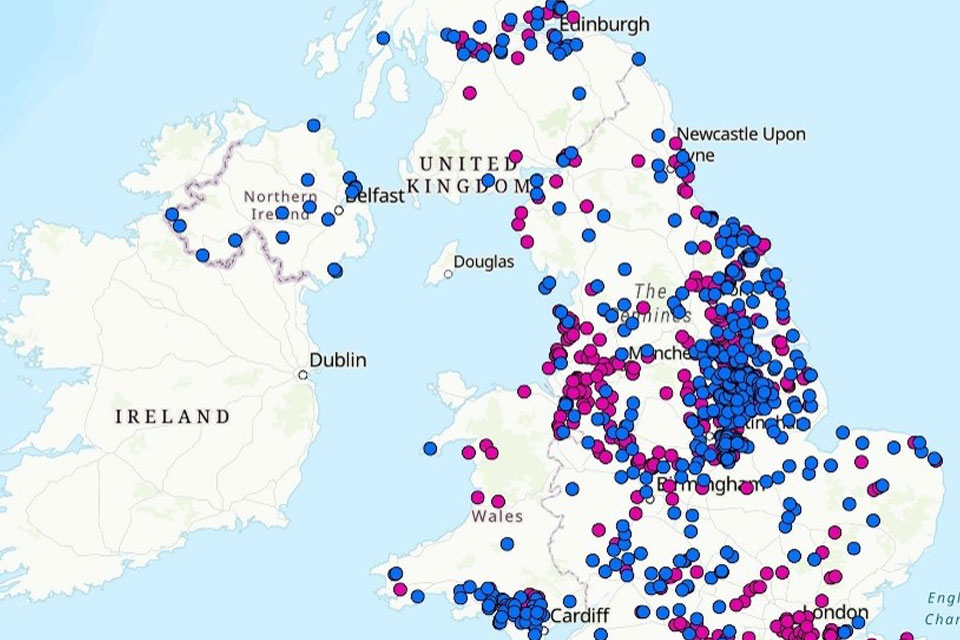
UK geothermal catalogue receives update
16/06/2026
BGS releases the second digital version of the UK geothermal catalogue of subsurface temperature and rock thermal conductivity measurements and heat flow calculations.
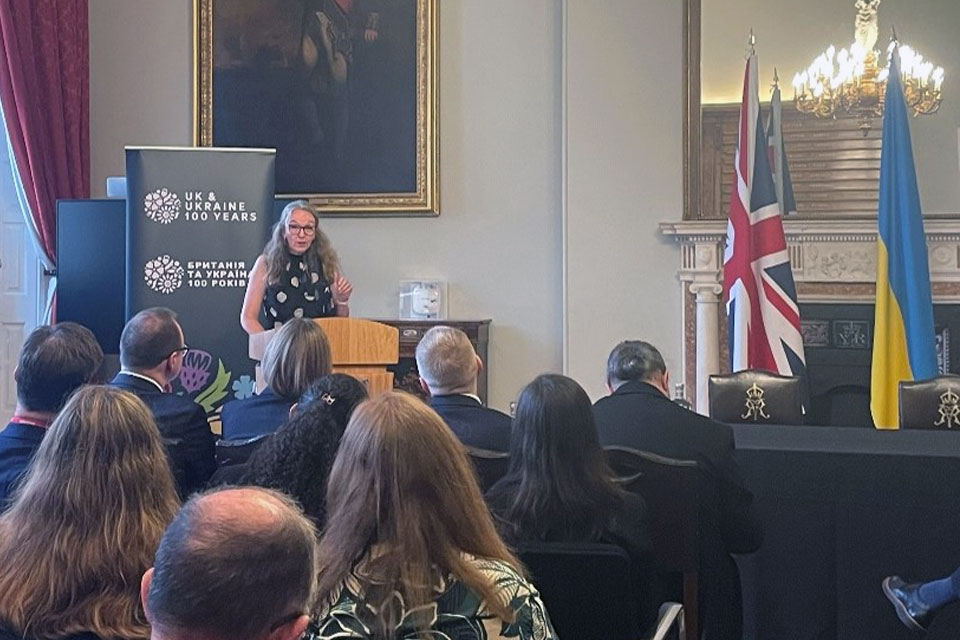
Ukraine and the UK strengthen their commitment to geological cooperation
10/06/2026
A new Memorandum of Understanding reaffirms the UK’s support of Ukraine’s ambitions to develop its critical mineral resources, paving the way for collaboration through capacity-building programmes.
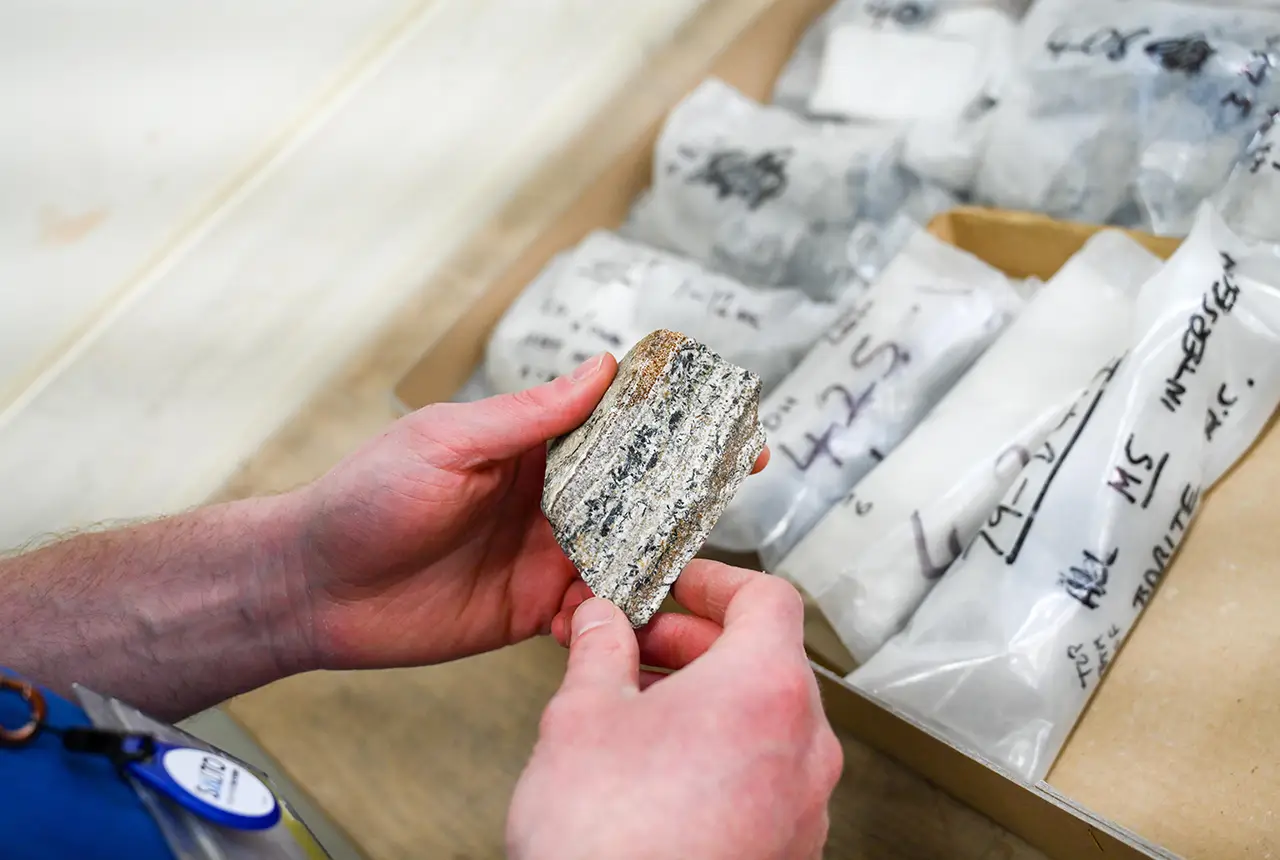
Newly released core could hold clues on potential mineral prospectivity in Perthshire
05/06/2026
A comprehensive collection of geological samples from the vicinity of a former mine in Scotland is now available to scientists for further research.