

Slieve Gullion Volcanic Complex recognised as IUGS Geological Heritage Site
One of the world's finest examples of a ring-dyke volcanic system has been acknowledged as an IUGS Geological Heritage Site.
19/11/2026 By BGS Press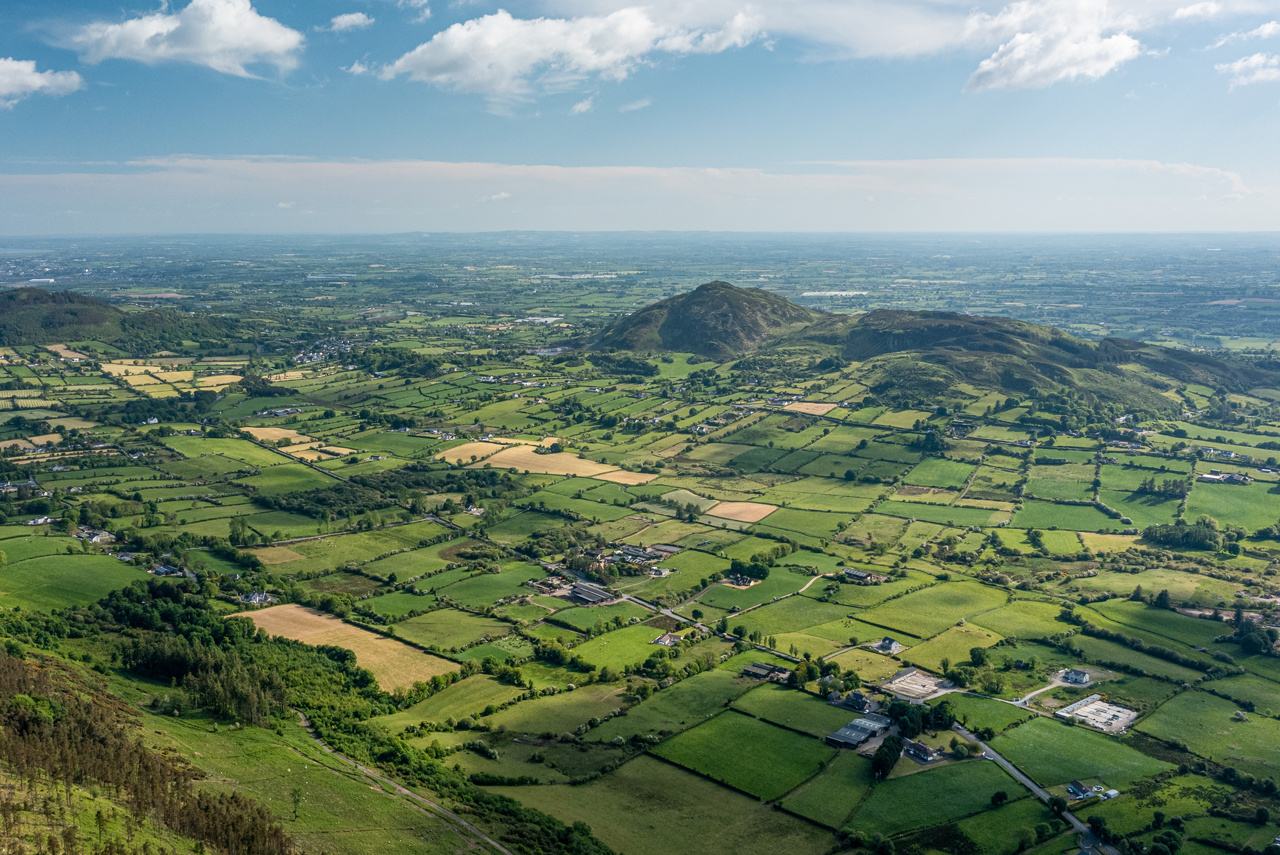

The Slieve Gullion Volcanic Complex in County Armagh, Northern Ireland, has been recognised as an International Union of Geological Sciences (IUGS) Geological Heritage Site. The designation was announced at the Third 100 IUGS Geoheritage Event, held in Portugal from 4 to 6 November 2026. IUGS Geological Heritage Sites are recognised for their outstanding scientific value as exceptional examples of geological features, processes and discoveries. They represent some of the world’s most significant places for understanding the Earth and its history.
The Slieve Gullion Volcanic Complex is a well-known geological site in Northern Ireland and internationally famous for containing one of the best examples of a ring-dyke volcanic system in the UK and Ireland. The landscape of Slieve Gullion exposes the eroded root and collapsed magma chamber of a Palaeogene shield volcano that was active roughly 58 to 56 million years ago. The site played a key role in developing scientists’ understanding of volcanic ring-dyke structures and remains an internationally important location for geological research and education.
Slieve Gullion was one of several UK sites nominated for consideration and was successfully put forward by BGS. Two other UK sites were also recognised in this year’s list: the Wren’s Nest Silurian fossil assemblage in Dudley, England, and the Rhynie cherts Lower Devonian terrestrial ecosystem in Aberdeenshire, Scotland.

It’s brilliant that the Slieve Gullion Volcanic Complex has been internationally recognised as an IUGS Geological Heritage Site. This designation highlights the scientific importance of the site and the contribution it has made to our understanding of volcanic processes. It also recognises the importance of protecting and promoting this remarkable landscape for research, education and future generations.
Kirstin Lemon, science programme manager at the Geological Survey of Northern Ireland (GSNI) and UK contact for the IUGS
The designation places Slieve Gullion alongside some of the world’s most significant geological sites, including:
- Mount Fuji in Japan
- the Norwegian Fjords
- the San Andreas Fault in the USA
- Mount Aconcagua in Argentina
Earlier IUGS lists included globally important sites such as the Grand Canyon, Mount Everest and Siccar Point in Scotland, where James Hutton’s observations helped establish the concept of deep geological time. Slieve Gullion sits within the wider Mourne Gullion Strangford UNESCO Global Geopark and is one of a number of internationally important geological sites that help to make this area special. Geopark status has recently been renewed for the area by UNESCO, with assistance and support from GSNI, work which is funded by the Northern Ireland Department for the Economy.
More information
The full list of IUGS Geological Heritage Sites can be found on the IUGS website.
More information about the Slieve Gullion Volcanic Complex is available on BGS Earthwise.
Relative topics
Related news
Slieve Gullion Volcanic Complex recognised as IUGS Geological Heritage Site
19/11/2026
One of the world’s finest examples of a ring-dyke volcanic system has been acknowledged as an IUGS Geological Heritage Site.
Industry invited to help shape the next phase of BGS Common Ground service
16/11/2026
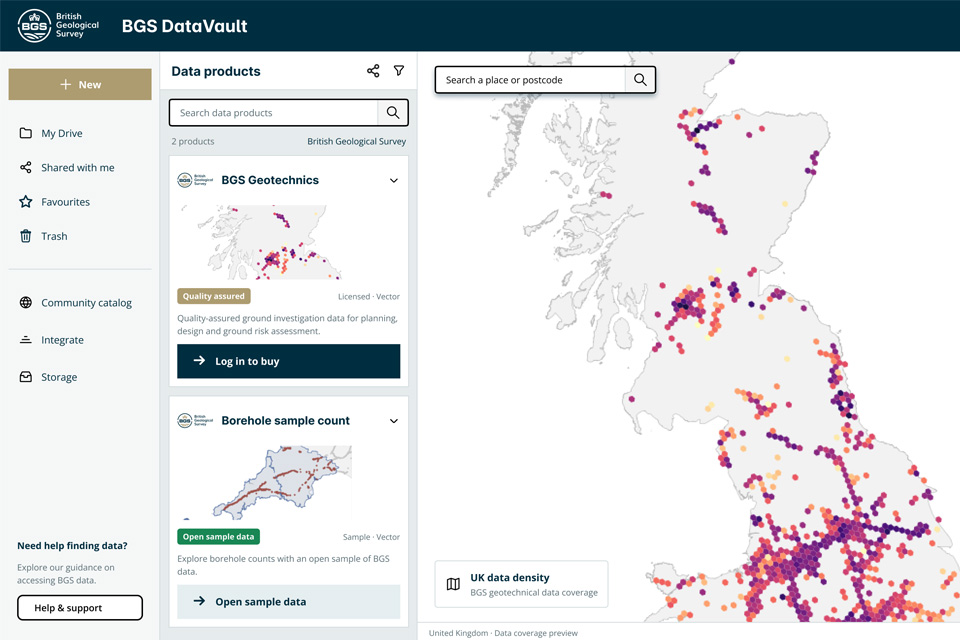
BGS is launching the next phase of engagement for the Common Ground project and is inviting professionals from across the geotechnical, engineering, infrastructure and environmental sectors to help shape its future.
UK and Philippine geological surveys sign Memorandum of Understanding during bilateral visits
13/11/2026
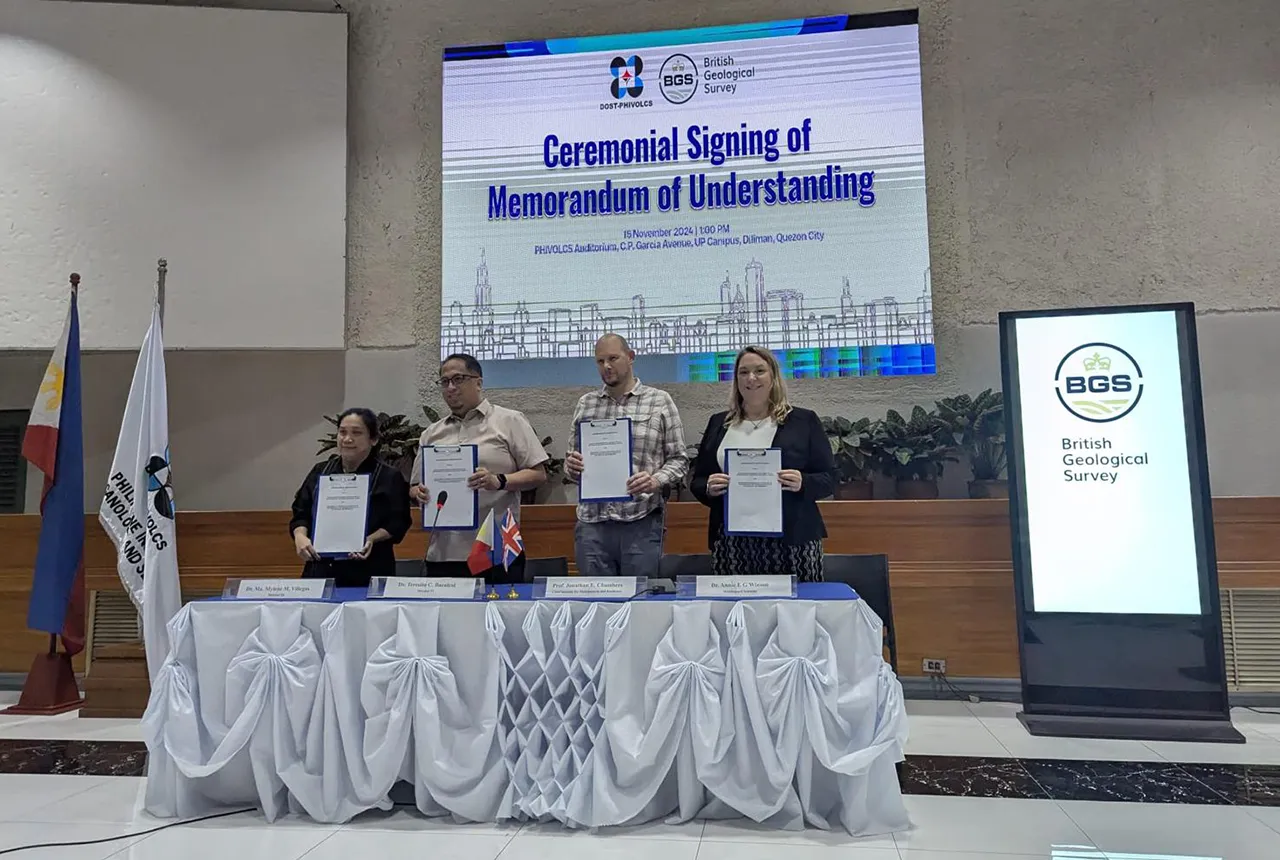
The new agreement reaffirms the organisations’ commitment to scientific collaboration, paving the way for closer cooperation on some of the most pressing geological, environmental and resource challenges.
BGS research facility gains international recognition
11/11/2026
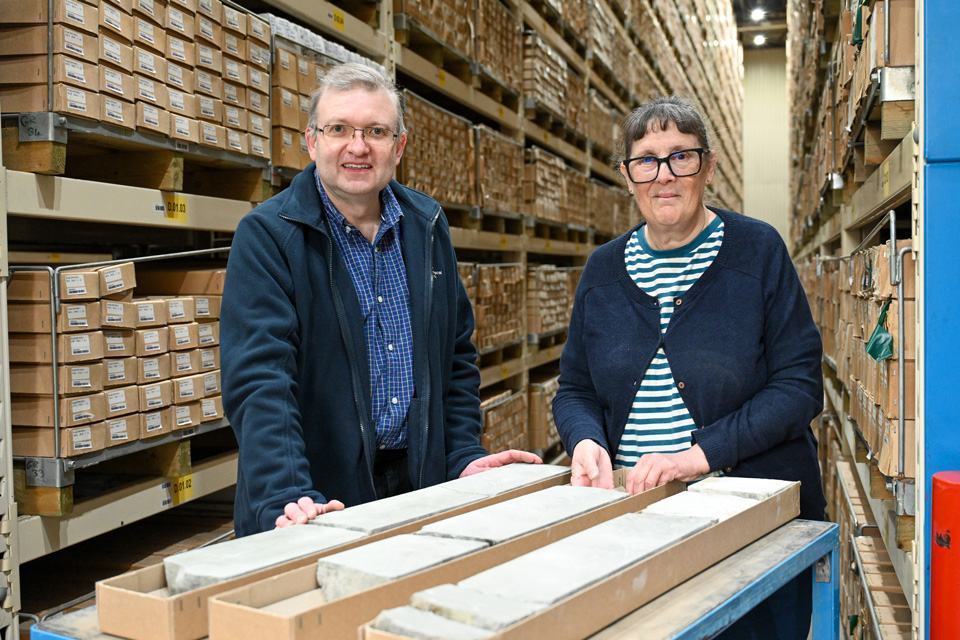
The National Geological Repository has been recognised as an International Geo-Collection, highlighting its importance in supporting industry, academia and Government policy.
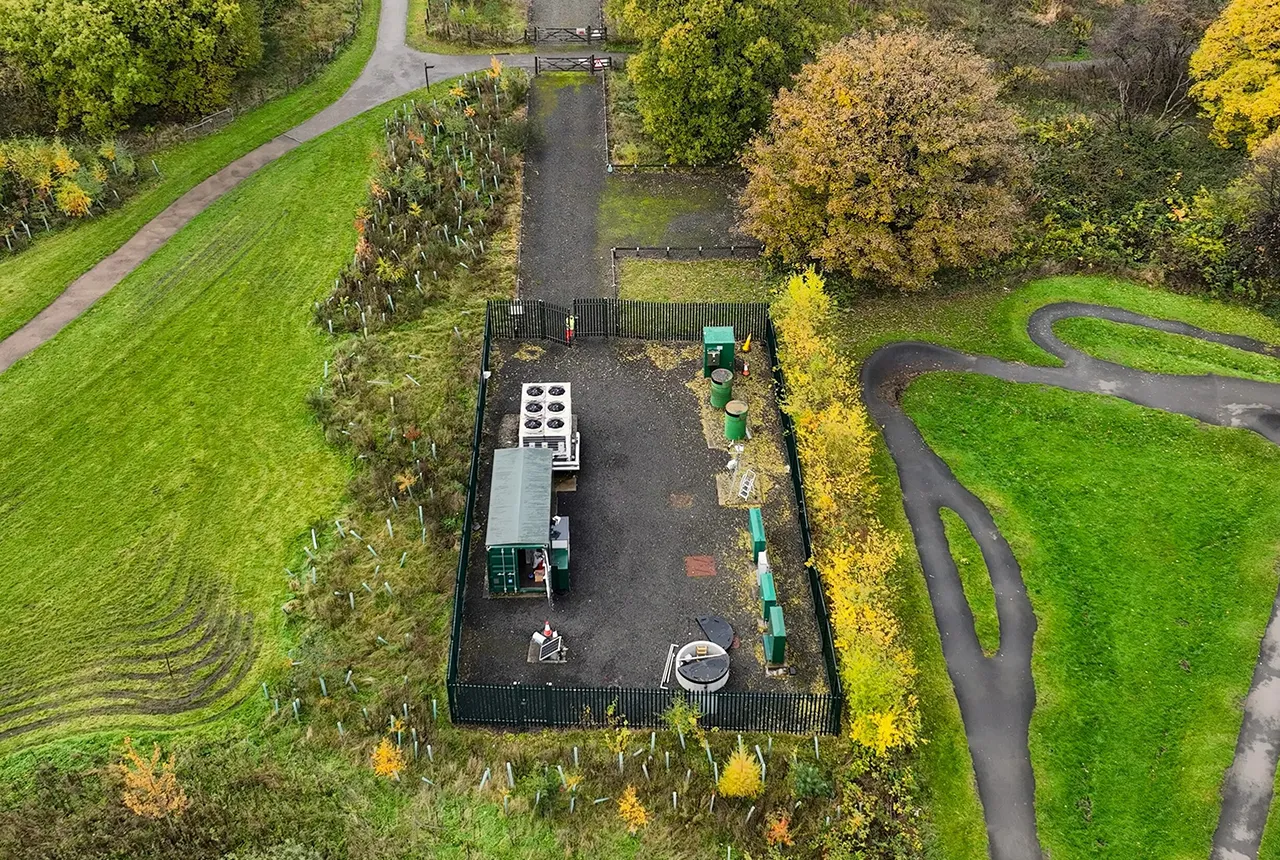
Thermal energy recovery from abandoned mines
09/11/2026
New research at the UK Geoenergy Observatories is assessing the efficiency of UK geology for thermal energy recovery.
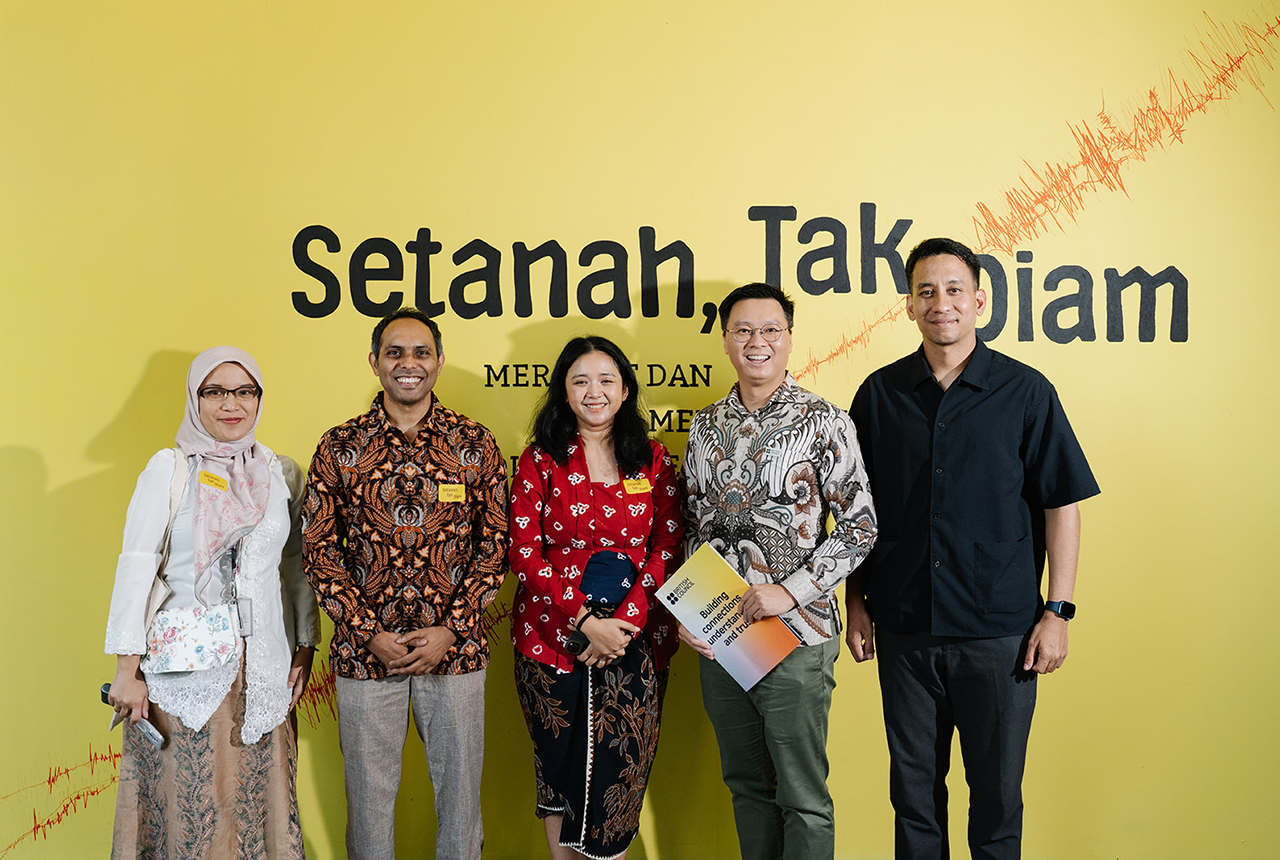
Interactive exhibition highlighting multi-hazard research opens in Indonesia
01/11/2026
The exhibition, part of a collaborative effort co-led by BGS, invites the public to consider how communities adapt to dynamic landscapes shaped by natural hazards.
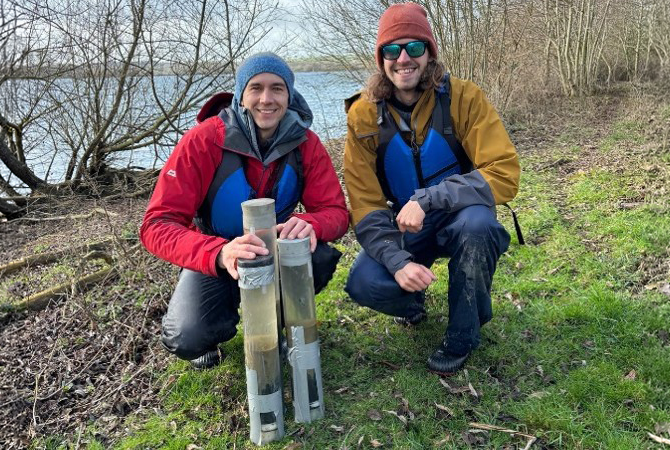
New research demonstrates stability of phosphate oxygen isotope in lake sediments
29/10/2026
The discovery could boost research into past environmental conditions, tracking nutrient pollution and examining the impacts of freshwater management.
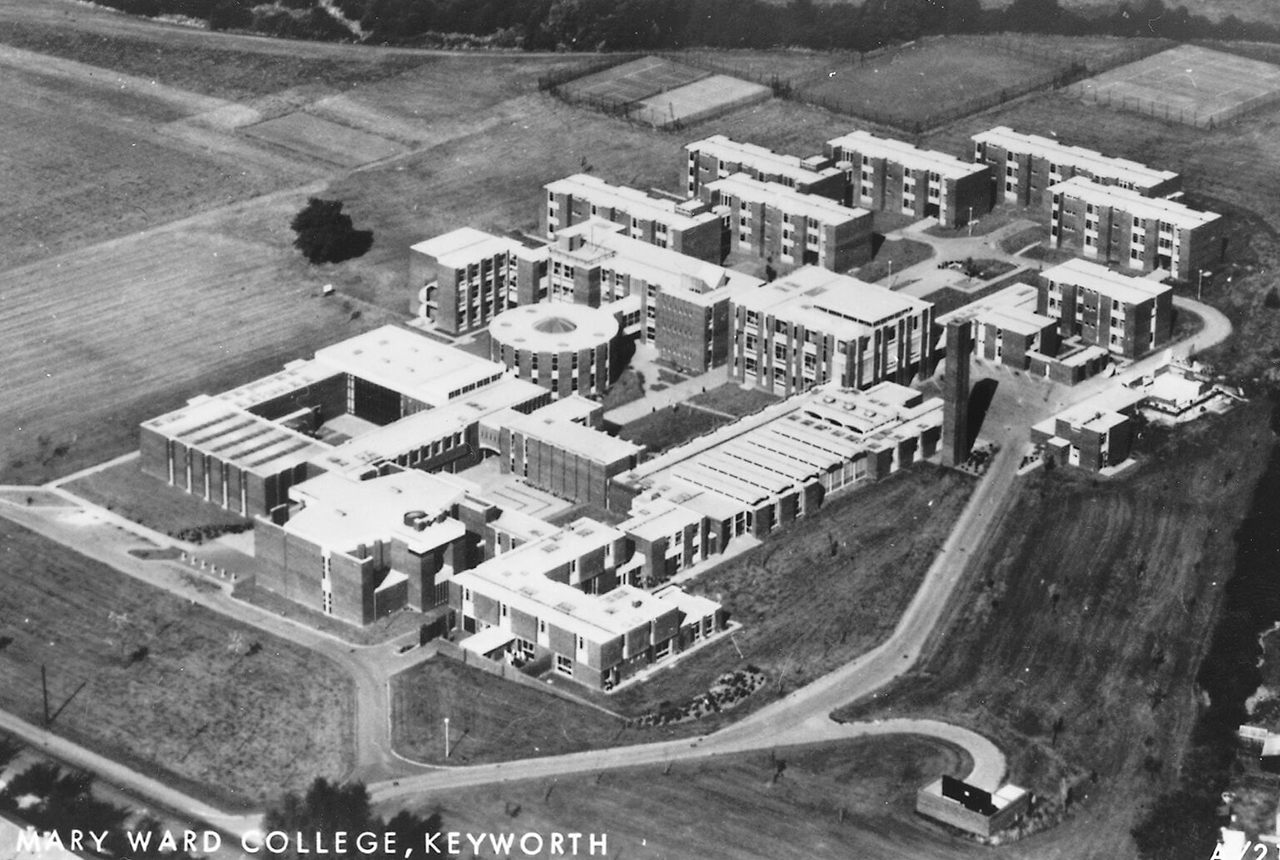
BGS celebrates half a century in Keyworth
28/10/2026
2026 marks 50 years since BGS, the world’s oldest national geological survey, relocated to the site of our current headquarters, just outside Nottingham.
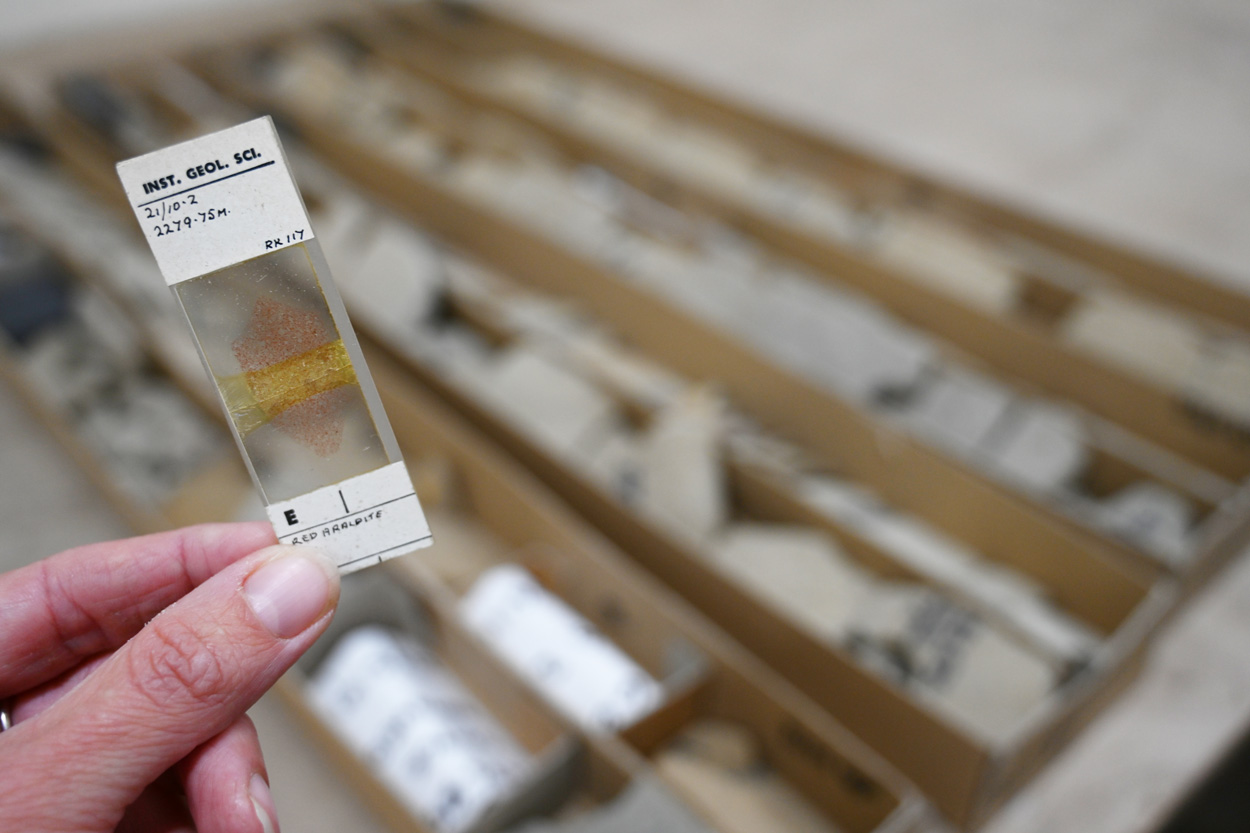
Forties at 56: the North Sea discovery that’s informing the energy transition five decades later
26/10/2026
Geological samples recovered from the UK’s first giant oil field in the 1970s continue to inform industry and researchers aiming to support the UK’s energy security needs.
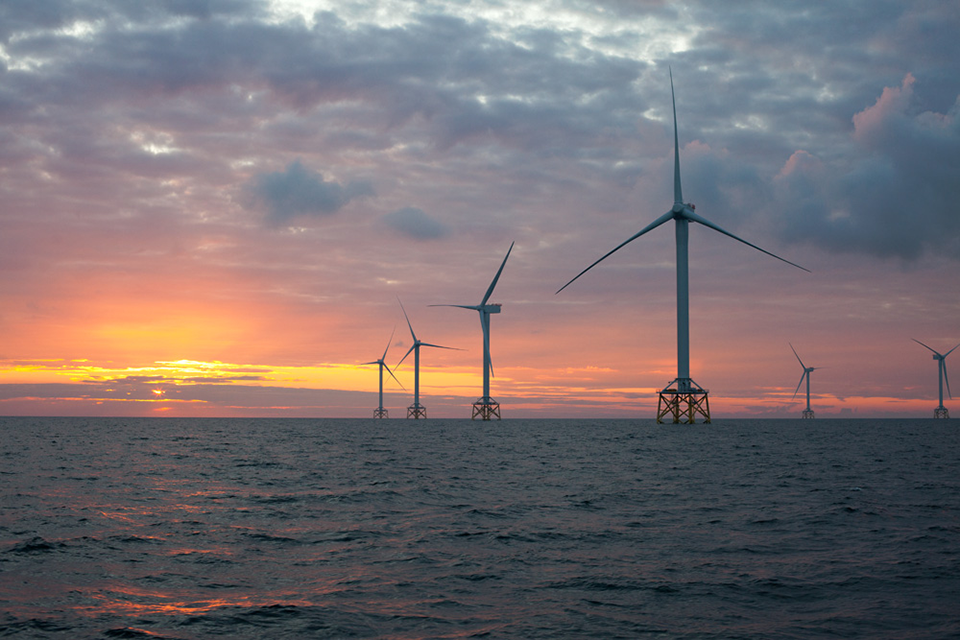
New project mapping UK Continental Shelf provides boost to offshore infrastructure and development
22/10/2026
BGS is leading a three-year project funded by The Crown Estate to develop a new suite of seabed geology datasets and reports, providing crucial information for offshore developers about the seabed around the UK.
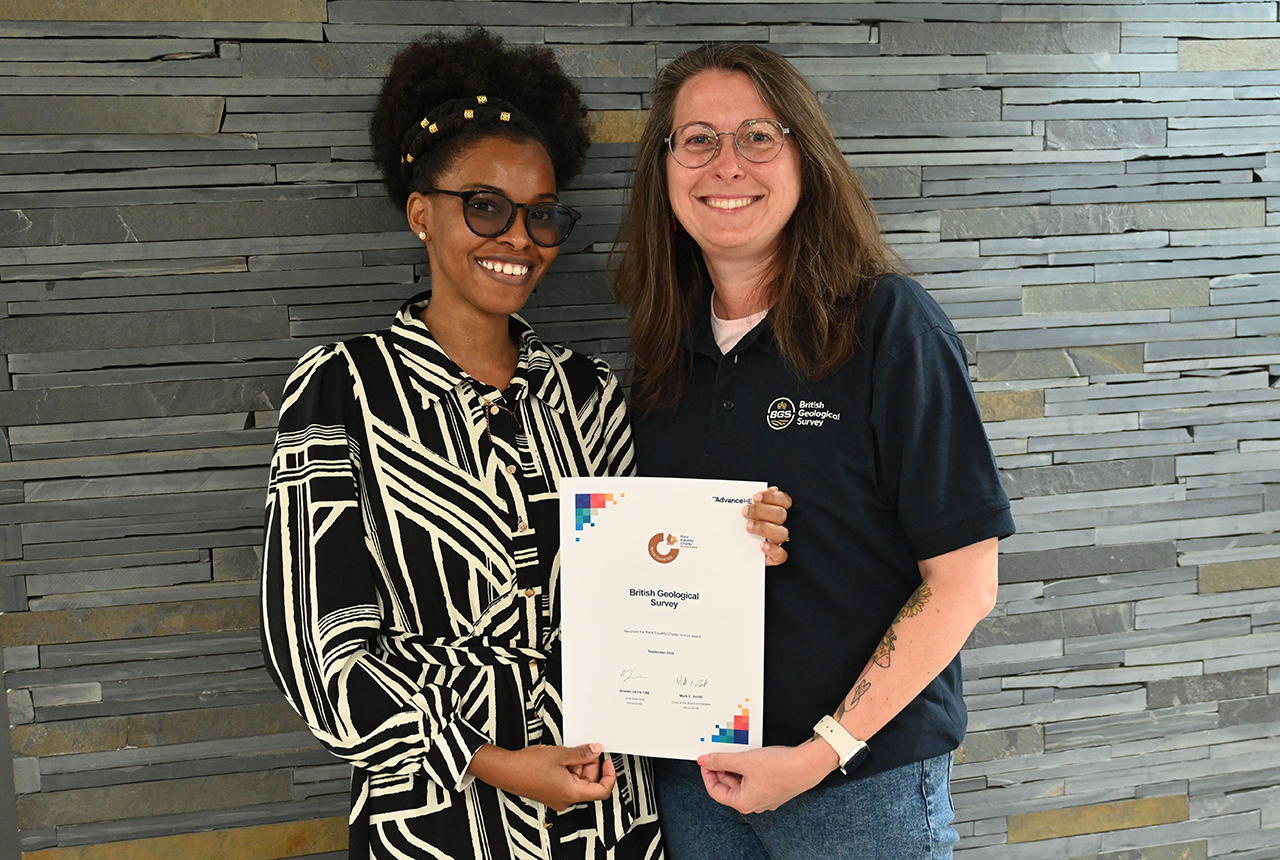
BGS one of the UK’s first specialist research institutes to receive Race Equality award
20/10/2026
BGS has secured Bronze accreditation under the Advance HE Race Equality Charter framework, recognising its commitment to identifying and addressing race equality issues in the geosciences.
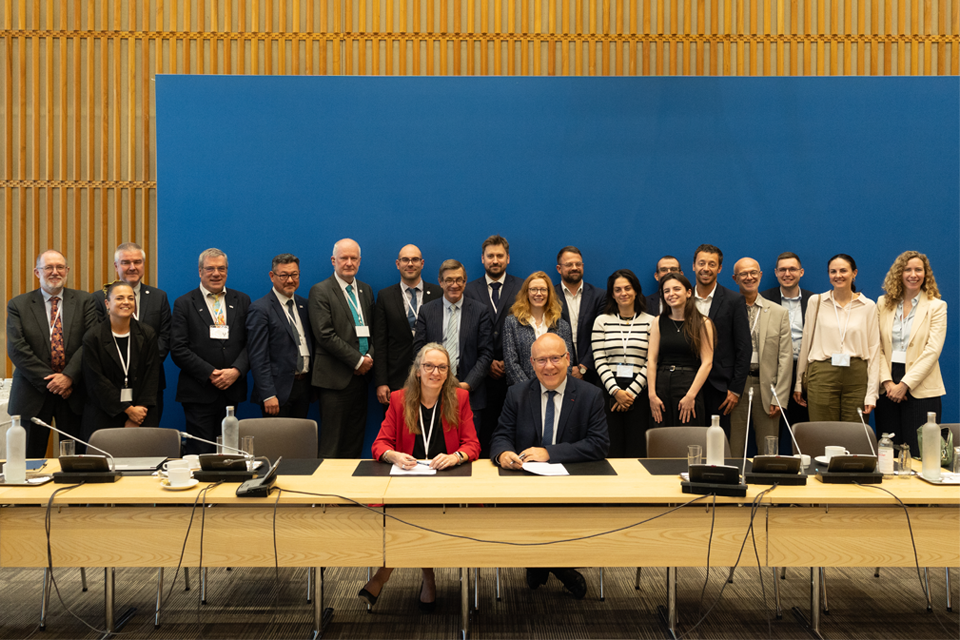
British and French geological surveys strengthen collaboration through new agreement
14/10/2026
Two of Europe’s leading geological surveys have signed a Memorandum of Understanding to strengthen collaboration on key geoscientific challenges.