

UK and Philippines scientists investigate natural hydrogen generation processes at atomic scale
BGS researchers were granted access to use the Diamond Light Source facility in order to study hydrogen in light brighter than the sun.
22/06/2026 By BGS Press

Natural hydrogen gas is generated through a range of geochemical and biochemical reactions within rock formations. It has recently gained significant attention as a potential clean energy source following discoveries of natural hydrogen accumulations and seeps in multiple parts of the world. Whilst hydrogen already has many real-world applications, including metal treatment, fertiliser production and chemical manufacturing, interest is increasingly being driven by the need for cleaner fuels as it does not produce carbon emissions when it is burned.
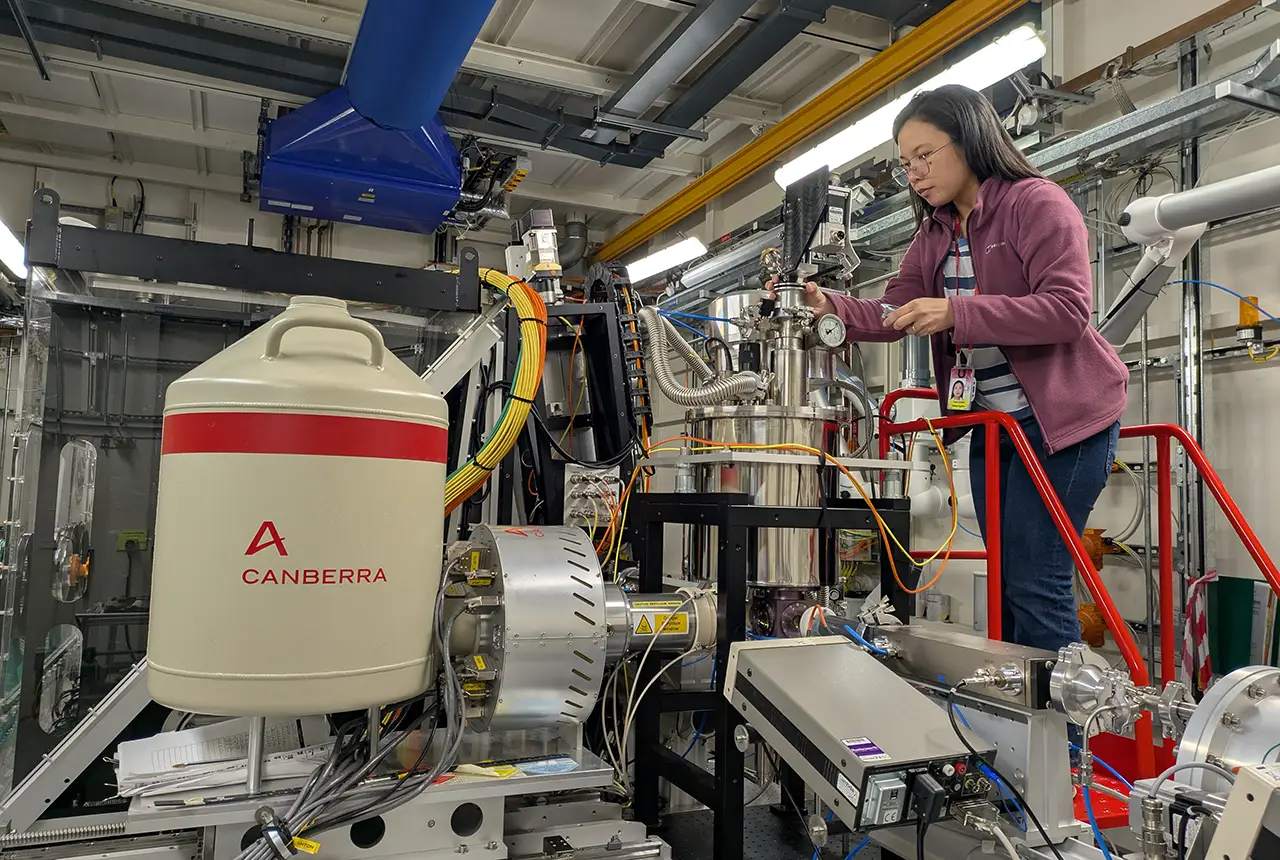
BGS experimental geochemist Dr Ruth Delina-Agillon sample loading in the I20 beamline at the Diamond Light Source facility. BGS © UKRI 2026.
There is still much that scientists need to understand about how natural hydrogen systems evolve over time, including the relationships between subsurface rocks and the minerals, fluids and microbes that determine the potential for generation, transport and accumulation at scales required for commercial applications.
To improve our understanding of this natural resource, BGS scientists have recently undertaken research on rock samples from a hydrogen-generating system using the Diamond Light Source facility in Harwell, UK. The Diamond Light Source is the UK’s national synchrotron science facility and is capable of generating very intense light that is 10 billion times brighter than the Sun. Such bright light, mainly in the form of X-rays, enabled BGS scientists and collaborators from the Philippine Nuclear Research Institute (PNRI) and the GFZ Helmholtz Centre for Geosciences to study hydrogen-generating processes down to the atomic scale.
The samples were collected from several areas within an ophiolite-hosted natural hydrogen system in Zambales, Philippines, as part of a project undertaken by PNRI scientists (Aquino et al., 2025). Surface-hydrogen flux measurements in bubbling springs and seeps from this area represent some of the highest natural fluxes reported in the world, pointing to a potentially significant hydrogen resource.

Using the unique capabilities at the Diamond Light Source has been a great opportunity to investigate the behaviour of key elements in hydrogen seep systems at an unprecedented level of detail. This is an important step towards understanding the drivers of natural hydrogen generation in ophiolitic environments, not only in the Philippines but worldwide, helping to identify where similar resources may occur and how they could be evaluated.
Dr Ruth Delina-Agillon, BGS experimental geochemist and principal investigator of the research conducted at the Diamond Light Source.
We anticipate that our new, atomic-scale data will provide a better understanding of the geochemical controls driving the hydrogen-generation process. The datasets are currently being analysed in detail ahead of publication. These findings will be relevant to other, geologically similar systems worldwide, supporting coordinated international efforts to identify and prioritise sites for data-driven exploration.
Acknowledgment
The Diamond Light Source is acknowledged for access to the I20 beamline under proposal 42859 and Dr Shusaku Hayama is thanked for assistance during the experiment.
The Diamond Light Source facility is funded by UK Research and Innovation through the Science and Technology Facilities Council and by the Wellcome Trust.
More information
Find out more about our natural hydrogen research on the BGS website.
Aquino, K A, Perez, A dC, Juego, C M J, Tagle, Y G M, Leong, J A M, and Codillo, E A. 2025. High hydrogen outgassing from an ophiolite-hosted seep in Zambales, Philippines. International Journal of Hydrogen Energy, Vil. 105, 360–366.
Relative topics
Related news

New project mapping UK Continental Shelf provides boost to offshore infrastructure and development
22/10/2026
BGS is leading a three-year project funded by The Crown Estate to develop a new suite of seabed geology datasets and reports, providing crucial information for offshore developers about the seabed around the UK.

Demand for data centres presents challenges and opportunities for UK critical mineral supply chains
02/09/2026
Government-backed research finds that vulnerabilities in raw material supply chains must be addressed to secure the critical minerals needed to expand the UK’s digital infrastructure and boost economic growth.

MaxStoreUK hydrogen geological storage policy roundtable
Event on 08/10/2026
Storage operators, regulators, licensor and Government stakeholders are invited to join our roundtable discussion of hydrogen geological storage policy.
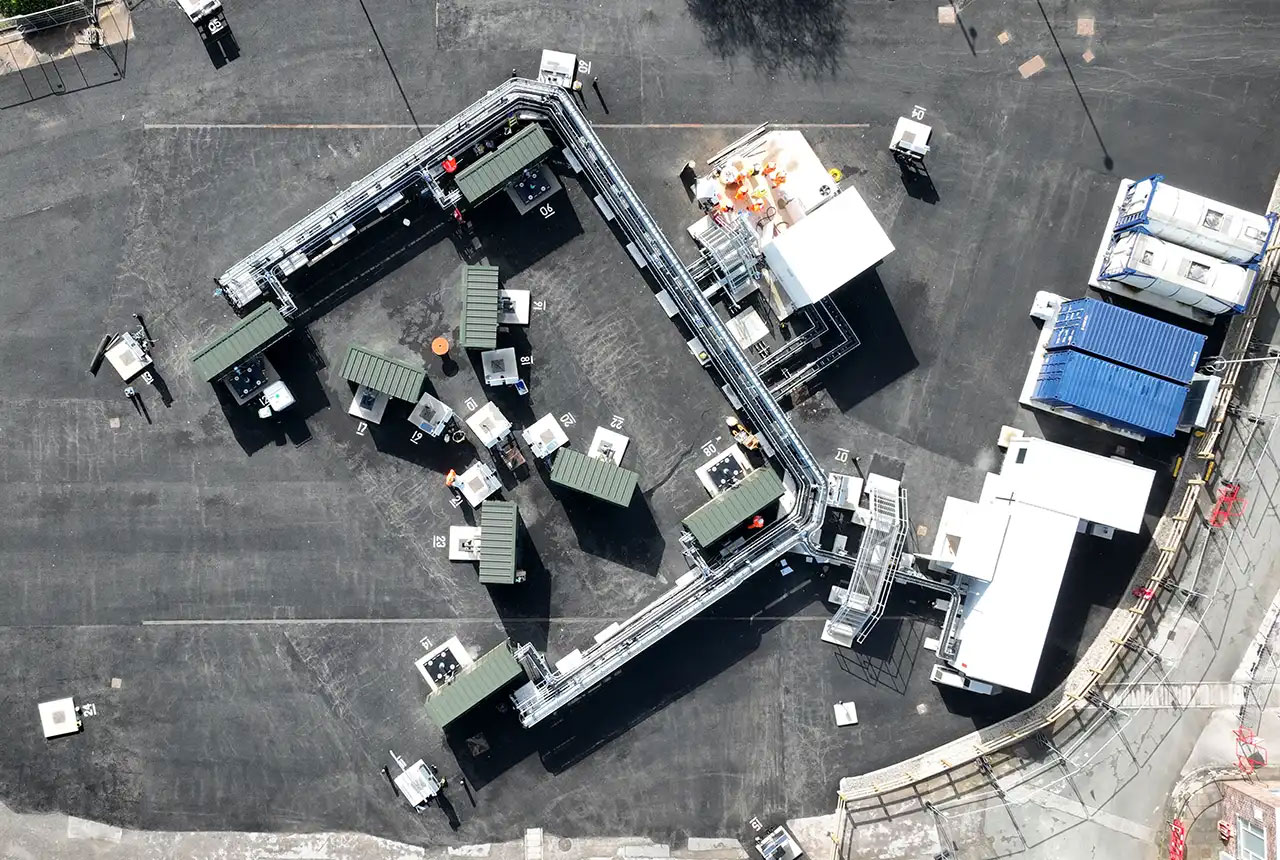
Cheshire Geoenergy Observatory releases key geological datasets for UK thermal energy storage scheme design
09/07/2026
A new report and data packs from BGS will provide a unique resource for scientists working on the geology and hydrogeology of the Sherwood Sandstone Formation, an important aquifer and reservoir rock.
UK and Philippines scientists investigate natural hydrogen generation processes at atomic scale
22/06/2026
BGS researchers were granted access to use the Diamond Light Source facility in order to study hydrogen in light brighter than the sun.
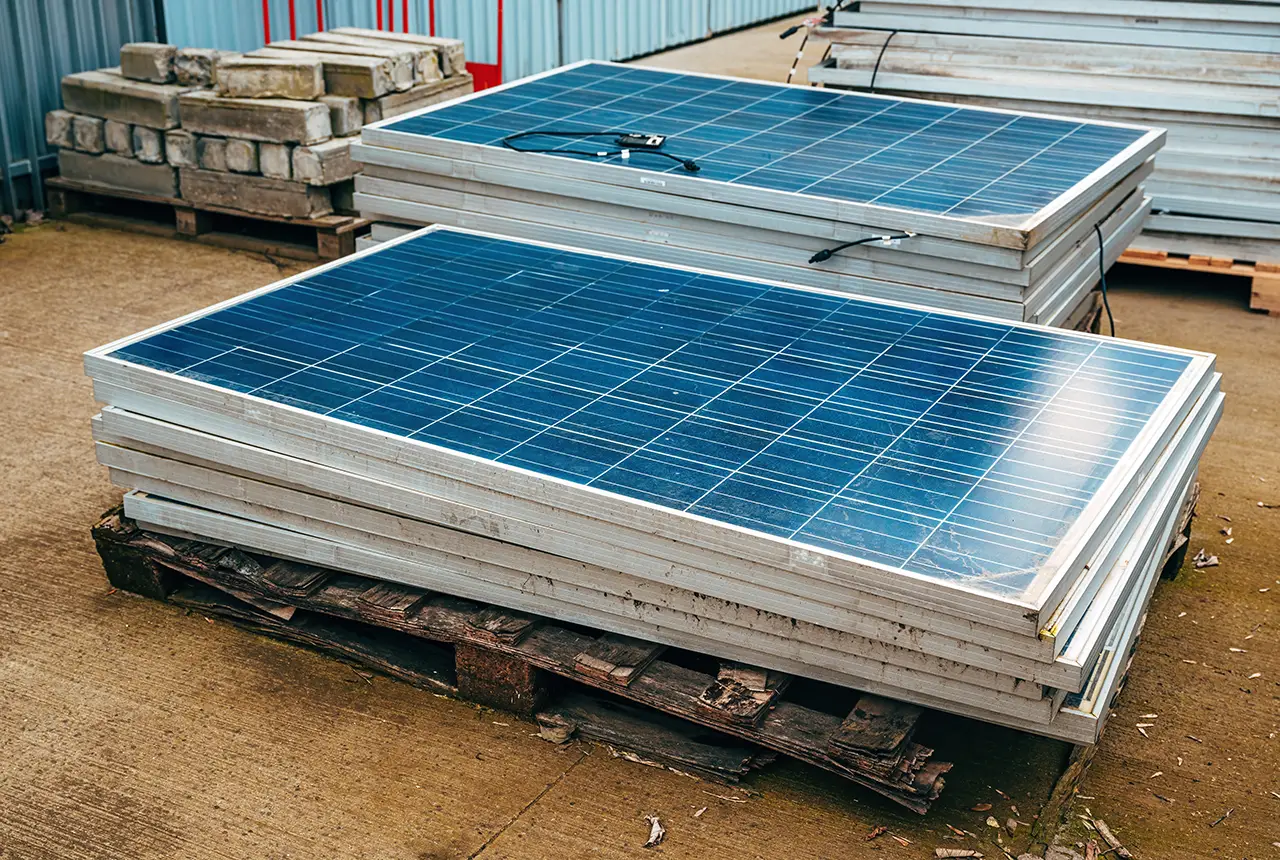
Shortage of end-of-life materials presents challenge to UK critical minerals security
17/06/2026
A new report by the UK Critical Minerals Intelligence Centre reveals insufficient end-of-life material stocks present a supply risk over the coming decade, but offer significant long-term potential to meet critical mineral demand through recycling.
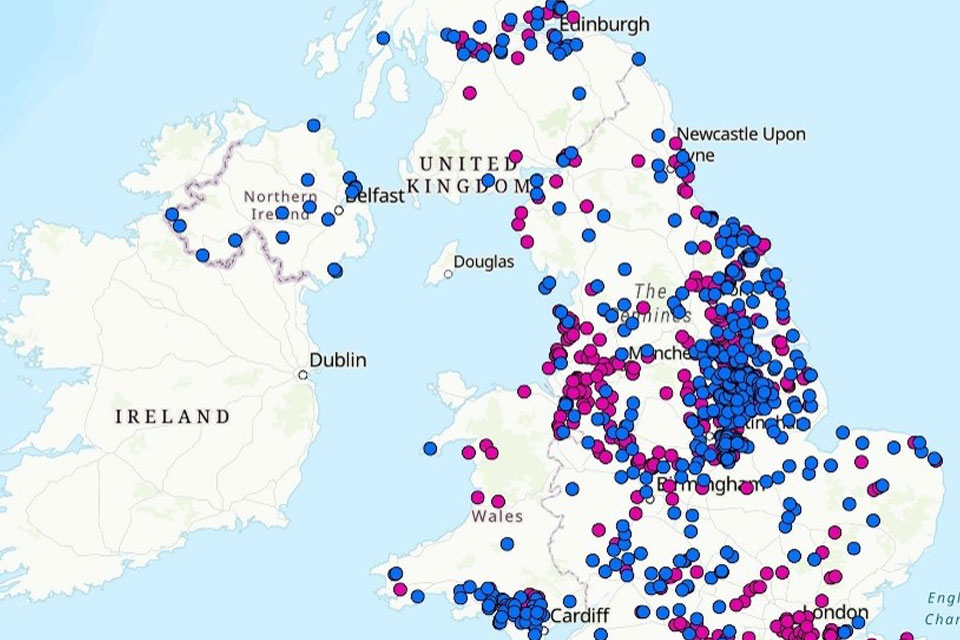
UK geothermal catalogue receives update
16/06/2026
BGS releases the second digital version of the UK geothermal catalogue of subsurface temperature and rock thermal conductivity measurements and heat flow calculations.
Natural hydrogen research
Understanding aspects of the natural hydrogen value chain on a national and international level.
Strengthening capacity through partnership: a critical minerals perspective
28/04/2026
BGS has been working in partnership with the Geological Survey Department of Zambia (GSD) to build national capacity, improve data accessibility and support long-term, sustainable development.
Updated geological assessment of the Southern North Sea set to underpin future offshore infrastructure development
25/03/2026
The first regional assessment for 30 years will support offshore marine and subsurface planning for the UK’s low-carbon energy infrastructure, including the 2030 target of 45 to 50 GW generated through offshore wind.

UK Critical Minerals Intelligence Centre 2026 showcase
Event on 31/03/2026
A special live webinar with the team from the Critical Minerals Intelligence Centre showcasing the latest research from 2026 on copper, the future of digital, and what’s next for the criticality assessment. A recording of the event is now available.
Can sandstones under the North Sea unlock the UK’s carbon storage potential?
02/02/2026
For the UK to reach its ambitious target of storing 170 million tonnes of carbon dioxide per year by 2050, it will need to look beyond the current well-studied geographical areas.