

Funding awarded to map the stocks and flows of technology metals in everyday electronic devices
A new BGS project has been awarded Circular Electricals funding from Material Focus to investigate the use of technology metals in everyday electrical items.
12/02/2026 By BGS Press

E-waste is the fastest-growing waste stream in the world. The UK disposes of more than 100 000 tonnes of electrical goods every year and has over 800 million unused, unwanted and discarded electricals stashed away in homes. These electricals contain technology metals, such as lithium and the ‘rare earth elements’ (REEs), and precious metals, including gold, that are currently thrown away but, according to Material Focus’s research, are estimated to be worth a staggering £1 billion.
Significant carbon savings can be achieved by recycling electric motors and batteries from small appliances and other waste electrical and electronic equipment (WEEE). Recovery of REEs and other technology metals plays a key role in improving the security of supply and significantly reducing the environmental effects of primary production.
Currently, there is limited data on where these metals are disposed of and recycled; however, over the next year, BGS’s ‘Mapping technology metals in electricals’ project will generate new data that will reveal the amount of potentially recoverable technology metals in WEEE products, including everyday items such as cordless vacuum cleaners, e-bikes and e-scooters. The analysis will focus on two key components found in these electronic devices: the battery and the motor.
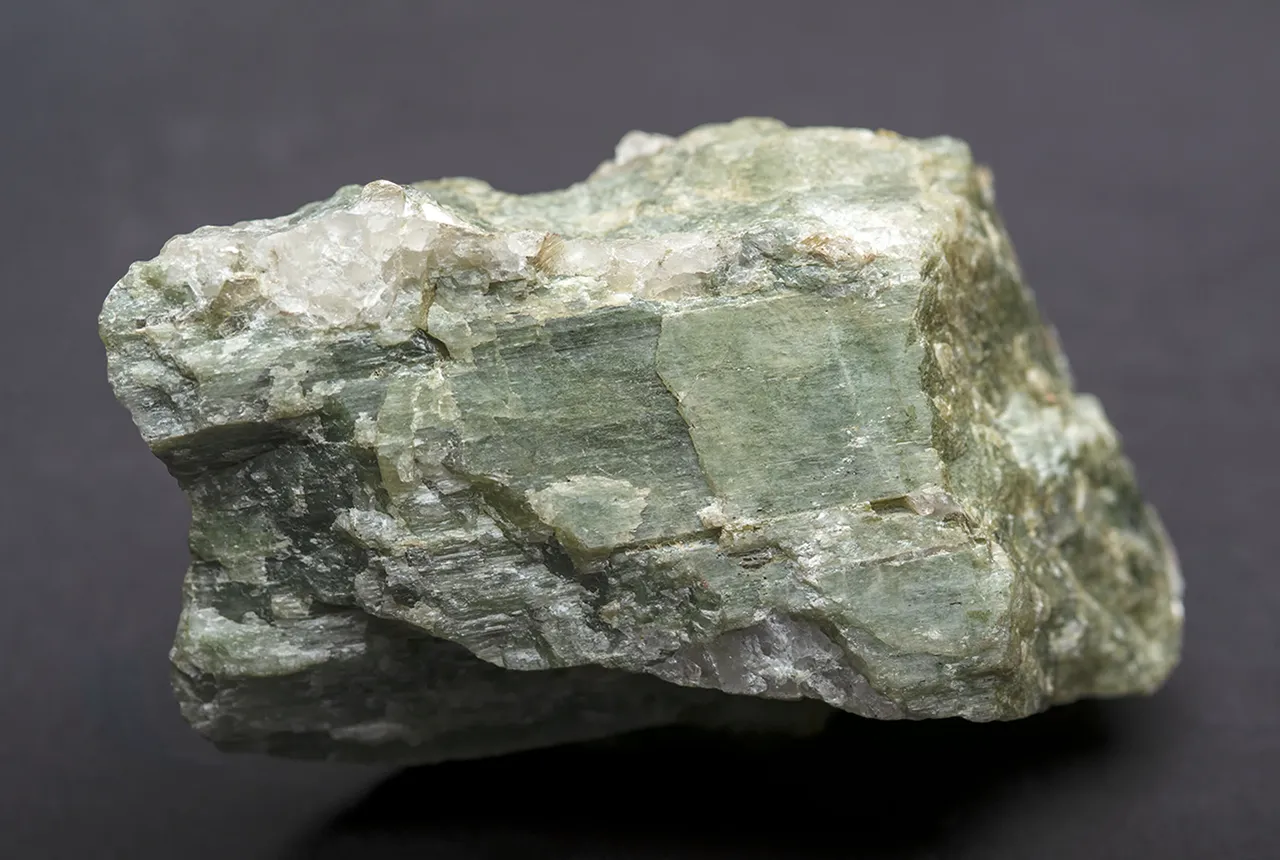
Spodumene: an important source of lithium. BGS © UKRI.
The project will undertake detailed modelling to quantify the amount of technology metals commonly found in electrical items, therefore highlighting the potential for recovering them. For example, neodymium, a REE found in the magnets used in motors, and lithium, which is used in batteries, are both found in everyday electrical items such as e-scooters and vacuum cleaners. Data produced from this project can be used to inform business models and support investment decisions for expanding UK capabilities to recover the value of technology metals in WEEE products.

Although there is some brilliant innovation already happening, many new products still aren’t designed to be easily re-used, recycled or repaired, and we lack the systems to recover all the valuable materials inside them.
We are delighted to be announcing the first of the recipients of our new £1 million Circular Electricals Fund, which will help drive innovation and support the development of a more circular electricals system in the UK. These ambitious projects aim to reduce the environmental impact of electricals by improving product design and resource efficiency, and encouraging collaboration.
Scott Butler, executive director, Material Focus.
We are delighted to have been awarded Material Focus funding to investigate the use of technology metals in everyday electrical items across their whole life, from first manufacture, through use and final disposal. We hope the outputs from this work will lead to the development of new circular business models and create commercial opportunities for recovering these valuable metals from end-of-life electrical items.
Richard Shaw, senior mineral commodity geologist, BGS.
Once complete, the report will be publicly available through the UK Technology Metals Observatory and the Natural Environmental Open Research Archive.
Material Focus is a not-for-profit organisation whose goal is to stop the nation throwing away or hoarding all their old small electricals. Material Focus is delivering the UK-wide Recycle Your Electricals campaign. The campaign is revealing the value hidden in electricals and is making it easier for us all to recycle and re-use the small electricals we no longer need by providing more recycling points, as well as providing practical information on how households can recycle.
The campaign is funded by producers of electrical appliances. The UK Government sets annual targets for the recycling of all waste electricals, including small electricals. If producers of electrical appliances don’t meet this target, then they contribute towards the WEEE Fund, which pays for a range of activities, including communications, behaviour change activities, increased recycling projects and research. Ultimately, the aim is to support actions that will help the UK increase the levels of re-use and recycling of waste electricals.
Relative topics
Related news

Demand for data centres presents challenges and opportunities for UK critical mineral supply chains
02/09/2026
Government-backed research finds that vulnerabilities in raw material supply chains must be addressed to secure the critical minerals needed to expand the UK’s digital infrastructure and boost economic growth.
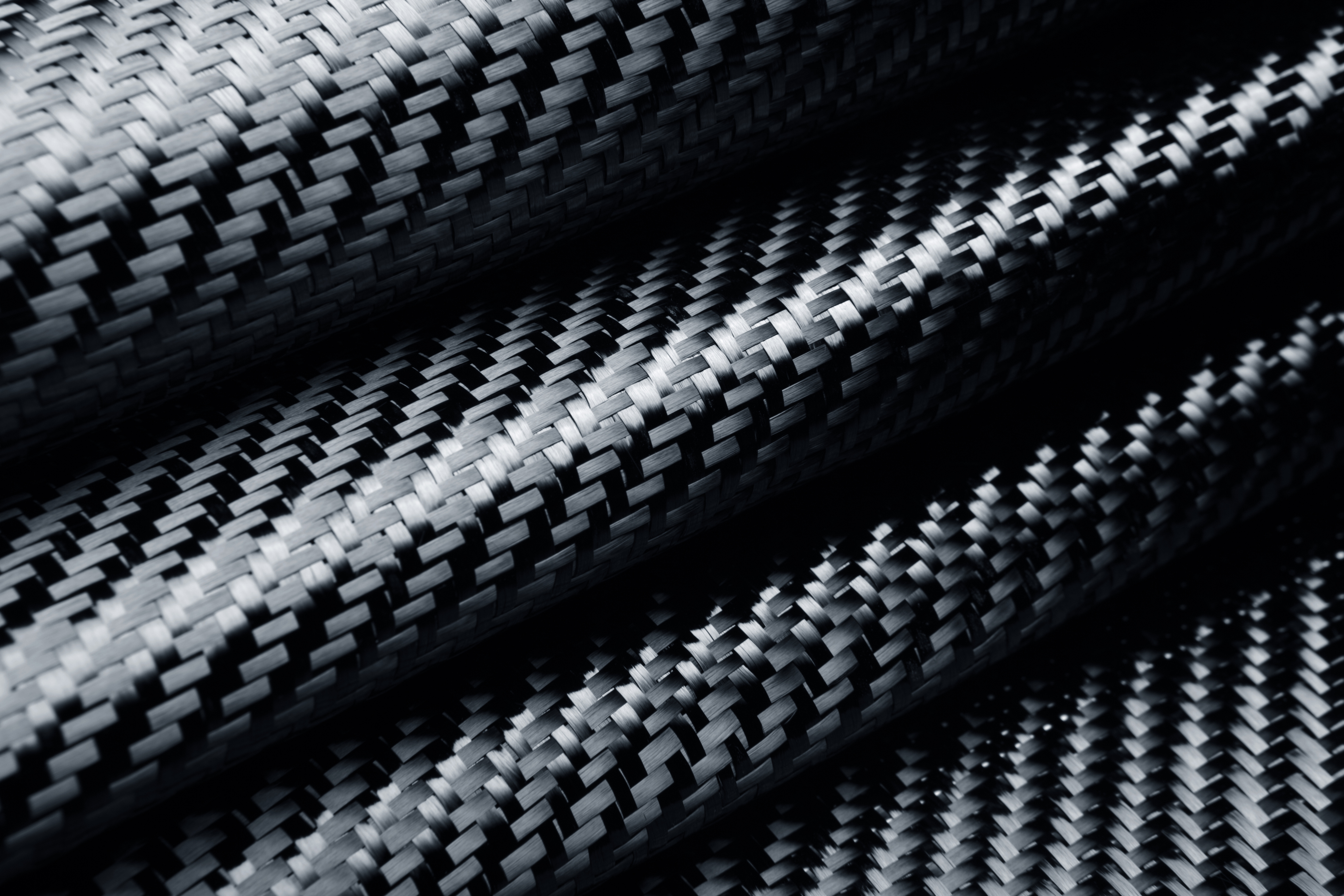
Measuring the environmental impacts of carbon fibre: life cycle assessment
01/09/2026
Undergraduate student Phoebe Brown visited BGS to understand the life cycle of carbon fibre, from primary production to recycling.
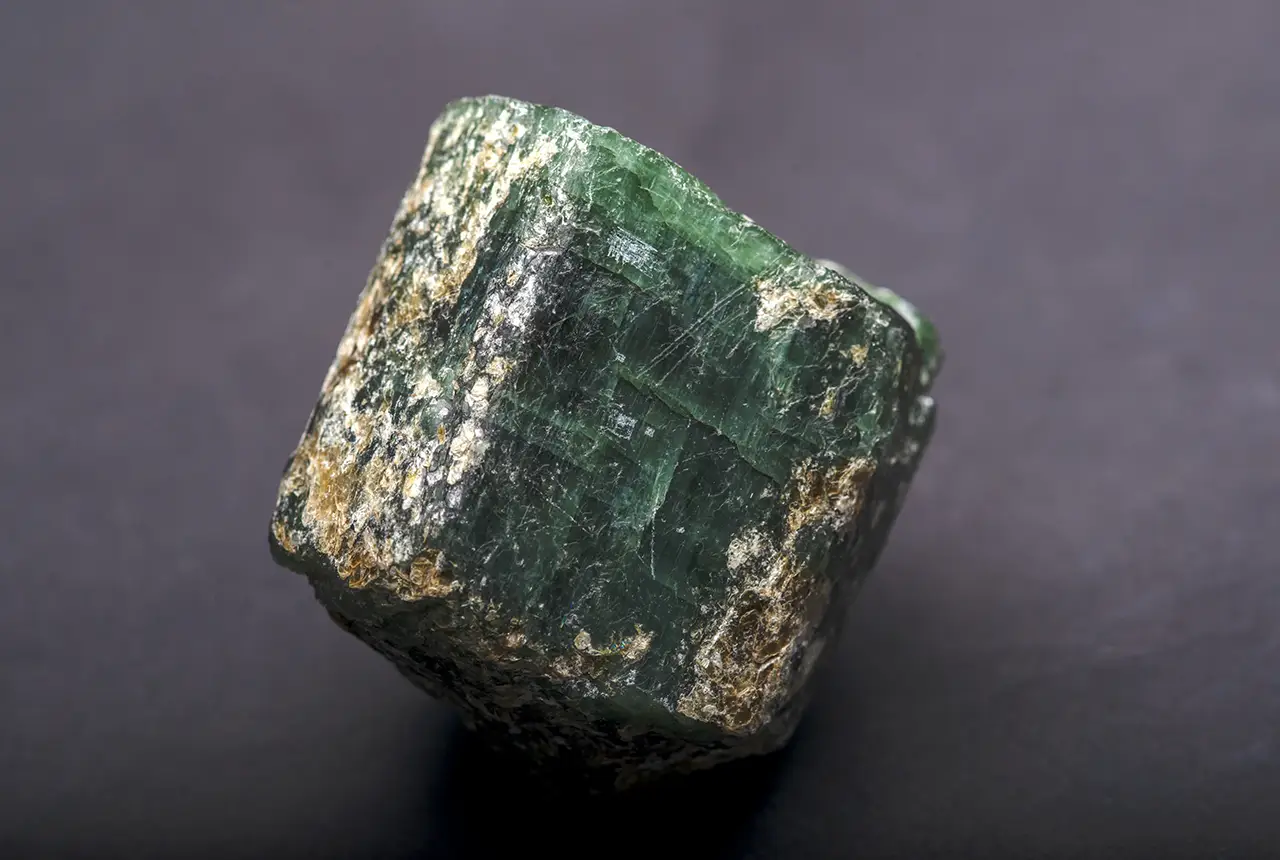
UK Critical Minerals Intelligence Centre makes recommendations for the next UK criticality assessment
01/07/2026
CMIC has outlined the enhancements made to the next assessment update to ensure it is better tailored to the structure of the UK economy.
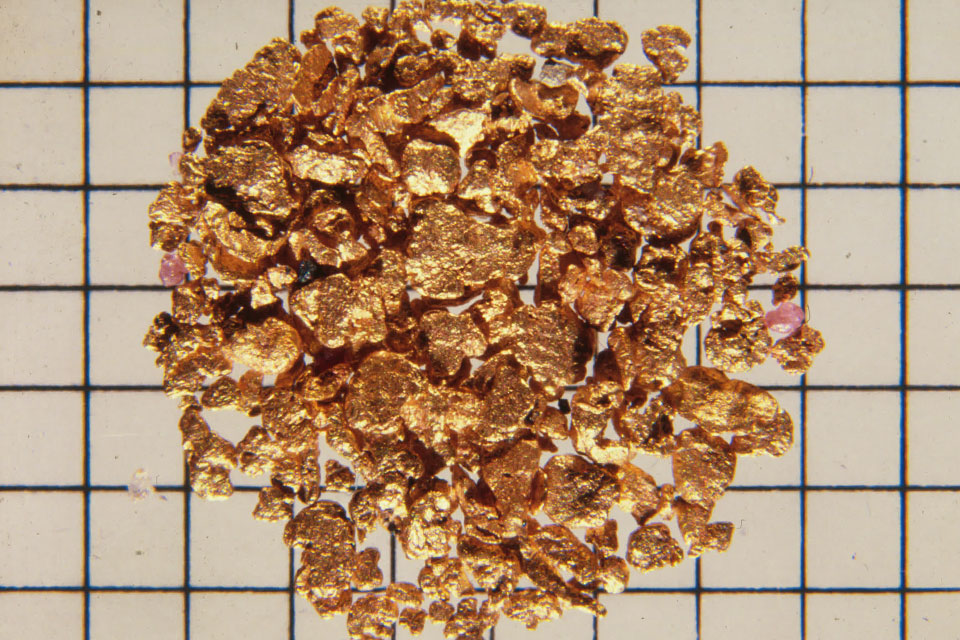
From archive to discovery: historical mineral reports support gold exploration in Scotland
25/06/2026
Digitised geological records show potential to unlock untapped mineral resources in Ardlochan, Argyllshire.
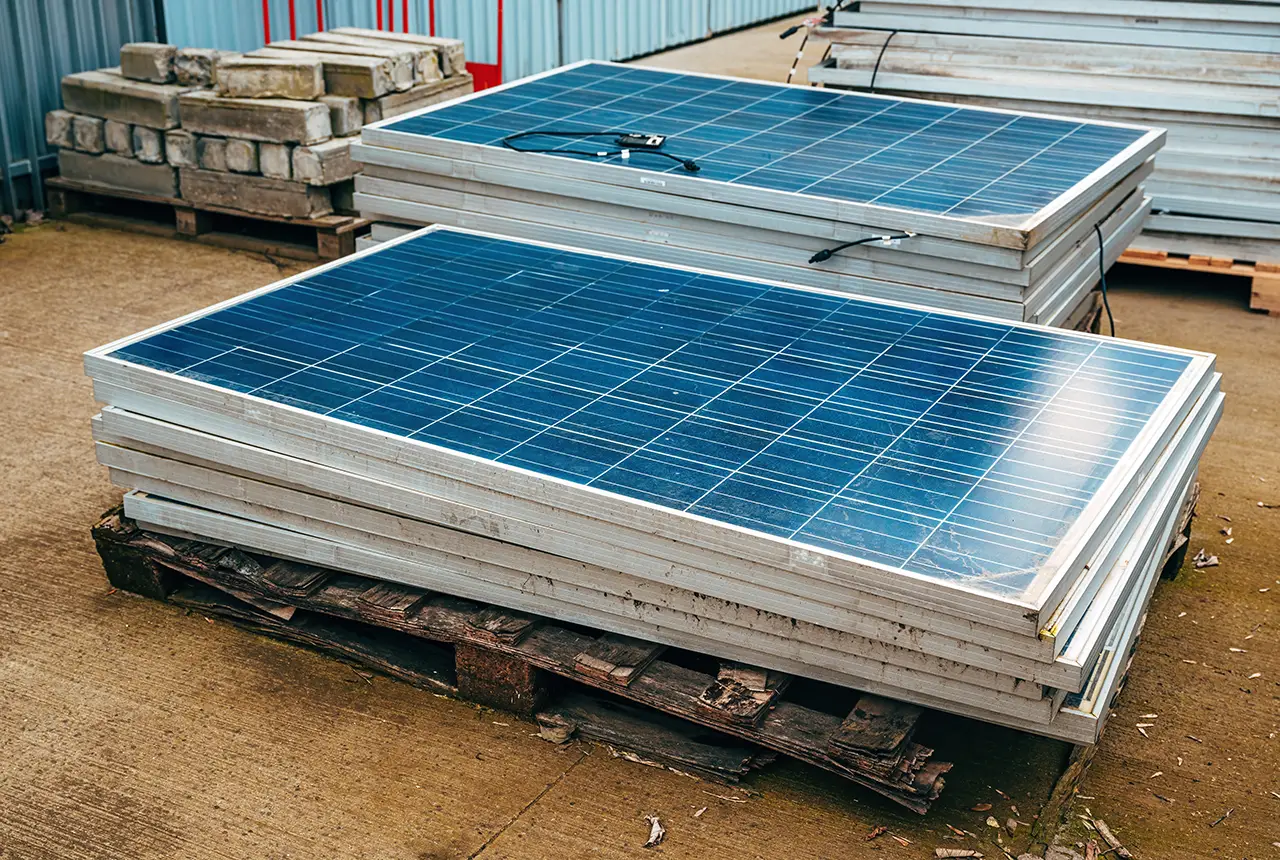
Shortage of end-of-life materials presents challenge to UK critical minerals security
17/06/2026
A new report by the UK Critical Minerals Intelligence Centre reveals insufficient end-of-life material stocks present a supply risk over the coming decade, but offer significant long-term potential to meet critical mineral demand through recycling.
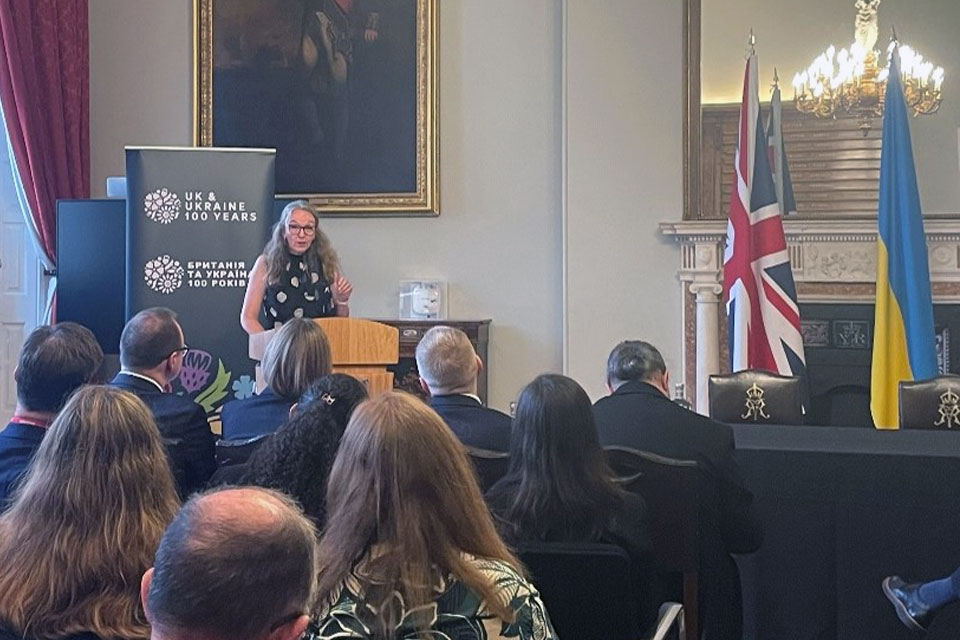
Ukraine and the UK strengthen their commitment to geological cooperation
10/06/2026
A new Memorandum of Understanding reaffirms the UK’s support of Ukraine’s ambitions to develop its critical mineral resources, paving the way for collaboration through capacity-building programmes.
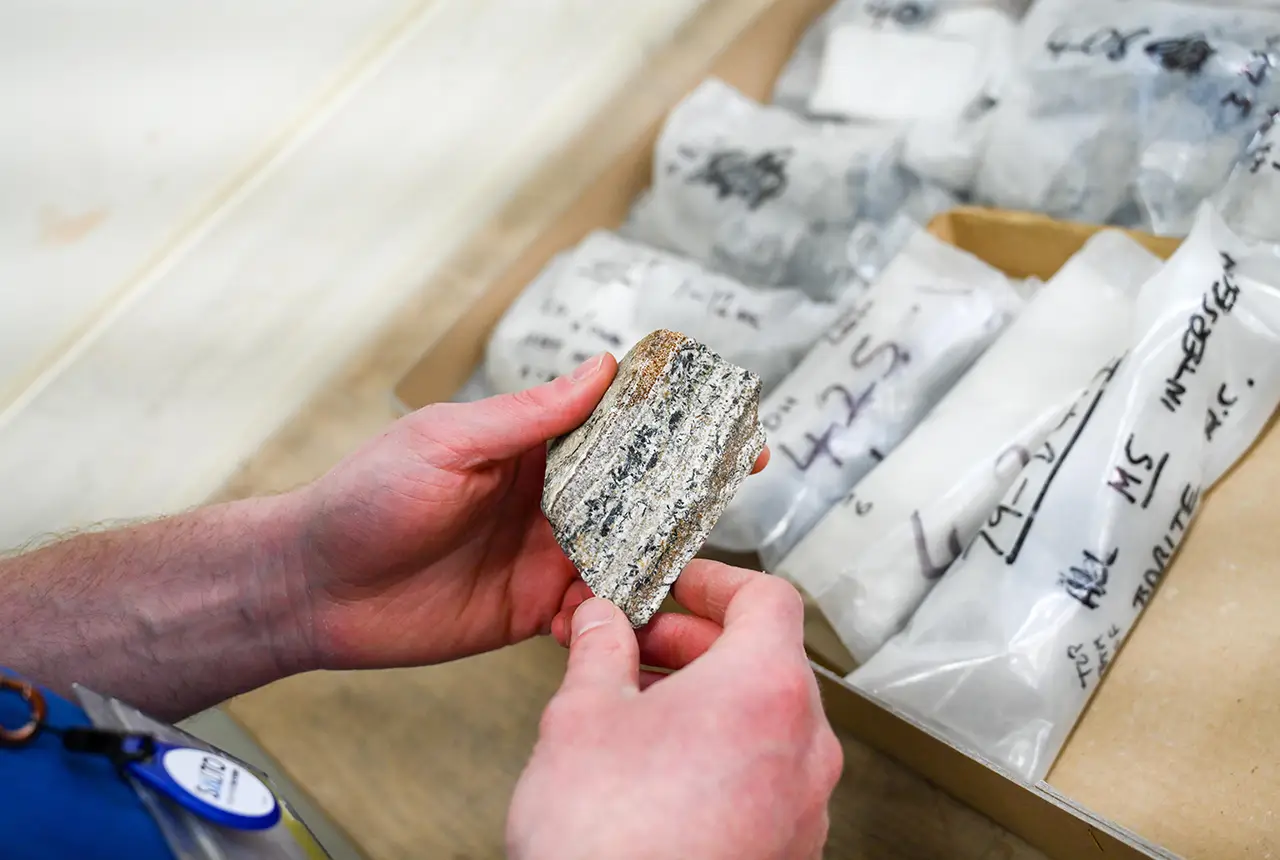
Newly released core could hold clues on potential mineral prospectivity in Perthshire
05/06/2026
A comprehensive collection of geological samples from the vicinity of a former mine in Scotland is now available to scientists for further research.

Extractive Industry Geology (EIG) Conference 2026
Event from 08/09/2026 to 11/09/2026
University of Liverpool
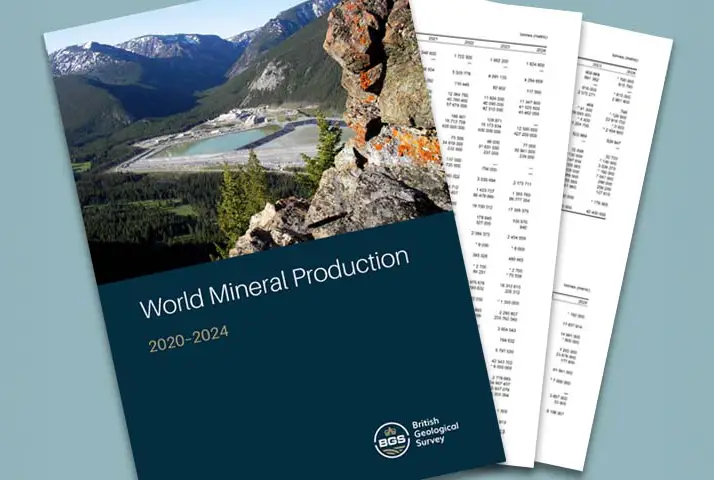
Latest data on world mineral production now available
25/05/2026
BGS has released the updated statistics on the global production of over 70 commodities between 2020 and 2024.
Strengthening capacity through partnership: a critical minerals perspective
28/04/2026
BGS has been working in partnership with the Geological Survey Department of Zambia (GSD) to build national capacity, improve data accessibility and support long-term, sustainable development.
UK Minerals Yearbook 2025 now available
21/04/2026
The annual publication provides essential information about the production, consumption and trade of UK minerals up to 2025.
UK Critical Minerals Intelligence Centre 2026 showcase
Event on 31/03/2026
A special live webinar with the team from the Critical Minerals Intelligence Centre showcasing the latest research from 2026 on copper, the future of digital, and what’s next for the criticality assessment. A recording of the event is now available.