

BGS and artificial intelligence
Throughout our history, we have been at the forefront of applying emerging technology to earth science to further understanding and to facilitate new ways of working. Artificial Intelligence (AI) provides the latest such technology to advance the value of geological data for the betterment of society. AI is revolutionising how we share and process information and will disrupt how research is undertaken, both because of its capabilities and due to the sheer pace and scale of change. BGS’s unique assets are our scientists’ understanding of geological processes and their impacts, and our authoritative, high-quality data.
Mission: use the power of AI to better deliver more science
To continue to deliver high-quality science, BGS must maximise the opportunities and efficiencies from using AI while always maintaining our scientific integrity and stakeholders’ trust in our data and insight.
We will do this by ensuring that our science will:
- be reproducible with open, FAIR and reliable data that is traceable to its source;
- use predominantly open-source software; and
- be conducted within a solid, ethical framework.
The vision for AI at BGS
By 2035, BGS will be a centre of excellence for applying AI to earth and environmental science data, backed up by robust digital technologies. BGS will be re-imagined with wholly digital data workflows, rapid computation and new capabilities to develop understanding of Earth processes – all enabled by AI. We will build strong partnerships across the environmental sciences, international geological surveys, and computing and AI partner institutes.
Related news
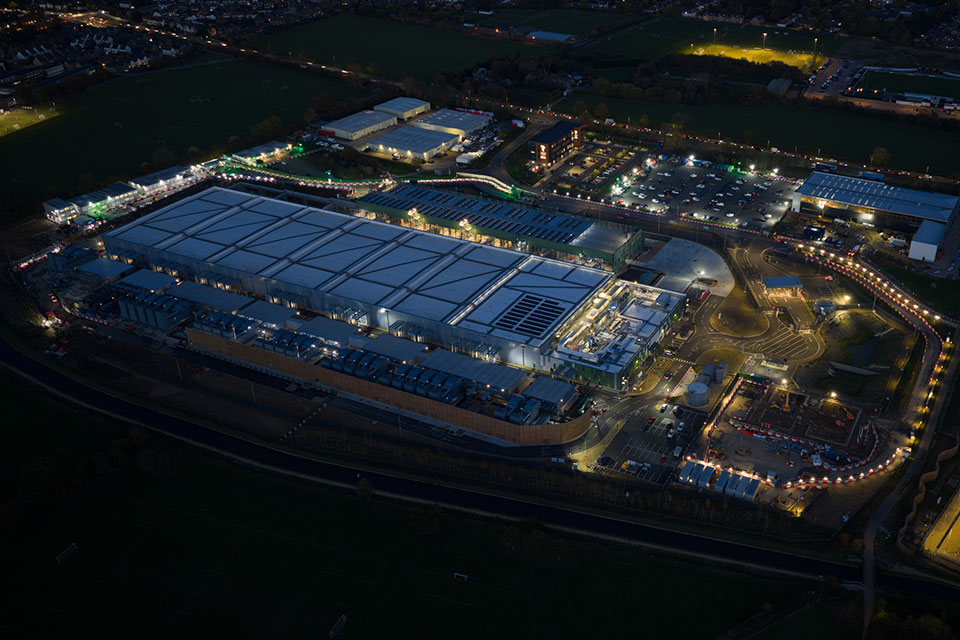
Demand for data centres presents challenges and opportunities for UK critical mineral supply chains
02/09/2026
Government-backed research finds that vulnerabilities in raw material supply chains must be addressed to secure the critical minerals needed to expand the UK’s digital infrastructure and boost economic growth.

New geological mapping underway to help manage flooding along the River Tweed
08/07/2026
Scientists are surveying the Tweed catchment for the first time in over 100 years to enhance understanding of localised groundwater and improve flood forecasting.

New research shows artificial intelligence earthquake tools forecast aftershock risk in seconds
25/11/2025
Researchers from BGS and the universities of Edinburgh and Padua created the forecasting tools, which were trained on real earthquakes around the world.
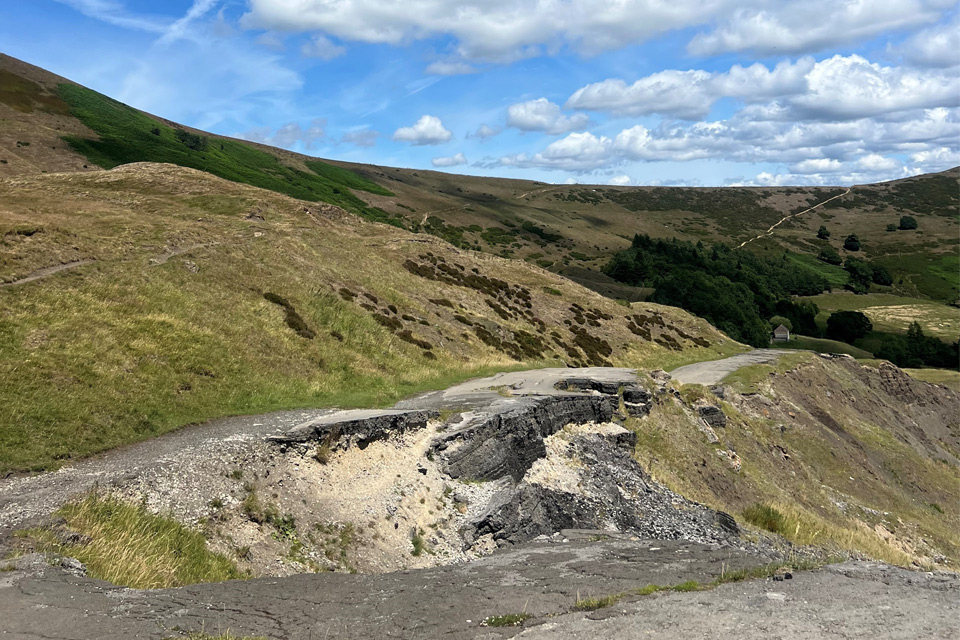
Artificial intelligence helps scientists identify 3000 moving slopes potentially at risk of landslide
25/09/2025
A new approach that combines AI and satellite data has been used by scientists to detect actively moving landslides at a national scale.
AI and Earth observation: BGS visits the European Space Agency
02/07/2025
The newest artificial intelligence for earth science: how ESA and NASA are using AI to understand our planet.
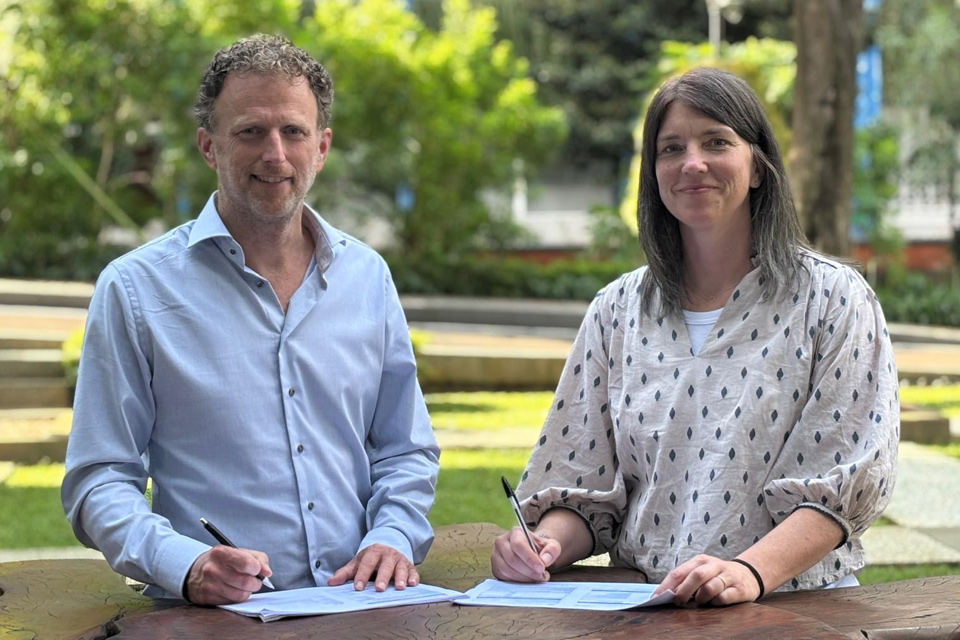
New collaboration aims to improve availability of real-time hazard impact data
19/06/2025
BGS has signed a memorandum of understanding with FloodTags to collaborate on the use of large language models to improve real-time monitoring of geological hazards and their impacts.
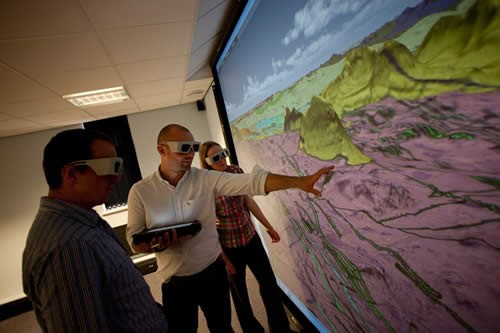
Celebrating 20 years of virtual reality innovation at BGS
08/04/2025
Twenty years after its installation, BGS Visualisation Systems lead Bruce Napier reflects on our cutting-edge virtual reality suite and looks forward to new possibilities.
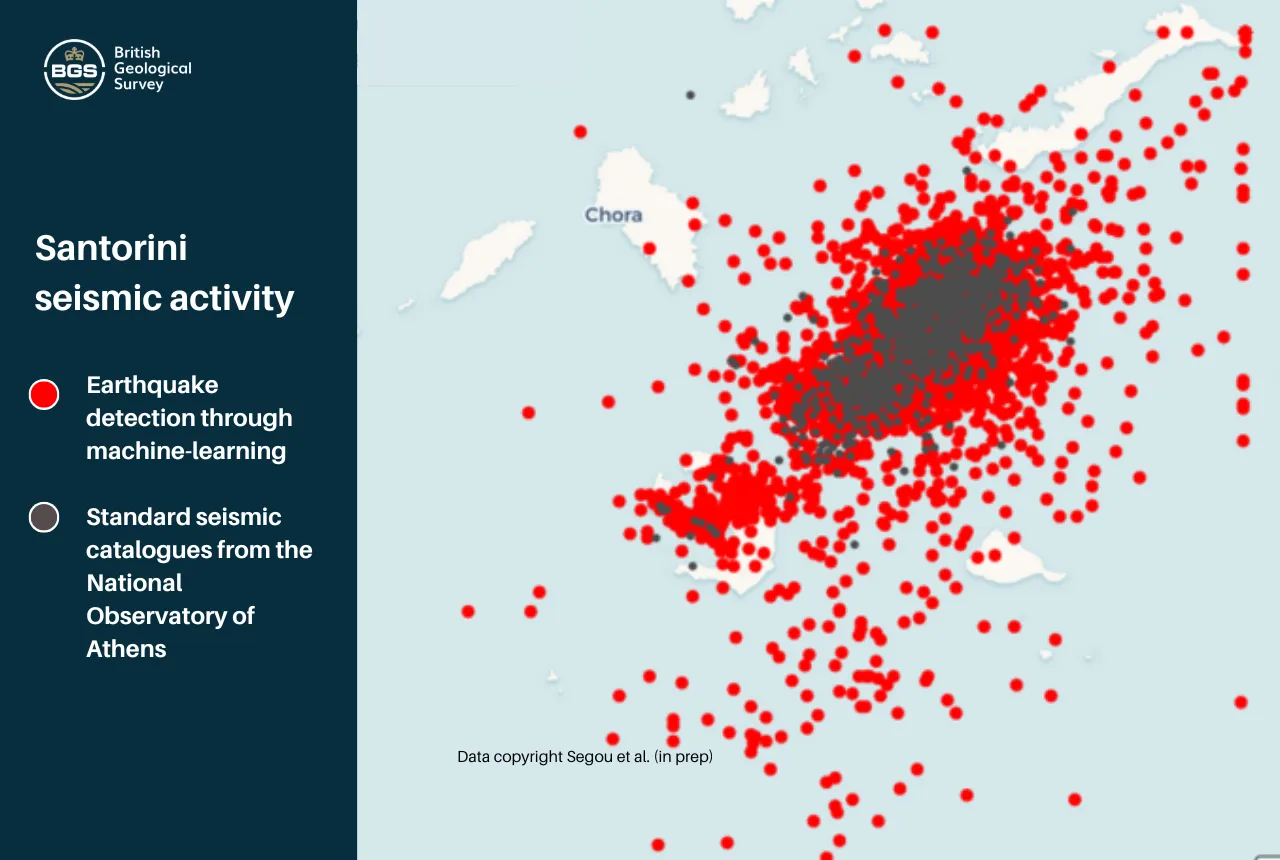
Artificial intelligence is proving a game changer in tracking the Santorini earthquake swarm
07/02/2025
Scientists are harnessing the power of machine learning to help residents and tourists by detecting thousands of seismic events.
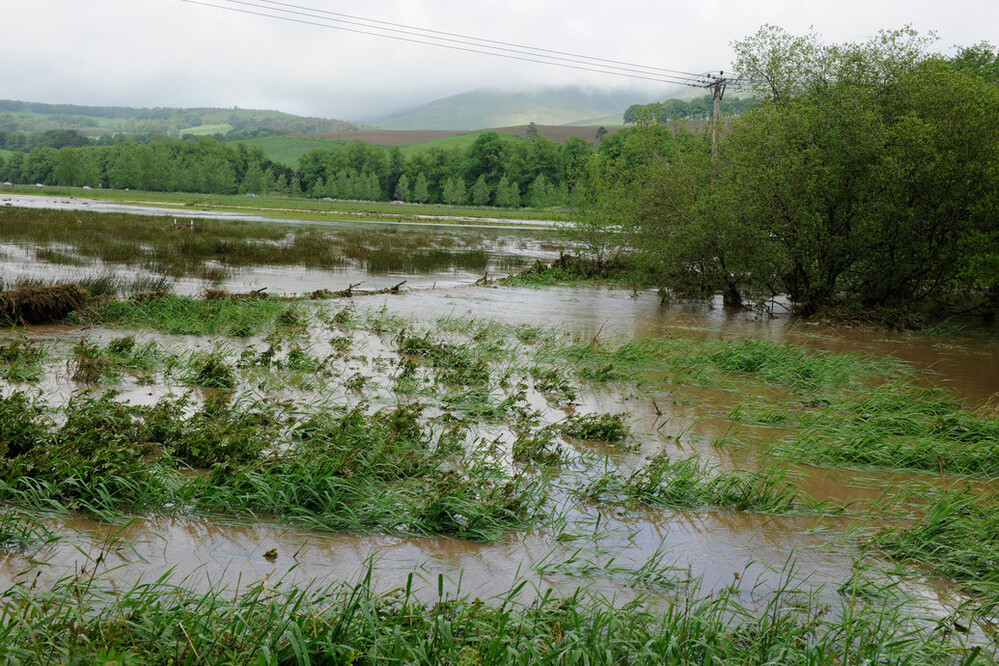
New £38 million project to reduce the impact of floods and droughts
02/09/2024
BGS will take a leading role in efforts to better predict the location and effects of extreme weather events.
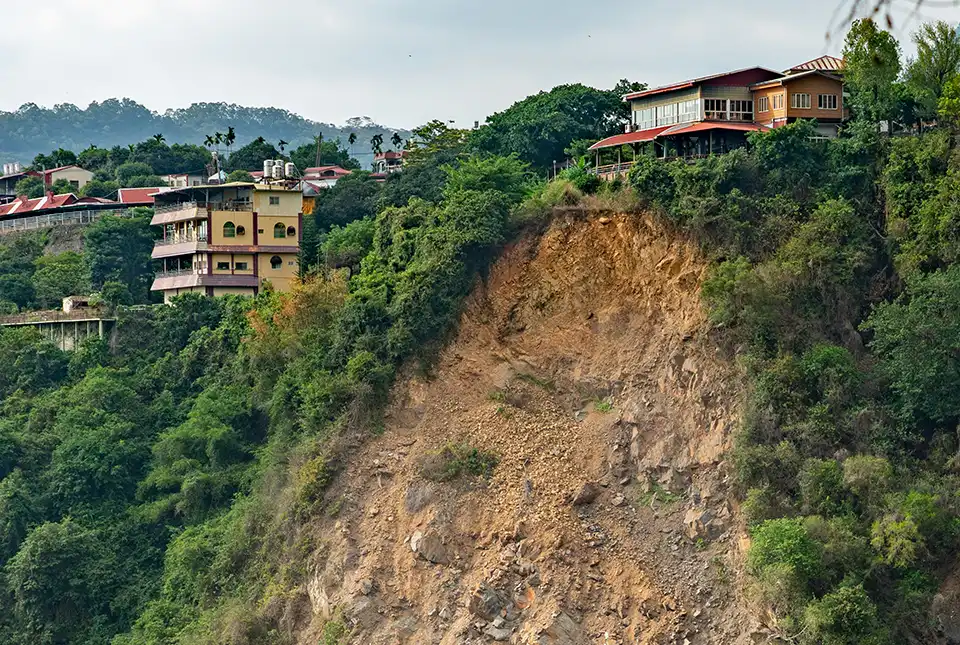
Studying multi-hazards from space
25/07/2024
A new European Space Agency-funded project will study the effect earthquakes have on occurrences of other natural hazards in the long-term.
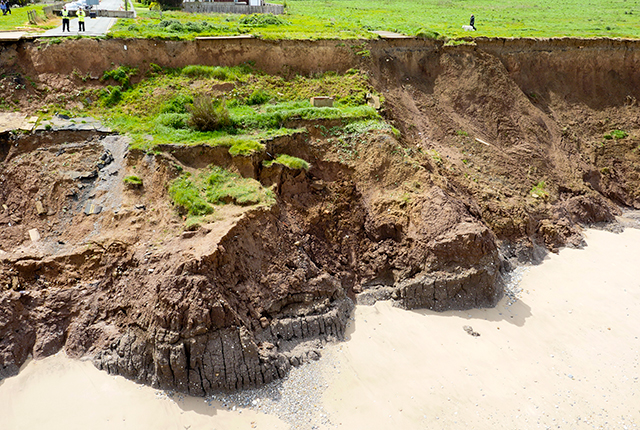
Citizen science: become part of a real-time Global Landslide Detector
29/08/2022
BGS and partners are trialling a new social media tool that detects worldwide landslides in real time.
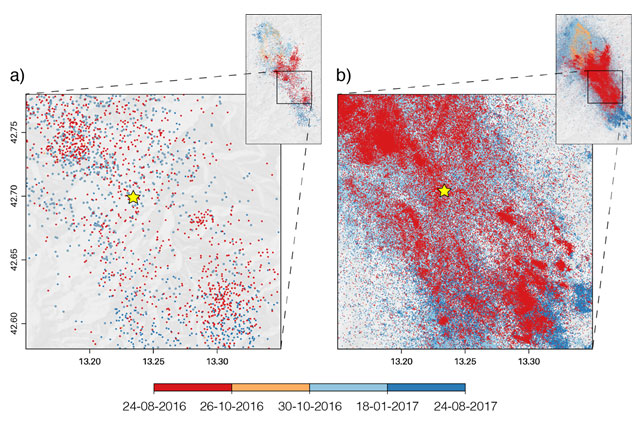
The future of earthquake forecasting
10/08/2021
Machine-learning illuminates earthquake activity with unprecedented detail, leading to improved earthquake forecasts.
You may also be interested in
Our data and services
The BGS offers a range of services and information for businesses, home-owners, policymakers and the general public.