

Latest
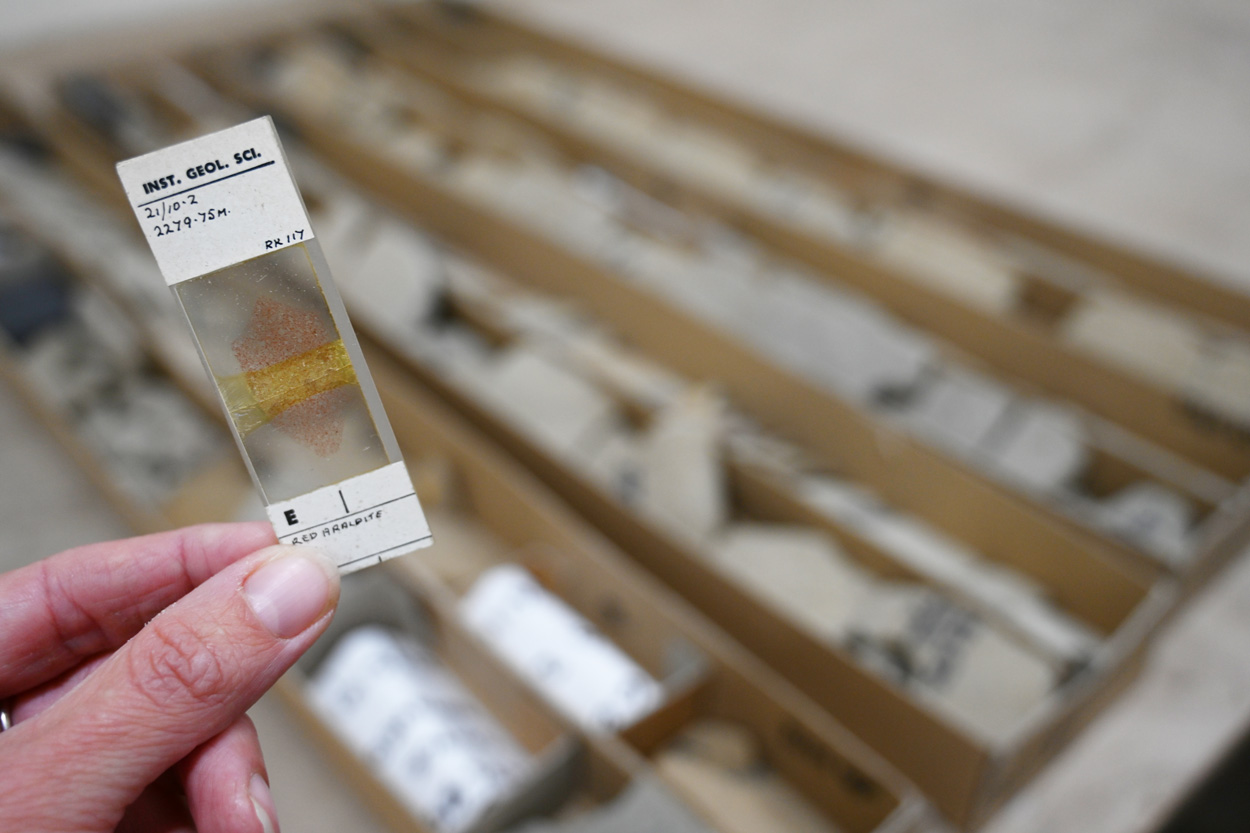
Forties at 56: the North Sea discovery that’s informing the energy transition five decades later
26/10/2026
Geological samples recovered from the UK’s first giant oil field in the 1970s continue to inform industry and researchers aiming to support the UK’s energy security needs.

New project mapping UK Continental Shelf provides boost to offshore infrastructure and development
22/10/2026
BGS is leading a three-year project funded by The Crown Estate to develop a new suite of seabed geology datasets and reports, providing crucial information for offshore developers about the seabed around the UK.
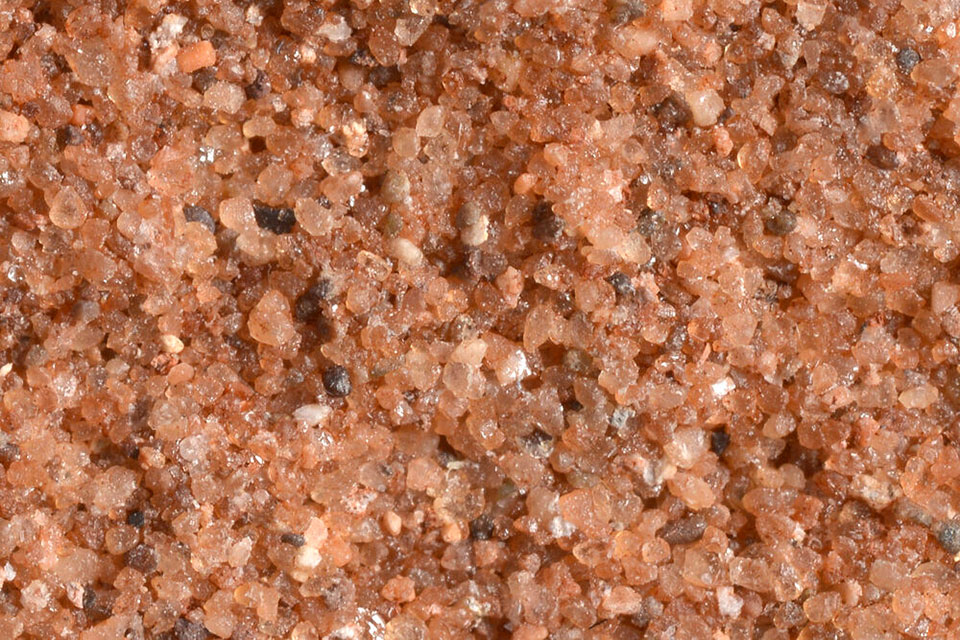
Improving bioaccessibility testing for contaminated soils
15/10/2026
BGS has been trialling a novel bioaccessibility tracing technique to ascertain if it offers more analytical precision over traditional methods of detecting chemicals in contaminated soils.
Explore more news
Browse all news and events by category
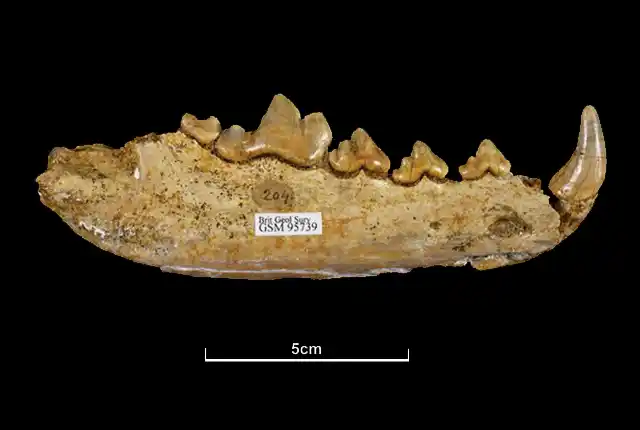
Hungry like a wolf: new insights from old bones housed in the BGS museum collections
18/01/2024
BGS scientists are studying the diets of ancient British wolves and how they adapted to changing environments.
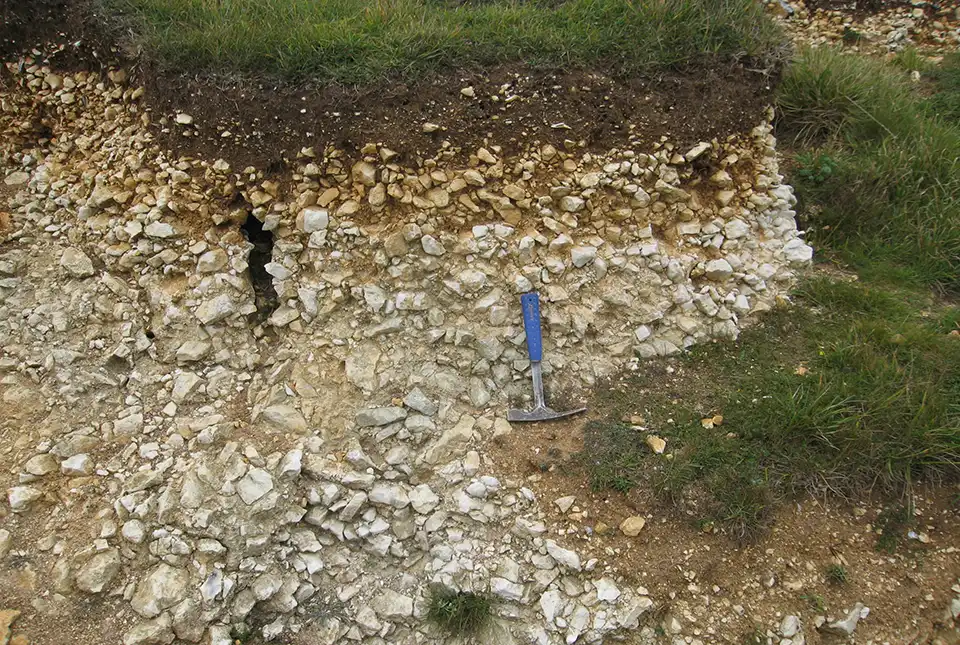
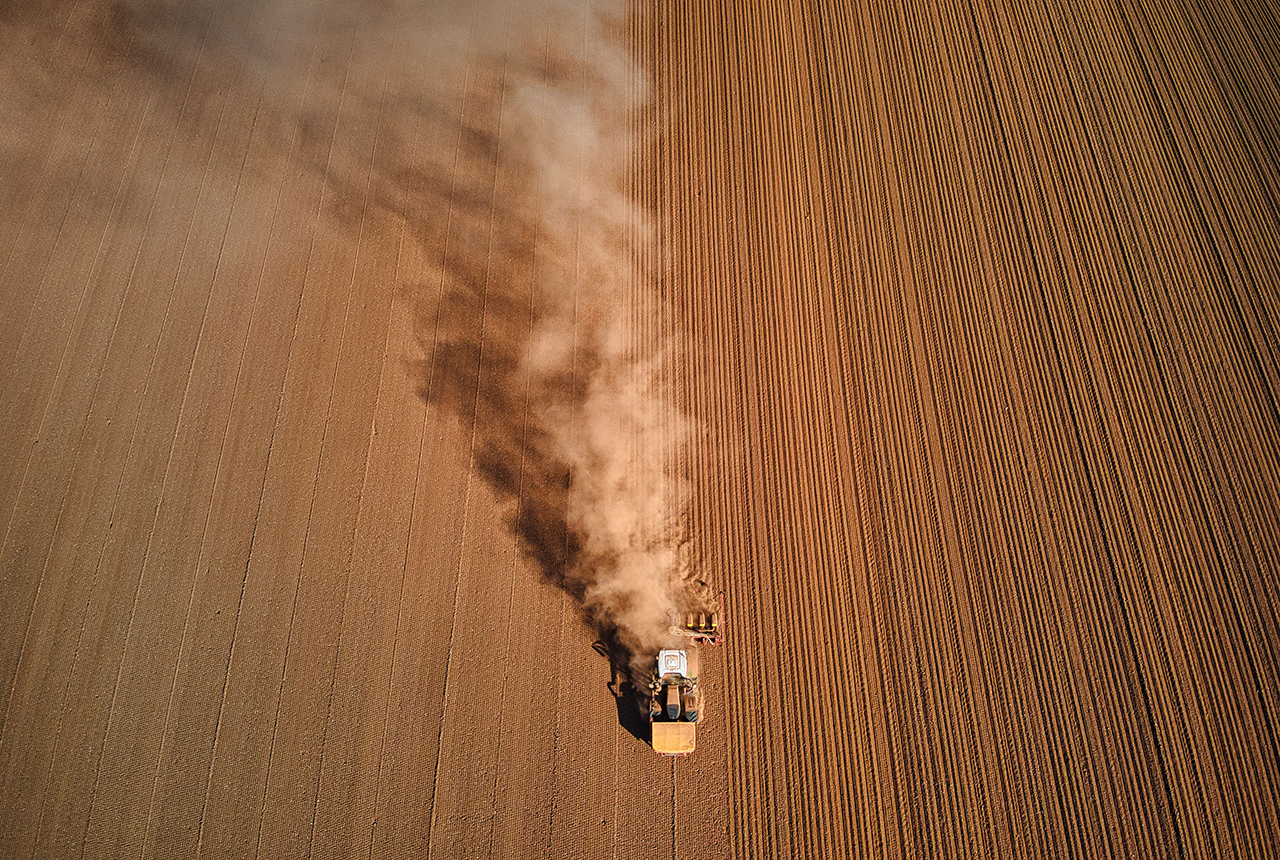
How BGS is helping the farming sector of Great Britain
17/01/2024
New legislation concerning soil management and technology in modern farming has led to an increase in enquiries about BGS’s Soil Parent Material Model.
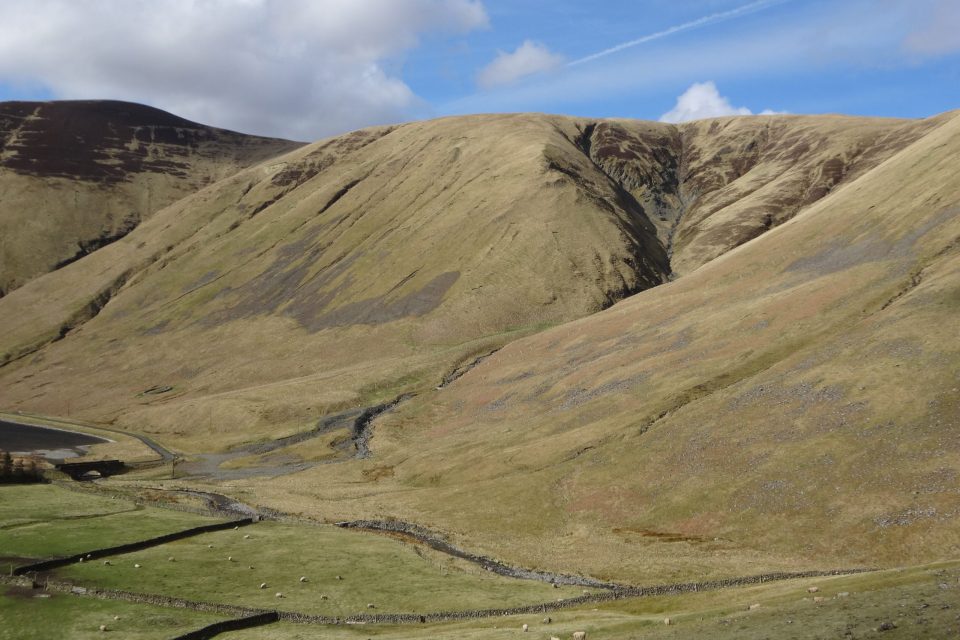
Moving stones: faults, slopes and sediments
12/01/2024
Fractured rock along faults affects sediment movement on slopes with implications for the design of infrastructure.
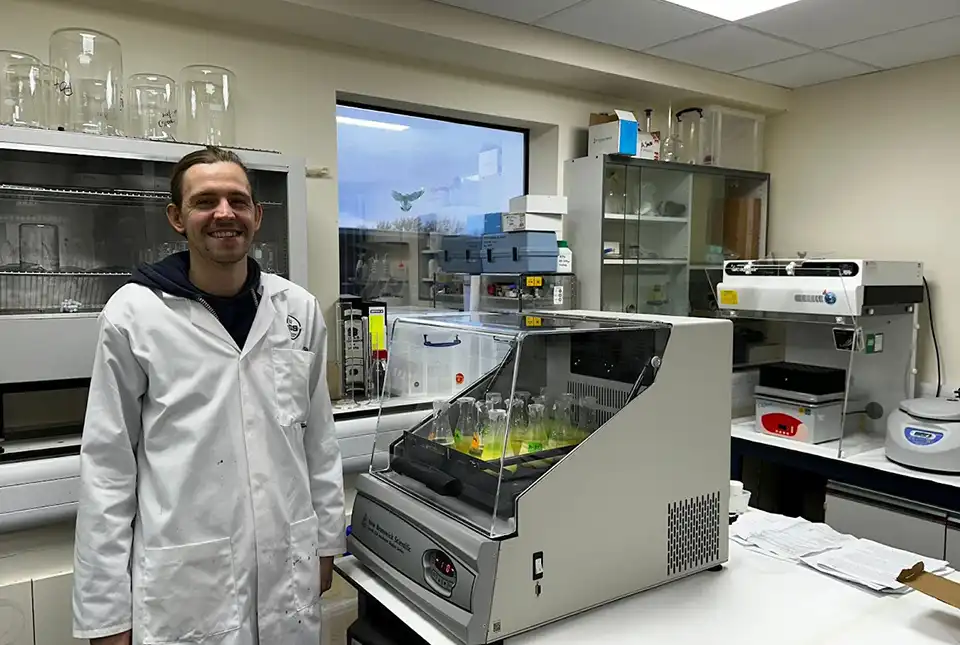
Understanding nutrients in tropical rainforests
11/01/2024
Christopher Bengt talks about carrying out research for his PhD amongst the rainforests and volcanoes of the Philippines.
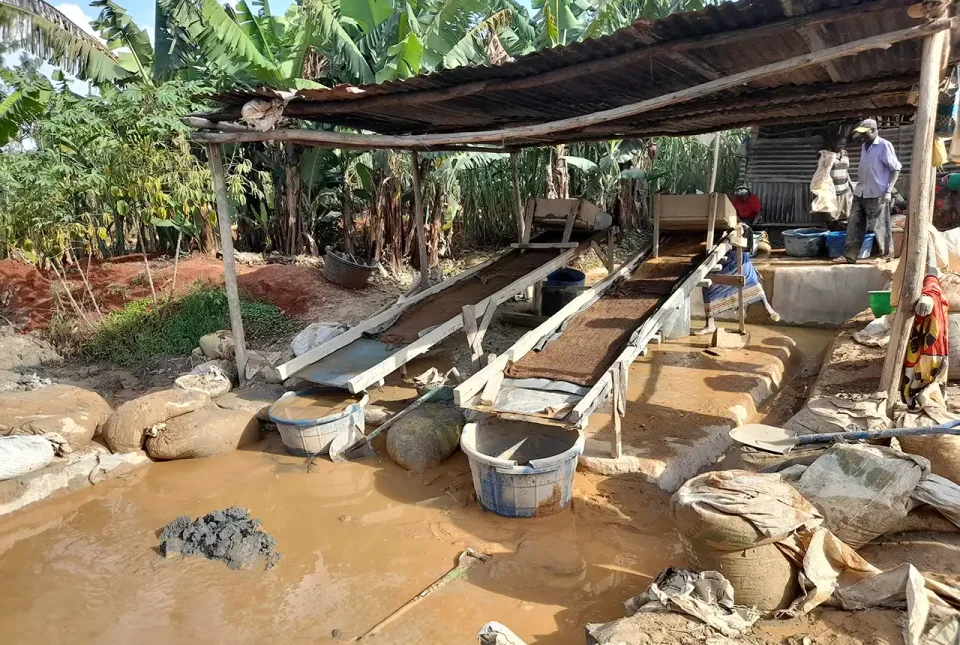
Linking geochemistry and health in artisanal and small-scale gold mining in the Kakamega-Vihiga gold belt, Kenya
09/01/2024
PhD candidate Maureene Auma Ondayo is investigating major and trace element exposure in the environment in Kenya, aiming to reduce exposure of humans to toxic chemicals.
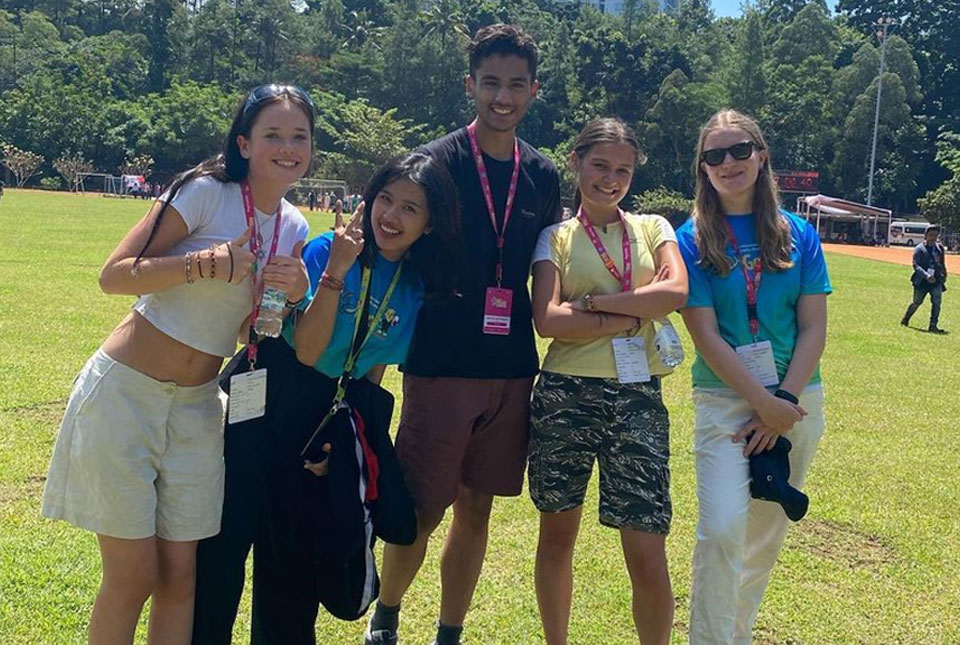
The Geography Olympiad: Bandung, Indonesia
22/12/2023
School student Dion Thompson joined Team UK at this year’s International Geology Olympiad in Indonesia. We hear from Dion’s mentor Anna Hicks, before Dion reports on the Olympiad itself.
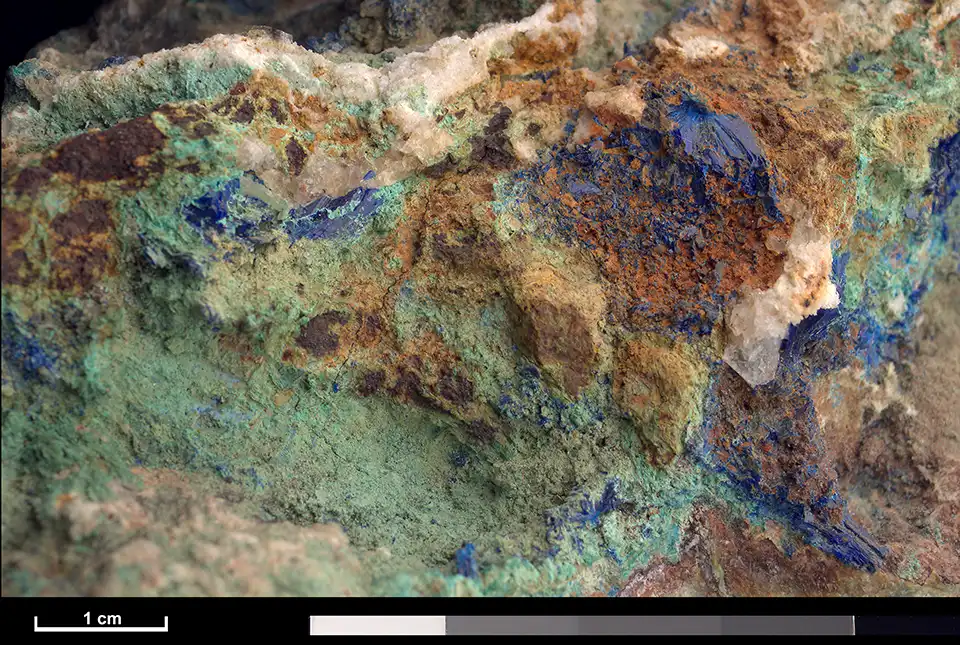
CMIC: critical minerals research review
21/12/2023
Matthew Reeves of Innovate UK provides an overview of the Critical Minerals Strategy, which sets out how the UK will go about securing its supply of critical minerals.
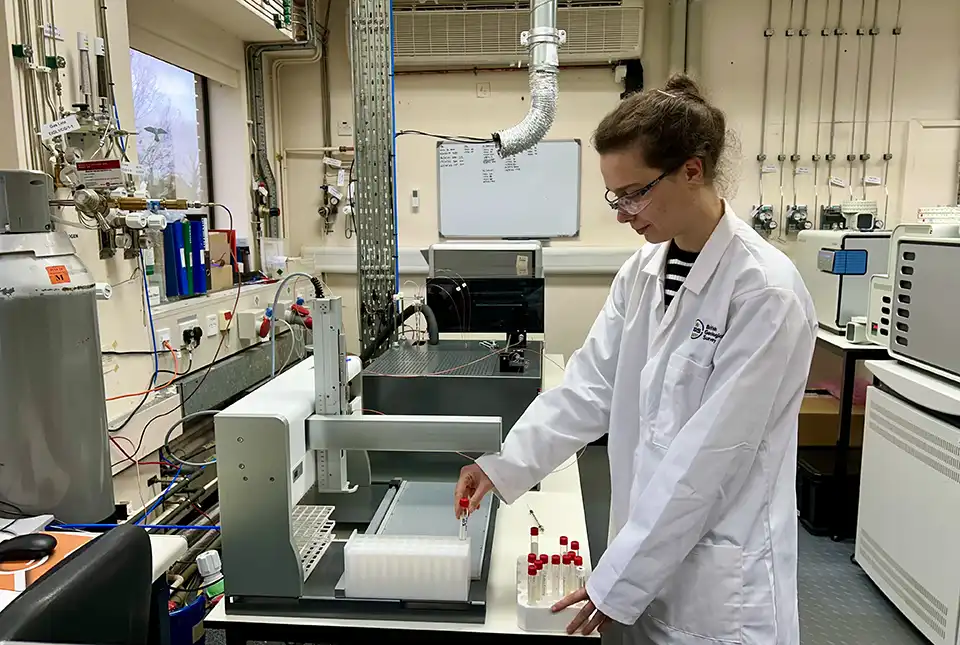
My role as a stable isotope research assistant
19/12/2023
Charlotte Hipkiss has recently taken up a new position in the National Environmental Isotope Facility at BGS and gives us a little insight into her new position.