

The BGS offers a range of services and information for businesses, home owners, policymakers and the general public.
Consultancy and services

Business development
BGS Business Development help identify and access funding, through commissioned research projects, partnerships, research grants, data licensing, and products royalties.

General public
We offers a variety of services and products for the general public, including reports, geological maps in digital and printed versions, books, posters and guides, and mobile applications, available online and in our on-site shops.
Government and agencies
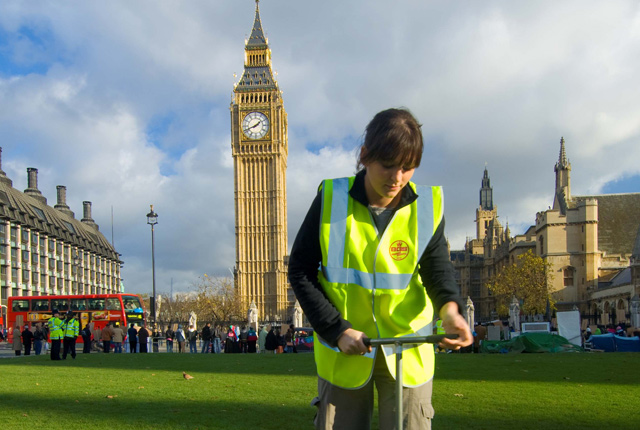
As a world-leading geoscience organisation, we provide independent and authoritative advice to the UK government and the administrations in Scotland, Wales and Northern Ireland.
Academics and researchers
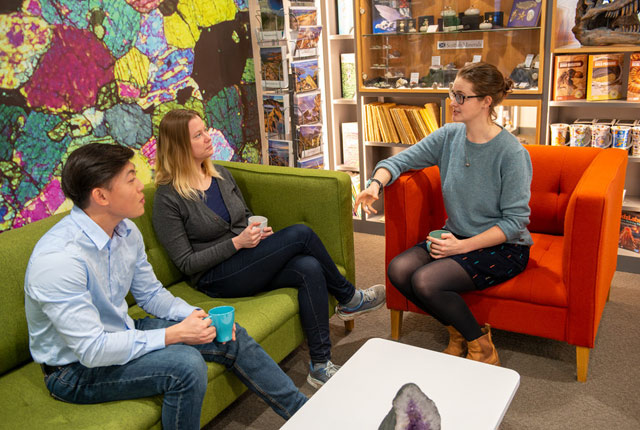
The BGS is a UK research-eligible organisation and we welcome conversation with your organisation on opportunities to collaborate.
Business services
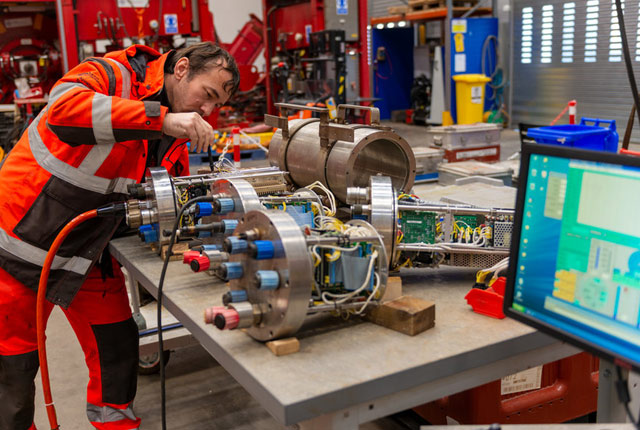
Our extensive collection of geoscience data, geological information, reports and datasets can support your business requirements.
Data and online shop
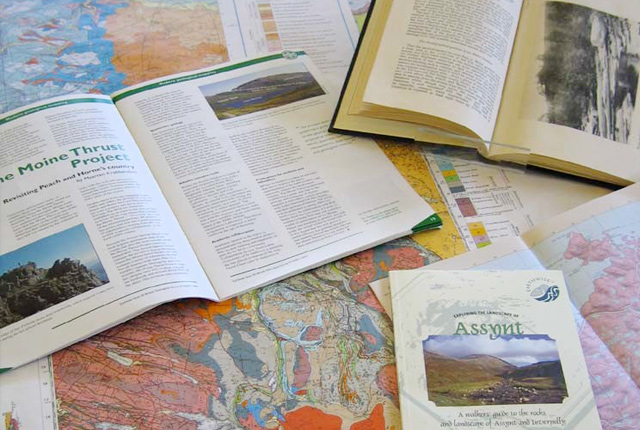
Please visit our online shop to browse available books, maps, GeoRecords and GeoReport products.
Our facilities
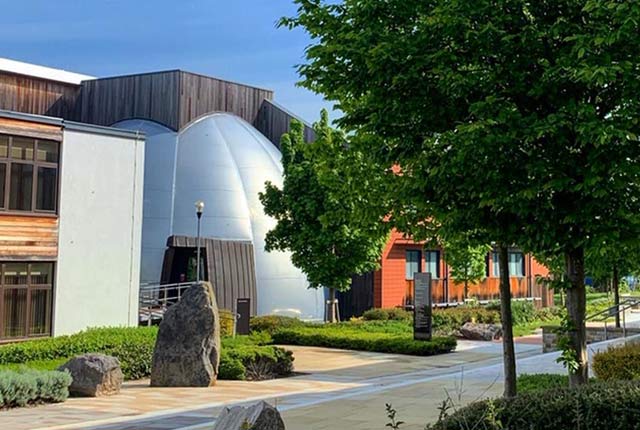
Offices and locations
Find out more about our offices and facilities located across the UK.
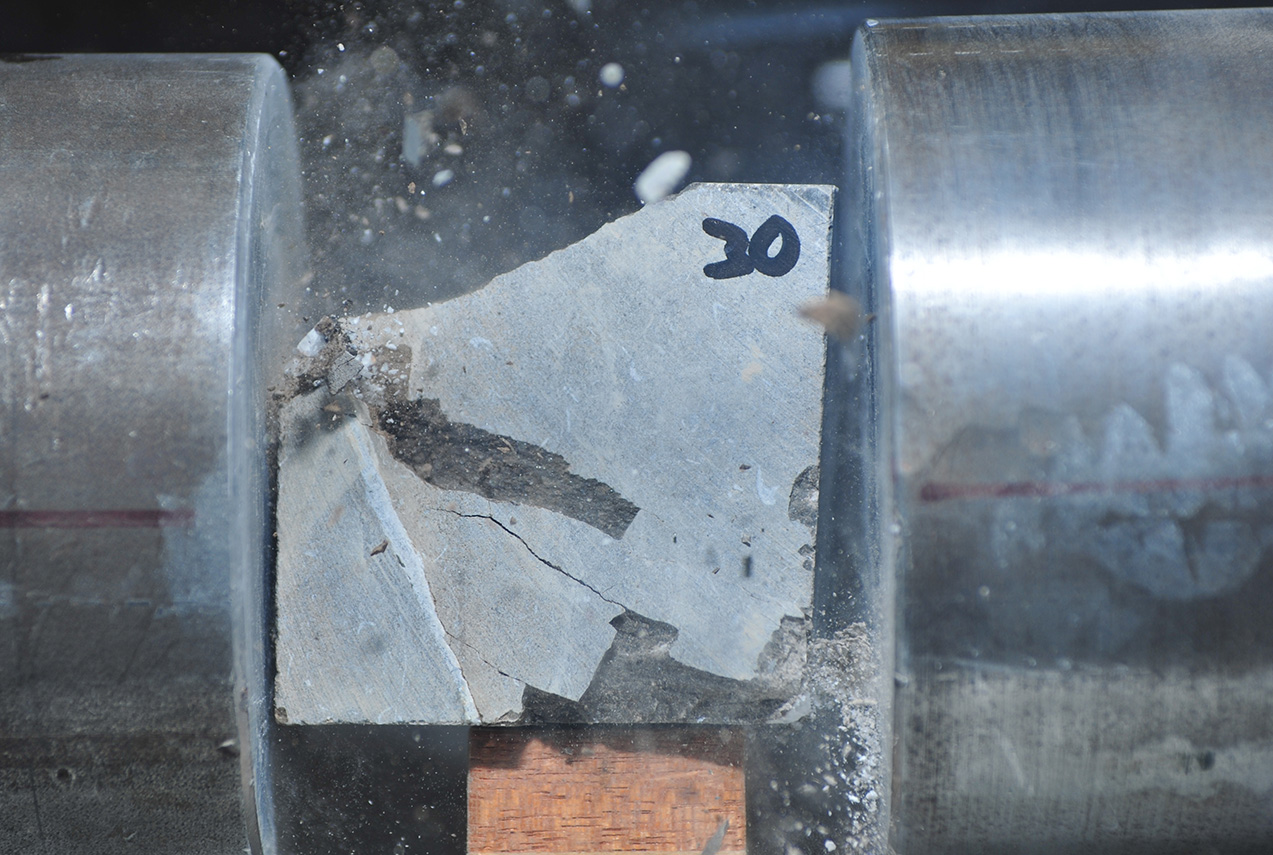
Science facilities
BGS operates and maintains a wide range of state-of-the-art laboratories and other facilities, which underpin virtually all of our research.
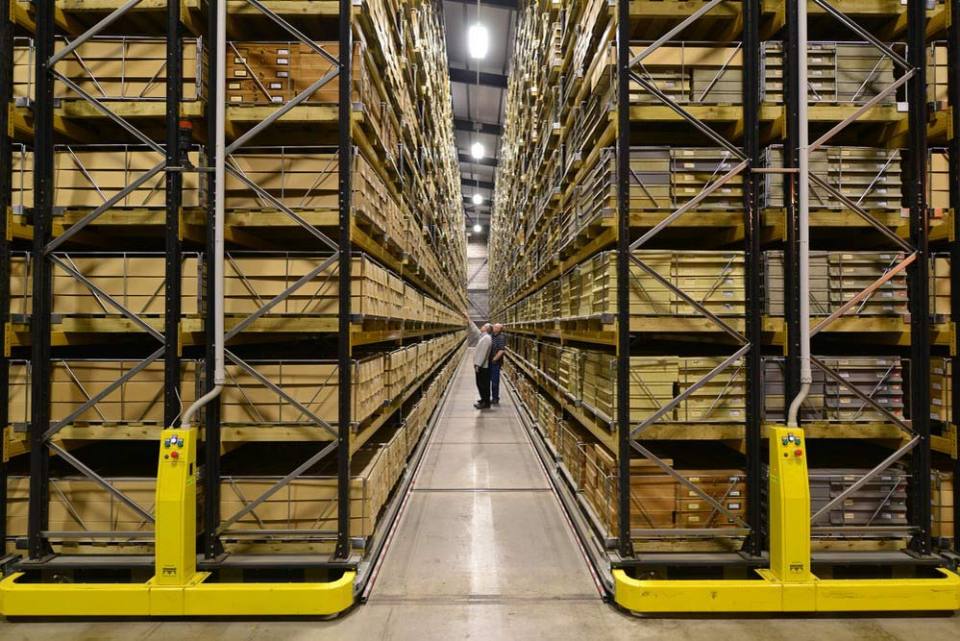
Our facilities
The BGS offers a range of services and information for businesses, home-owners, policy-makers and the general public.