

MARC Conference 2025: highlighting the importance of conferences to PhD students
BGS and University of Nottingham PhD student Paulina Baranowska shares her experience presenting her research on nuclear forensics at her first international conference.
16/02/2026 By BGS Press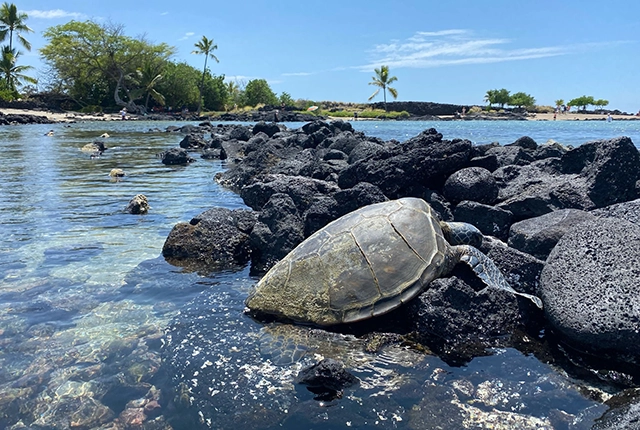

I recently had the opportunity to attend and present at the 13th International Conference on Methods and Applications of Radioanalytical Chemistry (MARC XIII) in Kailua-Kona, Hawai’i, USA. This conference is an international forum for discussing advances in radioanalytical chemistry and its applications.
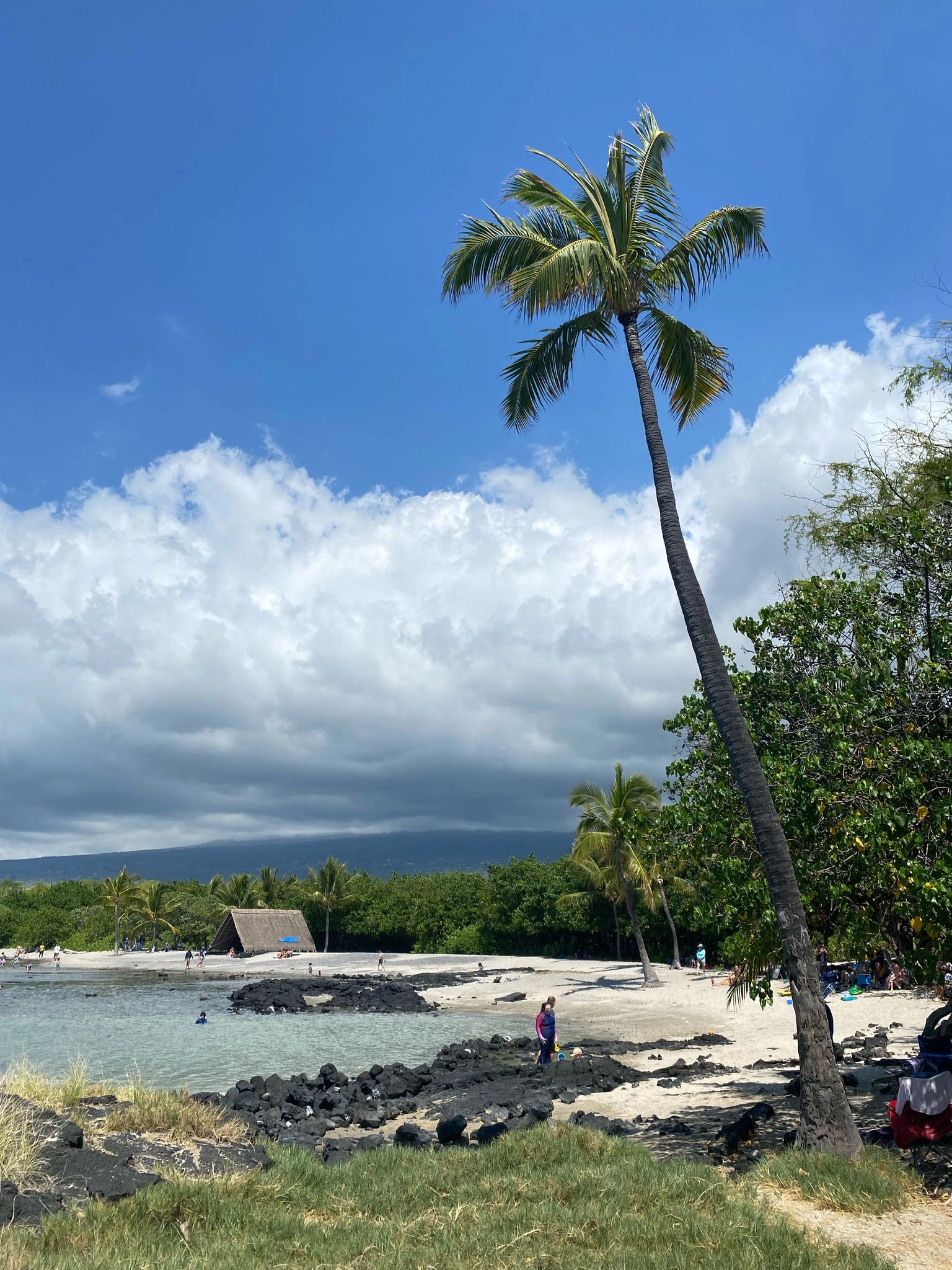
MARC XIII was held in Kailua-Kona, Hawai’i. BGS © UKRI.
As a PhD student, attending MARC XIII was an invaluable experience. The conference gave me the opportunity to share the latest findings of my project, as well as to engage with researchers from all over the world and gain insights into nuclear forensics and analytical chemistry.
During the conference, I delivered a presentation entitled ‘Exploring the analysis and diagnostic value of oxygen isotopes for nuclear forensics’. My talk focused on the method development of microfluorination, which enables precise oxygen isotope analysis using minimal sample sizes. I discussed the optimisation of the fluorination reaction, thereby improving oxygen yields and the relevance of this technique to forensic investigations of nuclear materials.
The method I have been working on has the potential to enhance the nuclear forensic toolkit by providing reliable oxygen isotope signatures from oxide materials, including heavy metal oxides. I also shared preliminary results from test samples and outlined plans for applying the method to other laboratories.
As well as presenting, I attended various sessions covering topics, including:
- environmental radioactivity measurements
- activation analysis
- radiation detectors and instrumentation
- nuclear proliferation prevention and safeguards
- mass spectrometry methods for detecting radioactive materials
It was inspiring to experience the interdisciplinary nature of the field and to see how researchers are pushing the boundaries within radiochemistry.
One of the standout moments of the conference was a student networking event that brought together students and researchers from various US national nuclear laboratories. It was a fantastic opportunity to have informal, face-to-face conversations with professionals from places like Los Alamos, Lawrence Livermore, Oak Ridge and Pacific Northwest National Labs. As a student based outside the USA, I found it incredibly valuable to learn more about the kinds of research being done at these institutions and to hear about career pathways, postdoctoral opportunities and collaborative projects.
Of course, being in Hawai’i added to the experience! While most of the time was dedicated to sessions and discussions, I managed to take some time to enjoy the spectacular surroundings, which made the conference even more memorable.
Attending MARC XIII was a valuable experience that allowed me to engage with the global research community. The feedback and connections I gained will undoubtedly shape the next stages of my PhD research. I’m excited to follow up with the researchers I met and to explore potential collaborations. I look forward to future conferences and events in the field of radioanalytical chemistry.
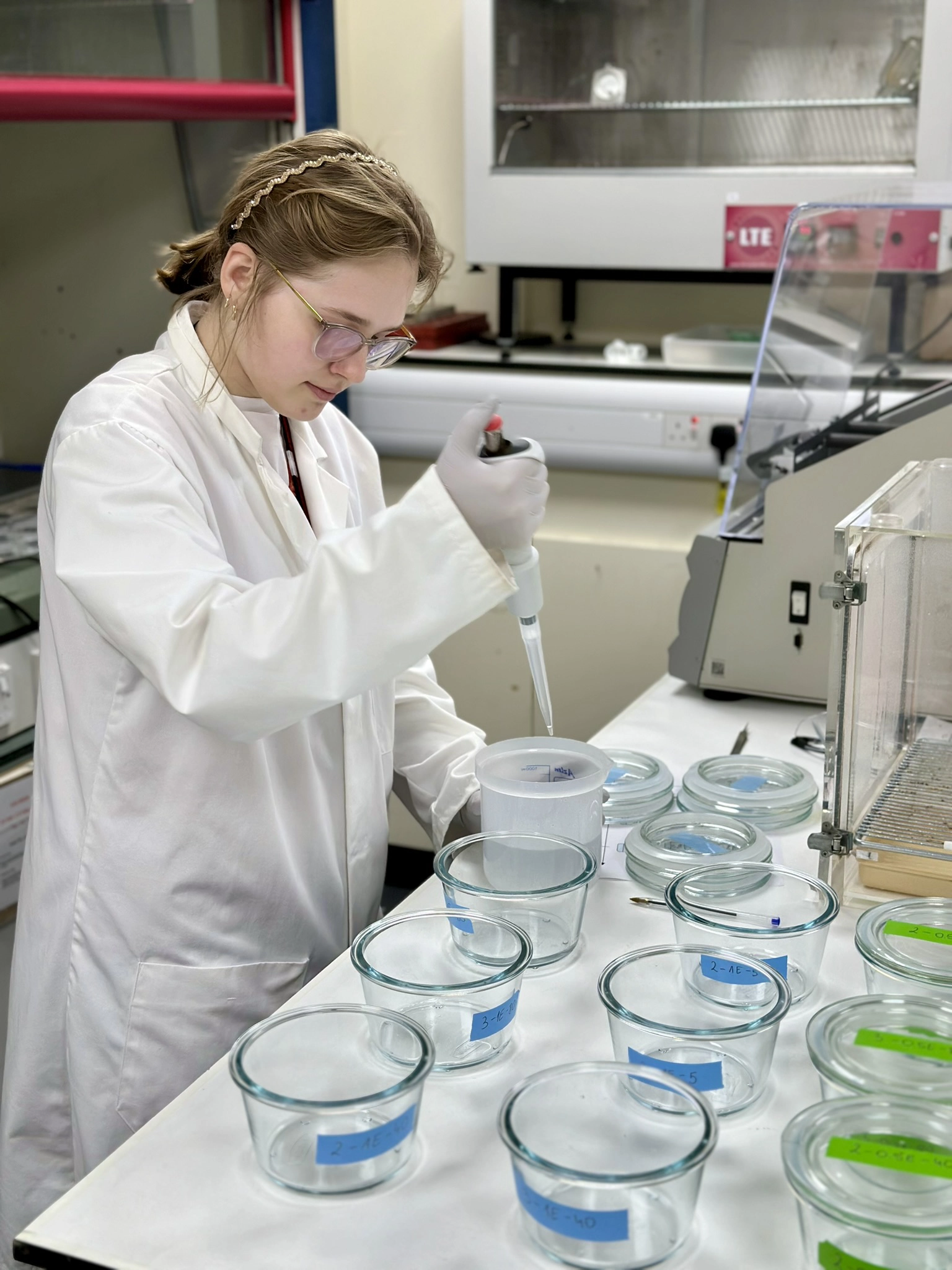
Paulina Baranowska prepares samples in the BGS Stable Isotope Facility, Keyworth. BGS © UKRI.
About the author
Paulina is a third-year PhD student at BGS and the University of Nottingham. Her PhD is funded by AWE.
Relative topics
Related news
Mystery of one of the earliest recorded space weather impacts solved
17/09/2026
BGS scientists were part of an international team that has solved a 178-year-old mystery surrounding one of the earliest recorded examples of space weather affecting technology.

What lies beneath Europe’s sinking ground?
01/09/2026
Land subsidence is becoming increasingly visible across Europe. New research examines how better monitoring, shared data and a deeper understanding of the subsurface can help assess and manage its impacts.
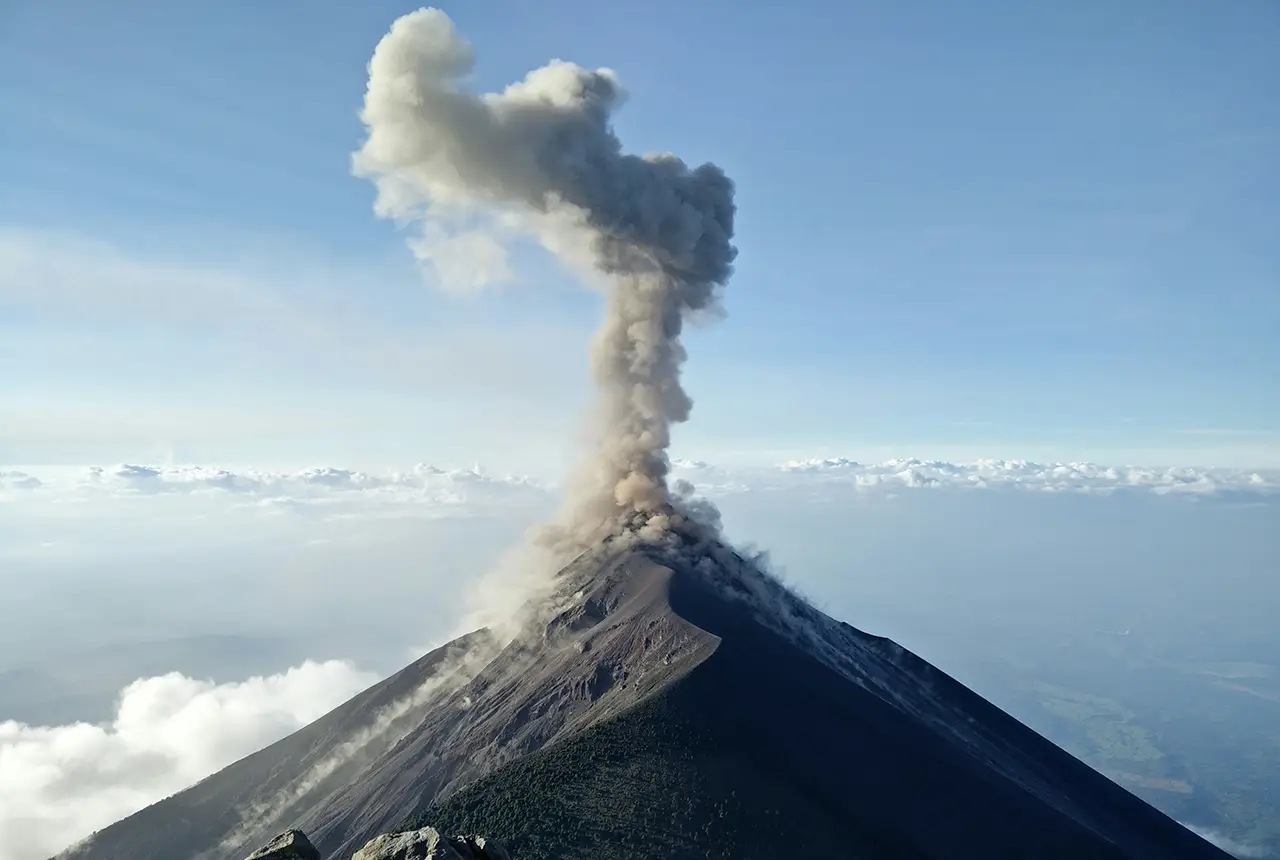
Secrets of an ancient supervolcano uncovered that change our understanding of England’s geological past
28/08/2026
Scientists have found evidence of a long-hidden link between an ancient buried ash layer in Scandinavia and a concealed supervolcano in eastern England.
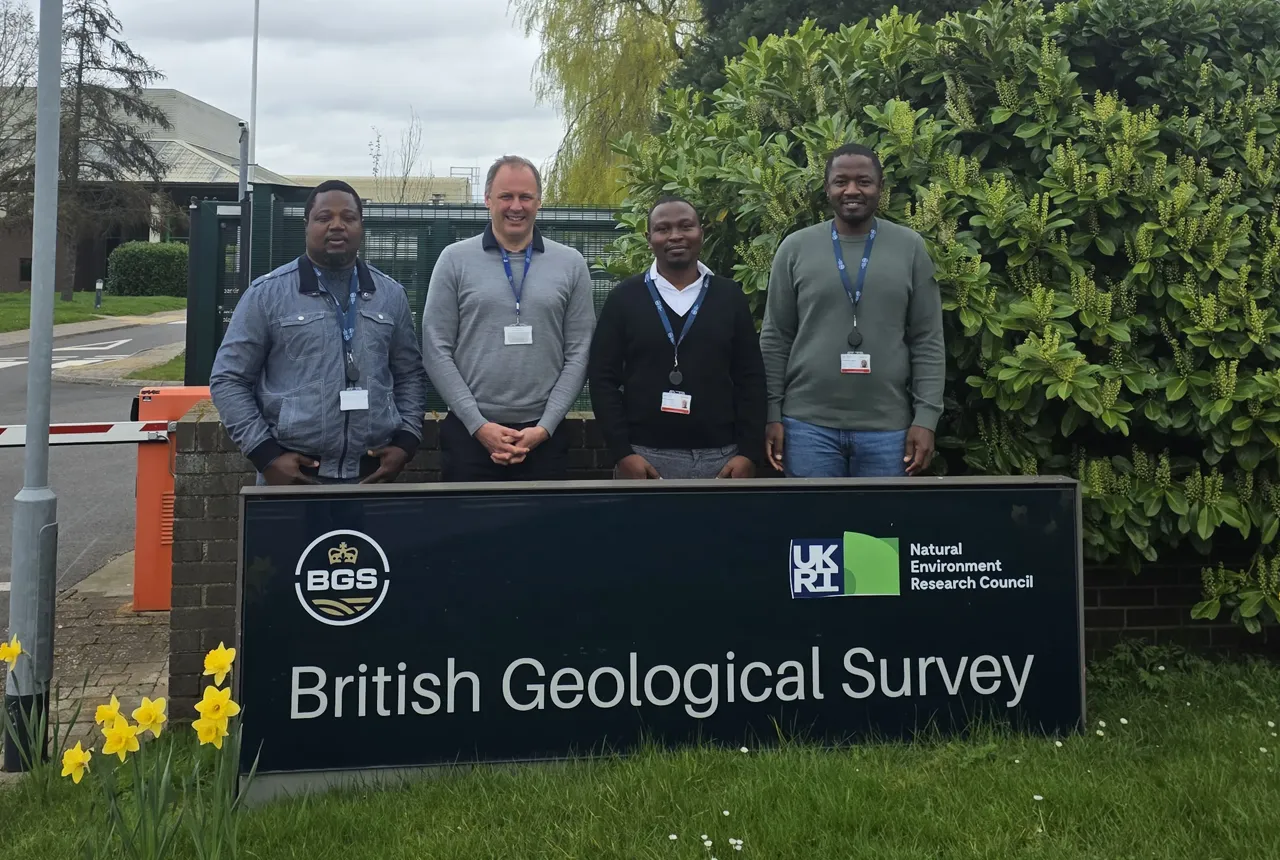
Experiences from our Commonwealth Fellowship at the British Geological Survey
24/08/2026
Scientific fellowships foster professional growth, international collaboration and exposure to world-class research environments. A group of visiting Commonwealth Fellowship researchers share their experience of being hosted at the BGS Inorganic Geochemistry Facility.
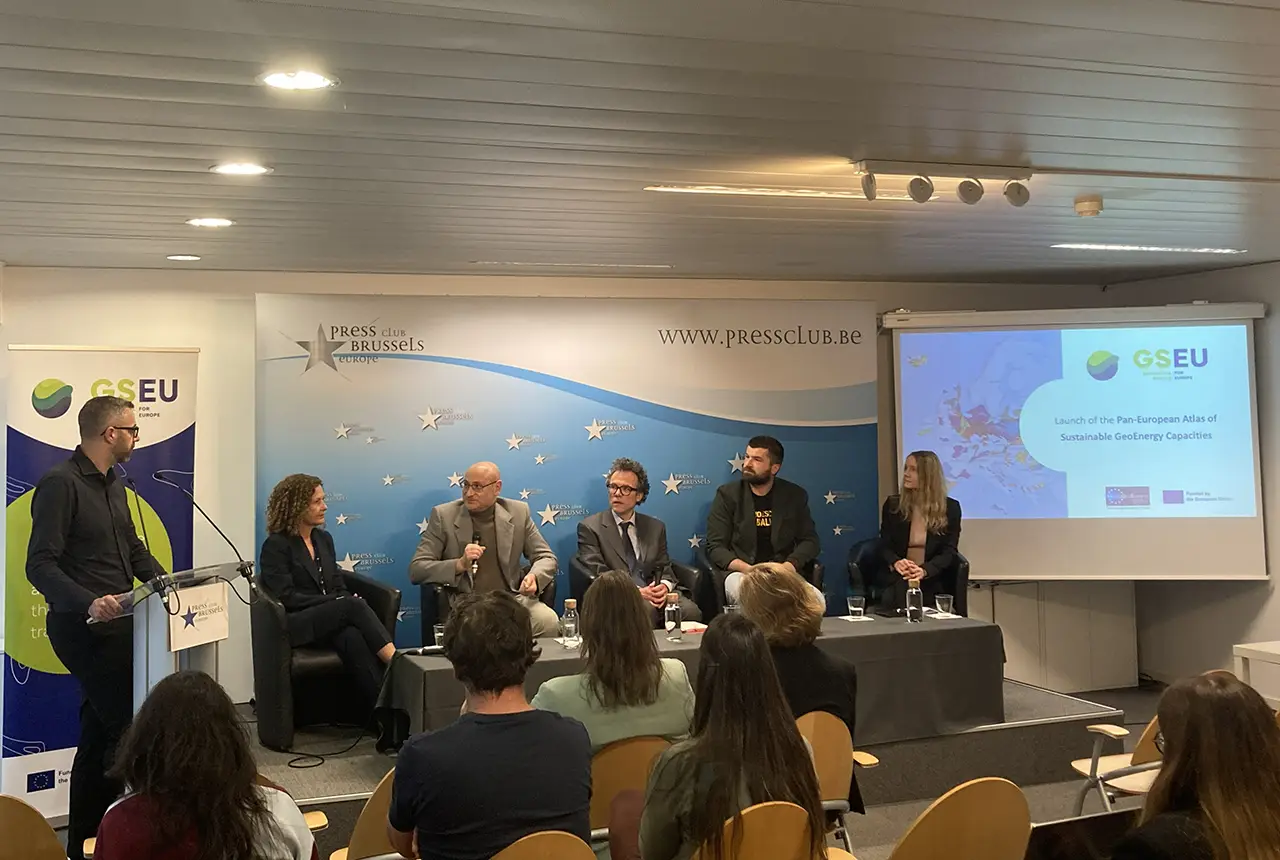
Building Europe’s geological future
20/07/2026
BGS scientists are contributing to a continent-wide initiative that is strengthening collaboration across borders to tackle shared subsurface challenges and unlock new opportunities.
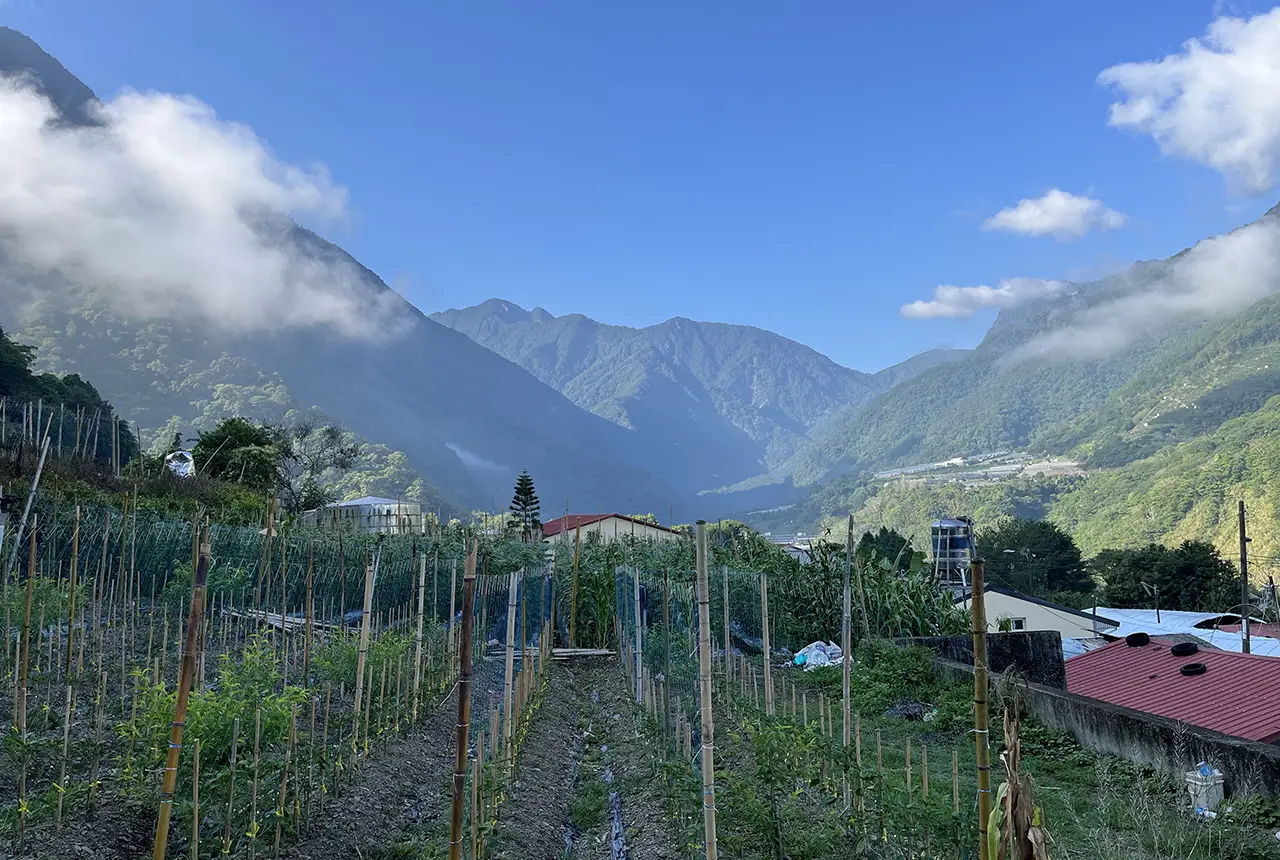
Delving deep into mountains for future water security
16/07/2026
A BGS-led project is using new water-tracing investigation methods, geophysics and modelling to understand how water moves from mountains to the lowlands, helping to improve water security for billions of people.
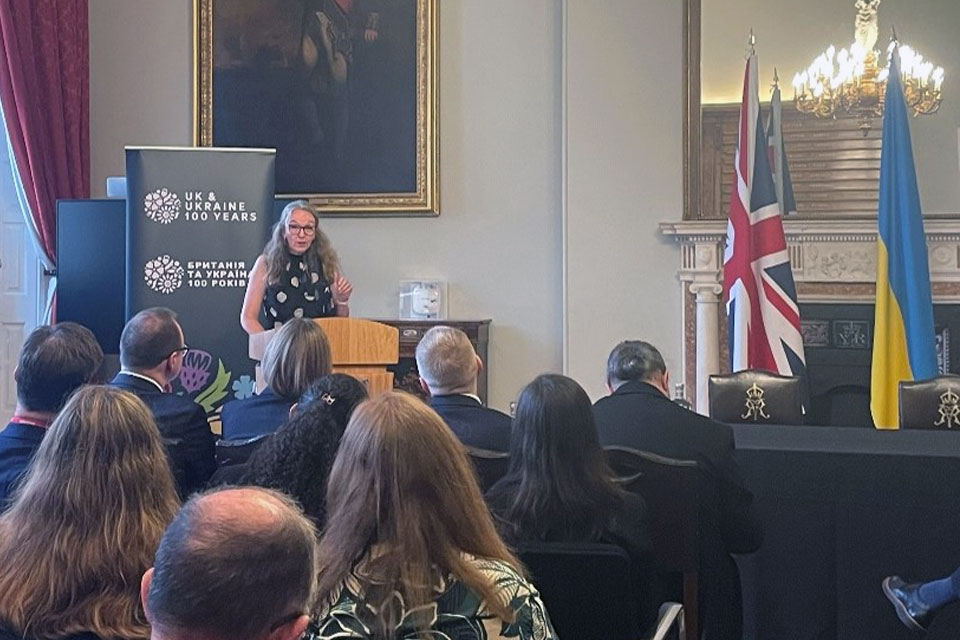
Ukraine and the UK strengthen their commitment to geological cooperation
10/06/2026
A new Memorandum of Understanding reaffirms the UK’s support of Ukraine’s ambitions to develop its critical mineral resources, paving the way for collaboration through capacity-building programmes.
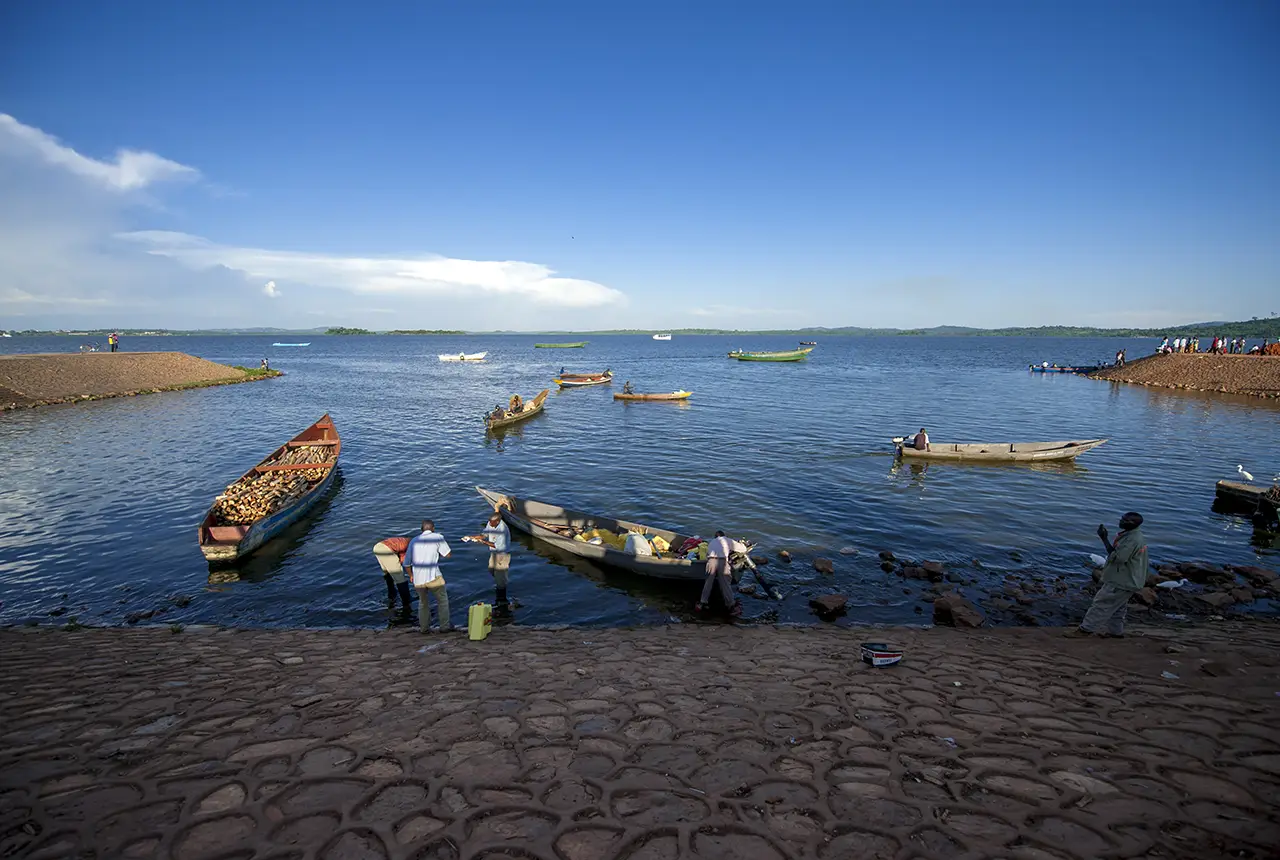
International science consortium to survey the health, economic value and social importance of Lake Victoria
22/05/2026
The project will replicate the 1927 survey to assess changes in the lake’s health, economic value and social importance.
BGS contributes to UN sand and sustainability report
19/05/2026
The new report highlights the impact of poor governance and unsustainable sand mining practices, calling on policymakers to take action.
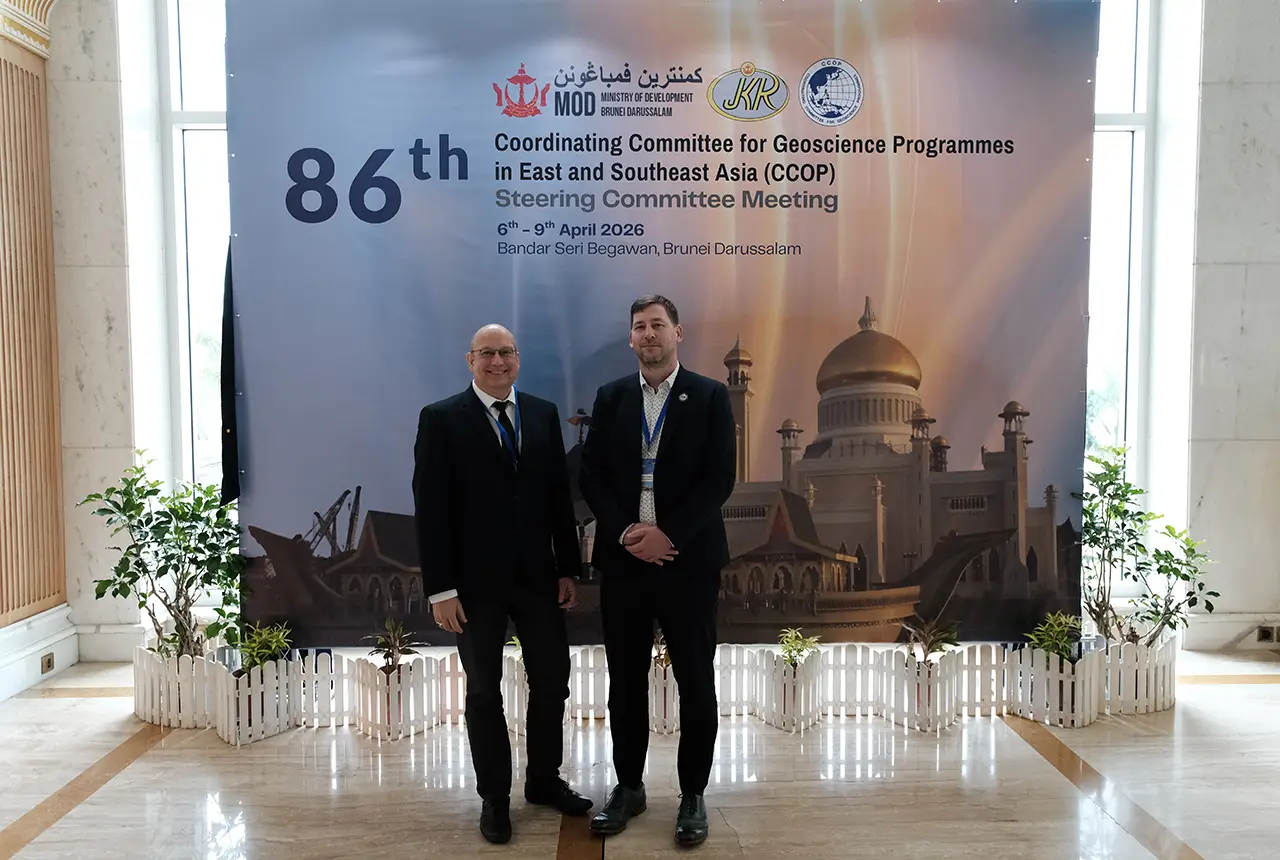
BGS engineering geologist elected to CCOP
29/04/2026
Marcus Dobbs has been elected as vice-chair of the advisory group for the Coordinating Committee for Geoscience Programmes in East and Southeast Asia.
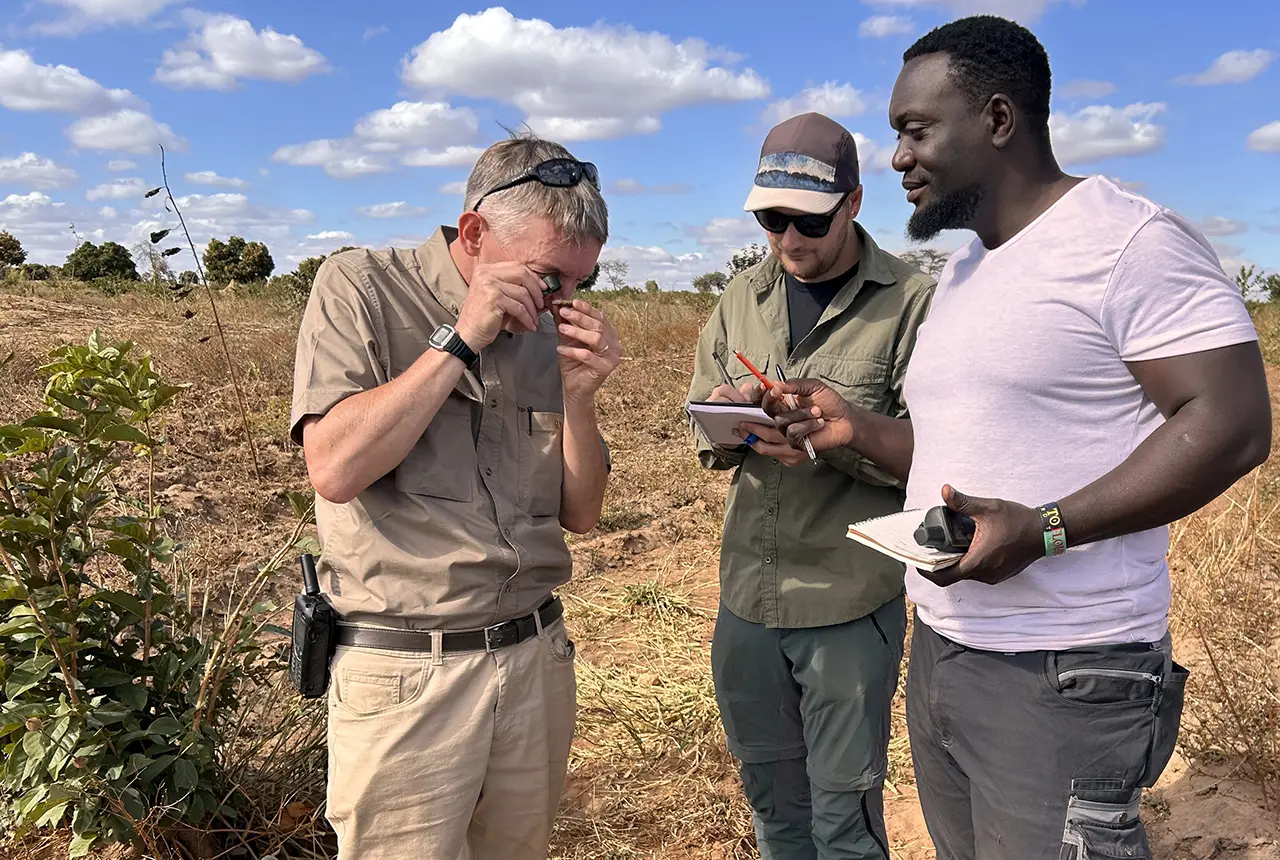
Strengthening capacity through partnership: a critical minerals perspective
28/04/2026
BGS has been working in partnership with the Geological Survey Department of Zambia (GSD) to build national capacity, improve data accessibility and support long-term, sustainable development.
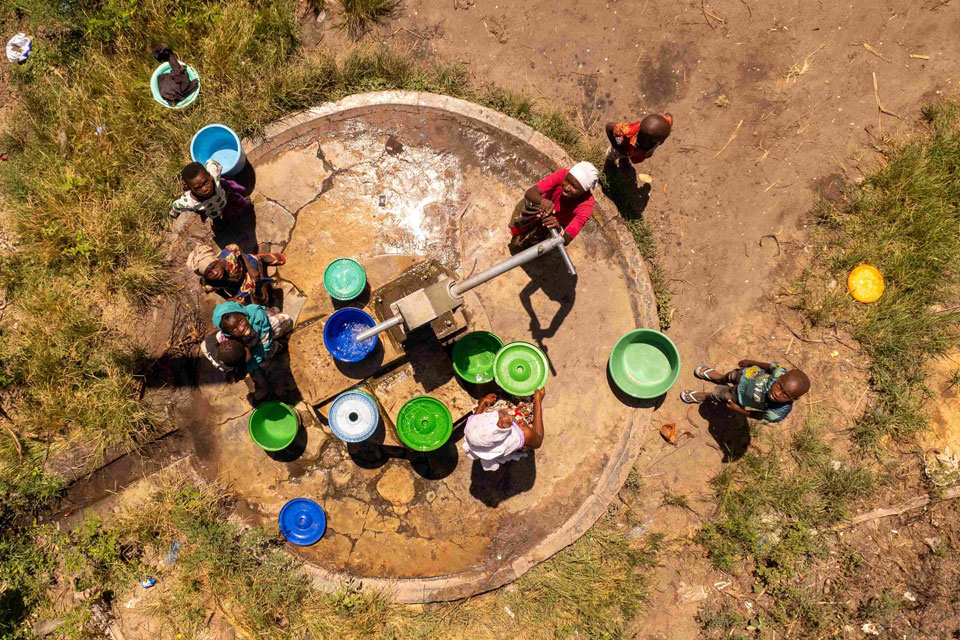
New research could help provide a more reliable water supply for millions in rural Africa
24/03/2026
A new BGS-led study has revealed crucial insights into the longstanding challenges affecting the reliability and performance of rural water supply infrastructure in sub-Saharan Africa.