

Earth hazards
Discovering Geology
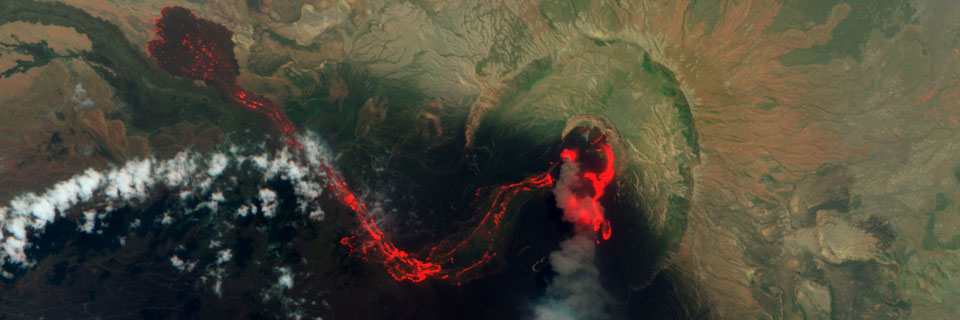
Natural hazards such as earthquakes, volcanoes and landslides can occur without warning and cause damage to health, homes and livelihoods. The Earth beneath our feet is constantly shifting and moving, sometimes ever so slowly, but sometimes swiftly and violently with catastrophic and immediate results. We are living on an active planet and we can’t stop these events occurring, but learning more about why, how and where they happen can help us to be more prepared.
Explore earth hazards
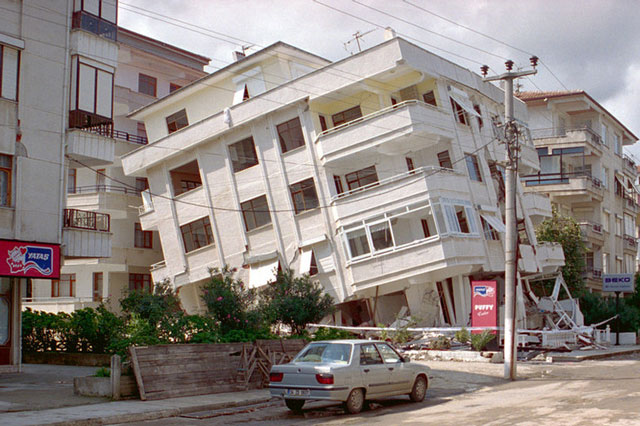
Earthquakes
Earthquakes are among the most deadly natural hazards. They strike without warning and many earthquake zones coincide with areas of high population density.
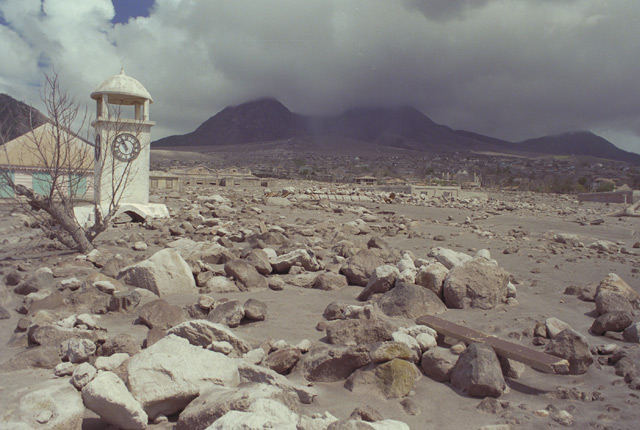
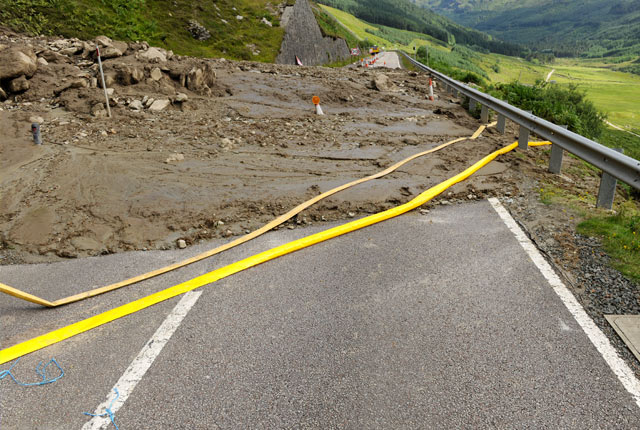
Understanding landslides
What is a landslide? Why do landslides happen? How to classify a landslide. Landslides in the UK and around the world.
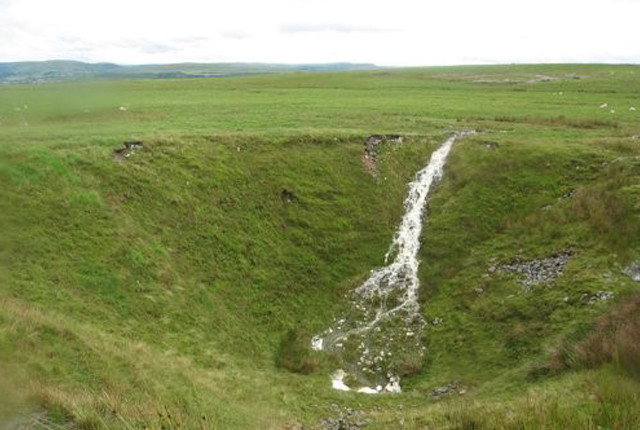
Understanding sinkholes and karst
Sinkholes are hollows that are the result of some kind of collapse of an underlying layer of rock.
You may also be interested in
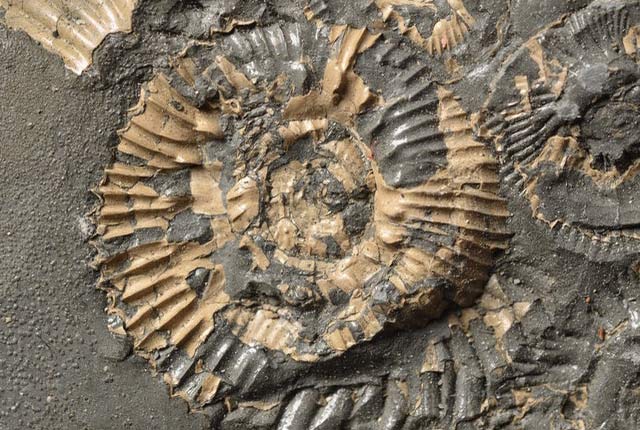
Discovering Geology
Discovering Geology introduces a range of geoscience topics to school-age students and learners of all ages.
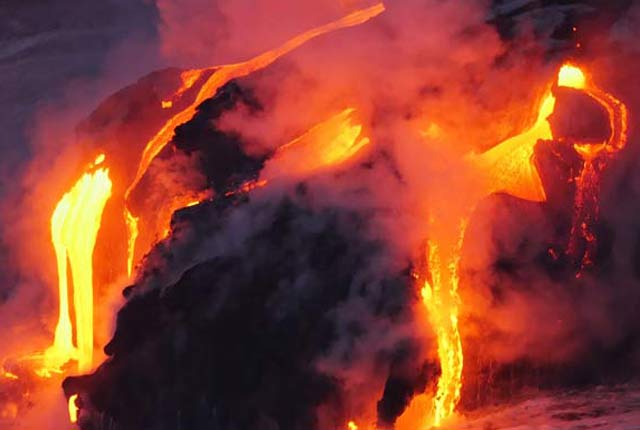
Multi-hazards and resilience
We work with partners worldwide to enhance understanding of hazards, vulnerability, exposure and risk to ensure our science is useful, usable and used.
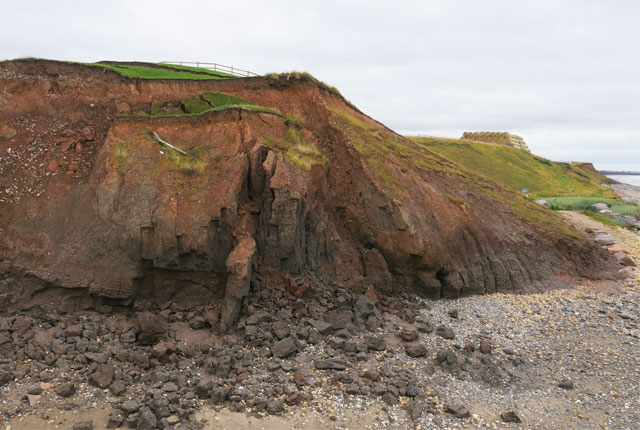
Earth hazards resources
Make a volcano model or work through some classroom activities that introduce P- and S- waves, earthquake seismology and marsquakes.