

We offer expert geological knowledge and bespoke site-scale geological understanding to to support early design decisions of nationally significant sustainable energy infrastructure projects.
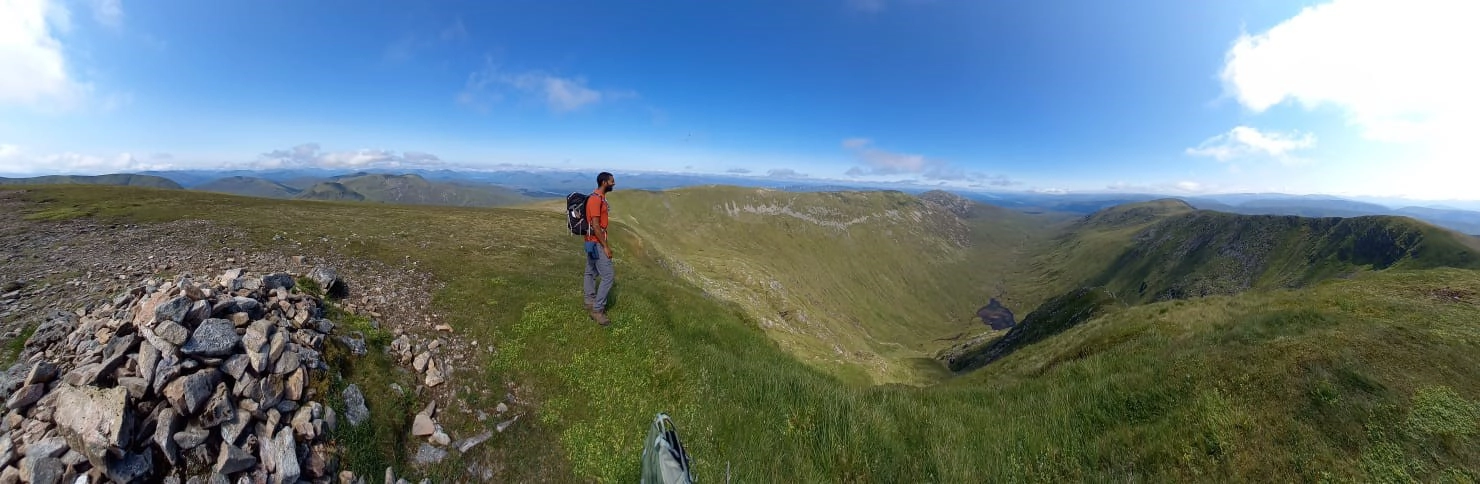

A panorama of the fieldwork area on a pumped energy storage infrastructure site in the Scottish Highlands. BGS © UKRI
What are the hydro pumped storage projects?
Developing new pumped hydroelectric energy storage projects in the Scottish Highlands forms part of the UK’s energy transition. Water is collected in and moved between two reservoirs, one of higher elevation than the other, to store and release renewable energy as and when it is needed. These schemes require significant surface and underground infrastructural development for them to operate, including extensive tunnelling that directly interacts with the geology of the site. Understanding the geological risks associated with the design of these schemes is essential.
Who does the project help and how?
The work carried out by BGS is helping to reduce both the geological and financial risks of these major multi-million-pound renewable energy projects. A more in-depth understanding of the geological features of the site enables stakeholders to make more informed decisions on the costing and planning of ground investigations and requirements for developing complex surface and subsurface infrastructure.
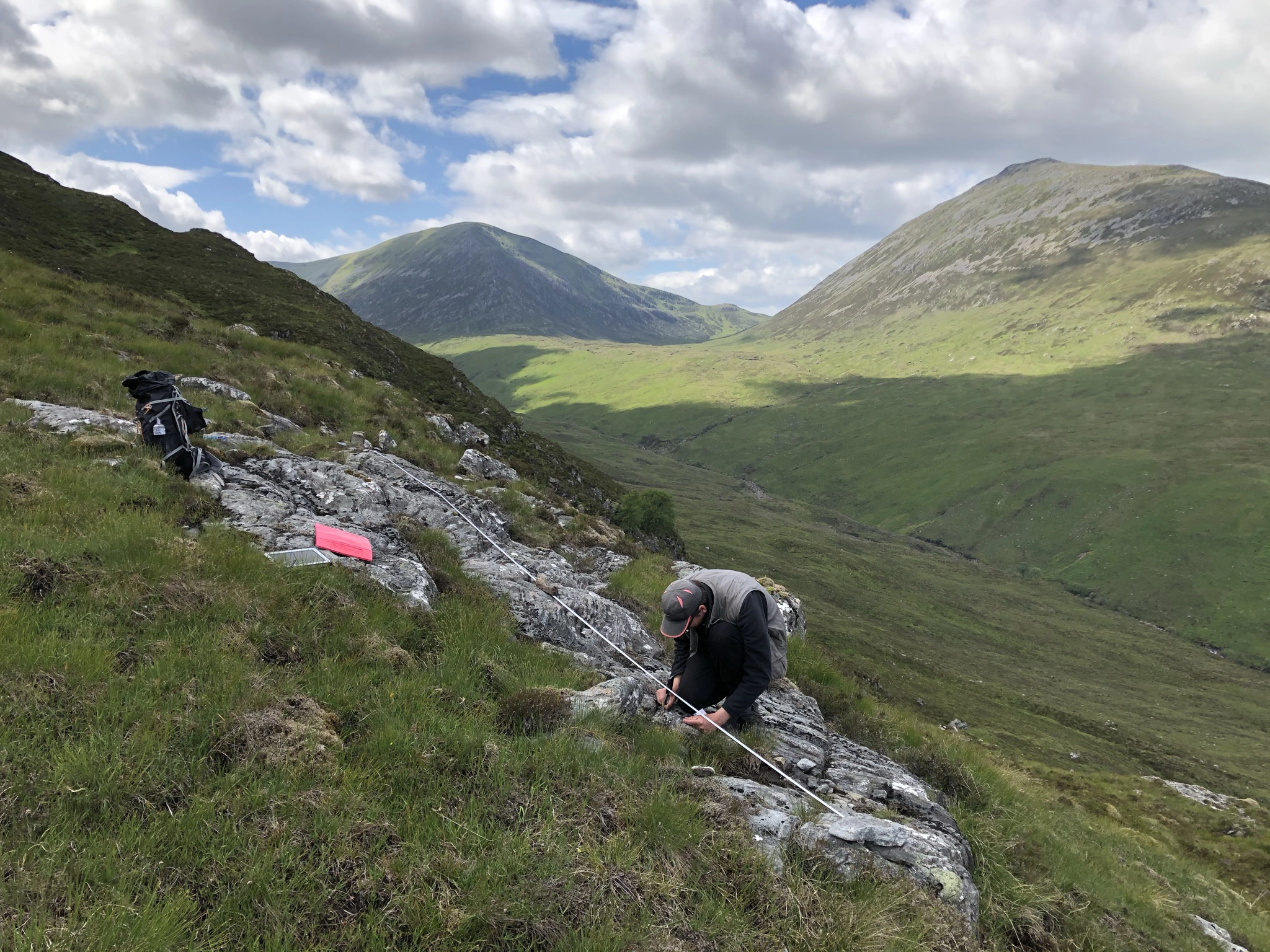
Fieldwork being undertaken by a BGS geologist at a hydro pumped storage site in the Scottish Highlands. BGS © UKRI.
BGS has developed an improved understanding of the lithological and structural variability across the site areas, collecting and compiling technical geological observations to produce in-depth 3D conceptual models that will provide a new understanding of geological factors to de-risk infrastructure development as a site-scale and new processes-understanding about crustal-scale faults.
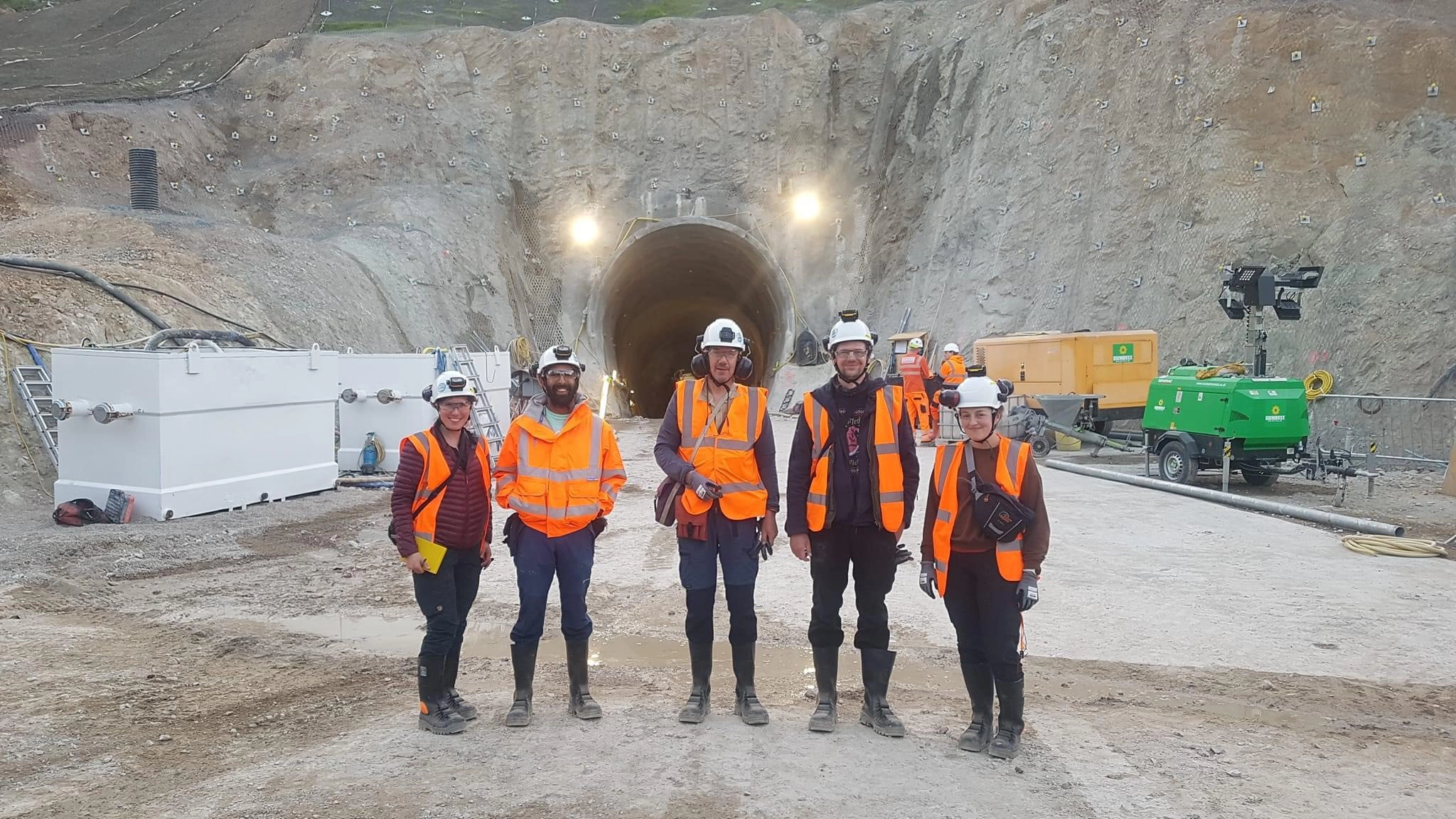
Members of the BGS team who are contributing to the hydro pumped storage projects on site in the Scottish Highlands. BGS © UKRI.
What will the outcomes be?
The new 3D conceptual models will support the delivery of major national renewable energy schemes by providing stakeholders with essential knowledge of the geology and associated geotechnical challenges of their site area. They can be used to make informed decisions regarding resource allocation, geotechnical practicalities and potential hazards that their assets may be exposed to during both the construction period and the design life of the infrastructure.
Contact
If you would like more information, please contact Romesh Palamakumbura.