

BGS to join worldwide geoscience community at EGU General Assembly 2022
The EGU General Assembly 2022 brings together geoscientists from all over the world for one meeting from 23 to 27 May.
20/05/2022 By BGS Press
From space weather and geothermal energy to hazard risk assessment and monitoring, scientists from all disciplines of the British Geological Survey (BGS) will be presenting their work and sharing ideas at one of the biggest conferences in geoscience research this week.
The EGU General Assembly 2022 brings together geoscientists from all over the world for one meeting from 23 to 27 May. The event takes place in Vienna, Austria, and will once again provide an on-site experience for those attending in-person and, as much as possible, will include virtual attendees simultaneously.
Covering all disciplines of the earth, planetary and space sciences, the EGU General Assembly provides an important forum for BGS scientists to communicate their research and discuss ideas with other experts in all fields of geoscience, through presentations and face-to-face meetings. In previous years, more than 16 000 presentations have been delivered at the event.
Helen Glaves, BGS Senior Data Scientist, became president of EGU in 2021, having been involved with the union for many years, and will facilitate sessions addressing the inclusivity and diversity of the geoscience community at this year’s assembly.
Related news
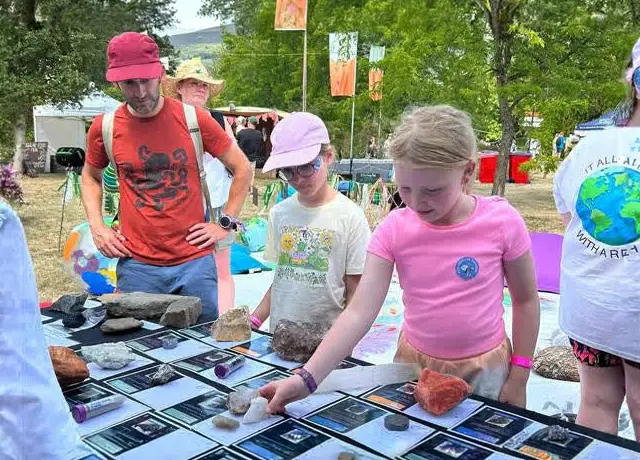
New NERC-funded project empowers young people to engage with environmental science
23/07/2026
BGS is part of a new, collaborative project, funded through NERC’s ‘Opening up the environment’ programme, helping the environmental research community become more accessible.
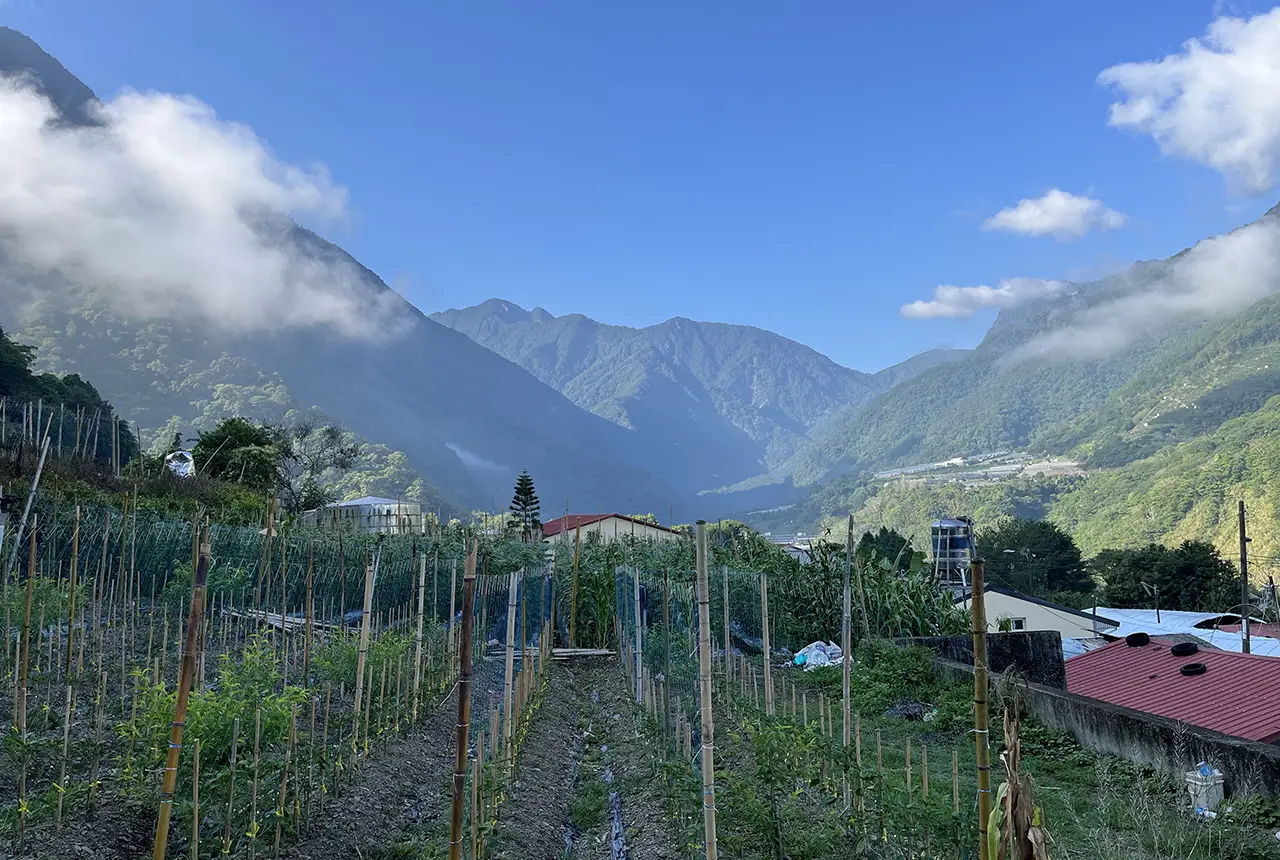
Delving deep into mountains for future water security
16/07/2026
A BGS-led project is using new water-tracing investigation methods, geophysics and modelling to understand how water moves from mountains to the lowlands, helping to improve water security for billions of people.
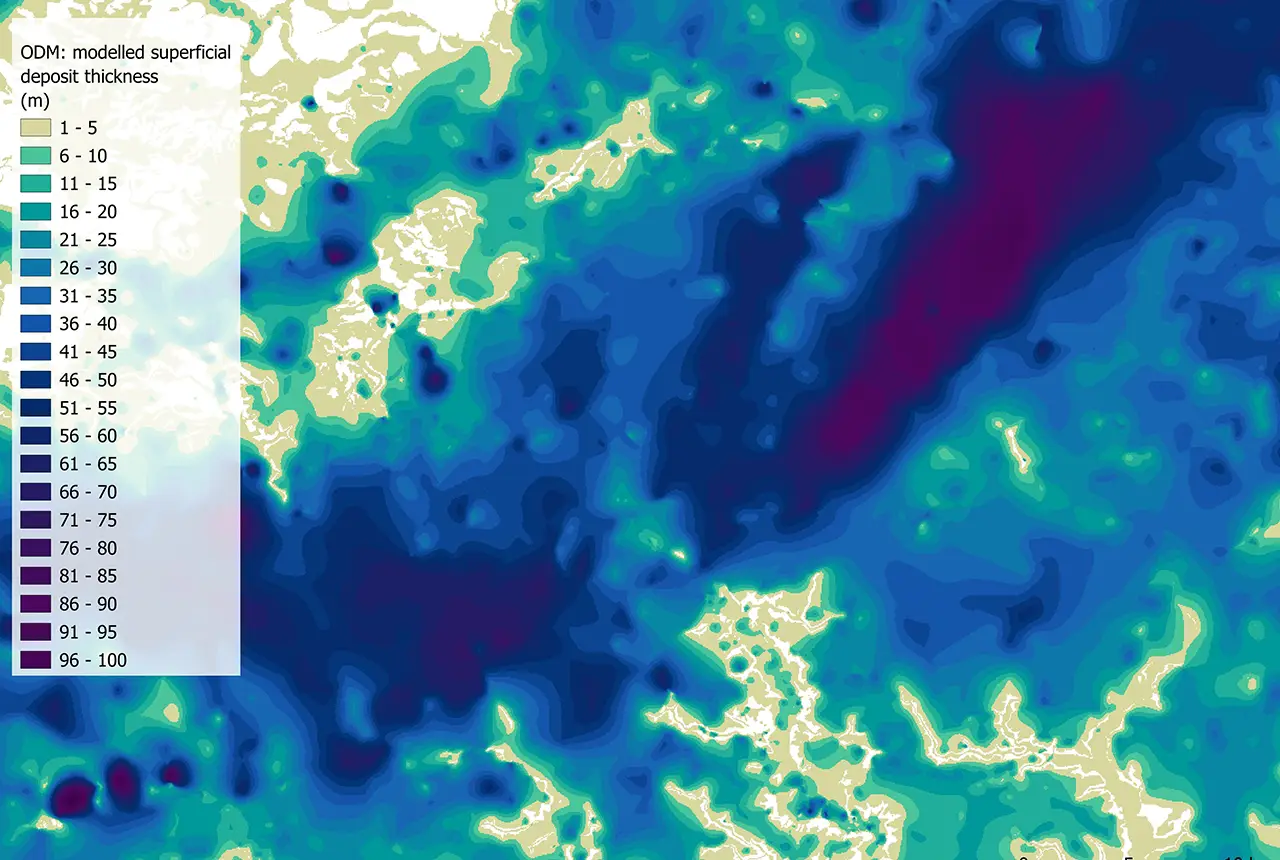
Updated national 3D model will determine the depth to the solid bedrock beneath our feet
13/07/2026
The BGS Superficial Deposit Thickness Model now includes an elevation model of geological rockhead for the first time, providing important data for civil engineers, geoscientists and environmental scientists.
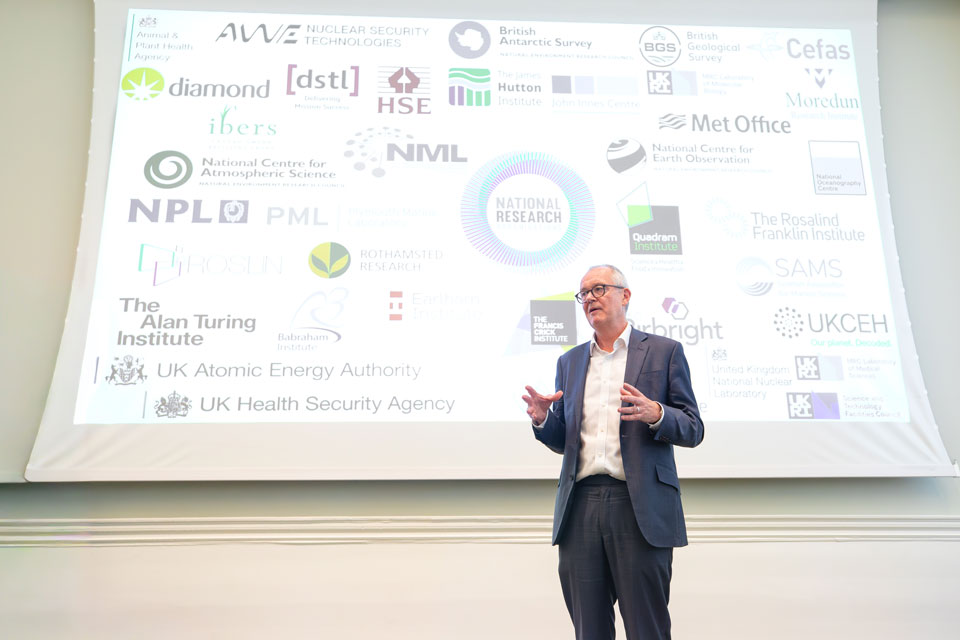
UK’s world-class research organisations launch new collective
10/07/2026
The launch of the National Research Organisations Group brings together more than 100 science leaders to provide an authorativive voice on science, research policy and long-term investment.
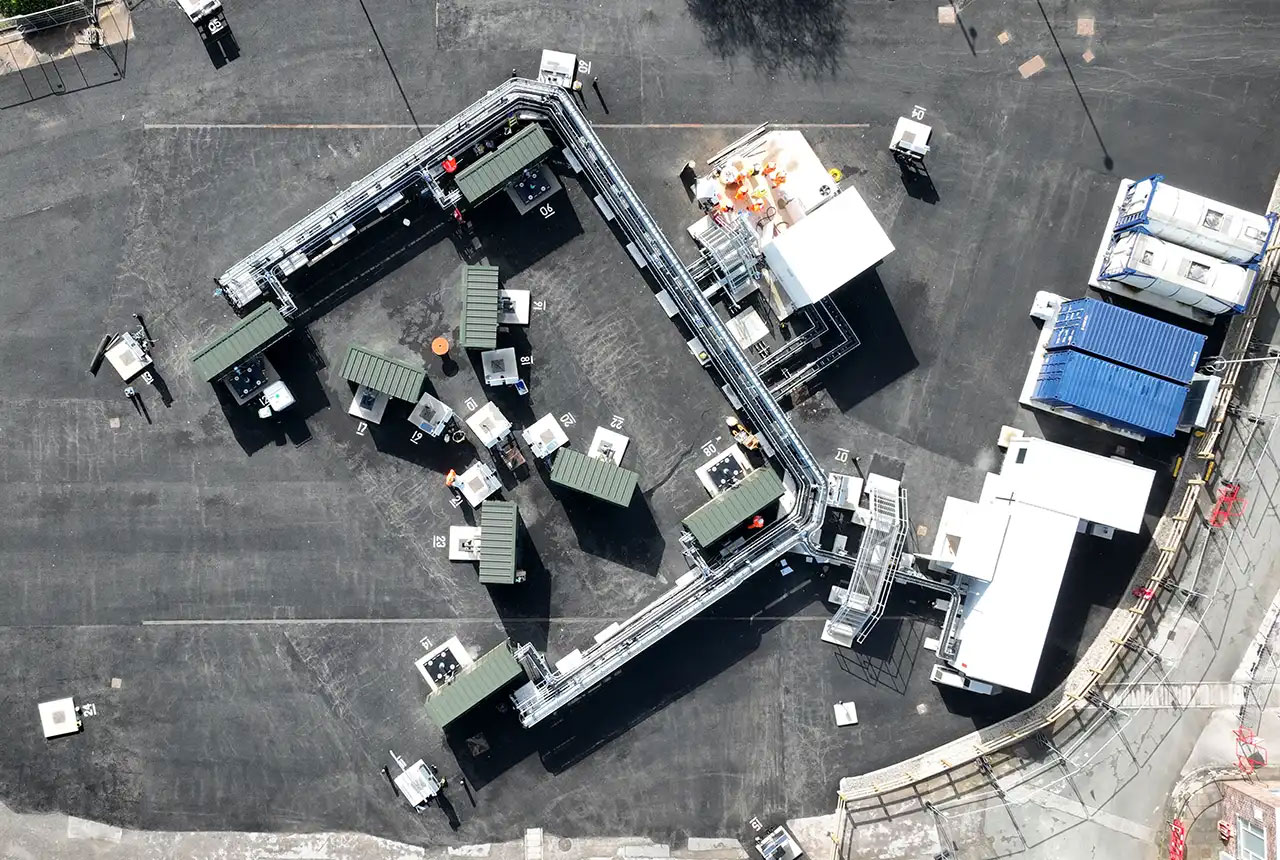
Cheshire Geoenergy Observatory releases key geological datasets for UK thermal energy storage scheme design
09/07/2026
A new report and data packs from BGS will provide a unique resource for scientists working on the geology and hydrogeology of the Sherwood Sandstone Formation, an important aquifer and reservoir rock.

New geological mapping underway to help manage flooding along the River Tweed
08/07/2026
Scientists are surveying the Tweed catchment for the first time in over 100 years to enhance understanding of localised groundwater and improve flood forecasting.

Geological research in North Sea helping to safeguard subsea cables
06/07/2026
Subsea power and telecommunications cables are critical to the UK’s energy infrastructure and global connectivity, yet they remain vulnerable to damage from ship anchors, fishing activity and natural hazards.
UK Critical Minerals Intelligence Centre makes recommendations for the next UK criticality assessment
01/07/2026
CMIC has outlined the enhancements made to the next assessment update to ensure it is better tailored to the structure of the UK economy.
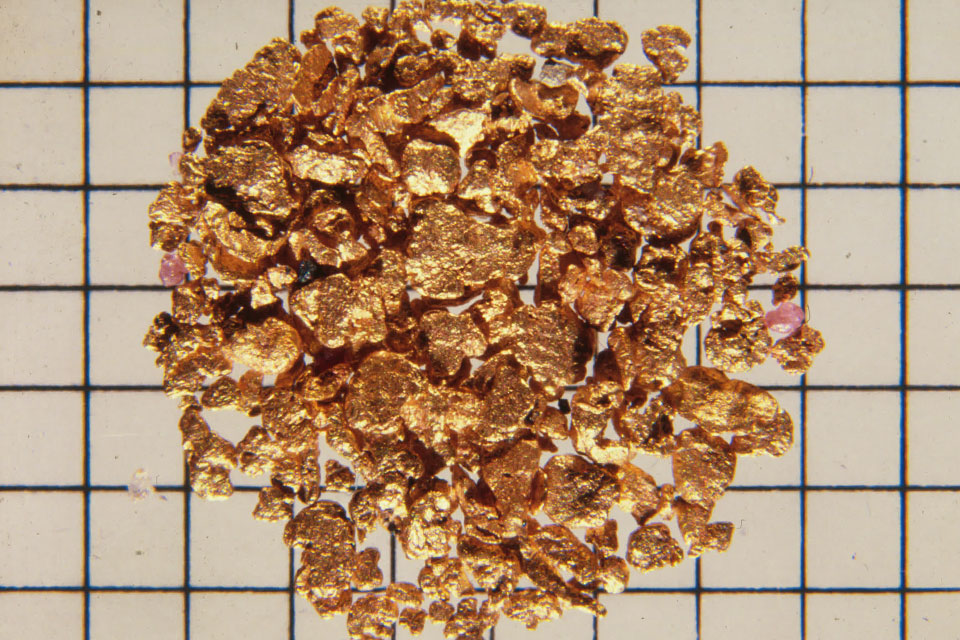
From archive to discovery: historical mineral reports support gold exploration in Scotland
25/06/2026
Digitised geological records show potential to unlock untapped mineral resources in Ardlochan, Argyllshire.
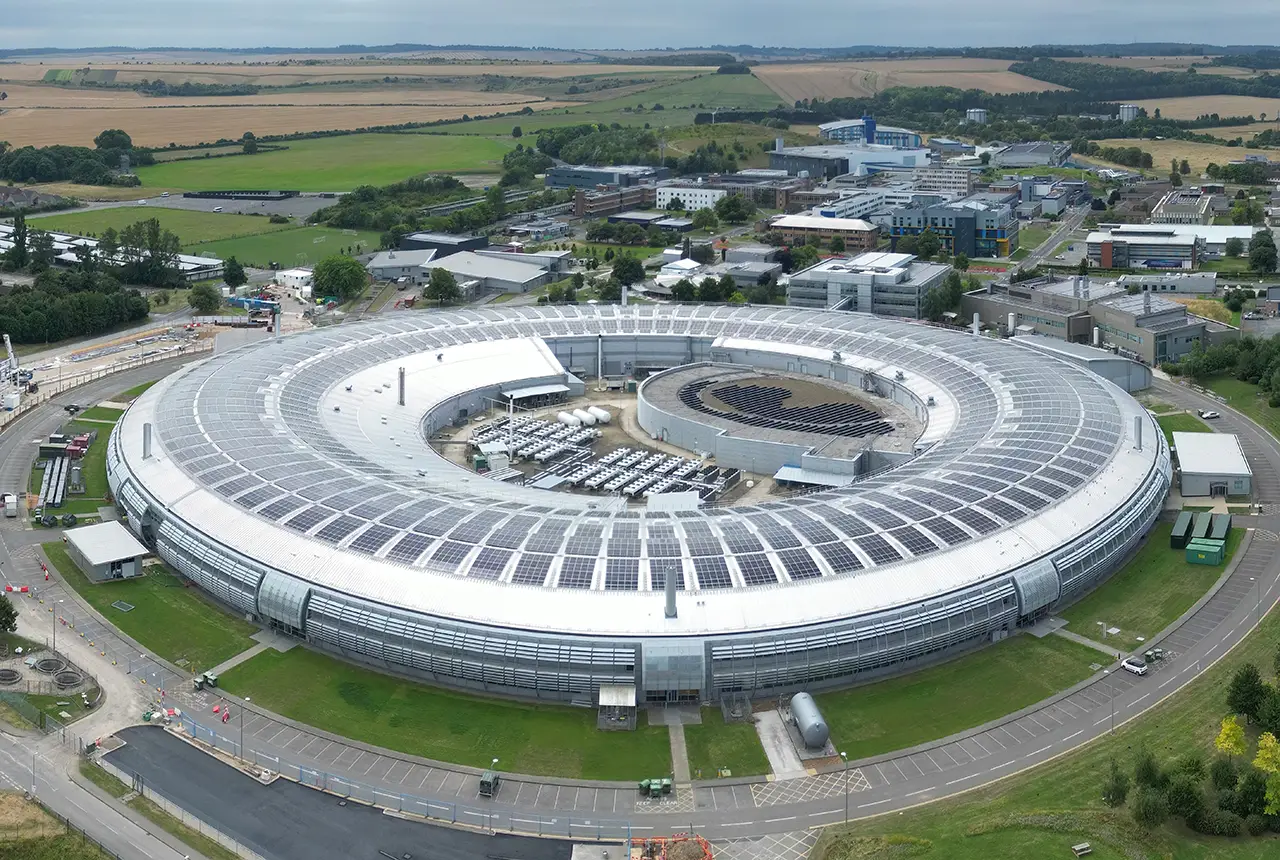
UK and Philippines scientists investigate natural hydrogen generation processes at atomic scale
22/06/2026
BGS researchers were granted access to use the Diamond Light Source facility in order to study hydrogen in light brighter than the sun.
Shortage of end-of-life materials presents challenge to UK critical minerals security
17/06/2026
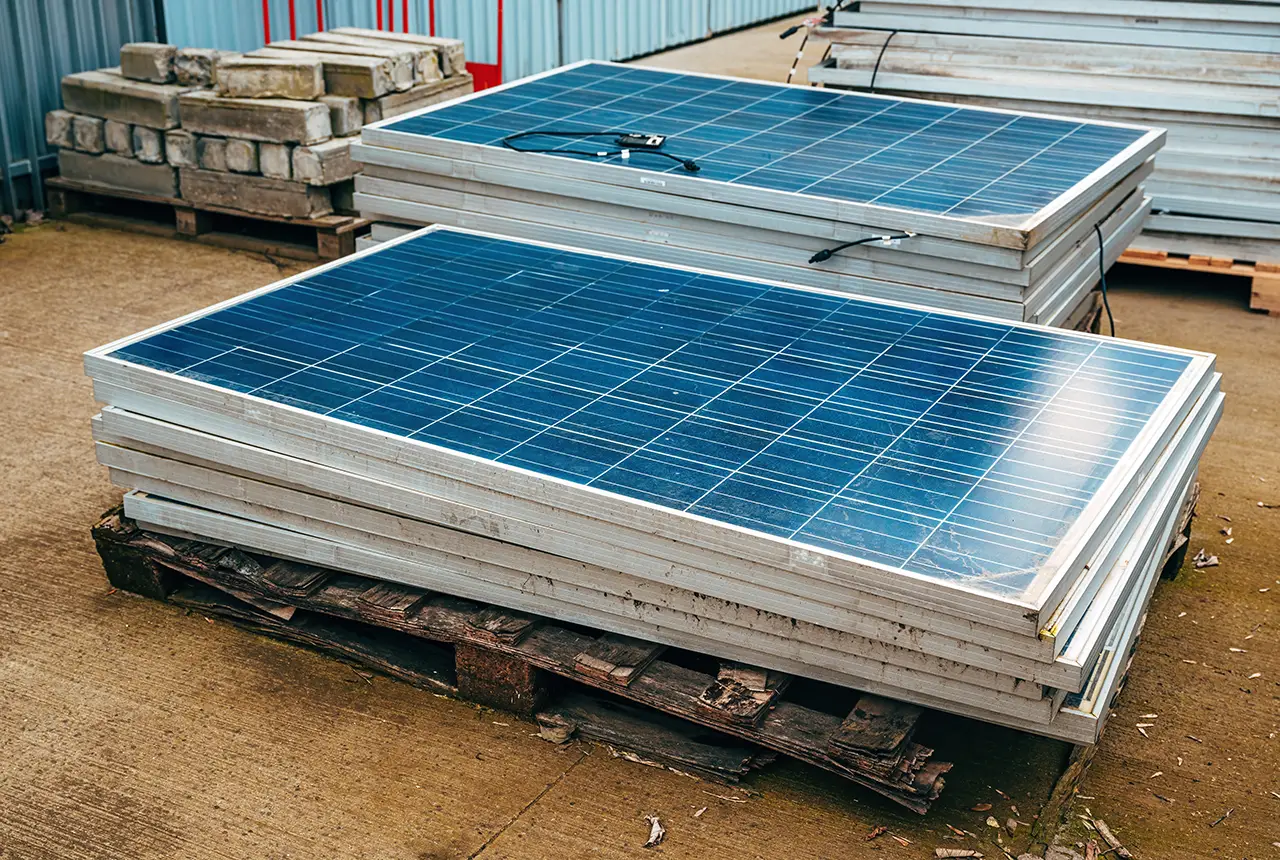
A new report by the UK Critical Minerals Intelligence Centre reveals insufficient end-of-life material stocks present a supply risk over the coming decade, but offer significant long-term potential to meet critical mineral demand through recycling.
UK geothermal catalogue receives update
16/06/2026
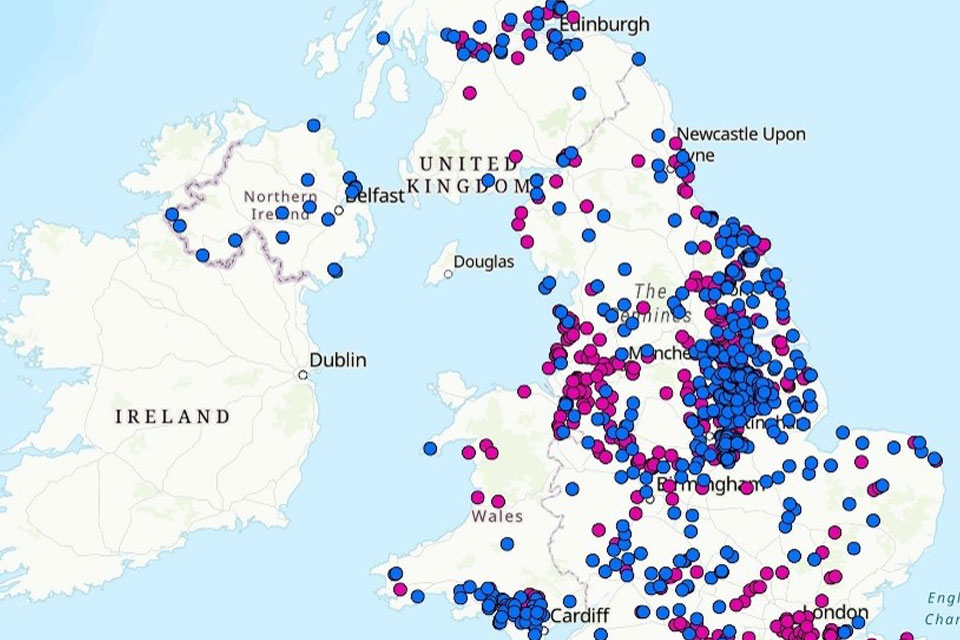
BGS releases the second digital version of the UK geothermal catalogue of subsurface temperature and rock thermal conductivity measurements and heat flow calculations.