
Hydrogeology and groundwater play a significant role in the energy sector and the transition towards net zero energy. At BGS we have experience in exploring how groundwater and aquifers can be used to facilitate energy production and storage; and also how to safeguard groundwater from degradation from the energy sector.
- Geothermal energy often relies on the aquifer properties of rocks to transmit and sustain heat flow.
- Recent research has focused on how water from closed coal mines can be used for heating and cooling. BGS has considerable expertise in monitoring and modelling mine heat along with a dedicated research facility in Glasgow
- The potential for shale gas exploitation in the UK was explored in the last decade before finally being ruled out. BGS undertook several years of monitoring and research to explore the risks to groundwater from shale gas exploitation
- Waste from the nuclear industry must be stored for many thousands of years. Potential groundwater flowpaths are ley to assessing the long term safety of nuclear waste disposal.
- Mining for critical minerals often involves groundwater. For example lithium can be extracted from groundwater and salars. Good practice in mining also often involves strategies for monitoring and safeguarding local groundwater
- Storage of hydrogen and long term sequestration of CO2, Carbon Capture and Storage (CCS) can often occur in deep aquifers, where the gases interacts with the often saline groundwater. BGS has considerable expertise in the CCS developed over decades working with partners.
- Developing onshore windfarms and transmission lines often involve disturbing peatlands, a unique hydrogeological environment. BGS maps peat extents and also carried out research on how water flows through environments mantled by peat.
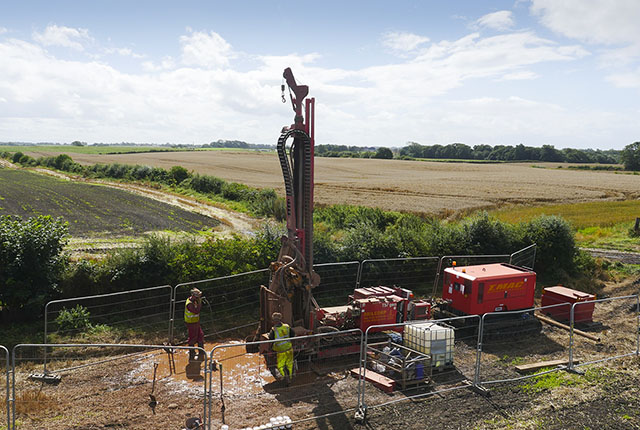
Shale gas
BGS research to understand the effects on groundwater from shale gas exploitation.
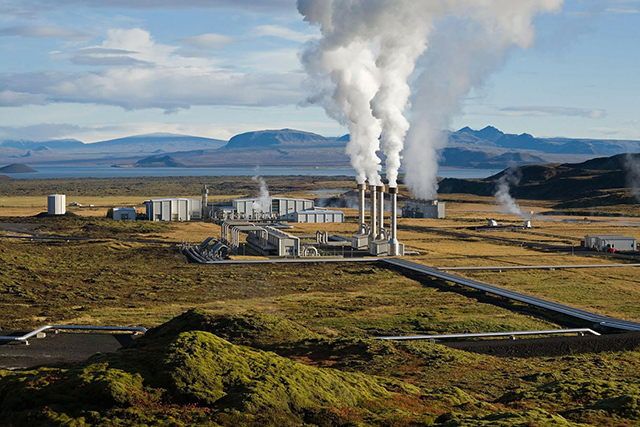
Geothermal energy
Investigating geothermal energy — energy stored in the form of heat beneath the surface of the solid Earth.