

There are more than 1500 active volcanoes on Earth. Around 50–70 volcanoes erupt every year. There are 82 volcanoes in Europe and 32 of these are in Iceland, one of the UK’s closest ‘volcanic neighbours’. Most of the volcanoes on Earth are not well-monitored or even monitored at all. Some volcanoes erupt almost continuously (e.g. Etna and Stromboli) but some don’t erupt for tens, hundreds or even thousands of years.
Why does BGS study volcanoes?
We have a team of volcanologists that works on various research projects in locations around the world. This research helps governments and local people to:
- understand the signals that may indicate an eruption will happen soon
- understand different volcanoes’ ‘personalities’ and behaviour
- understand the potential hazards posed by volcanoes
- work with communities living near volcanoes and further afield to try and reduce risk from volcanic eruptions
- understand how best to take advantage of volcanic systems, e.g. geothermal energy
The BGS volcanology team works with government agencies to provide support and scientific advice not only during volcanic unrest or ‘changes from a volcano’s normal state’, but also in preparation for potential future activity.
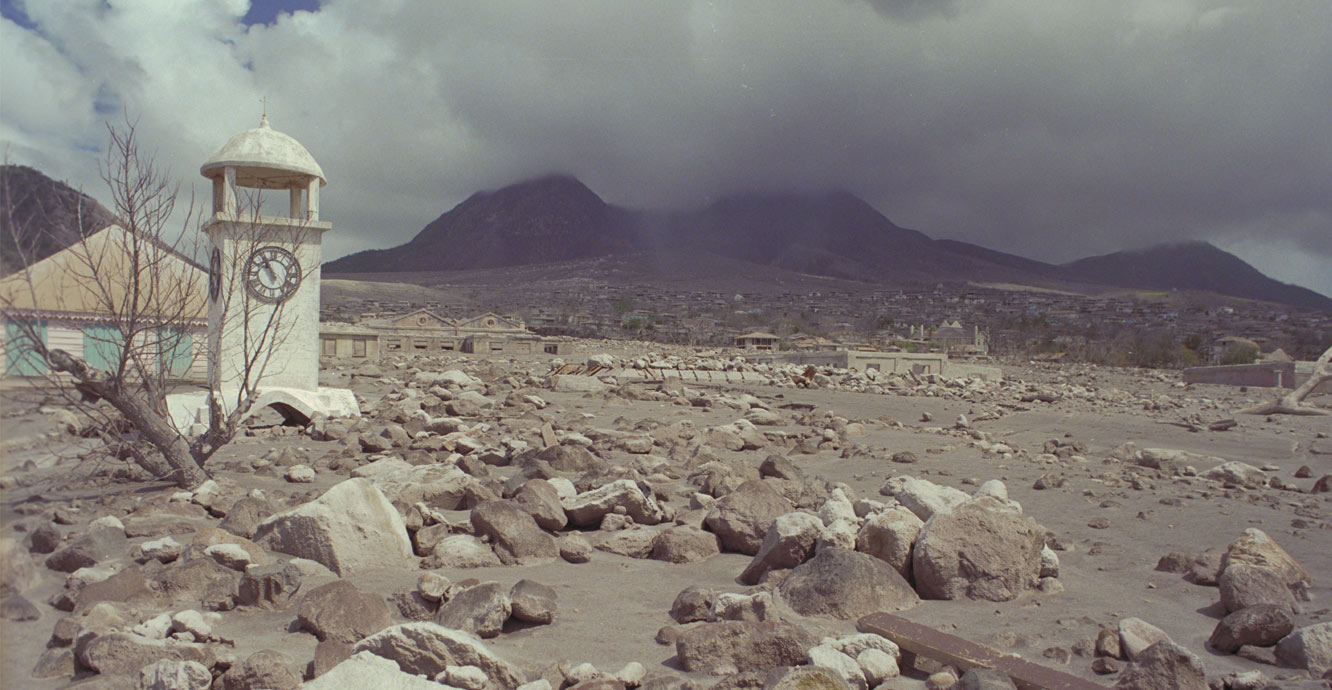

Plymouth, the main town of the Caribbean island of Montserrat, was buried beneath pyroclastic flow material during the eruption of the Soufrière Hills eruption that began in 1995. BGS ©UKRI.
Find out more about volcanoes
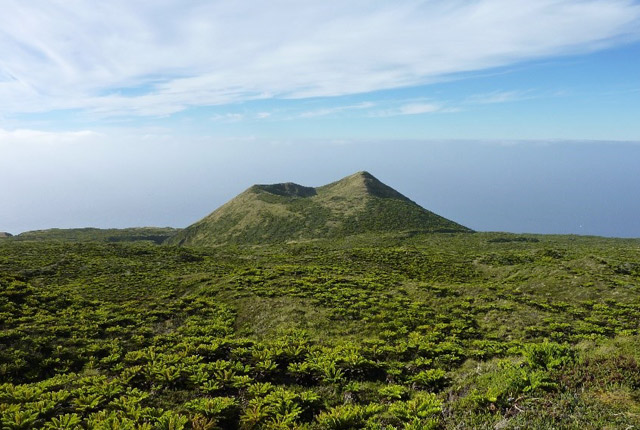
How volcanoes form
How the different types of volcano are formed and the relationship with plate tectonics.
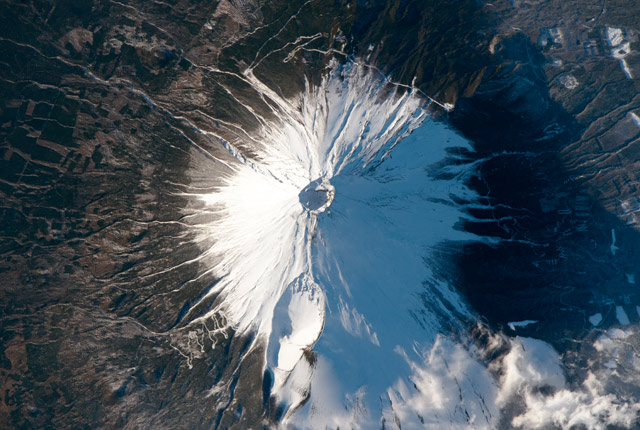
Types of volcano
Different types of volcano are formed according to the properties of the magma that creates them.
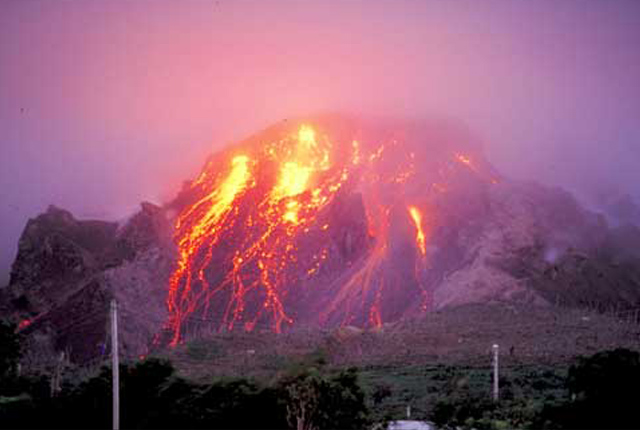
Eruption styles
Volcanic eruptions can be explosive, sending ash, gas and magma high up into the atmosphere, or effusive, producing lava flows and domes.
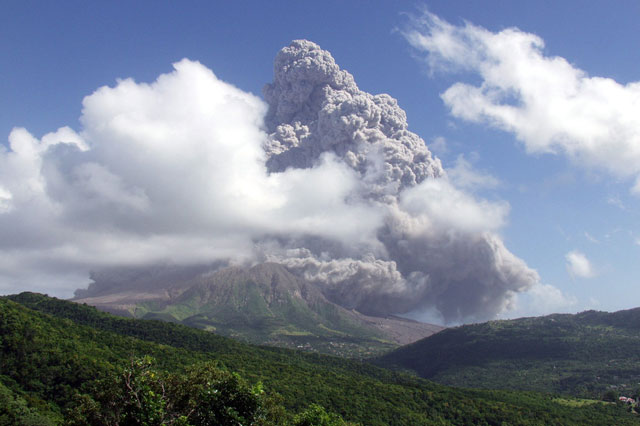
Volcanic hazards
Find out about the different types of volcanic hazards that put human lives, livelihoods or infrastructure at risk of harm.
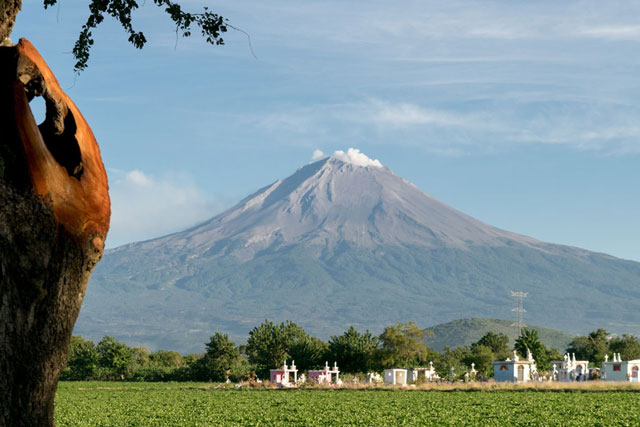
Living with volcanoes
It may seem unwise to choose to live with such a hazardous neighbour as a volcano. There are a number of reasons why people live alongside volcanoes.
You may also be interested in
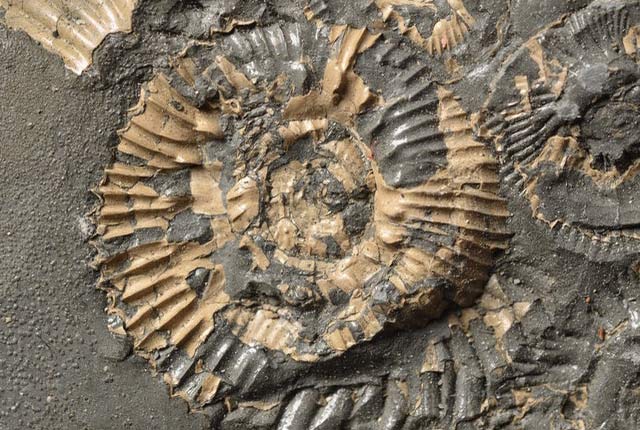
Discovering Geology
Discovering Geology introduces a range of geoscience topics to school-age students and learners of all ages.
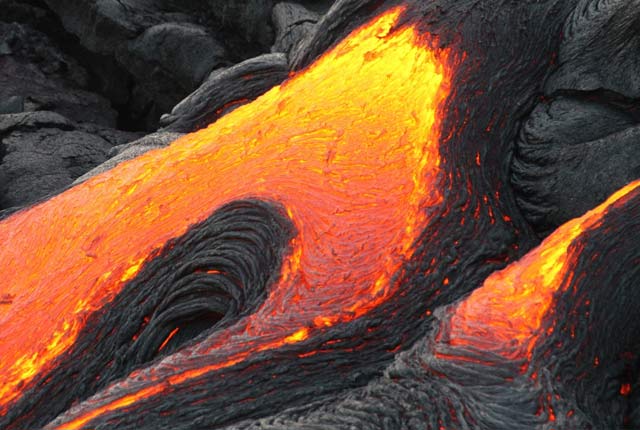
Earth hazards
The Earth beneath our feet is constantly shifting and moving, and violently with catastrophic and immediate results. Find out more about earth hazards.